2027 Best Industries to Enter With an AI Master's Degree

Co-Founder and Chief Data Scientist
Transitioning into the artificial intelligence field with a master's degree can pose challenges for professionals from unrelated backgrounds. Job market demands shift rapidly, making it difficult to pinpoint industries where AI skills yield the best career growth and stability. Selecting an industry without clear guidance may limit job opportunities or lead to underutilization of one's advanced expertise. This article explores the best industries to enter in 2026 with an AI master's degree, offering insights to help prospective students and career changers strategically align their education with sectors poised for innovation and strong employment prospects.
Key Things You Should Know
- The healthcare industry shows a 40% projected growth in AI integration by 2030, driven by diagnostic tools and personalized medicine advancements.
- The finance sector invests over $50 billion annually in AI for fraud detection, risk assessment, and automated trading systems.
- AI applications in manufacturing improve efficiency by up to 30%, emphasizing robotics, predictive maintenance, and quality control innovations.
Which industries are actively hiring AI master's degree holders right now?
Several industries hiring ai master's degree graduates are expanding rapidly due to advancements in technology and increasing demand for specialized skills. The technology sector leads in recruiting top talent with expertise in machine learning, natural language processing, and computer vision. These professionals play key roles in software development, data analysis, and autonomous systems at tech giants and innovative startups.
Healthcare is a growing field for AI master's degree holders, focusing on applications such as medical imaging analysis, drug discovery, and predictive analytics for personalized treatment. Employers seek candidates skilled in managing complex data while ensuring compliance with privacy regulations.
The financial services sector is also a top sector recruiting professionals with ai master's degrees. They work on fraud detection, automated trading, and customer service improvements using chatbots and recommendation engines, blending technical skills with financial knowledge.
Opportunities in the automotive industry continue to expand, especially in autonomous vehicle development and advanced driver-assistance systems that require expertise in sensor fusion and real-time AI decision-making. Additional positions are available in government, cybersecurity, marketing analytics, and manufacturing automation.
According to the U.S. Bureau of Labor Statistics, employment of computer and information research scientists is projected to grow 23% from 2023 to 2033, faster than the average for all occupations. This growth underscores the strong career prospects for AI master's graduates pursuing artificial intelligence degree jobs, while encouraging graduates to align their choices with evolving AI applications and industry regulations.
What is the average salary for professionals with an AI master's degree across different sectors?
Professionals with a master's degree in artificial intelligence have an average salary of about $134,000 annually, with variations depending on industry and experience. Entry- and mid-level roles usually offer between $100,000 and $120,000, while senior positions in competitive sectors can surpass $180,000. These variations reflect the average salary for professionals with an AI master's degree by industry.
The technology sector offers some of the highest pay, where AI specialists in software development, machine learning engineering, and data science earn between $130,000 and $190,000. AI research scientists at major tech companies often receive salaries over $150,000, along with bonuses and stock options. Salary comparisons across different sectors show healthcare and biotech also provide lucrative roles, with earnings typically from $120,000 to $160,000 for experts developing diagnostic or personalized medicine tools.
Finance professionals applying machine learning to algorithmic trading or fraud detection see similar salary ranges, with senior quantitative analysts earning over $170,000. Manufacturing and automotive AI roles focused on automation and autonomous vehicles generally offer $110,000 to $150,000, while government and defense jobs usually provide slightly lower pay but include greater job security and benefits.
Location greatly influences salary levels, with urban tech hubs like San Francisco, New York, and Boston offering top-tier compensation. Prospective students evaluating the benefits of an AI master's degree might also consider programs aligned with their career goals, such as a mechanical engineer degree, which complements AI skills in certain industries.
What are the job outlook and growth projections for AI roles over the next decade?
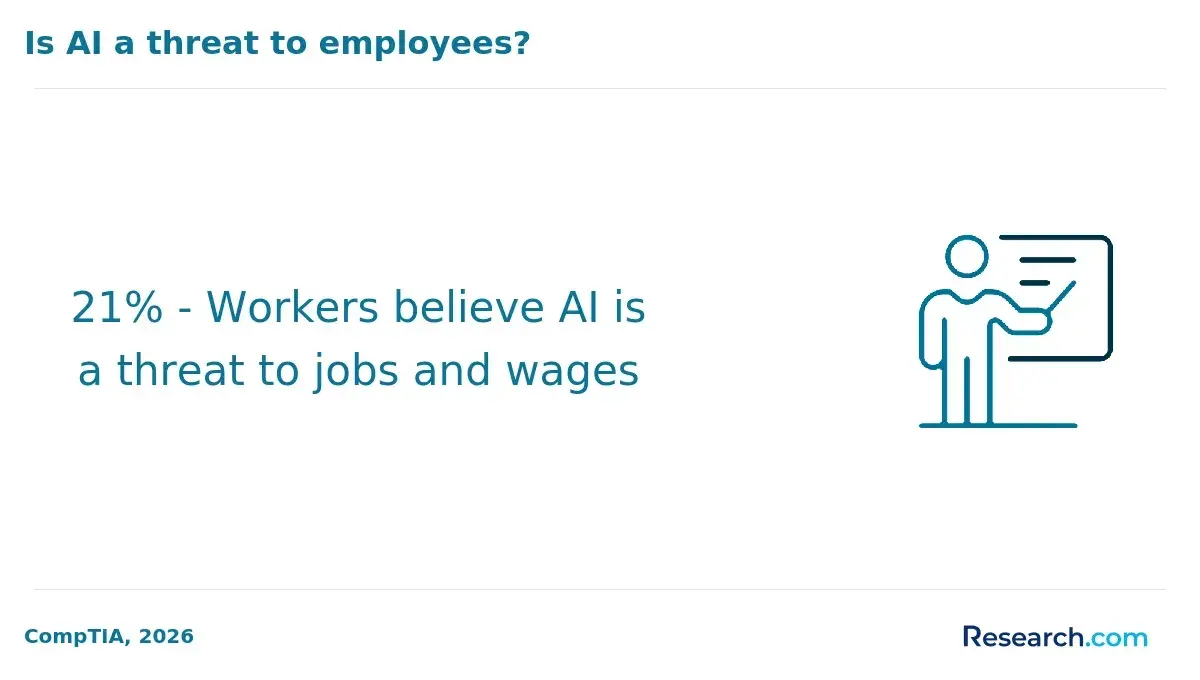
The demand for AI professionals is rising sharply, fueled by broad adoption across sectors such as healthcare, finance, manufacturing, and retail. Organizations increasingly rely on AI to optimize processes like diagnostics, fraud detection, quality control, and customer experience. This shift drives job outlook and growth projections for artificial intelligence careers in the US, with AI-related postings growing by 74% year-over-year according to recent industry surveys.
Growth in AI roles surpasses many other tech fields, requiring specialized skills in areas including deep learning, natural language processing, and AI system architecture. Future employment trends in artificial intelligence roles across North America show expanding opportunities beyond technical positions; business analysts and product managers with AI expertise are also in demand. The U.S. Bureau of Labor Statistics forecasts over 30% growth in computer and information research scientist roles from 2022 to 2032, many of which focus on AI.
As AI models grow more complex, new roles like AI ethics consultants, trainers, and system integrators ensure responsible implementation. Candidates with master's degrees and advanced certifications are well-positioned to meet this evolving demand. Professionals looking to advance can explore online masters in AI programs that emphasize these critical skills for a competitive edge.
What core skills and technical competencies should an AI master's program cover?
An AI master's program core skills and technical competencies include mastery of machine learning algorithms such as supervised, unsupervised, and reinforcement learning. Proficiency in deep learning frameworks like TensorFlow and PyTorch is essential because neural networks are widely used for image recognition and natural language processing. According to LinkedIn's 2024 Jobs Report, machine learning expertise is the most sought-after skill, with related job openings growing 75% faster than other tech fields. Graduates must be able to design, implement, and optimize these models effectively.
Strong programming ability, especially in Python, remains crucial as the industry standard for AI development. Programs typically emphasize hands-on experience with data manipulation libraries such as Pandas and NumPy, along with visualization tools for comprehensive data analysis. Additional languages like R, Java, or C++ may also be covered to address specific AI needs in real-time systems or scalable production environments. Essential technical skills for AI master's degree graduates also include knowledge of SQL and big data platforms like Hadoop and Spark, which are vital for managing and preprocessing large datasets.
The mathematical foundation, including statistics, probability, and linear algebra, supports rigorous model evaluation and understanding of algorithm mechanics. Ethical considerations, interpretability, and deployment strategies form a critical part of the curriculum. Topics like model fairness, bias mitigation, and regulatory compliance prepare students for responsible AI use across healthcare, finance, and autonomous systems.
Prospective students seeking an online master in data science should ensure the program thoroughly incorporates these essential technical skills for AI master's degree graduates to meet industry demands.
How do online AI master's programs compare to on-campus options in terms of career outcomes?
Online AI master's programs often match or exceed the career outcomes of traditional on-campus degrees, especially in technical fields. A recent study by the Online Learning Consortium found that 72% of employers value online master's degrees in AI as equally or more credible than their on-campus counterparts. This growing trust mainly comes from accredited programs offered by well-established universities.
Graduates from reputable online AI programs secure similar job titles, salaries, and promotion opportunities as on-campus students. Roles such as data scientist, machine learning engineer, and AI researcher show comparable hiring rates when the program is recognized and specialized. Additionally, online students benefit from flexible schedules that allow them to gain practical work experience alongside their studies, which can boost their resumes.
Some employers in highly competitive or research-centered fields may still prioritize on-campus experience due to perceptions about networking and hands-on lab access. To address these concerns, online students should select programs emphasizing live interactions, collaborative projects, and internships. Demonstrating applied skills through verified credentials and portfolio work is crucial.
Prospective students need to focus on curriculum quality, accreditation, and faculty expertise rather than delivery mode. Ultimately, career success depends more on the program's reputation, mastery of skills, and relevant experience than on whether the degree was earned online or in person.
What accreditation standards and institutional credentials should you verify when choosing an AI master's program?
Accreditation is a key factor when choosing a master's program in artificial intelligence. Programs accredited by recognized organizations like ABET (Accreditation Board for Engineering and Technology) offer assurance that their curriculum meets high industry and academic standards. Data from ABET shows a 94% employment rate within six months of graduation for graduates of accredited programs, compared to 87% for those from non-accredited ones, highlighting the career advantage of accredited education.
Regional accreditation of the institution itself also plays a crucial role. Accreditors such as the Higher Learning Commission or Middle States Commission on Higher Education validate the overall quality and credibility of the university, ensuring that credits transfer smoothly and degrees hold value with employers.
Prospective students should verify that the curriculum emphasizes industry-relevant skills such as hands-on projects, programming, machine learning, and ethical AI principles. Additional certifications from professional bodies like the IEEE Computer Society can enhance a program's reputation and the student's credentials.
Faculty expertise and active research in artificial intelligence strengthen program quality by providing students access to the latest developments and networking opportunities. Evaluating graduate outcomes and partnerships with industry can offer insight into how well a program prepares students for successful careers.
What are the typical admission requirements and prerequisites for entering a master's program in artificial intelligence?
Admission to a master's program in artificial intelligence commonly requires a minimum undergraduate GPA of 3.0 along with quantitative standardized test scores like the GRE. These criteria help ensure candidates have the academic foundation necessary to handle advanced AI topics. Typically, applicants need a bachelor's degree in computer science, engineering, mathematics, or a related STEM field with coursework in programming, algorithms, linear algebra, statistics, and calculus. Some programs allow candidates from non-technical backgrounds but expect prerequisite courses to be completed.
While work experience in AI, machine learning, data science, or software development is advantageous, it is not always mandatory. Competitive applicants often present internships or projects showcasing practical skills. Strong letters of recommendation highlighting quantitative abilities and problem-solving are also important. Personal statements should clearly express career goals, motivation, and relevant experience, complemented by resumes or CVs. Non-native English speakers must submit TOEFL or IELTS scores.
In some cases, interviews assess communication and technical knowledge. Application deadlines and fees vary by program, so prospective students should consult official program websites.
How long does an AI master's degree take to complete, and what are the typical program costs?
An AI master's degree usually requires 1.5 to 2 years of full-time study, with part-time options extending up to 3 to 4 years to accommodate working professionals. Most programs mandate completion of 30 to 36 credit hours, including core courses, electives, and a capstone project or thesis. Program structure and delivery format, such as online or flexible pacing, are important factors to consider.
Tuition costs vary significantly, ranging from $40,000 to $120,000. Public universities tend to be more affordable, generally charging between $40,000 and $70,000, while private institutions often sit at the higher end. Additional expenses-like textbooks, software licenses, and living costs-should be factored into total financial planning. Scholarships, assistantships, and employer tuition reimbursement programs can help reduce financial burdens.
Graduates often see strong returns on investment, with salary increases typically allowing payback of educational costs within 2 to 3 years, especially in fields such as technology, finance, and healthcare, where demand for AI expertise is high. Choosing an accredited program with solid industry partnerships can improve employability and justify the expense.
Prospective students should carefully evaluate program duration, delivery options, and total costs to align their choice with career goals and scheduling needs.
Are there professional certifications or industry credentials that complement an AI master's degree?
Professional certifications significantly enhance an AI master's degree by boosting both credibility and job prospects. Indeed's 2024 Hiring Lab found that roles requiring a master's degree plus certifications such as AWS Certified Machine Learning or Google Cloud Professional Data Engineer offer salaries about 22% higher than those asking only for an advanced degree. These credentials demonstrate practical expertise in cloud platforms, machine learning deployment, and AI model management-skills highly valued by employers.
Certifications like the AWS Certified Machine Learning Specialty prove one's ability to design and maintain machine learning solutions on AWS, while Google's Professional Data Engineer certification highlights skills in data processing systems that support AI workloads. Those pursuing AI product development roles benefit from showing cloud proficiency alongside theoretical knowledge.
Other valuable certificates include the Certified Artificial Intelligence Practitioner (CAIP), which emphasizes foundational AI applications and ethics, and Microsoft Certified: Azure AI Engineer Associate, focused on deploying AI on Microsoft Azure, broadening market reach. Industry-specific credentials in AI ethics, data privacy such as Certified Information Privacy Professional, and cybersecurity also help candidates address regulatory and security demands facing AI deployment.
Graduates and professionals should review job postings in their target fields to identify the most relevant certifications. Prioritizing credentials related to cloud AI services, data engineering, and responsible AI practices leads to measurable salary gains and stronger job security.
What specific job roles and career titles are most accessible to AI master's degree graduates?
Graduates with a master's degree in artificial intelligence often pursue roles like machine learning engineer, data scientist, and AI research scientist. Machine learning engineer roles make up 28% of AI-related job openings, reflecting high demand for professionals who design algorithms allowing systems to learn from data. Data scientists follow with 22% of positions, focusing on analyzing large datasets using statistical and machine learning techniques, commonly in finance, healthcare, and marketing. Strong programming skills in Python and R, along with data visualization, are essential.
AI research scientists account for 18% of openings and work on developing new AI methods and theoretical advances. These roles often exist in academia, corporate research, and think tanks, requiring experimental design and peer-reviewed publication experience. Additional positions include AI product managers who oversee AI projects and AI ethics specialists who focus on fairness and bias mitigation. Entry-level AI software engineers and natural language processing engineers provide accessible entry points, especially for candidates with software development backgrounds combined with AI expertise.
Obtaining targeted experience, certifications, and familiarity with cloud platforms can greatly enhance employability. Knowledge of industry-specific AI applications also strengthens competitiveness in the U.S. job market.
Other Things You Should Know About Artificial Intelligence
Artificial intelligence is a broad field focused on creating systems capable of performing tasks that typically require human intelligence. Machine learning is a subset of artificial intelligence that involves training algorithms on data to enable systems to learn and improve their performance over time without explicit programming.
While artificial intelligence can automate many routine and repetitive tasks, it is unlikely to replace all human jobs completely. Instead, AI often augments human roles by handling data-driven tasks, allowing workers to focus on complex decision-making and creative problem-solving.
In 2027, ethics is crucial for AI professionals across industries to guide responsible development and deployment of AI technologies. Understanding ethical considerations helps ensure that AI systems are fair, transparent, and don’t inadvertently cause harm, thus increasing trust and adoption in various sectors.
Beyond the technology sector, artificial intelligence significantly impacts healthcare, finance, manufacturing, and retail. These industries utilize AI for tasks such as medical diagnosis, fraud detection, automated production, and personalized customer service.
An AI master's degree equips professionals with skills to transform healthcare through AI-driven diagnostics, personalized medicine, and operational efficiencies. For more focused education paths in healthcare, explore an artificial intelligence in healthcare master’s. This specialization is increasingly vital with the industry’s rapid AI integration.
References
- The Future of AI Engineering: A 10-Year Job Market Forecast | FDTec https://fdtec.co/the-future-of-ai-engineering-a-10-year-job-market-forecast/
- Top College Degrees That Will Land You the Highest-Paying AI Jobs in 2026 https://www.investopedia.com/top-college-degrees-that-will-land-you-the-highest-paying-ai-careers-in-2026-11923863
- Masters in Artificial Intelligence Salary: Earning The Degree & The Dollars https://aifwd.com/career/masters-in-artificial-intelligence-salary/
- Artificial Intelligence Certificate Programs - MastersInAI.org https://www.mastersinai.org/degrees/ai-certificate-programs/
- MSc Artificial Intelligence-career prospects University of Hull Online https://online.hull.ac.uk/courses/msc-artificial-intelligence/careers
- 10 jobs projected to grow the most in the next 5 years https://qz.com/fastest-growing-job-industries-2025-ai-engineering
- What Jobs Can I Get With a Master's in Artificial Intelligence? | CSU Global https://csuglobal.edu/blog/what-jobs-can-you-get-masters-artificial-intelligence
- M.Sc In Artificial Intelligence - Top Colleges, Eligibility, Fees, Admission 2026 https://collegevidya.com/blog/msc-in-artificial-intelligence-detailed-guide/
- AI Certifications: Accredited Programs, Vendor Credentials, and Emerging Standards - Total Seminars https://totalsem.com/ai-certifications-accredited-programs-vendor-credentials-and-emerging-standards/
- AI Careers - Top AI Jobs with Education Requirements and Pay https://aidegreeprograms.org/ai-careers/