2027 Artificial Intelligence Degree Programs With 8-Week Courses

Co-Founder and Chief Data Scientist
Many professionals with degrees in unrelated fields face challenges entering the artificial intelligence sector due to time constraints and the need for focused, practical education. Lengthy traditional programs often deter career changers aiming for swift skill acquisition. Accelerated courses spanning eight weeks provide a targeted alternative, allowing students to gain essential competencies without sacrificing current job responsibilities. These condensed programs address the demand for accessible, accredited pathways into AI roles.
This article reviews artificial intelligence degree programs offering eight-week courses, helping readers identify flexible options that support a successful transition into the AI industry.
Key Things You Should Know
- Eight-week artificial intelligence degree courses have surged in availability, catering to professionals seeking rapid skill acquisition amid growing AI-related job openings projected to increase by 35% through 2028.
- These accelerated programs often blend foundational AI theory with practical applications in machine learning and data science, enabling completion within six months to one year of full-time study.
- Top institutions now emphasize industry-aligned curricula and hands-on project experience, improving graduate employment rates, which have reached approximately 82% within six months after program completion.
What are artificial intelligence degree programs with 8-week courses?
Artificial intelligence degree programs with accelerated 8-week courses offer a streamlined approach to learning core AI concepts and practical skills in less time than traditional semester-based formats. These programs focus on modules such as machine learning, data analytics, neural networks, and natural language processing, allowing quicker progress beneficial for working professionals and career changers seeking flexibility.
In 2022-23, over half of U.S. higher-education students took at least one online course, aligning well with the online artificial intelligence certificates featuring 8-week course formats. Many programs provide fully online or hybrid options to accommodate busy schedules.
Typical components of these programs include:
- Intensive weekly assignments and projects designed for efficient learning
- Hands-on practice with AI tools and programming languages like Python and TensorFlow
- Specialized electives in AI subfields such as computer vision and robotics
- Collaborative platforms and virtual labs for interaction with peers and instructors
This fast-paced structure requires excellent time-management skills to handle increased workload. Students should verify program accreditation and faculty expertise to ensure quality education aligned with industry needs.
For those looking to rapidly advance their tech careers, exploring a fast track computer science degree can be a strategic choice. These focused 8-week courses make advanced AI education accessible to diverse learners balancing professional and personal commitments.
Which accredited U.S. colleges offer 8-week AI degree courses online?
Several accredited U.S. colleges offer online 8-week artificial intelligence degree programs designed for students and professionals seeking a fast-paced, focused learning experience. These accelerated formats enable quicker degree completion while accommodating working schedules and transfer credits.
Top online artificial intelligence degree courses with 8-week terms at U.S. universities include offerings such as Northeastern University's online Master of Professional Studies in Artificial Intelligence, which emphasizes deep learning and machine learning specializations. Southern New Hampshire University provides a bachelor's in Computer Science featuring AI electives on an 8-week schedule to promote efficient degree progression. The University of Illinois Springfield also delivers online certificates and courses in artificial intelligence and data analytics structured in 8-week blocks that integrate practical labs and real-world projects for applied skill development.
According to the National Center for Education Statistics, 28% of U.S. postsecondary institutions offered entirely online programs recently, illustrating growing accessibility to online AI education. Prospective students should verify accreditation, program relevance to AI subfields, course flexibility, and student support services. Preparatory coursework may be necessary for those with limited computing backgrounds.
For prospective learners also interested in engineering fields, exploring a mechanical engineering online degree can offer complementary expertise relevant to automation and emerging technologies.
How do 8-week AI courses compare to traditional semester courses?
Eight-week artificial intelligence courses offer an accelerated learning experience compared to traditional 15-week semester formats, condensing material into a shorter timeframe. This requires consistent weekly effort and focused study habits, which benefits working professionals seeking rapid skill acquisition. These programs allow faster entry into AI-related roles without sacrificing the depth of content.
When comparing accelerated artificial intelligence programs with traditional semester formats, research indicates that online learning-common in many 8-week AI courses-can yield modestly better outcomes. A meta-analysis from the U.S. Department of Education reported an average effect size favoring online formats, suggesting that these accelerated, predominantly online courses can produce equal or superior learning results.
Students considering 8-week artificial intelligence courses should note the intense pacing, involving daily engagement with less room for procrastination. However, flexible start dates and asynchronous options provide schedule adaptability, an advantage over traditional semesters. Traditional courses may offer broader context, group projects, and more instructor interaction, which some learners prefer for deeper exploration of complex AI topics such as ethics or machine learning theory.
Prospective students can explore various options through online ai degrees, finding programs that best fit their time availability, learning style, and career goals.
What AI degrees commonly use 8-week terms (certificate, associate, bachelor's, master's)?
Certificate programs and master's degrees commonly use 8-week course terms for artificial intelligence studies, catering to working professionals and students seeking accelerated paths. These formats often focus on foundational skills or specific AI topics like machine learning, data analytics, and neural networks within each 8-week session.
Associate and bachelor's degrees in fields such as computer science or information technology with AI concentrations typically extend beyond strict 8-week terms but may offer select accelerated classes to accommodate busy schedules. These programs balance longer terms with some 8-week offerings to enhance flexibility and course progression.
Master's programs in computer and information sciences granted over 61,000 degrees in the U.S. and frequently employ 8-week formats, especially in online and hybrid settings. These compressed terms allow students to complete core modules and electives faster, covering practical areas like AI ethics, deep learning, or robotics. Students exploring an artificial intelligence degree program with 8-week course terms should confirm delivery mode and transfer credit policies to ensure the format fits their work, internship, or research commitments.
Prior experience in programming or data science improves success in these accelerated AI programs. For those interested in an accessible and flexible option, a data science degree online may complement AI skills and expand career opportunities.
What curriculum and projects are typical in accelerated AI degree programs?
Accelerated AI degree programs offer an intensive curriculum that covers core concepts and practical skills within an 8-week timeframe. Key topics often include machine learning algorithms, neural networks, natural language processing (NLP), computer vision, and data engineering. These programs emphasize hands-on coding assignments using Python, TensorFlow, or PyTorch to reinforce theoretical understanding.
Projects simulate real-world challenges, such as developing and fine-tuning large language models (LLMs) or generative AI systems. According to the McKinsey 2024 Global Survey, 65% of organizations regularly use generative AI for business functions, highlighting the relevance of these projects. Examples include building chatbots, recommendation engines, and image classification tools, which also teach practical issues like model bias, resource constraints, and ethical considerations.
Many programs integrate cloud platforms like AWS or Azure, preparing students for scalable AI model training and deployment. Capstone projects often allow learners to propose original AI solutions, fostering independent research skills.
Assessments focus on coding proficiency, model evaluation metrics such as accuracy and F1 score, and interpreting AI outputs. Some programs provide specialization options in areas like reinforcement learning or AI ethics.
Prospective students should prioritize programs offering significant practical work aligned with current industry tools and practices to meet both academic and market demands effectively.
What admission requirements and prerequisites do AI programs with 8-week courses require?
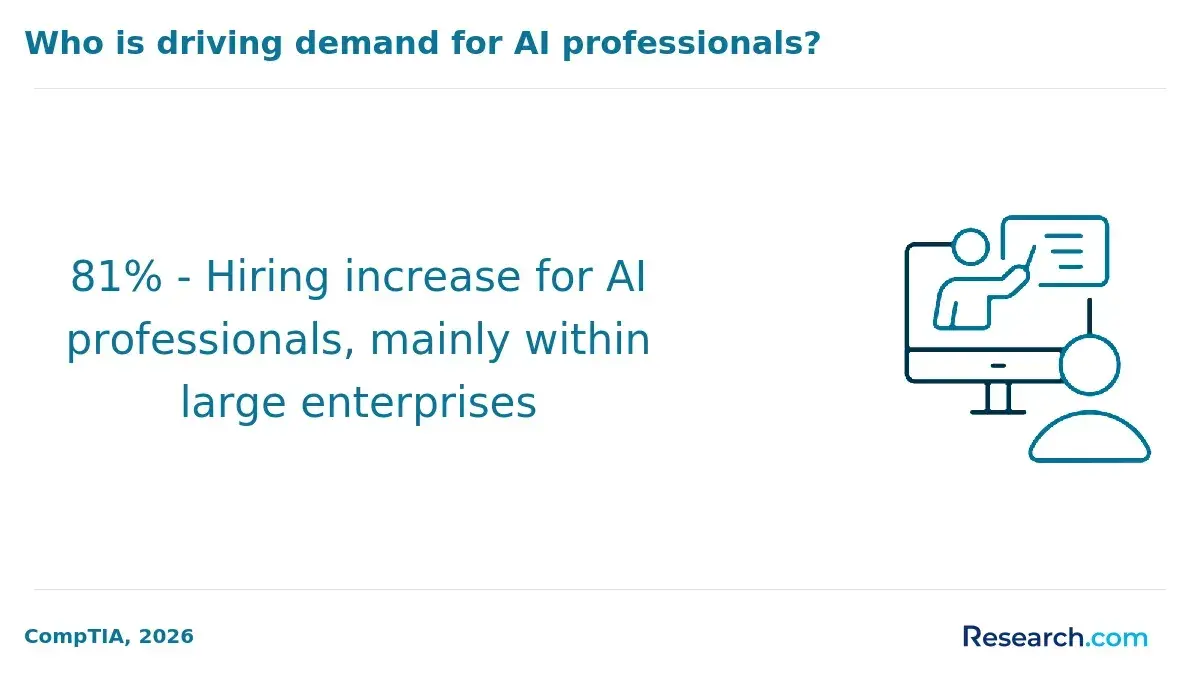
Admission requirements for artificial intelligence degree programs with 8-week courses generally emphasize a solid foundation in computer science, mathematics, and programming. Applicants should have completed undergraduate coursework or have equivalent knowledge in calculus, linear algebra, and statistics. Proficiency in programming languages-especially Python-is critical, as nearly half of professional developers prioritize it for AI-related tasks.
Many programs ask for evidence of skills through prior coursework, certifications, or relevant work experience. Familiarity with data structures, algorithms, and introductory machine learning concepts is often expected. Transcripts verifying discrete mathematics and programming fundamentals may need to be submitted.
Graduate programs sometimes require standardized test scores like the GRE; however, 8-week formats designed for working professionals often waive or condition these requirements, placing more weight on practical experience.
Additional admissions materials might include letters of recommendation highlighting analytical and technical abilities, personal statements outlining career objectives, and portfolios showcasing coding projects involving AI topics such as natural language processing or neural networks.
International applicants commonly must demonstrate English language proficiency through TOEFL or IELTS scores. To prepare, candidates should strengthen STEM fundamentals, gain hands-on Python experience, and exhibit analytical skills through academic or professional achievements.
How long do 8-week-term AI degrees take to finish, and what do they cost?
Eight-week-term artificial intelligence degree programs generally take 1 to 2 years to complete, depending on course load and program structure. Accelerated bachelor's and master's degrees divide traditional 4-year or 2-year curricula into consecutive 8-week sessions. Full-time students taking multiple accelerated courses per term can finish in 12 to 18 months, while part-time students usually require 2 to 3 years.
Tuition varies widely between public and private institutions. According to the College Board's Trends in College Pricing 2024, average annual tuition and fees were $11,260 at public in-state four-year schools and $41,540 at private nonprofit institutions. For example, an accelerated AI bachelor's degree at a public university may total about $22,500 over two years, while a private nonprofit institution could cost more than $80,000 for the same timeframe.
Additional fees for technology or labs may apply and should be factored into budgeting. Financial aid, scholarships, and employer tuition reimbursement options can help offset costs. Prospective students should inquire whether accelerated formats impact aid eligibility.
Balancing course intensity with affordability is essential for completing 8-week-term artificial intelligence degrees successfully. Students must carefully plan their schedules, finances, and available support to maximize their chances of timely graduation.
What careers can an AI degree with 8-week courses lead to?
An AI degree completed through accelerated 8-week courses can open doors across technology, healthcare, finance, and emerging sectors. Graduates often qualify for roles like data scientists, machine learning engineers, AI developers, and business intelligence analysts. These positions demand skills in data analysis, algorithm design, and programming languages such as Python or R, which are effectively taught in concise course formats.
Job growth for data scientists is strong, with a projected 35% increase from 2022 to 2032 according to the U.S. Bureau of Labor Statistics (Occupational Outlook Handbook, 2024-2025 cycle). This growth spans industries including marketing analytics and autonomous systems. Machine learning engineers build models that enable AI systems to handle tasks like natural language processing and image recognition.
Financial firms increasingly seek AI specialists to create trading algorithms and fraud detection tools. Healthcare professionals with AI training contribute to diagnostics and personalized treatment innovations. Additionally, robotics, cybersecurity, and AI ethics are rising fields demanding specialized expertise.
For working professionals, the 8-week course format allows quick skill acquisition to pivot or advance careers. Focused learning areas include neural networks, deep learning, and AI deployment. Graduates should carefully review job requirements for relevant programming, data handling, and domain expertise to align their education with market needs.
What salary ranges are typical for AI-related roles after these programs?
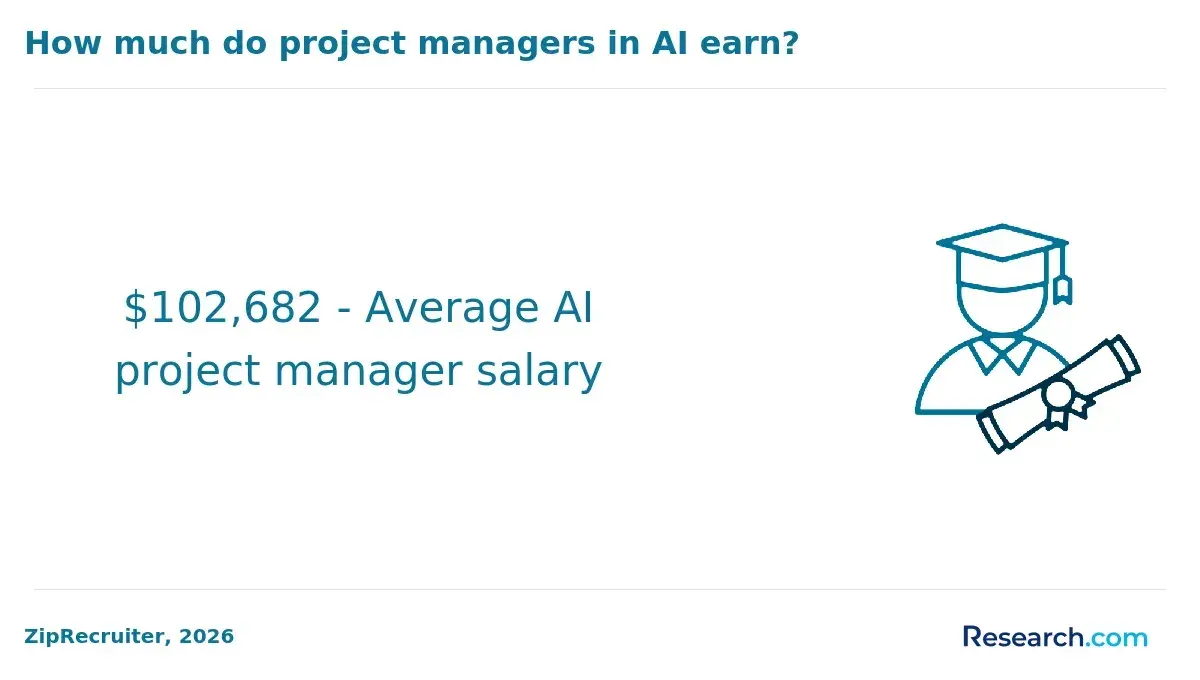
Salaries for AI-related roles after completing 8-week artificial intelligence degree programs vary significantly based on job title, location, experience, and industry. Entry-level positions like AI analyst or junior data scientist generally start between $70,000 and $90,000 annually. Those with intermediate experience or specialized skills in areas such as machine learning engineering or natural language processing often earn between $95,000 and $130,000 per year.
The U.S. Bureau of Labor Statistics Occupational Outlook Handbook reports a median annual wage of $108,020 for data scientists, serving as an important benchmark for many AI careers. Advanced roles, including AI research scientists and AI software architects, frequently command salaries exceeding $140,000, especially within competitive tech markets like Silicon Valley, Seattle, and New York.
Several factors influence income potential:
- Industry sector (technology, healthcare, finance, government tend to pay more)
- Company size and market demand
- Additional expertise in cloud computing, data engineering, or cybersecurity
- Proficiency with programming languages such as Python and AI frameworks like TensorFlow
Continuous skill development and certifications also enhance earning potential. Investing in focused artificial intelligence programs can position graduates for competitive salaries aligned with industry standards.
Which AI certifications pair best with an accelerated AI degree program?
Certifications that complement an accelerated artificial intelligence degree focus on practical skills and industry relevance. Amazon Web Services (AWS) certifications, such as AWS Certified Machine Learning - Specialty and AWS Certified Solutions Architect, are highly regarded for their emphasis on cloud infrastructure and scalable AI solutions. More than 1.3 million professionals have earned AWS certifications globally, underscoring their value in AI careers.
Other important certifications include Google Cloud Professional Data Engineer and Microsoft Certified: Azure AI Engineer Associate, which provide hands-on experience with AI tools on major cloud platforms. These certifications validate skills that employers actively seek and reinforce knowledge gained during accelerated degree programs.
Data science and machine learning certificates, like the TensorFlow Developer Certificate and IBM AI Engineering Professional Certificate, align well with programs highlighting algorithm development. They offer foundational and advanced expertise in AI model creation and deployment.
Working professionals should focus on certifications that fill skill gaps or support specific career objectives. For example, AI developers might pursue cloud certifications to strengthen deployment capabilities, while data scientists could prioritize specialized machine learning credentials. Maintaining current certifications ensures ongoing relevance in a fast-changing field.
Combining accelerated AI degrees with targeted certifications enhances employability, bridges theoretical and practical skills, and signals a commitment to lifelong learning in dynamic AI industries.
Other Things You Should Know About Artificial Intelligence
Strong analytical and programming skills are fundamental for success in an artificial intelligence degree program. Familiarity with languages like Python, knowledge of statistics, and a solid understanding of algorithms significantly benefit students. Critical thinking and problem-solving abilities also play a key role in applying AI concepts effectively.
Yes, artificial intelligence degree programs provide practical knowledge and skills that facilitate a transition into various tech-related roles. Many programs emphasize hands-on projects and real-world applications, which prepare students for positions in software development, machine learning engineering, data analysis, and research. This targeted training makes AI graduates attractive to employers seeking talent in emerging technologies.
8-week AI courses in 2027 are intensive and pack the same curriculum content as traditional semester-long courses. While offering a fast-paced learning environment, these accelerated programs demand a greater time commitment per week to ensure students achieve comparable depth and mastery of the material.
Ethical considerations are increasingly incorporated into artificial intelligence curricula. Programs often include coursework on responsible AI design, data privacy, and the societal impact of AI technologies. Understanding ethical frameworks helps students develop AI systems that align with legal standards and social values, preparing them to navigate real-world challenges in the field.
References
- Accelerated Artificial Intelligence (AI) Master's Degree Programs - AI Degrees Online https://aidegreesonline.com/degrees/masters/accelerated-ai-programs/
- Top 15 paid AI certifications to boost your resume | Uxcel https://uxcel.com/blog/top-paid-ai-certifications
- Artificial Intelligence Course Eligibility: Requirements & Prerequisites https://www.mygreatlearning.com/artificial-intelligence/courses/eligibility
- Online AI Course https://www.snhu.edu/online-degrees/classes/ai-training-course
- Top AI Certifications for 2026: A Guide to Advancing Your Tech Career | DataCamp https://www.datacamp.com/blog/top-ai-certifications
- Top 10 AI certifications and courses for 2025 https://www.techtarget.com/whatis/feature/10-top-artificial-intelligence-certifications-and-courses
- What Is the Salary Range After Completing an AI Certification Course? https://www.h2kinfosys.com/blog/what-is-the-salary-range-after-completing-an-ai-certification-course/
- AI Course Creation vs Traditional Course Creation: Which Is Better? | Dúbal https://dubal.ai/blog/ai-course-creation-vs-traditional
- Fastest AI Master’s Programs for 2026 (1 Year or Less) https://aidegreeprograms.org/rankings/fastest-ai-masters-programs/
- Ultimate Guide: How to Choose the Right AI Training Course to Boost Your Career - ONLC https://www.onlc.com/blog/how-to-choose-ai-training-courses/