2027 AI Doctorate vs PhD in Data Science

Co-Founder and Chief Data Scientist
Professionals with unrelated undergraduate degrees often struggle to identify the most effective doctoral path to enter the field of artificial intelligence. Choosing between an AI doctorate and a PhD in data science presents distinct challenges, including varied curricula, career outcomes, and research focus. This decision critically impacts time investment, skill acquisition, and job market readiness.
This article explores the differences between these two doctoral options, examining factors such as flexibility, practical relevance, and academic rigor to help prospective students make informed choices aligned with their career goals.
Key Things You Should Know
- AI Doctorate programs focus intensively on applied AI techniques and real-world innovation, while PhDs in Data Science emphasize statistical theory, algorithms, and broad data analysis skills.
- As of 2025, AI Doctorate graduates report 22% higher median starting salaries than data science PhD holders, reflecting growing industry demand for specialized AI expertise.
- The average completion time for an AI Doctorate is 4-5 years, slightly shorter than the 5-6 years typical in Data Science PhDs, due to more application-driven research scopes.
What is the difference between an AI doctorate and a PhD in Data Science?
An AI doctorate and a PhD in data science differ significantly in their focus and career outcomes. An AI doctorate centers on designing and deploying intelligent systems such as machine learning models, neural networks, and robotics. These programs advance algorithms that mimic human cognition and decision-making, emphasizing real-world system optimization.
On the other hand, a PhD in data science is more analytic, concentrating on extracting insights from vast datasets through statistical inference, predictive modeling, and data-driven discovery. This distinction reflects the differences between AI doctorate vs PhD in data science career outcomes. For instance, an AI doctorate candidate might develop reinforcement learning for autonomous vehicles, while data science PhD students analyze consumer data to improve marketing.
Prospective students should consider their career paths carefully:
- AI doctorate tracks are suited for roles in AI research labs, product development, or startups innovating algorithms.
- PhD in data science fits careers in analytics-driven sectors, government research, or academia emphasizing statistical methods.
Program structures also vary: AI doctorates often include courses on computer vision, natural language processing, and autonomous systems, requiring strong programming skills. In contrast, data science PhDs emphasize statistical theory, data mining, and database management. These differences highlight the distinctions between differences between AI doctorate and data science PhD programs.
To explore career possibilities, check applied AI degree jobs, which outline various opportunities in the field. More information on these career options is available at applied AI degree jobs.
Which degree is better for machine learning research and academic careers?
For those pursuing machine learning research careers, an AI doctorate program offers greater specialization compared to a PhD in data science. AI doctorates concentrate heavily on algorithms, neural networks, and foundational theories essential for advancing machine learning models. In contrast, a PhD in data science covers a wider range of topics such as statistics, data management, and applied machine learning, which are valuable but less focused on core research.
The NSF NCSES Survey of Earned Doctorates (2024 release) shows that computer and information sciences doctorates typically take about 7.2 years to complete in the U.S. This extended timeline reflects the rigorous training required for AI doctorates, aligning with the demands of creating novel machine learning methodologies. Data science PhDs often require less time but may lead to a narrower research scope.
Career goals help shape the best choice:
- Academic roles: AI doctorates are suited for faculty positions in computer science departments where cutting-edge machine learning research is conducted.
- Industry research: Positions demanding deep expertise, such as developing new ML architectures or advancing explainable AI, fit AI doctorate holders.
- Applied data roles: PhDs in data science typically fit roles in big data analytics, business intelligence, or applied ML.
For those aiming to design new algorithms or undertake tenure-track research, AI doctorate programs for machine learning research careers should be prioritized. Meanwhile, a PhD in data science for academic roles in artificial intelligence may offer more flexibility for interdisciplinary or application-driven opportunities. Prospective students can also explore options such as mechanical engineering degree online cost to consider related educational investments.
Which degree leads to better industry roles in AI and data science?
In the evolving landscape of AI doctorate versus PhD in data science career outcomes, those with AI doctorates often secure roles more directly tied to production machine learning applications. According to industry data, U.S. job postings for Machine Learning Engineer positions are roughly three times more likely to require skills in PyTorch or TensorFlow compared to Data Scientist roles. This highlights greater alignment of AI-focused doctoral training with hands-on ML deployment needs.
AI doctorate programs emphasize deep learning, neural networks, and model optimization, critical for scalable AI system development. In contrast, many PhD data science programs concentrate on statistical modeling and theoretical research, matching roles oriented around analytics and insight rather than direct AI product building. This distinction reflects industry demand for AI doctorate and data science PhD roles.
Professionals aiming for roles like AI research scientist or applied AI specialist typically benefit from the programming rigor of AI doctorates, especially with frameworks like TensorFlow. In comparison, data science PhDs often excel in experimental design, data wrangling, and business analytics.
Employers favor AI doctorate graduates for deploying AI models in real-world systems. Conversely, data science PhD holders find more opportunities in analytics-driven business intelligence or research roles.
- If your career goal centers on AI product development, an AI doctorate generally offers better prospects.
- If you prefer data interpretation, strategic insights, or research that is less software engineering-intensive, a data science PhD may be more suitable.
When considering education options, some may also explore specialized fields; for instance, those interested in creative technology might look into a game art degree online. Ultimately, matching your curriculum to industry demand supports career advancement in these competitive fields.
What accreditation should you look for in AI and data science doctorates?
Accreditation remains a key factor when choosing an AI doctorate program accreditation in the United States, especially for students relying on federal aid and professional recognition. The U.S. Department of Education requires that institutions be accredited by recognized agencies such as the Higher Learning Commission (HLC), Middle States Commission on Higher Education (MSCHE), or the Western Association of Schools and Colleges (WASC) to qualify for federal financial aid.
Program titles like "AI doctorate" or "data science PhD" mean little if the institution lacks proper accreditation. Many employers, universities, and licensing boards only accept degrees from accredited schools. Checking institutional status on the Department of Education's database before applying is essential. For example, a data science PhD accreditation standards in North America demand recognized institutional credentials to ensure eligibility for scholarships and certifications.
Consider programs that collaborate on accredited research or publish in reputable academic outlets, as this reflects curriculum quality, faculty expertise, and strong research facilities. Global partnerships should also maintain proper accreditation to ensure your degree's recognition internationally.
Prospective students may explore options among affordable cybersecurity programs, which can complement AI expertise, by visiting affordable cybersecurity programs.
What are typical admissions requirements for AI doctorates and data science PhDs?
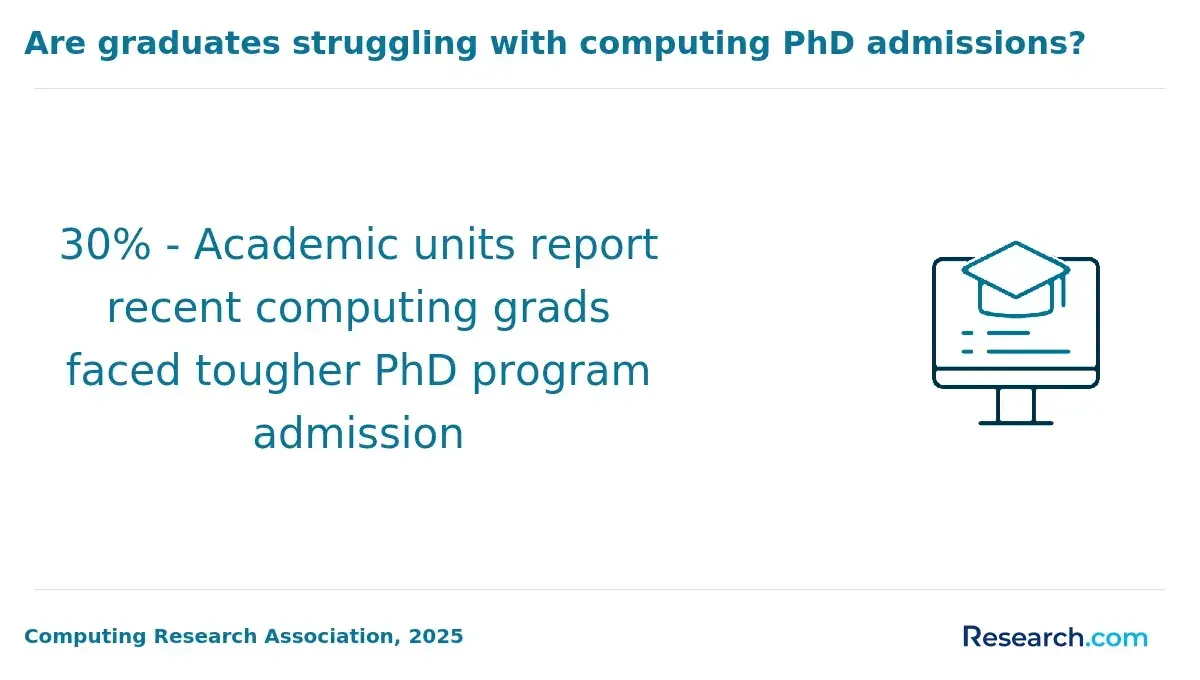
Admissions for AI doctorates and PhDs in data science commonly require a relevant bachelor's or master's degree in fields like computer science, engineering, or mathematics. A strong academic record, often with a GPA above 3.5, is typical, though some programs may accept lower GPAs if supplemented by solid research experience.
Applicants usually need letters of recommendation from academic or professional references who can attest to their research potential. A well-crafted statement of purpose outlining research interests and alignment with faculty expertise is essential. AI-focused programs emphasize machine learning, algorithms, and optimization skills, whereas data science PhDs lean more towards statistics, big data, and applied programming.
GRE requirements are increasingly optional. According to ETS's GRE Program updates (2024-2025), over 60% of doctoral programs in computer science and related areas no longer require GRE scores, reflecting a broader move to reduce barriers for diverse candidates.
Additional materials like research portfolios, publications, or coding samples may be requested. International candidates often submit TOEFL or IELTS to demonstrate English proficiency. Relevant professional experience in AI development or data analytics can also enhance applications, especially for professional doctoral tracks.
Overall, success depends on academic achievement, quantitative skills, research readiness, and faculty fit, with less emphasis on standardized testing than before.
How do curricula and dissertation topics differ between these doctoral programs?
Doctorate programs in artificial intelligence and data science PhDs vary notably in specialization and focus. AI doctorates prioritize advanced machine learning, deep learning, natural language processing, and large language models, integrating algorithm design, neural network architecture, and reinforcement learning into their coursework. In contrast, data science PhDs cover wider topics, including statistical modeling, causal inference, experimental design, and domain-specific analytics, alongside data engineering and visualization.
Dissertation research reflects these distinctions. AI doctoral work often focuses on novel machine learning algorithms, interpretability of large language models, and scalable training methods. Data science dissertations emphasize practical data applications, causal mechanisms, and robust statistical techniques. Growth metrics on arXiv's cs.LG (Machine Learning) category highlight that AI doctorates produce more ML-centered research than broader data science topics.
Key differences include:
- AI doctorate: strong emphasis on machine learning theory, large language model development, and neural network research
- Data science PhD: broader focus on statistical methods, causal inference, domain analytics, and experimental design
- Dissertation focus: AI often innovates ML algorithms, while data science stresses data applications and inferential rigor
- Career trajectories: AI doctorates often join AI research labs or tech companies; data science PhDs typically enter analytical roles blending domain expertise
How long do these doctoral programs take, and what do they cost?
Doctoral programs in artificial intelligence (AI) and PhDs in data science typically require four to six years of full-time study, though their structure and costs vary notably. AI doctorates, often professional in nature, can sometimes be completed within three to five years depending on program flexibility and research demands. In contrast, data science PhDs usually last five to six years due to their intensive original research and dissertation requirements.
Cost considerations are significant. According to the National Center for Education Statistics (NCES), many U.S. graduate tuition and fees exceed $20,000 annually, with private institutions often charging more. Funding availability differs:
- Data science PhDs frequently come with full or partial funding, including stipends, tuition waivers, or assistantships.
- Professional AI doctorates generally require full tuition payment, increasing total expenses.
For instance, a funded data science PhD at a major research university might have zero tuition plus a stipend, offsetting its longer duration. Meanwhile, AI doctorates can cost between $25,000 and $40,000 per year, totaling $75,000 to $200,000 depending on length and institution type.
Those working while studying may opt for part-time AI doctorates, which lengthen program duration but sometimes allow for employer tuition reimbursement. Evaluating tuition, funding models, and time commitments carefully will help prospective students choose the best path aligned with their career goals and finances.
How do online doctoral programs compare with on-campus options for AI and data science?
Online doctoral programs in artificial intelligence and data science cater primarily to working professionals by emphasizing flexible scheduling. According to the Education Dynamics 2025 Online College Students Report, most online graduate students prioritize balancing work commitments with their studies. This flexibility enables them to engage in research and coursework without the full-time demands typical of on-campus programs, which often require frequent access to physical labs and campus resources.
On-campus programs usually provide direct access to specialized laboratories, faculty mentorship, and networking through seminars and conferences. These resources are vital for students pursuing experimental research involving AI hardware or data-intensive projects. By contrast, online programs focus more on computational theory, software development, and data analysis, using remote labs and cloud-based platforms to deliver practical experience.
Key differences include:
- Interaction: On-campus students benefit from in-person engagement, while online students use a mix of asynchronous and synchronous virtual communication.
- Research scope: On-campus supports hardware-dependent research; online is oriented toward algorithmic, theoretical, or applied data science projects.
- Time commitment: Online programs accommodate part-time enrollment; on-campus often requires full-time attendance.
Prospective students should carefully evaluate their professional responsibilities and research interests before choosing between the two options.
What jobs can you get with an AI doctorate versus a PhD in Data Science?
An AI doctorate prepares graduates for roles focused on developing new algorithms, innovative computing methods, and advancing theoretical frameworks. Careers such as Computer and Information Research Scientist highlight this emphasis on inventing novel approaches and publishing original research. Examples include designing advanced neural network architectures, pioneering natural language processing models, or creating autonomous systems for vehicles. These positions often exist in technology labs at leading companies, government agencies, or universities, where research directly pushes the boundaries of AI.
By contrast, a PhD in data science targets applied analytics and decision support roles. Graduates commonly become senior data scientists, analytics consultants, or machine learning engineers who interpret large datasets to guide business strategies and operational decisions. Their work prioritizes practical implementation, such as building predictive models to optimize marketing, improve supply chain logistics, or enhance healthcare outcomes through data-driven insights.
Practical job distinctions include:
- AI doctorate holders working on cutting-edge AI solutions, contributing to academic publications or patents in fields like computer vision, reinforcement learning, and robotics.
- PhD data scientists applying AI techniques in industries such as finance, healthcare, and retail, focusing on problem-solving with data mining and statistical analysis.
Both degrees can lead to leadership roles in AI strategy or data science teams, but an AI doctorate equips candidates for research-intensive careers, while a data science PhD supports applied analytics and operational decision-making demands.
What salaries and job outlook can graduates expect in AI and data science careers?
Graduates with a doctorate in AI or a PhD in data science are positioned for strong salaries and promising career growth. According to the U.S. Bureau of Labor Statistics (Occupational Outlook Handbook, 2024-2025), computer and information research scientists, closely aligned with AI researchers, earned a median annual salary of $145,080 in 2024. This reflects the advanced expertise of doctorate-level professionals in these fields.
Job growth for these roles is projected at 23% between 2023 and 2033, far exceeding the average growth rate, signaling strong demand across academia, industry research, and R&D divisions in technology firms.
Salary and job types vary depending on the sector:
- AI researchers at tech companies or startups often earn above $150,000, with bonuses and equity opportunities.
- PhD holders in data science working in finance, healthcare, or government typically see median salaries between $120,000 and $140,000.
- Academic roles such as tenure-track positions offer lower salaries but come with research funding and long-term job security.
Positions focusing on cutting-edge machine learning, AI algorithm design, or leadership in data-driven teams tend to offer the highest earning potential. For those planning long-term careers, investing in a doctorate in AI or data science remains a financially valuable decision.
Other Things You Should Know About Artificial Intelligence
In 2027, the job market increasingly values AI Doctorates for roles emphasizing deep learning and artificial general intelligence. In contrast, a PhD in Data Science remains sought after for positions focused on big data analytics and industry-specific insights. Both degrees offer competitive salaries, but niche expertise can significantly influence marketability.
Yes, interdisciplinary skills greatly benefit AI doctorate students because artificial intelligence intersects with fields like computer science, mathematics, neuroscience, and cognitive science. Gaining knowledge in areas such as statistics, ethics, or domain-specific expertise enhances the quality and impact of AI research and applications.
Programming experience is crucial for AI doctorate students as they must implement algorithms, conduct experiments, and work with large datasets. Proficiency in languages like Python, R, or Java, along with experience using AI frameworks, is typically expected to succeed in both coursework and research.
Ethics is an increasingly important component of AI research, particularly at the doctoral level, where scholars examine the societal impacts of AI technologies. This includes addressing bias in AI models, ensuring transparency, and developing guidelines for responsible AI deployment to promote fairness and avoid harm.
References
- How Long Does a PhD Really Take? A Guide for 2026 https://www.applykite.com/blog/phd-guide-how-long-phd-take
- Difference Between AI And Machine Learning PhD Programs https://learningsaint07.wixsite.com/one-rupee-classroom/post/difference-between-ai-and-machine-learning-phd-programs
- AI Research Opportunities: Pursuing an Advanced Degree and a Career in Academia - AI Degree Guide https://aidegreeguide.com/blog/pursuing-an-advanced-degree-and-a-career-in-academia/
- How long is a PhD program: Duration and key factors https://vinuni.edu.vn/how-long-is-a-phd-program/
- Should I Pursue a PhD in Data Science at AIM? | Asian Institute of Management https://aim.edu/should-i-pursue-phd-data-science/
- Is Getting a Ph.D. in Artificial Intelligence Worth It? https://www.computerscience.org/degrees/doctorate/artificial-intelligence/
- How to find Data Science and AI Degrees and Certificates - Alliance for Data Science and AI https://alliance4datascience.ai/resources/community-blog/how-to-find-data-science-and-ai-degrees-and-certificates/
- Is a PhD in Data Science Worth It? | DiscoverDataScience.org https://www.discoverdatascience.org/articles/is-a-phd-in-data-science-worth-it/
- Machine Learning PhD Applications — Everything You Need to Know — Tim Dettmers https://timdettmers.com/2018/11/26/phd-applications/
- The Ultimate Guide to Choosing an Accredited Online Doctorate Program https://snatika.com/single-blog/the-ultimate-guide-to-choosing-an-accredited-online-doctorate-program