
2027 Best Online Nursing Programs in Alabama – Accredited RN to BSN Programs

Co-Founder and Chief Data Scientist
Choosing an online nursing program in Alabama is not just a question of convenience. It affects whether you can qualify for licensure, complete clinical requirements near home, advance from RN to BSN, and compete for roles in hospitals, community health, advanced practice, leadership, or specialty care. For working nurses, parents, career changers, and LPNs planning their next step, the right program can shorten the path to a stronger nursing credential without requiring a full relocation or a traditional campus schedule.
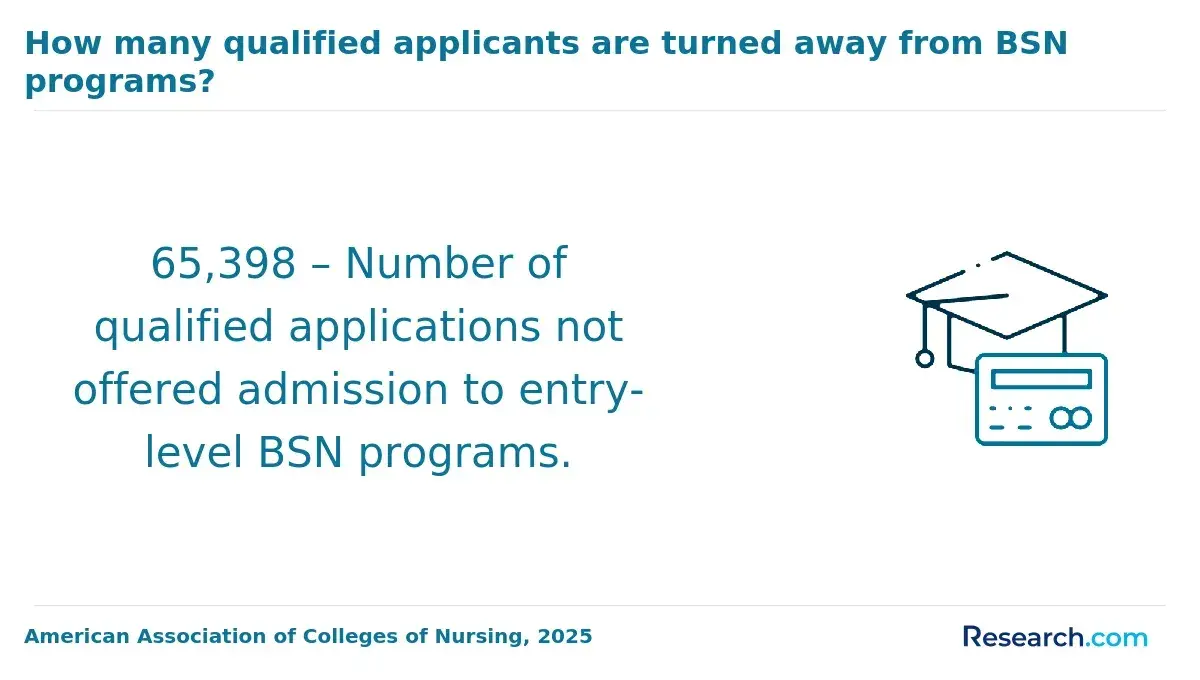
The demand for baccalaureate-prepared nurses remains a major issue in healthcare hiring and workforce planning. According to a recent study, recognized nursing programs in the United States produced approximately 140,000 BSN graduates, while RN to BSN programs showed a rebound in enrollment (AACN, 2024). That trend matters for Alabama students because employers increasingly value nurses who can combine bedside care with evidence-based practice, leadership, population health knowledge, and strong clinical judgment.
This guide explains how online nursing programs in Alabama work, what they cost, how long they take, which schools offer online RN to BSN options, how licensure and clinical placements are handled, and how to compare programs before enrolling. You will also find practical guidance on specialties, financial aid, LPN bridge options, career outcomes, and the advantages of building a stable nursing career.
Best Online Nursing Programs in Alabama Table of Contents
- Steps to become a nurse in Alabama
- Typical costs for online nursing programs in Alabama
- Time required to become a nurse in Alabama
- Whether an online degree can qualify you for nursing in Alabama
- Online nursing programs in Alabama for 2027
- High-demand nursing specialties in Alabama
- Emerging specialty nursing opportunities in Alabama
- Nursing careers available in Alabama
- LPN pathways into advanced nursing roles in Alabama
- Financial aid for online nursing students in Alabama
- Long-term value of online nursing education
- Career outcomes and ROI for Alabama online BSN graduates
- Using LPN training as a first step toward advancement
- Common challenges in online nursing programs and how to manage them
- Healthcare careers that pair well with nursing education
- Online BSN options for students without a nursing background
- Clinical placement process in Alabama online nursing programs
- Alabama nursing license requirements
- How nursing license rules vary by state
- Starting as an LPN and moving into advanced nursing
- Transitioning into nurse midwifery in Alabama
Quick Answer: Are online nursing programs in Alabama worth considering?
Yes, online nursing programs in Alabama can be a strong option if the program is accredited, approved for the credential you need, and able to support required clinical experiences. Online RN to BSN programs are especially practical for licensed RNs who already have an ADN or diploma and want to earn a BSN while continuing to work. Students entering nursing for the first time should pay close attention to clinical placement rules, NCLEX eligibility, and Alabama Board of Nursing requirements before enrolling.
| Student type | Most relevant pathway | Best fit when |
| High school graduate or new nursing student | LPN, ADN, or traditional BSN | You need initial nursing education and a route to licensure |
| Current RN with an ADN or diploma | Online RN to BSN | You want a bachelor’s degree for advancement, leadership, or graduate school preparation |
| Student with a non-nursing bachelor’s degree | Accelerated BSN | You want to change careers and complete nursing preparation in a condensed format |
| Current LPN | LPN-to-RN or LPN-to-BSN bridge | You want to expand your scope of practice and move toward RN-level roles |
| BSN-prepared nurse | MSN, DNP, or specialty certification | You are preparing for advanced practice, education, administration, or specialized care |
How to become a nurse in Alabama?
Becoming a nurse in Alabama requires more than choosing a school. You need to complete the right education pathway, verify program accreditation or approval, meet clinical training expectations, pass the required licensure exam, and maintain your license through continuing education. The best route depends on whether you are starting from scratch, already licensed as an LPN, currently working as an RN, or changing careers from another field.
Complete the educational prerequisites
Most nursing programs require applicants to show they are academically ready for college-level science, math, and patient-care coursework. Requirements differ by school and program level, but students commonly need the following:
- High school diploma or GED. Entry into most nursing pathways begins with a high school diploma or an equivalent credential, such as a General Educational Development (GED) certificate.
- Science and math preparation. Programs often expect coursework in biology, chemistry, anatomy, physiology, and mathematics, usually including algebra.
- Minimum GPA. Some schools set a GPA threshold for admission, particularly for competitive ADN, BSN, and bridge programs.
- Entrance testing. A program may require an academic readiness exam, such as the Test of Essential Academic Skills (TEAS), before admission.
Choose the nursing pathway that matches your starting point
Alabama students can enter nursing through several routes. The right choice depends on your budget, timeline, career goals, and whether you want to move into advanced practice later.
- Licensed Practical Nurse (LPN). LPN programs usually take 12 to 18 months and lead to a diploma or certificate. LPNs provide basic nursing care under the supervision of registered nurses and physicians.
- Associate Degree in Nursing (ADN). ADN programs usually require two to three years and prepare graduates to become RNs after passing the licensure exam. These 2-year nursing programs Alabama schools offer are often attractive for students who want a faster and lower-cost route into RN practice.
- Bachelor of Science in Nursing (BSN). A BSN typically takes around four years and provides broader preparation in nursing practice, leadership, research, and community health. If you are still asking what a BSN degree can lead to, the short answer is that it can support RN licensure, specialty preparation, leadership development, and graduate study.
| Pathway | Typical completion time | Credential outcome | Decision factor |
| LPN | 12 to 18 months | Diploma or certificate | Fast entry into practical nursing with a lower upfront time commitment |
| ADN | Two to three years | Associate degree | Common RN entry route with lower cost than many BSN options |
| BSN | Around four years | Bachelor’s degree | Broader preparation for advancement, leadership, and graduate education |
| RN to BSN | 1 to 2 years | Bachelor’s degree | Designed for licensed RNs who already completed an ADN or diploma |
| MSN or DNP | 2 to 4 years beyond the BSN | Graduate nursing degree | Needed for many advanced practice, leadership, and specialty roles |
Check accreditation before applying
Accreditation is one of the most important filters when comparing nursing schools. A program accredited by the Accreditation Commission for Education in Nursing (ACEN) or the Commission on Collegiate Nursing Education (CCNE) has been reviewed against recognized nursing education standards. Accreditation can affect licensure eligibility, transfer options, graduate school admission, and employer confidence.
After completing an eligible nursing program, RN candidates must pass the National Council Licensure Examination for Registered Nurses (NCLEX-RN). Students completing LPN to RN programs in Alabama should also understand when the NCLEX-PN exam applies to their practical nursing credential.
Apply for licensure through the Alabama Board of Nursing
The Alabama Board of Nursing issues nursing licenses in the state. Graduates must submit the required application materials, including proof of nursing education from RN programs in Alabama and evidence of passing the applicable NCLEX exam.
Maintain your license through continuing education
Alabama nurses must periodically complete continuing education to keep an active license. These requirements help nurses stay current with practice standards, patient safety expectations, and changes in healthcare delivery.
Consider specialty certifications when they support your goals
Specialty certification is not always required, but it can strengthen your qualifications for targeted roles. The American Nurses Credentialing Center (ANCC) and other professional organizations offer credentials in nursing specialties that may help nurses demonstrate focused expertise.
What is the typical cost of online nursing programs in Alabama?
The price of online nursing programs in Alabama depends on the credential, institution type, credit requirements, transfer credits, fees, books, uniforms, supplies, and clinical-related expenses. Tuition is only one part of the total cost, so students should ask each school for a full cost estimate before enrolling.
- Associate degree in nursing (ADN). ADN programs, often offered through community colleges, are usually less expensive than BSN programs. Based on the ADN programs reviewed, total costs in Alabama can range from $3,000 to $5,000.
- Bachelor of science in nursing (BSN). BSN programs are typically offered by universities and four-year colleges. Total costs in Alabama can range from $20,000 to $50,000. The average cost of four-year BSN programs in the 2025-2026 academic year is close to $27,600 (University of Alabama, n.d.).
- Accelerated BSN programs. Designed for students who already hold a non-nursing bachelor’s degree, accelerated BSN programs move quickly and can cost around $28,600 to $73,646 or more.
- Licensed practical nurse (LPN) programs. Online LPN programs Alabama universities offer may cost less than ADN or BSN pathways. For example, the total cost of an LPN program at Trenholm State Community College in Montgomery, Alabama, is $159 per credit hour.
Lower tuition can make a program more accessible, which is why many working nurses compare options such as affordable online RN to BSN programs. Still, the cheapest program is not always the best choice. Accreditation, clinical support, faculty access, course scheduling, employer reputation, and transfer credit policies can have a major impact on the value of the degree.
| Cost factor | Why it matters | Question to ask |
| Tuition and fees | Published tuition may exclude mandatory online, technology, lab, or clinical fees | What is the full estimated program cost, not just cost per credit? |
| Transfer credits | Accepted credits can shorten completion time and reduce cost | How many credits from my ADN, diploma, or prior degree will transfer? |
| Clinical expenses | Students may need transportation, uniforms, immunizations, background checks, or site-related documents | What clinical costs are not included in tuition? |
| Program length | Longer timelines can increase opportunity costs and delay advancement | Can I study part time without losing progress or financial aid eligibility? |
| Employer support | Tuition reimbursement can reduce out-of-pocket expense | Does my employer reimburse this specific program? |
How long does it take to become a nurse in Alabama?
The time required depends on the credential you pursue. Some students choose the quickest entry point into patient care, while others invest more time upfront to earn a BSN or prepare for graduate nursing study.
Online BSN programs at universities and four-year colleges generally take around four years. Students who already hold a non-nursing bachelor’s degree may complete an accelerated BSN in 12 to 18 months, depending on the program structure and clinical schedule.
Registered nurses with an ADN or nursing diploma can enroll in RN to BSN programs in Alabama. These programs usually take 1 to 2 years, depending on part-time or full-time enrollment, transfer credit, and course sequencing.
Advanced practice nurses, including nurse practitioners and nurse-midwives, need graduate education beyond the BSN. An MSN or DNP may require another 2 to 4 years beyond the BSN, depending on the specialty and program format.
Bridge programs can help nurses build on prior education and experience instead of restarting from the beginning. For example, the cheapest BSN to MSN online options may allow students to complete graduate preparation and focus on a nursing specialty in just two years.
After graduation and licensure, many nurses begin in hospital-based RN roles. Common settings include medical-surgical units, critical care, pediatrics, maternity, and emergency departments.
Can you become a nurse in Alabama with an online degree?
Yes. You can use an online nursing degree to become or advance as a nurse in Alabama if the program meets the state’s education and clinical requirements. Online delivery usually applies to didactic coursework; nursing students still need supervised clinical learning, simulations, labs, practicums, or precepted experiences depending on the credential.
If you are already an RN completing a BSN, you generally do not retake the NCLEX-RN simply because you earned a bachelor’s degree. However, you may need to provide proof of your active RN license or complete the licensure-by-endorsement process if you are moving your license into Alabama.
For first-time nursing students, the key issue is whether the online program leads to NCLEX eligibility and satisfies Alabama Board of Nursing standards. According to a recent report, 52% of employed nurses report satisfaction with their chosen profession, and 46% are satisfied with their current job (Nurse.org, 2024). Those figures show that nursing can be rewarding, but students should still choose a program carefully and avoid assuming that all online options lead to the same outcomes.
Online Nursing Programs in Alabama for 2027
BSN-prepared nurses continue to receive attention from nursing schools and healthcare employers because baccalaureate programs add coursework in leadership, research, population health, and evidence-based care (American Association of Colleges of Nursing, n.d.). For licensed RNs, online RN to BSN programs can be a practical way to earn the degree while maintaining employment.
The following Alabama colleges and universities offer online RN to BSN pathways for registered nurses who already hold an ADN or nursing diploma. Use the details below as a starting point, then confirm current tuition, admission rules, transfer policies, clinical expectations, and accreditation directly with each school.
1. University of Mobile RN to BSN Program
The University of Mobile offers an online RN to BSN pathway for working nurses who want a flexible bachelor’s completion option. The program emphasizes evidence-based practice, leadership, patient care, clinical reasoning, and core nursing concepts through an online learning format with faculty support.
- Program length: 1 to 2 years
- Tracks/concentrations: None
- Cost per Credit: $385
- Required Credits to Graduate: 123
- Accreditation: Commission on Collegiate Nursing Education (CCNE)
2. University of Alabama BSN Program
The online RN to BSN program at the University of Alabama is structured for registered nurses who need a flexible route to a bachelor’s degree. Coursework covers areas such as health assessment, pharmacology, nursing leadership, management, and foundational BSN-level practice, with clinical experiences completed through approved healthcare settings.
- Program length: 1 year
- Tracks/concentrations: None
- Cost per Credit: $385
- Required Credits to Graduate: N/A
- Accreditation: Commission on Collegiate Nursing Education (CCNE)
3. University of Alabama in Huntsville RN to BSN Program
The online RN to BSN program at the University of Alabama in Huntsville gives RNs a distance-learning option for expanding their professional preparation. The curriculum includes advanced nursing coursework and practical learning connected to areas such as medical-surgical nursing, maternal and child health, and mental health nursing.
- Program length: 1 year
- Tracks/concentrations: None
- Cost: $12,200
- Required Credits to Graduate: N/A
- Accreditation: Commission on Collegiate Nursing Education (CCNE)
4. University of North Alabama RN to BSN Program
The University of North Alabama offers an online RN to BSN option built for nurses who need flexibility while continuing professional and personal responsibilities. The program focuses on holistic care, leadership, expanded nursing practice, and preparation for roles that may involve management or broader healthcare coordination.
- Program length: 1 to 2 years
- Tracks/concentrations: None
- Cost per Credit: $340
- Required Credits to Graduate: N/A
- Accreditation: Commission on Collegiate Nursing Education (CCNE)
5. Troy University RN to BSN Program
The online RN to BSN program at Troy University serves RNs who already earned an ADN or nursing diploma and want to complete a BSN. Coursework includes nursing leadership, management, community health nursing, and nursing research.
- Program length: 1 to 2 years
- Tracks/concentrations: None
- Cost per Credit: $408
- Required Credits to Graduate: 60
- Accreditation: Commission on Collegiate Nursing Education (CCNE)
6. Spring Hill College RN to BSN Program
The online RN to BSN program at Spring Hill College is designed for licensed RNs who hold an ADN or diploma and want to complete bachelor’s-level nursing education. The program emphasizes ethical practice, cultural competence, compassionate care, and advanced coursework that builds on prior nursing training.
- Program length: 2 years
- Tracks/concentrations: None
- Cost per Credit: $411
- Required Credits to Graduate: 120
- Accreditation: Commission on Collegiate Nursing Education (CCNE)
7. University of South Alabama RN to BSN Program
The University of South Alabama offers an online RN to BSN pathway for nurses preparing for broader responsibilities in modern healthcare. The program combines nursing theory, clinical learning, and faculty guidance to help RNs strengthen their ability to provide care across different settings.
- Program length: 2 years
- Tracks/concentrations: None
- Cost per Credit: $566
- Required Credits to Graduate: 59
- Accreditation: Commission on Collegiate Nursing Education (CCNE)
8. Jacksonville State University RN to BSN Program
Jacksonville State University provides an online RN to BSN program for RNs with an ADN or nursing diploma. The format is intended to accommodate working nurses who want to complete BSN requirements through online coursework.
- Program length: 1 year
- Tracks/concentrations: None
- Cost per credit: $343
- Required Credits to Graduate: 32
- Accreditation: Commission on Collegiate Nursing Education (CCNE)
9. Auburn University at Montgomery RN to BSN Program
The online RN to BSN program at Auburn University at Montgomery helps RNs complete a bachelor’s degree while building on prior nursing education and experience. The curriculum includes leadership, evidence-based practice, and specialized nursing content in a flexible learning environment.
- Program length: 1 to 2 years
- Tracks/concentrations: None
- Cost per Credit: $343
- Required Credits to Graduate: 60
- Accreditation: Commission on Collegiate Nursing Education (CCNE)
10. University of Alabama at Birmingham (UAB) RN to BSN Program
The UAB RN to BSN option has offered registered nurses a distance-learning route to the BSN. The program has focused on strengthening nursing knowledge, expanding professional practice, and preparing RNs for broader responsibilities. Students comparing RN to BSN options should also consider how each curriculum develops practical nursing skills.
- Program length: 1 to 2 years
- Tracks/concentrations: None
- Cost per Credit: $434
- Required Credits to Graduate: 60
- Accreditation: Commission on Collegiate Nursing Education (CCNE)
| School | Program length | Cost information | Required credits to graduate | Accreditation |
| University of Mobile | 1 to 2 years | $385 per credit | 123 | CCNE |
| University of Alabama | 1 year | $385 per credit | N/A | CCNE |
| University of Alabama in Huntsville | 1 year | $12,200 | N/A | CCNE |
| University of North Alabama | 1 to 2 years | $340 per credit | N/A | CCNE |
| Troy University | 1 to 2 years | $408 per credit | 60 | CCNE |
| Spring Hill College | 2 years | $411 per credit | 120 | CCNE |
| University of South Alabama | 2 years | $566 per credit | 59 | CCNE |
| Jacksonville State University | 1 year | $343 per credit | 32 | CCNE |
| Auburn University at Montgomery | 1 to 2 years | $343 per credit | 60 | CCNE |
| University of Alabama at Birmingham | 1 to 2 years | $434 per credit | 60 | CCNE |
Top Nursing Specialties in Demand in Alabama
Program choice should connect to career goals. Alabama needs nurses in direct care, primary care, acute care, rural health, behavioral health, maternal care, and advanced practice roles. If you already know the patient population or setting you prefer, you can use that information to select clinical experiences, electives, certifications, and graduate pathways.
- Acute Care Nurse Practitioners (ACNPs): ACNPs work with patients who have serious or complex conditions, often in hospitals, emergency departments, and other high-acuity settings. Students interested in this route can compare the best acute care NP programs for focused preparation.
- Family Nurse Practitioners (FNPs): FNPs provide primary care across the lifespan and can be especially important in Alabama communities where access to providers is limited.
- Pediatric Nurse Practitioners (PNPs): PNPs focus on children’s health and may work in pediatric clinics, hospitals, specialty practices, or community-based care.
- Nurse Anesthetists (CRNAs): CRNAs administer anesthesia and monitor patients during procedures, making them essential in surgical and procedural care environments.
- Mental Health Nurse Practitioners (PMHNPs): PMHNPs assess and treat patients with mental health needs in hospitals, outpatient clinics, private practices, and community care settings.
What are the emerging opportunities for specialty nursing roles in Alabama?
Specialty nursing opportunities in Alabama are closely tied to access gaps, chronic disease management, mental health demand, rural care needs, and the growth of advanced practice roles. Nurses who pursue advanced clinical preparation can move beyond general bedside roles into positions that require deeper assessment, care coordination, diagnostic reasoning, or specialty treatment knowledge.
Nurse practitioners are a particularly important pathway because they can expand access to primary and specialty care. RNs planning this step can research accredited nurse practitioner programs in Alabama and compare specialties such as family health, neonatal care, and psychiatric mental health.
Specialty certifications in areas such as oncology nursing, emergency nursing, or geriatric care can also help nurses document expertise and pursue roles in more focused clinical environments. Certifications should be selected based on actual career goals, not simply because they look impressive on a résumé.
The main decision is whether you want broader BSN-level mobility, graduate-level advanced practice authority, or a specialty credential that strengthens your current clinical track. Each option serves a different purpose.
Is Alabama good for nursing?
Alabama can be a viable state for nursing because it has hospitals, medical centers, long-term care facilities, outpatient clinics, and community health settings that employ nurses across many specialties. Like many states, Alabama has faced nursing workforce challenges, which can create opportunities for qualified nurses who meet licensure and employer requirements.
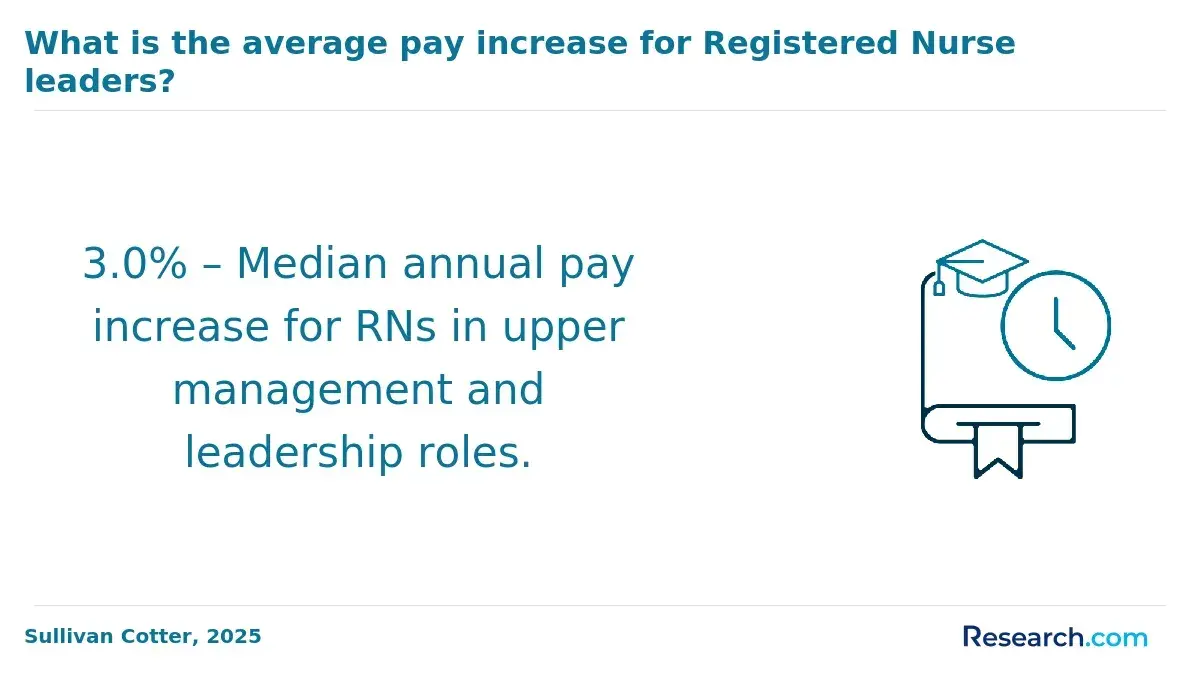
Compensation should be evaluated alongside local cost of living, work setting, shift differentials, benefits, and career mobility. According to a recent report, the advertised median annual salary for registered nurses in Alabama is $74,112 (Alabama Department of Labor, 2025).
Alabama also offers professional networking through healthcare employers, nursing organizations, and clinical systems. For students, the key is to choose a program with strong local clinical connections and a clear record of preparing graduates for the type of nursing role they want.
What can I do with a nursing degree in Alabama?
A nursing degree can lead to bedside practice, community health, advanced practice, leadership, education, administration, and specialized clinical roles. In general, nurses with higher levels of education, including a BSN or graduate degree, may qualify for a broader range of opportunities, though salary and advancement are never guaranteed and depend on employer needs, experience, location, credentials, and performance.
- Registered nurse (RN). RNs work in hospitals, clinics, nursing homes, and other settings, providing patient care, administering medication, monitoring conditions, and coordinating treatment plans.
- Nurse practitioner (NP). NPs complete advanced education that prepares them to diagnose and treat common conditions, prescribe medications where permitted, and provide primary or specialty care in collaboration with physicians.
- Certified nurse midwife (CNM). CNMs provide pregnancy, childbirth, postpartum, reproductive, and gynecological care.
- Clinical nurse specialist (CNS). CNSs develop expertise in a clinical area such as pediatrics, mental health, or critical care and support care teams through advanced practice, education, and consultation.
- Nurse anesthetist (CRNA). CRNAs administer anesthesia for procedures and work with care teams to support patient safety and pain management.
- Nurse educator. Nurse educators teach future nurses, develop curriculum, supervise learning, and support student development in academic or clinical environments.
- Nurse manager/healthcare administrator. Nurse managers lead units or departments, while healthcare administrators oversee operations, staffing, quality improvement, and service delivery.
- Public health nurse. Public health nurses focus on prevention, health education, vaccination, outreach, and community wellness.
- Home health nurse. Home health nurses provide care in patients’ homes, often supporting recovery, chronic illness management, or long-term care needs.
- Travel nurse. Travel nurses take temporary assignments in different locations and healthcare settings where staffing needs exist.
Can LPNs transition to advanced nursing roles in Alabama?
Yes. LPNs in Alabama can use bridge programs to move toward RN, BSN, and eventually graduate-level nursing roles. These programs usually require prerequisite coursework, proof of practical nursing education, active licensure, and completion of clinical competencies. LPNs should compare accreditation, clinical requirements, transfer policies, scheduling flexibility, and total cost before applying. For cost-focused planning, review this guide to affordable LPN program options.
What financial aid options are available for online nursing students in Alabama?
Students should build a funding plan before choosing a program. Financial aid can reduce upfront cost, but each option has eligibility rules, renewal requirements, and possible service obligations.
- Federal Financial Aid: Students in accredited programs may qualify for aid through the Free Application for Federal Student Aid (FAFSA), including grants, loans, and work-study depending on eligibility.
- State-Specific Scholarships and Grants: Alabama offers scholarship and grant opportunities for nursing students, including the Alabama Nursing Scholarship Program for residents pursuing nursing degrees with a service commitment in rural and underserved areas. The Alabama State Board of Education also offers scholarship programs that support healthcare education.
- Institutional Scholarships: Alabama universities with online nursing programs may offer school-based awards for nursing students. Some are merit-based, while others consider financial need or academic achievement.
- Employer Tuition Reimbursement Programs: Hospitals and healthcare employers may reimburse part of the cost for employees who pursue additional nursing education that supports workforce needs.
- Private Scholarships and Nursing Associations: Organizations such as the American Association of Colleges of Nursing (AACN), the Alabama State Nurses Association, and private scholarship providers may offer awards for nursing and healthcare students.
- Loan Forgiveness Programs: The federal Nurse Corps Loan Repayment Program (NCLRP) and Public Service Loan Forgiveness (PSLF) program can help eligible nurses who work in underserved or public service settings manage loan repayment.
Does the investment in online nursing education deliver long-term career benefits?
An online nursing degree can be worth the investment when it leads to a credential that employers value, supports licensure or advancement, and fits your financial situation. Students should compare tuition, fees, lost work time, transfer credit, employer reimbursement, and expected career mobility. It is also useful to compare nursing pathways against the cost of LPN programs if you are deciding between starting as an LPN or pursuing RN-level education first.
| Choose this option if | Better-fit pathway | Why |
| You need the fastest entry into basic nursing work | LPN | Shorter timeline and focused practical nursing preparation |
| You want RN licensure with a lower-cost academic route | ADN | Common pathway into registered nursing through community colleges |
| You want broader long-term advancement options | BSN | Supports leadership, specialty preparation, and graduate study |
| You are already an RN | RN to BSN | Builds on existing licensure and prior nursing education |
| You want advanced practice | MSN or DNP | Required for many NP, nurse-midwife, CRNA, and advanced roles |
What are the career outcomes and ROI for online BSN graduates in Alabama?
Online BSN graduates in Alabama may pursue stronger advancement prospects, broader clinical responsibilities, and preparation for graduate nursing education. ROI depends on program cost, transfer credits, time to completion, current RN status, employer expectations, and local hiring conditions. Students should review completion rates, NCLEX-related information when applicable, clinical support, alumni outcomes, and employer partnerships. To compare school-level options, research accredited nursing schools in Alabama.
Is starting as an LPN a strategic first step toward advanced nursing roles in Alabama?
Starting as an LPN can be a practical first step for students who want a shorter, more affordable route into patient care before deciding whether to pursue RN or BSN education. LPN training provides hands-on experience and a structured introduction to nursing responsibilities. However, students should confirm that credits will transfer into future bridge programs and that the pathway aligns with long-term goals. For a step-by-step overview, read this guide on how to become an LVN nurse in Alabama.
What challenges do online nursing programs in Alabama face and how can they be overcome?
Online nursing programs offer flexibility, but they also require discipline and careful planning. Students must manage asynchronous coursework, virtual platforms, discussion expectations, testing schedules, and clinical logistics. The most successful students choose programs with responsive advising, clear clinical placement policies, accessible faculty, and strong technical support.
- Mistake: Choosing a program before checking accreditation. Better approach: Confirm ACEN or CCNE accreditation and verify that the program fits your licensure or advancement goal.
- Mistake: Looking only at tuition. Better approach: Include fees, books, supplies, clinical travel, background checks, and lost work time in your cost estimate.
- Mistake: Assuming online means no clinical work. Better approach: Ask how labs, simulations, practicums, preceptors, and local clinical sites are arranged.
- Mistake: Ignoring state licensure rules. Better approach: Confirm Alabama requirements and review endorsement rules if you may move later.
- Mistake: Enrolling without career direction. Better approach: Choose electives, clinical settings, and certifications that support your target role, such as advanced practice. If that is your goal, review how to become a nurse practitioner in Alabama.
What alternative healthcare career paths can complement a nursing degree?
Nursing education can support roles outside traditional bedside care. Nurses may move into healthcare administration, quality improvement, informatics, nurse education, case management, research support, compliance, or clinical operations. These roles can be appealing for nurses who want to use clinical knowledge in systems-level work. Students interested in administrative healthcare processes may also benefit from learning how to become a medical biller and coder in Alabama as a complementary path.
What are the best online BSN programs for non-nurses?
Students with a non-nursing bachelor’s degree may qualify for accelerated BSN programs, often called ABSN programs. These options compress nursing coursework and clinical training into a faster format for career changers who have already completed a bachelor’s degree in another field.
- Accelerated format for career changers. ABSN programs typically take 12 to 18 months, making them faster than traditional BSN routes for eligible students.
- Rigorous coursework and clinical preparation. Students should expect intensive study in areas such as pathophysiology, pharmacology, nursing ethics, and patient care, along with clinical rotations in healthcare settings.
- Budget-conscious program comparison. Costs vary, so students should compare tuition, fees, prerequisites, and clinical expenses. This guide to online BSN programs for non-nurses can help career changers compare options.
- Licensure pathway. After completing an eligible ABSN program, graduates can take the NCLEX-RN and pursue RN licensure.
How are clinical placements managed in online nursing programs in Alabama?
Online nursing programs usually deliver lecture-based coursework remotely, but clinical learning still happens in approved healthcare environments. Alabama programs may coordinate placements through local hospitals, clinics, simulation centers, and preceptors. Some schools assign sites, while others require students to help identify approved locations near where they live.
Before enrolling, ask who secures clinical sites, whether placements are guaranteed, how far students may need to travel, what documentation is required, and whether your location is within the program’s service area. Students should also review local licensure guidance on how to become an RN in Alabama to understand how education, exams, and clinical training connect.
What are the nursing license requirements in Alabama?
To qualify for nursing licensure in Alabama, candidates must complete an eligible nursing program, document required clinical competencies, pass the applicable examination, and submit required materials to the Alabama Board of Nursing. Applicants should follow state instructions carefully because missing documents, incomplete verification, or delays in exam reporting can slow the licensing process. For a detailed checklist, review the nursing license requirements in Alabama.
How do nursing license requirements differ across states?
Nursing licensure is state-regulated, so rules can differ when graduates want to practice outside Alabama. States may have different application forms, background check procedures, endorsement rules, documentation standards, examination requirements, and continuing education mandates. If you may relocate, compare state requirements early. For example, this guide to a nursing license in Wyoming shows how requirements may differ from Alabama’s process.
Can starting as an LPN pave the way for advanced nursing roles in Alabama?
Yes. LPN training can become the first step in a longer nursing ladder if students choose accredited programs and plan for bridge options. LPNs can later pursue RN or BSN credentials through structured pathways that build on prior education and clinical experience. This route can be useful for students who want to enter the workforce sooner, but it requires careful planning to avoid losing credits or duplicating coursework. For the first stage of the process, see how to become an LPN in Alabama.
How Can I Transition into Nurse Midwifery in Alabama?
Nurse midwifery is an advanced practice pathway focused on maternal, reproductive, pregnancy, childbirth, and postpartum care. Nurses interested in this specialty typically need a BSN, graduate-level education, supervised clinical preparation, and specialty certification. Before applying, compare admission prerequisites, accreditation, clinical placement support, and certification preparation. For a focused roadmap, review how to become a nurse midwife in Alabama.
How to choose the right online nursing program in Alabama
The best program is the one that fits your credential goal, licensure needs, schedule, finances, and clinical access. Rankings and tuition lists can help you narrow the field, but they should not replace direct questions to admissions, nursing faculty, and clinical placement coordinators.
- Start with your end goal. Decide whether you need LPN entry, RN licensure, BSN completion, graduate preparation, or specialty advancement.
- Verify accreditation and state alignment. Confirm ACEN or CCNE accreditation when relevant and make sure the program supports Alabama requirements.
- Ask how clinicals work. Find out who arranges sites, whether placements are near you, and what happens if a site becomes unavailable.
- Calculate full cost. Include tuition, fees, books, supplies, travel, testing, uniforms, immunizations, background checks, and time away from work.
- Review transfer credit rules. RN to BSN students should ask how ADN or diploma credits apply. LPNs should ask how prior coursework affects bridge-program placement.
- Compare student support. Look for advising, tutoring, faculty availability, NCLEX or certification preparation when applicable, and technical support.
- Confirm schedule flexibility. Ask whether courses are asynchronous, whether clinicals require fixed days, and whether part-time enrollment is allowed.
Pursuing a Nursing Degree
Online nursing programs in Alabama can help meet workforce needs while giving students a more flexible way to complete nursing education. For current RNs, online RN to BSN programs are often the clearest fit because they build on existing licensure and experience. For new students, online options must be evaluated more carefully because clinical education and licensure eligibility are essential.
Students can also strengthen their healthcare preparation through related pathways such as public health degrees and courses, especially if they are interested in population health, prevention, community outreach, or healthcare leadership. The strongest nursing education decisions combine accreditation, affordability, clinical access, career fit, and long-term advancement potential.
Key Insights
- Online nursing can work in Alabama, but clinical requirements still matter. Coursework may be online, but nursing education requires hands-on competency development through approved clinical experiences.
- RN to BSN programs are the clearest online fit for working nurses. Licensed RNs can often complete BSN coursework while continuing employment, usually in 1 to 2 years.
- Accreditation should be a non-negotiable filter. ACEN or CCNE accreditation can affect licensure eligibility, transfer options, graduate school admission, and employer trust.
- Costs vary widely by pathway. ADN programs reviewed range from $3,000 to $5,000, BSN programs can range from $20,000 to $50,000, and accelerated BSN programs may cost around $28,600 to $73,646 or more.
- Alabama offers multiple nursing ladders. Students can begin as LPNs, earn an ADN, complete a BSN, or continue into MSN and DNP pathways for advanced practice.
- Program value depends on more than tuition. Clinical placement support, transfer credits, faculty access, employer reimbursement, schedule flexibility, and licensure alignment all affect ROI.
- Specialty planning matters early. Nurses interested in acute care, family practice, pediatrics, anesthesia, mental health, midwifery, or leadership should choose programs and experiences that support those goals.
- Licensure rules are state-specific. Students who may move outside Alabama should compare endorsement and continuing education requirements before enrolling.
Related Articles for Nearby States
- 2027 Best Online Nursing Programs in Mississippi – Accredited RN to BSN Programs
- 2027 Best Online Nursing Programs in Tennessee – Accredited RN to BSN Programs
- 2027 Best Online Nursing Programs in Georgia – Accredited RN to BSN Programs
- 2027 Best Online Nursing Programs in Florida – Accredited RN to BSN Programs
- 2027 Best Online Nursing Programs in Louisiana – Accredited RN to BSN Programs
- 2027 Best Online Nursing Programs in Arkansas – Accredited RN to BSN Programs
- 2027 Best Online Nursing Programs in Kentucky – Accredited RN to BSN Programs
- 2027 Best Online Nursing Programs in South Carolina – Accredited RN to BSN Programs
- 2027 Best Online Nursing Programs in North Carolina – Accredited RN to BSN Programs
- 2027 Best Online Nursing Programs in Missouri – Accredited RN to BSN Programs
References:
- AACN. (2025). 2024-2025 Enrollment and Graduations in Baccalaureate and Graduate Programs. https://www.aacnnursing.org
- American Association of Colleges of Nursing. (n.d.). The impact of education on nursing practice. American Association of Colleges of Nursing
- Nightingale College. (2024). Nursing Shortage: 2026 US Statistics. https://nightingale.edu/blog/nursing-shortage-by-state.html
- NCSBN. (2025). 2024 National Nursing Workforce Study. https://www.ncsbn.org/workforce
- U.S. Bureau of Labor Statistics. (2025). Occupational Outlook Handbook: Registered Nurses. https://www.bls.gov/ooh/healthcare/registered-nurses.htm
Other Things You Should Know About Online Nursing Programs in Alabama
Completing an RN to BSN program in Alabama typically requires around 120 credit hours, which includes general education, nursing courses, and electives. Some programs may offer accelerated options, allowing students to finish in less than two years.
Costs of online RN to BSN programs in Alabama vary widely, generally ranging from $8,000 to $15,000 for tuition, excluding additional fees like textbooks and technology. It's crucial to verify with individual programs as prices can differ significantly. Financial aid and scholarships may be available to help offset these costs.
Accredited RN to BSN programs in Alabama should hold regional accreditation and meet Alabama Board of Nursing requirements for licensure-related coursework. For Alabama nurses, the key regulator is the Alabama Board of Nursing, which reviews whether a program supports eligibility for practice in the state.


