
2027 Best Nursing Schools in Maine – Accredited ADN, BSN, MSN Programs

Co-Founder and Chief Data Scientist
Choosing a nursing school in Maine is a career decision, a licensure decision, and a financial decision at the same time. The state needs nurses across hospitals, long-term care facilities, rural clinics, community health programs, and advanced practice settings, especially as Maine’s elderly population is expected to reach around 400,000 by 2030, or 28% of the state’s population. For students, career changers, LPNs, and working RNs, the key question is not simply which school has a nursing program. It is which pathway gets you licensed, clinically prepared, and employable without taking on unnecessary cost or delay.
This guide explains how nursing education works in Maine, how long common pathways take, what costs to expect, how to compare accredited programs, and how to think about ADN, BSN, MSN, DNP, LPN-to-RN, accelerated, online, and advanced practice options. It is designed to help you narrow your choices before speaking with admissions offices or applying to a program.
Quick Answer: What should you know about nursing schools in Maine?
The best nursing school in Maine for you is the one that matches your target license, schedule, budget, clinical placement needs, and long-term career plan. Future RNs typically choose between an ADN and a BSN, while current nurses may look at RN-to-BSN, MSN, DNP, nurse practitioner, nurse anesthesia, nursing education, or leadership pathways. Before enrolling, confirm accreditation, Maine Board of Nursing approval, NCLEX preparation, clinical placement support, total program cost, and whether the program format works for your life.
| Student goal | Common Maine pathway | Best fit |
| Enter nursing as quickly as possible | ADN or practical nursing pathway | Students who want a faster route into entry-level nursing practice |
| Become an RN with broad career mobility | Traditional BSN | First-time college students or students who want stronger preparation for hospital, public health, and graduate study options |
| Change careers into nursing | Accelerated BSN | Applicants who already hold college credit or a prior degree and can handle an intensive format |
| Advance from RN to higher-level roles | RN-to-BSN, MSN, or DNP | Licensed nurses seeking leadership, education, advanced practice, or specialty roles |
| Move from LPN to RN | LPN-to-RN bridge pathway | Licensed practical nurses who want a wider scope of practice and more advancement options |
Best Nursing Schools in Maine Table of Contents
- Is nursing a practical career choice in Maine?
- How do you become a nurse in Maine?
- How long do nursing programs in Maine take?
- What does nursing school cost in Maine?
- Maine schools with nursing programs for 2027
- How should you compare nursing programs in Maine?
- How do Maine programs prepare students for specialized nursing roles?
- What advanced nursing education options are available in Maine?
- Why consider advanced practice nursing in Maine?
- What accelerated nursing pathways are available in Maine?
- How can Maine nurses move into leadership?
- Exploring interstate nursing pathways
- How can LPNs progress to RN roles in Maine?
- How do nurses and pharmacists work together in Maine?
- How do LPN and RN roles differ in Maine?
- What education is required for nurse midwives in Maine?
- How can RNs become nurse practitioners in Maine?
- What are the steps to obtain a Maine nursing license?
- How can online LPN programs support advancement in Maine?
- Can nurses move into medical billing and coding in Maine?
Is nursing a practical career choice in Maine?
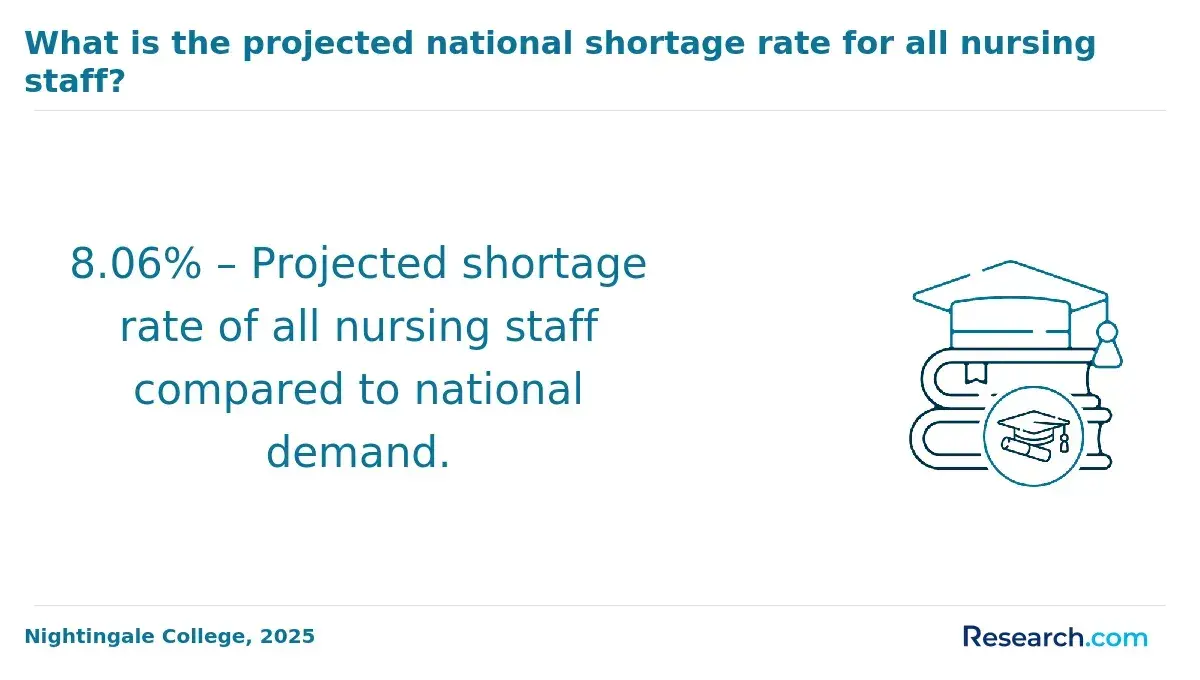
Nursing can be a strong career option in Maine if you understand the trade-offs: the work can be physically and emotionally demanding, but the state’s healthcare needs create opportunities for licensed nurses in many settings. Maine is also affected by the ongoing nursing shortage crisis in many US states, which can improve job availability while also increasing pressure on the workforce.
To decide whether nursing is a good fit, compare expected earnings with your cost of living, your tolerance for shift work and clinical stress, and your willingness to complete continuing education or advanced credentials over time.
- Cost of living matters. A single adult without children in Maine needs an estimated annual gross income of $51,465 to maintain an average lifestyle. That estimate includes housing ($14,534), food ($4,670), transportation ($9,575), and other basic expenses. Your actual budget may be higher if you have dependents, medical costs, debt, commuting expenses, or personal priorities such as travel, hobbies, or emergency savings.
- RN earnings can support a stable income, but location and role matter. Registered nurses in Maine had a median annual wage of $82,860. The cited wage range places nurses in the 10th percentile at around $66,330, while the source text also lists the 90th percentile as 66,330. Because high-end wages can vary by employer, specialty, shift, and region, applicants should verify current wage data before making financial projections.
- Open positions are real, but shortages can affect working conditions. Maine healthcare employers have reported difficulty retaining nurses, and one report noted that workplace stress and related factors contributed to more than 1,000 nursing vacancies in Maine. For students, that may mean more hiring opportunities. For working nurses, it also means staffing levels, support, and employer culture should be part of any job search.
| Factor | Why it matters | Question to ask before choosing nursing |
| Income | Nursing wages may compare favorably with Maine’s estimated living costs, but pay varies by role and location. | Will my expected starting wage cover loans, transportation, housing, and licensing expenses? |
| Work environment | Hospitals, clinics, long-term care, schools, and home health agencies can offer very different daily routines. | Do I prefer acute care, community care, older adult care, mental health, or another setting? |
| Licensure requirements | You cannot work as an RN or LPN without completing the correct education and licensing process. | Is the program approved and aligned with Maine nursing licensure? |
| Career growth | Advanced roles may require a BSN, MSN, DNP, certification, or specialized clinical experience. | Will this program keep graduate school or leadership roles open later? |
How do you become a nurse in Maine?
The basic path to nursing practice in Maine is straightforward: complete an approved nursing education program, pass the required licensing exam, and obtain the appropriate credential from the Maine State Board of Nursing. The difficulty comes from choosing the right program level, preparing for the NCLEX, meeting clinical expectations, and paying for school while staying on schedule.
Maine reported an 89.74% pass rate for first-time NCLEX-RN test takers throughout 2025, compared with an 80.5% national pass rate in the same year. A strong pass rate is encouraging, but students should still examine each school’s own outcomes, support services, and remediation policies.
- Choose the license and degree level you want. If your goal is RN licensure, compare ADN and BSN options from accredited nursing schools in Maine. An ADN may be faster, while a BSN can provide broader preparation for hospital roles, leadership, public health, and graduate study.
- Complete an accredited nursing program. Your coursework and clinical training should cover nursing fundamentals, health assessment, pharmacology, adult care, mental health, population health, leadership, and evidence-based practice. Clinical hours are essential because nursing is a hands-on profession, not just an academic subject.
- Prepare for the required examination. Graduates seeking RN licensure must pass the appropriate National Council Licensure Examination. These exams are developed through the National Council of State Boards of Nursing to measure readiness for safe entry-level practice.
- Apply through the Maine State Board of Nursing. After meeting education and exam requirements, candidates must complete the state licensing process. Requirements can include documentation, background checks, fees, and ongoing compliance after licensure.
- Plan for continuing education and career development. Nursing does not end with initial licensure. Many nurses later pursue specialty credentials, a BSN, an MSN, a DNP, leadership training, or advanced practice certification.
How long do nursing programs in Maine take?
Nursing program length in Maine depends on your starting point, enrollment status, and target credential. Undergraduate nursing programs often take two to four years, with ADN programs commonly taking two years and BSN programs commonly taking four years. Graduate study requires additional time: an MSN may take two years, while a DNP can require three to five years.
| Pathway | Typical length stated | What to consider |
| ADN | Two years | Can be a shorter route to RN eligibility, but some employers may prefer or require a BSN. |
| Traditional BSN | Four years | Provides a broader undergraduate nursing foundation and may support long-term advancement. |
| Accelerated BSN | Varies by school; one Maine option is 16 months | Best for students who can manage a fast, intensive schedule. |
| MSN | Two years | Often used for nurse practitioner, education, administration, leadership, and specialty preparation. |
| DNP | Three to five years | Designed for advanced clinical, leadership, systems, or practice-focused roles. |
Part-time study may reduce weekly pressure but extend your completion timeline. Full-time study may get you to licensure faster but can make employment, caregiving, and commuting more difficult. Before enrolling, ask whether courses are offered in sequence, how clinical placements are scheduled, and whether delayed progression can push graduation back by a semester or a year.
What does nursing school cost in Maine?
On-campus undergraduate nursing programs in Maine may charge between $306 and $2,316 per credit. Residency status can make a major difference. In-state students may pay between $306 and $1,450 per credit, while out-of-state students may pay between $684 and $2,316 per credit.
Tuition is only one part of the total cost. Students should also budget for fees, books, uniforms, supplies, immunizations, background checks, testing expenses, transportation to clinical sites, technology, and exam-related costs. Non-resident students may also need to account for housing, meals, and travel.
| Cost category | Why students overlook it | How to evaluate it |
| Tuition per credit | Published tuition may not include nursing-specific fees. | Ask for a full program cost estimate, not just the cost of one semester. |
| Residency status | Out-of-state rates can be much higher. | Confirm whether you qualify for resident tuition and whether rates can change. |
| Clinical expenses | Travel, parking, uniforms, and health requirements can add up. | Ask how far students typically travel for clinical rotations. |
| Program length | A cheaper per-credit rate may cost more if the program takes longer. | Compare total credits, time to completion, and graduation requirements. |
| Lost income | Accelerated or full-time formats may reduce work hours. | Build a budget that includes reduced earnings during school. |
Maine schools with nursing programs for 2027
Maine nursing schools offer several routes into and beyond RN practice, including traditional BSN, accelerated BSN, RN-to-BSN, MSN, DNP, nurse anesthesia, nurse practitioner, nursing education, and leadership pathways. Students can find on-campus, hybrid, and online options, depending on the school and degree level.
Many programs include coursework in evidence-based nursing, population health, mental health nursing, health assessment, leadership, and clinical decision-making. Students who need flexibility may also compare Maine programs with broader online nursing degree options, especially if they are already licensed and seeking advancement.
| School | Program types mentioned | Accreditation listed |
| University of New England | Traditional BSN, Accelerated BSN, Nurse Anesthesia (MSNA), Nurse Anesthesia (DNP) | ACEN |
| University of Maine at Orono | Traditional BSN, MSN | CCNE |
| Husson University | Traditional BSN, MSN | CCNE |
| University of Southern Maine | Traditional BSN, Accelerated BSN, RN to BSN, MSN | CCNE |
| St. Joseph’s College of Maine | Traditional BSN, Accelerated BSN | CCNE |
1. University of New England
The University of New England nursing program includes a traditional four-year BSN and a 16-month accelerated BSN. Traditional BSN students spend their first two years on the Biddeford campus and their final two years on the Portland campus. The curriculum includes natural sciences, maternal/child nursing, health assessment, and other core nursing content. Graduate options include a master’s program and a doctorate in nurse anesthesia.
On-campus nursing programs:
- Traditional BSN
- Accelerated BSN
- Nurse Anesthesia (MSNA)
- Nurse Anesthesia (DNP)
Accreditation: Accreditation Commission for Education in Nursing (ACEN)
2. University of Maine at Orono
The University of Maine at Orono School of Nursing offers accredited undergraduate and graduate nursing programs in an on-campus format. Its 121-credit BSN includes adult care, child nursing, management, and leadership. At the graduate level, MSN students can prepare for pathways such as family nurse practitioner, nursing educator, healthcare leader, gerontological nursing, and public-health nursing.
On-campus nursing programs:
- Traditional BSN
- MSN
Accreditation: Commission on Collegiate Nursing Education (CCNE)
3. Husson University
Husson University’s School of Nursing prepares BSN students for varied healthcare environments through practicing faculty, simulation resources, and clinical experience. Its MSN options support preparation for family nurse practitioner, adult gerontology acute care nurse practitioner, and psychiatric mental health nurse practitioner roles.
On-campus nursing programs:
- Traditional BSN
- MSN
Accreditation: CCNE
4. University of Southern Maine
The University of Southern Maine School of Nursing offers multiple BSN and MSN pathways. Students can choose a traditional BSN, an accelerated BSN, or an RN-to-BSN option, including programs that may use in-person or hybrid delivery. Students comparing cost-conscious bridge options can also review affordable RN-to-BSN programs. At the master’s level, the university offers three on-campus MSN specialty areas, two online MSN specializations, and two online RN-to-MS specialty areas.
On-campus nursing programs:
- Traditional BSN
- Accelerated BSN (In-person or hybrid format)
- RN to BSN (In-person or hybrid format)
- MSN (Three on-campus specialty areas offered)
Accreditation: CCNE
5. St. Joseph’s College of Maine
St. Joseph’s College of Maine offers a traditional 4-year BSN on campus in Standish, Maine, along with an accelerated BSN in a hybrid format. The traditional BSN requires 120 credits and includes foundations of nursing, pathophysiology, child and adult care, and nursing leadership and management. Graduate students may continue through online master’s in nursing programs with concentrations such as nursing administration, nursing education, and FNP, as well as joint online options including MSN-Business Administration and MSN-Health Administration.
On-campus nursing programs:
- Traditional BSN
- Accelerated BSN (Hybrid format)
Accreditation: CCNE
How should you compare nursing programs in Maine?
A nursing program should be evaluated for licensure alignment first, then clinical quality, cost, schedule, and long-term career fit. A recognizable school name is not enough. Nursing students need a program that can get them through required coursework, clinical placements, NCLEX preparation, and state licensure without hidden barriers.
- Accreditation and approval. Confirm that the school and nursing program hold the accreditation or approval needed for your career goal. Accreditation can affect licensure eligibility, transfer credit, graduate admissions, and employer confidence.
- NCLEX preparation. Ask how the program supports students before the licensure exam, including practice testing, tutoring, remediation, and pass-rate transparency.
- Clinical placement quality. Nursing students need meaningful patient-care experiences. Ask where clinical rotations occur, how placements are assigned, and whether students must find their own sites.
- Program format. Online and hybrid coursework can help working students, but nursing programs still require clinical training. If you are comparing LPN programs in Maine or RN programs, make sure the format does not create unmanageable travel demands.
- Total cost and financial aid. Do not choose based only on tuition per credit. Compare total credits, fees, books, clinical costs, transportation, and the income you may lose while studying.
- Career mobility. If you may later pursue graduate education, leadership, or advanced practice, look for schools with strong transfer policies, RN-to-BSN options, graduate pathways, and advising. Nurses exploring graduate practice can compare online nurse practitioner programs when flexibility is important.
| Common mistake | Why it can hurt students | Better approach |
| Choosing the cheapest tuition without calculating total cost | Fees, travel, supplies, and delayed graduation can erase savings. | Request a complete cost-of-attendance estimate for the full program. |
| Assuming every online program meets Maine requirements | Licensure and clinical placement rules can vary by state and program. | Confirm Maine licensure alignment before enrolling. |
| Ignoring clinical placement logistics | Long commutes or limited placements can make completion harder. | Ask where students are placed and how far they typically travel. |
| Relying only on rankings | A high ranking may not mean the best schedule, cost, or support for you. | Compare outcomes, accreditation, support, and personal fit. |
| Assuming salary outcomes are guaranteed | Pay depends on employer, shift, specialty, experience, and region. | Check local job postings and speak with recent graduates. |
How do Maine programs prepare students for specialized nursing roles?
Maine nursing schools prepare students for specialty areas through focused coursework, clinical exposure, simulation, faculty mentoring, and graduate pathways. Students who already know they are interested in pediatrics, gerontology, psychiatric mental health, critical care, anesthesia, public health, or family practice should ask how early and how deeply a program introduces those areas.
- Specialized coursework. Programs may include courses or electives in areas such as pediatric nursing, gerontological nursing, psychiatric mental health nursing, maternal-child health, leadership, and population health.
- Clinical rotations. Partnerships with hospitals, clinics, and healthcare facilities can expose students to settings such as emergency care, oncology, critical care, mental health, and long-term care.
- Simulation-based learning. High-fidelity simulation labs allow students to practice complex clinical situations before working with patients in live care environments.
- Faculty guidance. Instructors with specialty experience can help students understand certification requirements, graduate school expectations, and early career choices.
- Certification preparation. Some coursework may support later preparation for credentials such as Certified Pediatric Nurse, Certified Critical Care Registered Nurse, or Psychiatric Mental Health Nurse Practitioner, though students should verify eligibility rules with the certifying body.
Career advancement and specialization options for Maine nurses
After initial licensure, Maine nurses can build careers in advanced practice, management, education, research, and clinical specialty areas. The right path depends on whether you want more direct patient-care authority, a leadership role, a teaching position, or a less physically demanding healthcare career.
- Advanced Practice Registered Nurses. Nurses who earn an MSN can pursue roles such as nurse practitioner, clinical nurse specialist, nurse anesthetist, or nurse midwife, depending on the program and certification path. Some MSN programs can be completed in as little as two years. Nurses trying to limit graduate debt may compare affordable online nursing master’s programs.
- Nursing leadership and management. Nurses interested in operations, staffing, quality improvement, and patient-care systems may pursue leadership coursework or credentials such as Nurse Manager, Nurse Executive, or related certifications.
- Clinical specialties. Pediatrics, geriatrics, oncology, mental health, emergency care, public health, and critical care can offer focused career paths. Specialty work may require experience, coursework, supervised practice, and certification exams.
- Research and education. Nurses who want to teach or contribute to evidence-based practice may pursue graduate study, educator preparation, DNP study, or PhD-level work, depending on the role.
- Professional recognition and networking. Maine and national nursing organizations can help nurses find mentors, continuing education, leadership resources, and professional development opportunities.
What advanced nursing education options are available in Maine?
Advanced nursing education in Maine includes MSN, DNP, nurse practitioner, nurse anesthesia, nursing education, nursing administration, leadership, and bridge pathways for licensed nurses. Working nurses may prefer flexible or distance-based formats, and students can compare online nursing programs in Maine when they need to balance employment, family responsibilities, and graduate study.
Advanced education can support career movement into family nurse practitioner, nursing administration, nursing education, psychiatric mental health, gerontology, public health, and other specialized areas. Before applying, confirm whether the program requires an active RN license, a BSN, specific clinical experience, prerequisite courses, or in-person clinical placements.
Why consider advanced practice nursing in Maine?
Advanced practice roles can expand a nurse’s clinical responsibility, decision-making authority, and potential earning power. They may also help address access-to-care challenges in rural and underserved communities. However, these roles require graduate education, certification, regulatory compliance, and a readiness for higher accountability.
RNs interested in diagnosis, treatment planning, prescribing authority where permitted, and long-term patient management may want to examine nurse practitioner programs in Maine. The best choice will depend on specialty area, clinical placement support, board certification alignment, and whether the program’s format is realistic for your schedule.
What accelerated nursing pathways are available in Maine?
Accelerated nursing pathways are designed for students who want to enter the profession faster than a traditional timeline allows. These may include accelerated BSN programs, bridge pathways, intensive clinical models, simulation-heavy coursework, and structured schedules that compress the time between admission and graduation.
Speed should not be the only goal. Accelerated programs can be demanding and may limit the number of hours a student can work while enrolled. Before choosing a fast-track option, compare prerequisites, weekly workload, clinical schedule, graduation requirements, and NCLEX support. Students researching the quickest way to become a nurse should balance time savings against cost, stress, and completion risk.
How can Maine nurses move into leadership?
Nursing leadership roles usually require a combination of clinical credibility, communication skill, operational understanding, and advanced education or certification. Maine nurses can move toward leadership by taking on charge nurse duties, committee work, quality improvement projects, care coordination, staff education, or management responsibilities.
Steps for moving into nursing leadership
- Build a strong clinical foundation. Employers are more likely to trust leaders who understand patient care, workflow, documentation, safety, and staffing challenges.
- Pursue graduate education if your target role requires it. MSN and DNP programs may include leadership, healthcare policy, informatics, finance, systems management, and advanced clinical content. Bridge options such as RN-to-NP programs can also support advancement into higher-responsibility roles.
- Seek leadership experience before applying for leadership titles. Volunteer for preceptor work, unit councils, scheduling projects, process improvement, or interdisciplinary initiatives.
- Consider recognized credentials. Certifications such as Nurse Executive-Board Certified or Certified Nurse Manager and Leader can help demonstrate readiness for management responsibilities.
- Strengthen nonclinical skills. Conflict resolution, budgeting, performance feedback, change management, and data-informed decision-making are central to leadership work.
- Use professional networks. Groups such as the Maine State Nurses Association and national leadership organizations can provide mentorship, continuing education, and job-market insight.
Exploring interstate nursing pathways
Nurses who train or work in Maine may eventually consider licensure or employment in another state. This is common for nurses who relocate, travel, pursue graduate clinical placements, or compare labor markets. Because licensure requirements, application steps, fees, and educational expectations can differ by state, nurses should never assume that Maine credentials transfer automatically without review.
For example, nurses comparing Maine with neighboring or other states may find it useful to review how to become an RN in Maryland. Comparing state processes can clarify differences in education, licensing, and career planning before making a move.
Should you choose an in-person, hybrid, or online nursing program?
The right format depends on your learning style, work schedule, commute, and clinical requirements. Online coursework can help licensed nurses complete BSN or graduate coursework more flexibly, while prelicensure nursing students must still complete hands-on clinical training. Hybrid programs may reduce campus time but still require labs, simulations, exams, or clinical days in person.
| Format | Advantages | Possible drawbacks |
| In-person | Direct access to faculty, labs, classmates, campus resources, and structured schedules. | Less flexible for working students and may require commuting or relocation. |
| Hybrid | Combines online coursework with campus labs or clinical requirements. | Students still need to plan around required in-person sessions. |
| Online | Often useful for licensed nurses pursuing RN-to-BSN, MSN, DNP, or other advancement programs. | Clinical placement rules, state authorization, and licensure alignment must be verified carefully. |
Questions to ask before enrolling in a Maine nursing program
- Is the nursing program accredited and approved for the license or credential I want?
- What were the most recent NCLEX pass rates for this specific program?
- How many students start the program, and how many complete it on time?
- Where are clinical placements located, and who arranges them?
- Are there additional fees for labs, simulation, testing, uniforms, background checks, or supplies?
- Can I work while enrolled, or is the schedule too intensive?
- What happens if I fail a course or need to pause enrollment?
- Do credits transfer into BSN, MSN, or DNP pathways later?
- Does the school offer tutoring, NCLEX review, career advising, and job-placement support?
- Will the program meet requirements if I plan to move to another state?
Support Maine’s aging population as a nurse
One of the strongest reasons to pursue nursing is the opportunity to do work that directly affects patients, families, and communities. In Maine, the need is especially visible because an aging population increases demand for chronic disease management, long-term care, home health, rehabilitation, primary care, and hospital services.
Nursing can also be difficult work. Students should enter the field with realistic expectations about stress, staffing, shift schedules, licensing obligations, and continuing education. The reward is that a well-chosen nursing program can open doors to bedside care, public health, leadership, advanced practice, teaching, informatics, and doctoral-level nursing pathways such as online doctoral nursing programs.
How can LPNs progress to RN roles in Maine?
LPNs in Maine who want broader responsibilities can pursue LPN-to-RN bridge programs, employer-supported education, and targeted coursework that prepares them for RN-level practice. The move from LPN to RN can expand clinical decision-making, increase career mobility, and create a foundation for BSN or graduate education later.
Before applying, LPNs should confirm admission prerequisites, transfer credit policies, clinical requirements, and Maine licensing expectations. Reviewing LPN requirements in Maine can help candidates understand how their existing credential fits into the next stage of training.
How do nurses and pharmacists work together in Maine?
Nurses and pharmacists collaborate closely to improve medication safety, patient education, adherence, and care coordination. Nurses often identify patient symptoms, medication concerns, side effects, and barriers to adherence during direct care. Pharmacists contribute expertise in drug interactions, dosing, therapeutic alternatives, and medication counseling.
Strong nurse-pharmacist collaboration can be especially important in hospitals, long-term care, primary care, and rural health settings where patients may have multiple prescriptions or chronic conditions. Students interested in another healthcare profession can also review how to become a licensed pharmacist in Maine.
How do LPN and RN roles differ in Maine?
LPN and RN roles differ in education length, scope of practice, clinical responsibility, and advancement options. LPN programs usually focus on foundational patient care and may allow faster entry into the workforce. RN programs require more extensive preparation and can lead to broader responsibilities, leadership opportunities, and graduate nursing pathways.
Students deciding between these routes should compare daily responsibilities, program cost, time to completion, licensing requirements, and long-term goals. A detailed comparison of licensed practical nurse LPN vs registered nurse RN key differences can help clarify which path fits your timeline and career expectations.
What education is required for nurse midwives in Maine?
Future nurse midwives in Maine typically need an accredited nursing foundation followed by graduate-level midwifery preparation. Midwifery programs emphasize women’s health, prenatal care, birth, postpartum care, newborn care, and family-centered practice. Candidates should verify program accreditation, certification eligibility, clinical placement expectations, and Maine licensure rules before enrolling.
For a more focused path, review the full guide to nurse midwife education requirements in Maine.
How can RNs become nurse practitioners in Maine?
RNs who want to become nurse practitioners generally need graduate education, specialty coursework, supervised clinical experience, national certification, and state authorization. The most common academic routes are MSN and DNP programs with a nurse practitioner concentration, such as family practice, psychiatric mental health, adult-gerontology, or another specialty.
Before applying, compare accreditation, board certification alignment, clinical placement assistance, faculty experience, and whether the schedule is manageable while working. The step-by-step path is explained in more detail in this guide to how to become a nurse practitioner in Maine.
What are the steps to obtain a Maine nursing license?
Maine nursing licensure requires applicants to complete the appropriate education, document eligibility, pass the required NCLEX examination, and complete state application steps such as background review and submission of required materials. Licensed nurses must also remain compliant with renewal and continuing education expectations.
Because licensure rules can change and may vary by credential, candidates should verify current requirements before applying or relocating. For detailed instructions, review the guide to obtaining a nursing license in Maine.
How can online LPN programs support advancement in Maine?
Online LPN-related coursework can help working adults study with more flexibility, especially when didactic content is delivered remotely. However, practical nursing still requires hands-on clinical training, so students should confirm how labs and clinical placements are handled before enrolling.
Students comparing best online LPN programs in Maine should look beyond convenience. Key factors include approval status, clinical site arrangements, faculty access, technology requirements, transfer options, and whether the program can support later movement into RN education.
Can nurses move into medical billing and coding in Maine?
Some nurses choose to move beyond direct patient care into administrative or documentation-focused roles such as medical billing and coding. Clinical experience can be valuable in these roles because nurses understand diagnoses, procedures, terminology, patient records, and care workflows.
This path may appeal to nurses seeking less physically demanding work, more predictable schedules, or a healthcare role outside bedside care. Transitioning may require coding education or certification. Nurses considering this option can review how to become a medical biller and coder in Maine.
Key Insights
- Start with licensure fit. A nursing program is only useful if it prepares you for the credential you actually need in Maine, whether that is LPN, RN, APRN, nurse practitioner, nurse midwife, nurse anesthesia, leadership, or education.
- Demand is strong, but working conditions matter. Maine’s nursing needs are shaped by workforce shortages and an aging population, but students should evaluate employer culture, staffing, scheduling, and support before accepting roles.
- Cost requires more than a tuition check. Maine nursing tuition may range from $306 to $2,316 per credit, and students should also compare fees, clinical travel, supplies, residency rates, and lost income.
- Program length varies by goal. ADN programs may take two years, BSN programs four years, MSN programs two years, and DNP programs three to five years. Accelerated options can shorten the timeline but increase intensity.
- Accreditation and outcomes should drive your shortlist. Look for ACEN or CCNE accreditation where applicable, Maine licensure alignment, NCLEX support, transparent outcomes, and strong clinical placements.
- Advanced education can expand options. RN-to-BSN, MSN, DNP, nurse practitioner, nurse anesthesia, nursing education, and leadership pathways can help nurses move into higher-responsibility roles over time.
- Do not assume salary outcomes are guaranteed. Registered nurses in Maine had a median annual wage of $82,860, and some materials reference potential wages that reach more than $100,000, but actual pay depends on role, location, experience, specialty, and employer.
Related Articles for Nearby States
- 2027 Best Nursing Schools in New Hampshire – Accredited ADN, BSN, MSN Programs
- 2027 Best Nursing Schools in Massachusetts – Accredited ADN, BSN, MSN Programs
- 2027 Best Nursing Schools in Vermont – Accredited ADN, BSN, MSN Programs
- 2027 Best Nursing Schools in Connecticut – Accredited ADN, BSN, MSN Programs
- 2027 Best Nursing Schools in Rhode Island – Accredited ADN, BSN, MSN Programs
- 2027 Best Nursing Schools in New York – Accredited ADN, BSN, MSN Programs
- 2027 Best Nursing Schools in New Jersey – Accredited ADN, BSN, MSN Programs
- 2027 Best Nursing Schools in Pennsylvania – Accredited ADN, BSN, MSN Programs
- 2027 Best Nursing Schools in Delaware – Accredited ADN, BSN, MSN Programs
- 2027 Best Nursing Schools in Maryland – Accredited ADN, BSN, MSN Programs
References
- American Association of Colleges of Nursing. (2025). 2024-2025 Enrollment and Graduations in Baccalaureate and Graduate Programs. https://www.aacnnursing.org/news-data/all-news/schools-of-nursing-enrollment-increases
- Living Wage Institute. (2026). Living Wage Calculation for Maine. Retrieved March 2026, from https://livingwage.mit.edu/states/23
- Maine Board of Nursing. (2025). NCLEX-RN First-Time Test Takers Pass Rate January 1, 2025 through December 31, 2025. https://www.maine.gov/boardofnursing/docs/NCLEX%20Pass%20Rates%20Jan%20thru%20Dec%202025.pdf
- Nightingale College. (2025). Nursing Shortage: 2026 US Statistics. https://nightingale.edu
- Organization of Maine Nurse Leaders. (2024). The Nursing Workforce in Maine: A Supply and Demand Challenge. https://omnl.org/images/downloads/final_nursing_infographic_2024.pdf7.pdf
- U.S. Bureau of Labor Statistics. (2026). Occupational Employment and Wage Statistics - Maine, May 2024. Retrieved March 2026, from https://data.bls.gov/oes/#/area/2300000
Other Things You Should Know About the Best Nursing Schools in Maine
Yes, several nursing schools in Maine offer online programs, particularly for advanced degrees like the MSN. These programs are designed to offer flexibility for working professionals, although some components, such as clinical rotations, must be completed in person.
In 2027, the University of Southern Maine and Husson University are noted for having some of the best NCLEX pass rates among nursing schools in Maine. These institutions provide robust support and resources to help students succeed on the exam, a critical milestone for licensure.
To become a nurse in Maine, you must complete an accredited nursing program (ADN or BSN), pass the NCLEX exam, and apply for licensure with the Maine State Board of Nursing. Continuing education is required to maintain your license.
Tuition for nursing programs in Maine ranges from $306 to $2,316 per credit, depending on the institution and residency status. In-state students typically pay less than out-of-state students. Additional costs include housing, meals, and textbooks.
When choosing a nursing program, consider factors such as accreditation, curriculum comprehensiveness, clinical experience opportunities, program length, graduation rates, NCLEX pass rates, and overall cost. Financial aid options and learning modalities (traditional, online, or hybrid) are also important considerations.
Financial aid, scholarships, and loan repayment programs, such as the NURSE Corps Loan Repayment Program and the Rhode Island SUDLRP, are available to help offset the cost of nursing education.
Nursing schools in Maine offer unique features and resources designed to support student success. Many programs provide state-of-the-art simulation labs where students can practice clinical skills in a controlled environment. Additionally, small class sizes ensure personalized attention from faculty, enhancing the learning experience. Schools often have strong connections with local healthcare providers, offering students ample opportunities for clinical placements and hands-on experience. Academic support services, such as tutoring and career counseling, help students navigate their educational journey and plan their careers. Furthermore, Maine's focus on rural healthcare provides unique opportunities for students to gain experience in diverse healthcare settings, preparing them for various nursing roles.


