
2027 Best Online Nursing Programs in Idaho – Accredited RN to BSN Programs

Co-Founder and Chief Data Scientist
Choosing an online nursing program in Idaho is not just a question of convenience. Students need to know whether the program is accredited, whether it supports Idaho licensure, how clinical learning is handled, what the total cost looks like, and whether the degree fits their long-term career plan. The decision matters more now because nursing education and workforce needs have changed since the pandemic, and Idaho continues to face demand for qualified nurses across hospitals, clinics, rural facilities, long-term care, and community health settings.
This guide explains how to become a nurse in Idaho, what online nursing programs can and cannot do, how much nursing school may cost, which financial aid options may help, and how to compare online BSN and RN-to-BSN options. It is designed for prospective nursing students, working RNs considering a BSN, LPNs planning advancement, and career changers exploring the benefits of pursuing a nursing career.
Salary data varies by source. Nurse.org reports that Idaho provides a median nursing salary of $89,770 annually and ranks within the top 25 states offering the highest salaries for nurses (Nurse.org, 2026), while another source cited below lists Idaho’s annual median salary for registered nurses as $75,560 (Incredible Health, 2026). Students should use these figures as reference points, not salary guarantees, and compare them with local employer postings, specialty requirements, shift differentials, and cost of living.
Quick Answer: Are Online Nursing Programs in Idaho Worth Considering?
Yes, online nursing programs in Idaho can be a practical option if they are accredited, recognized by the Idaho Board of Nursing when licensure is involved, and structured with appropriate clinical or practice-based learning. Online programs are especially useful for licensed RNs completing a BSN, working nurses pursuing graduate study, and students who need flexible coursework. However, prelicensure nursing programs still require hands-on clinical training, lab work, simulations, or supervised patient-care experiences. A fully online program with no clinical component is usually not appropriate for someone seeking first-time RN licensure.
| Student goal | Best-fit pathway | What to verify before enrolling |
| Enter nursing quickly | CNA or LPN program | State approval, exam eligibility, clinical hours, local employer acceptance |
| Become a registered nurse | ADN or BSN leading to NCLEX-RN eligibility | Board approval, NCLEX pass rate, clinical placement support, accreditation |
| Advance as a working RN | Online RN-to-BSN program | CCNE or comparable accreditation, transfer credits, practicum expectations, tuition structure |
| Move into advanced practice | MSN, DNP, or post-graduate APRN track | National certification alignment, APRN clinical hours, Idaho licensure requirements |
Best Online Nursing Programs in Idaho Table of Contents
- Steps to become a nurse in Idaho
- Typical nursing program costs in Idaho
- Financial aid options for Idaho nursing students
- How long nursing school takes in Idaho
- Whether Idaho accepts online nursing degrees
- Online Nursing Programs in Idaho for 2027
- Whether Idaho is a strong state for nurses
- Career options with an Idaho nursing degree
- Rural healthcare and nursing roles in Idaho
- Nursing specializations needed in Idaho
- How advanced nursing degrees can affect career growth
- Alternative healthcare careers related to nursing
- Online RN-to-BSN programs and clinical requirements
- Idaho nursing licensing and regulatory requirements
- LVN and practical nursing pathways in Idaho
- Transitioning into a nurse practitioner role
- Accelerated BSN options in Idaho
- Online preparation for nurse midwifery
- How to choose an online nursing program
- ROI for online nursing degrees in Idaho
- Using a nursing degree in allied healthcare careers
How to Become a Nurse in Idaho
Idaho offers several nursing entry points, from certified nurse aide work to advanced practice nursing. The right route depends on how quickly you want to enter healthcare, how much education you can complete, and whether your goal is bedside care, leadership, advanced practice, or a specialized role. The Idaho Workforce Nursing Center (2026) reports that schools in the state continue working to increase enrollments and graduations, which may create more opportunities for students entering the field.
The Rules of the Idaho Board of Nursing explain the official education and licensure requirements. The overview below simplifies the major pathways, but applicants should always confirm current rules directly with the Board before making enrollment or licensure decisions.
| Pathway | Typical role | Common education requirement | Licensure or exam step |
| CNA | Supports basic patient care under nurse supervision | 80 hours of classroom learning and 40 hours of clinical instruction | Written knowledge exam and manual skills test |
| LPN | Provides practical nursing care under defined scope of practice | State-approved practical nursing program | NCLEX-PN or licensure by equivalency |
| RN | Assesses patients, coordinates care, administers treatments, and supervises care teams | Approved nursing diploma, ADN, or BSN pathway | NCLEX-RN or licensure by equivalency |
| APRN | Provides advanced clinical care in a recognized APRN role | Graduate degree such as an MSN or DNP | RN license, accredited graduate program, national certification, and APRN application |
How to Become a CNA in Idaho
Idaho uses the term certified nurse aide for CNA roles. CNAs provide essential support in patient care, including help with bathing, eating, dressing, care documentation, patient charting, diagnostic support, and technical treatment assistance. They do not practice independently; their work is performed under the supervision of licensed nurses.
To qualify, candidates complete 80 hours of classroom education and 40 hours of clinical instruction, then pass a written knowledge exam and a manual skills test. This can be a good first step for students who want healthcare exposure before committing to an LPN, RN, or BSN program.
How to Become an LPN in Idaho
Licensed practical nurses in Idaho generally qualify through one of two routes. The first is licensure by examination, which requires completion of a state-approved practical nursing program and a passing score on the NCLEX-PN. Community colleges and vocational schools commonly offer these programs, and some include online coursework combined with in-person labs or clinicals.
The second route is licensure by equivalency for nurses already licensed in another state. Applicants must show that their education and competence meet Idaho standards. The application may require employment references, an affidavit of graduation, and disclosure of any criminal history. A criminal record does not automatically prevent licensure, but the Board reviews the facts and relevance to nursing practice.
For renewal, Idaho requires continuing education. LPNs may meet this standard through 15 hours of approved continuing education courses or modules, one credit hour of university-based coursework, or a board-approved refresher course.
How to Become an RN in Idaho
Registered nurse licensure in Idaho requires completion of an approved nursing education pathway and a passing score on the NCLEX-RN. Students often compare diploma, ADN, and BSN routes, but many career-focused learners ask, what can you do with a BSN degree? A BSN may support broader advancement options, leadership preparation, public health roles, graduate study, and some employer-preferred positions.
Idaho also allows RNs licensed elsewhere to apply through licensure by equivalency. Applications are submitted through the state’s Nurse Portal and include a fingerprint-based criminal background check. If an applicant has prior charges, the Board evaluates whether they affect safe nursing practice.
An Idaho RN license is valid for two years. Renewal is required in odd-numbered years by August 31, and the renewal application fee is $90. RNs must also satisfy continuing education requirements, which match the LPN renewal standards described above.
Idaho requires both LPN and RN licensure applicants to have practiced nursing for at least 80 hours within the last three years. This requirement may be met through nursing practice or qualifying education in accredited programs, including advanced options such as online NP programs.
How to Become an APRN in Idaho
Advanced Practice Registered Nurses in Idaho must first hold an RN license in Idaho or an active multistate license from a Nurse Licensure Compact member state. They must also complete an accredited graduate or post-graduate APRN program and hold current national certification for the APRN role they are seeking.
Idaho recognizes four APRN categories: Certified Nurse Midwife (CNM), Certified Nurse Practitioner (CNP), Clinical Nurse Specialist (CNS), and Certified Registered Nurse Anesthetist (CRNA). Candidates typically complete an MSN, DNP, or qualifying post-graduate certificate through a board-approved in-person or online nursing program.
Some APRN applicants may need to document 30 contact hours of post-basic education in pharmacotherapeutics completed as part of a formal APRN-related program. Because APRN rules connect education, national certification, prescribing authority, and scope of practice, students should verify that a graduate program aligns with the specific APRN license they intend to pursue.
What Is the Typical Cost of a Nursing Program in Idaho?
Nursing school costs in Idaho vary by credential level, residency status, institution type, delivery format, and required fees. Tuition is only one part of the budget. Students should also account for uniforms, background checks, immunizations, testing fees, technology fees, books, transportation to clinical sites, simulation or lab fees, and licensure exam costs.
In general, nursing program costs in Idaho may range from $4,000 to $8,000 for in-state students and $10,000 to $35,000 for out-of-state learners. Online nursing programs in Idaho may cost anywhere between $9,000 to $17,000. Some schools, including Boise State University, may offer online nursing programs without additional costs for out-of-state residents.
LPN education, often structured as a two-year program, can cost $9,121 on average for Idaho residents and $20,664 for out-of-state students (Idaho State University, n.d.). BSN programs, including the cheapest RN to BSN programs, often require four years of study and can cost an average of $16,518 for Idaho residents and $24,700 for out-of-state residents. Public and private tuition differences, professional fees, and technology charges can change the final amount substantially.
| Cost category | What it can include | Why it matters |
| Tuition | Per-credit or per-term instructional cost | This is the largest visible cost, but not always the full cost |
| Professional and program fees | Nursing lab fees, simulation fees, testing packages, insurance | These can make two programs with similar tuition very different in price |
| Clinical expenses | Travel, parking, uniforms, immunizations, background checks | Online students may still need in-person clinical participation |
| Licensure and exam costs | NCLEX preparation, application fees, fingerprinting, renewal costs | These are required for many practice pathways |
| Opportunity cost | Reduced work hours while studying or attending clinicals | Part-time and online formats may reduce, but not eliminate, this cost |
What Financial Aid Options Are Available for Nursing Students in Idaho?
Nursing students should build a funding plan before enrolling. The best approach is usually to combine federal aid, state aid, institutional scholarships, employer support, and, when appropriate, service-based loan repayment programs. Read every award agreement carefully, especially if the funding requires work in a specific facility, shortage area, or underserved community after graduation.
- Federal financial aid: Students can submit the Free Application for Federal Student Aid (FAFSA) to determine eligibility for federal grants, including the Pell Grant, and federal student loans. Grants do not require repayment, while loans must be repaid under the applicable terms.
- Idaho scholarships and grants: Idaho-specific awards may help reduce out-of-pocket costs. The Idaho Opportunity Scholarship provides up to $3,500 per academic year for eligible students based on financial need and academic achievement. The Idaho Nursing Workforce Incentive Program may support students who commit to working in underserved areas of Idaho after graduation.
- School-based scholarships: Institutions such as Boise State University and Idaho State University may offer scholarships for nursing students. Awards can be merit-based, need-based, linked to specialty interests, or reserved for students in specific programs.
- Employer tuition reimbursement: Some Idaho healthcare employers help employees pay for nursing education. These benefits often include service commitments, grade requirements, or limits on eligible programs, so students should review policies before relying on this funding.
- Nurse Corps Scholarship Program: This federal program may cover tuition, fees, and provide a monthly stipend for students who commit to service in high-need communities. It can be valuable for students interested in rural or underserved Idaho settings, but the service obligation is a serious commitment.
- Private scholarships and grants: Professional groups such as the American Association of Colleges of Nursing (AACN), the Idaho Nurses Association, local foundations, and community organizations may offer nursing scholarships.
- Loan repayment programs: The Idaho State Loan Repayment Program (SLRP) may assist nursing graduates who work in eligible healthcare facilities located in Health Professional Shortage Areas. This can reduce debt in exchange for service in high-need locations.
How Long Does It Take to Become a Nurse in Idaho?
The timeline depends on the credential. A CNA pathway can be completed much faster than a degree program, while an RN or APRN route requires more extensive education, exams, and licensure review. According to the National Council of State Boards of Nursing (2024), an LPN program commonly requires one year of study, while a bachelor’s degree requires at least four years of education.
Online BSN nursing programs in Idaho often follow the same academic timeline as campus-based programs because the clinical and competency expectations remain significant. Accelerated nursing programs may shorten completion time to one to two academic years for students who already hold a degree in another field.
Licensure steps add time after graduation. NCLEX preparation can take one to months, depending on the student’s readiness and testing schedule. Idaho licensure applications can take up to five business days to process, but applicants should plan for delays if documents, background checks, transcripts, or exam results are incomplete.
| Path | Typical time commitment | Best for |
| CNA | 80 classroom hours plus 40 clinical hours | Students seeking a fast entry into patient care |
| LPN | About one year of study on average | Learners who want practical nursing responsibilities sooner than a BSN timeline allows |
| BSN | At least four years of education | Students aiming for RN licensure, broader advancement, and graduate study options |
| Accelerated BSN | One to two academic years in some programs | Degree holders changing careers into nursing |
| APRN | Graduate study after RN preparation | RNs pursuing advanced clinical practice, leadership, or specialty roles |
Can You Become a Nurse in Idaho With an Online Degree?
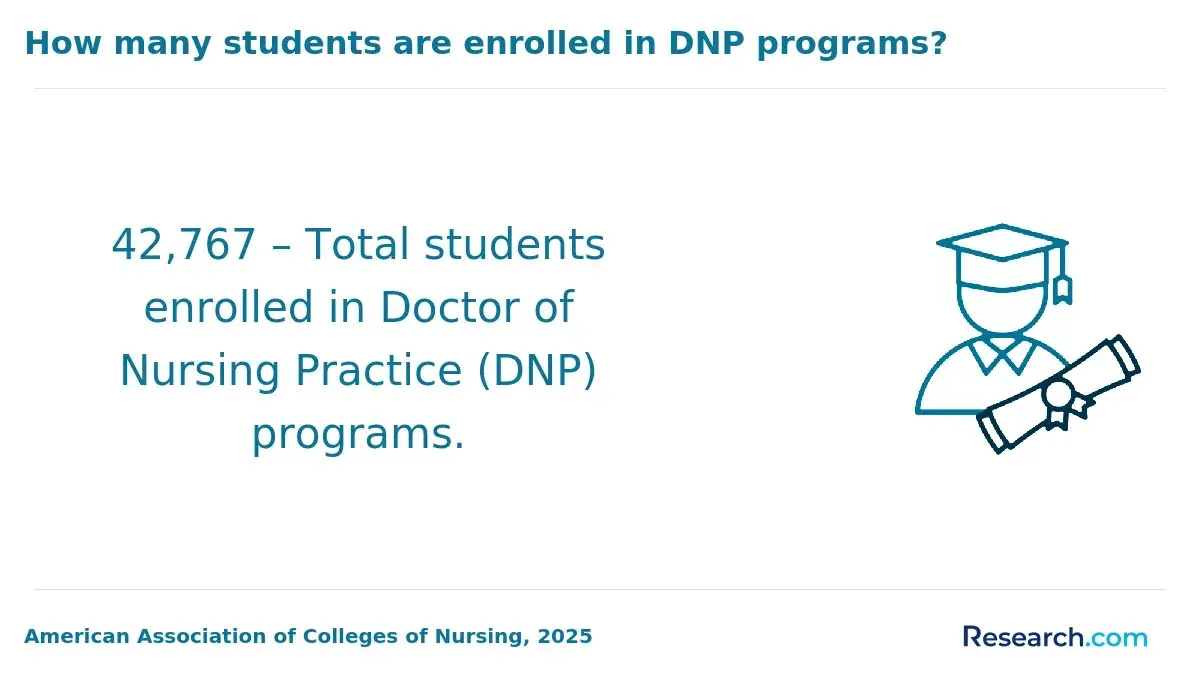
Yes, but the answer depends on the type of nursing program. Online coursework can support nursing education, especially for RN-to-BSN, MSN, DNP, and certificate programs. However, students seeking initial licensure generally still need supervised clinical learning, skills labs, simulations, or other hands-on experiences. Nursing is a practice profession, so online delivery does not remove the need to demonstrate safe patient-care competence.
The COVID-19 pandemic accelerated the use of online education, virtual instruction, and simulation in nursing. The National Council of State Boards of Nursing (NCSBN) recognized online learning and distance education in 2024 and published regulatory recommendations for distance-learning programs. This supports online nursing education when programs maintain appropriate quality controls, clinical oversight, and student evaluation.
Idaho recognizes accredited online nursing degrees when they meet applicable licensing and professional standards. Students should look for recognized accreditation, such as Commission on Collegiate Nursing Education (CCNE) accreditation. Boise State University’s nursing degrees, for example, are CCNE-accredited through 2030. Before enrolling, confirm that the program’s accreditation, clinical arrangements, and state authorization match your intended licensure and career goals.
Online Nursing Programs in Idaho for 2027
The following programs were identified after reviewing public datasets and criteria such as acceptance rates, education costs, NCLEX pass rates, and accreditation. Use this list as a starting point, not the only basis for enrollment. Students should compare transfer policies, clinical expectations, total fees, course format, graduation support, and alignment with Idaho licensure or advancement goals.
1. Lewis-Clark State College
Lewis-Clark State College provides online pathways for nurses who want to build from an associate degree toward a BSN. The program is designed to strengthen leadership, interdisciplinary teamwork, and practice across healthcare settings. Students at the College of Eastern Idaho, College of Western Idaho, and North Idaho College may apply to the online BSN option, and licensed RNs may pursue the online RN-BSN track.
- Acceptance Rate: 100%
- Average Cost: $9,546
- NCLEX Pass Rate: 90.24%
- Accreditation: CCNE
2. Boise State University
The online RN-BSN program at Boise State University is intended for licensed registered nurses seeking broader career preparation. Coursework emphasizes evidence-based practice, healthcare policy, resource management, care coordination, and research skills. The curriculum includes capstone coursework and electives, with attention to global health issues and health disparities.
- Acceptance Rate: 83%
- Average Cost: $11,250
- NCLEX Pass Rate: 83.78%
- Accreditation: CCNE
3. Northwest Nazarene University
Northwest Nazarene University’s RN-BSN program combines nursing science, liberal arts concepts, ethical practice, leadership, communication, clinical judgment, and care planning. The program also incorporates a faith-based perspective into professional nursing development. Students may use transferred associate degree credits, including credits from programs that are not exclusively nursing-related.
- Acceptance Rate: 88.1%
- Average Cost: $425 per credit + $150 per semester technology fee
- NCLEX Pass Rate: 83.78%
- Accreditation: CCNE
4. Idaho State University
Idaho State University offers a BSN completion option for registered nurses and students currently enrolled in an associate degree nursing program. The curriculum prepares students to serve urban and rural populations, communicate effectively, use healthcare technology, evaluate public health needs, and care for diverse communities. Graduates may pursue nursing practice roles and faculty-related opportunities.
- Acceptance Rate: 100%
- Average Cost: $4,178 for in-state students, $13,733 for out-of-state students + $1,245 professional fee for both
- NCLEX Pass Rate: 86.36%
- Accreditation: CCNE
5. Eagle Gate College
The RN-BSN program at Eagle Gate College allows students to complete the first year of coursework fully online. The curriculum focuses on evidence-based care, individualized treatment planning, patient development, professional standards, crisis response, pharmacology, treatment intervention, and licensure examination preparation. The school also offers employment assistance.
- Acceptance Rate: 100%
- Average Cost: $11,970
- NCLEX Pass Rate: N/A
- Accreditation: CCNE
| Program | Best fit | Key question to ask |
| Lewis-Clark State College | Associate degree students and RNs moving toward a BSN | How do partnership pathways and transfer credits apply to my current school? |
| Boise State University | Working RNs seeking a structured RN-BSN curriculum | Are there additional fees or residency-related costs for my situation? |
| Northwest Nazarene University | Students who value leadership, ethics, and faith-integrated nursing education | How many of my previous credits will transfer? |
| Idaho State University | RNs and associate degree nursing students serving urban or rural populations | What professional fees and clinical or project expectations apply? |
| Eagle Gate College | Students wanting online first-year coursework and career support | What in-person requirements begin after the first year? |
Is Idaho Good for Nurses?
Idaho can be a strong choice for nurses who want employment options, rural healthcare impact, and multiple education pathways. Still, whether it is “good” for a specific nurse depends on pay, local cost of living, preferred specialty, shift expectations, commute distance, and access to advancement opportunities. The Organization for Economic Cooperation and Development (OECD) identifies income, employment, and education as important quality-of-life factors; cost of living and professional community also matter.
- Income: The annual median salary for registered nurses in Idaho is $75,560 (Incredible Health, 2026), which is below the national median salary of $82,750. Salary should be compared with local living costs, employer benefits, specialty demand, and overtime or shift-differential opportunities.
- Cost of living: Personal consumption expenditures in Idaho averaged $46,270 (U.S. Bureau of Economic Analysis (BEA), 2025). This figure includes housing and utilities, healthcare, food and beverages, gasoline and energy, and other expenses. Comparing this amount with nursing wages can help students estimate affordability.
- Employment: Idaho faces an estimated 6,300 nurse workforce deficit (Nightingale, 2026). The state also had one of the highest increases in healthcare expenditures, suggesting continued need across cities and rural communities.
- Education: Idaho offers nursing advancement routes, including online bachelors in nursing in Idaho and affordable online MSN programs. Idaho also participates in the Nurse Licensure Compact, allowing eligible licensed nurses to practice in multiple member states.
- Professional community: Nurses may find support through employers, schools, professional associations, and regional healthcare networks. Larger areas such as Boise City may offer broader networking and specialty opportunities, while rural areas may provide wider scope and closer community relationships.
What Can I Do With a Nursing Degree in Idaho?
A nursing degree in Idaho can lead to roles in hospitals, ambulatory healthcare services, residential care facilities, government agencies, schools, public health, specialty clinics, and rural healthcare organizations. Nationally, registered nurse employment is projected to grow from 3,391,000 jobs in 2024 to 3,557,100 in 2034 (BLS, 2024), giving nurses a long-term career field with many possible directions.
BSN-prepared nurses may pursue bedside care, care coordination, charge nurse roles, case management, community health, school nursing, informatics-related work, or graduate study. Some nurses later compare advanced clinical careers, including nurse practitioner and physician assistant paths. If you are weighing those options, reviewing NP vs PA salary considerations can help clarify differences in scope, education, and career fit.
Graduate education can open additional roles in adult gerontology, leadership, education, nursing practice, and advanced clinical specialties. For example, Boise State University offers an online master’s degree in adult gerontology. Nurses planning these paths should evaluate whether a BSN program provides the prerequisites needed for different types of master’s degrees in nursing.
| Career direction | Typical preparation | Good fit for nurses who want |
| Clinical RN practice | RN license; ADN or BSN depending on employer and role | Direct patient care and team-based clinical work |
| Leadership or charge nurse roles | Experience plus BSN or graduate education in some settings | Unit coordination, staff support, and operational responsibility |
| Public health or community nursing | BSN often helpful | Prevention, education, outreach, and population health work |
| Advanced practice nursing | Graduate degree, RN license, APRN certification and licensure | Greater clinical autonomy and specialty care |
| Education or administration | BSN, MSN, DNP, or related credentials depending on role | Teaching, program management, policy, or healthcare leadership |
How Do Rural Healthcare Challenges Shape Nursing in Idaho?
Rural healthcare strongly influences nursing roles in Idaho. The state includes large rural areas, and approximately one-third of its population lives in geographically isolated regions. In communities with fewer providers, longer travel distances, and limited specialty access, nurses often carry broader responsibilities than they might in larger urban facilities.
Limited Access to Providers and Facilities
Many rural Idaho communities have fewer physicians, specialists, advanced practice providers, and healthcare facilities. Nurses may be the first professional a patient sees for urgent concerns, chronic disease support, medication questions, health education, or follow-up coordination. This requires strong assessment skills, sound clinical judgment, and the ability to communicate clearly with patients who may face transportation, financial, or access barriers.
Broader Practice Expectations
Because Idaho participates in the Nurse Licensure Compact, nurses with qualifying multistate licenses may have more mobility across compact states. In rural settings, however, staffing limits can still require nurses to function as adaptable generalists. APRNs, including Family Nurse Practitioners, may serve as primary care providers in communities where physician access is limited. BSN-prepared RNs who want deeper rural impact may eventually pursue advanced education through nurse practitioner programs in Idaho.
Telehealth and Remote Care
Telehealth helps reduce distance-related barriers by connecting rural patients with clinicians, specialists, and follow-up services. Nurses may support virtual assessments, patient education, remote monitoring, care coordination, and technology troubleshooting. Online nursing programs that include informatics, communication, and evidence-based practice can help prepare students for this increasingly common care model.
Community Health and Prevention
Rural nurses often play a visible role in prevention. They may support wellness checks, immunization efforts, chronic disease education, maternal health, health screenings, and public health campaigns. Because relationships in small communities can be close and long-term, trust-building is often as important as technical skill.
Social Determinants of Health
Rural patients may face limited transportation, lower income, fewer educational resources, limited broadband access, or delayed access to care. Nurses help connect patients with community resources, coordinate referrals, advocate for services, and identify barriers that affect treatment adherence.
Education for Rural Practice
Online BSN programs can help working nurses in rural Idaho continue their education without relocating. Students interested in rural healthcare should look for programs that include community health, care coordination, telehealth exposure, population health, and clinical placements relevant to rural practice.
What Is the Role of Nurse Specializations in Idaho's Healthcare System?
Specialized nurses help Idaho address care gaps across rural and urban communities. Specialty preparation can support work in primary care, pediatrics, geriatrics, psychiatric care, anesthesia, maternal health, public health, and leadership. For many nurses, specialization is not the first step; it is a later decision made after clinical experience reveals which patient population or care setting fits best.
Specialties With Strong Practical Relevance
- Family Nurse Practitioners: FNPs can support primary care access, particularly in rural areas where physician availability may be limited.
- Psychiatric Nurse Practitioners: Mental health needs have increased attention, and psychiatric nurse practitioners can help diagnose, treat, and support patients with behavioral health conditions.
- Pediatric Nurses: Pediatric nurses care for children in hospitals, clinics, schools, and community settings.
- Nurse Anesthetists: CRNAs provide anesthesia care in surgical and procedural environments and require advanced preparation.
- Geriatric Nurses: As older adults require chronic disease management, medication education, and coordinated care, geriatric nursing remains important across Idaho settings.
How an Online BSN Can Support Later Specialization
An online BSN does not automatically make a nurse a specialist, but it can build the academic foundation for graduate study, leadership, evidence-based practice, public health, and specialty certification preparation. Working RNs can use the flexibility of online study to continue employment while preparing for future MSN, DNP, or certificate programs. Career changers without a nursing background may also compare online BSN programs for non nurses when evaluating entry routes into the field.
How Do Virtual Clinical Simulations Enhance Practical Skill Development in Online Nursing Programs?
Virtual clinical simulations allow students to practice decision-making in realistic patient scenarios before or alongside in-person clinical experiences. These tools can strengthen assessment, prioritization, communication, medication safety, and emergency response skills in a controlled environment. They do not replace every required clinical experience, but they can improve preparation and help students receive immediate feedback on their choices.
For students comparing online options, simulation quality matters. Ask whether simulations are integrated into graded coursework, how faculty evaluate performance, whether scenarios reflect adult, pediatric, obstetric, mental health, and community settings, and how simulation connects to local clinical placements. Students planning initial RN licensure should also review how to become an RN in Idaho to understand the full pathway.
Can Advanced Nursing Degrees Significantly Enhance My Career in Idaho?
Advanced nursing degrees can expand a nurse’s scope, leadership potential, and eligibility for specialized roles. In Idaho, an MSN, DNP, or post-graduate APRN certificate may lead to advanced clinical practice, nursing education, healthcare administration, policy work, research-oriented roles, or rural primary care impact. The value depends on your goals: advanced practice can be worthwhile for nurses who want higher responsibility, but it also requires more time, tuition, clinical hours, and certification steps.
RNs aiming for advanced practice should compare program accreditation, clinical placement support, national certification alignment, and Idaho APRN licensure rules. Nurses seeking a streamlined route from bachelor’s preparation to doctoral-level practice may explore online BSN to DNP programs.
What Alternative Healthcare Careers Complement Online Nursing Degrees in Idaho?
A nursing degree can support more than bedside practice. Nurses may move into care coordination, case management, public health, quality improvement, informatics, patient education, utilization review, healthcare administration, clinical training, or allied health leadership. Some roles require additional certificates or graduate education, while others rely heavily on nursing experience.
Students who want broader patient-care exposure before or alongside nursing may compare medical assistant programs in Idaho. This can be useful for learners still deciding whether nursing, allied health, or administrative healthcare work is the better long-term match.
Are There Online RN to BSN Programs in Idaho With No Clinical Requirements?
Some working RNs hope to find an online RN-to-BSN program with no clinical requirements. In practice, most credible RN-to-BSN programs include some form of practice-based learning, clinical project, community health experience, capstone, simulation, or applied professional activity. These experiences may not look like traditional bedside clinical rotations, but they are often required to verify higher-level nursing competencies.
Why Completely Clinical-Free Programs Are Limited
Nursing education must protect patient safety and professional competence. Even when students already hold RN licenses, BSN programs commonly require applied learning in leadership, population health, evidence-based practice, quality improvement, or community care. A program that advertises no clinicals should be reviewed carefully for accreditation, state acceptance, and graduate-school compatibility.
Alternatives to Look For
- Reduced clinical expectations: Some RN-to-BSN programs use projects, simulations, or community-based experiences rather than extensive bedside hours.
- Leadership or education emphasis: Programs focused on leadership, care coordination, or nursing education may require less direct patient-care time than prelicensure programs.
- Local clinical flexibility: Some schools allow students to complete practicum or project requirements near where they live or work.
What to Verify Before Enrolling
- Idaho Board alignment: Confirm that the program supports Idaho requirements and does not create problems for future licensure, renewal, or graduate admission.
- Accreditation: Prioritize accredited programs recognized by employers and graduate schools.
- Career fit: Avoid choosing a low-clinical program if your goal requires direct-care expertise, specialty practice, or APRN preparation.
For broader comparisons, review our guide to online RN to BSN programs without clinical requirements.
What Are the Licensing and Regulatory Requirements Influencing Nursing Careers in Idaho?
Licensing rules shape every nursing career decision in Idaho. Students must confirm that their program meets education standards, supports the correct exam pathway, and prepares them for renewal and continuing education obligations. Online students should be especially careful because a program offered online may not automatically meet every state’s licensure expectations.
Key regulatory issues include program approval, accreditation, clinical experience verification, background checks, NCLEX eligibility, continuing education, renewal dates, multistate licensing rules, and APRN certification alignment. Nurses should monitor the Idaho Board of Nursing and review detailed nursing license requirements in Idaho before selecting a program or applying for a new license.
Is There a Practical Pathway to Become an LVN Nurse in Idaho?
Students researching LVN roles should note that Idaho more commonly uses the LPN terminology for practical nursing. This pathway can be a faster and more focused route into nursing than a four-year BSN, although it has a different scope of practice and advancement ceiling. Candidates should choose state-recognized programs, confirm clinical requirements, and understand NCLEX-PN eligibility before enrolling.
For a step-by-step explanation of the vocational route, review how to become an LVN nurse in Idaho.
How Can I Transition to a Nurse Practitioner Role in Idaho?
To become a nurse practitioner in Idaho, an RN must complete graduate-level preparation, meet clinical training requirements, earn the appropriate national certification, and apply for APRN licensure. The best pathway depends on specialty: family practice, psychiatric mental health, adult gerontology, pediatrics, women’s health, or another recognized population focus.
Prospective nurse practitioners should look for accredited graduate programs with strong clinical placement support, Idaho-relevant regulatory preparation, faculty expertise in the intended specialty, and clear certification exam alignment. Mentorship can also help RNs choose the right specialty and clinical setting. For a detailed roadmap, see how to become a nurse practitioner in Idaho.
Is an Accelerated BSN Program a Viable Option for Advancing My Nursing Career in Idaho?
An accelerated BSN can be a viable option for students who already hold a non-nursing degree and want a faster route into RN preparation. These programs are intensive. They often compress nursing theory, labs, simulations, and clinical experiences into a shorter schedule, which can make them difficult for students who need to work full time.
Before choosing an accelerated program, compare accreditation, graduation support, clinical placement structure, NCLEX preparation, total program cost, and schedule intensity. Students focused on affordability may compare the cheapest online accelerated BSN programs, but cost should not outweigh licensure alignment and completion support.
How Do Online Nursing Programs Prepare You to Become a Nurse Midwife in Idaho?
Online nursing programs can support a nurse-midwifery pathway when they lead to the right graduate education and include appropriate clinical placements. A future nurse midwife generally needs advanced preparation in prenatal care, labor and delivery, postpartum support, women’s health, newborn care, pharmacology, and evidence-based practice.
Because midwifery is an advanced practice role, students should verify that the program aligns with certification and Idaho licensure expectations. Online coursework may be flexible, but supervised clinical experiences with qualified preceptors are essential. For a role-specific pathway, read how to become a nurse midwife in Idaho.
What Factors Should I Consider When Choosing an Online Nursing Program in Idaho?
The best online nursing program is not always the cheapest, fastest, or highest-ranked. The right choice is the program that fits your current license status, career goal, schedule, budget, clinical needs, and future education plans. Students pursuing an entry-level practical nursing route should also review how to become an LPN in Idaho.
| Factor | What to ask | Why it matters |
| Accreditation | Is the nursing program CCNE-accredited or otherwise appropriately accredited? | Accreditation affects employer acceptance, graduate study, and credibility |
| State authorization | Can Idaho students enroll, and does the program support Idaho licensure goals? | Online availability does not always equal state licensure compatibility |
| Clinical placement | Who arranges clinicals, and where can they be completed? | Students may struggle if they must secure placements alone |
| Total cost | What are tuition, professional fees, technology fees, and clinical-related expenses? | A low tuition rate can be misleading if fees are high |
| Transfer credits | How many prior credits will count toward the degree? | Generous transfer policies can shorten time and reduce cost |
| NCLEX or certification outcomes | What are pass rates and student support services? | Exam success is critical for licensure and career entry |
| Schedule design | Are courses asynchronous, synchronous, full-time, or part-time? | Working nurses need realistic scheduling |
| Career services | Does the school offer advising, placement support, resume help, or employer connections? | Support can matter during job search or advancement |
Common Mistakes to Avoid
- Choosing a program without checking accreditation: Accreditation affects transferability, employer confidence, and graduate admission.
- Looking only at tuition: Fees, travel, clinical costs, and lost work hours can change the real price.
- Assuming online means no in-person requirements: Nursing programs often require labs, simulations, clinicals, practicums, or capstone projects.
- Ignoring licensure rules: A program must align with Idaho requirements if you plan to practice in the state.
- Relying only on rankings: A ranked program may still be a poor fit if it lacks your specialty, schedule format, or clinical support.
- Assuming salary outcomes are guaranteed: Pay depends on employer, location, experience, specialty, shift, and credentials.
What Is the Return on Investment for Online Nursing Degrees in Idaho?
ROI for an online nursing degree depends on total cost, time to completion, transfer credits, salary change after graduation, advancement opportunities, and debt. A working RN completing an affordable RN-to-BSN may see a different return than a career changer entering an accelerated BSN with higher tuition and reduced work hours.
Students should compare program costs with Idaho nursing salary data, local job postings, employer tuition assistance, and long-term education plans. If graduate school is likely, choose a BSN program that prepares you for later admission rather than selecting only the lowest sticker price. Reviewing accredited nursing schools in Idaho can help students compare recognized options before estimating ROI.
| ROI question | Why it matters |
| Will this degree qualify me for the role I want? | A low-cost program has poor ROI if it does not support your career goal |
| How much debt will I need? | Loan repayment can reduce the financial benefit of higher earnings |
| Can I keep working while enrolled? | Maintaining income can improve affordability |
| Will my employer reimburse tuition? | Employer support can significantly reduce out-of-pocket cost |
| Does the program support graduate school? | Future MSN or DNP options may depend on program quality and accreditation |
How Can I Leverage My Nursing Degree for Allied Healthcare Career Opportunities in Idaho?
Nurses who want career flexibility can use their clinical background in related healthcare roles. Options may include healthcare administration, care management, health information, quality improvement, insurance review, patient advocacy, medical education, public health, or allied health services. Some transitions require additional training, certification, or experience with healthcare technology and documentation systems.
For nurses interested in revenue-cycle or documentation-focused work, medical billing and coding can broaden career options outside direct bedside care. Learn more through our guide on how to become a medical biller and coder in Idaho.
The Future of Nursing Education
Online nursing education is likely to remain important because it allows working adults, rural students, and licensed nurses to continue learning without always relocating or leaving employment. The strongest online programs combine flexible coursework with rigorous assessment, clinical or practice-based learning, simulation, faculty support, and clear licensure alignment.
For Idaho students, the best strategy is to treat online nursing education as a professional investment. Choose an accredited program, verify Idaho requirements, understand clinical expectations, compare full costs, and select a pathway that matches your intended role. A BSN, MSN, DNP, or certificate can open doors, but only when it is connected to a realistic plan for licensure, employment, and long-term growth.
Key Insights
- Online nursing programs can work in Idaho, but accreditation and licensure alignment are non-negotiable. Flexible coursework is valuable, but students must confirm clinical, simulation, practicum, and state authorization requirements.
- There are multiple nursing entry points. CNA, LPN, RN, BSN, and APRN pathways serve different goals, timelines, and scopes of practice.
- Costs vary widely. Idaho nursing programs may range from $4,000 to $8,000 for in-state students, $10,000 to $35,000 for out-of-state learners, and $9,000 to $17,000 for online nursing programs in Idaho.
- Salary data should be interpreted carefully. Sources cited in this guide list Idaho nursing salary figures of $89,770 and $75,560, while the national median salary cited is $82,750. Local employer data is essential.
- Rural healthcare creates opportunity and responsibility. Idaho’s rural communities need adaptable nurses who can support primary care access, telehealth, chronic disease education, and community health.
- RN-to-BSN programs with no clinical requirements are uncommon. Many programs use applied projects, simulations, community experiences, or capstones instead of traditional clinical rotations.
- Advanced degrees can improve career options, but only when matched to a clear goal. MSN, DNP, and APRN pathways require careful planning around certification, clinical placements, and Idaho licensure rules.
- The number of RN diplomas granted has declined to 1.6% in 2024, reflecting ongoing changes in nursing education and workforce conditions. This makes program quality, completion support, and workforce planning especially important for new students.
Related Articles for Nearby States
- 2027 Best Online Nursing Programs in Montana – Accredited RN to BSN Programs
- 2027 Best Online Nursing Programs in Washington: Accredited RN to BSN Programs
- 2027 Best Online Nursing Programs in Oregon – Accredited RN to BSN Programs
- 2027 Best Online Nursing Programs in Nevada – Accredited RN to BSN Programs
- 2027 Best Online Nursing Programs in Utah: Accredited RN to BSN Programs
- 2027 Best Online Nursing Programs in Wyoming – Accredited RN to BSN Programs
- 2027 Best Online Nursing Programs in California: Accredited RN to BSN Programs
- 2027 Best Online Nursing Programs in Colorado – Accredited RN to BSN Programs
- 2027 Best Online Nursing Programs in Arizona – Accredited RN to BSN Programs
- 2027 Best Online Nursing Programs in New Mexico – Accredited RN to BSN Programs
References:
- AACN. (2025). 2024-2025 Enrollment and Graduations in Baccalaureate and Graduate Programs. https://www.aacnnursing.org
- HRSA. (2025). 2024 National Sample Survey of Registered Nurses. https://bhw.hrsa.gov/data-research/access-data-tools/national-sample-survey-registered-nurses
- NCSBN. (2025). 2024 National Nursing Workforce Study. https://www.ncsbn.org/workforce
- Nightingale College. (2024). Nursing Shortage: 2026 US Statistics. https://nightingale.edu/blog/nursing-shortage-by-state.html
- U.S. Bureau of Labor Statistics. (2025). Occupational Outlook Handbook: Registered Nurses. https://www.bls.gov/ooh/healthcare/registered-nurses.htm
Other Things You Should Know About Online Nursing Programs in Idaho
In 2027, the best online RN to BSN programs in Idaho generally range from $8,000 to $15,000. Costs may vary based on factors such as program length, school reputation, and any additional fees. Financial aid options are often available to help reduce the overall expense.
Yes, you can become a nurse in Idaho with an online degree. Several accredited online nursing programs are recognized by the state, providing flexible learning options that enable students to balance education with other responsibilities.
Some of the best online nursing programs in Idaho include Lewis-Clark State College, Boise State University, Northwest Nazarene University, Idaho State University, and Eagle Gate College. These programs offer various pathways and specializations for advancing nursing careers.
Idaho is a favorable state for nurses due to competitive salaries, a low cost of living, numerous employment opportunities, and strong educational support. The state also participates in the Nurse Licensure Compact, allowing nurses to practice in multiple states.
Nurses in Idaho can work in hospitals, ambulatory healthcare services, residential care facilities, government and educational services. They can also pursue advanced practice roles, leadership positions, or further education in specialized fields.
Nursing schools in Idaho offer various support services, including academic advising, tutoring, mental health resources, and career counseling to help students succeed in their studies and future careers.
The duration of online RN to BSN programs in Idaho varies by institution, but most programs can be completed in 12 to 18 months on a full-time basis. Part-time options may extend the program to two years, providing flexibility for working nurses.
Nursing programs in Idaho offer valuable rural healthcare experiences that provide students with unique benefits. These experiences allow students to work in underserved and remote areas, gaining exposure to a wide range of medical conditions and patient care scenarios that are less common in urban settings. Students develop a strong sense of resourcefulness and adaptability, learning to provide high-quality care with limited resources. Additionally, working in rural healthcare fosters a deeper understanding of the social determinants of health and the challenges faced by rural populations. These experiences enhance clinical skills, cultural competence, and prepare students for versatile nursing careers.


