2027 Best Online Doctorate of Social Work (DSW) Degree Programs

Co-Founder and Chief Data Scientist
Choosing an online Doctorate of Social Work is usually not about whether social work matters; it is about whether a doctoral practice degree is the right investment for your career stage, schedule, budget, and long-term goals. A DSW is designed for experienced social work professionals who want to move into advanced clinical leadership, executive administration, teaching, policy implementation, program design, or systems-level practice.
This guide explains how online doctorate of social work degree programs work, what they cost, how employers may view them, what admissions requirements to expect, and how to compare programs without relying only on rankings or tuition. It also covers accreditation, career outcomes, financial aid, online learning challenges, and the difference between a DSW and a PhD in social work.
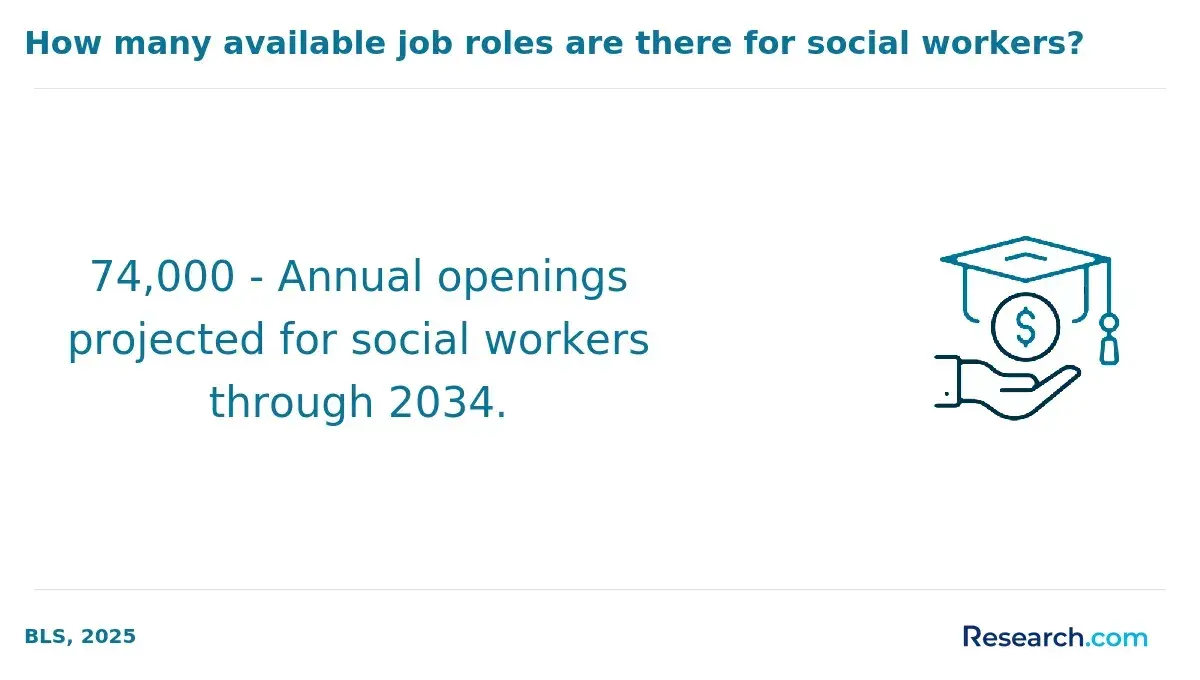
Advanced social work roles may come with higher compensation. PayScale reports average annual salaries of $90,669 for clinical directors, $65,354 for geriatric care managers, and $92,572 for executive directors (PayScale, 2026). These figures are not guaranteed outcomes, but they show why many experienced practitioners consider doctoral education when pursuing senior-level roles.
Quick Answer: Is an Online Doctorate of Social Work Worth It?
An online DSW can be worth it if you already have graduate-level social work training, relevant professional experience, and a clear reason for needing doctoral-level practice preparation. It is best suited for professionals aiming for leadership, advanced clinical supervision, teaching, policy, or organizational change roles. It may not be the right fit if your goal is primarily academic research, since a PhD in social work is usually the stronger path for research-intensive careers.
The most important decision factors are accreditation, total cost, residency requirements, curriculum fit, faculty expertise, career support, and whether the program aligns with licensing or certification expectations in the state or country where you plan to work.
Online Doctorate of Social Work Degree Programs Table of Contents
- Can you complete a doctorate in social work fully online?
- Do employers respect online DSW degrees?
- Are online social work doctorates recognized internationally?
- Online vs. campus-based doctorate in social work
- 2027 best online doctorate of social work degree programs
- How much do online DSW programs cost?
- What are the requirements for an online DSW?
- Courses commonly found in online DSW programs
- Financial aid and scholarships for online DSW students
- How does social work differ from counseling, therapy, and psychology?
- How to choose an online doctorate in social work
- Can an accelerated MSW help prepare you for a DSW?
- How should you evaluate career services and alumni support?
- How do online DSW programs protect academic quality?
- Can advanced standing from an MSW shorten the path?
- Which additional credentials can strengthen a DSW career?
- How do licensing and certification rules affect online DSW graduates?
- Career outcomes and real-world uses of a DSW
- How to balance work, life, and online doctoral study
- What challenges should online DSW students expect?
- DSW vs. PhD in social work: which degree fits your goal?
Can you complete a doctorate in social work fully online?
Yes, many students can earn a doctorate through an online format. NCES reported that 5,548 institutions that conduct classes primarily online offer doctorate degrees (NCES, 2025). Online DSW programs are built for working professionals who need advanced training but cannot regularly relocate or attend weekday campus classes.
That said, “online” does not always mean “no campus requirement.” Some programs include short residencies, immersion weekends, synchronous class meetings, practicum requirements, capstone presentations, or supervised field-based projects. Before applying, confirm whether the program is fully online, hybrid, or primarily online with required in-person components.
| Program format | What it usually means | Best for | What to verify |
| Fully online | Coursework is delivered remotely, often through an online learning platform. | Professionals who cannot travel or relocate. | Whether any live sessions, practicums, or capstone defenses require attendance at specific times. |
| Primarily online | Most classes are online, but some short campus visits may be required. | Students who want flexibility but can travel occasionally. | Residency dates, travel costs, lodging, and time away from work. |
| Hybrid | Online instruction is combined with recurring in-person meetings. | Students who live near campus or want more face-to-face engagement. | How often campus attendance is required and whether courses are offered during evenings or weekends. |
Will employers take my online degree seriously?
Employers are generally more likely to respect an online DSW when it comes from a properly accredited and reputable institution. The format matters less than whether the program is rigorous, professionally relevant, and aligned with the responsibilities of the role you want.
BestColleges reported that 76% of online students believe completing an online education program improved their job opportunities, and 75% said pursuing an online degree is a recommended educational path (BestColleges, 2024). Still, employers may also evaluate your license status, clinical background, supervisory experience, leadership record, publications, capstone work, and professional references.
If you are still exploring social work roles before committing to doctoral education, review career paths such as the social work case manager career path to understand how responsibilities and advancement expectations differ by role.
Are online degrees recognized all over the world?
Online degrees can be recognized internationally, but recognition depends on the institution, accreditation status, national education rules, employer expectations, and professional licensing standards in the country where you plan to use the degree. Emergen Research projected that the online degree market is expected to reach $133.07 billion in 2025 (Emergen, 2024), reflecting continued demand for digital higher education.
For social work, international recognition can be more complicated than general academic recognition because professional practice is often regulated locally. Before enrolling, contact licensing boards, professional associations, or government credential evaluation agencies in the location where you plan to work.
Students comparing related graduate options may also want to review online clinical social work programs, especially if their primary goal is advanced clinical preparation rather than doctoral-level leadership.
Online vs. Traditional Doctorate Degree in Social Work
Students choose doctoral programs for different reasons. WGU reported that 54% of students prioritize tuition and fees, 48% value flexible formats such as online or hybrid courses, and 24% consider location when required courses are available (WGU, 2024). Those priorities are especially relevant for working social workers, who may need to keep full-time employment while completing a doctorate.
| Factor | Online DSW | Campus-based DSW | Decision point |
| Class delivery | Uses learning platforms, video meetings, discussion boards, and digital assignments. | Relies on in-person seminars, campus facilities, and direct classroom interaction. | Choose online if schedule control is essential; choose campus if in-person learning is a priority. |
| Flexibility | Often better for full-time workers, caregivers, and students outside commuting range. | May require fixed class times and regular campus attendance. | Ask whether online courses are asynchronous, synchronous, or mixed. |
| Networking | Can include virtual cohorts, online mentoring, and occasional residencies. | Often provides more spontaneous in-person faculty and peer interaction. | Review how the program builds community and professional connections. |
| Costs beyond tuition | May reduce commuting, relocation, and housing expenses but can include technology fees. | May include transportation, parking, housing, and campus-related expenses. | Compare total cost, not just advertised tuition. |
| Self-management | Requires strong planning, independent study habits, and digital communication skills. | Provides more built-in structure through campus routines. | Be honest about your time management and learning preferences. |
Teaching format: Online courses typically use a virtual learning environment where students access readings, submit assignments, join discussions, and interact with faculty. Campus-based programs usually provide in-person seminars and direct classroom engagement.
Convenience and flexibility: Online programs can be easier to fit around employment, caregiving, and community commitments. However, some still require live class attendance or scheduled residencies.
Learning experience: Campus learning may offer more immediate face-to-face interaction. Online learning can work well for self-directed students who are comfortable communicating in writing, video meetings, and collaborative digital spaces.
Cost: Online programs may reduce relocation, commuting, and housing expenses. However, students should also budget for technology fees, software, internet upgrades, books, travel for residencies, and any required field-based activities.
Is an online degree cheaper?
An online degree is often less expensive overall because students may avoid relocation, commuting, parking, and campus housing costs. However, online study is not automatically cheaper. Tuition varies by institution, and online students may still pay technology, distance learning, or student service fees.
When comparing programs, calculate the full price of attendance. For students still at the beginning of the path, a social work degree guide can help clarify how costs and requirements differ across undergraduate, master’s, and doctoral levels.
Is an online degree as good as a regular degree?
An online DSW can be academically strong when the institution is accredited, the faculty are qualified, the curriculum is rigorous, and the program includes meaningful applied learning. The delivery format alone does not determine quality.
The better question is whether the program fits your career goal. A strong online DSW should help students apply research to practice, lead organizations, supervise teams, evaluate programs, and address complex social problems in real settings.
2027 Best Online Doctorate of Social Work Degree Programs
Research.com reviewed institutions offering online doctorate of social work programs using available information on cost, academic reputation, program structure, accreditation, and other relevant factors. Use this list as a starting point, not a substitute for confirming current tuition, admissions rules, residency requirements, and licensure alignment directly with each school.
1. University of Southern California
The University of Southern California offers an online DSW focused on social change and innovation for professionals interested in leadership, community impact, and entrepreneurial approaches to social challenges. The program is completely online and provides both standard and accelerated completion options.
Program Length: 28 months or 36 months
Tracks/concentrations: Clinical Manager, Clinical Director, Full-time Social Work Faculty
Cost per Credit: $2137
Required Credits to Graduate: 42
Accreditation: Council on Social Work Education
2. Capella University
The online Doctor of Social Work from Capella University is designed for students seeking advanced practice and leadership preparation. The fully online format allows students to shape part of their learning through elective coursework.
Program Length: Three years
Tracks/concentrations: Clinical Manager, Clinical Director, Full-time Social Work Faculty
Cost per Credit: $975
Required Credits to Graduate: 62
Accreditation: Higher Learning Commission
3. University of Pennsylvania
The University of Pennsylvania offers a doctorate in clinical social work for experienced practitioners who want to deepen clinical expertise while developing research, leadership, and teaching skills. The program uses a flexible hybrid format.
Program Length: Two to three years
Tracks/concentrations: Clinical Manager, Clinical Director, Full-time Social Work Faculty
Cost per Credit: $6,728
Required Credits to Graduate: 36
Accreditation: Middle States Commission on Higher Education (MSCHE)
4. University of Alabama
The University of Alabama offers a primarily online DSW for students preparing for advanced practice, organizational leadership, agency management, or teaching. Students may choose advanced clinical practice or organizational leadership, and the program includes campus residencies, a capstone presentation, and access to a social work placement.
Program Length: Three years
Tracks/concentrations: Clinical Manager, Clinical Director, Full-time Social Work Faculty
Cost per Credit: $440
Required Credits to Graduate: 45
Accreditation: Southern Association of Colleges and Schools Commission on Colleges (SACSCOC)
5. Tulane University
The Tulane University School of Social Work offers an online DSW for practitioners seeking leadership preparation. The curriculum emphasizes critical thinking, program and policy implementation, and social justice-oriented practice. Students must attend an immersion weekend in New Orleans.
Program Length: Three years
Tracks/concentrations: Clinical Manager, Clinical Director, Full-time Social Work Faculty
Cost per Credit: $1,195
Required Credits to Graduate: 54
Accreditation: Southern Association of Colleges and Schools Commission on Colleges (SACSCOC)
| School | Format notes | Required credits | Cost per credit | Best-fit consideration |
| University of Southern California | Completely online with standard and accelerated tracks | 42 | $2137 | Students seeking a social change and innovation focus. |
| Capella University | Fully online with elective flexibility | 62 | $975 | Students who want an online structure with customizable coursework. |
| University of Pennsylvania | Flexible hybrid format | 36 | $6,728 | Experienced clinicians seeking advanced clinical development. |
| University of Alabama | Primarily online with required campus components | 45 | $440 | Students comparing clinical and organizational leadership pathways. |
| Tulane University | Online with an immersion weekend in New Orleans | 54 | $1,195 | Students interested in leadership, policy implementation, and social justice practice. |
How much do online doctorate of social work degree programs cost?
Program cost depends on the school, credit requirements, full-time or part-time enrollment, residency travel, technology fees, books, and whether tuition is charged per credit or by term. The cost per credit for online doctorate of social work degree programs usually falls between $915 to $1,730. Based on this range, students should anticipate total tuition fees from $38,000 to $90,000.
Do not compare programs using tuition alone. A lower per-credit price may not be the cheapest option if the program requires more credits, extended enrollment, travel, or added fees. A higher-cost program may make sense only if it offers a strong curriculum match, reputable faculty, useful professional networks, and support that aligns with your career goal.
| Cost category | Why it matters | Question to ask |
| Tuition | The largest direct cost for most students. | Is tuition charged per credit, per term, or by program? |
| Fees | Online, technology, student service, graduation, and library fees can add up. | Which fees are mandatory for online students? |
| Residency travel | Primarily online programs may still require campus visits. | How many in-person events are required, and where are they held? |
| Books and materials | Doctoral courses may require specialized texts, software, or databases. | What is the estimated annual cost for materials? |
| Time away from work | Residencies, internships, and capstone deadlines can affect income. | Can the program be completed while working full time? |
Is an online social work degree worth it?
A DSW may be worth the investment for professionals who need doctoral-level practice, supervision, leadership, or teaching preparation. It can strengthen expertise in specialized practice areas and may help graduates pursue roles with broader organizational influence.
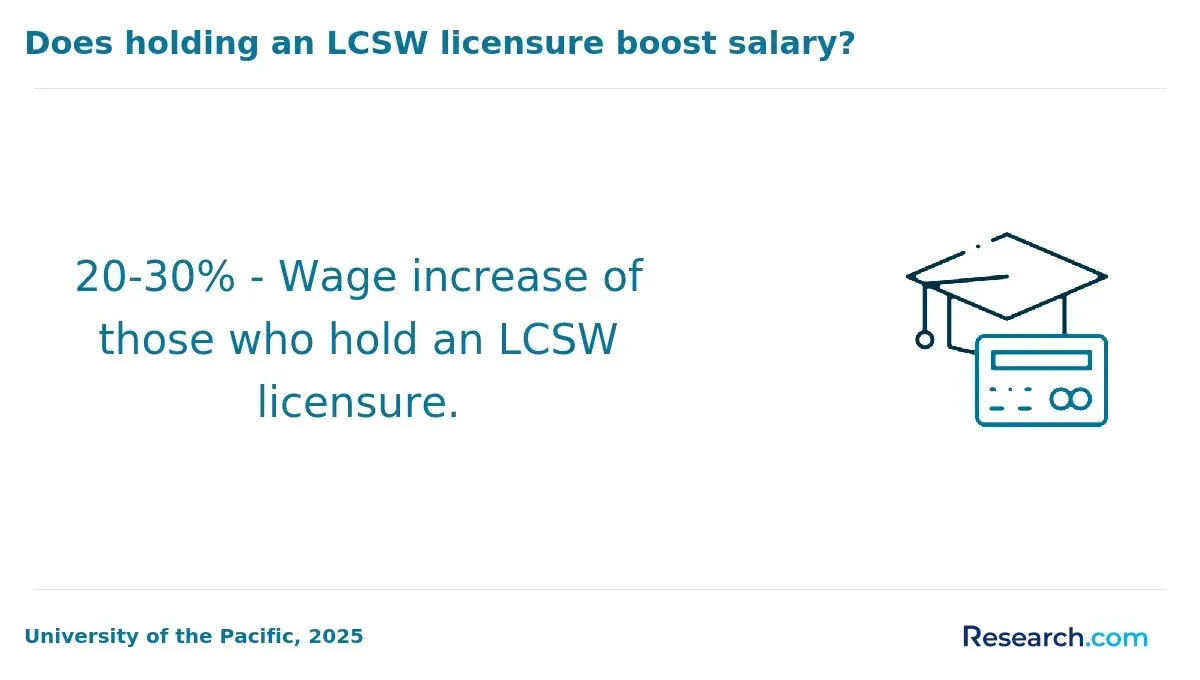
The degree should be evaluated against realistic career outcomes. Completing the program may expand career options, increase earning potential, and position graduates for opportunities in a field with 8.7% employment growth until 2033 (US BLS, 2024). However, salary and advancement depend on location, experience, licensure, employer type, specialization, and leadership record.
Digital practice is also changing social work education. A 2025 study in the Journal of Human Rights and Social Work (Carvalho & Albuquerque, 2025) discusses human rights-based practice in the digital age and identifies AI literacy as a core competency for modern social workers. Mathiyazhagan and Patton (2025) further argue that social workers must evaluate AI systems critically so they “actively advance rather than hinder social, racial, economic, and environmental justice.”
What are the requirements for an online doctorate degree in social work?
Admissions requirements vary by institution, but online DSW programs are generally intended for applicants who already have graduate education, professional experience, and a clear advanced-practice goal. Some programs focus on clinical leadership, while others emphasize policy, teaching, administration, or systems change.
Admission Requirements
- Official transcripts. Applicants are typically required to submit transcripts from all colleges and universities previously attended so the admissions committee can review academic preparation.
- Minimum GPA. Many DSW programs use a minimum GPA requirement, and a minimum of 3.0 is commonly required.
- Master’s degree. Applicants often need a master’s degree from a CSWE-accredited program. Students still preparing for doctoral study may compare online master programs in social work, one year MSW programs, and related options such as online behavioral psychology degree programs. It can also help to understand the distinction between MSW training and LCSW credentials.
- Current resume or CV. A resume helps the school evaluate work history, leadership responsibilities, volunteer service, field experience, and readiness for doctoral-level assignments.
- Letters of recommendation. Programs commonly request two to three recommendations from supervisors, faculty, or professional colleagues who can speak to the applicant’s academic ability, ethical judgment, and leadership potential.
- Statement of purpose. Many programs ask applicants to explain why they want a DSW, how the degree fits their goals, and what social work problem or population they hope to address.
- Professional experience. Some DSW programs prefer or require post-MSW experience because coursework often assumes familiarity with direct practice, organizations, supervision, policy, or program delivery.
Skills That Help Students Succeed
- Communication. Online doctoral students need to write clearly, participate in virtual discussions, present ideas professionally, and communicate with faculty, peers, clients, or partner organizations.
- Leadership. DSW coursework often prepares students to supervise teams, influence agencies, evaluate programs, and guide organizational change.
- Critical thinking. Students must be able to assess research, interpret evidence, examine policy, and design practical responses to complex social problems.
- Cultural competence. Social workers serve diverse individuals, families, and communities, so students must be able to recognize bias, respect different lived experiences, and apply inclusive practice approaches.
- Organization. Doctoral study requires managing reading loads, deadlines, field-based projects, employment, family responsibilities, and long-term capstone work.
What technology do online DSW students need?
Online doctoral study depends on reliable digital access. EDUCAUSE reported that 56% of students are satisfied with campus Wi-Fi, while reliable internet remains a top priority because students view it as a basic requirement for digital learning. EDUCAUSE also reported that 69% of students are satisfied with general technology-related services, that access to power outlets and charging stations is a “make-or-break” factor for the 70% of students who engage in hybrid learning environments, and that only 35% of students feel fully prepared to navigate the specialized non-AI and AI technologies required for their future careers (EDUCAUSE, 2025).
Students pursuing an affordable online MSW or an online DSW should be ready to use technology consistently and independently.
- Reliable internet connection. Students need stable internet for video meetings, research databases, course modules, and assignment submission.
- Computer or tablet. A laptop or desktop is usually more practical than a phone for doctoral writing, research, and video participation.
- Required software. Programs may use learning management systems, video conferencing tools, office software, citation managers, research databases, or specialized applications.
- Webcam and microphone. Live classes, advising, presentations, and recorded assignments may require clear video and audio.
- Headset or headphones. A headset can improve sound quality and reduce background noise during synchronous sessions.
Courses to Expect in Online Doctorate Degree Programs in Social Work
DSW curricula vary, but most programs combine advanced practice theory, evidence-informed intervention, leadership, policy, ethics, research translation, and applied projects. Social work doctoral students may examine problems such as healthcare access, behavioral health gaps, aging services, child welfare, homelessness, organizational inequity, and technology’s impact on practice.
The Centers for Disease Control and Prevention reported that 27.5 million individuals in the United States, or 8.2% of the total population, were uninsured in the first half of 2025. Of these, only 20.4% of adults between 18 to 64 years old had public health insurance, while 69.9% had private health insurance coverage (Centers for Disease Control and Prevention, 2025). Limited access to healthcare is one example of a systems-level issue DSW graduates may study through policy, program design, and advocacy.
- Social theories and clinical practice. Students examine theories such as systems theory, social learning theory, and feminist theory, then connect those frameworks to assessment, intervention, and client-centered practice.
- Evidence-based and evidence-informed practice. Coursework teaches students to evaluate research, apply interventions responsibly, and combine empirical evidence with clinical expertise and client preferences.
- Neuroscience for clinical practice. Students explore brain development, brain function, plasticity, trauma, and behavioral health concepts that may inform clinical decision-making.
- Psychopathology and psychopharmacology. Learners review mental health diagnoses, medication-related concepts, benefits and risks of treatment, and the importance of collaboration with prescribing professionals.
- Social policy and advocacy. Students analyze how laws, institutions, funding structures, and policy decisions affect clients, organizations, and communities.
- Leadership and organizational change. These courses prepare students to supervise professionals, manage programs, evaluate services, and lead ethical change in agencies or systems.
- Applied research or capstone seminar. Many DSW programs culminate in a practice-based project that addresses a real problem in social work practice, policy, or administration.
Financial Aid and Scholarships for Online DSW Programs
Financing a DSW requires planning because tuition is only one part of the total cost. Start by confirming that the school participates in federal aid programs and that the degree format is eligible for the aid you plan to use.
- Federal financial aid: Students enrolled in eligible accredited programs may use options such as Direct Unsubsidized Loans or Grad PLUS Loans. Completing the Free Application for Federal Student Aid, or FAFSA, is the standard first step.
- Scholarships and fellowships: Schools, professional associations, and private organizations may offer merit-based or need-based awards for doctoral social work students, including opportunities connected to the National Association of Social Workers (NASW).
- Employer tuition assistance: Social service agencies, hospitals, universities, and government employers may help fund doctoral education when the degree supports workforce development or leadership needs.
- Grants for social work students: Some grants support students committed to underserved communities, behavioral health, child welfare, aging services, or public service.
- Lower-cost institutions: Working adults may reduce debt by comparing tuition at the best affordable online colleges.
- Payment plans and discounts: Ask whether the school offers monthly payment plans, military or veteran discounts, alumni discounts, professional association discounts, or cohort pricing.
What Are the Key Differences Between Social Work and Other Related Fields?
Social work overlaps with counseling, therapy, psychology, public health, sociology, and human services, but it has a distinct emphasis on person-in-environment practice, social systems, advocacy, policy, resource access, and social justice. Counseling and therapy often focus more narrowly on mental health treatment, while psychology may emphasize assessment, research, cognition, behavior, and psychological science depending on the role.
Because job titles can sound similar, students should compare scope of practice, education requirements, licensure rules, and compensation. Research.com’s guide to social worker vs therapist salary can help clarify how these fields differ in responsibilities and career preparation.
| Field | Primary focus | Typical distinction from social work |
| Social work | Individuals, families, communities, systems, policy, and access to services. | Connects clinical or direct support with systems-level advocacy and resource coordination. |
| Counseling | Mental health, personal development, coping skills, and behavioral change. | Often centers on therapeutic relationships and mental health treatment. |
| Psychology | Human behavior, cognition, assessment, research, and treatment. | May require different doctoral training and licensure depending on practice goals. |
| Human services | Program delivery, community support, case coordination, and service access. | May involve broader support roles that do not always require social work licensure. |
Things to Look for in Online Doctorate Degree Programs in Social Work
A DSW is a major commitment, so the best program is not simply the cheapest, fastest, or highest-ranked option. The right program should match your professional goal, learning style, finances, and regulatory requirements.
- Accreditation. Verify institutional accreditation and any program-level recognition that matters for your career. The Council on Social Work Education is a key organization to understand when evaluating social work education.
- Curriculum fit. Compare required courses, electives, capstone expectations, and concentrations. A clinical leader, policy advocate, nonprofit executive, and faculty candidate may need different curricular strengths.
- Faculty expertise. Review faculty bios for research, practice background, publications, community partnerships, licensure, and experience in your area of interest.
- Online learning design. Ask for a demonstration of the learning platform and confirm whether classes are asynchronous, synchronous, or blended.
- Practicum, internship, or applied project support. If the program requires field-based work, ask how placements are arranged and whether your current workplace can be used.
- Program length and flexibility. Confirm whether you can study part time, pause enrollment, accelerate coursework, or adjust the sequence if work or family obligations change.
- Total cost and aid options. CSWE reported that the majority of DSW students (69.1%) now rely on a combination of federal student loans and employer tuition reimbursement to fund their advanced practice education (CSWE, 2025). Ask schools for a complete cost estimate before enrolling.
- Licensure relevance. A DSW does not automatically grant a license. Confirm whether the program supports, requires, or assumes licensure in your state or intended practice location.
Common Mistakes to Avoid When Choosing an Online DSW
| Mistake | Why it can hurt you | Better approach |
| Choosing only by tuition | A low tuition rate may hide added fees, travel costs, or weaker support. | Compare total cost, graduation requirements, support services, and career fit. |
| Ignoring accreditation | Accreditation can affect aid eligibility, transfer options, employer confidence, and licensure-related decisions. | Verify accreditation through official accreditor and school sources. |
| Assuming “online” means flexible | Some online courses require live attendance or campus residencies. | Ask for the course schedule, residency calendar, and synchronous meeting expectations. |
| Relying only on rankings | Rankings may not reflect your specialization, state requirements, or financial situation. | Use rankings as one input, then evaluate curriculum, faculty, cost, and outcomes. |
| Assuming salary outcomes are guaranteed | Pay varies by location, employer, role, licensure, and experience. | Compare job postings in your target market before borrowing for a program. |
Can an Accelerated MSW Program Strengthen Your Online DSW Journey?
An accelerated MSW can help some students reach doctoral readiness sooner, especially if it provides strong clinical, policy, research, and field education foundations. Students considering this route should make sure the program is rigorous enough to prepare them for doctoral-level reading, writing, applied research, and leadership assignments.
Professionals who want to reduce the time between graduate preparation and doctoral study can compare accelerated social work master's programs. The key is not speed alone; the MSW should build the competencies needed for advanced practice and future DSW coursework.
How can I evaluate career services and alumni support in an online DSW program?
Career support matters because many DSW students are not looking for entry-level jobs; they are trying to move into senior roles, teaching, consulting, policy work, or specialized leadership. Ask specific questions rather than accepting general claims about “career readiness.”
- Career counseling: Does the school offer advisors who understand advanced social work roles, doctoral credentials, academic hiring, nonprofit leadership, or clinical administration?
- Job placement support: Are students connected with employers seeking clinical directors, policy advisors, program evaluators, faculty, or executive leaders?
- Networking events: Does the program host virtual or in-person conferences, panels, employer events, or practice-area workshops?
- Mentorship: Are students matched with faculty, alumni, or field leaders who can offer guidance in their area of specialization?
- Alumni engagement: Are alumni active in mentoring, job referrals, guest lectures, research collaborations, or professional communities?
- Continuing development: Does the school provide webinars, workshops, or post-graduation learning opportunities tied to policy, technology, leadership, and practice trends?
How Do Online DSW Programs Maintain Quality and Accreditation Standards?
Strong online DSW programs protect quality through qualified faculty, transparent curriculum design, regular assessment, student support services, applied learning expectations, and alignment with current professional practice. Prospective students should verify accreditation, review curriculum updates, examine student outcomes where available, and ask how the program evaluates teaching quality.
Cost-conscious students should not assume that lower-cost options are lower quality. Instead, compare accreditation, faculty, curriculum, support, and outcomes when reviewing cheap doctor of social work online programs.
Can advanced standing from an MSW program streamline my DSW journey?
Advanced standing may allow qualified MSW graduates to skip certain foundational requirements or move more quickly into specialized doctoral work. Policies vary by institution, and students may need to show strong prior coursework, relevant experience, and readiness for advanced practice or leadership content.
If you are still choosing an MSW and want to keep doctoral study open as a future option, compare best online MSW advanced standing pathways and ask how credits, field education, and graduate preparation may affect later DSW admission.
What supplemental credentials can enhance my online DSW career?
A DSW can be strengthened by additional credentials when they match your intended role. Examples may include clinical licensure, supervision credentials, nonprofit leadership training, program evaluation preparation, trauma-informed practice certificates, gerontology training, healthcare administration coursework, or policy and advocacy credentials.
Professionals interested in broader service systems may also explore related pathways and jobs you can get with human services degree to understand how social work leadership connects with community programs, advocacy, and interdisciplinary service delivery.
How Do Licensing and Certification Requirements Impact an Online DSW Career?
Licensing rules can significantly affect how you use a DSW. A doctorate may support advancement, but it does not replace state-specific licensure requirements for clinical practice. Students should confirm whether their current or intended license requires supervised hours, exams, continuing education, or a qualifying MSW.
Because regulations differ across professions and states, students should review official licensing board requirements before enrolling. Research.com’s guide on how to get a counseling certification can help readers understand why state-by-state credential rules matter, even though social work licensing has its own requirements.
Real-World Applications and Career Outcomes for Online DSW Graduates
Online DSW graduates may apply their training in clinical leadership, program administration, policy implementation, teaching, nonprofit management, healthcare systems, child welfare, aging services, behavioral health, community development, or advocacy. The degree is most valuable when it helps a professional solve complex practice problems at a higher level of responsibility.
| Career direction | How a DSW may help | What employers may still require |
| Clinical leadership | Prepares professionals to supervise services, evaluate interventions, and improve clinical systems. | Clinical licensure, supervisory experience, and direct practice background. |
| Agency or nonprofit administration | Builds skills in leadership, program design, evaluation, and organizational change. | Management experience, budgeting knowledge, and staff leadership experience. |
| Policy and advocacy | Develops the ability to translate evidence into programs, policies, and community-level interventions. | Policy experience, writing skills, coalition work, and public communication ability. |
| Teaching | Can support practice-oriented teaching roles in social work education. | Teaching experience, publications, licensure, or additional academic qualifications depending on institution. |
| Consulting and program evaluation | Supports applied research, needs assessment, implementation, and evaluation work. | Portfolio of projects, data skills, client relationships, and subject-matter expertise. |
Students who are earlier in the education pathway may start by comparing the cheapest online BSW programs before progressing to graduate and doctoral study.
Tips for Balancing Work, Life, and Online DSW Studies
Online doctoral study is flexible, but it is not easy. Students often complete demanding coursework while managing client responsibilities, supervision duties, family obligations, and community commitments.
- Build a weekly study structure. Reserve specific blocks for reading, writing, discussion posts, research, and capstone work.
- Talk with your employer early. If possible, ask about flexible scheduling, tuition assistance, professional development time, or opportunities to connect coursework to workplace projects.
- Use school support before problems escalate. Academic advisors, writing centers, librarians, technology support, faculty office hours, and peer groups can prevent small issues from becoming major setbacks.
- Start with a manageable course load. If you are new to online doctoral work, a lighter first term can help you understand expectations without overcommitting.
- Protect recovery time. Burnout can affect both academic performance and professional practice, so schedule rest with the same seriousness as coursework.
For students preparing for doctoral education, an inexpensive online MSW program may provide a more affordable foundation before moving into a DSW.
What challenges might I encounter in an online DSW program?
Online DSW students may face limited face-to-face interaction, heavy reading and writing expectations, technology issues, competing work demands, and isolation from peers. The most successful students actively build support systems instead of waiting for the program to create every connection.
Common challenges include managing asynchronous deadlines, participating meaningfully in virtual discussions, securing mentorship, coordinating applied projects, and staying motivated through a long capstone process. Students still considering whether doctoral study is the right next step can review What can you do with a MSW degree? to compare career options available before pursuing a doctorate.
What Distinguishes a DSW from a PhD in Social Work?
The DSW is generally a practice doctorate. It is designed for experienced professionals who want to apply advanced knowledge to clinical leadership, organizations, policy implementation, teaching, or systems improvement. The PhD in social work is generally more research-oriented and is often the stronger fit for students who want careers centered on academic research, theory development, and scholarly publication.
| Question | DSW | PhD in Social Work |
| Main purpose | Advanced practice, leadership, applied problem-solving, and professional impact. | Research, theory, scholarship, and academic inquiry. |
| Typical final project | Applied capstone or practice-based project. | Research dissertation. |
| Best for | Clinical leaders, administrators, educators, consultants, and policy implementers. | Researchers, tenure-track faculty candidates, and scholars. |
| Decision rule | Choose this if you want to improve practice or lead systems. | Choose this if you want to produce original research as a central career focus. |
Professionals interested in complementary social science preparation may also explore what can be done with a master's in sociology, especially if they want broader context on institutions, inequality, communities, and social systems.
How to Decide If an Online DSW Is the Right Next Step
An online DSW can help experienced practitioners move beyond direct service into broader leadership, but it should be chosen with a clear plan. Start by identifying the role you want after graduation, then work backward to the credentials, experience, licensure, and doctoral training that role requires.
- Define your career target. Decide whether you are pursuing clinical leadership, teaching, policy, administration, consulting, or program evaluation.
- Check credential requirements. Confirm whether the role requires licensure, supervision credentials, teaching experience, or specialized certifications.
- Compare curriculum against your goal. Do not choose a clinically focused DSW if your primary goal is policy leadership unless the program also supports that path.
- Calculate total cost. Include tuition, fees, books, travel, lost income, and loan interest.
- Evaluate support. Look at advising, faculty access, writing support, technology support, library access, and career services.
- Ask about outcomes. Request information on completion rates, capstone examples, alumni roles, and employer partnerships when available.
If you are at the start of your education journey, a social work online degree may be the first step. If you are comparing broader career directions, review different humanities and social sciences careers before committing to a doctoral pathway.
Key Insights
- An online DSW is best for experienced practitioners. It is most useful for social workers who already have graduate preparation and want advanced practice, leadership, teaching, policy, or administrative roles.
- Accreditation and licensure checks are nonnegotiable. Before enrolling, verify institutional accreditation, social work education standards, and any state or country requirements tied to your intended role.
- Online does not always mean fully remote. Some programs require residencies, immersion weekends, live sessions, field-based projects, or in-person capstone presentations.
- Cost comparisons must include more than tuition. Fees, travel, technology, books, credit requirements, and time away from work can change the true price of a program.
- DSW and PhD programs serve different goals. Choose a DSW for applied leadership and practice improvement; choose a PhD if your main goal is original research and scholarly work.
- Career outcomes depend on more than the degree. Licensure, experience, specialization, location, employer type, and leadership record all influence advancement and salary.
- AI and digital practice are becoming part of social work competence. Doctoral students should expect growing attention to technology, ethics, algorithmic bias, data-informed practice, and digital equity.
- The best program is the one that fits your goal. Rankings can help you start, but the final decision should be based on curriculum, faculty, accreditation, affordability, support, and professional alignment.
References
- BestColleges. (2024). Online Education Trends Report 2024. BestColleges.com. https://www.bestcolleges.com/research/online-education-trends/
- Carvalho, A., & Albuquerque, C. P. (2025). Human rights-based practice in the digital age: AI literacy as a core competency for social work. Journal of Human Rights and Social Work, 10(1), 45–58. https://doi.org/10.1007/s41134-024-00312-x
- Centers for Disease Control and Prevention. (2025). Health insurance coverage: Early release of estimates from the National Health Interview Survey, January–June 2025. National Center for Health Statistics. https://www.cdc.gov/nchs/data/nhis/earlyrelease/Health-Insurance-Coverage-Early-Release-of-Estimates-January-June-2025.pdf
- Council on Social Work Education. (2025). 2023–2024 Annual Survey of Social Work Programs in the United States. https://www.cswe.org/research-statistics/annual-survey-of-social-work-programs/
- EDUCAUSE. (2025). 2025 EDUCAUSE student and technology report: Navigating the hybrid and AI landscape. https://library.educause.edu/resources/2025/student-and-technology-report
- Emergen Research. (2024). Online Degree Market Size, Share, Trends, Industry Analysis Report, By Type (Bachelors, Masters, Doctoral), By Course (Arts, Science, Business, Engineering, Medical, Others), By Provider (University, For-Profit, Non-Profit), By Region, And Segment Forecasts, 2024 - 2032. https://www.emergenresearch.com/industry-report/online-degree-market
- Mathiyazhagan, S., & Patton, D. U. (2025). Algorithmic accountability and the CORPP framework: Advancing justice in tech social work. Journal of Human Rights and Social Work, 10(2), 112–128. https://digitalfuturesociety.com/app/uploads/2024/02/Towards-accountable-algorithms_eng.pdf
- National Center for Education Statistics. (2025). Number of degree-granting postsecondary institutions with distance education programs, by level of offering: 2023-24. Integrated Postsecondary Education Data System (IPEDS). https://ies.ed.gov/learn/press-release/total-number-higher-education-institutions-decreases-2-percent#:~:text=The%20number%20of%20Title%20IV,percent%20received%20a%20bachelor's%20degree.
- PayScale. (2026). Average clinical director salary; Average geriatric care manager salary; Average executive director salary. https://www.payscale.com/research/US/Job
- U.S. Bureau of Labor Statistics. (2024). Occupational Outlook Handbook: Projections Overview. https://www.bls.gov/ooh/about/projections-overview.htm
- Western Governors University. (2024). 2024 State of Higher Education Report. https://www.wgu.edu/content/dam/attune/documents/state-of-higher-education-2024-report.pdf
Other Things You Should Know About Online Doctorate of Social Work (DSW) Degree Programs
Most online Doctor of Social Work programs require about 45 to 60 post-master’s credits and can be completed in roughly two to four years. Many programs also require a capstone, dissertation, or applied practice project before graduation.
Yes, most top online DSW programs in 2027 require applicants to have relevant work experience, often ranging from two to five years in a social work or related field, to ensure that students bring practical insights to their advanced studies.
Yes, scholarships and financial aid options are available for online DSW programs in 2027. Prospective students can apply for federal financial aid, institutional scholarships, and grants. Check individual program websites for specific scholarship opportunities and application deadlines.
Common courses in an online DSW program include Social Theories and Their Relation to Clinical Practice, Implementing Evidence-Based and Evidence-Informed Practices, Neuroscience for Clinical Practice, and Psychopathology and Psychopharmacology. These courses provide advanced knowledge and skills necessary for specialized social work practice.