
2027 Humanities and Social Sciences Careers: Guide to Career Paths, Options & Salary

Co-Founder and Chief Data Scientist
Humanities and social sciences degrees can lead to strong careers, but only if you choose the right path on purpose. These majors are often broad, which is both their strength and their challenge. They can prepare you for work in communications, education, research, public service, policy, law-related support, social services, human resources, media, and behavioral health. The key is learning how to turn a wide academic background into a specific career plan.
If you are deciding whether to major in one of these fields, wondering what jobs actually exist, or trying to figure out whether graduate school is necessary, this guide will help you compare options in a practical way. You will learn how humanities and social sciences differ, which careers fit each path, what employers look for, when a certificate or graduate degree makes sense, and how to reduce cost without limiting your future.
Use this guide if you are a student choosing a major, a recent graduate trying to enter the workforce, or a working professional thinking about a career change. It is also useful if you are comparing program types, checking accreditation, or deciding whether a master’s degree is worth the investment.
For readers still refining their long-term career goals, the most useful question is not “Is this degree practical?” but “Which jobs does this degree make possible, and what do I need to add to become competitive?”
Quick Answer: What Can You Do With a Humanities or Social Sciences Degree?
A humanities or social sciences degree can lead to careers in education, journalism, public relations, research, government, nonprofits, libraries, human resources, policy, social services, and behavioral health. Some entry-level roles are open to associate or bachelor’s degree holders, while specialized positions often require graduate study, licensure, or field-specific certification.
The degree itself is only part of the equation. Employers also want proof that you can write clearly, analyze information, work with people from different backgrounds, and use practical tools such as research methods, digital communication platforms, and data basics. The strongest applicants usually combine academic training with internships, portfolios, volunteer work, or applied projects.
Humanities and Social Sciences Careers Table of Contents
- Why humanities and social sciences careers still matter
- Career outlook, earnings, and example roles
- Skills employers expect in 2026
- How to begin a career in these fields
- Funding options and ways to lower college costs
- How to grow after your first job
- Where school social work fits
- What to know about affordable online MSW options
- Why behavioral health appeals to many students
- Social work versus psychology
- What an MSW can unlock
- How to evaluate online sociology degrees
- Accelerated MSW programs versus traditional programs
- How to keep building your career over time
- Career options with a social work degree
- Clinical social work versus other specializations
- Whether a social work degree is a smart investment
Why pursue a career in humanities and social sciences?
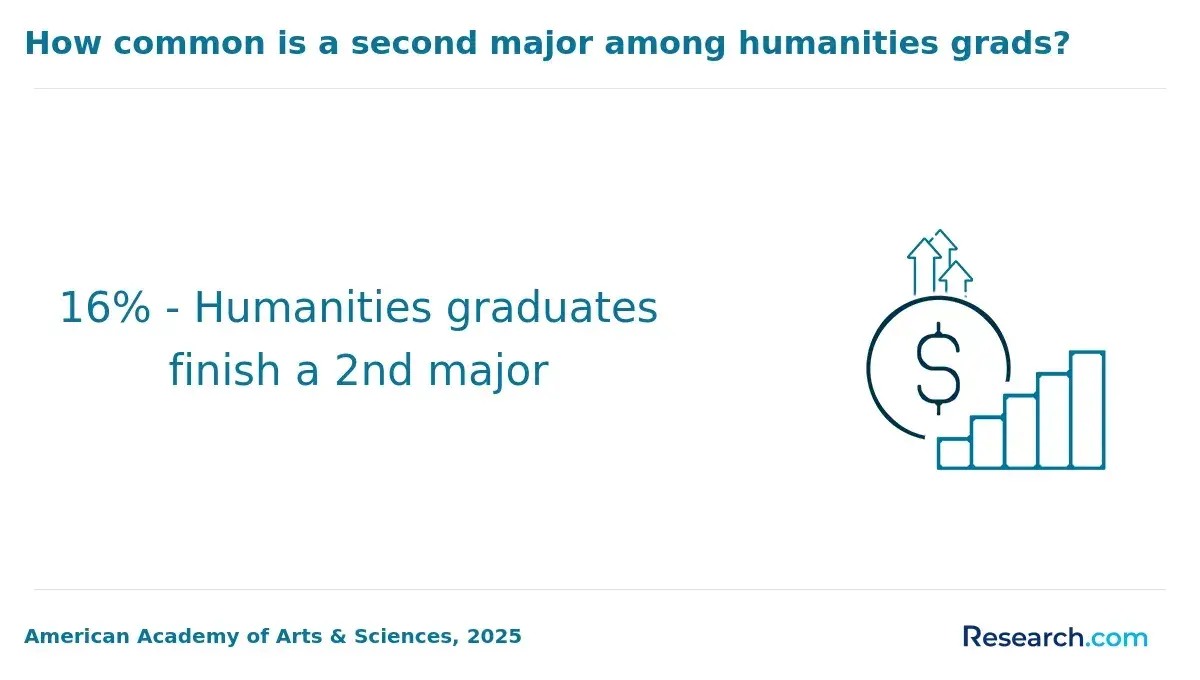
These fields are a good fit if you want work centered on people, institutions, communication, culture, research, public issues, or community impact. Humanities students study how people create meaning through language, history, art, literature, philosophy, and communication. Social science students study behavior, organizations, communities, markets, and political systems through evidence and research methods.
The fields remain relevant because many employers need people who can read complex information, explain it clearly, and apply judgment in human-centered settings. That is true in schools, nonprofits, government agencies, healthcare organizations, media companies, and business teams. Students exploring social science careers will find paths that range from policy research to community support and communications.
That flexibility is valuable, but it also creates a planning problem. A degree in communication may lead to public relations, marketing, editorial work, alumni relations, or internal communications. Sociology or psychology may lead to case management, research support, behavioral health, or graduate school. History or political science can connect to museums, policy, government, archives, or law-adjacent work.
The advantage is adaptability. The risk is graduating without a clear target. Students who earn internships, build a portfolio, take on applied projects, and choose a specific industry usually have a much easier time turning their degree into a job.
Humanities and Social Sciences Career Outlook
There is no single career outlook for humanities and social sciences because the category includes many occupations with very different requirements. According to the United States Bureau of Labor Statistics (BLS), projected job growth across related roles ranges from 2% to 11%, depending on the occupation. That is why students should look at the specific job title they want rather than assume one outlook fits all.
Earnings also vary widely. A reasonable salary range across these fields can fall between $50,000 and $80,000, but the actual number depends on occupation, region, employer type, education, licensure, and experience. An entry-level communications role, for example, will not pay the same as a doctoral-level economist or a licensed clinical social worker.
The table below gives examples of how major choices can connect to early-career roles and pay. Treat it as a planning tool, not a promise.
| Major or Field of Study | Examples of Related Roles | Early Career Pay | Job Satisfaction |
| Exercise Physiology Major | Exercise Physiologist, Personal Trainer, Strength and Conditioning Coach, Exercise Specialist | $49,784 | 72% |
| Mass Communication | PR Specialist, Meeting/Event Planner, College Alumni and Development Officer, Media Planner, Social Media Manager, HR Specialist | $53,484 | 45% |
| Linguistics | EFL Teacher, Lexicographer, Publishing Copyeditor/Proofreader, Speech and Language Therapist, Teaching Assistant | $46,625 | 40% |
| Digital Media | Media Planner, Multimedia Specialist, Program Researcher, Broadcasting/Film/Video, PR Officer, Runner, Social Media Manager | $53,092 | 36% |
| Journalism | Journalist, Managing Editor, Publications Editor | $44,059 | 42% |
How to read salary and outlook information
- Focus on occupations, not just majors. One degree can lead to several jobs with different pay levels, schedules, and promotion tracks.
- Check licensure rules early. Social work, teaching, counseling-adjacent roles, and some behavioral health jobs require state-specific credentials.
- Look at your local market. Hiring trends can be very different across states, school districts, hospital systems, government agencies, and nonprofit networks.
- Be strategic about graduate school. A master’s or doctorate can help, but only if it connects to a clear role and a realistic budget.
Required Skills for Humanities and Social Sciences
These careers depend on your ability to interpret people, texts, systems, data, and institutions. Strong candidates know how to ask good questions, gather evidence, compare sources, and communicate conclusions to audiences with different needs and backgrounds.
Transferable skills that matter across roles
- Interviewing and questioning. Research, journalism, human services, investigations, and psychology-related careers all depend on careful listening and precise questions.
- Research and analysis. Many roles require gathering information from archives, surveys, databases, public records, interviews, or documents. That is especially important in policy, history, and library science careers.
- Communication. Employers value graduates who can turn information into reports, briefings, articles, lesson plans, presentations, or client-facing materials.
- Cultural awareness. Many jobs involve serving people from different communities, languages, and belief systems, so intercultural competence matters.
- Critical thinking. These majors train you to compare arguments, identify bias, and explain why one conclusion is stronger than another.
- Problem-solving. In fields with ambiguous problems, professionals need to build workable solutions even when there is no single technical answer.
Skills that strengthen employability in 2026
| Skill Area | Why It Matters | How to Build Evidence |
| Writing and editing | Strong writing supports reports, grant applications, media content, policy briefs, and documentation. | Build a portfolio with papers, articles, policy memos, case summaries, or campaign materials. |
| Data literacy | Many employers expect basic comfort with spreadsheets, dashboards, surveys, and research findings. | Take research methods courses, analyze public data, or learn spreadsheet and visualization tools. |
| Digital communication | Organizations need people who can communicate through websites, social media, email, and video. | Show examples of social media work, digital storytelling, content planning, or audience analysis. |
| Community engagement | Public service, nonprofit, education, and social services roles often require trust-building. | Use internships, volunteering, field placements, service learning, or community research projects. |
| Ethical judgment | Work involving people, records, or vulnerable groups requires careful handling of privacy and power dynamics. | Study ethics, professional codes, consent practices, and responsible documentation. |
The British Academy report “Qualified for the Future: Quantifying demand for arts, humanities, and social science skills" argues that these skills contribute to work, society, and the economy. It also highlights future challenges that require human, ethical, and analytical judgment, including climate change, pandemics, cybersecurity, artificial intelligence, international terrorism, and evolving forms of conflict.
How to Start Your Career in Humanities and Social Sciences
The smartest way to begin is to choose a target job at the same time you choose a degree level. Some support roles may be available with an associate degree, but many professional positions require a bachelor’s degree. Many programs in these fields are housed within liberal arts programs, which means they build broad intellectual capacity rather than training for a single occupation.
Graduate study can be valuable when a role demands advanced research, clinical preparation, licensure, policy specialization, or academic depth. Still, master’s degree and doctorate degree programs should be chosen with a clear purpose. Before enrolling, confirm whether the degree is required, whether the program is accredited or recognized by employers, and whether the expected return justifies the price.
Degree levels and likely uses
| Education Level | Best Fit | Examples of Roles or Next Steps |
| Certificate | Skill-building, career switching, or adding a focused credential to an existing degree | Grant writing, digital media, nonprofit management, paralegal studies, GIS basics, research methods, planning-related credentials |
| Associate degree | Entry-level support roles or transfer into a bachelor’s program | Paralegal support, human services assistance, administrative support, community program support |
| Bachelor’s degree | Most general professional pathways in humanities and social sciences | Communications, education support, research assistance, journalism, public service, HR support, nonprofit work, policy support |
| Master’s degree | Specialized practice, leadership, licensure preparation, or advanced research | Social work, planning, counseling-related pathways, history, sociology, public policy, organizational leadership |
| Doctorate | Advanced research, academia, high-level policy analysis, or specialized expert roles | Economist, political scientist, professor, senior researcher, policy specialist |
What can I do with an associate degree in humanities or social sciences?
Paralegal
Paralegals support attorneys by organizing records, researching legal issues, preparing documents, and communicating with clients or witnesses. The role suits students who enjoy detail-oriented work and want exposure to legal settings without immediately pursuing law school.
Median salary: $61,010
Social and Human Service Assistant
Social and human service assistants connect clients with community resources, benefits, treatment plans, and support services. They may work with social workers, psychologists, case managers, or community organizations. Students who later want licensed practice may eventually consider a higher credential such as an online master’s degree in social work.
Median salary: $45,120
What can I do with a bachelor’s degree in humanities or social sciences?
Geographer
Geographers study places, populations, landscapes, environments, and spatial relationships. Their work may connect physical geography with cultural, economic, or social patterns.
Median salary: $97,200
Survey Researcher
Survey researchers design questionnaires, test wording, collect responses, analyze findings, and help organizations understand opinions, behaviors, or trends.
Median salary: $63,380
Can you get a humanities or social sciences job with only a certificate?
A certificate can help you stand out, but it usually works best as an added credential rather than a standalone replacement for a degree. It is most useful when it adds a practical skill such as data analysis, paralegal studies, grant writing, planning, digital communication, project management, or a field-specific method.
For some support roles, especially when combined with experience, a certificate may be enough. For clinical, teaching, research, or licensure-based work, it is usually not enough on its own.
A step-by-step way to get started
- Pick a target function. Decide whether you want work in research, writing, education, public service, media, advocacy, behavioral health, human services, or business operations.
- Find the minimum credential. Check whether the role asks for an associate, bachelor’s, master’s, internship hours, certification, or licensure.
- Gain applied experience early. Look for internships, campus media, research assistant roles, volunteer work, tutoring, public history projects, campaigns, or nonprofit service.
- Collect proof of ability. Save writing samples, presentations, data work, published pieces, case studies, lesson plans, or program evaluations.
- Choose electives carefully. Courses in statistics, research methods, public policy, digital media, grant writing, language study, or data tools can make you more competitive.
- Network before you graduate. Talk to alumni and professionals in your target field early, not only when job hunting begins.
What are the financial aid options for humanities and social sciences students?
Students in these majors can access many of the same funding sources as other college students, but the best mix depends on the degree level, financial need, academic record, and career direction. Because these fields often connect to education, nonprofit work, public service, and research, students should also ask departments about awards tied to their discipline.
- Institutional scholarships. Colleges may offer aid through humanities departments, social science departments, honors programs, language programs, writing programs, research centers, or general financial aid offices.
- Professional association grants. Subject-specific groups may fund research, conference travel, internships, fieldwork, or graduate study in history, anthropology, sociology, planning, communications, or political science.
- Government grants. Eligible undergraduates may qualify for need-based aid such as the Pell Grant.
- Private scholarships. Foundations, civic organizations, and nonprofit groups may support students focused on public service, education, advocacy, writing, social justice, or community work.
- Assistantships and fellowships. Graduate students should ask about teaching assistantships, research assistantships, tuition remission, stipends, and funded placements.
- Employer support. Working adults should check whether tuition assistance is available for programs related to human resources, communications, public administration, social services, training, or leadership.
Ways to lower cost before borrowing
- Compare total program cost, not just tuition per credit.
- Ask whether transfer credits, prior learning, or community college coursework can shorten the program.
- Choose accredited programs that match your career and licensure goals.
- Apply for department-level awards as well as larger national scholarships.
- Consider part-time study if it helps you keep income and benefits.
- Avoid taking on graduate debt until the degree clearly connects to a specific role or credential.
How can I advance my career in humanities and social sciences?
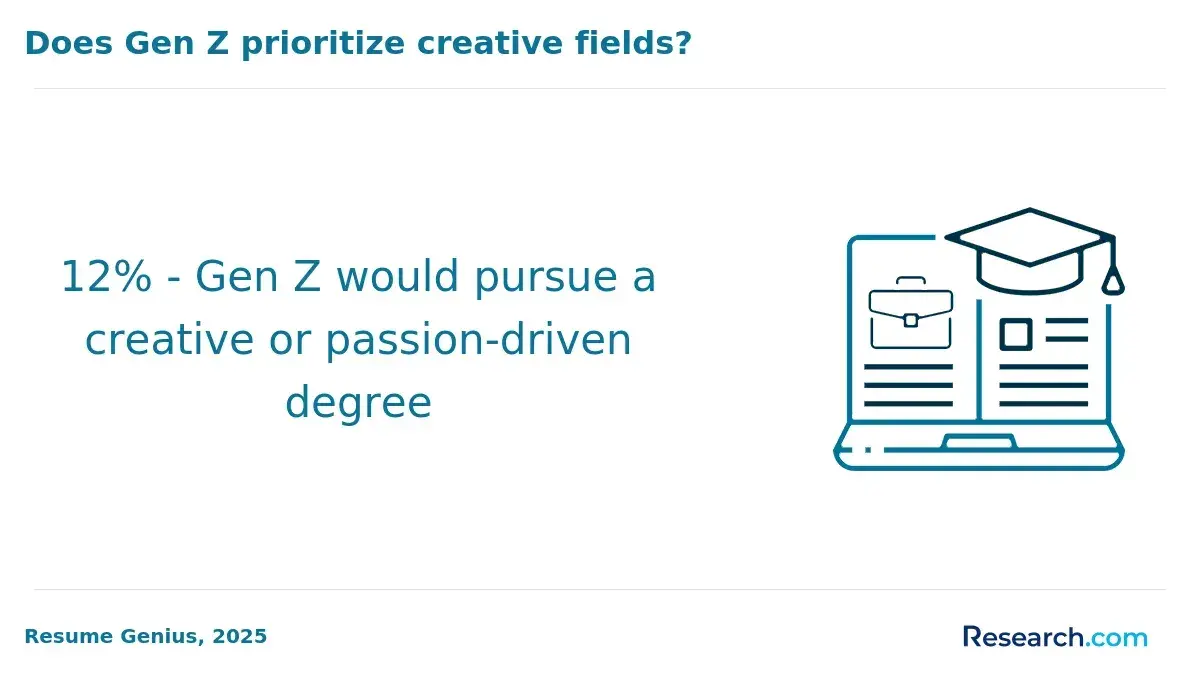
Advancement in these fields usually comes from specialization. After your first job, you may move into management, research, policy, communications strategy, clinical work, education, international work, nonprofit leadership, or evidence-based decision-making. Graduate school can help when it supports a defined path, such as psychology, education, history, fine arts, political science, sociology, international relations, human resources, or public policy.
What can I do with a master’s degree in humanities or social sciences?
Anthropologist
Anthropologists study human cultures, languages, origins, social structures, and behavior. Their work may support research, museums, public policy, community programs, education, or applied cultural analysis.
Median salary: $64,910
Historian
Historians interpret records such as archives, newspapers, photographs, interviews, films, letters, diaries, and government documents. Students considering this path can compare different history careers before selecting a graduate program.
Median salary: $74,050
What kind of job can I get with a doctorate in humanities or social sciences?
Economist
Economists study economic issues, create models, prepare reports, and analyze data using statistical or econometric methods. Students who want a focused path may consider an economics degree.
Median salary: $115,440
Political Scientist
Political scientists examine government systems, public opinion, political behavior, ideology, policy decisions, and political institutions.
Median salary: $139,380
Which certification is useful in humanities and social sciences?
The best certification depends on the field. In planning, for example, the American Institute of Certified Planners awards certification to planners who meet education and exam requirements. Other useful credentials may involve grant writing, project management, human resources, teaching, behavior analysis, interpreting, archival work, or nonprofit management.
Before paying for any credential, check whether employers in your target field actually value it. The most worthwhile certifications are the ones that hiring managers recognize, that signal a real competency, or that help with licensure or promotion.
Alternative Career Options for Humanities and Social Sciences
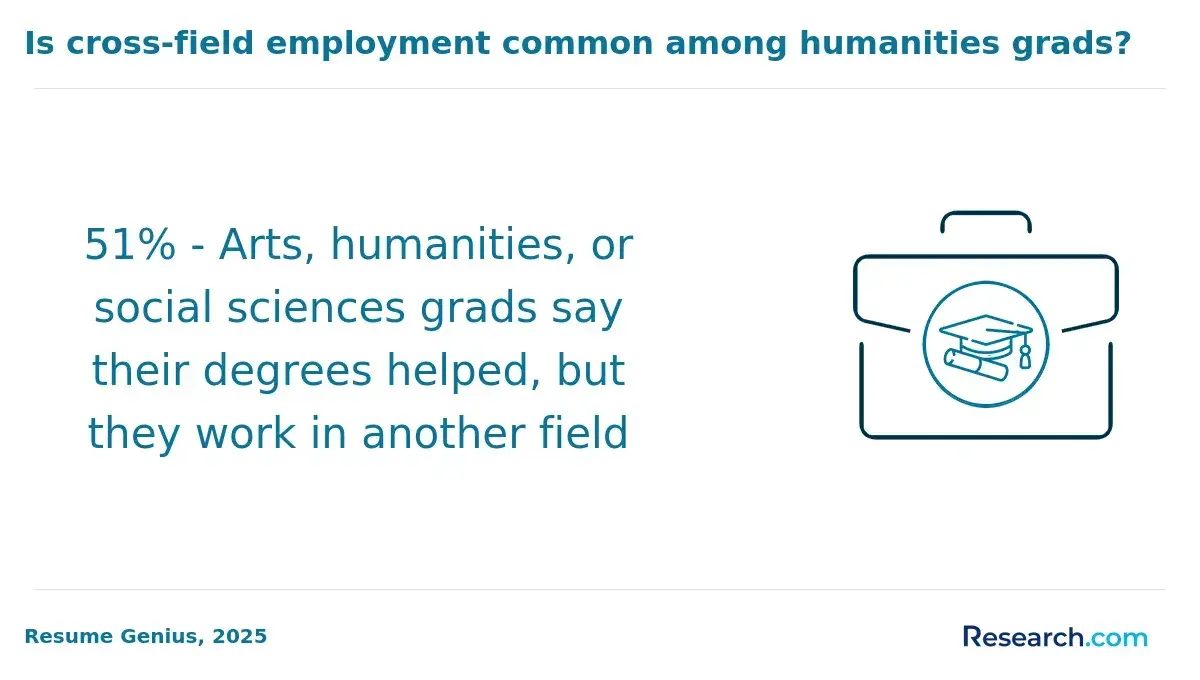
Not every graduate lands in a job title that matches their major, and that is completely normal. Broad degrees often lead to indirect career matches. The important part is translating what you learned into employer language: research, writing, analysis, communication, public speaking, documentation, intercultural fluency, and problem-solving.
What else can a humanities or social sciences graduate do?
Intelligence Officer/Operational Officer
These roles may involve evaluating information, identifying threats, preparing briefings, and supporting national security work related to issues such as cyberattacks or terrorism. Some positions require technical skills, but analytical judgment and relevant experience can also matter.
Foreign Correspondent
Students with strong knowledge of international affairs, political systems, culture, and communication may consider foreign correspondence. These professionals report on global issues for print, broadcast, digital, or multimedia outlets.
Other career directions to consider
| If You Enjoy | Consider Roles In | Helpful Add-On Skills |
| Writing, editing, and storytelling | Journalism, publishing, communications, public relations, content strategy | Portfolio development, digital media tools, interviewing, audience analytics |
| Research and evidence | Policy analysis, survey research, market research, libraries, archives | Statistics, data visualization, research methods, database searching |
| Helping individuals and families | Social services, behavioral health support, case management, school support | Field experience, ethics training, documentation, crisis response basics |
| Institutions and public systems | Government, public administration, planning, nonprofit leadership | Policy writing, budgeting, program evaluation, stakeholder communication |
| Culture, language, and global issues | International education, translation-related work, diplomacy support, global nonprofits | Language proficiency, intercultural communication, area studies, grant writing |
The Role of School Social Work in Humanities and Social Sciences
School social work sits where education, psychology, sociology, family systems, public policy, and child development overlap. School social workers help students deal with social, emotional, behavioral, and family barriers that can interfere with learning. They also connect schools, families, and community resources.
What school social workers do
- Support students facing barriers. They may help with bullying, absenteeism, mental health concerns, family instability, trauma, housing insecurity, or behavioral challenges.
- Coordinate with adults around the student. They work with teachers, parents, counselors, administrators, and outside agencies to build support plans.
- Promote equity and access. They advocate for students affected by poverty, disability, language barriers, discrimination, or family stress.
- Use humanities and social science training. Their work draws on communication, ethics, human development, sociology, psychology, cultural knowledge, and systems thinking.
Career pathways and requirements
A school social work career often starts with a bachelor’s degree in social work or a related field, followed by a Master of Social Work (MSW) with preparation relevant to school practice. Licensure or certification rules vary by state or country, so students should check requirements before enrolling. For a detailed look at the credential path, review the guide to school social worker requirements.
Is There an Affordable Path to an Online MSW?
Yes, but affordability is more than tuition. When comparing online MSW programs, look at accreditation, field placement support, licensure alignment, total credits, technology fees, residency requirements, transfer policies, and graduation requirements. A program can look inexpensive at first and still become costly if it does not meet licensure rules or if you have to arrange fieldwork on your own.
Online learning can work well for working adults, but social work education still includes supervised practice. If cost matters most, start with the guide to the cheapest online MSW programs, then confirm accreditation and state licensure fit with each school directly.
What are the benefits of a career in behavioral health?
Behavioral health careers appeal to students who want to help people manage mental health needs, developmental disabilities, behavioral challenges, addiction, or support needs in schools, clinics, homes, and community settings. These careers can be rewarding, but they also require emotional resilience, documentation skills, ethical judgment, and often graduate-level preparation or certification.
- Direct community impact. Professionals may support people with autism, developmental disabilities, mental health conditions, and related needs. Some students pursue BCBA certification online to prepare for behavior analysis work.
- Many work settings. Depending on credentials, jobs may be available in schools, hospitals, clinics, private practice, rehabilitation centers, or nonprofit organizations.
- Room to specialize. The field includes counseling support, applied behavior analysis, case management, crisis response, youth services, and family support.
- Continuing education matters. Research, regulations, and intervention models change, so ongoing learning is often part of professional practice.
What are the key differences between social work and psychology?
Social work and psychology both focus on well-being, but they approach it differently. Social work usually emphasizes people within families, communities, systems, and institutions. Social workers may provide case management, advocacy, resource navigation, policy support, and, with the right credentials, clinical services. Psychology usually places more emphasis on behavior, cognition, assessment, research, and therapy-related work.
The distinction matters because degree paths, licensure rules, supervision requirements, and daily job duties can differ. If you are comparing the two, review the full pathway before deciding. A side-by-side explanation is available in the guide to social work and psychology.
What unique career paths does a Master of Social Work offer?
An MSW can prepare graduates for clinical practice, school social work, healthcare, child and family services, community programs, nonprofit leadership, policy, advocacy, and administration. Compared with a bachelor’s-level route, it can expand access to higher-responsibility roles and, in some states, help prepare students for clinical licensure.
Students should select an MSW concentration based on the population or setting they want to serve. To explore advanced practice choices, read the guide on what can you do with a MSW.
What should I consider when evaluating affordable sociology degree programs online?
When reviewing online sociology programs, cost should be weighed alongside academic quality and career usefulness. Check institutional accreditation, curriculum depth, faculty experience, research methods training, internship options, transfer credit rules, student support, and whether the program prepares you for graduate school or applied roles.
Sociology can lead to work in research support, community programs, policy, nonprofit services, human resources, education support, and graduate study. If price matters, use a guide to an affordable sociology degree online as a starting point, then contact schools directly to verify fees and student support.
What distinguishes accelerated online MSW programs from traditional study paths?
Accelerated online MSW programs are designed for students who want to finish sooner than a standard format allows. They are often a good fit for students with advanced standing or for those who can handle a heavier workload. The trade-off is intensity, since faster programs can leave less room for work, caregiving, or slower skill development.
Before choosing an accelerated route, ask about accreditation, field placement expectations, weekly time demands, synchronous class requirements, faculty access, licensure preparation, and whether the pace fits your schedule. To compare faster options, review the guide to the fastest online MSW programs.
Strategic Pathways for Continuous Growth in Humanities and Social Sciences
Long-term growth in these fields usually comes from combining specialization with applied experience. Because many roles cross disciplinary lines, professionals can improve their odds by adding practical skills in technology, management, data analysis, program evaluation, grant writing, language proficiency, or digital communication.
Graduate school can be a smart move when it is tied to a specific career goal. For example, someone interested in recruiting, employee relations, training, workplace learning, or organizational development may compare the top schools for masters in human resources online to find a flexible and cost-conscious option.
Networking matters just as much as credentials. Alumni groups, professional associations, conferences, workshops, public lectures, LinkedIn communities, and interdisciplinary projects can reveal opportunities that never appear in a basic job search.
It is also important to watch how the field is changing. AI is affecting writing, research, media production, data review, and administrative work. Online education has expanded access to graduate study, which makes accreditation and licensure checks even more important. Employers increasingly expect broad human-centered skills to be paired with evidence of digital, research, or field-specific competence.
Common mistakes to avoid
- Choosing a major without testing the field. Complete an internship, research role, volunteer placement, or project-based course before graduating.
- Assuming interest equals readiness. Passion for history, culture, society, or justice is useful, but employers still need proof of skill.
- Skipping accreditation or licensure research. This mistake is especially costly in social work, education, counseling-related paths, and clinical fields.
- Looking only at tuition. Fees, books, travel, technology, and extra semesters can change the real cost a lot.
- Trusting rankings too much. A highly ranked school is not always the best fit for your schedule, concentration, transfer needs, or location.
- Waiting until the last year to build experience. Students benefit from starting portfolios, references, and applied work early.
- Assuming salary is guaranteed. Pay depends on role, location, employer, credentials, and experience.
What career options are available with a social work degree?
A social worker degree can lead to roles in case management, child and family services, school support, healthcare, mental health, substance use treatment, aging services, housing support, community advocacy, nonprofit administration, and policy-related work. The exact options depend on degree level and licensure.
Students should decide whether they want direct client work, community-level practice, clinical services, program leadership, or policy advocacy. Each path can require different coursework, field experience, supervision, and credentials.
What distinguishes clinical social work from other social work specializations?
Clinical social work focuses on assessment, diagnosis, treatment planning, therapy, crisis intervention, and mental health support. Other specializations may emphasize case management, community organizing, policy advocacy, school systems, healthcare navigation, child welfare, or nonprofit leadership.
Because clinical practice is regulated, students should verify state licensure rules before choosing a program. Advanced clinical programs usually include supervised practice plus coursework in ethics, human behavior, evidence-based interventions, and mental health assessment. To compare education options, review the guide to clinical social work masters programs.
Is a Degree in Social Work Worth the Investment?
A social work degree can be a worthwhile investment for students who understand the credential requirements, emotional demands, salary expectations, and long-term career path before enrolling. The strongest value usually comes from an accredited program that supports field placement, aligns with licensure goals, and prepares students for the population or setting they want to serve.
Before enrolling, weigh cost, financial aid, supervision requirements, local job demand, and your readiness for demanding work with individuals, families, and communities. For a deeper cost-benefit discussion, see the guide asking is being a social worker worth it.
How the Humanities and Social Sciences Help You Understand People and Society
Some people dismiss these degrees because they do not map to one narrow job title. That misses the point. Humanities and social sciences help students understand people, power, communication, institutions, culture, history, and social change. They also build skills that matter in many workplaces when students connect classroom learning to a concrete career plan.
These majors can support careers in teaching, writing, advocacy, research, public service, and community problem-solving. They can also complement more technical paths. For example, a graduate with strong research and analytical training may later add technical skills and pursue a path such as become a data scientist.
Students who like social theory, research, communities, institutions, and social behavior may also explore an online master’s degree in sociology. Those drawn to broad questions about meaning and society may also find value in studying philosophy, literature, history, religious studies, or cultural analysis through the most difficult questions about life.
Questions to Ask Before Choosing a Humanities or Social Sciences Program
- What jobs do recent graduates from this program actually get?
- Does the program include internships, research, service learning, fieldwork, or portfolio-building work?
- Will I leave with writing samples, data projects, presentations, or other proof of skill?
- Is the school accredited by the right institutional accreditor?
- If I need licensure, will the program meet the requirements in the state where I plan to work?
- What is the full cost after tuition, fees, books, technology, travel, and lost income?
- Can I transfer credit or use prior learning to save time and money?
- Does the school offer career support for my specific field?
- Will I need graduate school for the role I want?
- Which outside skills should I build to stay competitive?
Key Insights
- Humanities and social sciences are broad, but they become practical when you choose a target role. These majors can lead to work in education, media, research, public service, social work, behavioral health, policy, communications, and nonprofits.
- The degree alone is not enough in most cases. Employers respond to internships, fieldwork, portfolios, writing samples, research experience, digital skills, and professional references.
- Job outlook depends on the occupation, not the major label. BLS projections across related roles range from 2% to 11%, so students should research the exact job they want.
- Pay depends on credential level and specialization. The average humanities and social sciences salary can fall between $50,000 and $80,000, but results vary by role, region, licensure, and experience.
- Graduate school should be a strategic decision. A master’s or doctorate can open doors in social work, research, policy, psychology-related paths, history, economics, and political science, but only if it matches a clear goal.
- Licensure checks matter. Students interested in social work, school social work, counseling-related roles, teaching, or behavioral health should verify requirements before enrolling.
- Affordable programs are not always the best value. Compare accreditation, total cost, field placement support, transfer policies, and career fit before choosing an online or campus program.
- AI has not reduced the value of human-centered skills. Clear writing, ethical judgment, cultural awareness, research ability, and critical thinking remain highly relevant when paired with digital fluency.
References:
- DLSI. (2014, July 18). Studying the Humanities. DLSI.
- Into Study. (n.d.). Why study Humanities and Social Sciences? Into Study.
- Resume Genius. (2025). 2025 Gen Z Career Prospects Report: What They Really Think About Their Future. Resume Genius.
- Rossmoyne Senior High School (n.d.). Developing Future-Ready Students with an Inclusive and Inspiring Positive Approach. Rossmoyne Senior High School.
- The British Academy. (2020, May). Qualified for the Future: quantifying demand for arts, humanities, and social science skills. The British Academy.
- Townsend, R. (2025). From Matriculation to Completion: How College Students Move Between Majors. American Academy of Arts & Sciences.
- U.S. Bureau of Labor Statistics. (2025, August 28). Occupational projections, 2024–2034, and worker characteristics. Retrieved March 2026, from BLS.
Other Things You Should Know About Humanities and Social Sciences Careers
In 2027, top industries hiring humanities and social sciences graduates include education, public administration, non-profits, and media. These sectors value skills such as critical thinking, communication, and cultural understanding, which are key strengths of humanities and social sciences graduates.
In 2027, critical thinking, communication, research skills, and cultural awareness are essential for success in humanities and social sciences careers. These skills help individuals analyze societal issues, convey ideas effectively, and adapt to diverse environments, making them valuable assets in various professional settings.
In 2027, the job market outlook for humanities and social sciences graduates is positive, with steady demand in sectors like education, public policy, and social work. Graduates are expected to find growing opportunities as organizations seek individuals with strong analytical and communication skills.
Internships in public policy, archives, communications, market research, museums, or nonprofit administration are valued most. Employers look for 8–12 weeks of applied experience, evidence of research or writing, and tools such as Excel, survey software, or content management systems.
Alternative career options for humanities and social sciences graduates include intelligence officers, operational officers, and foreign correspondents. These roles utilize their skills in analysis, communication, and cultural understanding, making them suitable for various non-traditional career paths.


