
2027 Guide to Preparing for the Social Work Licensing Exam

Co-Founder and Chief Data Scientist
ASWB Exam Guide 2026: What Social Work Candidates Need to Know
If you are preparing for the ASWB licensing exam, you are likely trying to answer a few practical questions at once: Which exam do I need? What does it cover? How do I study efficiently? And what happens if I do not pass the first time? This guide is built to answer those questions clearly so you can plan your next steps with less guesswork.
The ASWB exam is a required checkpoint for many social work licensure paths, and the stakes are high because your education, supervision, and state board rules all affect your eligibility. Around 65,000 ASWB exam candidates take the test yearly, so you are not preparing alone, but you do need a smart plan. In this guide, you will learn the exam structure, eligibility basics, study methods, test-day expectations, retake rules, and the decisions that can help you move toward licensure with more confidence.
Quick Answer: What Is the ASWB Exam and Who Needs It?
The ASWB exam is the licensing test used by many state and provincial boards to assess whether a social work candidate is ready for practice at a specific level. Which version you take depends on your education, supervised experience, and the license you are pursuing. In most cases, you should treat the exam as one part of a larger licensure process that also includes degree requirements, board approval, background or character review, and, for some licenses, supervised practice hours.
If your goal is clinical licensure, the path usually requires a master’s degree and supervised experience. If you are earlier in your career, the Associate, Bachelors, or Masters exam may be the relevant option. The safest way to confirm eligibility is to check your state or provincial board before registering.
Guide to the Social Work Licensing Exam
- Licensing requirements for 2027
- ASWB exam structure and content
- Study strategies and resources
- How to prepare before test day
- What to do on exam day
- What happens after the exam
- Are additional certifications worth it?
- Can accelerated MSW programs help?
- Should you consider an online clinical MSW?
- Ethical considerations
- Common mistakes to avoid
- Do online advanced standing MSW programs help with prep?
- How a human services degree can broaden options
- How state licensing differences affect practice
- DSW or PhD in social work?
- What to do after earning your MSW
- Best options for entering social work
- Salary and career outlook
Licensing Requirements for 2027
In many jurisdictions, an ASWB exam candidate must hold at least a bachelor’s social work degree. For clinical licensure, a master’s degree is typically required, along with supervised practice. The National Association of Social Workers reports that 90% of its members have master’s degrees, which reflects how common graduate education is in the profession. A doctorate in social work may also support leadership, teaching, research, or advanced practice goals, but it is not the standard minimum for licensure.
Most boards also require candidates to demonstrate good moral character and, for higher-level licenses, verified supervised experience. Because requirements vary by state and province, do not rely on general advice alone. Confirm your board’s rules before you apply, especially if you are switching states, studying online, or planning to pursue clinical practice.
ASWB Exam Structure and Content
The ASWB exam is a multiple-choice licensing test built to measure whether a candidate can apply social work knowledge safely and ethically in real practice settings. It is not simply a memorization test. You will need to understand theory, client situations, ethics, intervention choices, and professional judgment. That is why your study plan should focus on application, not just reading notes.
What the Exam Looks Like
The exam includes 170 multiple-choice questions. Of those, 20 are pretest items that do not count toward your score. Only the remaining 150 scored questions determine your result. You have four hours to complete the test.
The ASWB exam also comes in five categories, and the correct one depends on your license level and professional track. The exam content is organized around broad practice areas such as human development, diversity, behavior in the environment, assessment, intervention, systems, and professional relationships, values, and ethics. The exact content distribution differs by exam category.
| Exam Category | Who It Is For | Typical Content Emphasis | Common Eligibility Notes |
| Associate | Candidates without a social work degree | Strengths-based theory, social and economic justice, criminal justice systems | Used for entry-level pathways where allowed by the board |
| Bachelors | Entry-level baccalaureate social work candidates | Communication styles, trauma assessment, assertiveness training | Usually tied to a baccalaureate social work education |
| Masters | Master’s-level social work candidates | Ethical issues, service delivery, data collection and analysis | Often used for LMSW pathways |
| Advanced Generalist | Macro or generalist practice candidates | Gerontology, cultural considerations, permanency planning | Typically requires at least two years of experience |
| Clinical | Clinical licensure candidates | Crisis intervention, feedback methods, leadership techniques | Typically requires at least two years of experience |
If you are comparing pathways, review the differences between MSW vs LCSW so you understand how degree, supervision, and licensure fit together.
Scoring and Passing Requirements
Practice exams are helpful because they let you rehearse the question style and timing, but they do not determine whether you pass. For the ASWB exam, candidates need a scaled score ranging from 90 to 107 out of 150, depending on the category and scoring model used for that exam.
Educational background can shape how much review you need. Data from Zippia (2026) shows that 59% of social workers hold a Bachelor’s degree and 33% hold a Master’s degree, while smaller groups hold an Associate degree, a High School diploma, or another credential. That range matters because people enter the field through different academic routes, and your preparation should reflect your own background and the license you are pursuing.
If your coursework already covered ethics, human behavior, and practice interventions, you may need less content review and more timed practice. If your route was less direct, a stronger emphasis on concept review and question breakdown may be more effective.
Study Strategies and Resources for the ASWB Exam
Effective prep is usually less about studying longer and more about studying with purpose. A focused plan helps you review the right content, notice weak spots early, and build confidence under timed conditions. The strategies below are especially useful for candidates balancing work, field experience, or family responsibilities.
Study Habits That Actually Help
- Set a realistic routine. A regular schedule is easier to maintain than occasional marathon sessions. Break the material into small blocks so you can review often without burning out.
- Use active learning. Don’t just reread notes. Use case scenarios, diagrams, concept maps, and short written explanations to strengthen recall and judgment. Active learning improves how you process complex material.
- Ask experienced professionals for guidance. Mentors can help you understand what the exam is really testing, what content to prioritize, and which study habits are worth your time.
- Study with other candidates. A study group can help you compare reasoning, discuss difficult questions, and stay accountable. It is also useful for spotting blind spots in your understanding.
- Protect your energy. Sleep, nutrition, and breaks are not extras. They affect attention, memory, and stress management. Build rest into your schedule instead of treating it as a reward you may never reach.
It also helps to think about technology as part of modern social work practice, not just exam prep. Social workers increasingly use digital tools in client contact, documentation, telehealth, and service coordination. A study in Qualitative Social Work argues that digital practice is now part of how the profession adapts to changing conditions and unexpected disruptions. That makes it useful to stay comfortable with technology while you prepare for licensure.
Useful ASWB Exam Resources
You do not need to rely only on textbooks. A better plan is to combine official materials, question practice, and field-based insight. These resources can help:
- Official practice test — available to registered candidates for $85
- NASW Social Work Talks Podcast — useful for current profession-related discussions
- Free online practice tests — useful for early review before full registration
If you are looking for broader preparation support, you may also benefit from exam study tips and strategies that apply across licensing and academic tests.
How to Prepare Before Test Day
Strong exam performance starts before you ever sit down at the testing center. The steps below help you avoid registration mistakes, reduce surprises, and stay on schedule.
- Read the ASWB guidebook. The official guide explains what the exam covers, how the testing process works, and what rules apply.
- Apply through your regulatory board. Your state or provincial board decides whether you are eligible to test. Some candidates also need to submit extra paperwork or accommodation requests.
- Register with ASWB. Once your board approves eligibility, complete registration and pay the exam fee of $230 for Associate, Bachelor, and Master’s exams or $260 for Advanced Generalist and Clinical exams. After that, you will receive your Authorization to Test email.
- Schedule the exam promptly. Your registration is valid for one year, so choose a date that gives you enough study time without letting momentum fade.
- Review the testing platform. Learn what the software looks like before exam day. The ASWB provides sample screens and a photo tour so the interface feels more familiar when you arrive.
| Preparation Step | Why It Matters | Common Mistake |
| Board application | Confirms that you are eligible to test | Assuming degree completion alone makes you eligible |
| ASWB registration | Links your eligibility to the exam | Waiting too long and letting registration windows create delays |
| Scheduling | Helps you control your timeline | Booking too early without enough preparation |
| Software review | Reduces anxiety about the test interface | Ignoring the platform until exam day |
What to Do on Exam Day
On test day, the goal is not to cram more information into your head. The goal is to stay calm, think clearly, and manage your time well. A simple routine can help you settle in and avoid avoidable stress.
- Pack everything the night before. Keep your required items together so you do not forget them in the morning. Most candidates need two valid IDs. Choose appropriate clothing and avoid bringing unnecessary items.
- Prioritize sleep. A full night of rest is more useful than late-night review. Adults generally need seven to nine hours of sleep, and better sleep supports attention and reasoning.
- Arrive early. Check-in, security, and storage procedures take time. Early arrival gives you space to handle delays without feeling rushed.
- Read and sign the required agreements. Before the exam begins, you will review the Candidate Rules Agreement and Confidentiality Statement. Take that seriously; it is part of the licensure process.
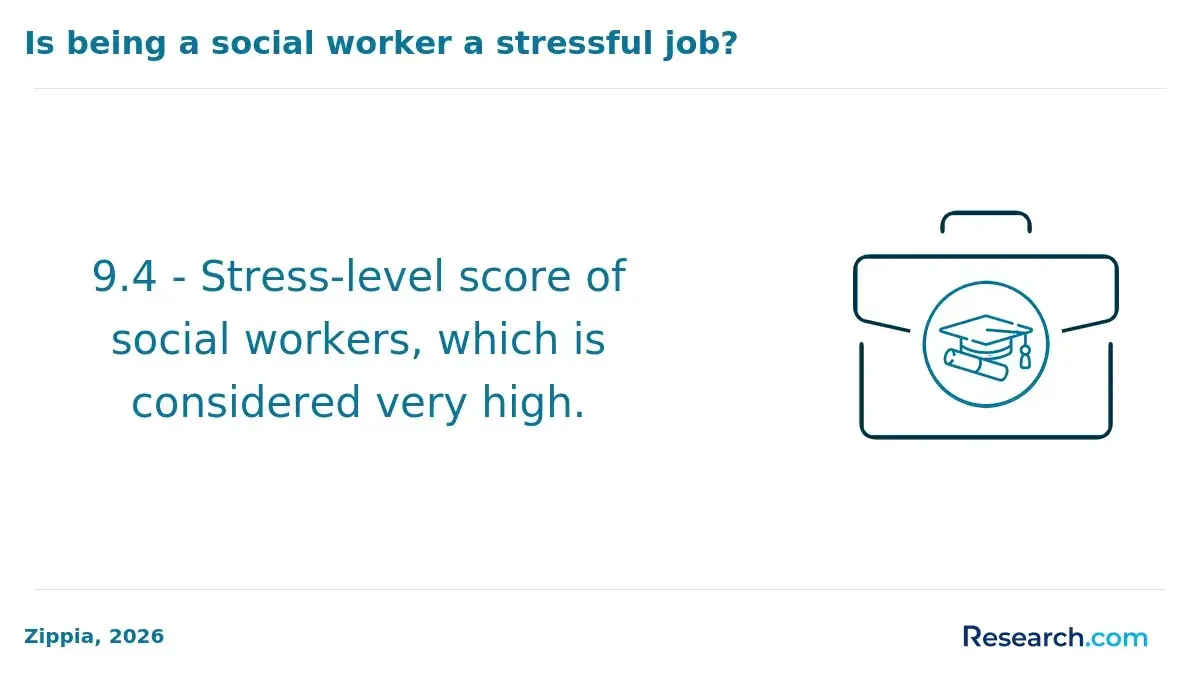
- Use your time wisely. Read each question carefully, answer what you can, and avoid getting stuck too long on one item. If stress spikes, pause briefly, breathe, and return to the question with a clearer mind.
What Happens After the ASWB Exam?
When you finish the test, you will receive an unofficial score report right away. Your official results are sent to your state or provincial board no later than two weeks after the exam. ASWB also reviews score data statistically to protect test validity. You should not share your score publicly or disclose it to others in a way that violates the exam rules.
If you need your results sent to another jurisdiction, you can submit a score transfer request to ASWB and pay a score transfer fee of $40. That process usually takes a week or 10 office days. If you need to retake the exam, you must wait 90 days before scheduling another attempt.
Not passing on the first try does not erase your training or your future in the field. It usually means your preparation strategy needs adjustment. Review the report carefully, identify the content areas that were weakest, and build a tighter plan for the next attempt. If you decide social work is still the right path but want to broaden your options, related fields such as counseling or psychology job opportunities may also be worth exploring.
Are Additional Certifications Worth the Effort?
Additional certifications can be useful when they support a clear career goal. They are most valuable when they deepen a skill you will actually use, such as trauma-informed practice, mental health care, community advocacy, or supervision. They are less useful when they are collected without a plan. If you already know the type of work you want to do, certification can strengthen your credibility and help you compete for specialized roles.
Some professionals also consider graduate study in adjacent disciplines. For example, comparing masters in social work or psychology can help you decide whether you want to deepen social work practice or shift toward a different but related professional lens. The right choice depends on your long-term role, not simply on which option sounds more advanced.
Can Accelerated MSW Programs Fast-Track Your Social Work Career?
Accelerated MSW programs can be a good fit for students who already have a strong academic background and want to move toward licensure faster. These programs compress coursework into a shorter timeline, which can be helpful if you are changing careers, returning to school, or trying to limit time away from work. However, speed should never matter more than accreditation, field placement quality, or board eligibility.
If you are comparing faster pathways, review 1-year MSW programs online carefully. Make sure the program supports the license you want, not just a quicker graduation date.
Should You Consider an Online Clinical MSW Program?
Online clinical MSW programs can be a strong option for students who need flexibility, especially working adults and caregivers. They let you complete much of the coursework remotely while still building the clinical preparation needed for licensure. The key question is not whether online learning is convenient — it is whether the program is accredited, meets your state board rules, and fits your career plan.
When an Online Clinical MSW Makes Sense
- You need flexibility. Online study can help you balance school with work, family, or field placement logistics.
- You want a CSWE-accredited program. Accreditation matters because it affects licensure eligibility and employer confidence.
- You already know your specialization goals. Many programs offer tracks such as mental health, school social work, or clinical practice.
- You want to reduce commuting and relocation costs. Studying online can lower some of the expenses tied to campus attendance.
- You are planning for advancement. A clinical MSW can open doors to therapy-related roles, supervision, and leadership opportunities.
If this route interests you, compare online clinical MSW programs by accreditation, placement support, tuition, and state licensure alignment.
Ethical Considerations
Ethics are not just a test topic in social work; they are the foundation of the profession. Your study habits should already reflect the standards you will be expected to uphold in practice.
Protect confidentiality. Do not share real client details in study groups or conversations, even when you think the information seems harmless.
Study honestly. Use permitted materials and avoid shortcuts that violate exam rules or institutional policies. Ethical preparation matters.
Respect exam confidentiality. Never share actual test questions or answers. Doing so undermines fairness and violates the trust built into the licensing process.
Keep mentorship professional. Ask for broad guidance, not insider access or unfair advantages.
Approach diversity with care. Build cultural competence into your study process so you are better prepared for practice with clients from different backgrounds.
Ethical decision-making should shape how you prepare for the exam and how you work after licensure.
Common Mistakes Social Work Exam Takers Should Avoid
Many candidates do not fail because they lack commitment. They struggle because they make avoidable planning mistakes. The most common ones include underestimating how much review the exam requires, relying on outdated study material, and waiting too long to start timed practice. Another frequent problem is focusing only on content review and skipping question strategy.
Do not let study materials from older exam cycles guide your plan unless you verify that they still match current expectations. And do not treat practice tests as a one-time confidence check. Use them to identify patterns: Which question types slow you down? Which practice areas are strongest? Where do you need more repetition?
| Common Mistake | Why It Hurts | Better Approach |
| Studying too late | Leaves too little time for review and practice | Build a schedule well before your testing date |
| Using outdated materials | May not match the current exam structure | Use current ASWB-aligned resources |
| Ignoring timing | Creates pressure on exam day | Practice under realistic timed conditions |
| Skipping weak areas | Allows small gaps to become major problems | Track missed questions and revisit them regularly |
If you are looking at longer-term academic growth, it can also help to compare future doctoral pathways such as the most affordable online doctorate in social work programs, but only after your licensure path is clear.
Do Online Advanced Standing MSW Programs Help With Exam Prep?
Online advanced standing MSW programs can be useful for students who already have a strong foundation in social work and want to move quickly into graduate-level training. Because these programs are condensed, they may keep licensure goals front and center and help you stay in a focused academic rhythm. That said, exam readiness still depends on the quality of instruction, field placement, and how well the program aligns with your state’s licensing rules.
If this pathway fits your background, explore online advanced standing MSW options with a close eye on accreditation, pacing, and support services.
How Can a Human Services Degree Expand Your Professional Opportunities?
A human services degree can be a practical alternative or companion credential if you want to work in helping professions but are not yet committed to social work licensure. It can lead to roles in case management, nonprofit work, community outreach, public service, and care coordination. For students who want to support people and communities without immediately pursuing social work licensure, it can be a flexible starting point.
For a broader look at related roles, review jobs with a human services degree to see how these skills transfer across sectors.
How Do State Licensing Differences Affect Counseling and Social Work Practice?
Licensure is not uniform across the country. States and provinces can differ in supervision requirements, application steps, continuing education, and the way they recognize out-of-state credentials. Those differences matter if you plan to move, practice near a border, or combine social work with counseling credentials.
Before investing heavily in a program or exam plan, review your jurisdiction’s rules and compare them with related counseling pathways. The guide on counseling licensure requirements can help you understand how these systems overlap and where they differ.
DSW or PhD in Social Work: Which Is the Better Fit?
Choosing between a Doctor of Social Work (DSW) and a PhD in Social Work is mostly a question of career direction. Both are advanced degrees, but they serve different purposes. One is more practice-oriented. The other is more research-oriented.
DSW
- Primary focus: Advanced practice, leadership, and applied problem-solving
- Best for: Practicing social workers who want to lead programs, manage services, or deepen clinical impact
- Typical coursework: Leadership, advanced practice, management, and capstone or practicum experiences
PhD in Social Work
- Primary focus: Research, theory, and knowledge creation
- Best for: Candidates interested in academia, policy research, or scholarly work
- Typical coursework: Research methods, theory, dissertation work, and methodological training
If you are comparing the two, start with your long-term day-to-day work. If you want to lead practice directly, DSW vs PhD in social work is a useful comparison. If you want to teach or conduct research, the PhD may be the better fit.
What Should You Consider After Earning Your MSW?
Once you finish your MSW, the next step is not always more school. Many graduates should first decide whether they want clinical licensure, supervision, a specialization, or a leadership track. Your best move depends on whether you want to work directly with clients, manage programs, influence policy, or continue into doctoral study.
At this stage, ask yourself: Which roles are most likely to use my skills every day? Which credentials are actually required for those roles? Which additional training would increase my value without delaying my goals unnecessarily? For broader planning, see what to do with MSW degree.
What Are the Best Options for People Who Want to Enter Social Work?
If you are just starting out, the smartest first step is to choose an education path that matches your intended license and timeline. Some students begin with a bachelor’s route, while others move directly into graduate study after earning a related degree. The right starting point depends on how quickly you want to reach licensure, whether you plan to pursue clinical practice, and how much schooling you can realistically complete.
For prospective students evaluating undergraduate pathways, the easiest BSW online programs can be a useful place to compare options. Just remember that “easy to enter” is not the same as “best for licensure,” so always check accreditation and state-board alignment.
Salary and Career Outlook for Social Workers
Salary in social work depends on several factors: license level, specialization, work setting, experience, and location. Clinical social workers often have stronger earning potential than nonclinical roles because they can provide psychotherapy and may qualify for more advanced positions. Geographic demand also matters. Areas with higher living costs or stronger demand for behavioral health and community support services may offer more competitive compensation.
If salary is part of your decision, review social worker salary data by state before you choose a program or relocation plan. That can help you compare earning potential against tuition, cost of living, and licensure requirements. Still, salary should be only one part of the decision. Job stability, supervision opportunities, benefits, and advancement prospects all affect long-term value.
How to Decide Whether the ASWB Path Is Right for You
The ASWB route is worth pursuing if you want a regulated career in social work, are willing to meet state-level licensure requirements, and are prepared for a profession that demands both empathy and technical judgment. It is less ideal if you are looking for a counseling role without social work education, if you are not ready for supervised practice, or if you want a faster path with fewer regulatory steps.
A good decision usually comes down to four questions: Which license do I want? What education level do I need? Which board rules apply to me? And how will I prepare realistically for the exam?
Key Insights
- The ASWB exam is only one part of licensure; degree level, board approval, and supervised experience also matter.
- The exam uses 170 multiple-choice questions, but only 150 count toward your score, so timing and strategy matter as much as content review.
- Different exam categories match different career stages, so choosing the right version is just as important as studying for it.
- Using current, ASWB-aligned materials is safer than relying on outdated guides or generic test prep.
- Practice tests should be used to identify weaknesses, not just to simulate the exam once.
- Online, accelerated, and advanced standing MSW programs can help with flexibility and speed, but only if they align with accreditation and licensure rules.
- After the exam, your next step depends on your score, your jurisdiction, and whether you are planning to transfer results or retake the test.
- Additional certifications and graduate degrees are most useful when they support a clear long-term role, not when they are collected without purpose.
References:
- Cornell University. (n.d.). Getting started with active learning techniques. Center for Teaching Innovation. https://teaching.cornell.edu/getting-started-active-learning-techniques
- National Association of Social Workers. (n.d.). Facts about NASW. https://www.socialworkers.org/News/Facts/Facts-About-NASW
- Newman, T. (n.d.). Medical myths: How much sleep do we need? Medical News Today. https://www.medicalnewstoday.com/articles/medical-myths-how-much-sleep-do-we-need
- Pink, S., Ferguson, H., & Kelly, L. (n.d.). Digital social work: Conceptualising a hybrid anticipatory practice. Qualitative Social Work, 21(2), 413-430. https://doi.org/10.1177/14733250211003647
- Ryan, T. (n.d.). A study guide to getting sleep during final exams. Sleep Foundation. https://www.sleepfoundation.org/school-and-sleep/final-exams-and-sleep
Other Things You Should Know About Preparing for the Social Work Licensing Exam
Effective study strategies for the 2027 ASWB exam include creating a study schedule that allocates time for each topic area, using practice exams to identify strong and weak areas, joining study groups for collaborative learning, and utilizing reputable study guides and online resources to enhance understanding of the material.
To register for the ASWB exam in 2027, candidates must present a government-issued ID, proof of completion of necessary pre-license coursework, and an authorization-to-test letter from the state licensing board. Ensure all documents are up-to-date and in order before registration.
Scores for the ASWB exam are typically reported by email and are also available in your ASWB account within 2-4 weeks. If a retake is needed, you must wait 90 days from your previous test date, register again, and pay the required fee.
In 2027, the ASWB exam format includes updated question types to assess practical skills, with increased emphasis on applied social work scenarios. It features 170 questions, including multiple-choice and case simulations, with a four-hour time limit. Check with ASWB for detailed changes.
Yes, you can request a score transfer to another state or province by filing a score transfer request with ASWB and paying a transfer fee of $40.
The ASWB exam covers four domains: Human Development, Diversity, and Behavior in the Environment; Assessment, Diagnosis, and Treatment Planning; Interventions with Clients/Client Systems; and Professional Relationships, Values, and Ethics. The Clinical, Master’s, Advanced Generalist, and Bachelor’s exams use different weightings across these content areas.


