2027 Substance Abuse Counseling Transfer Credit Trends: How Schools Are Adapting for Adult Learners

Co-Founder and Chief Data Scientist
Jessica, a military spouse and working professional, recently discovered that nearly 40% of her previously earned credits would not transfer to the substance abuse counseling program at her new school, despite national efforts to improve credit mobility. According to a 2024 National Student Clearinghouse report, only 62% of transfer students successfully apply credits toward degree requirements in allied health fields, highlighting ongoing gaps in credit acceptance and prior learning assessment policies. This shortfall can extend time to graduation and increase out-of-pocket costs, forcing adult learners like Jessica to reconsider their educational plans and financial commitments.
The article explores how substance abuse counseling programs are adapting transfer credit practices and flexible pathways to better serve adult learners aiming to maximize their credits while minimizing delays and expenses.
Key Things to Know About Substance Abuse Counseling Transfer Credit Trends for Adult Learners
- Expanded acceptance of military and workforce training credits in substance abuse counseling reduces time and cost barriers but often requires detailed documentation, potentially complicating transfer evaluations and delaying degree progression.
- Institutions increasingly employ technology-enabled transcript reviews to streamline credit evaluation; while this accelerates decisions, it may miss nuanced course alignment, affecting employer views on graduate preparedness in specialized counseling roles.
- Recognition of alternative credit sources, like prior learning assessments, boosts enrollment among adult learners but demands rigorous portfolio development, presenting a tradeoff between faster degree completion and upfront time investment.
- Key Things to Know About Substance Abuse Counseling Transfer Credit Trends for Adult Learners Key Things to Know About Substance Abuse Counseling Transfer Credit Trends for Adult Learners
- How Are Substance Abuse Counseling Programs Changing Transfer Credit Policies for Adult Learners? Evolving Adult Transfer Policies
- Why Are More Substance Abuse Counseling Schools Accepting Credit for Prior Learning and Work Experience? Prior Learning Credit Benefits
- How Do Substance Abuse Counseling Colleges Evaluate and Award Transfer Credits Today? Transfer Credit Evaluation Process
- Which Alternative Credits Are Most Commonly Accepted by Substance Abuse Counseling Programs? Accepted Alternative Credits
- How Are Substance Abuse Counseling Schools Improving Transfer Pathways for Community College Students? Improved Community College Pathways
- How Can Transfer Credits Help Substance Abuse Counseling Students Graduate Faster? Accelerating Degree Completion
- How Much Money Can Students Save Through Substance Abuse Counseling Transfer Credit Opportunities? Cost Saving Through Transfers
- How Are Substance Abuse Counseling Programs Supporting Military Students and Workforce Learners Through Transfer Credits? How Are Substance Abuse Counseling Programs Supporting Military Students and Workforce Learners Through Transfer Credits?
- What Transfer Credit Innovations Are Shaping the Future of Substance Abuse Counseling Education? What Transfer Credit Innovations Are Shaping the Future of Substance Abuse Counseling Education?
- How Can Adult Learners Maximize Transfer Credits in a Substance Abuse Counseling Program? Maximizing Your Transfer Credits
How Are Substance Abuse Counseling Programs Changing Transfer Credit Policies for Adult Learners?
The evolving transfer credit policies in substance abuse counseling programs increasingly recognize the diverse prior experiences adult learners bring, particularly those balancing careers, military service, or previous academic pursuits. Many institutions are expanding acceptance of nontraditional credits, such as military training and professional certifications, to reduce redundancy and shorten time-to-degree completion.
However, this flexibility often requires careful navigation of articulation agreements and program-specific accreditation standards, which means students must weigh the value of transferring credits against potential limitations in course sequencing or state licensure prerequisites. For example, a military-affiliated student seeking to convert workforce credentials into academic credit may find substantial credit mobility at one institution but face stricter restrictions at another, underscoring the importance of transparent transfer policies.
Recent data from the National Center for Education Statistics highlights that nearly 65% of public colleges now have more accommodating transfer policies, enhancing affordability and access for adult learners. Community college transfer pathways remain critical, yet students should critically compare programs to ensure they maximize previously earned credits without prolonging coursework unnecessarily. The rise of digital transcript evaluation tools simplifies this process but does not fully eliminate subjective differences in credit acceptance, especially in specialized substance abuse counseling courses tied to state credentialing.
Prospective students examining flexible transfer credit options in substance abuse counseling programs benefit from resources familiar with military and workforce credit recognition, as such expertise aids in aligning prior learning with essential program competencies while avoiding costly, unintended course repetitions. Institutions with clearer policies and support services provide a practical advantage in managing credit transfer complexities, a key factor for working professionals and degree completers assessing options among programs, including those like easy to get into nursing schools that may offer accessible pathways.
Why Are More Substance Abuse Counseling Schools Accepting Credit for Prior Learning and Work Experience?
The increased acceptance of credit for prior learning and work experience in substance abuse counseling programs is primarily driven by shifting institutional priorities rather than merely more lenient transfer policies. Colleges and universities are responding to competitive pressures to improve degree completion rates and accommodate adult learners whose skills and knowledge often come from nontraditional sources such as military service, industry certifications, and workplace training. This approach not only expedites degree completion and reduces institutional costs related to extended enrollment but also aligns with heightened workforce demands, where an 8% employment growth forecast through 2032 signals a critical need for quicker pathways into counseling roles.
Programs carefully assess relevance and rigor to ensure that experiential learning meets the benchmarks required for professional competence and licensure standards. While some institutions rigorously validate prior learning through competency assessments and portfolio reviews, others maintain stricter limitations to preserve academic integrity, creating a nuanced landscape that requires students to weigh tradeoffs between time saved and potential impacts on licensure preparation or financial aid eligibility. Research from the Council for Adult and Experiential Learning in 2024 indicates these policies can boost adult learner retention by up to 20%, highlighting how recognition of real-world experience supports persistence but calls for informed navigation of complex transfer rules within degree planning.
One adult learner with military experience encountered mixed messages while applying prior technical and leadership training toward substance abuse counseling credits. Initially skeptical about the extent to which their military certifications would count, they found the institution's evolving policy required multiple documentation submissions and iterative evaluations to align prior experience with academic outcomes. Although this process delayed final credit decisions, the eventual recognition of substantial coursework reduced their program timeline and validated practical skills that were directly applicable to counseling roles, illustrating how expanded credit acceptance is not automatic but reflects a growing institutional shift to accommodate diverse learner profiles.
How Do Substance Abuse Counseling Colleges Evaluate and Award Transfer Credits Today?
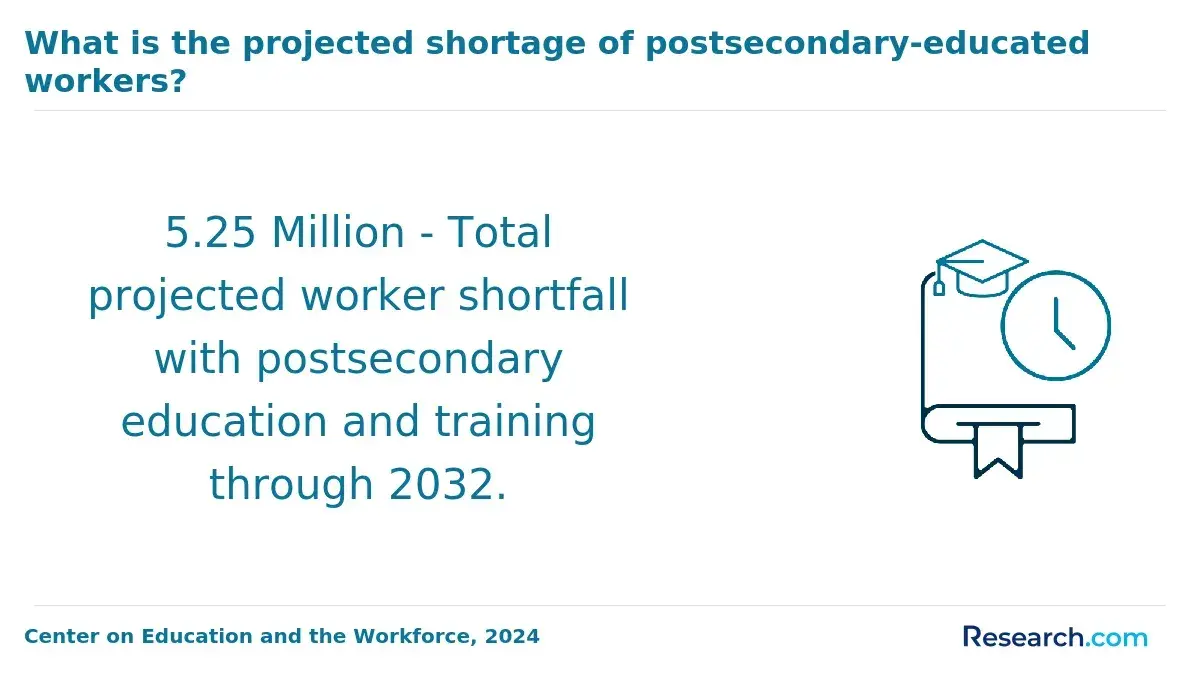
Substance abuse counseling colleges increasingly treat transfer credit evaluation as a strategic tool to both retain students and accelerate degree completion, moving beyond simple transcript checks. Rather than accepting credits on face value, these programs scrutinize accreditation status, course equivalencies, learning outcomes, and residency rules to ensure prior coursework—whether from community colleges, four-year universities, or military training—fits their specific program standards.
For example, a veteran with extensive military training in behavioral health may gain credit recognition for experiential learning but still face limits on how many credits apply toward core counseling requirements, affecting their time to graduation and tuition costs.
The reliance on transfer articulation agreements and credit for prior learning policies reflects an effort to streamline credit acceptance while maintaining academic rigor. Yet, many programs cap the number of transferable credits that fulfill upper-division or specialty courses, forcing working professionals to weigh the benefits of accelerated entry against potentially longer paths if key credits are disallowed.
According to a 2024 National Center for Education Statistics report, 62% of public four-year institutions now incorporate credit for prior learning, underscoring a broader shift to recognize alternative education routes.
Still, adult learners must navigate tradeoffs between maximizing transferred credits and meeting evolving industry certification standards that sometimes require recent coursework, illustrating the continuous balancing act schools and students face between flexibility and credential relevance.
Which Alternative Credits Are Most Commonly Accepted by Substance Abuse Counseling Programs?
Acceptance of alternative credits in substance abuse counseling programs has evolved into a strategic approach aimed at enhancing degree accessibility and reducing time to completion for adult learners, rather than serving as a mere transfer policy adjustment. Institutions increasingly assess credit for prior learning (CPL) portfolios, military training, and workforce certifications to acknowledge competencies acquired outside traditional classrooms.
For example, veteran students often benefit from the American Council on Education's recommendations that translate military experiences into counseling credits, a process embraced by roughly 65% of public programs according to recent data, which helps smooth their transition into civilian roles but may be constrained by program residency rules or upper-division credit caps.
The landscape also features widespread but varied acceptance of examinations like CLEP and DSST, which can reduce tuition costs and accelerate progress, yet many programs restrict these credits to general education or elective categories, limiting their impact on core counseling requirements. Competency-based assessments and online platforms introduce flexible pathways but face rigorous scrutiny to align with licensing standards, making their transferability uncertain.
Consequently, adult learners evaluating transfer credit options for substance abuse counseling programs must weigh how institutional accreditation, course equivalency reviews, and program-specific policies affect the practical utility of accumulated credits. Planning ahead with these factors in mind is essential to maximize affordability, maintain enrollment status, and ultimately improve employability in high-demand behavioral health roles.best accredited self-paced online colleges
How Are Substance Abuse Counseling Schools Improving Transfer Pathways for Community College Students?
Reducing transfer barriers has become critical for substance abuse counseling programs aiming to retain community college students and accelerate their progress toward licensure and employment. These programs are increasingly formalizing articulation agreements that specify how credits apply, addressing a known 30% average credit loss for transfer students in related fields identified by the National Student Clearinghouse in 2024.
Beyond agreements, institutions balance flexible credit acceptance—including electives and prior learning assessments—to recognize diverse educational and professional backgrounds without compromising curriculum rigor or licensure standards. This approach helps contain degree completion times but still requires students to navigate variability in course equivalencies and state requirements, underscoring the need for targeted advising and clear transfer pathways.
Dedicated transfer advisors who understand substance abuse counseling curricula are becoming standard, helping students align community college coursework with four-year program outcomes and regulatory prerequisites. Some schools also offer degree completion tracks tailored for those with associate degrees in behavioral health or human services, reducing redundant coursework yet requiring careful upfront planning. While data-sharing partnerships and online program options enhance accessibility and transparency, students must remain aware that transfer guarantees vary by state and institution, and not all credits count equally toward licensure-related content.
One community college transfer student experienced conflicting information about credit acceptance when applying to a substance abuse counseling bachelor's program. Initial transcript evaluations underestimated how many prior general education and technical courses would transfer, causing concern about potential delays.
After consulting with a transfer advisor familiar with articulation agreements between the institutions, the student secured a clearer degree map showing how over 75% of credits aligned with program requirements. This allowed more confident enrollment planning and helped preserve academic momentum while accommodating work and family obligations.
How Can Transfer Credits Help Substance Abuse Counseling Students Graduate Faster?
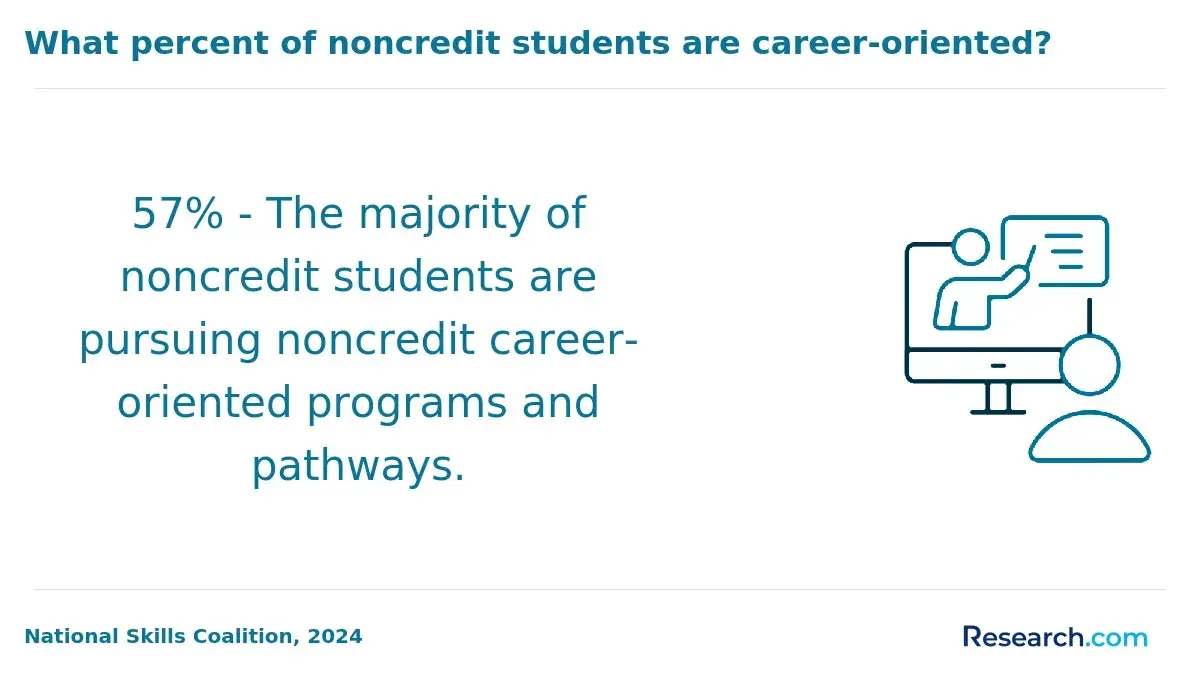
Transfer credit benefits for substance abuse counseling students depend heavily on institutional policies, degree requirements, and the relevance of prior coursework or experience. While accepting credits can reduce time-to-degree, students must consider how many credits apply to major-specific, often upper-division, requirements that typically cannot be bypassed by transfer. For example, a working professional transferring general education credits from a community college may still face a full course load in specialized counseling classes, limiting how much the overall timeline shortens despite accelerated progress in foundational areas.
The role of prior learning assessments (PLAs) and articulation agreements significantly shapes accelerated graduation through transfer credits in substance abuse counseling programs. Military-affiliated students often experience compressed timelines through formal recognition of occupational training, but applicability hinges on alignment with clinical competencies and licensing criteria. Adult learners benefit from expanded transfer-friendly policies at many state institutions, yet must strategically plan enrollment to meet residency, sequencing, and ethical training mandates that preserve program rigor and employability standards. Such planning also affects affordability and decision-making regarding which credits to pursue or submit during transfer.
Given these variables, students exploring transfer pathways should carefully evaluate credit acceptance practices and degree mapping before assuming accelerated completion, especially when credits come from diverse sources such as community colleges, universities, or workforce certifications. Resources like the best medical assistant programs databases illustrate how transfer policies evolve to support adult learners but also highlight the importance of understanding practical limits. Ultimately, transfer credits offer a measurable, though not guaranteed, route to shortening substance abuse counseling degree timelines while balancing comprehensive academic and professional preparation.
How Much Money Can Students Save Through Substance Abuse Counseling Transfer Credit Opportunities?
Transfer credit policies in substance abuse counseling programs can significantly influence a student's financial commitment, especially for adults balancing work and education or military-affiliated learners. According to the National Center for Education Statistics 2024 report, transferring credits from accredited community colleges or military training can reduce total credit requirements by up to 40%, which translates into notable tuition savings given that public institutions typically charge $300 to $450 per credit hour.
However, these savings depend heavily on institutional parameters such as maximum transferable credits—often capped near 75%—and how prior learning assessments or college-level exams are recognized within program frameworks, impacting both cost and time to degree completion. A working professional who leverages accepted credits in related fields like psychology or social work may shorten enrollment duration but must still navigate potential course equivalency limitations that restrict credit applicability for essential substance abuse counseling coursework.
Residency rules requiring a minimum number of credits completed on-site and the variability of transfer acceptance across institutions further complicate planning, occasionally reducing the financial benefit of transferred credits. In practice, some credits may not meet state licensure requirements or program-specific mandates, forcing additional coursework and expenses. Combined with the risk of credit loss during transfer articulation, these factors can prolong studies and increase overall costs.
Therefore, adult learners and transfer students aiming to maximize tuition savings should prioritize programs with clear articulation agreements, military credit recognition, and flexible prior learning assessments tailored to substance abuse counseling, balancing credit acceptance benefits against institutional constraints and licensure standards to make informed enrollment decisions.
How Are Substance Abuse Counseling Programs Supporting Military Students and Workforce Learners Through Transfer Credits?
Substance abuse counseling programs that effectively address the transfer credit needs of military and workforce learners are navigating complex tradeoffs involving institutional policies, accreditation standards, and practical credential evaluation. Although expanded acceptance of military training credits aligned with American Council on Education (ACE) guidelines has helped many servicemembers translate relevant behavioral health competencies into academic progress, the actual impact on degree completion varies widely.
According to a 2024 report by the U.S. Government Accountability Office, approximately 78% of institutions have enhanced military credit transfer frameworks, yet differing articulation agreements and inconsistent credit equivalencies can limit seamless credit application toward core counseling requirements. This means military-affiliated students must often carefully assess how their prior learning matches specific program standards to avoid unexpected course load extensions or delayed graduation timelines.
For working adults holding professional certifications or apprenticeship credentials, substance abuse counseling programs demonstrate increasing reliance on prior learning assessments (PLA) to validate nontraditional experiences. These evaluations—through portfolio reviews, competency exams, or credit-by-exam options—can substantially shorten time to degree and reduce tuition costs by converting real-world skills into academic credits.
However, barriers persist where regulatory and licensure prerequisites restrict the acceptance of certain workforce credentials, thus complicating academic planning. The deployment of flexible part-time and online degree pathways responds to these challenges but places additional responsibility on students to strategically integrate transfer credits without undermining essential training components necessary for licensure and employability in addiction counseling roles.
What Transfer Credit Innovations Are Shaping the Future of Substance Abuse Counseling Education?
Transfer credit policies evolving through technology-driven credit assessment methods for adult learners in substance abuse counseling directly impact degree completion and accessibility by reducing redundant coursework and improving credit recognition. AI-assisted transcript evaluations, which can cut processing times by up to 40%, offer institutions a way to standardize credit decisions but may struggle with nuanced prior learning documentation, challenging academic quality assurance.
For example, a military-affiliated student navigating credit for workforce learning might benefit from expanded transfer pathway agreements, though inconsistencies across schools often require careful, individualized planning to avoid unexpected delays in graduation.
Competency-based education models further complicate transfer decisions, as they allow recognition of practical skills over traditional seat time without always aligning neatly with conventional credit frameworks. This flexibility aids working professionals by acknowledging experience in substance abuse counseling but raises questions about universal acceptance and employer expectations.
Meanwhile, digital credentialing enhances credit portability but remains hindered by interoperability issues, limiting its immediate impact despite promising potential. Adult learners must weigh how such innovations affect not only degree timelines but also long-term employability within a sector increasingly valuing verified competencies. For those exploring career pathways, including transitions into higher-level roles, resources on ADN to NP programs illustrate similar complexities in transfer credit navigation, reinforcing the need for strategic planning grounded in these 2024 transfer credit innovations in substance abuse counseling education.
How Can Adult Learners Maximize Transfer Credits in a Substance Abuse Counseling Program?
Adult learners aiming to maximize transfer credit strategies for adult learners in substance abuse counseling programs must balance early transcript evaluation with the reality of institutional caps on transferable credits. For example, a working professional transferring credits from a community college and military training might find that despite formal articulation agreements, some core counseling requirements still require direct enrollment. This tradeoff affects time-to-degree and sequencing, as students may face unexpected coursework to meet residency and licensure expectations. The challenge lies in navigating varied credit recognition policies while preserving employability by fulfilling essential state and employer-mandated coursework.
Maximizing prior learning credits in substance abuse counseling education requires leveraging multiple pathways, including credit for prior learning (CPL), portfolio assessments, and competency-based education. Many programs now accept military experience and professional certifications relevant to counseling, accelerating degree completion by up to 30%, but students must verify how these credits apply to core requirements rather than general electives.
Engaging advisors familiar with transfer nuances is crucial to map a strategy that balances cost, degree completion speed, and practical readiness. For context on educational investment, learners might consider the answers to "How much does an online speech pathology degree cost?" to compare financial considerations across healthcare-related programs.
References
- Addictions Counseling (AAS) https://www.hvcc.edu/programs/all/health/addictions-counseling-aas.html
- Substance Abuse Counseling Degree and Licensure Guide https://www.counselingdegreeguide.org/degrees/substance-abuse-counseling/
- How to Transfer Credits and Maximize What You’ve Already Done - ReUp Education https://reupeducation.com/blog/how-to-transfer-credits-and-maximize-what-youve-already-done/
- Addiction Counseling Certification: Advice for Undergrads https://www.hazeldenbettyford.org/graduate-school-addiction-studies/drug-alcohol-counselor-careers
- Accelerated Addiction Counseling Programs | Fast Track Degrees https://www.addiction-counselors.com/blog/accelerated-addiction-counseling-programs/
- Substance Abuse Education https://www.blackhawk.edu/Programs-Courses/Substance-Abuse-Education
- What’s New in Addiction Treatment 2025 | Westlake Consultation Center https://westlakeconsultation.com/innovations-in-addiction-treatment/
- Substance Abuse In College Students: Statistics & Rehab Treatment https://americanaddictioncenters.org/rehab-guide/college
- The Future of Addiction Treatment: Innovations and Trends https://www.thefreedomcenter.com/the-future-of-addiction-treatment-innovations-and-trends/
- ASAM eLearning: Innovations in Technology https://elearning.asam.org/products/innovations-in-technology
Other Things You Should Know About Substance Abuse Counseling
Yes, transferring credits often applies mostly to general education or foundational courses rather than clinical practicum or internship components. Since many programs require hands-on clinical hours to meet licensing board standards, transfer credits typically don't reduce time spent in supervised fieldwork. Students should prioritize understanding how much of their required real-world training remains after transfer to avoid underestimating time-to-completion and workload.
Adult learners must balance the appeal of transfer-friendly programs with the actual curriculum structure and pacing. Programs with generous credit acceptance might still have rigid sequencing or intensive on-campus requirements that limit flexibility. Prioritizing institutions that combine credit transfer policies with part-time, evening, or online options better supports managing employment and life obligations alongside degree completion.
Programs that accept a wide range of transfer credits may vary in accreditation status or industry recognition, which can impact employment opportunities. Students should assess whether transfer-friendly schools hold credentials valued by state licensing boards and employers, since ease of credit transfer can come at the cost of a less recognized or rigorous curriculum. Prioritizing programs that balance credit flexibility with reputable accreditation maximizes long-term career benefits.
Transferring many credits, especially from unrelated or less rigorous courses, might reduce exposure to the specific theoretical frameworks and approaches current in substance abuse counseling. This can limit deeper learning and practical skill development required for effective client interaction and ethical decision-making. Students should consider supplemental training or targeted coursework to fill potential gaps and enhance readiness for credentialing and workforce demands.