2027 Substance Abuse Counseling ROI by Institution Type: Public vs Private vs Nonprofit Online Programs

Co-Founder and Chief Data Scientist
Consider a prospective student exploring online substance abuse counseling programs that look alike but vary sharply in tuition and support. One public program may boast a 70% graduation rate, while a private counterpart charges twice as much with only marginally better career placement. Meanwhile, nonprofit options often highlight stronger institutional support but come with hidden fees or slower program completion.
A 2024 study from the National Center for Education Statistics found that online students attending nonprofit institutions carry 15% more debt on average compared to public program peers, impacting long-term financial stability. This article analyzes these institutional differences to clarify substance abuse counseling ROI and guide cost-conscious decisions.
Key Things to Know About Substance Abuse Counseling ROI by Institution Type
- Private online programs often charge higher tuition, increasing student debt exposure, but may offer stronger institutional reputations that enhance long-term career progression despite upfront costs.
- Public institutions typically deliver lower total educational costs and higher graduation rates, yet their larger class sizes can limit personalized learner support, influencing skill development crucial for counseling roles.
- Nonprofit online programs tend to balance affordability and flexible scheduling for working adults, reflecting growing workforce demands for adaptable education, though slower accreditation processes may delay credential recognition.
- Key Things to Know About Substance Abuse Counseling ROI by Institution Type Key Things to Know About Substance Abuse Counseling ROI by Institution Type
- What Does ROI Mean for a Substance Abuse Counseling Program and How Is It Measured? Understanding Substance Abuse Counseling Program ROI
- How Do Public, Private, and Nonprofit Online Substance Abuse Counseling Programs Differ in Overall Value? Value by Institution Type
- How Do Tuition Costs Affect the ROI of a Substance Abuse Counseling Program Across Institution Types? Tuition Costs and ROI
- How Do Graduation Rates Influence Substance Abuse Counseling Program ROI? Graduation Rates Impact ROI
- What Role Do Career Outcomes Play in the ROI of a Substance Abuse Counseling Degree? Career Outcomes and ROI
- How Does Student Debt Impact the Long-Term ROI of a Substance Abuse Counseling Program? Debt vs. Long-Term ROI
- How Do Flexibility and Adult Learner Support Affect Substance Abuse Counseling Program Value? Flexibility and Program Value
- How Do Accreditation and Institutional Reputation Influence Substance Abuse Counseling ROI? How Do Accreditation and Institutional Reputation Influence Substance Abuse Counseling ROI?
- How Does Time-to-Degree Affect the ROI of Public, Private, and Nonprofit Substance Abuse Counseling Programs? How Does Time-to-Degree Affect the ROI of Public, Private, and Nonprofit Substance Abuse Counseling Programs?
- How Can You Choose the Best Substance Abuse Counseling Program Based on Your ROI Goals? Choosing Programs by ROI
What Does ROI Mean for a Substance Abuse Counseling Program and How Is It Measured?
ROI for a substance abuse counseling program must be understood through a nuanced lens that factors in total educational costs, student debt, completion timelines, and long-term employability rather than just immediate salary outcomes. For example, choosing a public institution with lower tuition might reduce upfront expenses, but if that program has lower graduation rates or limited employer recognition, the opportunity cost of extended time to degree or weaker career support can outweigh initial savings. Decision-making must integrate not only sticker price but also debt burden, which according to a 2024 National Center for Education Statistics report, tends to be 15% lower for graduates of public online counseling programs compared to private for-profit counterparts, directly influencing financial resilience post-graduation.
Measuring financial and career returns for substance abuse counseling students also requires attention to institutional reputation and program quality, especially as they affect licensure success and placement in relevant counseling roles. Nonprofit online programs, while sometimes more expensive, often deliver higher retention rates through specialized advising and flexible pacing that mitigate income disruption for working adults or career changers.
The tradeoff between cost and program effectiveness is critical, and a lower-cost option may not produce the strongest long-term value if it results in delayed workforce entry or limited professional networks. Prospective students should assess their own goals and constraints, including whether their circumstances favor accelerated completion or need tailored learner support, when comparing public, private, and nonprofit offerings.
For adults balancing work and study, the best approach combines financial prudence with realistic appraisals of program outcomes and time investment. Exploring options like online nursing programs for working adults can provide useful parallels in evaluating flexible, cost-conscious educational paths that align with career transitions. Ultimately, the substance abuse counseling program return on investment calculation is a complex equation where institutional support, debt management, and career readiness must converge to shape a sustainable professional trajectory.
How Do Public, Private, and Nonprofit Online Substance Abuse Counseling Programs Differ in Overall Value?
Public programs for online substance abuse counseling typically offer the most affordable tuition rates, which can ease upfront costs and reduce long-term debt. Yet, this cost advantage may come with fewer personalized student services and occasionally limited career support, potentially impacting job placement success and timely credential completion.
Private programs often invest more heavily in career counseling and employer networking, contributing to higher job placement rates-72% of their graduates find employment within six months, according to recent data-though this support carries a steeper price tag. Nonprofit options tend to fall between these poles, balancing moderate tuition with flexible pacing and smaller cohorts, which correlate with better retention and graduation outcomes but may vary in employer acceptance depending on accreditation and geographic factors.
Accreditation nuances further complicate value assessments: public and nonprofit programs usually hold regionally recognized credentials, which many employers prefer, while private programs may use specialized or national accreditation that can either boost or limit certain career pathways. Cost-conscious students must weigh these academic legitimacy and support service tradeoffs against their financial circumstances and professional goals, recognizing that the cheapest route is not always the quickest or most advantageous for sustained employment. Efficient credential completion in a well-supported setting, even at higher cost, might ultimately deliver a stronger return on investment for some learners.
One prospective student faced uncertainty comparing a public university's low tuition against a private school's comprehensive job assistance and a nonprofit's flexible schedule paired with ethical training. Concerned about encumbering significant debt, the student leaned toward the nonprofit program after noticing its graduation rates outpaced similar public offerings and its accreditation was regionally recognized. The student valued the nonprofit's smaller class sizes and mentorship opportunities, which promised a more manageable pace and personal attention, ultimately aligning best with their financial limits and desire for meaningful career preparation without the financial burden typical of private institutions.
How Do Tuition Costs Affect the ROI of a Substance Abuse Counseling Program Across Institution Types?
Tuition cost disparities among public, private, and nonprofit online substance abuse counseling programs significantly shape their return on investment, but lower price tags do not guarantee better outcomes. Public programs average roughly $7,200 annually, about 40-60% less than private nonprofit counterparts, which may exceed $19,000 per year according to the National Center for Education Statistics (2024). While this translates into substantially less debt-graduates of public programs often report 30% lower loan balances-this upfront affordability must be weighed against differences in student support, faculty engagement, and career services that influence timely graduation and job placement rates.
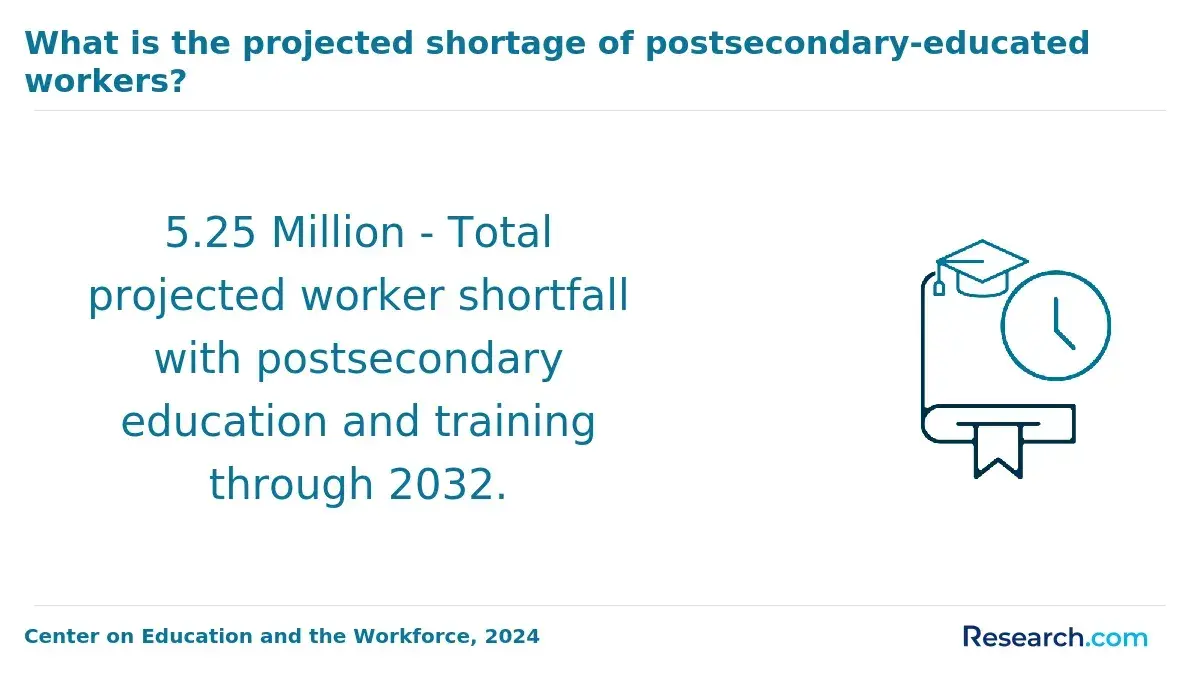
For working adults balancing multiple commitments, the decision often hinges on whether higher tuition at nonprofit or private programs correlates with measurable improvements in licensure success, job readiness, and long-term salary gains. A study from the Council for Adult and Experiential Learning (2024) shows certain nonprofit online counseling programs achieve completion rates up to 15% higher than some public institutions, potentially reducing time to degree and accelerating workforce entry. Yet, these academic and career supports come at a cost that may not be justified if the program's flexibility or employer recognition fails to align with the student's specific professional goals.
Ultimately, assessing ROI requires looking beyond sticker price to include program quality, debt burden, and post-graduation earnings potential. Private nonprofit programs can offer unique networking advantages valued by some employers, but these benefits must be carefully weighed against increased financial exposure and time-to-completion risks that can undermine net gains. Cost-conscious students should balance tuition savings with the realistic support and outcomes needed to avoid prolonged enrollment and elevated debt, ensuring their educational investment aligns with both personal circumstances and evolving workforce demands.
How Do Graduation Rates Influence Substance Abuse Counseling Program ROI?
Graduation rates offer a valuable, yet incomplete lens for assessing the ROI of substance abuse counseling online programs, as completion speed and institutional support directly influence both cost and career entry timing. Public institutions often exhibit moderate graduation outcomes due to larger populations of working adults balancing multiple responsibilities, impacting time-to-degree and debt accumulation.
In contrast, private programs may achieve higher graduation rates through enhanced student support but frequently pair this with steeper tuition, complicating the overall investment calculus. According to a 2024 National Student Clearinghouse report, students who graduate within six years are 40% less likely to face excessive debt, underscoring how timely completion translates into financial benefits relevant to ROI.
While graduation success is a tangible indicator of program effectiveness, it should be weighed alongside factors such as academic flexibility and alignment with workforce competencies to avoid overestimating return based solely on completion metrics. Many employers in substance abuse counseling prioritize practical experience and demonstrated skills as much as formal graduation, emphasizing that rates alone cannot capture long-term career viability.
Nonprofit online programs typically strike a balance between affordability and mission-driven support, presenting varied graduation outcomes that reflect diverse student demographics and institutional missions. Adult learners and career changers evaluating ROI must consider these nuances when comparing programs, including insights from broader degree pathways such as master of healthcare administration programs, which share similar tradeoffs in cost, completion, and career readiness.
What Role Do Career Outcomes Play in the ROI of a Substance Abuse Counseling Degree?
Career outcomes significantly shape the return on investment for substance abuse counseling degrees, with tangible differences emerging between public, private, and nonprofit online programs. While public programs tend to offer lower tuition and stronger connections to public health agencies that enhance job placement rates, private institutions may justify higher costs through specialized curricula and professional networks valued by private and nonprofit employers.
Growing demand in this field, projected at 9% over the next decade according to the U.S. Bureau of Labor Statistics, underscores the importance of evaluating not just employment rates-typically between 70% and 85%-but also how well a program's training aligns with certification standards and employer expectations, which affects salary potential and career stability.
Students must also consider the tradeoff between upfront educational costs, potential student debt, and the program's ability to facilitate career mobility or advanced licensure pathways, which vary by institution type. For example, graduates of nonprofit online programs often benefit from mission-driven training and robust support services that improve access to public sector roles, though outcomes depend heavily on regional labor markets and individual demographics. Ultimately, ROI is less about the diploma itself and more about whether the graduate attains recognized skills, employer validation, and sustainable employment within an acceptable timeframe relative to program cost and duration.
A recent graduate from a nonprofit online substance abuse counseling program reflected on this balance, noting initial frustration with quantifying ROI solely through salary gains. Their program's emphasis on credential preparation and career counseling resulted in a steady promotion to a supervisory role within a year, a shift that wasn't immediately lucrative but expanded job responsibilities and professional standing. This experience highlighted how the credential's value materialized gradually through employer recognition and enhanced job function, validating the investment beyond simple financial metrics.
How Does Student Debt Impact the Long-Term ROI of a Substance Abuse Counseling Program?
Student debt levels critically shape the long-term ROI of a substance abuse counseling program by directly influencing graduates' financial flexibility and career decisions. For instance, borrowers from public online programs often face 20-30% less debt than those attending private institutions, significantly reducing repayment burdens and the risk of default during early career stages.
This difference is crucial given that counseling roles generally offer modest median salaries, making manageable debt essential for sustaining financial stability and enabling incremental career growth. Students assessing the long-term financial impact of student loans in substance abuse counseling education need to weigh not only program costs but also institutional reputation, graduation rates, and completion times to avoid extended debt exposure that delays workforce entry.
Private online programs frequently carry higher tuition and corresponding loan amounts, increasing repayment strain and the likelihood of financial setbacks, which can diminish ROI despite offering specialized curriculum or smaller class sizes. Nonprofit programs present a middle ground, but variability in financial aid offerings and cohort size means debt impact can fluctuate widely. Learners should examine borrowing strategies alongside program outcomes, as even lower debt can erode value if completion is delayed or career advancement remains stagnant.
For those comparing options, understanding these dynamics helps align educational choices with realistic employment prospects rather than sticker price alone. More broadly, debt burdens affect graduates' ability to invest in further specialization or respond to evolving workforce demands, making it critical to evaluate the net economic value rather than nominal expenses. Prospective students exploring related pathways might also consider options like the easiest RN to BSN online programs, which sometimes offer different debt profiles and ROI implications.
How Do Flexibility and Adult Learner Support Affect Substance Abuse Counseling Program Value?
Program flexibility and robust adult learner support critically shape the return on investment for substance abuse counseling programs by directly impacting student retention, time-to-completion, and employment readiness. Institutions offering asynchronous coursework and part-time enrollment substantially improve accessibility for working adults, parents, and military-affiliated students managing complex schedules.
A 2024 national study from the National Center for Education Statistics found that programs with flexible timing saw a 15% higher persistence rate, translating into quicker degree completion and reduced opportunity costs linked to prolonged education. This advantage is particularly relevant when comparing public institutions that often prioritize broad access and flexible course delivery against private schools, which may charge higher tuition but supplement it with more personalized advising and career services.
Student support services such as academic advising, career counseling, and faculty accessibility materially influence graduates' success in entering counseling roles, with workforce analyses from the Council for Adult and Experiential Learning indicating a 20% higher employment placement rate within six months for students reporting comprehensive support.
These services can offset the financial burden of tuition-especially in private programs-by accelerating income generation post-graduation. Nonprofit programs frequently attempt to balance cost, flexibility, and mission-driven support, though the availability of tailored resources varies. Adult learners sensitive to debt and opportunity costs should evaluate whether resource constraints common in public programs might limit personalized guidance, which could affect those needing extra assistance to navigate transitions or certifications, thus influencing the program's long-term value beyond sticker price.
How Do Accreditation and Institutional Reputation Influence Substance Abuse Counseling ROI?
Accreditation and institutional reputation are critical determinants of the return on investment (ROI) for Substance Abuse Counseling programs, shaping licensure prospects and employability in ways that significantly impact long-term career value. Programs accredited by recognized bodies such as the Council for Accreditation of Counseling and Related Educational Programs (CACREP) often provide graduates with licensure exam pass rates that are 15-20% higher, according to a 2024 National Board for Certified Counselors study.
This credentialing advantage directly influences a candidate's eligibility for state licensure and employer recognition, which in turn affects job opportunities and salary potential. For example, a working professional pursuing a licensure pathway will generally find programs with rigorous accreditation align better with state requirements, reducing the risk of costly delays or additional coursework.
The interplay between institutional reputation and accreditation further complicates ROI assessment, particularly when comparing public, private, and nonprofit online institutions. Employers frequently prefer candidates from institutions with established reputations, yet this preference doesn't always translate into better employment rates or salaries, especially when high tuition costs inflate student debt burdens.
Conversely, many public and nonprofit online programs offer competitive academic quality and support services at lower prices, which can ease debt-to-income challenges and promote smoother workforce entry. Transferability of credits and graduate school acceptance also depend heavily on both reputation and accreditation, factors that adult learners and career changers must carefully weigh alongside financial implications to maximize educational and career outcomes.
How Does Time-to-Degree Affect the ROI of Public, Private, and Nonprofit Substance Abuse Counseling Programs?
Extended time-to-degree directly affects the return on investment (ROI) in substance abuse counseling online program duration and return on investment, as longer completion periods increase tuition costs and opportunity costs through delayed workforce entry. Public programs often offer the most flexibility with part-time options for working adults balancing family, but this can extend graduation timelines to 4-6 years, lengthening debt exposure and deferring career advancement.
In contrast, private programs tend to encourage full-time study that may shorten completion to 2-3 years but often at higher tuition rates, creating a tradeoff between faster credential attainment and increased financial strain from tuition and potential lost wages. Nonprofit institutions frequently provide accelerated paths and accept transfer credits, which help reduce time-to-degree without sacrificing quality, supporting better alignment of study pace with life and career demands while maintaining relatively higher completion rates near 70-75%.
These time-to-degree differences deeply impact how adult learners and career changers weigh affordability and long-term value in substance abuse counseling programs. Longer enrollment intensities are linked with higher dropout risks but also sometimes benefit persistence when aligned with individual circumstances. Those evaluating programs should consider how transfer-friendly policies and accelerated options influence completion likelihood and speed, as this determines when graduates can realistically expect to begin benefiting from credential-related earnings.
For students needing flexibility with work or caregiving commitments, public institutions' prolonged timelines may delay return on investment despite reduced immediate financial pressure, whereas private and nonprofit paths typically enable earlier labor market reentry, albeit often with higher upfront tuition costs. Insightful decisions may be informed by comparative analyses similar to those available for NASP accredited school psychology programs, showing how time-to-degree weighs heavily in cost-benefit evaluations for career-oriented education.
How Can You Choose the Best Substance Abuse Counseling Program Based on Your ROI Goals?
Maximizing return on investment in substance abuse counseling programs depends less on institutional type and more on aligning offerings with individual priorities and circumstances. Public online programs typically offer lower tuition and higher graduation rates, which can reduce time-to-degree and overall debt, a crucial advantage reported in a 2024 National Center for Education Statistics study.
However, nonprofit programs might provide unique scholarships and employer partnerships that improve affordability for working adults, while private online programs, though sometimes accelerated, often carry higher median debt burdens and may risk extended time-to-completion if support is insufficient.
Accreditation and institutional reputation critically influence job placement and salary outcomes, with accredited public and nonprofit schools frequently commanding broader employer recognition. Learner support services that focus on navigating substance abuse counseling careers can further bolster long-term ROI by accelerating employment.
Prospective students should carefully weigh tuition costs against financial aid options, institutional quality, and career services to fit their work, family obligations, and timeline needs, especially since such factors affect the practical value of each program differently. For those researching pathways, resources like the easiest online SLP programs to get into offer comparative insights that may help inform selection of the best online substance abuse counseling program for career goals.
References
- Addiction Counseling https://www.southuniversity.edu/news-and-blogs/2025/03/addiction-counseling
- Addictions Training Institute – 6 Reasons to Become a Substance Abuse Counselor https://addictionstraininginstitute.com/6-reasons-to-become-a-substance-abuse-counselor/
- Help People Recover with a Substance Abuse Counselor Degree https://www.tuw.edu/psychology/substance-abuse-counselor-degree-help-people/
- Using Outcome Measures in Addiction Treatment https://vista-research-group.com/using-outcome-measures-addiction-treatment
- What Are the Goals of Addiction Treatment? | Addictions https://www.addictions.com/blog/what-are-the-goals-of-addiction-treatment/
- Treatment Outcomes and Research https://www.naatp.org/treatment-outcomes-and-research
- Drug Abuse in Higher Education: Types, Causes, and Academic Consequences Among Students https://qjss.com.pk/index.php/qjss/article/view/369
- How to Choose the Right Substance Abuse Treatment Plan https://centerpointerecovery.com/substance-abuse-treatment/
- Addiction Counseling Accreditation: CACREP’s Role in Solidifying the Counseling Profession - The Professional Counselor https://tpcjournal.nbcc.org/addiction-counseling-accreditation-cacreps-role-in-solidifying-the-counseling-profession/
- What Accreditations Mean in Addiction Treatment | Fellowship Hall https://fellowshiphall.com/what-accreditations-mean-in-addiction-treatment-how-to-choose-the-right-program/
Other Things You Should Know About Substance Abuse Counseling
Nonprofit online programs often strike a balance between cost and educational quality, leveraging funding sources unavailable to private institutions to keep tuition lower. However, some nonprofits may have fewer resources for cutting-edge technology or extensive career services compared to private programs. For students prioritizing affordability with sufficient credential recognition, a nonprofit program can be a pragmatic middle ground, especially if licensure requirements in their state are standard and do not demand specialized training available only at some private institutions.
Private programs sometimes carry a stronger brand or offer specialized curricula that align closely with emerging industry trends, which can attract certain niche employers. Yet, in substance abuse counseling, employer recognition often hinges more on clinical practicums and state licensure than on institutional prestige. For cost-conscious students, the marginal boost from a private program's name should be weighed carefully against substantially higher tuition and potential debt burdens, as public and nonprofit programs typically meet most licensing and employment standards effectively.
Public institutions frequently offer more structured pacing with fewer elective options, which can speed up completion but may limit personalized learning pathways. Private programs may offer accelerated tracks but often expect intensive engagement, increasing workload stress that could impact working students negatively. Nonprofits tend to provide flexible pacing, appealing to adult learners balancing careers but possibly extending time-to-degree. Students should prioritize programs whose completion timelines realistically align with their capacity to maintain employment and minimize opportunity cost for optimal ROI.
Support services like career counseling, employer connections, and academic advising vary widely: private programs often invest more in individualized career support, which can translate to smoother job placements but at a higher cost. Public programs typically have more limited but steady support structures focused on licensure preparation. Nonprofits may offer specialized support targeted at social service agencies but less broad corporate networking. Cost-conscious students should evaluate support services based on their immediate career goals and whether the institution's network directly connects to local or regional employers in substance abuse counseling fields.