2027 Substance Abuse Counseling Degree Completion Time Report: How Long Students Actually Take to Graduate

Co-Founder and Chief Data Scientist
Degree completion timelines in substance abuse counseling often diverge significantly from published program durations due to diverse student circumstances. Working adults balancing employment and family commitments frequently extend their studies, influencing enrollment intensity and pacing. Transfer students face credit evaluation delays and course availability limits that can stall progress.
According to a 2024 National Center for Education Statistics report, part-time enrollment and stopout rates remain notable among counseling-related fields, reflecting external pressures on student persistence. This article examines how such variables affect actual graduation times, offering insight into common progression patterns and practical considerations for those planning substance abuse counseling careers.
Key Things You Should Know About Substance Abuse Counseling Degree Completion Time
- Most substance abuse counseling degree programs take two to four years to complete. Associate degrees are typically completed in two to three years, while bachelor's programs generally require about four years. Part-time enrollment, supervised clinical requirements, and work or family responsibilities can extend completion to five or six years.
- Graduation speed depends on both program structure and personal circumstances. Enrollment status, transfer credits, supervised practicum hours, course sequencing, and online versus campus-based study all influence how quickly students complete their degree.
- Graduating faster isn't always the best path to career success. Although accelerated and online programs may shorten completion time, employers generally place greater value on supervised counseling experience, licensure readiness, and professional competencies than on how quickly a degree was earned.
- What Is the Average Graduation Time for Substance Abuse Counseling Students? Average Graduation Timeline
- What Factors Have the Biggest Impact on Graduation Speed? Graduation Timeline Factors
- How Does Full-Time Versus Part-Time Enrollment Affect Graduation Timelines? Full-Time vs. Part-Time Graduation Timeline
- Do Online Substance Abuse Counseling Students Graduate Faster Than Campus-Based Students? Do Online Substance Abuse Counseling Students Graduate Faster Than Campus-Based Students?
- How Many Months or Years Can Transfer Credits Save? How Many Months or Years Can Transfer Credits Save?
- Do Accelerated Substance Abuse Counseling Programs Significantly Reduce Completion Time? Accelerated Program Timeline
- Which Substance Abuse Counseling Program Requirements Most Often Extend Graduation Timelines? Factors Extending Graduation Timeline
- Does Taking Longer to Graduate Increase the Cost of a Substance Abuse Counseling Degree? Impact on Program Cost
- Does Graduating Faster Improve Career Prospects? Impact on Career Prospects
- Which Scheduling Mistakes Commonly Delay Graduation? Mistakes to Avoid
What Is the Average Graduation Time for Substance Abuse Counseling Students?
Completion times for substance abuse counseling degrees typically align with degree level and enrollment status, with associate degrees often requiring two to three years and bachelor's degrees around four years for full-time students. Those attending full-time and following a continuous academic plan tend to meet these benchmarks, while part-time students-who frequently juggle employment and family responsibilities-may extend their timelines closer to five or six years. This variation in typical time to complete substance abuse counseling programs reflects both program design and student life circumstances, as many learners navigate competing priorities alongside their education.
The variability in graduation timelines stems from multiple academic and logistical factors. Transfer students often face delays or accelerations depending on credit acceptance policies, which vary widely between institutions and states, complicating seamless credit transfers needed to stay on track. Additionally, mandated supervised clinical hours-integral to substance abuse counseling preparation-can create bottlenecks if placement availability lags, pushing back completion. Enrollment format also influences pacing, as online programs typically offer more scheduling flexibility but may present their own challenges in clinical coordination and academic continuity. These elements intersect with institutional policies and student circumstances, making fixed graduation timelines unreliable for many.
Understanding these dynamics is critical for realistic education planning, as extended timelines affect financial commitments and delay workforce entry, which matters given the increasing demand across healthcare systems. Students weighing accelerated credential paths, such as medical assistant certification, should consider how the interplay of coursework, practicum requirements, and personal obligations shape their estimated completion dates. Data from the National Center for Education Statistics highlights these nuanced progressions, underscoring the importance of tailored academic strategies over mere adherence to nominal degree durations.
What Factors Have the Biggest Impact on Graduation Speed?
Graduation speed for substance abuse counseling degree students results from a mix of factors spanning academic design, student enrollment choices, institutional credit policies, and external life demands. No single element determines how quickly a student finishes; rather, degree completion depends on how these variables interact over time. Understanding these influences enables students to better plan course loads, choose suitable program delivery formats, and manage workload distribution effectively.
- Enrollment Status: Full-time students generally progress faster, benefiting from concentrated study and consistent engagement with coursework. In contrast, part-time students, who often balance employment or family obligations, typically take longer, with only about 40% completing within six years compared to 60% of full-time counterparts, according to a 2024 National Center for Education Statistics report. This gap reveals a significant tradeoff in speed linked to enrollment intensity and time available for academic focus.
- Program Delivery Format: The choice between online, hybrid, or traditional in-person classes materially influences pacing. Flexible online or hybrid formats allow students to tailor schedules and maintain steady progress, often accommodating working adults better. Meanwhile, rigid semester-based or campus-only programs can restrict acceleration due to fixed term dates and limited course availability.
- Transfer Credits and Institutional Policies: Students entering with prior accredited coursework can often shorten their timeline by applying transfer credits. However, strict equivalency standards or delayed credit evaluations create bottlenecks, sometimes requiring retaking courses. These credit policies directly affect how institutions recognize previous learning and the subsequent speed of degree milestones.
- Practicum and Internship Requirements: Experiential components essential for licensure impose fixed-hour mandates that cannot be compressed easily. These structured practical experiences establish a minimum timeframe that all students must fulfill, often setting a firm lower limit on how quickly a program can be completed regardless of academic acceleration elsewhere.
- Financial and Personal Constraints: Economic pressures frequently lead students to reduce course loads or interrupt studies temporarily, slowing overall progress. Personal preparedness also plays a role; those needing remedial work or additional academic support face extended timelines, particularly when balancing workload with external demands like caregiving or employment.
The intersection of these factors creates wide variability in how long students take to earn their substance abuse counseling degree. Advisors and students should consider enrollment strategy and program format carefully to optimize timely completion while managing the real-world constraints that influence academic momentum. For those interested in alternatives with more flexible pacing and affordability, researching options in related fields such as health information management degree online may also provide valuable comparative insights.
How Does Full-Time Versus Part-Time Enrollment Affect Graduation Timelines?
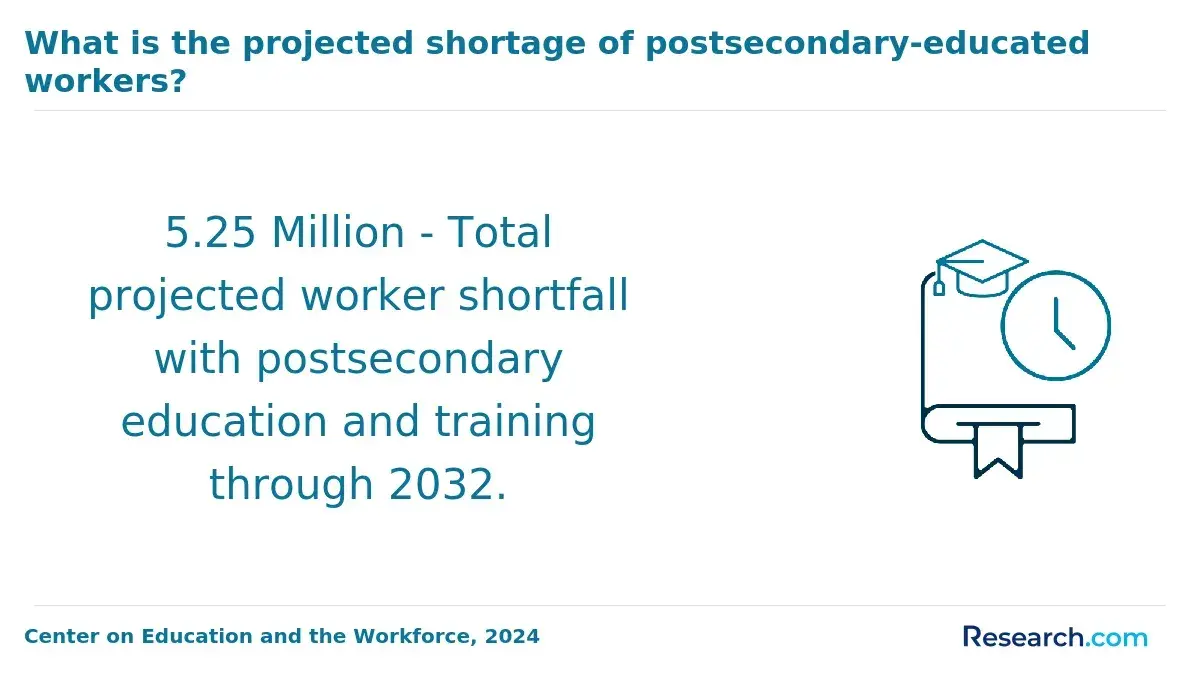
Completion timelines for substance abuse counseling degrees differ sharply depending on enrollment status, with full-time students generally finishing significantly sooner than those studying part-time. Data from 2024 education workforce reports indicates full-time students, typically carrying 12 to 15 credits each semester, complete associate degrees within two to three years and bachelor's degrees in roughly four years. Conversely, part-time students, often enrolling in six to nine credits due to external commitments, may require four to six years or more to graduate. This discrepancy reflects not merely time investment but also how course pacing aligns with program requirements and graduation benchmarks.
Several interacting factors shape these timelines beyond credit load. Program structure and course availability-especially for specialized classes required in substance abuse counseling curricula-can delay progress for part-time students as offerings might be limited each semester. Meanwhile, full-time students can follow a more streamlined sequence, maintaining momentum and meeting prerequisites faster. External life demands such as employment and family responsibilities further influence the rate of academic progression; working adults often prefer part-time pathways to balance competing priorities, though this extends duration. Additionally, financial considerations play a role, as full-time enrollment usually opens access to broader aid options that can prevent delays related to funding gaps.
Enrollment choices also impact longer-term academic and professional trajectories. Full-time study, while more intensive, often accelerates entry into the workforce, aligning with employer preferences for timely degree completion amid rising demand in counseling roles across healthcare systems. Part-time study offers flexibility and preserves income streams but may postpone qualification milestones critical for internship placements and certification eligibility. Understanding these operational dynamics is essential for students and advisors to align educational planning with realistic outcomes linked to duration, financial investment, and career timing.
Do Online Substance Abuse Counseling Students Graduate Faster Than Campus-Based Students?
Online substance abuse counseling students often complete their programs more quickly than those attending traditional campus-based courses, largely due to the self-paced nature and scheduling flexibility inherent in online education. According to a 2024 report from the National Center for Education Statistics, learners in related behavioral health programs finish their degrees roughly 20% faster online. However, this trend is not universal; actual graduation timelines vary significantly based on individual circumstances, program demands, and institutional structures. Some campus-based students benefit from cohort-driven pacing and direct access to resources that can sustain steady progress, while online students must independently manage deadlines and avoid procrastination to maintain momentum.
Completion speed hinges on several interrelated factors, including the availability of asynchronous coursework, frequency of term start dates, and the extent to which programs accommodate prior learning credits. Online formats often allow students to balance coursework with employment or personal obligations more effectively, enabling accelerated study plans for those who enroll full-time or intensively. In contrast, on-campus programs may impose fixed semester schedules and require in-person clinical internships that extend time to degree. Part-time enrollment, common among working adults in both settings, can substantially lengthen completion timelines, underscoring that modality alone does not determine graduation speed. Success depends as much on how students navigate program requirements and institutional policies as on the course delivery mode.
This modality choice also shapes academic discipline and time management expectations, with online learners facing greater demands for independent scheduling and self-motivation. Students who thrive in structured environments may find campus programs better support timely completion through regular peer interaction and immediate faculty feedback. Conversely, online education can expedite entry into the workforce for those who leverage its flexibility effectively, especially when program design aligns with their life responsibilities. Understanding these nuances can help prospective students make informed decisions about pacing, workload balance, and how quickly they can realistically transition into counseling roles.
A recent graduate recalled waiting several weeks during a rolling admissions cycle before committing to an online substance abuse counseling bachelor's program. The uncertainty over start dates and course availability led her to juggle part-time work and prerequisites cautiously, hesitant to overextend before confirming enrollment details. Once admitted, the multiple available term options allowed her to accelerate completion, but the initial period of delay underscored how admissions timing and program scheduling intricacies directly impact how quickly online students ultimately finish their degrees.
How Many Months or Years Can Transfer Credits Save?
Transfer credits can notably shorten the duration required to complete a substance abuse counseling degree, but the extent of time saved varies substantially depending on the quantity and relevance of prior coursework. Data from recent 2024 research center reports indicate that transfer credits typically reduce degree completion time by anywhere from six months to over two years. This variation largely hinges on how well the transferred credits align with the essential curriculum, as programs spanning associate to bachelor's levels usually require between 60 and 120 credit hours. For students with credits closely matched to counseling, psychology, or social work domains, bypassing foundational courses often means entering advanced modules sooner, enabling quicker progress. Such transfer credits impact on substance abuse counseling degree duration is especially significant when programs recognize similar academic rigor and content, allowing students to avoid redundant classes.
However, the practical time saved depends heavily on institutional policies, accreditation compatibility, and state licensing requirements that govern transferability. Many substance abuse counseling programs limit transferable credits, often capping acceptance at around 70%, to ensure students complete key core and experiential coursework within the conferring institution. The evaluation of transferred credits frequently involves detailed course equivalency reviews to determine whether prior classes meet the curriculum framework and professional standards. Furthermore, program residency criteria and required clinical hours impose additional constraints that transfer credits alone cannot fulfil. Because of these factors, the average time saved with transfer credits in substance abuse counseling programs is not a simple credit-to-time ratio but a complex balance of policy, course relevance, and quality control.
This dynamic also affects academic planning and financial considerations, as students must sequence remaining coursework and fieldwork thoughtfully to meet licensure prerequisites effectively. Working adults using transfer credits may extend enrollment periods due to part-time study demands, somewhat offsetting theoretical time savings. Accurate expectations regarding how transfer credits influence scheduling and degree timelines are essential for informed decision-making, particularly given the growing demand across healthcare systems for well-trained substance abuse counselors. Prospective students may also consult resources such as the best online exercise science degree listings for comparative insights into program flexibility and transfer policies in related health fields.
Do Accelerated Substance Abuse Counseling Programs Significantly Reduce Completion Time?
Accelerated substance abuse counseling programs aim to condense the traditional degree timeline by increasing course load intensity and compressing curricula into shorter spans. These programs often restructure standard academic calendars by offering back-to-back terms or combining core courses and practica within a year to a year and a half, targeting a 30% to 50% reduction in program length. The intent is to facilitate quicker entry into professional roles by streamlining credit requirements and minimizing breaks between sessions. However, this design depends heavily on how institutions sequence prerequisites and distribute credit hours across terms, which varies widely and can affect actual time savings.
Whether accelerated pathways truly reduce completion time hinges on several critical factors beyond mere scheduling compression. Programs retaining the same number of supervised clinical hours, internships, or capstones as traditional formats may limit how much the timeline can shorten because these experiential requirements often cannot be shortened without compromising licensure eligibility or competency. Additionally, the increased credit density per term demands rigorous time management and academic stamina from students, with limited flexibility for part-time employment or external commitments. Bottlenecks in course availability or prerequisite chains can also stall progression, counteracting nominal time reductions advertised by accelerated formats.
The trade-offs inherent to these programs include heightened workload stress and reduced opportunity for reflective learning or extended clinical exposure, potentially impacting skill assimilation and professional readiness. While some students benefit from the momentum and focus accelerated pacing creates, others may find the condensed format less conducive to mastering complex counseling concepts or integrating theory with practice. Scheduling inflexibility can also constrain students balancing employment or family demands, underscoring the importance of evaluating personal capacity alongside institutional structures before committing to an accelerated track.
One accelerated program graduate recalled hesitating before applying due to uncertainty over rolling admissions timelines and whether prerequisite courses completed at another institution would be accepted in time to start fall term. The delay in confirmation caused mounting anxiety, prompting a last-minute decision to defer enrollment rather than risk missing critical internship start dates. This experience underscored how administrative timing and credit transfer policies can materially influence perceived time savings, sometimes diminishing the accelerated program's intended benefits despite their compressed curriculum.
Which Substance Abuse Counseling Program Requirements Most Often Extend Graduation Timelines?
Graduation timelines in substance abuse counseling programs are frequently extended not merely due to overall credit requirements, but because of specific embedded components within the curriculum. These elements often reflect necessary professional preparation and program quality standards but introduce constraints on scheduling and pace. As a result, students encounter delays shaped by administrative structures and the sequential nature of coursework alongside experiential demands.
- Supervised Clinical Practicum Hours: Clinical hours, usually ranging from 300 to 600, are mandated by licensing boards to ensure hands-on competency. The requirement is central to workforce readiness but depends heavily on placement availability and supervisor scheduling, which creates pacing bottlenecks outside academic term flexibility.
- Prerequisite Coursework: Students often need foundational courses in psychology, social work, or related fields, especially if transitioning from unrelated disciplines. Institutional policies on credit transfer can force extra classes, extending timelines beyond nominal expectations.
- Course Sequencing and Prerequisite Chains: Strict enrollment restrictions prevent advancement until introductory classes are completed, limiting flexibility. This sequence, combined with part-time attendance common among working students, often results in unintentional enrollment gaps that prolong degree completion.
- Certification and Licensure Exam Preparation: Required prep courses or workshops may only be offered in specific terms and include significant study commitments. This addition underscores professional standards but can extend academic tenure when scheduling does not align with students' availability.
- Credit Transfer and Institutional Policies: Variability in how institutions accept transfer credits frequently forces students to retake courses or complete additional ones, especially for those shifting from different academic backgrounds. This is a notable factor for transfer students where delayed progress is common.
Labor market analyses and workforce studies, including recent figures from O*NET, indicate that about 25% of students in behavioral health-related programs take 1.5 times longer to graduate. This extension primarily results from the interaction between intense clinical requirements and the inflexible curriculum design rather than sheer credit volume alone.
Does Taking Longer to Graduate Increase the Cost of a Substance Abuse Counseling Degree?
Taking longer to graduate from a substance abuse counseling degree program typically raises the total cost of education, especially when tuition is assessed by term or credit hour. Extended timelines often mean additional semesters of tuition payments, fees, and expenses that accumulate beyond the usual program duration. Many institutions also set limits on financial aid eligibility based on standard completion times, so delays can result in reduced aid or the need to self-fund more credits. These financial dynamics are critical because a 2024 report from the National Center for Education Statistics highlights that students exceeding the traditional four-year timeline may pay 20% to 30% more in tuition and fees. For students weighing the financial impact of extended substance abuse counseling programs, understanding enrollment status and institutional pricing policies becomes essential to anticipate these escalating costs.
However, longer completion times do not universally translate to significantly higher expenses. Flat-rate tuition models and part-time enrollment pricing can mitigate additional costs, as can employer tuition assistance programs, which many working adults rely on. Some programs offer flexible pacing without extra financial penalties, enabling students to balance coursework with work or family responsibilities while controlling expenses. Enrollment choices, including adjustments to course loads, indirectly affect how quickly tuition and fees accumulate. For prospective students monitoring labor market data, average salaries for substance abuse counselors-often between $40,000 and $60,000-underscore the importance of timely credentialing to enter the workforce. Those exploring related options might also consider flexible pathways in adjacent fields, such as an exercise science online degree, which shares some workforce and educational pacing challenges relevant to healthcare and counseling professionals.
Does Graduating Faster Improve Career Prospects?
Graduating faster from a substance abuse counseling degree program can facilitate earlier entry into the workforce, potentially allowing students to begin job searching and gain initial employment sooner. However, hiring managers seldom assess candidates based solely on the speed of degree completion. Instead, they emphasize relevant certifications, practical skills, and demonstrated clinical experience when evaluating applicants. While quicker graduation may reduce opportunity costs, its impact on securing initial roles remains limited if it comes at the expense of depth in training or supervised practicum hours.
The influence of faster degree completion on long-term career prospects largely depends on whether accelerated pacing compromises critical elements such as internship experience, mastery of counseling techniques, and the establishment of professional networks. Employers in behavioral health fields routinely prioritize candidates who have accumulated comprehensive supervised clinical hours and robust fieldwork portfolios. Thus, the advantage of finishing early diminishes if it results in fewer practicum hours or weaker industry connections. Students aiming for strategic career advancement with faster degree completion must therefore ensure they meet these experiential benchmarks to maintain competitiveness in hiring.
Balancing program duration against experiential depth remains essential for sustainable career growth in substance abuse counseling. Accelerated paths may benefit disciplined students with prior field exposure, but for many, longer timelines allow more thorough skill development and networking that underpin employability. For those weighing this trade-off, it is useful to consult a variety of educational options, including credible online EHS degree programs that integrate practical training and flexible pacing aligned with workforce demands.
Which Scheduling Mistakes Commonly Delay Graduation?
Graduation delays in substance abuse counseling degree programs frequently stem not from academic difficulty but from avoidable scheduling and planning errors during enrollment and course selection. These issues affect students across program levels and formats, disrupting consistent academic progress. Recognizing common pitfalls in academic sequencing and enrollment strategy is key to maintaining timely completion within established program structures.
- Inconsistent Prerequisite Sequencing: Many students fail to complete prerequisite courses early, which blocks access to advanced classes later. This is particularly prevalent in programs with strict course chains, forcing extensions due to missed opportunities for progression.
- Part-Time Overload Without Strategic Planning: While accommodating work, part-time enrollment often slows credit accumulation. Students may underestimate how missing a required course each term accumulates into significant delays over the program's duration.
- Misaligned Transfer Credit Evaluation: Transfer students who do not promptly verify credit equivalencies risk redundant coursework or deferred enrollment in essential capstone experiences. Early advisor engagement is critical to avoid these setbacks.
- Limited Practicum Slot Availability: Clinical placements essential to counseling programs have restricted capacity and scheduling windows. Neglecting to anticipate this bottleneck leads to postponed graduation timelines.
- Ignoring Institutional Calendar Variations: Differences in academic calendars, especially for cross-enrollment students, complicate course timing and delay progress if not accounted for.
- Work-Study Balance Miscalculations: Overcommitting to external responsibilities can result in dropped or deferred courses, extending degree completion time unexpectedly.
According to a 2024 report from the National Center for Education Statistics, nearly 40% of students extend their program duration due to poorly timed course registration and incomplete prerequisite chains. These scheduling intricacies interact with structured curriculum sequencing and institutional policies, creating common bottlenecks across substance abuse counseling degree pathways regardless of students' format or level.
Other Things You Should Know About Substance Abuse Counseling
Practicums and internships are typically mandatory in substance abuse counseling programs and require significant time commitments beyond coursework. Working students often face scheduling conflicts that extend their time to graduate. Prioritizing practicum scheduling early in your academic plan can mitigate delays, as completing these hours late or piecemeal tends to push graduation timelines further than academic credits alone.
Programs with flexible course schedules may offer more convenience but can lack the structured pace of cohort-based models, which often drive timely completion through fixed term schedules and peer accountability. For those focused on finishing efficiently, enrolling in a cohort program can provide clearer deadlines and reduce decision fatigue, though it sacrifices some flexibility. The tradeoff hinges on whether a student values steady progress or needs adaptable pacing due to external commitments.
In 2027, employers generally prefer candidates to meet certification requirements promptly, which has motivated many students to adopt accelerated study plans. This trend is reflected in the slight reduction in the average time to degree completion as students aim to align their graduation timelines with job market expectations.
Choosing a lighter course load might extend the calendar length of the degree but can enhance mastery and reduce burnout, which is essential given the demanding nature of substance abuse counseling roles. However, if immediate workforce entry is a priority, accelerating coursework, even at the expense of some depth, could be advantageous. The recommendation is to balance pace with competency, as employers value both timely graduation and practical readiness in this field.