2027 Substance Abuse Counseling Degree Enrollment Trends by Age Group: Traditional Students vs Adult Learners

Co-Founder and Chief Data Scientist
Distinct licensing prerequisites and clinical practicum obligations heavily influence enrollment patterns in substance abuse counseling degree programs. Traditional students, typically aged 18-24, often enter these programs directly after high school, drawn by streamlined paths toward entry-level credentials. Meanwhile, adult learners face tradeoffs related to workforce re-entry or career shifts, as 65% of new substance abuse counseling licenses in 2022 were awarded to practitioners over 30 years old.
This suggests a workforce realignment driven by mid-career professionals adapting to increasing credential inflation and evolving employer demands. The age distribution reveals a shifting professional landscape, emphasizing the need for education models that accommodate varied career trajectories and workforce shortages.
Key Things to Know About Substance Abuse Counseling Degree Enrollment Trends by Age Group
- Enrollment peaks among adults aged 30-45 reflect midcareer transitions, implying longer program completion times due to work-life conflicts, affecting how students budget and plan for extended educational pathways.
- Employers increasingly value practical experience over age, so younger enrollments often face heavier pressure to supplement education with internships, while older students benefit from direct workforce experience aligning with credential requirements.
- Rising tuition costs disproportionately challenge traditional college-age enrollees reliant on loans, influencing access and completion rates, whereas adult learners often leverage employer tuition assistance, shaping demographic enrollment disparities.
- Key Things to Know About Substance Abuse Counseling Degree Enrollment Trends by Age Group Key Things
- Which Age Groups Represent the Largest Share of Substance Abuse Counseling Students? Students by Age Group
- Why Do Traditional Students Choose Substance Abuse Counseling Degree Programs? Traditional Students
- Why Do Adult Learners Return to School for a Substance Abuse Counseling Degree? Adult Learners
- How Do Academic Goals Vary Between Younger and Older Substance Abuse Counseling Students? Academic Goals by Age Group
- How Do Financial Concerns Differ Between Traditional Students and Adult Learners? Financial Concerns by Age Group
- What Challenges Do Adult Learners and Traditional Students Face While Earning a Substance Abuse Counseling Degree? Student Challenges by Age Group
- How Does Age Affect Substance Abuse Counseling Degree Student Retention? Age and Student Retention
- Which Substance Abuse Counseling Specializations Are Most Popular Among Adult Learners? Top Specializations for Adult Learners
- How Does Age Affect Job Opportunities for Substance Abuse Counseling Graduates? Impact of Age in Job Opportunities
- What Do Current Substance Abuse Counseling Enrollment Trends Reveal About Future Demand? Enrollment Trends
Which Age Groups Represent the Largest Share of Substance Abuse Counseling Students?
Substance abuse counseling programs attract learners from a variety of life stages, but enrollment tends to cluster in certain age ranges driven by career trajectories, financial capacity, and educational pathways. The age distribution within these programs reflects underlying workforce demands and the timing of professional transitions rather than purely educational preferences.
Adult learners often enroll with defined employment goals, while younger students typically engage at earlier career exploration phases. This dynamic helps explain the concentration of substance abuse counseling enrollment among specific demographic groups.
- Ages 25-40: This group frequently constitutes the largest share of substance abuse counseling students, reflecting a common pattern of career switching or professional development. Many adults in this range pursue counseling education as a second career or to gain credentials aligned with advancing social services or healthcare roles. Their enrollment decisions are often driven by workplace relevance and the necessity to balance studies with existing work and family responsibilities.
- Ages 18-24: Traditional college-age learners form a significant but comparatively smaller portion of substance abuse counseling enrollment. Many within this group explore the field as part of early vocational interest or foundational pre-professional education but may also be weighing multiple career paths. Factors such as broader undergraduate program options and cost considerations impact their relative participation in these more specialized counseling programs.
- Ages 41 and older: Although smaller in number, mature learners above 40 engage in substance abuse counseling education usually due to long-term career shifts or late-stage professional goals. Employer expectations for maturity and life experience in counseling can encourage enrollment within this cohort, but practical barriers like program pacing, certification demands, and personal obligations may limit overall representation.
- Late teens (under 18) and older traditional students (24-25): These segments rarely constitute a meaningful share of substance abuse counseling students due to the academic prerequisites and professional maturity required for licensure and effective practice. The timing of workforce entry and program accessibility often excludes these age groups from significant participation.
Enrollment trends in substance abuse counseling align with the realities of workforce entry timing, financial preparedness, and program structure. Employers typically prefer candidates who demonstrate a degree of life experience, which supports the predominance of adult learners in this field. Meanwhile, younger students often gravitate toward educational paths with broader or more flexible outcomes, highlighting the distinct tradeoffs prospective enrollees face.
For those considering online study options or balancing complex responsibilities, understanding these age-related enrollment patterns is crucial. Prospective students may also explore adjacent fields, such as healthcare management degrees, which often share similar demographic trends and offer alternative pathways within health services education and administration.
Why Do Traditional Students Choose Substance Abuse Counseling Degree Programs?
Traditional students pursuing substance abuse counseling degrees often make this choice based on a combination of academic interests and the perceived signaling value of the credential in early career planning. These programs provide a structured educational pathway that helps clarify career goals through defined licensing standards and clear post-graduation employment routes. Students are drawn to the pragmatic alignment between coursework and workforce expectations, recognizing that the degree offers a tangible entry point into healthcare and behavioral support roles.
According to a 2024 report by the National Center for Education Statistics, 42% of students enrolling in related health counseling programs cite a desire to have a positive community impact, reflecting a purposeful integration of personal values with professional aspirations. Deeper influences on enrollment patterns stem from university recruitment strategies and secondary education guidance counseling that highlight substance abuse counseling as a stable and growing field.
Exposure to foundational subjects in high school or early college introduces students to the complexity and societal relevance of this discipline, reinforcing their commitment. Moreover, many employers' emphasis on formal credentials encourages traditional students to engage in programs with clear accreditation and internship opportunities. The program's flexibility and pricing models-some comparable to health care administration masters in cost and duration-further sway decision-making, facilitating timely progression into the workforce and minimizing financial barriers.
Why Do Adult Learners Return to School for a Substance Abuse Counseling Degree?
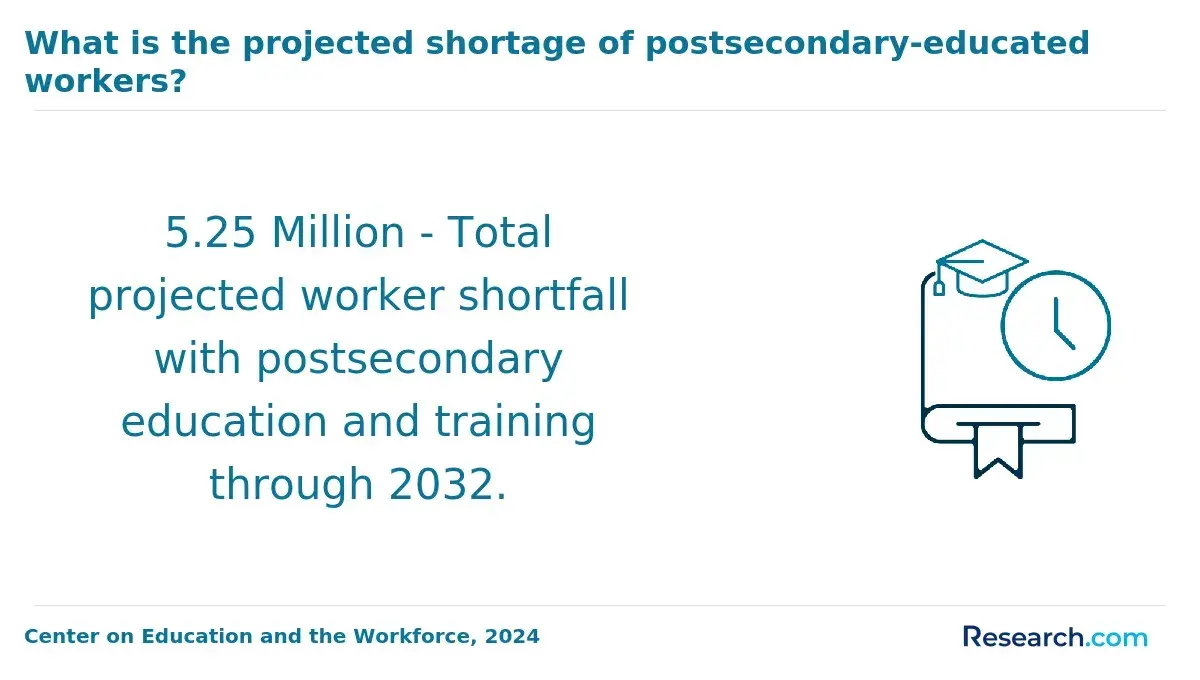
Adult learners often pursue a substance abuse counseling degree as a strategic pathway to reorient their careers, enhance wage potential, or transition into a healthcare sector experiencing sustained growth. With employment for substance abuse and behavioral disorder counselors projected to increase significantly through 2032 according to the Bureau of Labor Statistics, this credential offers a pragmatic response to labor market demands for specialized skills. Many learners target formal education to meet advancing credential requirements tied to licensing and certification, recognizing that prior experience alone no longer suffices amid credential inflation and employer expectations.
For these adults, the degree functions as both a re-entry vehicle and an essential credential to access supervisory or clinical roles with higher compensation potential. Additional factors shaping adult enrollment include expanded employer tuition assistance programs and greater availability of flexible online or part-time study options, which accommodate the competing responsibilities typical of mature students. Shifting industry standards increasingly mandate updated clinical competencies and formal education beyond experiential knowledge, compelling professionals to reskill and remain competitive.
The evolution of substance abuse counseling as an interdisciplinary field has amplified the necessity for ongoing professional development, particularly as funding streams and treatment modalities adapt to evolving public health priorities. These structural changes reinforce the reliance on postsecondary credentials for both entry and career sustainability. The growing participation of adult learners influences the design of substance abuse counseling programs, driving institutions to offer more modular, accessible formats and integrate real-world applicability into curricula.
This demographic shift reshapes classroom dynamics, fostering peer environments rich in diverse professional backgrounds and life experiences, which in turn enhances collaborative learning and practical problem-solving skills. The prominence of adult learners thus contributes to a broader recalibration of educational delivery methods and workforce preparation strategies within the field.
How Do Academic Goals Vary Between Younger and Older Substance Abuse Counseling Students?
Younger students pursuing substance abuse counseling degrees often approach their education with a focus on building foundational knowledge and exploring various aspects of the field. Their academic goals commonly center on preparing for entry-level roles, licensure requirements, or graduate study pathways that enable relatively swift workforce entry. According to data from the National Center for Education Statistics in 2024, about 65% of students aged 18 to 24 prioritize degrees that facilitate quick employment, reflecting labor market pressures and limited prior work experience.
This demographic frequently enrolls in full-time programs with standard pacing, valuing curriculum breadth that supports a broad understanding over immediate specialization. In contrast, older students tend to align their academic objectives with precise professional outcomes, such as advancing current careers or shifting into leadership and clinical specialist roles within behavioral health.
Their priorities often include targeted credentialing and flexible scheduling to accommodate work and family obligations, with many seeking accelerated tracks or continuing education options focused on practical skill enhancement. The Substance Abuse and Mental Health Services Administration's 2024 survey found that 72% of adult learners emphasize credentials that strengthen their existing roles or prepare them for advanced clinical responsibilities. These students' educational choices are driven by workplace requirements and longer-term career strategies rather than initial entry into the field.
How Do Financial Concerns Differ Between Traditional Students and Adult Learners?
Traditional students pursuing a substance abuse counseling degree often depend on a blend of family support, federal financial aid, and student loans to cover tuition costs and related expenses. Their financial concerns typically revolve around managing tuition payments within constrained budgets, with a marked emphasis on the long-term implications of student debt. Because many traditional students still benefit from family assistance or subsidized housing, the immediate pressure to generate income can be less acute, enabling more concentrated focus on academic progress.
However, this group's decision-making often weighs the tradeoff between accumulating manageable debt and completing programs expeditiously to enter the workforce swiftly, reflecting common patterns identified in financial challenges faced by traditional vs adult substance abuse counseling students. In contrast, adult learners face multifaceted financial pressures shaped by existing obligations such as mortgages, childcare, and full-time employment.
Their educational choices must accommodate the opportunity cost of reduced work hours or temporary income loss, alongside navigating employer tuition assistance programs when available. This demographic frequently encounters difficulty balancing household financial responsibilities while funding extended program durations, which often result from part-time enrollment or flexible scheduling needs. According to a recent study from the Lumina Foundation, nearly 60% of adult learners report challenges managing tuition alongside household expenses, underscoring a financial dynamic distinct from traditional students.
These factors critically influence the financial aid options for adult learners in substance abuse counseling programs as they strategize to minimize income disruption during academic pursuits. The divergent financial realities shape enrollment patterns, with traditional students gravitating toward condensed program timelines and on-campus experiences, while adult learners often prioritize flexible or online formats that align with employment and family demands.
Understanding these distinctions is essential for assessing long-term career implications and return on investment, as adult learners typically negotiate a more complex financial landscape that incorporates both immediate costs and evolving workforce expectations. For those comparing pathways, resources like the cheapest online MBA healthcare management provide useful benchmarks for evaluating program costs in healthcare-related fields, highlighting how educational financing behavior varies across different types of students.
What Challenges Do Adult Learners and Traditional Students Face While Earning a Substance Abuse Counseling Degree?
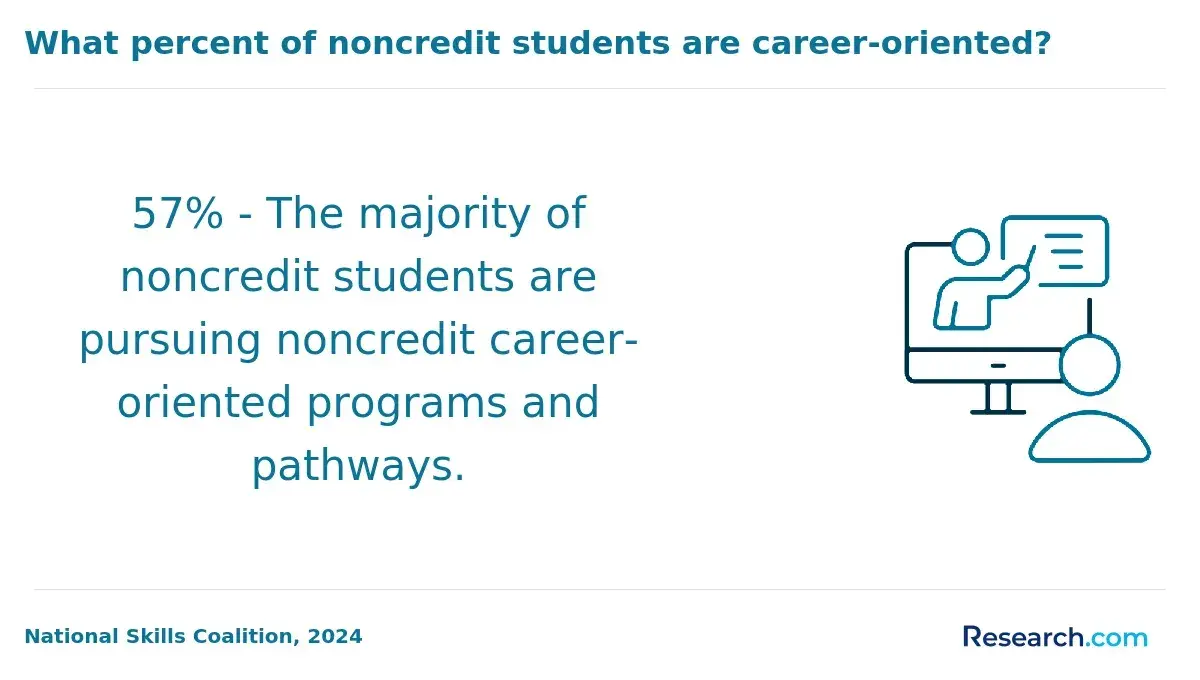
Traditional students pursuing a substance abuse counseling degree often confront significant adjustment challenges related to transitioning from structured learning environments to the demands of rigorous academic material. Many between 18 and 24 years old must simultaneously build foundational discipline in managing coursework, while grappling with limited financial resources that frequently cause stress and delay degree completion. According to the National Center for Education Statistics 2024 report, nearly 60% of traditional undergraduates identify financial strain as a key barrier, which compounds difficulty balancing study and personal obligations during this formative stage.
Adult learners, by contrast, face complex time management issues stemming from balancing full-time employment, caregiving, and educational workloads. The Council for Adult and Experiential Learning highlighted in 2024 that 72% of adult learners in counseling fields report conflicts between work schedules and program requirements, making consistent engagement with practical training and internships challenging. Additionally, many adult students must re-engage with academic research methods and technology platforms after extended absences from formal education, navigating not only skill refreshment but the competing demands of professional and family responsibilities.
These divergent challenges require institutions to develop differentiated support mechanisms, including flexible scheduling, targeted advising, and accessible mental health resources to accommodate variability in learner demographics. Addressing these distinctions effectively affects time-to-completion and student persistence, which are critical given employer expectations for demonstrable practical experience alongside theoretical knowledge. Programs that adapt to lifecycle and workload realities can better position both traditional and adult learners to meet the demands of the substance abuse counseling profession.
How Does Age Affect Substance Abuse Counseling Degree Student Retention?
Younger students in substance abuse counseling degree programs frequently encounter retention obstacles tied to their transition from high school to college-level academics and expectations. This cohort often grapples with less defined professional objectives and competing social distractions that dilute focus, making consistent engagement challenging. Their academic preparedness can be uneven, and the pressure to navigate new institutional environments without well-established support systems can contribute to fluctuating persistence.
A 2024 Journal of Addiction Education study highlights retention disparities, showing adult learners outperform younger peers by roughly 15-20%, underscoring challenges typical of traditional-age students. Conversely, older students typically demonstrate higher retention rates fueled by clearer motivations and pragmatic commitment, often balancing education alongside employment and familial roles.
The external responsibilities demand rigorous time management and resilience but also reinforce the direct relevance of their studies to professional outcomes, intensifying persistence. However, adult learners face practical barriers such as financial strain and health concerns that institutions must accommodate to sustain completion rates. Effective retention strategies increasingly recognize these differing life-stage dynamics by tailoring support services and scheduling flexibility to address distinct needs across age groups.
Which Substance Abuse Counseling Specializations Are Most Popular Among Adult Learners?
Adult learners pursuing substance abuse counseling degrees tend to select specializations that offer clear pathways for skill enhancement and career mobility within existing fields. Unlike traditional students who often prioritize foundational knowledge, these learners leverage prior professional experience to choose tracks that provide applicable expertise, leadership opportunities, or both. This practical orientation reflects workplace demands where interdisciplinary competencies and administrative skills increasingly influence hiring and salary progression.
Data from the 2024 National Center for Education Statistics survey confirms that 62% of adult substance abuse counseling enrollees opt for specializations related to integrated care or program administration, highlighting a strong preference for areas with tangible advancement potential, a trend captured by current adult learner specialization trends in substance abuse counseling.
- Clinical substance abuse counseling specializing in co-occurring disorders: Adult learners with healthcare or behavioral health backgrounds often prioritize this specialization because it addresses the complex overlap between addiction and mental health, a high-demand skill set in clinical settings that enhances employability and intervention effectiveness.
- Addiction treatment program management: This track appeals to those looking to move into supervisory or administrative roles. The focus on program development, compliance, and personnel management provides critical competencies for leadership roles that typically yield higher salaries.
- Behavioral health and recovery coaching: Emphasizing client-centered support and motivational strategies, this specialization aligns with workforce trends favoring integrated care models and personalized treatment approaches, making it attractive for professionals seeking direct patient engagement roles.
- Substance abuse prevention and community outreach: Chosen by learners interested in public health impacts and policy-oriented work, this specialization supports career transitions into prevention programs or advocacy roles that require an understanding of community dynamics and prevention strategies.
Understanding how specialization choices correlate with prior work experience and capability expansions is crucial for prospective students evaluating program accessibility and meaningful labor market outcomes. For those weighing program duration against career goals, insights into how long does it take to become a nurse practitioner provide a useful comparative perspective on educational timelines and workforce entry.
How Does Age Affect Job Opportunities for Substance Abuse Counseling Graduates?
Younger substance abuse counseling graduates, often traditional students aged 18-24, generally experience job opportunities shaped by their proximity to academic settings and internship pipelines. Employers tend to view this group as adaptable, with a longer career runway and willingness to engage in continuing certifications, making them attractive for entry-level roles. They benefit from structured access to clinical placements and internship opportunities that bolster early career positioning, particularly in organizational settings emphasizing rapid skill acquisition.
According to the Substance Abuse and Mental Health Services Administration, graduates under 30 have a 15% higher likelihood of securing jobs within six months post-graduation, highlighting the advantage provided by timely workforce entry in competitive labor markets focused on substance abuse counseling job prospects by age group. Older graduates in substance abuse counseling frequently bring prior work experience and professional networks into the hiring dynamic, which can translate into substantial advantages in client rapport and situational judgment-qualities highly valued in treatment settings.
However, they may also face subtle employer biases regarding career transition and flexibility, requiring strategic navigation of labor market expectations and workforce segmentation. The life experience of adult learners often aligns with employer demand for maturity and emotional intelligence, a significant favorability factor noted in recent behavioral health recruitment trends. Prospective students evaluating the operational and financial aspects of their education pathways might also consider resources like detailed analyses of online speech pathology school cost, which share insights relevant to planning educational investments in related health fields and understanding career advancement opportunities for adult learners in substance abuse counseling.
What Do Current Substance Abuse Counseling Enrollment Trends Reveal About Future Demand?
Rising enrollment in substance abuse counseling degree programs, particularly among adult learners, signals shifting perceptions of career value and program accessibility. Adult students often pursue these degrees amid career transitions or credential upgrades, reflecting a recognition that practical, specialized skills are increasingly necessary. Traditional college-age enrollment remains steady but does not show comparable growth, suggesting that the sector's expanding complexity and regulatory demands are driving heightened interest mostly from those seeking deeper expertise or accelerated employability.
The 15% projected job growth for counselors through 2034, as reported by the U.S. Bureau of Labor Statistics, underscores these enrollment patterns as responses to workforce realities rather than transient academic trends. These enrollment shifts align closely with broader labor market dynamics, including increased employer preference for candidates with both academic credentials and hands-on experience.
Workforce shortages in behavioral health and substance abuse fields, combined with evolving technological integration and policy changes, create sustained demand for specialized counseling roles. As programs expand online and offer flexible formats, they accommodate adult learners balancing education with other obligations, likely reinforcing future growth and diversification in curriculum offerings. This interplay between enrollment behavior and employment demand illustrates the education-to-employment pipeline's responsiveness to industry needs and long-term workforce viability.
References:
- The TEDS Report: Age of Substance Use Initiation among Treatment Admissions Aged 18 to 30 https://www.samhsa.gov/data/sites/default/files/WebFiles_TEDS_SR142_AgeatInit_07-10-14/TEDS-SR142-AgeatInit-2014.htm
- Children and young people's substance misuse treatment statistics 2023 to 2024: report https://www.gov.uk/government/statistics/substance-misuse-treatment-for-young-people-2023-to-2024/children-and-young-peoples-substance-misuse-treatment-statistics-2023-to-2024-report
- Substance Abuse Addiction and Age Groups Guide https://sbtreatment.com/addiction-and-age-groups-guide/
- Drug Addiction Treatment Market Size, Trends & Forecast https://www.coherentmarketinsights.com/industry-reports/drug-addiction-treatment-market
- Adult learners: who they are and what they want out of college | EAB https://eab.com/resources/blog/adult-education-blog/adult-learners-who-they-are-what-they-want-college/
- College students less likely than general population to receive treatment https://www.recoveryanswers.org/research-post/college-students-less-likely-general-population-receive-treatment/
- The Effects of Substance Abuse on Employment - Promises Behavioral Health https://www.promises.com/addiction-blog/the-effects-of-substance-abuse-on-employment/
- Support For Adults Returning To College https://www.learnhowtobecome.org/career-resource-center/adults-returning-to-college/
- Substance (Drug) Abuse Market | Companies, Therapies by 2034 https://www.delveinsight.com/report-store/substance-drug-abuse-market
- Traditional vs. Adult Learner Advising: Key Differences and Best Practices - ReUp Education https://reupeducation.com/resources/traditional-vs-adult-learner-advising-key-differences-and-best-practices/
Other Things You Should Know About Substance Abuse Counseling
Adult learners in substance abuse counseling programs are significantly more likely to enroll part-time due to work and family obligations, which extends their time to degree completion compared to traditional students who often attend full-time. This tradeoff means adult learners should expect longer program durations, potentially impacting their immediate employability and delaying career advancement. Programs with flexible scheduling or accelerated options may mitigate this risk, so those balancing multiple responsibilities should prioritize schools offering adaptable pacing to avoid unnecessary delay.
Traditional students generally benefit from immersive, campus-based learning that fosters in-person collaboration critical for developing interpersonal counseling skills, whereas adult learners often prefer online or hybrid formats for convenience, which may limit hands-on practice opportunities. This discrepancy suggests adult learners should seek programs that integrate live clinical simulations or fieldwork components to compensate for reduced face-to-face settings, ensuring they acquire the nuanced relational skills employers prioritize in counseling roles.
Given that adult learners frequently bring prior professional or life experience, some may weigh practicum opportunities differently, focusing on placements that expand specialized practice or leadership skills rather than entry-level clinical exposure. Traditional students, with less prior experience, benefit more directly from programs with robust, diverse practicum options that build foundational skills. Consequently, adult learners should prioritize practicums offering advanced or targeted experiences aligned with career goals, whereas traditional students should emphasize programs with structured, comprehensive fieldwork to establish core competencies.
In 2027, employers increasingly expect adult learners to bring relevant experience and maturity, which influences their enrollment in substance abuse counseling programs. Traditional students, on the other hand, might face challenges due to these expectations, leading to a preference for programs with internships that provide practical exposure.