2027 Substance Abuse Counseling Salary Trends Report: Are Wages Keeping Up With Tuition and Inflation?

Co-Founder and Chief Data Scientist
Considering a degree in substance abuse counseling often involves balancing enthusiasm with financial realities. A prospective student or recent graduate may wonder if the returns justify the rising costs of tuition and the broader economic challenges posed by inflation. Tuition fees have surged in recent years, while salary increases for substance abuse counseling professionals may not have kept pace. This gap raises critical questions about the true value of the degree beyond initial salary figures.
Salary growth, education expenses, and inflation frequently move at different rates, complicating straightforward comparisons. Evaluating long-term earning potential requires more than a snapshot of starting wages; it needs an understanding of affordability and purchasing power over time. This article analyzes salary trends, tuition costs, inflation, return on investment, and factors that shape the ongoing financial value of a substance abuse counseling degree.
Key Things to Know About Substance Abuse Counseling Salary Trends
- Graduate wages for substance abuse counseling increased by only 2.7% from 2022 to 2024, lagging behind 6% inflation, indicating shrinking real income for new counselors despite higher tuition costs.
- Key factors like geographic region and credential specialization explain up to 40% of salary variance, highlighting the importance of targeted skills over general qualifications in maximizing earnings.
- Long-term earning potential strongly correlates with continued professional development and licensure, suggesting that initial salary data underrepresents eventual career income growth within the field.
- Key Things to Know About Substance Abuse Counseling Salary Trends Key Things to Know About Substance Abuse Counseling Salary Trends
- What Is the Current Salary Outlook for Substance Abuse Counseling Graduates? Salary Outlook
- Are Substance Abuse Counseling Salaries Keeping Up With Inflation? Inflation Impact
- How Do Tuition Costs Compare With Substance Abuse Counseling Salary Growth? Tuition vs Salary
- Does a Substance Abuse Counseling Degree Deliver a Positive Return on Investment? Degree ROI
- Which Industries Offer the Highest Salaries for Substance Abuse Counseling Graduates? Which Industries Offer the Highest Salaries for Substance Abuse Counseling Graduates?
- Which States and Cities Offer the Highest Pay for Substance Abuse Counseling Professionals? Which States and Cities Offer the Highest Pay for Substance Abuse Counseling Professionals?
- How Do Substance Abuse Counseling Salaries Grow Throughout a Career? Career Growth
- How Do Substance Abuse Counseling Salaries Compare With Similar Degrees? Salary Comparison
- How Is Employer Demand Affecting Substance Abuse Counseling Salary Trends? Employer Demand
- How Can Students Maximize Their Lifetime Earnings With a Substance Abuse Counseling Degree? Maximizing Earnings
What Is the Current Salary Outlook for Substance Abuse Counseling Graduates?
The current salary outlook for substance abuse counseling graduates reflects steady but modest income growth, with median wages near $49,000 annually as reported by the U.S. Bureau of Labor Statistics in 2024. Variability is significant, influenced by geographic location, employer type, and certification status. For instance, two graduates holding the same degree might see divergent earnings if one works for an urban health clinic in California, where wages tend to be higher, while the other takes a position in a rural community center with fewer resources and lower pay. These differences highlight how location and workplace setting affect average wages for substance abuse counselors and contribute to a broad salary range spanning from about $32,000 at entry-level to above $87,000 among top earners.
Understanding substance abuse counseling graduate salary trends requires considering the impact of rising educational costs and the pace of salary increases. Although salaries have grown annually by roughly 2% to 3%, tuition inflation for counseling programs often rises at 4% to 6%, a gap that many graduates must weigh when assessing their return on investment. Certifications like Licensed Clinical Addiction Specialist (LCAS) or Certified Alcohol and Drug Counselor (CADC) can boost earning potential by 10% to 25%, underscoring the importance of credentials alongside experience. Prospective students evaluating programs might also examine factors such as clinical training quality and job placement support to improve long-term salary prospects rather than focusing solely on starting salaries. Those interested in related educational pathways might explore options like an RN to BSN program without clinicals for alternative healthcare roles.
Are Substance Abuse Counseling Salaries Keeping Up With Inflation?
Nominal salary increases for substance abuse counseling professionals have not kept pace with inflation, resulting in diminished real earning power. For instance, while median wages grew by roughly 3% annually over the past three years according to the U.S. Bureau of Labor Statistics, inflation averaged around 5% per year in the same period, effectively eroding purchasing power. This divergence means a counselor earning about $48,000 in 2021 would need to make nearly $52,800 today to maintain the same standard of living, yet current median salaries remain close to $49,500. Such a gap highlights a critical economic tradeoff for anyone considering or continuing a career in this field: nominal wage growth alone does not ensure long-term financial stability.
Evaluating substance abuse counseling salary trends and inflation reveals practical implications beyond base pay figures. Rising tuition costs, often surpassing 6% annually, add pressure on graduates who must manage student debt while facing stagnant real wages. Consider a recent graduate who chooses this path expecting steady income growth; they may find it insufficient to cover increasing living expenses or justify educational investment without added financial supports. Prospective students and career changers might also explore related areas with better wage trajectories or benefits, balancing passion against economic realities to avoid potential burnout or turnover. Exploring options like financial aid or comparative programs including the best school for medical billing and coding can offer alternative routes when weighing educational cost versus long-term gain.
How Do Tuition Costs Compare With Substance Abuse Counseling Salary Growth?
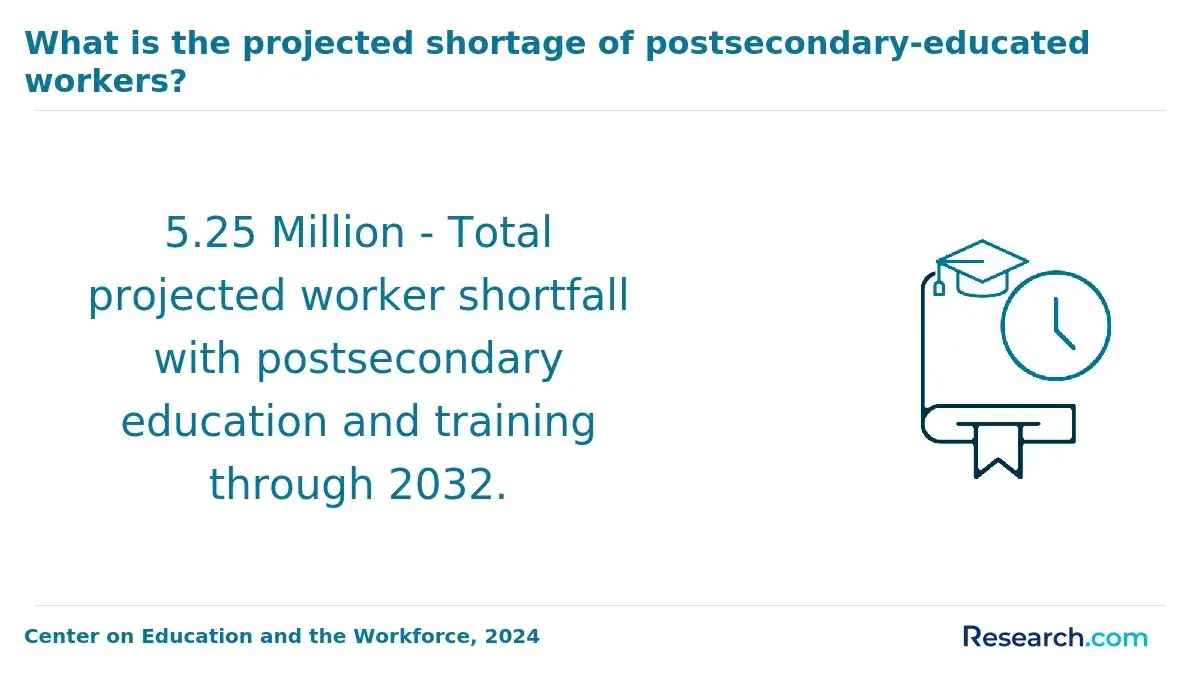
Comparing tuition expenses with the salary trajectory of substance abuse counseling professionals offers a more nuanced view of financial return than examining either independently. Recent 2024 data from the National Center for Education Statistics indicates that annual tuition for relevant bachelor's programs ranges from approximately $10,000 at public institutions to over $35,000 at private schools, totaling between $40,000 and $140,000 across four years. Meanwhile, early-career salaries start near $41,000 annually, rising modestly to $55,000-$60,000 by mid-career according to the U.S. Bureau of Labor Statistics. This divergence means that while tuition costs have surged beyond inflation rates, wage growth in this field has been comparatively stagnant, creating a financial gap that students and graduates must carefully consider.
For example, a student attending a private university incurring $140,000 in tuition may find it challenging to repay loans within a reasonable timeframe on a $41,000 starting salary, especially without extensive financial aid or employer tuition reimbursement. Conversely, a student attending an in-state public university with $40,000 in tuition fees may experience less pressure to break even but still faces limited salary growth relative to the education investment. Various factors, including geographic location, program quality, financial aid availability, and local demand for counseling services, critically influence how tuition compares to salary potential, underscoring the importance of individualized financial planning in this career path.
One recent graduate recalls hesitating before enrolling at a private institution due to the steep tuition, ultimately committing after securing a partial scholarship and part-time job. Despite the relief these supports provided, they noticed early on that their $42,000 starting salary barely covered living expenses alongside loan payments. This graduate frequently reassessed career options, weighing the meaningful work in addiction counseling against financial strain, and advises others to thoroughly evaluate both tuition-related debt and realistic salary progression before making decisions. Their experience illustrates that while the profession is fulfilling, the financial tradeoffs demand strategic foresight and ongoing adjustment after graduation.
Does a Substance Abuse Counseling Degree Deliver a Positive Return on Investment?
Return on investment in higher education, particularly for substance abuse counseling degrees, hinges on weighing the upfront costs against long-term career earnings and professional development opportunities rather than initial salary alone. For example, a recent graduate who incurs significant tuition debt but starts with a median annual wage near $50,000-as reported by the U.S. Bureau of Labor Statistics in 2024-may find the short-term financial outlook challenging. However, given the projected 12% employment growth in this field over the next decade and the potential for wage increases through certification and experience, the longer view can shift toward a positive return, especially when factoring in job stability and benefits often associated with these roles.
Several critical factors influence whether this degree pays off financially. Tuition inflation has outpaced general inflation rates, making initial costs steeper and debt burdens heavier for many students. Yet, data from agencies like the National Center for Education Statistics suggests that individuals who pursue ongoing education and specialization can see salary boosts of 10% to 15% within five years. These realities highlight why strategic career planning is essential; entry-level wages might not offset debt promptly in lower-paying regions, but targeted advancement and professional growth can improve financial outcomes over time. Ultimately, return on investment varies widely depending on location, institutional costs, and the graduate's ability to leverage their degree amid evolving labor market conditions.
Which Industries Offer the Highest Salaries for Substance Abuse Counseling Graduates?
Salary prospects for graduates with a degree in substance abuse counseling vary widely across industries, influenced by factors such as client complexity, funding sources, and organizational priorities. The latest data from the U.S. Bureau of Labor Statistics and 2024 industry salary surveys confirm that specialized settings and roles connected to healthcare, government, and corporate programs tend to offer the highest pay. Understanding these financial patterns helps students and recent graduates assess the economic value of their education in relation to evolving job markets and living costs. Below is a focused analysis of the top paying industries for substance abuse counseling graduates, highlighting where the strongest earning potential typically exists.
- Healthcare Settings: Hospitals and residential treatment facilities rank among the highest-paying employers due to the need for integrated care coordination and intensive treatment approaches. Counselors working in these settings often manage complex cases requiring advanced clinical skills, justifying the premium compensation.
- Federal Government: Federal roles, especially those supporting veterans and specialized populations, provide competitive salaries combined with benefits and relative job stability. These positions often require security clearances and specialized expertise, adding to their market value.
- Private Mental Health Practices: Outpatient clinics and private practices offer attractive pay where ongoing therapy and customized rehabilitation plans foster client retention and enhanced revenue. Success here is tied to counselors' clinical credentials and business acumen.
- Corporate Wellness Programs: Employee assistance and workplace wellness initiatives increasingly engage substance abuse counselors to address substance use and mental health, reflecting growing corporate investment in employee wellbeing. Salaries in these programs tend to surpass those in general social services.
- State and Local Government: While generally offering lower salaries than federal jobs, these roles still provide solid compensation and often entail community-focused work with diverse populations, requiring adaptability and cultural competence.
For example, a graduate choosing between a hospital position and a community-based social service agency might weigh not just salary but also the opportunity to develop specialized clinical skills and work within multidisciplinary teams in a hospital setting, which can enhance long-term earning potential and career versatility. Recognizing which sectors lead the industry salary comparison for substance abuse counseling graduates empowers informed decision-making. Prospective students may also explore related healthcare educational pathways such as ultrasound tech programs to understand adjacent fields expanding in demand and compensation outlooks.
Which States and Cities Offer the Highest Pay for Substance Abuse Counseling Professionals?
Geographic location plays a crucial role in shaping the earnings landscape for substance abuse counseling professionals. While top salaries might initially appear lucrative, understanding the broader economic context is vital. High wages in certain states often correlate with elevated living expenses and educational costs, which can erode net financial gains over time. Prospective students and recent graduates should weigh these factors carefully, balancing salary potential against affordability and long-term sustainability.
Below are key states and metropolitan areas noted for offering some of the highest pay rates in this field, along with important considerations for each.
- California: Cities like San Francisco and Los Angeles lead the nation with average annual wages frequently exceeding $60,000. High demand driven by comprehensive healthcare systems and expansive social services boosts compensation, but the state's steep cost of living and rising educational expenses can significantly reduce surplus income.
- Massachusetts: Boston's substance abuse counselors benefit from strong funding in both public health and private sectors. Though salaries are attractive, tuition and housing costs remain well above national averages, requiring careful budgeting by those entering the profession.
- New York: Metropolitan areas, especially New York City, offer elevated pay aligned with complex urban healthcare markets. However, these gains come with high rent and living costs, as well as competitive certification standards that may increase upfront education expenses.
- Alaska: Anchorage and other cities pay premium wages partly to offset geographic isolation and shortages of qualified professionals. While income may appear high, the overall cost of living-including transportation and housing-can be prohibitive.
- Texas: With moderate salaries compared to coastal states, Texas provides a more balanced approach through affordable living and relatively lower tuition fees. This tradeoff may benefit those seeking long-term financial stability despite smaller gross earnings.
- Florida: Offering a similar middle ground, Florida's growing healthcare demand supports steady wage growth without the high expenses seen in top-paying states. Candidates can benefit from reduced educational debt burdens and manageable living costs.
How Do Substance Abuse Counseling Salaries Grow Throughout a Career?
Starting salaries for substance abuse counselors typically range between $38,000 and $45,000 annually, dependent on location and education level, according to 2024 data from the U.S. Bureau of Labor Statistics. As counselors accumulate experience, modest but steady salary increases are common, with mid-career professionals often earning between $50,000 and $60,000 within five to ten years. This growth is closely tied to factors such as earning certifications in specialized areas like trauma-informed care, pursuing advanced education, and expanding clinical or supervisory duties. However, wage growth can slow considerably at senior levels, with many seasoned professionals reaching a salary plateau of $60,000 to $75,000, particularly in the public sector, reflecting varying regional demands and organizational structures.
For example, two graduates with identical substance abuse counseling degrees might diverge significantly in salary trajectories if one pursues additional credentials and managerial roles while the other remains in entry-level clinical positions. The former may progress to the upper salary range within a decade, benefiting from both specialization and leadership responsibilities, whereas the latter might experience only limited raises aligned with standard cost-of-living adjustments. Long-term earnings are most influenced by acquired certifications, geographic location, sector of employment, and advanced degrees, with private practices and nonprofit organizations often offering higher pay than government roles. These dynamics underscore a need for careful career planning given the modest pace of salary growth relative to increasing educational expenses and inflation.
One graduate shared how early hesitation about additional certifications gave way to urgency after realizing the limited upward mobility in her initial role. With encouragement from a mentor, she earned specialized credentials in dual diagnosis and shifted into a supervisory position, leading to a 30% salary increase within three years. This experience highlighted the tangible impact of targeted professional development on earning potential, contrasting sharply with colleagues who had remained in general counseling without further specialization or leadership responsibilities.
How Do Substance Abuse Counseling Salaries Compare With Similar Degrees?
Substance abuse counseling salaries generally trail those of closely related fields, reflecting differences in educational requirements, licensure, and work environments. While median annual wages near $49,000 according to the U.S. Bureau of Labor Statistics, comparable professions like social work and family therapy typically earn more. These disparities influence the real-world return on investment for students weighing degree options amid rising tuition and inflation. Understanding these distinctions is crucial for evaluating whether the long-term earning potential justifies the educational costs. Below is a comparison highlighting key related degrees and associated salary factors.
- Social Work: Social workers earn a median salary around $59,000, often requiring at least a bachelor's degree and sometimes a master's. They work in diverse settings, including schools, hospitals, and government agencies, where licensure and advanced credentials lead to higher pay, accounting for their income premium over substance abuse counseling salary compared to related degrees.
- Marriage and Family Therapy: Median incomes for marriage and family therapists hover near $52,000. These professionals rely heavily on master's degrees and clinical licensure, which often open doors to private practice or specialized roles with better remuneration than typical substance abuse counseling positions.
- Behavioral Health Counselors: This group often overlaps with substance abuse counselors but can include broader mental health roles. Their median salary aligns closely with substance abuse counselors, although those working in hospital or government settings may see higher wages due to advanced training and institutional pay scales.
- Registered Nursing (RN) Pathways: While distinct from counseling, an RN can pursue healthcare roles with increasing earning potential. Accelerated options such as an RN to BSN in 6 months can significantly improve salary prospects compared to counseling degrees, offering a faster route to roles in high-demand clinical settings.
Balancing these outcomes against education costs and job placement trends helps prospective students gauge the practical value of a substance abuse counseling degree versus allied social work fields.
How Is Employer Demand Affecting Substance Abuse Counseling Salary Trends?
Employer demand significantly shapes the salary trends for substance abuse counseling professionals by influencing how competitive the hiring market becomes. When employers face shortages of qualified counselors, they tend to increase hiring activity and may offer higher compensation to attract skilled candidates. For example, a regional clinic experiencing a surge in opioid-related cases might raise wages or provide signing bonuses to secure experienced counselors, reflecting the real-world impact of employer demand on pay. However, salary growth also depends on factors such as experience, specialization, and institutional budgets, which can moderate wage increases even in high-demand areas.
The substance abuse counseling job market salary trends show that while demand is projected to grow 16% from 2022 to 2032 according to the U.S. Bureau of Labor Statistics, wage growth remains modest, typically around 2-3% annually on a national level. This indicates strong demand alone does not guarantee rapid salary increases, especially when economic conditions and rising tuition costs compress real earnings. Additionally, local market conditions and employer demand impact salaries differently, meaning candidates must consider geographic and sector-specific variables when evaluating their potential return on investment.
Increasing public awareness of mental health, the opioid epidemic, and expanded insurance coverage are major drivers behind employer demand in this field. Prospective students and graduates should carefully assess these factors alongside education costs and career goals. For those exploring educational pathways, understanding the nuances among types of therapy degrees may also inform their decisions in this evolving landscape.
How Can Students Maximize Their Lifetime Earnings With a Substance Abuse Counseling Degree?
Maximizing lifetime earnings with a substance abuse counseling degree requires strategic decisions beyond obtaining the credential. Recent 2024 data from the U.S. Bureau of Labor Statistics and the National Institute on Drug Abuse highlight that specialization, credentials, and location heavily influence salary growth. For instance, counselors in metropolitan areas with advanced certifications can significantly outpace peers in rural settings. The following strategies prioritize practical actions grounded in current labor market realities.
- Advanced Certification: Credentials such as Licensed Alcohol and Drug Counselor (LADC) or Certified Addiction Specialist increase access to higher-paid roles in hospitals and private practices. Pursuing these during or immediately after your degree adds measurable value to your skill set.
- Geographic Targeting: Working in states with higher living costs-like California or New York-typically correlates with better compensation. Students should consider internships or job placements in these regions to improve earning potential.
- Integrated Treatment Expertise: Combining substance abuse counseling with mental health skills meets growing demand and taps into increased behavioral health funding, supporting salary growth and job stability.
- Continuous Education: Earning a master's degree or specialized training enhances eligibility for leadership roles in clinical management, which often come with salary premiums over time.
- Professional Networking: Internships and memberships in organizations improve access to lucrative positions through connections and industry insight.
- Embracing Evidence-Based Practices: Counselors skilled in multidisciplinary, research-backed approaches command higher wages and promotion prospects, according to Substance Abuse and Mental Health Services Administration findings.
References
- Substance Abuse Counselor Careers and Salary Earning Potential https://addiction-counselor.org/careers-salary/
- Substance Abuse Counselor Salary and Potential Careers | Bradley University Online https://onlinedegrees.bradley.edu/blog/substance-abuse-counselor-salary-potential-careers
- How Much Can You Make as an Addiction Counselor? https://www.hazeldenbettyford.org/graduate-school-addiction-studies/drug-alcohol-counselor-salary
- Addiction Counselor Salary & Job Facts https://sobercollege.com/addiction-blog/addiction-counselor-salary-job-facts/
- What Do Substance Abuse & Addictions Counselors Do? https://www.psychology.org/careers/substance-abuse-addiction-counseling/
- 6 Reasons to Become a Substance Abuse Counselor https://www.baypath.edu/academics/undergraduate-programs/undergraduate-online-programs/6-reasons-to-become-a-substance-abuse-counselor/
- Addictions Training Institute – Salary Info https://addictionstraininginstitute.com/salary-potential/
- NDTMS - National Drug Treatment Monitoring System https://www.ndtms.net/VFM
- Nine Best States for a Career In Substance Use Counseling https://www.onlineu.com/magazine/best-states-for-a-career-in-substance-use-counseling
- - Urban Recovery https://www.urbanrecovery.com/blog/how-much-does-an-addiction-counselor-make
Other Things You Should Know About Substance Abuse Counseling
Not all substance abuse counseling programs deliver equal training or clinical experience, which significantly affects starting salaries and career growth. Graduates from programs with strong practicum components and recognized certifications tend to attract employers willing to offer higher wages. Prospective students should prioritize programs with robust employer networks and state licensure alignment to improve their initial earning potential.
Yes, additional certifications can be crucial as base salaries often reflect only minimal credentials. Earning specialized credentials in areas like trauma-informed care or adolescent addiction can distinguish candidates and justify higher pay. Given stagnant wage growth in many regions, investing time and resources into certifications may yield better financial outcomes than relying solely on a degree.
With tuition escalating more rapidly than average salary increases, students and career changers face a real tradeoff between education cost and income potential. Those lacking financial support or willing to delay earning might find debt burdens increasingly difficult to manage. Careful calculation of total education expenses relative to the regional market wage for entry-level roles is essential before committing.
The field often demands long hours and emotional labor, which are not fully reflected in wage levels. When wages stagnate but caseloads or administrative duties grow, the effective hourly pay decreases, impacting job satisfaction and retention. Prioritizing positions with balanced workloads or employers known for reasonable caseload expectations can protect long-term career sustainability despite salary constraints.