2027 Substance Abuse Counseling Degree Oversupply or Undersupply? Student Volume vs Employer Demand

Co-Founder and Chief Data Scientist
Choosing to pursue a substance abuse counseling degree now demands careful evaluation of how graduate output matches employer demand across regions. In 2024, U. S. Bureau of Labor Statistics data indicates substance abuse and behavioral disorder counselors will see only 6% job growth through 2032, slower than many other health professions. Meanwhile, some regions report annual graduations exceeding local job openings by 20-30%. This imbalance risks saturated job markets, increased competition, and underemployment for new counselors. Additionally, employers increasingly prioritize advanced certifications and specialized skills, complicating entry-level hiring prospects. This article examines student volume against employer demand, job growth, regional trends, and skill gaps to clarify this field's sustainable career potential.
Key Things to Know About Substance Abuse Counseling Graduate Supply and Employer Demand
- Recent data shows a 15% increase in substance abuse counseling graduates outpacing a 7% rise in related job openings, indicating heightened entry-level competition and potential credential inflation in saturated markets.
- Employers report growing demand for counselors with specialization in adolescent and dual-diagnosis cases, highlighting a mismatch where broad generalist degrees limit job prospects despite overall graduate volume.
- Geographic concentration of graduates in urban centers contrasts with rural workforce shortages, creating uneven access that suggests timing and relocation costs critically affect employment feasibility for many graduates.
- Key Things to Know About Substance Abuse Counseling Graduate Supply and Employer Demand Key Things to Know About Substance Abuse Counseling Graduate Supply and Employer Demand
- Is There an Oversupply or Undersupply of Substance Abuse Counseling Graduates? Graduate Oversupply or Shortage
- How is Substance Abuse Counseling Degree Enrollment Changing? Degree Enrollment Trends
- How Many Substance Abuse Counseling Graduates Enter the Workforce Each Year? Annual Graduate Workforce Entry
- Does Job Growth Support the Rising Supply of Substance Abuse Counseling Graduates? Job Growth Versus Supply
- How Competitive is the Entry-Level Market for Substance Abuse Counseling Graduates? Entry-Level Market Competition
- Which Industries Have the Greatest Demand for Substance Abuse Counseling Graduates? Top Hiring Industries
- Where are Substance Abuse Counseling Graduates Most in Demand? Top Geographic Demand
- Which Substance Abuse Counseling Specializations and Degree Levels Face the Strongest Demand? Which Substance Abuse Counseling Specializations and Degree Levels Face the Strongest Demand?
- Are Employer Skill Gaps Affecting Demand for Substance Abuse Counseling Graduates? Are Employer Skill Gaps Affecting Demand for Substance Abuse Counseling Graduates?
- What is the Future Supply-and-Demand Outlook for Substance Abuse Counseling Graduates? Future Supply-Demand Outlook
Is There an Oversupply or Undersupply of Substance Abuse Counseling Graduates?
The dynamic between student volume and job openings also depends on credential mismatches and evolving employer expectations. While bachelor's degree completions in counseling-related fields are growing, many advanced counseling roles require experience or graduate-level education, compressing entry-level hiring opportunities and increasing competition among new graduates. As a result, an apparent oversupply in basic credential holders does not translate to easy placement in preferred settings like healthcare systems or correctional facilities, which prioritize specific skill sets and professional licensure. Prospective students evaluating their options should weigh these nuances carefully, balancing enrollment decisions against job market realities and considering alternatives such as a 4 week online course for medical coding and billing cost as part of a broader workforce strategy.
How is Substance Abuse Counseling Degree Enrollment Changing?
Enrollment in substance abuse counseling degree programs is shifting unevenly, with growth concentrated in associate and bachelor's level offerings, while master's level participation stagnates or declines. This redistribution signals a complex dynamic where increased graduate supply may heighten competition in saturated urban and well-served regions, yet certain areas grappling with opioid and related crises still demonstrate unmet demand for qualified counselors. The rise of online and hybrid programs-comprising roughly 40% of new enrollments in 2024 according to national education data-broadens access but raises questions about consistent clinical training quality, which remains a critical factor in employer hiring decisions and professional readiness.
The demographic diversification of students, including more minority and older learners shifting careers, further complicates supply patterns by introducing diverse needs and expectations that programs must address to maintain workforce relevance. Employers increasingly seek candidates with interdisciplinary skills or advanced clinical credentials, which partially explains waning master's enrollment despite rising bachelor's interest. Regional labor market variations mean national supply figures are unreliable on their own for predicting local job prospects; areas with limited employer demand risk an oversupply scenario, whereas others facing public health crises may experience stronger alignment between graduate output and vacancy growth.
A current student recounts that the program initially saw steady cohort sizes, but recent semesters brought larger, more varied groups due to the introduction of enhanced online options attracting working adults and out-of-state enrollees. While this growth seemed promising at first, some classmates express uncertainty about whether increased enrollment signals more career opportunities or simply intensifies competition. The student notes that faculty discussions emphasize balancing quality instruction with expanded access, reflecting broader concerns about how these enrollment shifts translate into realistic employment outcomes post-graduation.
How Many Substance Abuse Counseling Graduates Enter the Workforce Each Year?
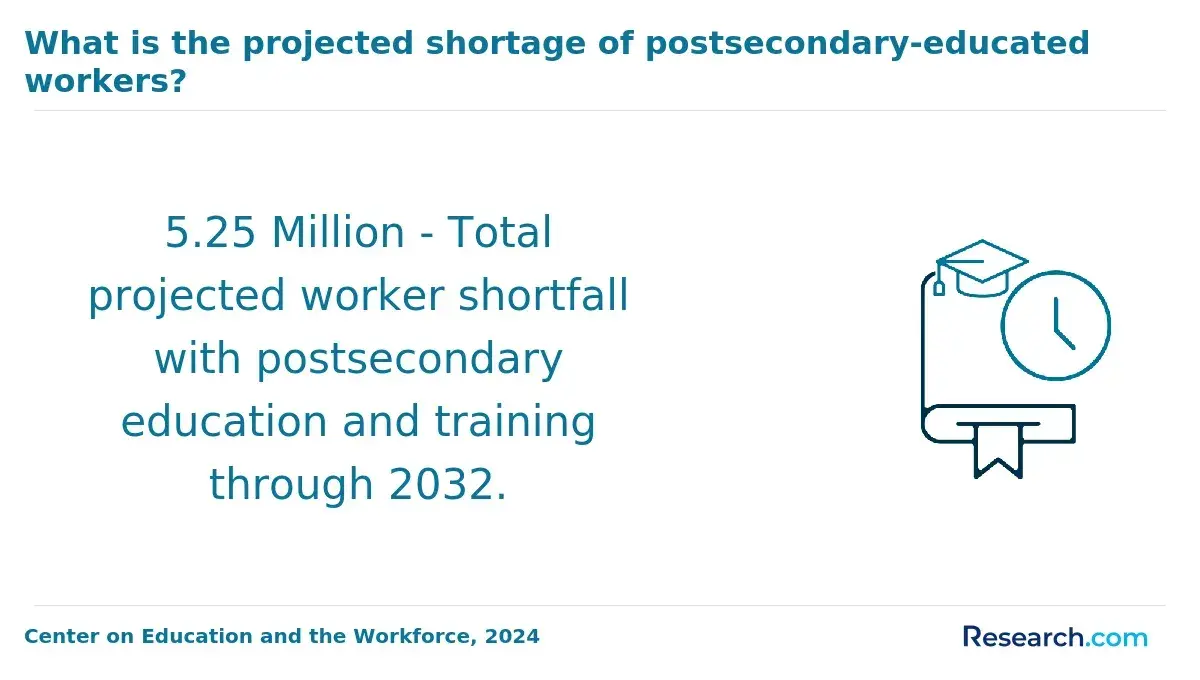
Evaluating whether the supply of substance abuse counseling graduates meets employer demand cannot rely solely on annual graduation numbers, as many variables influence workforce entry and role alignment. Data from sources like NCES and IPEDS show roughly 7,000 to 9,000 relevant associate's and bachelor's graduates emerge yearly, but a significant portion delay entering clinical roles due to pursuing advanced credentials or certification requirements. Consequently, only about 60% to 70% of these graduates secure employment directly related to substance abuse counseling within one to two years, reflecting a more nuanced flow from education to employment than raw degree completions suggest.
Regional demand disparities and employer expectations further complicate workforce dynamics, with urban centers typically absorbing new professionals more rapidly than rural areas despite demonstrated need. Employers also emphasize state licensure and hands-on experience, such as internships, as prerequisites, meaning that graduates without these credentials face stiffer competition even if job openings exist. Overestimating supply based on graduate volume alone risks underappreciating localized shortages or the barriers graduates face transitioning into counseling roles, underscoring the importance of credentialing planning and strategic workforce development to effectively address the evolving needs of this sector.
Does Job Growth Support the Rising Supply of Substance Abuse Counseling Graduates?
The rising number of substance abuse counseling graduates is outpacing immediate job openings, challenging the assumption that strong occupational growth straightforwardly translates to ample employment opportunities. While the U.S. Bureau of Labor Statistics projects an 11% increase in jobs from 2022 to 2032, many of these openings reflect replacement demand rather than new positions, requiring candidates to meet higher thresholds such as licensure, specialized training, or substantial supervised hours. For instance, a recent graduate entering a metropolitan area with a high concentration of credentialed professionals may face stiff competition and underemployment risk if lacking advanced qualifications or practical experience, despite overall positive growth trends in the field.
Regional demand for substance abuse counseling graduates varies considerably, with urban centers and states investing in public health infrastructure often presenting more consistent job openings compared to rural or underserved areas. Employer expectations increasingly emphasize skills beyond degree completion, meaning that volume growth in graduates-especially from accelerated or entry-level programs-does not uniformly translate to accessible entry points. Prospective students should critically evaluate these dynamics and consider programs like those listed among the best accelerated programs for pathways combining expediency with industry-relevant competencies to navigate this competitive environment effectively.
How Competitive is the Entry-Level Market for Substance Abuse Counseling Graduates?
The entry-level job market for substance abuse counseling graduates in 2024 reveals a patchwork of regional and sector-specific factors affecting competition. While overall job growth is projected near 9% over the next decade according to U.S. Bureau of Labor Statistics data, this expansion does not uniformly translate into abundant openings for new graduates. Increasing numbers of graduates and employer demands for pre-licensure experience create a bottleneck, leaving many candidates to navigate a complex landscape of opportunity, underemployment, and necessary credentialing delays. Graduates often face tight applicant pools, especially in high-demand states. Key considerations shaping this competitive environment include:
- Applicant Volume: Many markets show applicant-to-position ratios between 4:1 and 7:1, indicating strong candidate competition. Graduates must assess local demand and weigh whether oversupply may hinder timely employment.
- Experience Requirements: Employers frequently prefer candidates with documented internships, clinical hours, or volunteer work, raising entry barriers even for recent degree holders. Practical exposure is often a hiring prerequisite.
- Industry and Regional Demand: Demand concentrates in community health centers, correctional facilities, and addiction treatment programs, with urban and suburban settings typically more favorable. Rural areas may offer fewer opportunities but less competition.
- Licensure and Certification Timing: Hiring often hinges on readiness for required credentials beyond the degree, delaying full employment for candidates still completing these steps.
- Underemployment Trends: Some graduates accept roles outside counseling or in lower-wage social services as temporary measures, signaling a misalignment between graduate skills and immediate market needs.
- Specialization and Skill Demonstration: Candidates who cultivate focused expertise or supplementary skills (e.g., trauma-informed care) may improve their hiring prospects within niche sectors.
- Market Caution: Employers appear to expand entry-level roles cautiously, reflecting broader fiscal constraints rather than an absence of need, requiring graduates to persist amidst steady yet selective hiring.
A recent graduate from a northeastern state reports encountering stacked applicant pools and consistent requests for 300+ clinical practice hours before consideration, despite holding a master's degree. Disheartened by multiple interview rejections, they redirected efforts toward suburban community treatment centers where demand and competition were comparatively lower. This strategic shift included pursuing additional volunteer experience to bolster practical credentials. While progress was slower than anticipated, the graduate finds cautious optimism in refining focus on less saturated locales and building specialization competencies, underscoring the multifaceted nature of competitiveness in today's substance abuse counseling landscape.
Which Industries Have the Greatest Demand for Substance Abuse Counseling Graduates?
Demand for substance abuse counseling graduates is notably concentrated in sectors where public health priorities and social supports intersect with government funding streams. These industries reflect the evolving recognition of addiction as a multifaceted social and medical issue requiring integrated care models. Graduates evaluating the regional job market for substance abuse counseling graduates must consider not only job volume but also competition, credentialing requirements, and advancement trajectories varying significantly by sector. For instance, while healthcare settings offer the bulk of openings with roles from entry-level counseling to clinical coordination, correctional institutions may have fewer positions but often require additional certifications and specialized training. Below is a concise summary of industries driving the strongest employment demand for substance abuse counseling graduates.
- Healthcare and Social Assistance: This sector dominates job openings, especially in residential and outpatient treatment centers plus community mental health agencies. Employers seek candidates knowledgeable in crisis intervention and care coordination with a strong preference for clinical licensure and evidence-based treatment experience.
- Law Enforcement and Corrections: Increasing integration of addiction support within rehabilitation programs drives sustained demand. Positions often require competitive entry standards and further certifications beyond a degree, favoring candidates prepared for complex inmate and reentry populations.
- Educational Institutions: Although hiring volumes are smaller, schools and universities offer roles in prevention and early intervention via student wellness programs. These positions emphasize culturally competent counseling and multidisciplinary collaboration.
- Employer-Based Assistance Programs: Large employers maintain substance abuse counseling through employee assistance initiatives. Demand tends to fluctuate with economic cycles, affecting job stability and growth potential.
- Nonprofit Addiction Recovery: Organizations rely on grant funding to sustain roles focused on prevention and recovery support. Budget limitations often restrict job security and upward mobility, necessitating flexibility and grant-writing skills among counselors.
For graduates gauging opportunities, pursuing additional credentials and practical experience enhances employability across these sectors. Practical insights drawn from labor-market data suggest prioritizing sectors aligned with local funding climates and institutional support networks. Aspiring professionals might also explore pathways such as an MA to LPN bridge program as complementary options within healthcare that broaden clinical competencies and versatility.
Where are Substance Abuse Counseling Graduates Most in Demand?
National employment data for substance abuse counseling often masks significant regional disparities that critically shape graduate job prospects. For example, California and New York present strong employer demand driven by dense networks of hospitals, rehabilitation centers, and public health agencies, yet these markets also feature elevated living costs and pronounced competition due to large graduate output. A candidate relocating to these hubs may find more openings but must weigh tighter applicant pools and credential expectations, alongside the cost-of-living tradeoffs, compared to smaller or less saturated markets.
In contrast, many Midwestern and Southern states showcase a surplus of substance abuse counseling graduates relative to local job availability, leading to constrained hiring even though program completion rates remain steady. Urban centers typically concentrate behavioral health funding and treatment capacity, which fuels ongoing workforce shortages, while more rural or economically constrained areas often have limited program growth and fewer employer partner connections, reducing role accessibility. Graduates evaluating employment should consider not just absolute job numbers but also employer density, regional funding priorities, and specialization demand to identify realistic placement opportunities rather than relying on generalized, high-level job counts.
The practical value of pursuing opportunities in high-demand states is further influenced by factors such as remote work options-still limited in many treatment settings-and specialization fit within public sector versus outpatient or residential care environments. According to 2024 U.S. Bureau of Labor Statistics data and analyses by labor market researchers, targeted relocation to active markets with strong behavioral health infrastructures improves employment likelihood, but graduates must assess how supply pipelines and local credential standards interact with living expenses and career goals. Awareness of these nuanced labor market conditions is essential for aligning substance abuse counseling education with viable and sustainable workforce entry.
Which Substance Abuse Counseling Specializations and Degree Levels Face the Strongest Demand?
Employer demand for substance abuse counseling professionals is distinctly uneven, favoring certain specializations and advanced credentials over general or entry-level qualifications. Labor data from the U.S. Bureau of Labor Statistics and recent workforce analyses illustrate that positions requiring graduate degrees and clinical licensure are prioritized, especially in integrated behavioral health settings. For example, a master's graduate with Licensed Clinical Addiction Specialist eligibility often encounters more abundant job openings and higher wages compared to a bachelor's degree holder competing primarily for support or case management roles. This reflects a practical reality: many employers seek candidates capable of navigating complex clinical environments rather than filling generic counseling slots. Below are key specialization and degree-level factors shaping hiring trends.
- Clinical Licensure Pathways: Jobs demanding licensed clinical substance abuse counselors dominate hiring, driven by regulatory requirements and the need for evidence-based treatment delivery in healthcare and rehabilitation centers.
- Co-occurring Disorders Specialists: Professionals trained in managing both mental health and substance use disorders are increasingly valued, addressing integrated care demands prevalent in public health and clinical agencies.
- Trauma-Informed Care Experts: Experience with trauma-informed approaches and evidence-based therapies like CBT and motivational interviewing enhances candidate appeal, reflecting heightened employer focus on nuanced behavioral interventions.
- Graduate-Level Credential Holders: Counselors with master's degrees consistently see above-average job growth projections, as organizations require advanced clinical knowledge and licensure eligibility to meet evolving service and compliance standards.
- Bachelor's Degree Graduates: These candidates generally face saturated markets with limited openings primarily in entry-level or administrative support roles, often lacking licensure paths and thus constrained in upward mobility.
- Associate Degree Holders: Opportunities exist mostly in community-based prevention or outreach programs, albeit with lower earning potential and fewer advancement prospects compared to higher-degree holders.
Are Employer Skill Gaps Affecting Demand for Substance Abuse Counseling Graduates?
Labor market data reveal that the challenge in filling substance abuse counseling roles stems less from an absolute shortage of graduates and more from employer skill gaps in substance abuse counseling graduates. Employers consistently emphasize the need for candidates who combine formal credentials with applied clinical experience, technological fluency-especially with telehealth platforms-and strong interdisciplinary communication skills. For example, a hiring manager might receive many applications but prefer a candidate with verified supervised practice hours and proficiency in digital treatment tools, leaving others unplaced despite high graduate volumes. Misinterpreting this as an oversupply risks overlooking the value of targeted skill development and specialized certifications that differentiate candidates in competitive labor markets.
This credentials and skills mismatch in substance abuse counseling employment contributes to a moderate difficulty in filling these roles, as reported by LinkedIn's 2024 hard-to-fill roles analysis. Job seekers entering the field must therefore navigate competitive pressures by acquiring niche competencies and experience aligned with evolving employer demands. The disparity influences not only hiring competition at the entry level but also regional and sector-specific workforce dynamics, where candidates demonstrating adaptability and evidence-based treatment knowledge gain a hiring advantage. Understanding these tradeoffs is essential for students selecting programs and for educators designing curricula, as integrating practical internships and relevant projects significantly enhances graduate marketability.
Given these dynamics, prospective students should carefully evaluate degree pathways and consider supplementing formal education with applied training that addresses real-world expectations. Those exploring alternatives might also review accelerated pharmacist programs, which offer a contrasting example of credential-focused education aligned with specific technical scopes. More broadly, aligning one's education with employer priorities through targeted skill-building remains critical to mitigating the disconnect between graduate supply and true employer demand in substance abuse counseling.
What is the Future Supply-and-Demand Outlook for Substance Abuse Counseling Graduates?
Graduates in substance abuse counseling improve job search outcomes most effectively by adopting targeted strategies rather than broad, high-volume applications. Identifying specific entry-level job titles, prioritizing regions and employer types where demand exceeds supply-often rural or underserved areas-and tailoring resumes to incorporate employer language and required credentials enhance relevance and interview potential. For example, a graduate focusing exclusively on urban centers with intense competition may face repeated rejections, whereas strategically applying to community-based programs or telehealth services that value cultural competence and flexibility can lead to more promising opportunities. This deliberate approach reflects the nuanced future supply and demand trends for substance abuse counseling graduates.
Allocating effort toward roles that closely match qualifications, supported by evidence such as relevant practicums or experience, typically increases employer engagement more than unspecific mass applications. Graduates should also research timing and hiring cycles, understanding that some employers prioritize candidates with advanced certifications or demonstrated job readiness. Incorporating insights from the regional job market outlook for substance abuse counseling professionals-especially awareness of geographic imbalances-further refines this approach. Students evaluating their educational pathways might also benefit from reviewing easiest counseling degree programs to better align program choices with realistic labor market conditions.
References
- Shortage Of Addiction Counselors Further Strained By Opioid Epidemic https://www.npr.org/sections/health-shots/2016/02/24/467143265/shortage-of-addiction-counselors-further-strained-by-opioid-epidemic
- A Guide to Professions in Addiction Studies and Recovery https://www.ucumberlands.edu/blog/guide-to-professions-in-addiction-studies-and-recovery
- How to Become a Substance Abuse Counselor | Hazelden Betty Ford https://www.hazeldenbettyford.org/graduate-school-addiction-studies/how-to-become-a-substance-abuse-counselor
- Addiction Counselors | Mental Health Counselors |Substance Abuse Counselors - Industry Growth https://www.addictionacademy.com/careers-addiction/addiction-counselor-job-growth/
- Degrees for Mental Health and Addiction Professionals https://www.drugrehab.com/guides/addiction-professional-degrees-careers/
- Specialized Practice Areas - CACREP https://www.cacrep.org/specialized-practice-areas/
- 7 Things to Know Before You Pursue Your Addiction Counselor Certification - New Creation College https://newcreationcollege.org/7-things-know-pursue-addiction-counselor-certification/
- What is the Job Outlook for SUD Counselors and Peer Support Specialists in California? https://www.ttccollege.org/what-is-the-job-outlook-for-sud-counselors-and-peer-support-specialists-in-california/
- Substance Abuse Counselor Careers and Salary Earning Potential https://addiction-counselor.org/careers-salary/
- Help People Recover with a Substance Abuse Counselor Degree https://www.tuw.edu/psychology/substance-abuse-counselor-degree-help-people/
Other Things You Should Know About Substance Abuse Counseling
Programs with extensive practicum or internship components often provide more hands-on skills sought by employers but require greater time and financial investment. Students must balance the depth of experiential training with their urgency to enter the workforce; longer programs may enhance employability but delay income generation. Considering local demand and networking opportunities during practicum placements can critically influence job prospects post-graduation.
Yes, the demand for graduates can fluctuate significantly by region due to differences in healthcare infrastructure and funding priorities. Students located in or willing to relocate to high-demand areas may find better job security and advancement prospects, whereas those in saturated or low-demand markets might face stiff competition and underemployment. This geographic factor should guide decisions around program selection and career planning, especially for those balancing relocation costs and personal circumstances.
While specialized credentials in areas like co-occurring disorders or adolescent counseling can differentiate candidates, they may limit flexibility in practice scope if too narrowly focused. Conversely, a generalist degree offers broader opportunities across different employer types but might struggle to stand out in competitive hiring pools. Prioritizing certifications aligned with regional employer needs or emerging trends can enhance immediate employability, making strategic specialization a practical consideration.
Beyond academic credentials, employers increasingly seek candidates with demonstrated soft skills, cultural competency, and familiarity with electronic health records. Degree holders should prioritize supplementing formal education with targeted skill-building in communication, ethics, and technology integration. Those who actively engage with local agencies or pursue continuing education aligned with employer standards generally have smoother transitions into employment and better long-term retention.