2027 Online vs Campus Substance Abuse Counseling Outcomes Report: Graduation Rates, Cost, and Career Trade-Offs

Co-Founder and Chief Data Scientist
Adult learners with prior credits often confront complex credit transfer policies when choosing between online and campus substance abuse counseling programs, risking extended time to graduation and unexpected costs. As of 2024, only 58% of institutions fully accept transfer credits for counseling-related degrees, a decline reflecting stricter program accreditation demands and growing employer scrutiny on practical competencies.
This trend forces students to retake courses, inflating tuition and delaying career entry. Meanwhile, graduation rates for campus programs remain moderately higher but may not accommodate work-life balance effectively. This article examines these graduation outcomes, evaluates total costs, and clarifies the career trade-offs inherent in selecting between online and campus substance abuse counseling programs.
Key Things to Know About Online vs Campus Substance Abuse Counseling Outcomes
- Online substance abuse counseling programs show approximately 12% lower graduation rates than campus programs, reflecting challenges in remote student engagement that can delay credential attainment.
- The typically lower total cost of online formats balances reduced on-campus fees but may incur hidden expenses like technology and licensing, influencing long-term financial planning for students.
- Campus-trained graduates benefit from greater employer networking access; however, increasing employer acceptance of accredited online credentials signals evolving workforce standards that affect hiring and career progression pathways.
- Key Things to Know About Online vs Campus Substance Abuse Counseling Outcomes Key Things to Know About Online vs Campus Substance Abuse Counseling Outcomes
- What Are the Biggest Differences Between Online and Campus Substance Abuse Counseling Program Outcomes? Online vs Campus Outcomes
- How Do Graduation Rates Compare Between Online and Campus Substance Abuse Counseling Programs? Comparing Graduation Rates
- Why Do Online and Campus Substance Abuse Counseling Students Have Different Completion Rates? Why Completion Rates Differ
- How Do Online and Campus Substance Abuse Counseling Programs Compare on Total Cost? Total Cost Comparison
- What Hidden Costs Should Students Expect in Online vs Campus Substance Abuse Counseling Programs? Hidden Program Costs
- How Does Financial Aid Affect the Cost of Online and Campus Substance Abuse Counseling Programs? Financial Aid Impact
- Do Online and Campus Substance Abuse Counseling Graduates Have Different Career Outcomes? Comparing Career Outcomes
- How Do Employers View Online vs Campus Substance Abuse Counseling Degrees? How Do Employers View Online vs Campus Substance Abuse Counseling Degrees?
- Which Substance Abuse Counseling Degree Format Offers Better Flexibility for Working Adults? Which Substance Abuse Counseling Degree Format Offers Better Flexibility for Working Adults?
- How Should Students Choose Between an Online and Campus Substance Abuse Counseling Program? Choosing Your Program Format
What Are the Biggest Differences Between Online and Campus Substance Abuse Counseling Program Outcomes?
Graduation rates reveal one of the clearest distinctions between online and campus substance abuse counseling program outcomes, with campus-based students typically completing their degrees at a rate around 65%, compared to approximately 50% for online learners, according to recent data from the National Center for Education Statistics. This gap often stems from the competing demands faced by online students, who frequently juggle full-time work or family responsibilities, leading to longer completion timelines and higher dropout risks.
For example, a working adult pursuing their substance abuse counseling credential online may encounter obstacles in securing consistent practicum hours, which not only delays graduation but can increase debt exposure through extended enrollment. In contrast, campus students benefit from structured access to faculty, peer networks, and supervised clinical placements that align tightly with licensure requirements, reinforcing persistence and completion efficiency.
Cost and career trade-offs also weigh heavily on program selection strategies within substance abuse counseling pathways. While online options advertise flexibility and potentially lower upfront tuition, the reality often involves higher total costs driven by technology needs, longer time to degree, and limited financial aid avenues linked to campus enrollment. Additionally, employer perceptions continue to favor campus credentials in certain regional or clinical settings, associating in-person training with stronger hands-on skills and readiness, although this bias is gradually evolving as online programs expand their synchronous clinical components.
Students aiming for immediate career mobility must balance the convenience of online schedules against the signaling value of campus experience and local networking, making it crucial to evaluate program rigor and internship quality over format alone. Those interested in alternative formats might also explore options like RN to BSN programs with no clinicals to understand flexibility within healthcare education pathways more broadly.
How Do Graduation Rates Compare Between Online and Campus Substance Abuse Counseling Programs?
Graduation rates for online and campus substance abuse counseling programs reflect more than just the mode of delivery; they also mirror the varied demands and profiles of students and institutional designs. According to the National Center for Education Statistics in 2024, campus programs see on-time graduation rates near 60-65% within a 150% timeframe, while online counterparts often register closer to 45-50%. This discrepancy stems largely from differences in enrollment patterns, as many online students juggle work and family responsibilities, leading to higher part-time attendance and extended completion periods. Additionally, campus programs typically benefit from structured cohort groups, immediate faculty access, and in-person advising that enhance student persistence-elements that vary widely or may be limited in online formats depending on the program's integration of virtual support.
Interpreting raw graduation data without considering these contextual factors can be misleading. For instance, online programs often enroll a higher share of transfer or nontraditional students who statistically face greater hurdles in maintaining momentum. Moreover, institutional reporting sometimes blends full- and part-time completion statistics, masking true format-specific outcomes. Hybrid models blending online coursework with periodic in-person sessions suggest a promising balance, leveraging flexibility while preserving more consistent engagement to boost retention. Practical implications are clear: students balancing clinical practicums, work schedules, and familial duties must critically assess whether the advising, cohort cohesion, and pacing structures offered align realistically with their capacity to stay on track without the built-in accountability often found in campus-based programs.
One graduate recalled researching both formats extensively before enrolling part-time in an online substance abuse counseling program while working full-time and parenting. She hesitated initially, unsure if the online environment would provide enough structure without the face-to-face contact she valued from college. The lack of a cohesive cohort and limited synchronous advising caused some frustration early on, but flexible pacing allowed her to manage clinical hour requirements around her schedule. Her experience underscored how vital program design and support access are-not just the label of "online" versus "campus"-in shaping completion prospects for learners balancing competing obligations.
Why Do Online and Campus Substance Abuse Counseling Students Have Different Completion Rates?
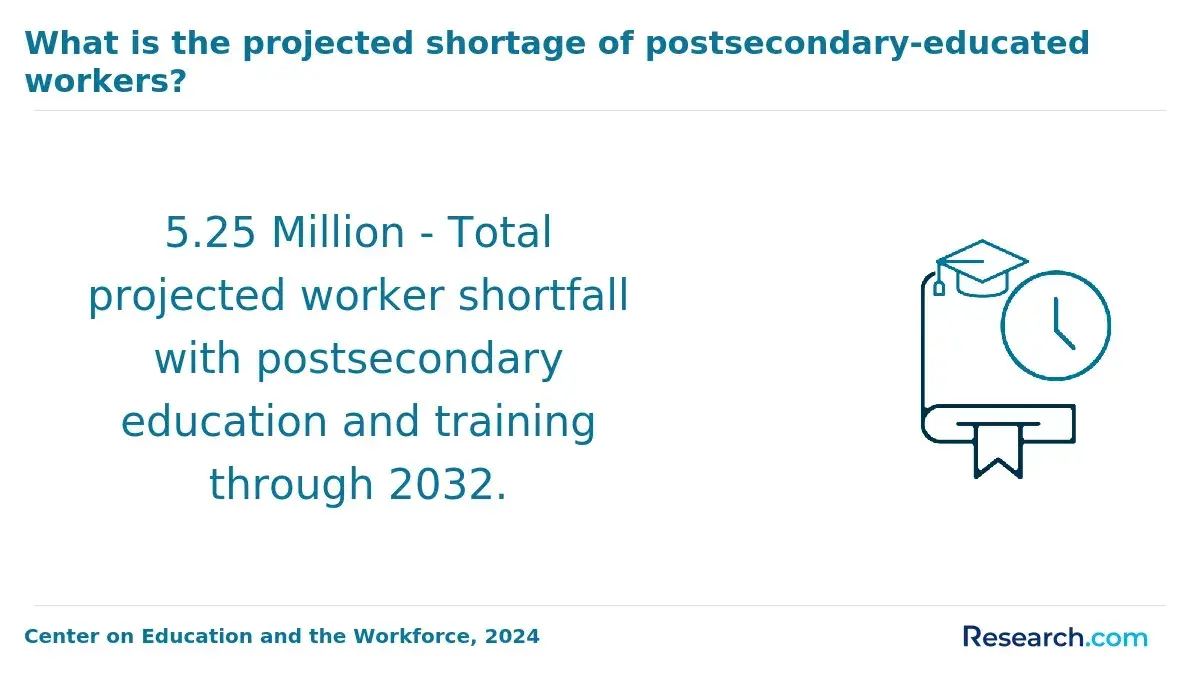
Completion differences between online and campus Substance Abuse Counseling students largely stem from varied enrollment patterns and support structures rather than inherent academic quality. Campus programs often benefit from cohort-based progression and scheduled clinical practicums that encourage continuous enrollment and timely completion. By contrast, many online students enroll part-time while managing work, caregiving, or other external demands, which increases stop-out risk and disrupts their course sequencing.
For example, an adult learner juggling a full-time job and family may struggle to maintain consistent enrollment in an online program without immediate academic advising or embedded cohort motivation, factors shown to contribute to roughly a 20 percentage point gap in six-year completion rates reported by the National Center for Education Statistics in 2024.
Demographic differences also influence these outcomes; online cohorts typically include more first-generation and geographically dispersed students who may lack access to informal mentoring or campus-based emergency support that aids persistence. Financial pressures are pronounced among online learners, who frequently report higher economic stress impacting their academic progress.
Institutional variations in advising availability and program design further exacerbate this gap, as many online programs have not fully replicated the social integration that fosters retention on campus. Prospective Substance Abuse Counseling students should interpret completion data through the lens of their own scheduling stability, necessity for in-person practical experiences, and need for structured advising to gauge which format better supports their success trajectory.
How Do Online and Campus Substance Abuse Counseling Programs Compare on Total Cost?
Choosing between online and campus substance abuse counseling programs involves evaluating nuanced cost factors beyond base tuition. While online options at public institutions may show lower tuition rates, mandatory technology fees and proctored exam charges frequently narrow this gap. Campus learners, conversely, face varied fees such as lab, clinical, and campus services alongside substantial housing and commuting expenses, which can increase total costs dramatically.
For example, data from the National Center for Education Statistics and College Scorecard in 2024 indicate in-state students at public universities pay about $9,500 annually, including fees, compared to roughly $7,500 for online students once program-specific expenses are factored in.
Cost differences between online and campus substance abuse counseling programs further influence financial aid eligibility and work-study balance. Some state aid restricts support to on-campus enrollment, potentially limiting funding for online learners despite their often lower immediate expenses. Meanwhile, employed adults frequently benefit from online program flexibility aligning with employer tuition reimbursement and reduced time away from work, essential for managing debt and personal budgets.
Prospective students should weigh how these financial variables affect program length, total expenditures, and career trade-offs, especially as many seek a self paced accredited online college option that complements professional obligations.
What Hidden Costs Should Students Expect in Online vs Campus Substance Abuse Counseling Programs?
Evaluating the true cost of online versus campus-based substance abuse counseling programs requires a close look beyond published tuition. While online programs often promote flexibility, technology fees-charged by about 65% of such programs per National Center for Education Statistics data-and required software can add several hundred dollars annually, complicating budget expectations. Campus students face different burdens such as parking permits that can exceed $200 per semester, public transit costs, and off-campus housing expenses often ranging between $8,500 and $12,000 yearly, which can dwarf tuition estimates. Clinical and fieldwork components, essential to accreditation, frequently demand travel or lodging costs irrespective of delivery mode, and rigid campus schedules can force students to reduce work hours, amplifying indirect financial impacts.
These hidden costs shape completion timelines and format choices, often forcing students to weigh upfront ease against cumulative expenses and career timing. Childcare expenses averaging over $9,000 annually for those balancing parenthood disproportionately affect campus learners who cannot leverage online flexibility. Financial aid packaging may obscure these fees differently, with campus programs sometimes bundling fees into tuition, while online programs itemize them separately, raising surprises. Understanding these nuances is critical; students underestimating indirect costs risk accruing additional debt or extending time to practice, which impacts employability given many employers' preference for timely program completion aligned with practical experience.
A graduate recalled hesitating between formats after uncovering that the online program's low tuition belied mandatory proctoring fees and software licenses pushing total costs close to campus expenses. She also noted travel demands for clinical supervision still required occasional day trips despite studying remotely, which added logistical challenges. Conversely, commuting costs and childcare for her peers on campus often exceeded what she anticipated, highlighting a complex trade-off between visible and hidden expenses. This experience underscored how a detailed cost breakdown beyond sticker price was essential for making a financially realistic commitment to substance abuse counseling education.
How Does Financial Aid Affect the Cost of Online and Campus Substance Abuse Counseling Programs?
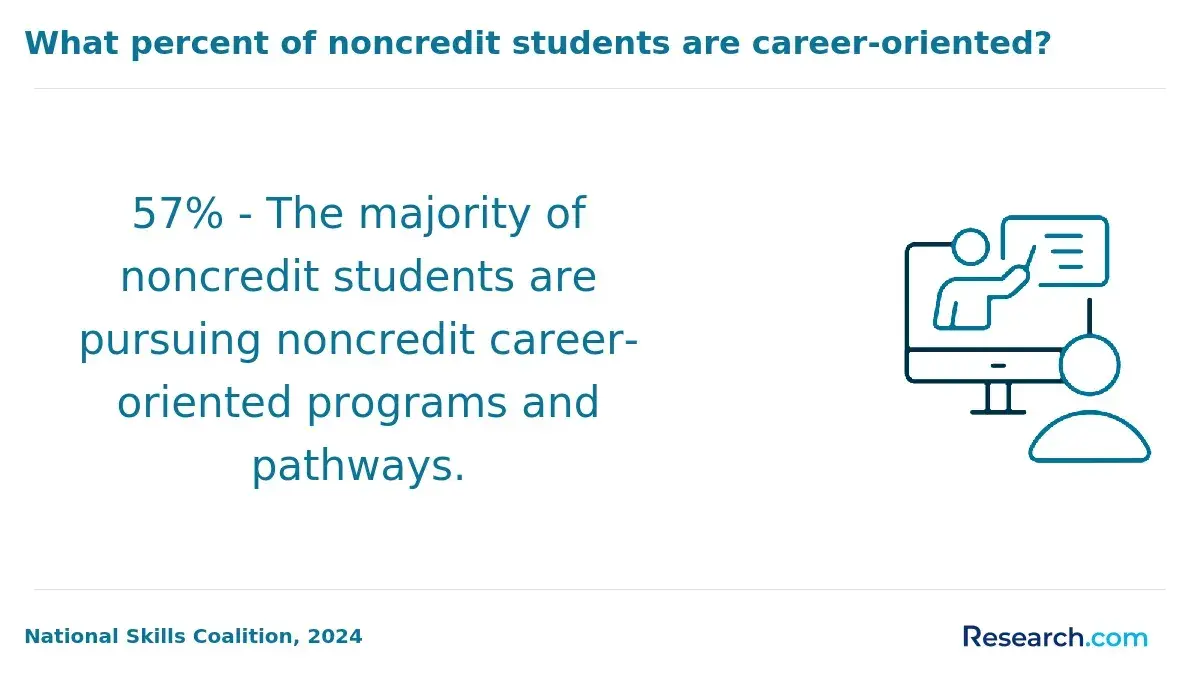
Financial aid structures play a pivotal role in shaping the true cost and feasibility of earning a substance abuse counseling degree online versus on campus. While online programs often advertise lower sticker prices and reduced living expenses, the net cost can be heavily influenced by differential access to institutional aid. Campus substance abuse counseling programs financial aid options frequently include need-based grants, work-study, and assistantships that require full-time, in-person enrollment but significantly lower out-of-pocket expenses.
Conversely, online students, who commonly balance part-time study with employment, may find themselves ineligible for some campus-specific aid, pushing them toward greater reliance on employer tuition assistance or veteran benefits, the latter often being a decisive factor for working adults navigating educational investments.
These nuances mean prospective students should carefully analyze aid packages beyond headline tuition rates. Online learners also face additional technology or specialized course fees that federal grants may partially cover but institutional scholarships often do not, sometimes offsetting expected savings from reduced commuting costs. This dynamic, coupled with a 12% higher average loan balance for online enrollees noted by the NCES, can influence total borrowing and pacing decisions.
For those comparing the financial implications within substance abuse counseling pathways, understanding how aid distribution ties to enrollment intensity and residency rules is crucial to managing debt exposure and timely completion. Evaluating how much does a psychiatric nurse practitioner make in your region may also inform realistic career returns relative to program costs and financing strategies.
Do Online and Campus Substance Abuse Counseling Graduates Have Different Career Outcomes?
Graduates from online and campus substance abuse counseling programs generally enter the workforce with similar credentials, but differences in employer perception and networking access can impact early career paths. Employers at traditional treatment centers often favor campus-trained candidates due to assumptions about on-site clinical exposure and interpersonal skill development, which stems from supervised practicum opportunities more common in physical settings. Meanwhile, online graduates may face longer timelines to build professional relationships and local employer connections, despite holding equivalent licensure eligibility and academic qualifications when programs are properly accredited.
Access to quality internships and practical training is frequently the decisive factor rather than program format alone, with on-campus students benefiting from direct faculty referrals and career fairs that enhance initial job placement. Costs also influence career decisions: online programs tend to result in lower student debt, providing financial flexibility that appeals to working adults balancing education with other responsibilities. However, limited spontaneous networking and fewer local professional events may slow career mobility for online learners, especially in regions where employers maintain traditional hiring preferences or less familiarity with remote learning credentials.
With approximately 78% employment within a year of graduation noted by the National Center for Education Statistics in 2024, both pathways lead to valid licensure and comparable starting outcomes. Yet candidates must weigh factors such as institutional reputation, integration of field placements, and networking opportunities when choosing their modality, as these influence longer-term career momentum and employer confidence more than the diploma's delivery method itself. For those requiring schedule flexibility or lower costs, online programs offer advantages, but the trade-off often lies in the immediacy of professional engagement and experiential learning available in campus environments.
How Do Employers View Online vs Campus Substance Abuse Counseling Degrees?
Employer acceptance of online versus campus substance abuse counseling degrees hinges predominantly on accreditation and demonstrable applied experience rather than delivery format alone. A 2024 National Association of Colleges and Employers report indicates that about 68% of employers regard online credentials as credible when the program is institutionally accredited and incorporates internships or clinical practicums. This means candidates whose transcripts clearly reflect rigorous coursework aligned with licensure requirements and supervised practical components stand a better chance of overcoming biases linked to online education, particularly in settings where hands-on skill validation is crucial.
The realities of hiring often place greater weight on whether the candidate has accrued substantial clinical hours or relevant work experience than simply the mode of instruction. For example, some employers in behavioral health settings may remain cautious if an online degree lacks transparent indicators of supervised practice, which can limit networking opportunities and real-time mentorship available on campus.
Meanwhile, hiring managers increasingly verify competency through rigorous curricular alignment and practical training, as underscored by a 2024 SHRM survey showing 54% prioritize demonstrated work readiness over degree origin. This dynamic highlights that students must critically evaluate how each program structures experiential learning and prepares them for credentialing, as these elements differentiate career outcomes across educational formats.
Which Substance Abuse Counseling Degree Format Offers Better Flexibility for Working Adults?
Flexibility in substance abuse counseling programs for working adults hinges less on the modality alone and more on how scheduling, clinical placement, and course structure accommodate varied life demands. Online formats typically permit asynchronous engagement with coursework, a critical advantage for learners juggling shift work or caregiving; however, mandatory live webinars and clinical practicum hours can sharply reduce this flexibility. Campus-based programs often require fixed attendance and commute times, which can disrupt employment continuity but provide more consistent faculty contact and peer support, factors that some students find bolster persistence and timely graduation.
Trade-offs manifest in cost exposure and career timing: while online programs can reduce commuting expenses and lost wages, lower completion rates in purely virtual formats may offset these financial gains unless hybrid or flexible practicum options are in place. Part-time enrollment and stop-out policies also influence whether students can pause their studies to manage employment or family needs without penalty. These dynamics are critical when comparing online versus campus substance abuse counseling flexibility, as student success often depends on how well programs balance structured learning with real-world scheduling constraints.
Employers increasingly recognize the value of online education for working adults, often providing tuition assistance and schedule accommodations, though fieldwork remains a non-negotiable in substance abuse counseling. Choosing the right program format requires weighing flexibility against clinical hour demands and cost implications to sustain both graduation progress and employment. For those interested in broader career pathways within healthcare sales and counseling, understanding the financial and scheduling landscape is equally important, as illustrated by considerations around pharmaceutical rep salary.
How Should Students Choose Between an Online and Campus Substance Abuse Counseling Program?
Graduation outcomes and total cost considerations sharply differentiate online and campus substance abuse counseling programs, shaping student decisions around persistence and career readiness. According to 2024 data from the National Center for Education Statistics, campus programs show about a 63% six-year graduation rate versus 50% for online programs, reflecting challenges like remote learning retention and practical experience access. This gap matters because many employers and licensing boards prioritize clinical hours and supervised practicum completion, which campus formats often facilitate more directly. However, campus attendance may push annual costs above $30,000 when factoring in housing and commuting, while online options can reduce expenses by 20% to 40%, though financial aid structures and field placement support vary widely.
Students balancing work or caregiving must weigh schedule flexibility against networking and placement trade-offs, especially given the critical role of local employer recognition and in-person faculty engagement in many substance abuse treatment fields. Those requiring extensive hands-on experience might find campus-based programs better aligned with licensure pathways and career mobility. Conversely, online learners benefit from asynchronous coursework and reduced relocation costs but may face obstacles securing supervised clinical hours essential for credentialing. Evaluating how these factors align with personal, financial, and regional labor market conditions is essential when comparing graduation rates and costs for substance abuse counseling programs.
For those seeking accelerated routes, programs like the fastest BCBA program illustrate how delivery format impacts scheduling and credentialing timelines. Ultimately, a nuanced assessment focused on employer expectations, practical training access, and financial trade-offs rather than broad convenience claims will yield the most effective educational choice in this high-demand field.
References
- Top Online Addiction Counselor Degree and Certificate Options https://www.addiction-counselors.com/online-degrees/
- Human Services - Addiction Counseling and Treatment A.A.S. - Career Degree https://www.clcillinois.edu/programs/bssdv/human-services/addiction-counseling-and-treatment-aas-career-degree
- 2025 Best Online Substance Abuse Counseling Degrees https://www.onlineu.com/degrees/substance-abuse-counseling
- The Impact of Substance Abuse on Academic Performance - Ocean Coast Recovery Center https://oceancoastrecovery.com/impact-of-substance-abuse-on-academic-performance/
- Substance Use Counselor Certification Online https://sobercollege.com/substance-use-counselor/online-counseling-courses/
- Our Ranking Methodology https://addiction-counselor.org/methodology/
- Substance Abuse Counselor vs. Addiction Studies | Public Health https://www.publichealthonline.org/addiction/substance-abuse-counselor-vs-addiction-studies/
- How to Become a Substance Abuse Counselor | Hazelden Betty Ford https://www.hazeldenbettyford.org/graduate-school-addiction-studies/how-to-become-a-substance-abuse-counselor
- How To Become A Substance Abuse Counselor https://www.learnhowtobecome.org/substance-abuse-counselor/
- College students less likely than general population to receive treatment https://www.recoveryanswers.org/research-post/college-students-less-likely-general-population-receive-treatment/
Other Things You Should Know About Substance Abuse Counseling
Unlike campus programs, online substance abuse counseling students face fewer direct opportunities for live role-playing, immediate feedback, and interpersonal dynamics crucial for developing counseling skills. This limitation can slow mastery of nuanced communication and crisis intervention techniques, which are often best practiced face-to-face. Prospective students for whom hands-on client interaction and real-time mentorship are priorities should weigh this drawback carefully, as it may require supplementing their studies with internships or live workshops to close the skills gap.
Online programs often demand higher self-discipline and excellent time management since students balance asynchronous coursework with external responsibilities. Conversely, campus programs impose a fixed schedule and structured environment that can aid consistency but may inflexibly conflict with work or family commitments. Students who thrive under routine and direct oversight might prefer campus formats, while those needing schedule flexibility must proactively build strong time management habits to avoid falling behind in online courses.
Campus-based substance abuse counseling students benefit from more organic and immediate networking with peers, instructors, and local professionals, which often leads to mentorship and job referrals. Online students miss out on casual interactions and may need to intentionally engage in virtual discussion groups, seminars, or local professional organizations to build similar connections. For early-career students, campus programs potentially offer stronger in-person professional relationships, making them a strategic choice if employer referrals and community integration are key goals.
Working professionals seeking a swift career pivot might find online substance abuse counseling programs advantageous due to flexible pacing and reduced commuting time, allowing them to maintain employment while studying. However, this flexibility may extend graduation time if self-discipline wavers, potentially delaying entry into the workforce. Career changers without prior experience may benefit from campus programs' immersive environment and direct access to career services, which can accelerate skill acquisition and professional placement despite higher short-term costs and time commitments.