2027 Substance Abuse Counseling Career Outcomes by Degree Level Report: Pay, Employment, and Advancement Patterns

Co-Founder and Chief Data Scientist
Choosing the right degree level in substance abuse counseling often means navigating unclear links between education, pay, and job stability. For example, a working professional weighing a bachelor's against an associate degree may find limited data on how each influences advancement or wage growth. Recent 2024 labor studies reveal that higher-degree holders in substance abuse counseling have notably lower unemployment rates, illustrating access differences and signaling employer preference trends. Yet, increased education carries time and financial costs, complicating this choice.
This article dissects pay scales, employment probabilities, and career progression tied to degree levels to clarify these tradeoffs for informed decisions.
Key Things to Know About Substance Abuse Counseling Career Outcomes by Degree Level
- Associate degrees often allow quicker employment entry but limit advancement, reflecting a 2024 labor dataset showing only 22% move into supervisory roles, signaling constrained long-term career growth without further education.
- Employers increasingly prefer master's-level credentials for clinical and leadership positions, indicating credential progression is critical for upward mobility and highlighting workforce trends towards specialized competencies.
- While doctoral programs offer expanded research and policy roles, the extended time and higher cost reduce immediate job-market access, compelling prospective students to weigh delayed benefits against upfront practical constraints.
- Key Things to Know About Substance Abuse Counseling Career Outcomes by Degree Level Key Things to Know About Substance Abuse Counseling Career Outcomes by Degree Level
- What Career Outcomes Can Students Expect From Each Substance Abuse Counseling Degree Level? Career Outcomes by Degree
- How Much Do Substance Abuse Counseling Graduates Earn by Degree Level? Salary by Degree Level
- Which Substance Abuse Counseling Degree Level Offers the Strongest Employment Prospects? Best Degrees for Employment
- What Entry-Level Jobs Can You Get With a Substance Abuse Counseling Degree? Entry-Level Career Opportunities
- How Do Substance Abuse Counseling Degree Levels Affect Career Advancement and Promotion Opportunities? Career Growth by Degree
- Is a Substance Abuse Counseling Degree Worth It Based on Salary, Employment, and ROI? Salary, ROI, and Value
- How Do Associate, Bachelor's, Master's, and Doctoral Substance Abuse Counseling Degrees Compare? Comparing Degree Levels
- Which Industries and Employers Hire Substance Abuse Counseling Graduates by Degree Level? Which Industries and Employers Hire Substance Abuse Counseling Graduates by Degree Level?
- What Skills, Credentials, and Experience Improve Substance Abuse Counseling Career Outcomes? What Skills, Credentials, and Experience Improve Substance Abuse Counseling Career Outcomes?
- Which Substance Abuse Counseling Degree Level Is Best for Your Career Goals? Choosing the Right Degree
What Career Outcomes Can Students Expect From Each Substance Abuse Counseling Degree Level?
Choosing the appropriate degree level in substance abuse counseling directly shapes employment access and advancement opportunities, with distinct practical tradeoffs for adult learners and professionals balancing time and prior credit transfers. For example, graduates with only certificates or associate degrees often find themselves in technician or aide roles that limit independent clinical practice and leadership pathways, requiring additional schooling for licensure and better pay.
Bachelor's degree holders gain broader eligibility for licensed counseling roles and credentialing exams, which correlates with increased job stability and access to outpatient or community positions. According to recent U.S. Bureau of Labor Statistics data, employers increasingly prioritize bachelor's or master's credentials for full licensure, meaning that decisions around pursuing higher degrees can significantly impact long-term employability and pay prospects.
Master's degrees remain the benchmark for advanced clinical credentials and managerial readiness, enabling graduates to pursue licensure as licensed clinical substance abuse counselors and assume supervisory responsibilities, often in hospitals and specialized treatment centers. This level demands a greater time investment but offers enhanced career mobility and specialization, particularly important for military-affiliated students or working adults who rely on flexible pathways and credit articulation agreements. Doctoral education, by contrast, typically benefits those aspiring to research, policy, or academic roles rather than direct clinical practice and rarely translates into proportional clinical income growth.
Adult learners and transfer students should weigh immediate workforce entry against these nuanced patterns of pay and advancement for substance abuse counseling graduates, recognizing that the complexity of employer credential expectations and regional demands may necessitate incremental credentialing aligned with realistic professional objectives and evolving labor markets. Programs offering flexible formats, similar to those featured among affordable online nursing programs, can support such progressive educational journeys.
How Much Do Substance Abuse Counseling Graduates Earn by Degree Level?
Income for substance abuse counseling graduates shifts notably with degree level due to how licensure, job roles, and industry demand intersect. Bachelor's degree holders in behavioral health typically see median salaries near $47,000, reflecting more stable employment in health systems and access to licensed counseling roles. By contrast, certificate and associate degree graduates often start in technician or supervised counselor positions with earnings closer to $35,000-$40,000, facing less predictable job security and fewer promotion pathways unless they pursue further education. Employers in states requiring master's degrees and clinical hours for independent practice drive a wage gap, as those with graduate-level credentials frequently exceed $56,000 and command supervisory or specialized roles that justify the added time, cost, and training investment.
This disparity carries practical implications for adult learners weighing financial return versus time commitment. For example, a working professional must consider that advancing from an associate to a master's may open doors to higher-paying roles but involves navigating transfer credits, potential wage loss during study, and often a multi-year timeline. Geographic factors also complicate pay outcomes: urban centers with expansive healthcare networks tend to offer premium compensation, while rural areas compress pay scales, diminishing the immediate monetary incentives of advanced credentials. Employment data confirms higher full-time retention among bachelor's and master's holders within six months post-graduation, underscoring how degree level influences not only pay but also workforce stability and upward mobility.
A former certificate-level substance abuse counseling student shared how initial earnings prospects prompted a reevaluation of their education path. After reviewing local job postings and discussing with employers, they realized that while entry-level jobs matched the published $35,000 range, advancing beyond that required obtaining a bachelor's degree and clinical licensure-steps that involved transferring credits and extending study duration. This insight tempered their expectations and encouraged strategic planning to balance immediate income needs with the longer-term payoff of a graduate degree, highlighting how realistic pay comparisons influenced their incremental approach to credentialing and career growth.
Which Substance Abuse Counseling Degree Level Offers the Strongest Employment Prospects?
Employment prospects in substance abuse counseling vary significantly by degree level, with bachelor's and master's degrees generally offering stronger positioning for stable roles and advancement compared to certificates or associate degrees. While lower-level credentials may enable quicker workforce entry, they often restrict access to licensed or independently practicing roles, as many states and employers require a bachelor's degree at minimum, with master's degrees needed for clinical supervision or specialized interventions. For example, a candidate with an associate degree might secure entry-level outpatient positions faster but face limited upward mobility or lower pay ceilings relative to bachelor's or master's degree holders, who also benefit from broader job markets and credential recognition.
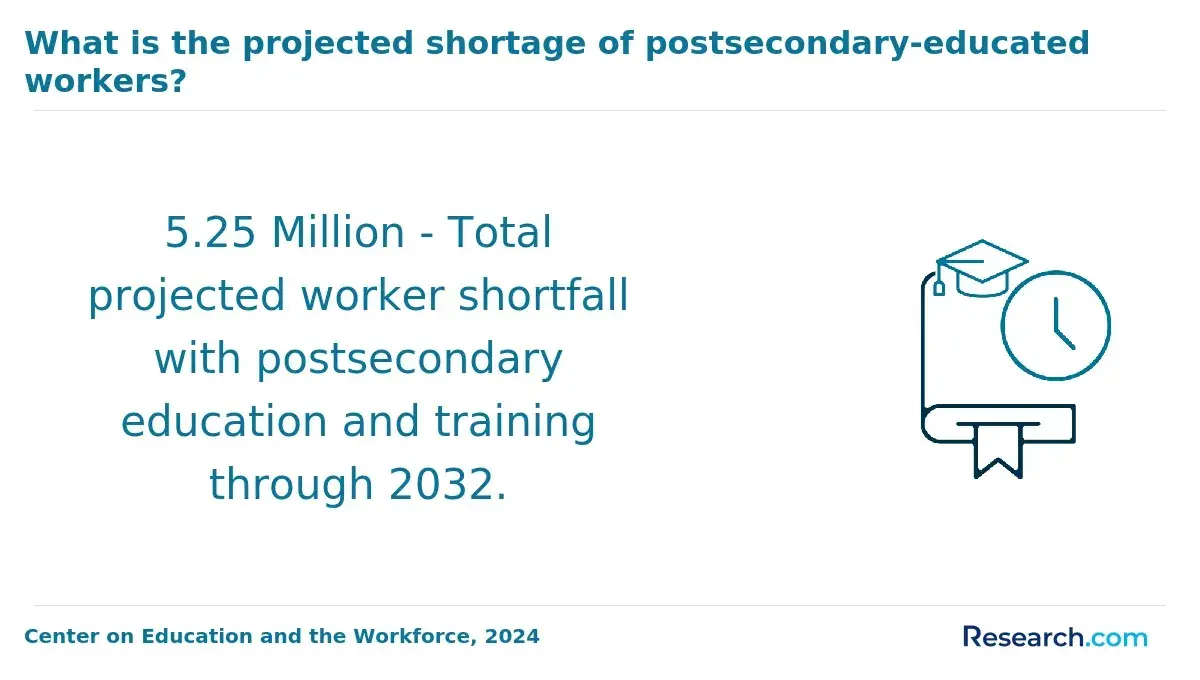
Employers increasingly prefer candidates with advanced education due to evolving treatment complexity and reimbursement standards, amplifying demand for graduates holding master's degrees that align with licensure and certification criteria like the Licensed Clinical Substance Abuse Counselor. Master's programs frequently embed supervised internships, which not only build practical skills but also improve hiring outcomes; a 2023 NCES study found that master's graduates enjoy a 15% higher employment rate within six months post-graduation compared to bachelor's degree holders in related behavioral health roles.
Doctoral degrees, although less common for direct counseling practice, typically prepare professionals for research, policy, or administrative positions, underscoring the importance of aligning degree choice with specific career goals and regional labor demands.
This dynamic means students must balance immediate employment desires against long-term opportunities when selecting their educational pathway. Some learners might start with certificates or associate degrees to rapidly enter the field and later transfer credits toward higher credentials, while others may pursue advanced degrees upfront to maximize eligibility for licensure and leadership roles. Geographic variations also play a role; regions with high counselor demand often set higher educational expectations, reflecting both the field's professionalization and employer degree inflation, which collectively influence which credential ultimately offers the most effective route to sustained employment and growth.
What Entry-Level Jobs Can You Get With a Substance Abuse Counseling Degree?
Entry-level opportunities for substance abuse counseling vary significantly by degree level and regulatory requirements, shaping both immediate employability and longer-term career trajectories. Those with associate degrees often find themselves restricted to paraprofessional roles such as addiction technicians or peer recovery specialists, where supervision is mandatory and advancement may stall without further education or certification.
In contrast, bachelor's degree holders equipped with state licensure typically gain access to independent counseling roles or coordinator positions in community agencies, which align better with sustainable career-building and more stable employment. However, even among bachelor's graduates, many employers now expect one to two years of practical experience—usually acquired through internships or practicum placements—before considering candidates fully prepared for frontline counseling duties, underscoring the critical role of field exposure in early career development.
The landscape of substance abuse counselor career opportunities for recent graduates reflects a nuanced tradeoff between immediate access and future mobility. Internships and documented clinical experience remain key differentiators in job readiness, especially given the sensitive, regulated nature of the work. Geographic factors also influence entry points; urban areas tend to offer more structured entry-level positions with employer training programs, whereas rural settings might present fewer openings but sometimes permit entry with less rigid credential demands.
As recommended by the U.S. Bureau of Labor Statistics, a growing share of professional roles now require at least a bachelor's degree paired with certification, which shapes not only initial hiring but also the trajectory toward advanced clinical or supervisory roles. Students comparing pathways should weigh how associate versus bachelor's or higher credentials impact wage potential, stability, and the ability to pivot into graduate study or specialized practice, especially given the increasing demand across healthcare systems and clinical settings. For a clearer perspective on related healthcare roles and their compensation dynamics, examining medical billing and coding salary data can offer complementary insights into allied health career structures.
How Do Substance Abuse Counseling Degree Levels Affect Career Advancement and Promotion Opportunities?
Master's degrees and higher significantly influence the trajectory of substance abuse counseling careers by expanding access to supervisory and administrative roles, a distinction backed by 2024 data from the U.S. Bureau of Labor Statistics and NCES. Many employers and state licensure boards require master's-level credentials for clinical supervisors or program directors, positioning bachelor's or associate degree holders primarily in direct care roles with slower promotion timelines.
Mid-career counselors with advanced degrees reportedly experience career acceleration within 5 to 7 years at rates more than double those without, highlighting how credential requirements interact with employer preferences and workforce policies. For adult learners and working professionals, weighing the additional time and expense of a master's against the tangible gains in leadership eligibility and competitive advantage is essential, especially as transfer-credit pathways and continuing education options can mitigate some barriers.
Bachelor's-level counselors often rely on accumulated field experience and certifications to build stable employment but face more limited upward mobility, rarely advancing beyond front-line counseling. This gap demonstrates the practical tradeoff: those with lower degrees may sustain employment but encounter bottlenecks entering management or specialized program development roles that demand clinical supervision licenses and advanced training.
The decision to pursue further education depends heavily on career goals, employer credential policies, and readiness for extended academic commitment, with licensure and skill acquisition tightly linked to degree level. This dynamic underscores a strategic planning imperative for prospective students balancing immediate workforce entry against long-term advancement potential.
One recent graduate reflected on deciding between completing a bachelor's versus moving onto a master's program after five years on the job. Although her employer valued her experience, she was repeatedly passed over for supervisory roles requiring a master's degree and relevant licensure.
She described feeling stuck and uncertain about investing more time and money in school but recognized that without the advanced credential, her upward mobility would remain limited. Eventually opting to enroll in a master's program while continuing part-time work, she hoped this pathway would finally align her qualifications with promotion criteria and open doors to leadership within her agency.
Is a Substance Abuse Counseling Degree Worth It Based on Salary, Employment, and ROI?
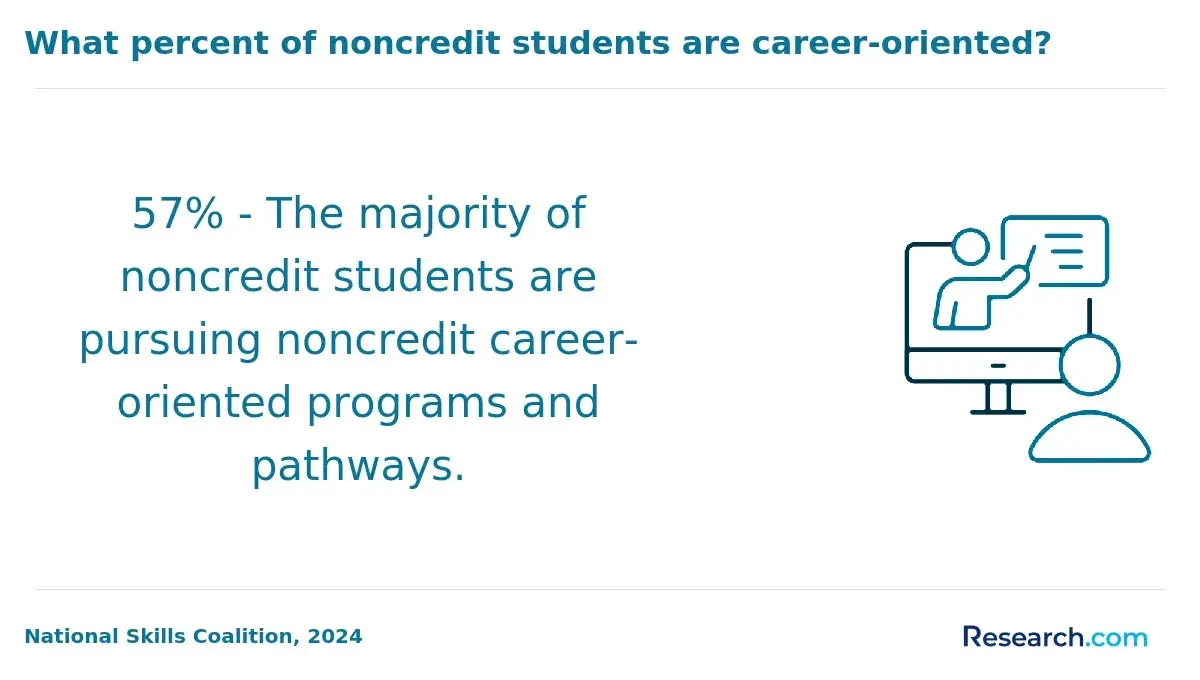
Evaluating substance abuse counseling degree salary and employment outcomes reveals substantial variation tied to degree level and licensure status. While associate degree holders can enter the workforce more quickly and with lower educational debt, their salary ceilings and advancement opportunities are often limited compared to those with bachelor's or master's degrees. For example, a working adult with an associate degree may gain entry-level employment sooner but face slower career mobility, whereas pursuing a master's degree may delay earnings due to longer completion times yet unlock supervisory roles and specialized practice areas that significantly improve job stability and income potential over time.
The return on investment for substance abuse counseling degrees hinges on balancing educational costs, time-to-completion, and regional job market conditions. Bachelor's and master's degree programs typically demand higher tuition and longer study periods, factors that can extend debt repayment well beyond graduation, especially when part-time enrollment is necessary. Employment growth in the field is robust, but access to higher-paying positions generally requires certification and alignment with state licensure requirements. Students must also consider the value of accredited programs in ensuring practical employability within their preferred labor markets, with geographic variation affecting salary ceilings and job availability.
Prospective students deciding between degree levels should weigh these tradeoffs carefully, especially if combining education with ongoing work or family commitments. A strategic approach might include transferring credits or exploring financial aid options within recognized pathways, similar to those seen in accelerated nursing programs, to minimize opportunity costs. Informed consideration of substance abuse counseling degree salary and employment outcomes is essential for making education choices that align realistically with personal circumstances and long-term career goals.
How Do Associate, Bachelor's, Master's, and Doctoral Substance Abuse Counseling Degrees Compare?
Choosing between associate, bachelor's, master's, and doctoral degrees in substance abuse counseling involves weighing significant trade-offs in employability, credentialing, and career flexibility. An associate degree can provide a swift entry into supportive roles but often limits upward mobility due to licensure requirements favoring bachelor's or higher credentials.
For example, a worker with an associate degree may find themselves confined to paraprofessional positions without prospects for clinical licensure or supervisory responsibilities, prompting many to consider returning to school for a bachelor's or master's to unlock broader opportunities.
Bachelor's degrees typically expand access to licensed counselor roles and present more specialization options, though advancement beyond frontline clinical work often hinges on additional graduate study. Data from the U.S. Bureau of Labor Statistics (2024) indicates that employment rates for bachelor's degree holders in counseling fields surpass associate-level graduates by about 12%, reflecting greater employer preference and licensure alignment.
Master's degrees mark a critical shift toward independent practice eligibility, with strong correlations to job security and leadership pathways, while doctoral credentials mainly serve those targeting research, teaching, or high-level management. Yet, the extended time and financial investment required at the doctoral level suit only a subset of counselors seeking specialized career trajectories rather than immediate workforce entry.
Another practical consideration is credit transfer and stacking between degree levels, which can affect cost-efficiency and completion timelines. Many bachelor's and master's programs accept associate credits, facilitating educational progression, but incomplete transfers can leave students repeating coursework or extending study duration. Supervised clinical hours and licensing prerequisites further impact how degrees translate into real-world roles.
Ultimately, degree choice in substance abuse counseling must balance realistic employer expectations, the timing of workforce entry, and long-term career aspirations for each student's context.
Substance abuse counseling graduates who move into supervisory or program leadership roles may eventually want to pursue an online health administration degree, which can build on their clinical counseling background with the operational and management skills needed to run treatment programs or oversee behavioral health services.
Which Industries and Employers Hire Substance Abuse Counseling Graduates by Degree Level?
Employment in substance abuse counseling strongly correlates with degree level, as different employers value specific credentials based on role complexity and licensure requirements. Entry-level positions, often accessible with an associate degree or certificate, dominate community health centers and residential treatment facilities where practical skills and state certifications outweigh the necessity for a bachelor's degree. These jobs emphasize direct client contact but typically limit advancement opportunities without further education, meaning those stopping at this level may face a ceiling in responsibilities and salary despite gaining early workforce entry.
Bachelor's degree holders generally find expanded roles in outpatient care centers, nonprofit agencies, and private clinics, where case management and prevention education are integral. This degree level not only widens the employer pool but also increases average earnings by approximately 15% relative to associate or certificate holders, according to National Center for Education Statistics data. However, bachelor's graduates encounter pressure to pursue graduate credentials for leadership or clinical supervisory positions, as many states require advanced licensure only available with master's or doctoral degrees.
Graduate degree holders in substance abuse counseling often move into specialized clinical supervision, policy development, and research roles within government or large healthcare systems, where advanced licensure and clinical assessment skills are prerequisites. Employers in these sectors prioritize candidates with master's or doctoral qualifications for elevated roles that involve designing treatment protocols or managing interdisciplinary teams.
For students deciding whether to enter the workforce early or invest in graduate training, this distinct division in employer expectations underscores the practical tradeoff between immediate employability and long-term career flexibility in a regulated, evolving industry.
Students who want to reach these advanced credentials without extending their timeline further than necessary may want to research fast track programs, which can compress the path from bachelor's to graduate-level licensure and help substance abuse counseling professionals move into supervisory or clinical roles sooner.
What Skills, Credentials, and Experience Improve Substance Abuse Counseling Career Outcomes?
Licensure eligibility remains the most decisive factor shaping employment prospects and promotion potential for substance abuse counseling candidates, particularly distinguishing those holding associate degrees from bachelor's or master's degrees. Programs that integrate supervised clinical hours or apprenticeships better prepare graduates for licensure exams and broaden access to higher-level roles, reflecting employer preferences for candidates with verifiable hands-on experience.
For example, a working professional leveraging internships alongside stacking certifications such as Certified Addiction Counselor (CAC) gains a clear competitive edge, as these credentials signal specialized competence in trauma-informed care and adaptability, aligning with increasingly integrated behavioral health models. Understanding substance abuse counseling certification requirements for career advancement guides candidates in selecting credentials that genuinely impact workforce readiness rather than accumulating less relevant qualifications.
Technical skills with electronic health records (EHR) and telehealth platforms also differentiate candidates aiming for supervisory positions in an evolving digital care environment. Strong interpersonal abilities—empathy, communication, and conflict resolution—remain critical for employer assessments, influencing both client retention rates and leadership opportunities. Decision-making about degree progression, such as moving from an associate to a bachelor's level, must weigh improved licensure pathways and promotion access against time and resource investments.
Military experience or prior healthcare roles often accelerate licensure outcomes and bridge practical skill gaps, especially for adults transitioning careers or maximizing transfer credits. For those exploring different educational formats, programs like 3-year accelerated PharmD programs can offer analogous insights into condensed, experience-rich training models that may inform substance abuse counseling pathways.
Which Substance Abuse Counseling Degree Level Is Best for Your Career Goals?
Associate degrees in substance abuse counseling serve as practical entry points for frontline roles such as addiction counselors or support specialists, appealing to those prioritizing rapid workforce entry and flexible scheduling. However, many employers expect additional certifications or substantial experience alongside this credential, and advancement into supervisory or clinical positions typically demands further education. Choosing an associate program often involves weighing transfer opportunities and part-time options to mitigate opportunity costs, especially for working adults and military-affiliated students.
Obtaining a bachelor's degree aligns with eligibility for a broader range of roles, including case management and prevention specialist positions, and is commonly required for state licensure needed in clinical counseling. Data from the Bureau of Labor Statistics shows bachelor's holders in this field benefit from a 12% higher employment rate than those with associate degrees, reflecting stronger hiring preferences. For students considering an extended commitment, this level balances improved job stability while preserving multiple credit transfer pathways, making it relevant for those pursuing long-term advancement in substance abuse counseling degree level career outcomes.
Master's degrees typically open doors to advanced clinical roles, licensed professional counselor status, and leadership positions that significantly increase earning potential but involve longer study periods and higher debt burdens. Candidates aiming for specialized mental health integration or supervisory roles must recognize the practical tradeoffs in time and cost as well as employer expectations for higher credentials. Prospective students can explore flexible program options or online pathways; for example, those who wonder if can you get a speech pathology degree online might find parallels in accessibility relevant to substance abuse counseling education models.
References
- How Much Can You Make as an Addiction Counselor? https://www.hazeldenbettyford.org/graduate-school-addiction-studies/drug-alcohol-counselor-salary
- What Do Substance Abuse & Addictions Counselors Do? https://www.psychology.org/careers/substance-abuse-addiction-counseling/
- Addictions Training Institute – The Rewards of Being an Alcohol and Drug Counselor: An Opportunity to Transform Lives https://addictionstraininginstitute.com/the-rewards-of-being-an-alcohol-and-drug-counselor-an-opportunity-to-transform-lives/
- How to Become an Addiction Counselor [A Complete Guide] https://beal.edu/how-to-become-an-addiction-counselor/
- Substance Abuse Counselor Salary and Potential Careers | Bradley University Online https://onlinedegrees.bradley.edu/blog/substance-abuse-counselor-salary-potential-careers
- How to Find Careers in Substance Abuse Treatment & Recovery https://www.addictions.com/find-careers-in-substance-abuse/
- 6 Reasons to Become a Substance Abuse Counselor https://www.baypath.edu/academics/undergraduate-programs/undergraduate-online-programs/6-reasons-to-become-a-substance-abuse-counselor/
- Online Substance Abuse Counseling Associates Degree - AS in Counseling https://addiction-counselor.org/degrees/associates/
- How to Become a Certified Substance Abuse Counselor? https://regoparkcounseling.com/how-to-become-a-certified-substance-abuse-counselor/
- How To Become A Substance Abuse Counselor https://www.learnhowtobecome.org/substance-abuse-counselor/
Other Things You Should Know About Substance Abuse Counseling
Programs at different degree levels often vary significantly in length and workload. Associate degrees may take about two years with more structured, hands-on training, fitting better with part-time study or working students. Bachelor's and master's programs generally require longer durations and greater academic rigor, including internships or supervised clinical hours, which can limit flexibility. Prospective students juggling employment should prioritize programs with adaptable scheduling or part-time options, as misestimating the time commitment can delay graduation and increase stress.
In many rural or underserved regions, demand for counselors often leads employers to prioritize practical experience and licensure over advanced degrees. While master's degrees can enhance credentials, associate and bachelor's degree holders with relevant certifications may find similar employment opportunities in these areas. Students aiming to work in such settings should weigh the cost and time of higher degrees against the likelihood that local employers value hands-on experience and state licensure equally or more than academic credentials beyond entry level.
Advancing to master's or doctoral levels typically opens doors to supervisory roles, specialized clinical work, or administrative positions, which come with greater responsibility but also increased workload and stress. This shift may reduce direct client contact time in favor of paperwork, program development, or policy-setting. For many, the tradeoff involves less hands-on counseling and more management duties, so students should carefully consider if these changes align with their professional interests and lifestyle preferences before committing to an advanced degree.
Beyond degree attainment, factors like state licensure, continuing education, and specialized certifications frequently outweigh the degree level alone in career longevity and upward mobility. Employers expect counselors to maintain valid credentials and demonstrate updated clinical skills, which can sometimes compensate for a lower initial degree level. Prioritizing these credentials alongside or after formal education offers a more practical approach for sustained career growth than focusing solely on degree hierarchy.