2027 Substance Abuse Counseling Admissions Trends Report: Acceptance Rates, GPA Expectations, and Test Policy Changes

Co-Founder and Chief Data Scientist
Increasing regulatory standards and evolving workforce demands have reshaped admissions criteria within substance abuse counseling programs. Enrollment capacity, driven by faculty availability and clinical placement opportunities, restricts intake despite rising applicant interest linked to expanding behavioral health needs.
Accreditation bodies now emphasize relevant prerequisite coursework and measurable competencies, influencing GPA thresholds. Additionally, national shifts in testing policies reflect a balance between ensuring preparedness and broadening educational access.
These factors collectively signal how programs adjust to maintain alignment with licensing requirements and labor market expectations. The continuing prevalence of mid-career entrants highlights the field's dynamic role in professional reskilling and workforce diversification.
Key Things to Know About Substance Abuse Counseling Admissions Trends
- Acceptance rates for substance abuse counseling programs have tightened to an average of 35%, reflecting growing demand and increased selectivity that forces applicants to demonstrate both academic rigor and practical experience.
- GPA expectations typically hover around 3.0, but programs increasingly weigh relevant fieldwork over grades, signaling a shift toward practical competency over purely academic metrics.
- More programs have adopted test-optional policies since 2024, improving access for non-traditional applicants but shifting admissions emphasis toward personal statements and reference quality, impacting application preparation strategies.
- Key Things to Know About Substance Abuse Counseling Admissions Trends Key Things to Know About Substance Abuse Counseling Admissions Trends
- What Are the Current Acceptance Rates for Substance Abuse Counseling Degree Programs? Current Acceptance Rates
- What Is the Average GPA of Accepted Substance Abuse Counseling Students? GPA Requirement
- Are SAT or ACT Scores Still Required for Substance Abuse Counseling Degree Programs? SAT/ACT Requirement
- How Many Substance Abuse Counseling Programs Have Adopted Test-Optional Admissions Policies? Test-Optional Programs
- What Non-Academic Factors Do Substance Abuse Counseling Admissions Committees Consider? What Non-Academic Factors Do Substance Abuse Counseling Admissions Committees Consider?
- Which Types of Schools Are the Most Selective for Substance Abuse Counseling Applicants? Which Types of Schools Are the Most Selective for Substance Abuse Counseling Applicants?
- How Do Admissions Standards Differ Across States and Regions? Admission Standards by State
- How Do Admissions Requirements Compare Between Online and Campus Programs? Online vs On-Campus Admissions
- Is There a Relationship Between Admissions Standards and Student Success? Admission Standards & Student Success
- How Can Students Strengthen a Substance Abuse Counseling Program Application? Program Application Preparation
What Are the Current Acceptance Rates for Substance Abuse Counseling Degree Programs?
Recent data from the U.S. Department of Education's College Scorecard indicate that acceptance rates for substance abuse counseling degree programs vary significantly by institution type and degree level in 2024. Community colleges offering associate degrees in substance abuse counseling generally report acceptance rates between 60% and 80%, reflecting their broader access mission.
In contrast, bachelor's and master's degree programs tend to show more selective admissions, with typical acceptance rates ranging from 30% to 50%, and some public universities reporting rates as low as 20%. These figures highlight regional differences and institutional selectivity patterns tied to program focus and capacity.
Variability in substance abuse counseling program admissions selectivity by region and school type is influenced by multiple factors including institutional prestige, applicant demand, and available clinical placement slots. Public universities often maintain stricter GPA thresholds, commonly requiring a minimum between 2.5 and 3.0, with some graduate programs favoring even higher academic standards.
Additionally, many programs have adopted test-optional policies, reflecting shifting perspectives on standardized testing's predictive value in clinical training suitability. The interplay between capacity constraints and workforce demand shapes how institutions balance accessibility with program rigor.
These acceptance rate trends carry significant implications for prospective students weighing program choice and career pathways. Programs with moderate selectivity may offer optimal alignment between admission chances and quality of training needed to meet employer expectations in a competitive labor market.
Prospective applicants should also consider how licensure requirements and clinical placement availability affect not only admission odds but timely completion, especially when evaluating options like online pharmacy programs that share overlapping clinical and regulatory environments. Understanding these dynamics is crucial for effective academic advising and realistic career planning in substance abuse counseling fields.
What Is the Average GPA of Accepted Substance Abuse Counseling Students?
Recent institutional admissions profiles and education databases for 2024 reveal that the average GPA of accepted substance abuse counseling students typically falls between 2.5 and 3.3 on a 4.0 scale. This moderate GPA range reflects a balance between academic readiness and the practical demands of training in this field, where interpersonal skills and relevant experience often weigh as heavily as academic metrics.
Programs across community colleges, state universities, and specialized counseling academies consistently report this GPA clustering, indicating a broadly accepted benchmark for candidate qualification within the substance abuse counseling program GPA requirements by region. Such data suggest that admissions committees prioritize applicants who demonstrate both a foundational academic capability and a commitment to supporting vulnerable populations.
Variations in GPA expectations often correspond to differences in institutional selectivity and program demand, with public universities generally exhibiting slightly more flexible thresholds than private or highly specialized institutions. Grading standards also differ across schools, which can influence acceptability thresholds. For example, online programs may adopt more holistic evaluation criteria that integrate prior work or volunteer experience.
As the field gains workforce visibility, subtle GPA differentials may reflect not just academic performance but also program capacity and the competitive nature of certain regional markets. Understanding these nuances helps contextualize what the GPA requirements signal about the quality and readiness of admitted students, going beyond a simple numeric cutoff.
These GPA thresholds carry implications for applicant preparation and perceived program competitiveness, motivating some candidates to strengthen adjunct application components such as personal statements or internships to offset lower GPAs. Although some schools are increasingly test-optional, many still consider GPA a crucial standardized metric, especially for transfer applicants who must align their prior coursework with substance abuse counseling programs' expectations.
When evaluating options, prospective students should also explore related pathways like a nursing school without entrance exam as part of broader workforce strategies, acknowledging the interconnected nature of health support professions and academic credentialing frameworks.
Are SAT or ACT Scores Still Required for Substance Abuse Counseling Degree Programs?
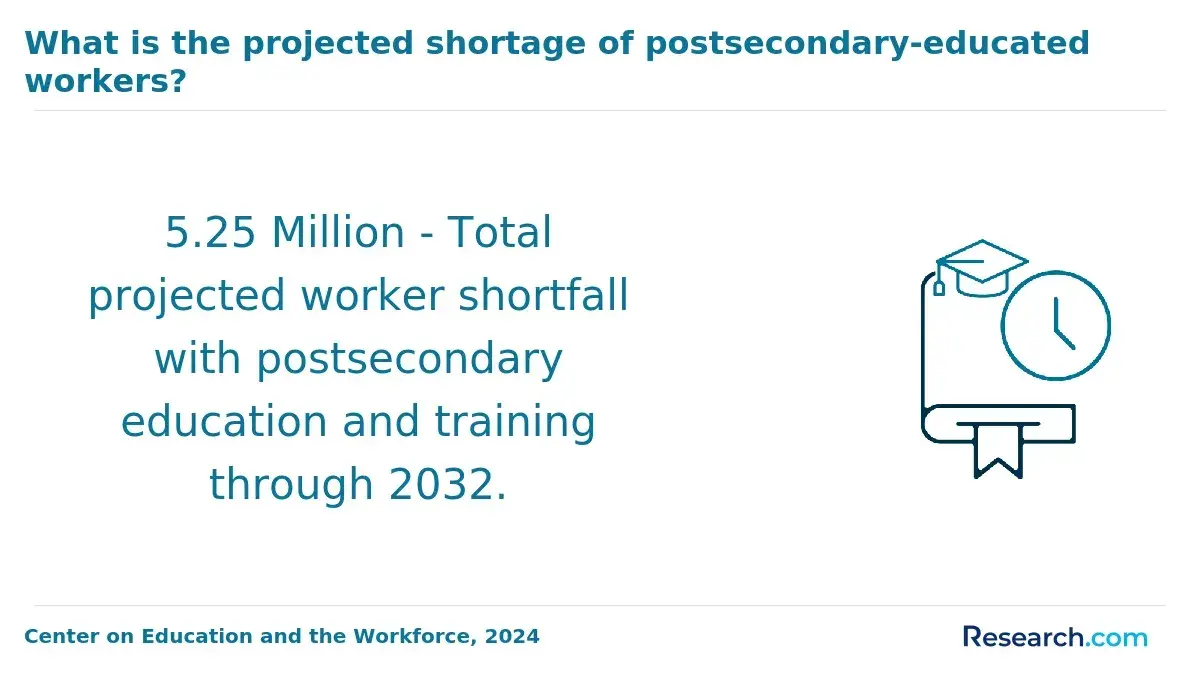
Recent data from 2024 indicates that a substantial number of substance abuse counseling degree programs have reduced or altogether eliminated SAT and ACT score requirements, reflecting a broader shift in health-related admissions policies documented by sources such as the National Center for Education Statistics. Many programs now adopt test-optional or test-blind approaches to better accommodate diverse applicant pools, prioritizing comprehensive evaluation measures like cumulative GPA, relevant coursework, personal statements, and recommendation letters.
This trend aligns with evidence suggesting that standardized tests are less predictive of success in counseling roles compared to attributes such as empathy, communication skills, and practical experience. Admissions offices in both public and private institutions highlight this shift as part of a movement toward assessing readiness for interpersonal and clinical demands rather than raw academic aptitude measured by standardized exams.
The push away from mandatory SAT/ACT submissions stems from multiple considerations, including equity-driven efforts to lower barriers for candidates from varied socioeconomic backgrounds who might face challenges with standardized testing. Institutions also weigh the impact of test scores on rankings and the desire to attract applicants demonstrating sustained academic performance and healthcare-related experience.
Highly selective programs may still consider standardized scores but often in a more contextualized manner alongside qualitative admissions elements. Public universities tend to emphasize broad access and practical experience, reflecting workforce demand in addiction and mental health services, whereas private programs may maintain some testing requirements but have generally relaxed rigidity.
These evolving strategies highlight a recalibration of admissions frameworks that balance institutional goals, applicant diversity, and the real-world competencies necessary for effective counseling practice.
One student recalled applying during a transitional admissions cycle when their preferred program had recently shifted to a test-optional policy. They hesitated submitting their ACT scores, uncertain if it would strengthen their application or be disregarded entirely. This caused a delay as they debated whether to invest additional time preparing for a retake or focus on gathering stronger recommendation letters and clinical experience documentation.
Ultimately, the student submitted an application without test scores and was admitted, but the uncertainty introduced significant strategic complexity. Their experience underscores how evolving testing policies can influence applicant decision-making and timing, especially for those navigating rolling admissions or seeking to optimize their profiles amid shifting institutional priorities.
How Many Substance Abuse Counseling Programs Have Adopted Test-Optional Admissions Policies?
Recent data from FairTest and the National Center for Education Statistics indicate that between 40% and 50% of accredited substance abuse counseling programs have adopted test-optional admissions policies as of 2024. This shift is evident across both undergraduate and graduate levels, reflecting a significant portion of programs moving away from standardized tests like the GRE or MAT as mandatory criteria.
Rather than relying heavily on exam scores, these programs increasingly evaluate applicants based on GPA, personal statements, recommendations, and relevant practical experience. This change aligns with a broader national trend in higher education that challenges the predictive validity and equity of standardized assessments.
Equity concerns and the impacts of the COVID-19 pandemic have been pivotal drivers of this transition. Many institutions, especially public universities and those prioritizing diversity and inclusion, have sought to reduce application barriers that disproportionately affect underrepresented and nontraditional students.
Additionally, the competitive landscape for attracting qualified applicants in a field experiencing growing demand has encouraged flexible admissions strategies, such as hybrid approaches that allow test submissions when advantageous. These policies acknowledge that strict testing requirements may no longer serve as reliable indicators of candidate success or potential in substance abuse counseling careers.
The expansion of test-optional admissions also influences how applicants approach program selection, often broadening the applicant pool and increasing overall application volumes. This can create more opportunities but also requires programs to refine holistic review processes to maintain appropriate selectivity and ensure preparedness for rigorous coursework and clinical placements.
For prospective students, understanding these evolving criteria is crucial for strategic application planning, emphasizing academic performance and relevant experience over standardized test preparation.
What Non-Academic Factors Do Substance Abuse Counseling Admissions Committees Consider?
Admissions decisions for substance abuse counseling programs increasingly rely on a combination of academic metrics and a broad set of non-academic criteria. These programs use holistic review processes to evaluate an applicant's potential beyond GPA and test scores, recognizing that success in this field depends on interpersonal skills, ethical judgment, and practical experience.
Understanding how committees weigh these factors helps applicants and advisors anticipate which qualities and experiences enhance a candidate's profile.
- Empathy and Communication Skills: Admissions committees often prioritize demonstrated empathy and the ability to communicate effectively within clinical settings. This factor is critical because substance abuse counseling requires nuanced emotional intelligence and a capacity to build trust with clients. Over 68% of accredited programs emphasize these skills as predictors of student success, which supplements academic records by highlighting relational aptitude.
- Relevant Work Experience: Hands-on experience such as peer support, volunteer counseling, or case management is highly valued. More than half of programs prefer applicants with documented practical experience, interpreting it as evidence of commitment and realistic understanding of workplace challenges. This often carries more weight than standardized test scores, aligning closely with employer expectations for practical readiness.
- Motivation and Personal Narratives: Essays and interviews serve as vehicles to assess candidates' self-awareness, ethical disposition, and long-term dedication to the counseling profession. Approximately 72% of programs use situational judgment tasks or structured interviews to gauge emotional maturity and decision-making skills, which correlate strongly with retention and licensing outcomes. These narratives help committees discern genuine motivation beyond academic performance.
- Cultural Competence and Diversity Awareness: The ability to engage respectfully and effectively with diverse populations reflects a growing priority in admissions committees. Evidence that candidates possess cultural sensitivity is linked to improved graduate employment success and adaptability in varied treatment environments. Inclusion of this factor signals a shift towards considering broader societal impact and professional versatility.
- Extracurricular Involvement Related to Counseling: Evaluating extracurricular activities in substance abuse counseling applications allows committees to measure sustained interest and initiative in the field. These experiences complement academic achievements, offering insight into a candidate's proactive engagement and real-world exposure that textbook knowledge alone cannot provide.
- Ethical Judgment and Emotional Resilience: Given the complex and often emotionally taxing nature of substance abuse counseling, committees seek applicants who demonstrate maturity in ethical reasoning and resilience under pressure. These qualities are typically assessed through behavioral interview questions and essay prompts, reinforcing their critical role alongside academic indicators.
These non-academic criteria are not standalone filters but interact with GPA benchmarks to create a nuanced assessment framework. In many cases, especially given evolving industry demands, committees place equal or greater emphasis on these holistic attributes to forecast student success in both educational and professional contexts.
For applicants seeking guidance on building a competitive profile, recognizing this balanced evaluative approach is key, particularly when considering related disciplines or pathways such as the best online nutrition degree, which also involves integrating science with interpersonal client care.
Which Types of Schools Are the Most Selective for Substance Abuse Counseling Applicants?
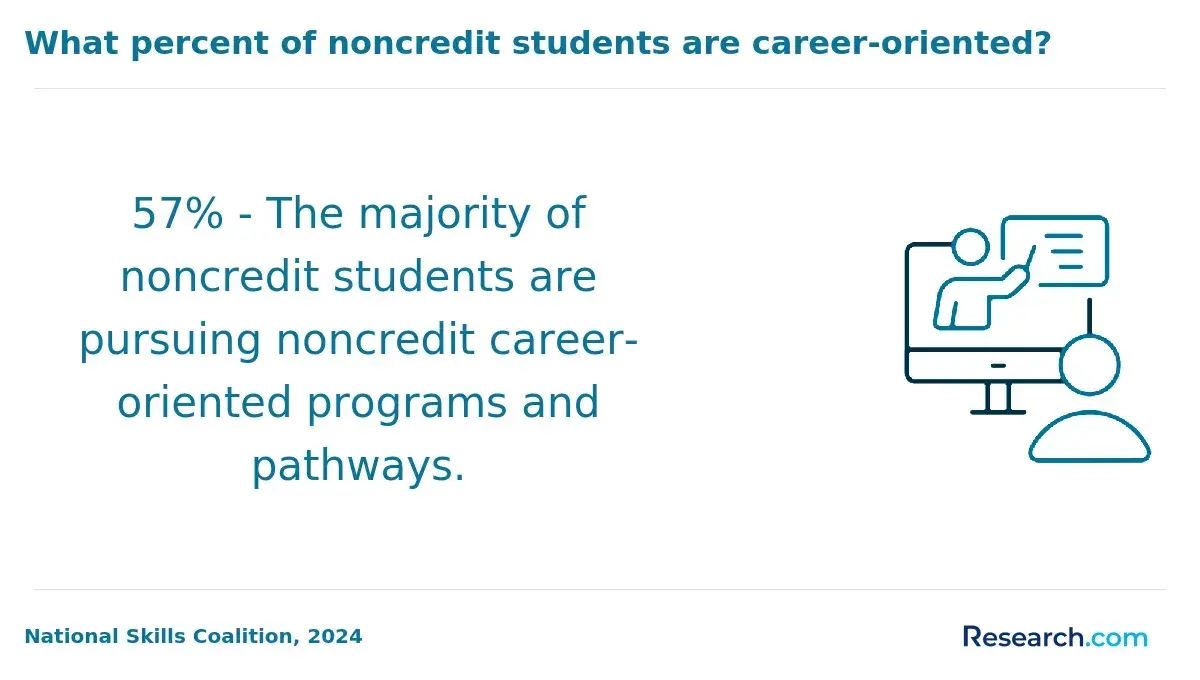
Admissions competitiveness for substance abuse counseling programs varies notably across institutional types, reflecting differences in program capacity, applicant demand, and institutional mission. Private nonprofit universities and specialized health science colleges typically impose the most rigorous entry criteria due to constrained seats and heightened applicant interest, especially as they cater to students aiming for clinically intensive or research-focused tracks.
In contrast, public community colleges and technical institutions generally maintain more accessible admissions, emphasizing workforce readiness over selectivity. Understanding these dynamics clarifies why certain schools remain consistently more selective despite the overall growth of the field.
- Private Nonprofit Universities: These institutions often receive high volumes of applicants but have limited spots specifically for substance abuse counseling, leading to acceptance rates frequently below 40% according to 2024 data from the National Center for Education Statistics. Their selectivity is compounded by higher GPA expectations and comprehensive applicant evaluations, including interviews and personal statements, aimed at identifying candidates with strong academic potential and clinical aptitude.
- Specialized Health Science Colleges: Focused narrowly on healthcare and social services, these colleges prioritize students who meet rigorous prerequisites in psychology and related fields. Limited program capacity combined with the strategic objective to align graduates with evolving clinical demands means acceptance rates also tend to be under 40%, reinforcing a competitive selection environment.
- Public Community Colleges: Often characterized by open or minimally restrictive admissions policies, these institutions usually admit over 70% of substance abuse counseling applicants. Their programs prioritize accessibility and rapid entry into the workforce, frequently accepting applicants with lower GPAs and offering test-optional routes, reflecting a practical orientation rather than selective screening.
- Technical and Vocational Schools: These schools emphasize hands-on training and certification readiness, resulting in relatively lenient admissions standards. Enrollment capacity tends to be more flexible, reducing competition, and their focus centers on immediate employability over academic rigor or selective intake processes.
How Do Admissions Standards Differ Across States and Regions?
Admission standards for substance abuse counseling programs in the United States vary significantly according to state and regional contexts, shaped by underlying educational policies and institutional frameworks. Data from 2024 reports by the National Center for Education Statistics and state university systems reveal that regions with dense populations and competitive higher education markets, such as the Northeast and West Coast, generally enforce higher GPA thresholds and more rigorous academic prerequisites.
These programs confront increased applicant volume and prioritize academic readiness, often setting expectations above 3.0 GPA for transfer and first-time students to manage demand and minimize dropout rates. Conversely, areas in the South and Midwest tend to implement more flexible criteria, balancing a wider acceptance rate with lower GPA requirements to address persistent local workforce shortages and support non-traditional student populations seeking entry or reentry into the counseling field.
The disparities in admissions reflect several interrelated factors beyond mere geography, including variations in public funding levels, regional labor market dynamics, and institutional capacity constraints. States with robust public investment and dense urban centers typically develop highly selective programs aligned with stringent licensure requirements, whereas regions with stretched healthcare systems and emerging workforce needs often exhibit greater openness to experiential backgrounds over standardized metrics.
Differences between metropolitan and rural education ecosystems also influence admissions approaches, whereby rural-focused programs may ease academic filters to enhance accessibility amid limited candidate pools. This complex interplay underscores that admissions standards are adaptive mechanisms reflecting local regulatory pressures, market demand intensity, and institutional priorities rather than uniform academic benchmarks.
One graduate recalls applying to programs in two very different states, noting that the school in a populous northeastern city required immediate submission of transcripts with a solid GPA whereas the northern midwestern program accepted applications over a longer rolling admission period with less emphasis on early test scores.
She hesitated at first, uncertain if delaying her application to improve her academic record would jeopardize acceptance in the more selective program, but the flexible timeline allowed her to weigh options carefully. This experience underscores how regional admissions policies can shape strategic decision-making for applicants navigating timelines, requirements, and competing institutional standards in substance abuse counseling education.
How Do Admissions Requirements Compare Between Online and Campus Programs?
Admissions requirements for substance abuse counseling programs differ considerably between online and campus formats, influenced by evolving institutional priorities and student demographics. Data from 2024 national education surveys indicate that online programs generally admit a larger share of applicants, often reflecting acceptance rates 10 to 15 percentage points higher than comparable campus-based offerings.
Online programs tend to accept students with GPAs near 2.5, whereas many campus programs require a minimum GPA around 3.0, aligning with a more selective approach that emphasizes academic preparation. Additionally, test-optional policies are more widespread online, while campus programs frequently maintain standardized testing or GRE requirements for specialized or integrated tracks.
This variance stems from differing admission criteria shaped by program delivery models and enrollment strategies, a critical consideration in comparing substance abuse counseling admissions requirements online vs campus. The key drivers behind these admissions differences include accessibility goals, target student populations, and operational scalability.
Online programs cater extensively to working adults and career changers, necessitating more flexible criteria that accommodate diverse educational and professional backgrounds. Campus programs typically engage traditional students and prioritize demonstrated academic rigor and prior healthcare credentials, aiming for cohort consistency and hands-on experiential learning frameworks.
Moreover, institutional policies for academic support vary; campus settings often integrate face-to-face mentorship and clinical placements that depend on baseline qualifications, whereas online formats leverage diversified learning assessments to balance rigor with inclusion. These factors collectively shape admissions policy decisions and reflect broader enrollment management strategies across substance abuse counseling degree programs.
Such contrasts have meaningful repercussions for student choice and employer perceptions. While employers recognize the practical skills and internships embedded in campus programs, some weigh the selectivity and academic strictness of on-campus credentials more heavily, influencing hiring priorities in clinical and social service settings.
Prospective students evaluating substance abuse counseling admissions requirements online vs campus should consider how these structural differences impact program quality, flexibility, and career trajectory suitability rather than viewing format distinctions as merely convenience-based. Individuals aiming for alternative pathways might also explore related credentials, such as direct entry MSN programs that intersect with substance abuse treatment roles in various healthcare systems.
Is There a Relationship Between Admissions Standards and Student Success?
Recent data from the National Center for Education Statistics highlights a nuanced relationship between admissions standards and student success in substance abuse counseling programs across different regions. Programs with higher GPA requirements, generally around 3.0 or above, tend to report a 12% increase in on-time graduation rates compared to less selective programs, indicating that stronger academic preparation can support more consistent completion trajectories.
However, impact of stricter admissions criteria on student outcomes in substance abuse counseling education is not solely dependent on these quantitative measures. A more holistic approach to admissions often captures students with valuable interpersonal skills and real-world experience, which are critical in counseling roles and correlate with similar licensure exam pass rates and employment outcomes.
Complicating this relationship are variations in student demographics, institutional resources, and support services that influence success post-admission. Programs that adopt moderate GPA thresholds but emphasize comprehensive admissions interviews and experiential learning components tend to produce graduates with both academic proficiency and practical readiness.
Moreover, differences in graduation requirements and funding affect retention and career trajectories, underscoring that higher selectivity alone does not guarantee superior career outcomes. Employers frequently prioritize practical counseling skills and cultural competence, recognizing that rigid admissions standards may exclude otherwise capable candidates who excel in these areas.
For prospective students navigating admissions policies, it is important to understand that selectivity does not uniformly reflect program quality or long-term success in the behavioral health workforce. Admission criteria should be weighed alongside program design, the availability of academic support, and alignment with professional expectations.
Those considering options might explore a range of pathways, including online doctoral programs in counseling, which often balance admissions approaches with flexible delivery models to accommodate diverse student needs and career goals.
How Can Students Strengthen a Substance Abuse Counseling Program Application?
Successful substance abuse counseling program applications rely on a combination of solid academic preparation, relevant practical experiences, and clear evidence of alignment with program objectives. Admissions committees focus less on minimum qualifications and more on how applicants demonstrate readiness, professional fit, and long-term potential in behavioral health settings.
The holistic review process increasingly values narratives and credentials that integrate academic metrics with hands-on engagement and personal insight. Understanding how these elements interplay can position applicants more effectively amid tightening admissions selectivity and rising GPA expectations.
- Targeted Academic Record: Admissions evaluate coursework rigor and relevance, especially in psychology, sociology, and health sciences, as indicators of foundational knowledge. A GPA in the competitive 3.0 to 3.5 range signals academic competence, but committees also weigh context and progression, making strategic course selection critical for signaling commitment to counseling fundamentals.
- Documented Practical Experience: Volunteer or paid roles in community health or treatment settings serve as tangible evidence of applicant engagement and understanding of the field's realities. Programs increasingly prioritize candidates showing hands-on familiarity, recognizing that such experience can partially compensate for less competitive academic elements.
- Strong Letters of Recommendation: References attesting to interpersonal skills, ethical judgment, and professional demeanor are pivotal. These letters provide qualitative validation of an applicant's suitability for client-centered roles, often differentiating candidates beyond test scores or GPAs in competitive pools.
- Reflective Personal Statements: Thoughtful, well-articulated essays connecting personal history with substance use disorder understanding and career goals reveal maturity and alignment with program missions. Committees use these narratives to assess applicant motivation and cultural competence, traits essential for effective counseling practice.
- Additional Certifications or Skills: Credentials such as peer recovery support or first aid licensing demonstrate proactive readiness and broaden applicant versatility. When integrated into applications, they reinforce evidence of practical preparation and commitment, especially valuable under holistic review frameworks that seek diverse competencies.
References
- MA Concentration in the Treatment of Substance Use and Other Addictive Behaviors https://www.newschool.edu/nssr/concentration-in-the-treatment-of-substance-use-and-other-addictive-behaviors/
- Treatment Methods & Evidence-Based Practices https://www.naatp.org/treatment-methods-evidence-based-practices
- Substance Abuse Counseling Schools | Psychology Degree Guide https://psychologydegreeguide.org/specialty/substance-abuse-counseling/
- 50 Best Master's Degree Programs in Addiction Counseling https://addiction-counselor.org/degrees/masters/
- Substance Abuse Counselor https://onlinecounselingprograms.com/become-a-counselor/counseling-careers/substance-abuse-counselor/
- Substance Abuse In College Students: Statistics & Rehab Treatment https://americanaddictioncenters.org/rehab-guide/college
- Substance Abuse Counseling Techniques https://www.drugrehab.com/treatment/types-of-therapy/
- Substance Use Disorder Counseling https://www.wctc.edu/WCTC/Academics/Program-List/Substance-Use-Disorder-Counseling
- Top Online Addiction Counselor Degree and Certificate Options https://www.addiction-counselors.com/online-degrees/
Other Things You Should Know About Substance Abuse Counseling Admissions Trends
While GPA remains a factor in admissions, programs increasingly recognize that real-world experience and interpersonal skills can offset marginally lower academic performance. Applicants with stronger practical backgrounds in counseling settings or community service often demonstrate readiness for the field despite a GPA slightly below the average threshold. Prioritizing relevant experience alongside GPA can improve admission prospects, especially in programs emphasizing hands-on training and client interaction over pure academic metrics.
Test-optional admissions may broaden access but can also shift greater emphasis onto other parts of the application, such as essays or recommendations, which may introduce variability in assessment quality. For applicants, this means demonstrating clear motivation, understanding of field demands, and professional aptitude becomes more critical. However, employers may scrutinize programs with laxer entry testing more closely, potentially affecting graduates' perceived credibility and competitiveness in the job market.
Due to variation in acceptance rates and program criteria, especially as some schools tighten standards post-pandemic, applicants face real tradeoffs between breadth and depth in their application strategy. Applying broadly increases chances but may dilute preparation quality and increase financial and time burdens. A targeted approach, focusing on programs matching the applicant's profile and career goals, is generally more effective for maximizing admission probability and aligning with quality educational outcomes.
Programs tightening GPA and testing requirements often correlate with heightened academic rigor and clinical demands, requiring applicants to anticipate more intensive study schedules and practical commitments. Understanding this connection helps prospective students realistically assess their capacity to manage program workloads and balance practical experience with academic achievement. Selecting programs less selective on admissions criteria may mean a heavier reliance on self-motivation and supplemental learning to meet professional readiness.