2027 Best Nursing Schools in Missouri – Accredited ADN, BSN, MSN Programs

Co-Founder and Chief Data Scientist
Choosing a nursing school in Missouri is not just about finding the closest campus or the lowest tuition. The better question is whether a program will help you qualify for licensure, pass the NCLEX-RN, complete clinical requirements, manage costs, and enter the type of nursing role you actually want.
This guide is for prospective nursing students, working LPNs, registered nurses considering a BSN or MSN, and career changers comparing Missouri nursing pathways. You will learn how nursing education works in the state, how long programs usually take, what costs to expect, which schools offer nursing options, how online programs fit into licensure preparation, and what to check before enrolling.
Nursing remains one of the most important healthcare careers in Missouri because nurses deliver direct patient care, coordinate with physicians and allied health teams, educate patients, administer treatments, advocate for safety, and support communities across hospitals, clinics, long-term care facilities, schools, public health agencies, and home health settings.
According to research, it is expected that there will be over two million new jobs for people who are interested in health occupations. For students considering healthcare, that means nursing can offer multiple entry points, from practical nursing and associate degree programs to bachelor’s, master’s, and advanced practice pathways.
Best Nursing Schools in Missouri Table of Contents
- Quick answer: Is nursing a strong career choice in Missouri?
- How do you become a nurse in Missouri?
- How long do Missouri nursing programs take?
- How much do nursing programs in Missouri cost?
- Missouri nursing schools to compare for 2027
- What trends are shaping nursing careers in Missouri?Compare listed nursing schools
- Which online nursing programs are available in Missouri?
- How should you choose a nursing program in Missouri?
- What is the pay outlook for specialized nursing roles?
- What steps are required for Missouri nursing licensure?
- What career options exist for LPNs in Missouri?
- How does interprofessional collaboration support nursing careers?
- How can LPNs move into higher-level nursing roles?
- Why does continuing education matter for Missouri nurses?
- What are the benefits of LPN programs in Missouri?
- Which healthcare careers complement nursing?
- How do nurse midwife pathways work in Missouri?
- How can scholarships and loan repayment reduce nursing education costs?
- Which nursing specializations are available in Missouri?
- What resources help Missouri nursing students succeed?
- Can advanced practice nursing improve career mobility?Student support resources
Quick Answer: Is Nursing a Good Job in Missouri?
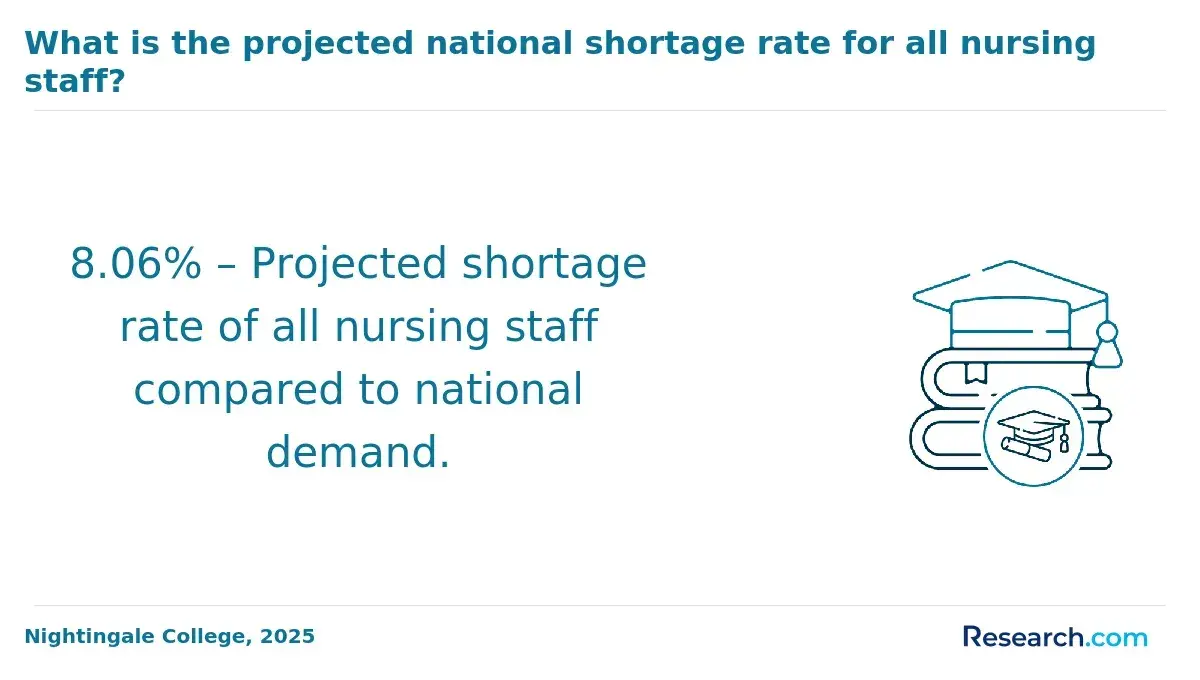
Yes, nursing can be a strong career path in Missouri for students who want a healthcare role with clear licensure requirements, multiple education routes, and employment opportunities across urban, rural, and community-based settings. Missouri may be especially appealing to new nurses because recent studies found that the cost of living in Missouri is nine percent lower than the national average, which can make everyday expenses such as food, healthcare, transportation, and utilities more manageable.
The best nursing path depends on your timeline and goals. An ADN can be a faster route to registered nursing, while a BSN may offer broader preparation and can be preferred by some employers. LPN programs can provide a shorter entry point into nursing, and MSN or advanced practice programs can support leadership, education, informatics, nurse practitioner, or specialized clinical roles.
| Path | Best fit | Typical outcome | Key decision point |
| LPN program | Students seeking a shorter practical nursing route | Licensed Practical Nurse roles in settings such as long-term care, clinics, and community health | Confirm whether you plan to bridge later from LPN to RN |
| ADN | Students who want a faster RN pathway | Eligibility to pursue RN licensure after meeting program and exam requirements | Check transfer and RN-to-BSN options before enrolling |
| BSN | Students seeking broader clinical, leadership, and public health preparation | RN preparation with additional bachelor’s-level coursework | Compare total cost, clinical placements, and NCLEX-RN pass outcomes |
| RN-to-BSN | Licensed RNs with an associate degree or diploma | Bachelor’s degree completion for career growth | Look for flexible scheduling and employer tuition support |
| MSN or advanced practice program | RNs pursuing specialization, education, leadership, or advanced practice | Graduate-level preparation for higher-responsibility roles | Verify admissions requirements, clinical expectations, and certification alignment |
How to Become a Nurse in Missouri
Missouri nursing careers begin with the right education pathway and end with state licensure. Students who are also considering broader healthcare leadership options may want to compare nursing with healthcare management careers, but anyone seeking RN licensure should first focus on approved nursing education, NCLEX-RN preparation, and Missouri Board of Nursing requirements.
1. Choose and complete the right nursing program.
The first major decision is whether to pursue an Associate Degree in Nursing or a Bachelor of Science in Nursing. An ADN is commonly selected by students who want a shorter route into registered nursing, while a BSN generally includes more coursework in leadership, community health, evidence-based practice, and broader clinical preparation. Students should compare admission requirements, prerequisite courses, clinical placement support, accreditation, graduation requirements, and the program’s fit with their work schedule.
2. Pass the NCLEX-RN.
After graduating from an eligible nursing program, RN candidates must pass the National Council Licensure Examination for Registered Nurses. The NCLEX-RN evaluates whether a candidate has the clinical judgment and foundational knowledge needed for safe entry-level nursing practice. Many graduates prepare through review courses, question banks, practice exams, structured study plans, and school-based remediation resources.
3. Apply for a Missouri nursing license.
After meeting education and examination requirements, candidates apply for registered nurse licensure through the Missouri State Board of Nursing. Requirements can differ depending on the applicant’s background, program type, and documentation, so students should verify current instructions before submitting materials. RNs who want to move into management, education, informatics, or specialized practice may later compare graduate options such as the most affordable online MSN programs.
4. Build experience and plan your next credential.
New nurses often begin in hospitals, clinics, long-term care, rehabilitation, home health, or public health settings. After gaining experience, they may pursue specialty certification, an RN-to-BSN pathway, graduate study, leadership training, or advanced practice preparation.
Nursing Program Length in Missouri
Nursing program length in Missouri depends on the credential. ADN programs in Missouri generally take about 18 to 24 months, which makes them one of the shorter RN education routes. These programs are frequently offered through community colleges and usually emphasize core nursing concepts, clinical practice, and preparation for the NCLEX-RN.
A traditional BSN program usually takes four years. Students often spend the earlier part of the curriculum completing general education and prerequisite coursework before moving into upper-level nursing courses, clinical experiences, leadership preparation, and population health content. Many Missouri BSN programs are organized across eight semesters and total about 120 credit hours.
Students who already have college credit or healthcare credentials may have faster or more flexible options. Accelerated BSN programs for students who already hold a bachelor’s degree in another field can often be completed in 12 to 18 months. RN-to-BSN programs allow licensed registered nurses with an ADN to complete a bachelor’s degree in one to three years, depending on whether they enroll full time or part time.
Missouri students can earn a BSN in four years at many institutions, while ADN and MSN pathways are often described as two-year options. Although an associate degree can lead to RN licensure eligibility, some employers prefer or encourage bachelor’s-level preparation. For that reason, many ADN-prepared registered nurses later compare affordable RN-to-BSN programs. Part-time enrollment can extend completion time, especially when clinical rotations must be scheduled around work or family responsibilities.
| Program type | Common completion time stated | Who it is usually for | Important planning note |
| ADN | 18 to 24 months; often described as two years | Students seeking a faster RN pathway | Ask whether credits transfer into RN-to-BSN programs |
| Traditional BSN | Four years | First-time college students or transfer students seeking bachelor’s-level RN preparation | Review prerequisite sequencing and clinical start dates |
| Accelerated BSN | 12 to 18 months | Students with a bachelor’s degree in another field | Expect an intensive schedule with limited flexibility |
| RN-to-BSN | One to three years | Licensed RNs completing a bachelor’s degree | Compare online delivery, practicum expectations, and employer reimbursement |
| MSN | Often described as two years | RNs pursuing leadership, education, informatics, or advanced study | Check whether the track requires clinical hours, campus visits, or certification preparation |
Tuition and Cost of Nursing Programs in Missouri
Nursing school costs vary by institution, residency status, degree level, course fees, clinical requirements, books, supplies, uniforms, background checks, immunizations, transportation, and living expenses. Students should compare total cost of attendance rather than tuition alone.
A four-year Bachelor of Science in Nursing program at Missouri State University is estimated to cost about $48,101 for in-state students and approximately $89,388 for out-of-state students when tuition and fees are included (Missouri State University, 2025).
That estimate includes tuition, student service fees, and supplemental course fees, but it does not include personal expenses such as textbooks or living costs, which can raise the overall cost of attendance.
For associate degree nursing students, the total cost typically ranges around $18,200 in 2025 (St. Francis Community College, 2025). Missouri also offers online LPN programs and traditional postgraduate nursing options, with tuition generally ranging from $10,500 to $15,400 depending on specialization (Missouri State University – West Plains, 2025).
| Cost item | Why it matters | Question to ask before enrolling |
| Tuition and mandatory fees | This is the base cost, but it rarely represents the full amount students pay | Does the published price include program-specific nursing fees? |
| Books, supplies, and equipment | Nursing students may need uniforms, lab supplies, technology, and testing materials | Is there a required supply list with estimated costs? |
| Clinical expenses | Clinical placement can require travel, immunizations, background checks, and drug screening | Where are clinical sites located, and who arranges them? |
| Residency status | Out-of-state tuition can substantially increase cost | Can I qualify for in-state tuition or tuition discounts? |
| Time away from work | Accelerated and full-time programs may limit employment options | Can the schedule realistically fit my income needs? |
Missouri Schools Offering Nursing Programs for 2027
The schools below are starting points for comparison, not automatic recommendations for every student. Before applying, verify current tuition, admissions standards, NCLEX-RN outcomes, clinical placement policies, accreditation status, and whether the program meets your licensure goals.
1. Missouri State University
The Missouri State University School of Nursing offers multiple nursing pathways, including ADN, BSN, MSN, and a BSN completion option for registered nurses who need a more flexible route while continuing to work.
- Program Length: Four years
- Tracks/concentrations: N/A
- Cost per Credit: $267 (in-state), $572 (out-of-state).
- Required Credits to Graduate: 120
- Accreditation: Commission on Collegiate Nursing Education
2. St. Louis Community College
Students searching for lower-cost nursing programs in St. Louis may consider St. Louis Community College. Its two-year associate in applied science nursing pathway is described as accredited and approved by the MSBN. Students who already hold a practical nursing certificate may also want to review LPN options in the St. Louis area.
- Program Length: Two years
- Tracks/concentrations: Applied Science
- Cost per Credit: $171 (in-state), $233 (out-of-state).
- Required Credits to Graduate: 60
- Accreditation: Commission on Collegiate Nursing Education
3. Capella University
Capella University offers online nursing degree options, including BSN completion pathways and graduate programs. Working nurses who need flexible scheduling may also compare online RN-to-MSN programs if their long-term goal is a postgraduate credential.
- Program Length: 14 months to four years
- Tracks/concentrations: Nursing Education, Nursing Informatics, Nursing Administration, and more
- Cost per Credit: $350-$450 (BSN), $450- $830 (MSN)
- Required Credits to Graduate: 135
- Accreditation: Commission on Collegiate Nursing Education
- University of Missouri
4. University of Missouri Sinclair School of Nursing
The University of Missouri Sinclair School of Nursing, also known as Mizzou Nursing, provides pre-nursing, clinical nursing, RN-to-BSN, and accelerated BSN options. Students can also review available specialty areas when comparing Mizzou with other Missouri nursing schools.
- Program Length: Four years
- Tracks/concentrations: Health Education, Critical Care, Nursing Education, and more
- Cost per Credit: You need to visit the University of Missouri cashier’s office.
- Required Credits to Graduate: 120
- Accreditation: Commission on Collegiate Nursing Education
- Missouri Western State University
5. MWSU’s School of Nursing
MWSU’s School of Nursing may be a fit for registered nurses seeking graduate education, especially those interested in Healthcare Leadership or Nursing Education. Students considering nonclinical leadership may also compare nursing graduate study with healthcare management career options.
- Program Length: Two years
- Tracks/concentrations: Healthcare Leadership and Nursing Education
- Cost per Credit: $425 (in-state), $710 (out-of-state).
- Required Credits to Graduate: at least 32
- Accreditation: Commission on Collegiate Nursing Education
| School | Program type highlighted | Best reason to compare it | Verify before applying |
| Missouri State University | ADN, BSN, MSN, BSN completion | Multiple nursing pathways within one institution | Current costs, clinical expectations, and admissions criteria |
| St. Louis Community College | Associate in applied science in nursing | Two-year community college route | Program approval, pass rates, and transfer agreements |
| Capella University | Online BSN and MSN-related options | Flexible online study for working nurses | Clinical or practicum requirements and state authorization |
| University of Missouri Sinclair School of Nursing | Pre-nursing, clinical nursing, RN-to-BSN, accelerated BSN | Several entry points for different student backgrounds | Competitive admission standards and cashier’s office cost details |
| MWSU’s School of Nursing | MSN tracks | Graduate options in leadership and education | Graduate prerequisites and required credits |
Trends and Future Outlook for Nursing Careers in Missouri
Missouri’s nursing labor market is influenced by patient demand, an aging population, rural healthcare access challenges, and the need for nurses who can work across acute care, long-term care, community health, and specialty settings. The strongest opportunities may not look the same in every part of the state, so students should evaluate both statewide demand and local employer needs.
Older adults often require more frequent care, chronic disease management, medication support, rehabilitation, and long-term services. That creates opportunities for nurses with geriatric, home health, care coordination, and long-term care experience.
Rural parts of Missouri can face healthcare workforce shortages. Nurses willing to work in underserved communities may find meaningful roles and may also qualify for certain incentive programs tied to service in high-need locations.
Technology is also changing nursing education and practice. Simulation labs, electronic health records, telehealth, clinical decision-support tools, and data-informed care are increasingly part of nursing work. Students should look for programs that teach safe technology use while still emphasizing patient assessment, communication, ethics, and clinical judgment.
Students who want a step-by-step overview of the RN route can review Research.com’s guide on how to become an RN in Missouri.
What Online Nursing Programs Are Available in Missouri?
Online nursing programs in Missouri can be useful for working adults, licensed nurses, and students who need flexible coursework. However, nursing is never fully theoretical. Programs that lead to licensure or advanced clinical practice still require hands-on training, clinical experiences, labs, simulations, or practicum placements.
Online options are often strongest for RN-to-BSN, MSN, nursing education, nursing informatics, nursing administration, and some post-licensure pathways. Pre-licensure programs may include online coursework but usually require in-person clinical components. Before enrolling, ask whether the school arranges clinical placements in Missouri or expects students to find their own sites.
| Online program type | Who it may serve best | What to verify |
| Online LPN coursework | Students seeking practical nursing preparation with flexible classes | Hands-on lab and clinical requirements |
| Hybrid ADN or BSN | Students pursuing RN preparation with some online coursework | Campus visits, clinical sites, and licensure eligibility |
| Online RN-to-BSN | Licensed RNs completing a bachelor’s degree | Transfer credits, practicum expectations, and employer reimbursement |
| Online MSN | RNs preparing for leadership, education, informatics, or specialization | Track requirements, clinical hours, and certification alignment |
What to Look For in a Nursing Program in Missouri
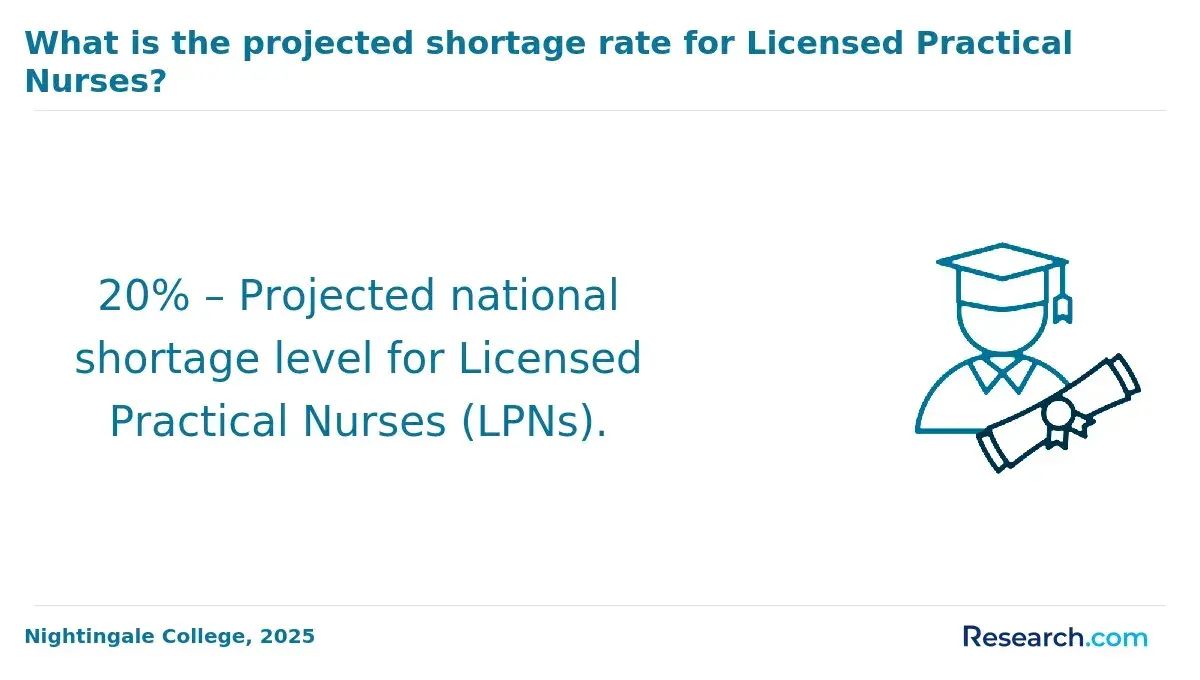
In 2025, Missouri provided an additional $3 million in funding to support nursing programs, aiming to encourage more students to pursue careers in nursing and help address the ongoing nursing shortage in the state (Missouri Hospital Association, 2025). For students, that investment makes program quality even more important: more seats only help if students graduate, pass licensure exams, and enter safe practice.
Use the following checklist before committing to a nursing school:
- Accreditation: Confirm that the program holds appropriate nursing accreditation. The Accreditation Commission for Education in Nursing (ACEN) and the Commission on Collegiate Nursing Education (CCNE) are major accrediting bodies for nursing programs.
- Program type and curriculum: Decide whether an ADN, BSN, MSN, LPN, bridge, or completion pathway fits your goal. Review course sequencing, simulation training, clinical hours, specialty exposure, and whether the program prepares students for the exam or credential they need.
- Licensure exam performance: Ask for recent NCLEX-RN pass rates when comparing RN programs. Strong results may indicate effective preparation, while weak or declining outcomes deserve closer investigation.
- Clinical placement support: Determine where clinical rotations occur, how far students must travel, whether evening or weekend placements are available, and whether the school or student is responsible for securing sites.
- Facilities and learning resources: If possible, review simulation labs, skills labs, tutoring, testing support, library resources, and student advising before enrolling.
- Total cost and financial aid: Compare tuition, fees, supplies, commuting, exam costs, and lost work time. Ask about scholarships, grants, loan repayment, employer reimbursement, and payment plans.
- Faculty qualifications: Look for faculty with clinical experience, strong credentials, student mentoring capacity, and availability outside class.
- Transfer and bridge policies: If you may continue from LPN to RN, ADN to BSN, or BSN to MSN, ask how credits transfer before you start.
| Common mistake | Why it can hurt students | Better approach |
| Choosing only by tuition | A low sticker price may not include fees, supplies, travel, or delayed graduation costs | Compare full cost of attendance and completion timeline |
| Ignoring accreditation | Accreditation can affect licensure, transfer, graduate study, and employer acceptance | Verify programmatic and institutional accreditation before applying |
| Assuming online means fully remote | Nursing programs often require labs, simulations, clinicals, or practicums | Ask for a complete list of in-person requirements |
| Not checking NCLEX-RN outcomes | Poor exam preparation can delay licensure and employment | Review recent pass rates and student support resources |
| Relying only on rankings | A highly visible school may not be the best fit for your budget, schedule, or location | Use rankings as one input, then evaluate outcomes and fit |
| Overlooking clinical placement logistics | Long commutes and limited placements can create scheduling problems | Ask where students complete clinicals and how placements are assigned |
What Is the Compensation Outlook for Specialized Nursing Roles in Missouri?
Specialized nursing compensation in Missouri can vary by role, education level, certification, employer, specialty, years of experience, and location. Nurses in advanced practice, psychiatric care, anesthesia, education, informatics, leadership, and high-demand specialties may see different pay structures than entry-level clinical nurses.
Because salary expectations should be based on current role-specific data, nurses considering psychiatric or advanced practice roles can compare earnings using Research.com’s guide to psychiatric nurse practitioner salary by state. When evaluating compensation, also consider benefits, shift differentials, loan repayment eligibility, tuition assistance, retirement contributions, and whether the role requires additional certification or graduate education.
What Are the Key Steps to Secure Your Nursing License in Missouri?
Missouri RN licensure generally requires completion of an approved nursing education program, successful completion of the NCLEX-RN, and submission of an application to the state regulatory body. Applicants should expect to provide documentation such as official transcripts, examination information, required fees, and any materials requested by the board.
Background checks, fingerprinting, and criminal record review may also be required as part of the licensing process. Because requirements can change and individual circumstances can affect eligibility, candidates should review the official process and Research.com’s overview of Missouri nursing license requirements before applying.
What Career Paths and Salary Prospects Are Available for LPNs in Missouri?
Licensed Practical Nurses provide important bedside and supportive care in Missouri healthcare settings, including long-term care facilities, hospitals, clinics, rehabilitation centers, and community health environments. LPN responsibilities may include monitoring patients, assisting with activities of daily living, administering certain medications within scope, documenting care, and supporting registered nurses and providers.
LPNs who want to understand compensation and advancement should compare local opportunities, shift schedules, benefits, and bridge program options. For a broader salary and career overview, see Research.com’s guide, What is LPN salary?.
How Can Interprofessional Collaboration Enhance Career Opportunities in Missouri?
Nurses rarely work in isolation. Strong patient care depends on collaboration among nurses, physicians, pharmacists, therapists, social workers, case managers, administrators, and other allied health professionals. Nurses who understand how other healthcare disciplines work can communicate more effectively, reduce errors, and move into care coordination or leadership roles.
Students interested in allied health collaboration may also explore related professional pathways such as how to become a pharmacist in Missouri. Understanding pharmacy, medication management, and interdisciplinary decision-making can strengthen nursing practice, especially in acute care, chronic disease management, and patient education.
What Are the Career Advancement Pathways for LPNs in Missouri?
LPNs in Missouri can advance by gaining experience, completing bridge education, earning additional certifications, and eventually moving toward RN or BSN-level preparation. Many LPN-to-RN pathways are designed to build on existing practical nursing skills while adding broader assessment, care planning, leadership, and clinical judgment preparation.
Before selecting a bridge program, LPNs should review admission prerequisites, credit for prior learning, clinical requirements, program approval, and licensure outcomes. Research.com’s guide to LPN requirements in Missouri can help students understand the baseline route before planning advancement.
How Can Continuous Professional Development Enhance Your Career in Missouri?
Continuing education helps nurses keep pace with changing standards of care, technology, patient safety practices, specialty protocols, and leadership expectations. Professional development can include certifications, graduate coursework, employer training, conferences, mentorship, specialty onboarding, and participation in professional associations.
RNs aiming for greater autonomy may explore advanced practice preparation, including Research.com’s guide on how to become a nurse practitioner in Missouri. These pathways typically require graduate education, clinical preparation, and careful attention to certification and state practice requirements.
What Advantages Do LPN Programs Offer in Missouri's Healthcare Landscape?
LPN programs can offer a practical entry point for students who want to begin nursing work sooner than a traditional RN or BSN pathway may allow. These programs typically focus on essential bedside care, foundational clinical skills, patient communication, safety, and supervised practice.
This route may be especially useful for students who want to test their fit for nursing, enter the workforce faster, or later bridge into RN education. Students comparing options can review Research.com’s list of the best online LPN programs in Missouri, while remembering to confirm clinical and licensure requirements directly with each school.
What Alternative Healthcare Career Paths Complement a Nursing Career in Missouri?
Not every healthcare career requires direct bedside nursing, and some nurses later move into administrative, technical, revenue cycle, compliance, or operations roles. Medical billing and coding, healthcare management, clinical documentation, quality improvement, and case management can complement nursing experience.
For nurses or students interested in healthcare finance and documentation, Research.com’s guide on how to become a medical biller and coder in Missouri explains one related path. This option may appeal to people who want healthcare work with less direct patient care or who want to understand reimbursement and compliance more deeply.
What Are the Nurse Midwife Career Pathways and Requirements in Missouri?
Nurse midwives provide advanced care related to women’s health, pregnancy, childbirth, postpartum care, and certain primary care services. In Missouri, nurse midwives may work in hospitals, birthing centers, community clinics, and other settings where maternal and reproductive health services are needed.
Prospective nurse midwives must complete advanced academic and clinical preparation and meet certification and practice requirements. Students can review Research.com’s guide to nurse midwife education requirements in Missouri for details on education, clinical experience, and credentialing steps.
This pathway is best suited to nurses who want advanced clinical responsibility, patient-centered maternal care, and a specialized role that requires substantial graduate-level preparation.
How Can Missouri Nurses Benefit From Loan Repayment and Scholarship Programs?
Scholarships, grants, employer tuition assistance, and loan repayment programs can reduce the financial pressure of nursing education. Some programs are tied to service commitments in underserved areas or high-demand facilities, so students should understand obligations before accepting funding.
Loan Repayment Programs
- Missouri Health Professional State Loan Repayment Program (SLRP):
- Provides up to $50,000 in loan repayment assistance for registered nurses and advanced practice registered nurses (APRNs) who commit to working in federally designated Health Professional Shortage Areas (HPSAs).
- Participants must work full-time for at least two years in an eligible healthcare facility.
- Nurse Corps Loan Repayment Program:
- Offers up to 85% of unpaid nursing education debt for registered nurses, nurse practitioners, and nurse faculty who serve in critical shortage facilities or accredited schools of nursing.
- Requires a minimum service commitment of two years.
Scholarship Opportunities
- Missouri Nursing Education Incentive Program:
- Provides financial support to nursing students and educators to address the shortage of qualified nursing instructors.
- Available to individuals pursuing advanced nursing degrees or certifications.
- Advanced Practice Health Care Loan Program:
- Offers scholarships and loan repayment for APRNs specializing in high-demand areas such as primary care or mental health.
- Recipients must agree to provide care in underserved communities.
- Institution-specific scholarships:
- Many Missouri nursing schools, including Missouri State University and the University of Missouri, offer merit-based and need-based scholarships.
- Examples include the Sinclair School of Nursing Scholarships and MSU Foundation Scholarships.
Why These Programs Matter
- Lower debt burden: Funding support can reduce the amount students borrow for nursing school.
- Career development: Some programs encourage nurses to pursue advanced degrees, teaching roles, or specialty preparation.
- Service in high-need areas: Loan repayment can motivate nurses to work in communities with limited healthcare access.
- Recruitment and retention: Financial incentives can help healthcare facilities attract and keep qualified nurses in rural and underserved areas.
How to Apply
- Identify programs that match your credential level, location, and employment plans.
- Review eligibility rules, service commitments, deadlines, and required documentation.
- Prepare proof of enrollment, licensure, employment, debt, or other requested records.
- Submit applications through the official program website or the organization managing the award.
- Keep copies of all agreements so you understand repayment, service, and reporting obligations.
Nursing Specializations and Career Paths in Missouri
After gaining experience, Missouri nurses can specialize in areas that match their clinical interests and career goals. Specialization may require certifications, graduate education, employer training, or advanced practice credentials. It can also lead to more focused responsibilities and different compensation structures.
- Nurse Practitioners (NPs): Nurse practitioners provide advanced clinical care and may diagnose conditions, manage treatment plans, and prescribe medications depending on practice authority and role. Nurses interested in family primary care may compare online BSN-to-FNP programs.
- Nurse Anesthetists (CRNAs): CRNAs are advanced practice nurses who administer anesthesia for surgeries and procedures. This pathway requires specialized graduate education, clinical preparation, and certification.
- Clinical Nurse Specialists (CNSs): CNSs focus on improving patient outcomes, supporting evidence-based care, mentoring staff, and advancing practice in specialties such as cardiology, oncology, pediatrics, or critical care.
- Nurse Educators: Nurse educators teach students and practicing nurses in academic and clinical environments. This role can be a strong fit for experienced nurses who enjoy mentoring, curriculum development, and workforce preparation.
- Nursing Administration and Leadership: Nurses interested in operations may pursue roles such as nurse manager, director of nursing, or chief nursing officer. These positions usually involve staffing, quality improvement, compliance, budgeting, and patient care systems.
| Specialization | Good fit for nurses who want to... | Common next step |
| Family Nurse Practitioner | Provide primary care across the lifespan | Graduate study with clinical preparation |
| Nurse Education | Teach students or train clinical staff | MSN or education-focused graduate coursework |
| Nursing Informatics | Combine nursing knowledge with data and health technology | Informatics coursework, EHR experience, or MSN track |
| Nursing Leadership | Manage teams, units, quality initiatives, or operations | Leadership experience, MSN, MBA, or dual-degree option |
| Nurse Midwifery | Focus on maternal, reproductive, and women’s health | Advanced clinical program and certification pathway |
Resources for Nursing Students in Missouri
Strong student support can make the difference between enrolling in nursing school and successfully graduating. When comparing programs, ask what help is available before students struggle academically or clinically.
- Academic support: Tutoring, skills remediation, exam preparation, faculty office hours, and writing support can help students manage demanding coursework.
- Career services: Resume help, interview coaching, job fairs, and employer relationships can support the transition from student to nurse.
- Student organizations: Groups such as the Missouri Nurses Association can provide networking, leadership experience, and professional identity development.
- Simulation labs and clinical practice: Skills labs and simulation experiences allow students to practice assessment, communication, and clinical decision-making before working with real patients.
- Financial aid and scholarships: Nursing-specific scholarships, grants, institutional awards, and employer support can reduce education costs. Students seeking a faster path may also compare affordable accelerated nursing programs.
- Mentorship: Mentors can help students understand clinical expectations, specialty choices, stress management, and early career planning.
Can Advanced Practice Roles Elevate Your Career in Missouri?
Advanced practice nursing can expand a nurse’s scope of responsibility, clinical autonomy, leadership opportunities, and ability to serve patients in high-need areas. These roles require more education and preparation, so the decision should be based on career goals, cost, time, clinical requirements, and certification expectations.
Nurses interested in advanced clinical roles can compare nurse practitioner programs in Missouri. A strong program should emphasize evidence-based care, patient safety, diagnostic reasoning, pharmacology, population health, and interprofessional collaboration.
Is Becoming a Nurse in Missouri Worth It?
Becoming a nurse in Missouri can be worth it for students who are prepared for rigorous coursework, clinical demands, licensure requirements, and emotionally challenging work. The state’s lower cost of living, variety of healthcare settings, and multiple education pathways can make nursing an attractive option, especially for students who choose an accredited program with strong outcomes.
It may not be the right path for everyone. Students who want predictable hours, minimal patient contact, or a low-stress academic route should carefully shadow nurses, speak with advisors, and compare other healthcare careers before enrolling. Those interested in leadership or business-focused roles may eventually explore options such as the best MSN MBA online programs.
| Choose nursing in Missouri if... | Consider another path if... |
| You want direct patient care and can handle clinical pressure | You prefer administrative work with little patient interaction |
| You are willing to complete licensure steps and ongoing education | You do not want a regulated profession with strict requirements |
| You can commit to labs, clinical rotations, and exam preparation | You need a program with no in-person requirements |
| You want multiple advancement routes, from RN-to-BSN to graduate study | You want a short training program with no future credential planning |
Key Insights
- Missouri offers several nursing entry points: Students can compare LPN, ADN, BSN, RN-to-BSN, MSN, and advanced practice pathways depending on their timeline, budget, and career goals.
- Program choice affects licensure readiness: Accreditation, NCLEX-RN preparation, clinical placement quality, and state approval should matter more than convenience alone.
- Costs vary widely: A four-year BSN estimate at Missouri State University is about $48,101 for in-state students and approximately $89,388 for out-of-state students, while associate degree nursing costs typically range around $18,200 in 2025.
- Missouri can be financially appealing for new nurses: The cost of living in Missouri is 9% lower than the national average, which may help graduates manage early-career income and education debt.
- Online nursing can be useful but not fully hands-off: Even online or hybrid programs may require labs, simulations, clinical placements, practicums, or campus visits.
- LPN and ADN routes can be practical starting points: These options may help students enter the workforce sooner, but students should plan ahead for bridge or BSN completion if career advancement is a goal.
- Advanced roles require deliberate planning: Nurse practitioner, nurse midwife, nurse educator, informatics, and leadership roles may require graduate education, certification, and targeted clinical experience.
- Funding programs can change the ROI: Scholarships, employer tuition assistance, and loan repayment options can reduce debt, especially for nurses willing to work in underserved or high-need areas.
- Published outcomes matter: Before enrolling, ask every school about recent NCLEX-RN pass rates, graduation rates, job placement support, clinical site availability, and total program costs.
- Employment for nursing professionals is projected to grow by 17% through 2030: This outlook, combined with Missouri’s range of healthcare settings, supports continued interest in nursing education across the state.
Related Articles for Nearby States
- 2027 Best Nursing Schools in Kansas – Accredited ADN, BSN, MSN Programs
- 2027 Best Nursing Schools in Iowa – Accredited ADN, BSN & MSN Programs
- 2027 Best Nursing Schools in Nebraska – Accredited ADN, BSN, MSN Programs
- 2027 Best Nursing Schools in Arkansas – Accredited ADN, BSN, MSN Programs
- 2027 Best Nursing Schools in Oklahoma – Accredited ADN, BSN, MSN Programs
- 2027 Best Nursing Schools in Illinois – Accredited ADN, BSN, MSN Programs
- 2027 Best Nursing Schools in Kentucky – Accredited ADN, BSN, MSN Programs
- 2027 Best Nursing Schools in Tennessee – Accredited ADN, BSN, MSN Programs
- 2027 Best Nursing Schools in Indiana – Accredited ADN, BSN, MSN Programs
- 2027 Best Nursing Schools in South Dakota – Accredited ADN, BSN, MSN Programs
References:
- Capella University. (n.d.). Online Degrees and Nursing Certificates. https://www.capella.edu/online-nursing-degrees
- Missouri State University. (n.d.). Estimated Costs. https://www.missouristate.edu/Nursing/Undergraduate/costs.htm
- Missouri State University West Plains. (n.d.). Associate of Science in Nursing. https://wp.missouristate.edu/Catalog/degree-nursing-as-nursing.htm
- Rent Cafe. (n.d.). Cost of Living in Missouri. https://www.rentcafe.com/cost-of-living-calculator/us/mo
- State Fair Community College. (n.d.). Year One Nursing Program Information. https://www.sfccmo.edu/files/academics-and-programs/areas-of-study/nursing/SFCC-Year-One-Nursing-Admission-Req.pdf
- U.S. Bureau of Labor Statistics. (2025). Occupational outlook handbook: Registered nurses. https://www.bls.gov/ooh/healthcare/registered-nurses.htm
- Missouri Hospital Association. (2025). Missouri nursing workforce initiatives and funding. https://www.mhanet.org/nursing-workforce
- Missouri State University – West Plains. (2025). Postgraduate and online nursing programs: Tuition information. https://wp.missouristate.edu/nursing/costs
- St. Francis Community College. (2025). Associate degree in nursing: Tuition and fees. https://www.sfccmo.edu/nursing/costs
Other Things You Should Know About the Best Nursing Schools in Missouri
Missouri nursing programs must include supervised clinical practice, and pre-licensure programs are built around hundreds of hours in approved settings. ADN and BSN students complete clinical rotations in hospitals and community sites, while MSN programs add advanced practicum hours tied to the specialty and school’s curriculum plan.
In 2027, the cost of nursing programs in Missouri varies significantly depending on the institution and degree level. Tuition for ADN programs averages between $5,000 to $15,000 per year, while BSN programs typically range from $10,000 to $25,000 annually. MSN programs can cost between $20,000 to $50,000. Additional expenses may include books, lab fees, and other school-specific charges.
Nursing students in Missouri can explore various financial aid options, including scholarships, federal student loans, and grants. Many schools offer specific scholarships for nursing students. Programs like FAFSA and state grants provide further financial assistance. It's advisable to check individual school offerings for tailored aid packages.
Top Missouri nursing programs in 2027 provide clinical experiences in hospitals, community clinics, and specialty units. BSN and MSN students often gain exposure in hospitals affiliated with major medical centers, while ADN programs partner with local healthcare facilities to offer diverse hands-on experiences.
Admission prerequisites vary; ADN programs typically require a high school diploma or GED, BSN programs usually require prerequisite coursework in sciences, and MSN applicants need a BSN degree and RN licensure. Check each school’s specific requirements for 2027 admissions.