2027 Best Nursing Schools in West Virginia – Accredited ADN, BSN, MSN Programs

Co-Founder and Chief Data Scientist
Choosing a nursing school in West Virginia is not just a question of which program is closest or cheapest. The better question is which pathway matches your career goal, timeline, budget, licensure needs, and preferred work setting. West Virginia offers practical nursing, associate, bachelor’s, RN-to-BSN, MSN, DNP, and certificate options, with many programs designed around rural healthcare, community practice, and working adults.
This guide explains how nursing programs in West Virginia compare, what it takes to become licensed, how long each pathway usually takes, what costs to expect, and how to evaluate programs before applying. It is written for high school students, career changers, current LPNs, registered nurses, and nurses considering advanced practice roles such as nurse practitioner, psychiatric-mental health nurse practitioner, or nurse midwife.
National demand remains an important part of the decision. According to the Bureau of Labor Statistics, employment of registered nurses is projected to grow by 5% from 2024 to 2034. In West Virginia, that demand is especially meaningful because rural communities often rely on nurses for access to primary care, chronic disease support, health education, and patient coordination.
If you are comparing undergraduate and graduate pathways, it can also help to review related options such as the best nurse practitioner schools, especially if your long-term goal is advanced practice.
Quick Answer: What is the best nursing path in West Virginia?
The best nursing path in West Virginia depends on your starting point. If you want the fastest entry into nursing, an LPN program may be the most direct route. If you want to become a registered nurse, an ADN can be a shorter and often more affordable option, while a BSN may provide broader preparation for leadership, public health, specialty units, and graduate study. Current RNs who want to advance without leaving work may prefer an online or hybrid RN-to-BSN or MSN program.
| Goal | Common West Virginia pathway | Best fit for |
| Start working in nursing sooner | LPN program | Students who want a practical entry point into patient care |
| Become a registered nurse | ADN or BSN | Students seeking RN licensure and hospital, clinic, or long-term care roles |
| Earn a bachelor’s degree after RN licensure | RN-to-BSN | Licensed RNs who want career mobility and a stronger academic foundation |
| Move into advanced practice or leadership | MSN or DNP | RNs pursuing nurse practitioner, educator, administrator, or clinical leadership roles |
| Work in research or academia | PhD in Nursing | Nurses focused on scholarship, research, policy, and faculty careers |
Best Nursing Programs in West Virginia Table of Contents
- Is nursing a strong career choice in West Virginia?
- How do you become a nurse in West Virginia?
- How long do nursing programs in West Virginia take?
- What do nursing programs in West Virginia cost?
- Best Nursing Schools in West Virginia Offering Nursing Programs for 2027
- How to choose a nursing program in West Virginia
- Specialized nursing tracks and certifications in West Virginia
- Online nursing education options in West Virginia
- How nursing careers affect community health in West Virginia
- How PMHNP programs can address mental health care gaps
- How nurse education supports West Virginia’s healthcare needs
- What makes nurse practitioner programs in West Virginia different?
- West Virginia nursing license requirements
- Career growth after LPN programs in West Virginia
- Where to find online LPN programs in West Virginia
- Pharmacy careers vs. nursing careers in West Virginia
- LPN requirements in West Virginia
- How to move from RN to nurse practitioner in West Virginia
- Nurse midwife education requirements in West Virginia
- Allied healthcare opportunities in West Virginia
Is nursing a good job in West Virginia?
Yes. Nursing can be a practical and meaningful career in West Virginia, particularly for people who want stable healthcare work, direct patient contact, and the chance to serve rural or medically underserved communities. Hospitals, clinics, long-term care facilities, rehabilitation centers, home health agencies, and community health organizations all rely on licensed nursing professionals.
The role can also be a strong fit for graduates of majors similar to nursing who want a career that combines science, communication, problem-solving, and public service. However, nursing is demanding. Shifts can be long, clinical work can be physically and emotionally intense, and licensure requirements are strict. The career is best for people who are comfortable with responsibility, teamwork, and ongoing learning.
Compensation is one reason many students consider nursing. Based on recent data, RNs in West Virginia earn an average of $75,820 per year (U.S. Bureau of Labor Statistics, 2024). At the same time, salary can vary by employer, region, shift differential, education level, experience, specialty, and whether the role is in acute care, long-term care, public health, or advanced practice. Broader discussions of the demand for nurses can help applicants understand why staffing needs remain a national issue.
What are the steps to becoming a nurse in West Virginia?
To become a nurse in West Virginia, you generally choose a licensure pathway, complete an approved nursing program, meet clinical requirements, pass the appropriate NCLEX exam, apply for state licensure, and maintain your credential according to state rules. The right route depends on whether you want to become an LPN, RN, or advanced practice nurse.
Step 1: Choose the nursing role you want
West Virginia students can enter nursing at several levels. The three most common starting points are LPN, ADN, and BSN. Each leads to a different scope of practice, timeline, and career ceiling.
| Pathway | Primary outcome | Typical role | When it makes sense |
| LPN | Eligibility for practical nursing licensure | Licensed practical nurse working under RN or physician supervision | You want a faster entry point and are open to bridging into RN study later |
| ADN | Eligibility for RN licensure | Registered nurse in hospitals, clinics, long-term care, and related settings | You want to become an RN through a shorter associate-level route |
| BSN | Eligibility for RN licensure with bachelor’s-level preparation | Registered nurse with stronger preparation for leadership, public health, and graduate study | You want broader career flexibility or plan to pursue advanced nursing education |
LPN: Licensed Practical Nurse
An LPN is an entry-level licensed nurse who provides basic patient care under the direction of registered nurses, physicians, and other providers. Common duties include checking vital signs, assisting with medications as allowed by scope of practice, supporting daily patient needs, documenting care, and watching for changes in patient condition. Students usually enter this route through an LPN program in WV or a practical nursing certificate program offered by a technical school, community college, or healthcare training provider.
ADN: Associate Degree in Nursing
An ADN prepares students for RN licensure and the NCLEX-RN. ADN programs emphasize patient assessment, medication administration, care planning, clinical judgment, and foundational nursing practice. Graduates often work in hospitals, outpatient clinics, long-term care facilities, rehabilitation settings, and community-based care. Many ADN-prepared RNs later complete an RN-to-BSN program to expand their opportunities.
BSN: Bachelor of Science in Nursing
A BSN is a four-year nursing degree that includes clinical training, nursing science, patient care, healthcare systems, evidence-based practice, and leadership preparation. BSN students study direct care as well as broader concepts such as care coordination, population health, and quality improvement. Because BSN programs include more general education and upper-division nursing coursework, they can be useful for students who want long-term mobility. Understanding comprehensive education in nursing theory can also help applicants see how bachelor’s-level study connects practice with evidence and decision-making.
Step 2: Complete an approved nursing program
Applicants should confirm that the nursing program is approved for the license they plan to pursue. Approval and accreditation matter because they can affect eligibility for licensure exams, credit transfer, graduate admission, and employer confidence. Students should also check whether clinical placements are arranged by the school or require student coordination.
Step 3: Pass the correct NCLEX exam
LPN candidates take the NCLEX-PN, while RN candidates take the NCLEX-RN. Passing the appropriate exam is a core requirement before practicing as a licensed nurse. When comparing schools, ask for recent NCLEX pass rates, how the program supports students who struggle academically, and whether exam preparation is built into the curriculum.
Step 4: Apply for West Virginia licensure
After completing the required education and passing the appropriate exam, candidates apply through the relevant West Virginia nursing board process. Applications usually require documentation, fees, identity verification, and background checks. Because rules can change, applicants should verify requirements directly with the state board before applying.
Step 5: Consider advancement or specialization
Many nurses begin with an LPN or ADN and later pursue a BSN, MSN, DNP, certificate, or advanced practice specialty. According to the West Virginia Board of Registered Nurses (2026), 68.5% of institutions offering nursing degrees in the state use a hybrid approach to deliver course content to their students. This format can help students complete didactic coursework while still meeting in-person lab, simulation, and clinical requirements.
Working nurses who need flexibility may compare online RN programs in WV, RN-to-BSN options, and graduate pathways such as MSN programs online. Online coursework can be convenient, but nursing students should remember that clinical hours, skills labs, simulations, and practicum experiences may still require in-person participation.
MSN: Master of Science in Nursing
An MSN is a graduate degree for RNs who want advanced clinical, education, administrative, or leadership preparation. Common MSN tracks include Nurse Practitioner, Nurse Educator, Nurse Administrator, and Clinical Nurse Specialist. The degree can support advanced practice preparation, faculty roles, clinical leadership, and healthcare management, depending on the track and state requirements.
DNP: Doctor of Nursing Practice
The DNP is a practice-focused doctoral degree for nurses who want advanced clinical, systems, or executive leadership roles. DNP programs emphasize evidence-based practice, quality improvement, healthcare outcomes, and leadership in complex care environments. Many nurse practitioners and nurse executives pursue the DNP to deepen their ability to lead practice change.
PhD in Nursing
A PhD in Nursing is research-focused rather than practice-focused. It is best suited for nurses interested in generating new knowledge, teaching in academic settings, developing research programs, shaping policy, or contributing to evidence that informs nursing practice.
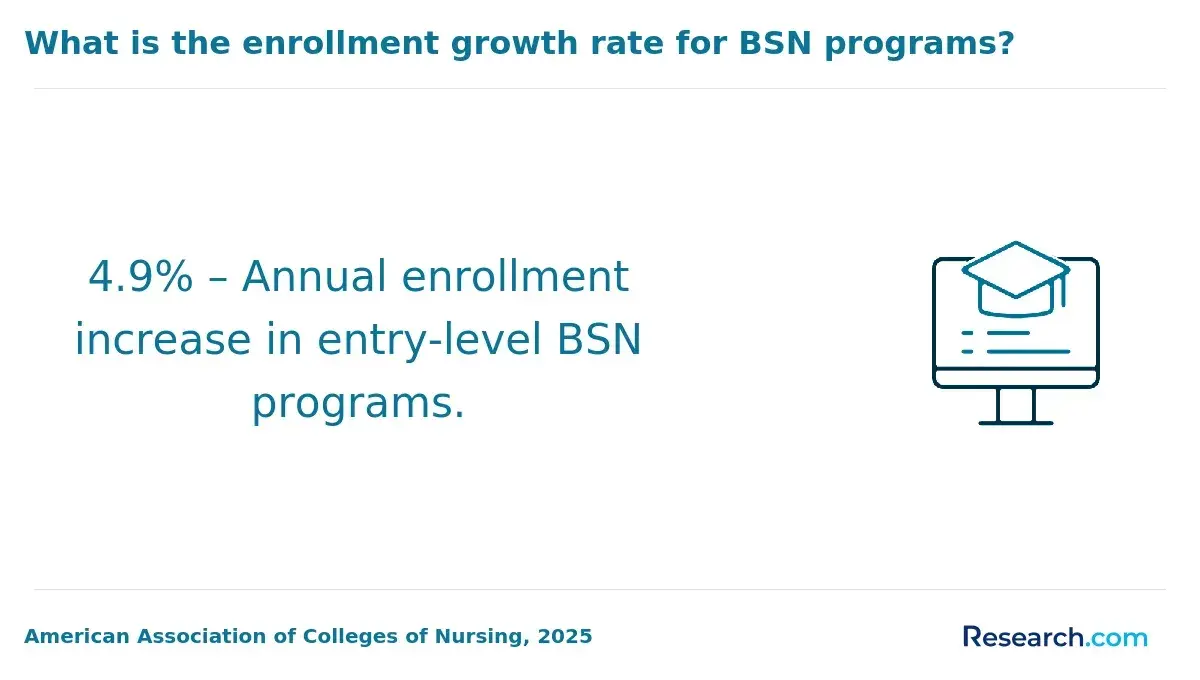
Nursing Program Length at the Best Nursing Schools in West Virginia
Nursing program length varies by credential, enrollment status, transfer credits, prerequisites, clinical scheduling, and whether the student attends full time or part time. Before choosing a program, students should look beyond the advertised timeline and ask how long it typically takes admitted students to finish, including prerequisites and waitlists.
The broader healthcare labor market also influences interest in nursing education. According to the U.S. Bureau of Labor Statistics (2024), job growth for healthcare occupations is projected to increase by 14% from 2022 to 2032. For nursing students, this means preparation quality matters: programs with strong clinical training, faculty support, and licensure preparation are more valuable than programs that simply promise speed.
| Nursing credential | Typical program length | What to check before enrolling |
| Licensed Practical Nurse program | 12 to 18 months | State approval, clinical sites, NCLEX-PN preparation, bridge options |
| Associate Degree in Nursing | 2 to 3 years | Prerequisites, admission competitiveness, NCLEX-RN pass rates, transfer policies |
| Bachelor of Science in Nursing | 4 years | Clinical placement quality, simulation resources, cost by residency status, graduation requirements |
| Master of Science in Nursing | 1 to 3 years after a BSN | Specialization, practicum requirements, online or hybrid format, advanced practice eligibility |
| Doctor of Nursing Practice | 3 to 4 years after a BSN or MSN | Practice hours, project requirements, specialty alignment, faculty mentorship |
- LPN programs are often the fastest way to enter licensed nursing work, but they do not provide the same scope of practice as RN programs.
- ADN programs can be a cost-conscious route to RN licensure, especially through community and technical colleges.
- BSN programs take longer but may better support leadership, specialty practice, and graduate study.
- MSN programs are designed for nurses who already hold RN preparation and want advanced practice, education, or leadership roles.
- DNP programs are best for nurses seeking doctoral-level clinical leadership or advanced practice preparation.
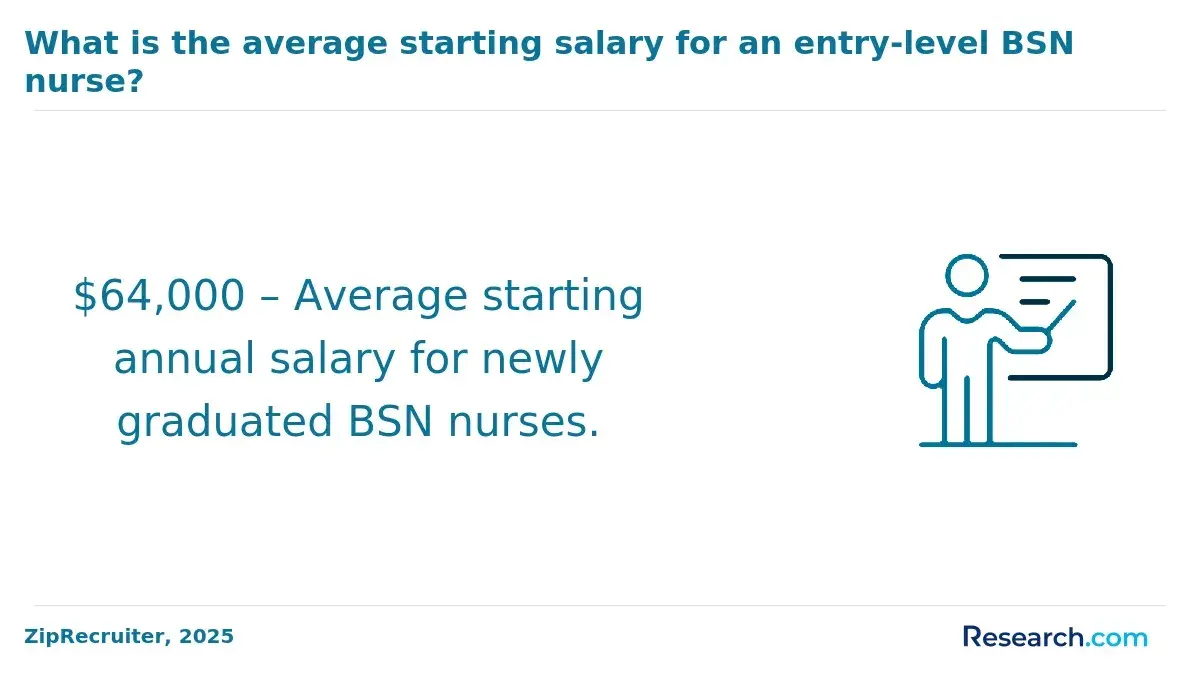
Tuition and Costs of Nursing Programs in West Virginia
Nursing school costs in West Virginia depend on institution type, degree level, residency status, fees, textbooks, supplies, background checks, uniforms, exam preparation, technology, transportation, and clinical travel. Students should compare total cost of attendance, not tuition alone.
Based on the latest data by the West Virginia Board of Registered Nurses (2024), 58% of nursing programs in the state are offered by public institutions, followed by private for-profit institutions at 22%, and private not-for-profit institutions at 20%.
| Institution type | Common programs | Cost considerations |
| Community and technical colleges | LPN, ADN, LPN-to-RN bridge | Often more affordable, but students should confirm program fees, equipment, uniforms, and clinical travel costs |
| Public universities | BSN, RN-to-BSN, MSN, DNP | In-state tuition is usually lower than out-of-state tuition; financial aid and scholarships may be available |
| Private universities | BSN, RN-to-BSN, MSN, specialty tracks | Tuition may be higher, but institutional scholarships or flexible formats can change the value calculation |
Community and technical colleges
Community and technical colleges commonly offer LPN and ADN pathways. LPN programs can range from a few thousand dollars to around $10,000 or more, depending on the college. ADN programs and LPN to RN bridge programs WV schools offer might cost from $5,000 to $15,000 or more per year. Students should ask whether these figures include lab fees, testing fees, supplies, uniforms, health requirements, and graduation fees. Applicants comparing affordability may also want to review cheapest online nursing prerequisites before committing to a full program.
Public universities
Public universities in West Virginia offer BSN and MSN options. In-state residents’ tuition for BSN programs might range from around $10,000 to $20,000 or more per year. Out-of-state tuition is generally higher. MSN costs vary by specialization, credit load, and delivery format. Public universities may offer institutional aid, state aid, federal financial aid eligibility, and nursing-specific scholarships.
Private universities
Private universities may offer BSN, RN-to-BSN, MSN, and specialized graduate programs. Tuition can be higher than at public institutions, but students should compare net price after scholarships, employer reimbursement, transfer credits, and program length. Current RNs looking for lower-cost completion routes can compare cheap RN to BSN programs alongside local options.
Cost questions to ask before applying
- What is the total estimated cost from admission through graduation?
- Are prerequisites included in the advertised program cost?
- How many clinical sites may require travel, parking, lodging, or additional expenses?
- Are textbooks, uniforms, background checks, drug screening, liability insurance, and exam fees included?
- Does the school offer nursing scholarships, payment plans, or employer partnership discounts?
- Will transfer credits reduce both time and cost?
Best Nursing Schools in West Virginia Offering Nursing Programs for 2027
The best nursing school is the one that fits your license goal, academic background, budget, learning format, and career plan. Rankings and lists are useful starting points, but they should not replace a careful review of accreditation, clinical training, NCLEX outcomes, faculty support, and graduate placement.
According to the U.S. Bureau of Labor Statistics (2025), the leading states with the highest concentration of jobs for RNs include South Dakota (34.02%), West Virginia (31.95%), and North Dakota (28.71%). This concentration makes nursing education especially relevant in West Virginia, where healthcare employers depend on a reliable nursing workforce across urban and rural settings.
Our research team reviewed nursing schools in WV using factors such as curriculum structure, clinical training opportunities, credential level, accreditation, cost information, and program reputation. The programs below represent different routes into nursing and advancement, from associate-level preparation to graduate study.
1. West Virginia University BSN Program
West Virginia University offers a BSN pathway for students seeking bachelor’s-level preparation for registered nursing practice. The program combines nursing coursework, clinical learning, and professional preparation for students who want a broad foundation in patient care, evidence-based practice, and healthcare systems.
- Program length: 4 years
- Tracks/concentrations: None
- Cost per credit: $3996 (in-state), $12,588 (out-of-state)
- Required credits: 120
- Accreditation: Commission on Collegiate Nursing Education
2. Salem University RN to BSN Program
The Salem University RN to BSN program is built for licensed registered nurses who want to complete a bachelor’s degree while continuing to work. Its online format may appeal to RNs who need flexibility but still want structured progression toward a BSN credential.
- Program length: 1 year
- Tracks/concentrations: None
- Cost per credit: $2425 per credit
- Required credits: 120
- Accreditation: National League for Nursing Commission for Nursing Education Accreditation (NLN CNEA)
3. Davis & Elkins College ASN Program
The Davis & Elkins College ASN program provides an associate-level route toward registered nursing preparation. Students complete nursing theory and clinical experiences designed to build core patient care skills and prepare them for RN licensure requirements.
- Program length: 2 years
- Tracks/concentrations: None
- Cost per credit: $1,220
- Required credits: 72
- Accreditation: Accreditation Commission for Education in Nursing (ACEN)
4. Marshall University Huntington MSN Program
The Marshall University MSN program in Huntington serves registered nurses who want graduate preparation in advanced practice, administration, or education. The program can support nurses who are ready to move beyond entry-level RN work into specialized or leadership-oriented roles.
- Program length: 1 to 2 years
- Tracks/concentrations: Family nurse practitioner, nursing administration, nursing education
- Cost per credit: $418 (in-state) and $494 (out-of-state)
- Required credits: 36 to 44
- Accreditation: Accreditation Commission for Education in Nursing (ACEN)
5. BridgeValley Community & Technical College ADN Program
BridgeValley Community & Technical College offers an ADN program focused on foundational registered nursing preparation. The program may be a practical fit for students seeking a community college pathway with classroom instruction, clinical experience, and RN licensure preparation.
- Program length: 2 years
- Tracks/concentrations: None
- Cost per credit: $250 (in-state), $300 (out-of-state)
- Required credits: 60
- Accreditation: Accreditation Commission for Education in Nursing (ACEN)
| Program | Credential | Best for |
| West Virginia University | BSN | Students seeking a traditional four-year bachelor’s route |
| Salem University | RN to BSN | Licensed RNs who need an online completion pathway |
| Davis & Elkins College | ASN | Students pursuing associate-level RN preparation |
| Marshall University Huntington | MSN | RNs seeking family nurse practitioner, administration, or education tracks |
| BridgeValley Community & Technical College | ADN | Students who want a community college RN pathway |
What To Look For in a Nursing Program in West Virginia
A nursing program should prepare you to pass licensure exams, practice safely, complete required clinical training, and compete for the kind of nursing role you want. With over 4.5 million registered nurses (RNs) and more than 650,000 licensed practical nurses (LPNs), nursing remains a large profession, but program quality still matters. Employers and licensing boards care about preparation, not just the name of the school.

Before applying, review admissions requirements, science prerequisites, GPA expectations, clinical expectations, background check policies, and any technical standards. This is especially important if you are still completing important nursing school prerequisites.
- Accreditation and approval. Look for recognized nursing accreditation, such as CCNE or ACEN where applicable, and confirm the program is approved for the licensure pathway you plan to pursue.
- NCLEX performance. Ask for recent NCLEX-PN or NCLEX-RN pass rates, not just multi-year averages. Strong pass rates suggest the curriculum and student support systems are aligned with licensure expectations.
- Clinical placement quality. Find out where students complete rotations, how placements are assigned, and whether rural, hospital, long-term care, mental health, pediatric, and community health experiences are available.
- Faculty qualifications. Nursing faculty with clinical experience, specialty expertise, and strong student advising can make a major difference in preparation.
- Student support. Tutoring, simulation labs, exam preparation, academic advising, remediation, and mental health support can affect whether students complete the program successfully.
- Format and scheduling. Online or hybrid coursework can help working adults, but clinical and skills requirements still need to fit your life, location, and work schedule.
- Cost and financial aid. Compare total cost, not only tuition. Include fees, travel, lost work time, supplies, and loan repayment options.
- Transfer and bridge policies. If you plan to move from LPN to RN, ADN to BSN, or BSN to MSN, ask how credits transfer and whether the school has articulation agreements.
Common mistakes when choosing a nursing school
| Mistake | Why it matters | Better approach |
| Choosing based only on tuition | Low tuition does not guarantee strong clinical placement, NCLEX support, or graduation outcomes | Compare total cost, outcomes, accreditation, and student services together |
| Ignoring accreditation or state approval | It can affect licensure eligibility, transfer credits, and graduate admission | Verify approval and accreditation before applying |
| Assuming online means fully remote | Nursing programs usually require in-person clinicals, labs, or simulations | Ask exactly where and when in-person requirements occur |
| Overlooking clinical travel | Rural placements may require commuting, schedule flexibility, or extra expenses | Ask for typical placement locations before enrolling |
| Relying only on rankings | A highly ranked school may not match your schedule, budget, or license goal | Use rankings as one input, then evaluate fit |
| Assuming salary outcomes are guaranteed | Pay varies by employer, region, specialty, shift, experience, and education | Research local job postings and speak with employers when possible |
Specialized Tracks and Certifications for Nursing Students in West Virginia
Specialized nursing tracks can help students and licensed nurses align education with a specific patient population, care setting, or leadership goal. In West Virginia, specialties connected to family practice, geriatrics, pediatrics, psychiatric-mental health, rural health, nursing education, and nursing administration may be especially relevant because communities need both direct care and care coordination across limited-resource settings.
A Family Nurse Practitioner track, for example, can prepare nurses to provide broad primary care services after meeting advanced practice requirements. Geriatric nursing preparation can be useful in long-term care, rehabilitation, home health, and chronic disease management. Psychiatric-mental health training can support communities where behavioral health providers are limited.
Career changers who already hold a non-nursing bachelor’s degree may also investigate accelerated or direct-entry options. Flexible pathways such as online MSN programs for non-nurses may appeal to students transitioning from another field, but applicants should carefully confirm prerequisites, clinical expectations, licensure eligibility, and state authorization.
How to decide whether a specialty is worth it
- Choose a specialty because it fits the patients and settings you want to serve, not only because it sounds advanced.
- Confirm whether the role requires national certification, state recognition, supervised clinical hours, or a specific graduate degree.
- Ask local employers which certifications or tracks they value most.
- Compare the cost and time of the specialty against realistic job opportunities in your region.
- Make sure your program can secure clinical placements in your intended specialty area.
What Opportunities Exist for Online Nursing Education in West Virginia?
Online nursing education in West Virginia is most common for students who already have some healthcare or nursing background, especially RN-to-BSN, MSN, post-master’s certificate, and some doctoral programs. Prelicensure nursing programs may include online coursework, but they still require in-person skills training, simulation, and clinical placements.
Students comparing online nursing programs in West Virginia should look closely at clinical placement policies. Some schools arrange placements; others expect students to help identify sites. Working nurses should also ask how asynchronous coursework, synchronous classes, practicum hours, and employer scheduling will fit together.
| Format | Advantages | Limitations |
| Fully campus-based | More direct access to labs, faculty, classmates, and campus resources | Less flexible for working adults or students far from campus |
| Hybrid | Combines online coursework with in-person labs, simulations, and clinical training | Requires travel and careful scheduling |
| Online for licensed nurses | Useful for RN-to-BSN, MSN, and continuing education while employed | Clinical or practicum hours may still be in person |
How can pursuing a nursing career in West Virginia impact community health outcomes?
Nursing careers in West Virginia can directly affect access to care, patient education, chronic disease management, and prevention. This is especially true in rural areas, where nurses may be among the most consistent healthcare professionals patients see.
- Primary care access. Nurses and advanced practice nurses can help patients receive routine care, screenings, immunizations, and follow-up support before conditions become emergencies.
- Chronic disease management. Nurses help patients understand medications, monitor symptoms, manage diabetes or hypertension, and follow treatment plans.
- Health education. Community nurses teach patients about nutrition, activity, mental health, medication safety, and preventive care.
- Mental health support. Nurses trained in behavioral health can help identify concerns, coordinate referrals, and support integrated care models.
- Emergency response. Nurses support disaster response, triage, stabilization, and coordination during emergencies.
- Care for underserved populations. Nurses often advocate for patients facing transportation barriers, poverty, limited insurance coverage, disability, or geographic isolation.
Rural healthcare and community impact
West Virginia's healthcare system relies heavily on nurses in rural and underserved communities. With nearly 50% of the state classified as rural, nurses can have a meaningful role in improving access, continuity of care, and patient trust.
Rural nurses often handle a wider range of responsibilities than nurses in larger specialty settings. They may support primary care, chronic disease education, medication reconciliation, preventive screenings, care coordination, and family education. This can build strong clinical judgment, but it also requires adaptability and strong communication skills.
For nurses who want advanced practice roles in rural primary care, BSN to FNP online programs may be worth exploring. These programs can allow nurses to continue working while preparing for family nurse practitioner practice, though students should confirm clinical placement expectations in West Virginia.
Some rural healthcare employers may offer financial incentives such as loan repayment programs, competitive salaries, or signing bonuses to attract nurses. Students should verify incentives directly with employers and read service obligations carefully before accepting any repayment agreement.
How can PMHNP programs address mental health care disparities in West Virginia?
Psychiatric-mental health nurse practitioner programs prepare nurses to assess, diagnose, treat, and manage mental health conditions within their scope of practice. In West Virginia, PMHNP preparation can be especially relevant where psychiatric provider shortages, rural access barriers, substance use concerns, and integrated behavioral health needs affect care delivery.
Strong PMHNP programs should include advanced assessment, psychopharmacology, psychotherapy foundations, diagnostic reasoning, crisis intervention, ethics, and supervised clinical practice. Nurses who need a faster post-graduate pathway can compare options such as the shortest PMHNP program, but speed should never outweigh accreditation, clinical quality, certification eligibility, and state requirements.
The Role of Nurse Education in Addressing West Virginia’s Healthcare Challenges
Nurse education is one of the ways West Virginia can strengthen its healthcare workforce. Well-designed nursing programs prepare graduates to care for patients with complex medical, behavioral, social, and economic needs. This matters in communities affected by chronic disease, limited access to specialty care, transportation barriers, and provider shortages.
Clinical rotations in hospitals, rehabilitation centers, community clinics, long-term care facilities, behavioral health sites, and rural settings help students learn how care changes across environments. Simulation labs can also help students practice high-risk scenarios before working with patients directly.
Graduate programs such as MSN and DNP pathways add another layer by preparing nurses for leadership, advanced practice, quality improvement, care coordination, education, and policy-related roles. These roles can influence how care is delivered, not just how individual patients are treated.
Students who want a step-by-step state pathway can review this guide on how to become an RN in West Virginia. Understanding the process early can help applicants choose the right degree level and avoid delays in licensure.
Should you pursue a nursing degree in West Virginia?
You should consider a nursing degree in West Virginia if you want a licensed healthcare career, are prepared for rigorous science and clinical coursework, and value direct service to patients and communities. Nursing can lead to varied roles in bedside care, public health, case management, long-term care, school health, home health, education, leadership, and advanced practice.
You may want to consider another healthcare path if you are not comfortable with shift work, bodily care, emotional stress, high accountability, or ongoing licensure requirements. Nursing is rewarding for many people, but it is not an easy fallback career.
The best nursing school for you is not automatically the most recognizable one. It is the program that matches your license goal, offers credible clinical training, fits your budget, supports your learning style, and leads to realistic career options. If you are still exploring specialty directions, this guide to specialized roles in nursing can help you compare possible tracks.
Questions to ask before choosing a West Virginia nursing program
- Is the program approved for the license I want?
- Is the program accredited by a recognized nursing accreditor where applicable?
- What are the most recent NCLEX pass rates?
- How are clinical placements assigned, and where do students usually train?
- What is the total cost of attendance, including fees and supplies?
- Can I transfer credits into the program or out to a higher degree later?
- How many students graduate on time?
- What support is available if I struggle in pharmacology, pathophysiology, or clinical courses?
- Does the program meet requirements for my intended state of practice if I may move?
- What employers commonly hire graduates?
What distinguishes nurse practitioner programs in West Virginia?
Nurse practitioner programs in West Virginia often emphasize advanced clinical judgment, primary care, evidence-based treatment, and care delivery in communities where access may be limited. Strong programs should combine graduate coursework with supervised clinical experiences that prepare students for certification and state practice requirements.
Students should compare specialty tracks, clinical placement support, faculty expertise, pass rates for national certification where available, and whether the curriculum aligns with West Virginia’s advanced practice requirements. For a focused comparison, review nurse practitioner programs in West Virginia.
What are the requirements for a nursing license in West Virginia?
West Virginia nursing licensure generally requires completion of an approved nursing education program, successful completion of the appropriate NCLEX exam, background checks, required documentation, and payment of applicable fees. LPN and RN applicants follow different exam routes, and advanced practice nurses have additional education and certification expectations.
Because licensing rules can change, applicants should verify the current process before applying, especially if they completed education in another state or through an online program. For detailed state guidance, see nursing license in West Virginia.
What are the career progression opportunities from LPN programs in West Virginia?
An LPN certificate can be a practical first step into nursing, especially for students who want to begin patient care work before committing to a longer degree. Many LPNs later pursue LPN-to-RN, ADN, BSN, or advanced nursing pathways. This can expand scope of practice, employment options, and long-term mobility.
Students comparing LPN programs should not choose solely based on easy admission. Instead, they should evaluate state approval, NCLEX-PN preparation, clinical quality, graduate outcomes, and bridge options into RN education.
Where can I find the best online LPN programs in West Virginia?
Online LPN education is often more accurately described as hybrid because practical nursing requires hands-on skills and supervised clinical experiences. Students may complete some coursework remotely, but they should expect in-person labs, simulations, and clinical placements.
Before enrolling, confirm that the program meets West Virginia licensure expectations, provides approved clinical training, and is transparent about schedules and travel. For program comparisons, review the best online LPN programs in West Virginia.
What distinguishes pharmacy career paths in West Virginia from nursing?
Pharmacy and nursing both support patient care, but they require different education, licensure, and scopes of practice. Pharmacists focus on medication therapy, drug safety, patient counseling, dispensing, and collaboration with providers. Nurses focus more broadly on patient assessment, care delivery, monitoring, education, and coordination.
Prospective pharmacists typically complete a Pharm.D. program, practical training, and licensing exams such as the NAPLEX. Students deciding between healthcare careers can review how to be a pharmacist in West Virginia to compare the pharmacy pathway with nursing.
What are the LPN requirements in West Virginia?
To become an LPN in West Virginia, candidates generally complete a state-approved practical nursing program, meet clinical training requirements, pass the NCLEX-PN, and complete the state licensure process. Applicants may also need background checks, health documentation, immunization records, and other compliance items before clinical placement or licensure.
Because each school and licensing process may have specific steps, applicants should confirm requirements before applying. For a dedicated overview, see LPN requirements in West Virginia.
How can I transition from RN to nurse practitioner in West Virginia?
Registered nurses who want to become nurse practitioners typically need an accredited MSN or DNP program with an NP specialty, supervised clinical hours, national certification in the specialty area, and state advanced practice recognition. Common tracks include family nurse practitioner, psychiatric-mental health nurse practitioner, adult-gerontology, pediatric, and women’s health, depending on program availability.
RNs should compare programs by accreditation, clinical placement support, certification pass outcomes, specialty fit, faculty mentoring, and whether the program meets West Virginia requirements. For a state-specific pathway, review how to become a nurse practitioner in West Virginia.
What are the nurse midwife education requirements in West Virginia?
Nurse midwives need advanced nursing education focused on pregnancy, childbirth, postpartum care, reproductive health, pharmacology, patient counseling, and clinical decision-making. Candidates typically complete graduate-level nursing preparation with a midwifery focus, supervised clinical training, certification requirements, and state licensure or recognition steps.
Applicants should confirm that any program they choose meets certification and state requirements, especially if coursework is online but clinical placements occur locally. For more detail, see the guide to nurse midwife education requirements in West Virginia.
What opportunities exist for allied healthcare professionals in West Virginia?
Nursing is not the only way to work in healthcare. Allied health and administrative careers support patient care through documentation, billing, coding, compliance, scheduling, technology, and financial operations. These roles can be a better fit for people who want healthcare work without direct bedside nursing responsibilities.
For example, students interested in medical records, claims, reimbursement, and coding standards can review how to become a medical biller and coder in West Virginia.
Key Insights
- Start with the license goal. LPN, ADN, BSN, MSN, DNP, and PhD pathways lead to different roles, timelines, and scopes of practice.
- West Virginia needs nurses across settings. Rural communities, long-term care facilities, hospitals, clinics, home health agencies, and behavioral health services all depend on nursing talent.
- Program quality matters more than speed. Accreditation, state approval, clinical placements, NCLEX preparation, and student support should carry more weight than marketing claims.
- Online nursing programs still require planning. Hybrid and online formats can help working adults, but labs, simulations, practicums, and clinical hours may require in-person attendance.
- Costs go beyond tuition. Students should budget for fees, uniforms, textbooks, testing, background checks, transportation, clinical travel, and possible lost work hours.
- Advancement is flexible. Many nurses begin as LPNs or ADN-prepared RNs and later move into BSN, MSN, DNP, nurse practitioner, educator, administrator, or specialty roles.
- The best school is the best fit. Choose the program that matches your career plan, location, budget, schedule, and licensure requirements—not simply the highest-ranked option.
Related Articles for Nearby States
- 2027 Best Nursing Schools in Virginia – Accredited ADN, BSN, MSN Programs
- 2027 Best Nursing Schools in Ohio – Accredited ADN, BSN & MSN Programs
- 2027 Best Nursing Schools in Kentucky – Accredited ADN, BSN, MSN Programs
- 2027 Best Nursing Schools in Pennsylvania – Accredited ADN, BSN, MSN Programs
- 2027 Best Nursing Schools in Maryland – Accredited ADN, BSN, MSN Programs
- 2027 Best Nursing Schools in North Carolina – Accredited ADN, BSN, MSN Programs
- 2027 Best Nursing Schools in Tennessee – Accredited ADN, BSN, MSN Programs
- 2027 Best Nursing Schools in Indiana – Accredited ADN, BSN, MSN Programs
- 2027 Best Nursing Schools in South Carolina: Accredited ADN, BSN, MSN Programs
- 2027 Best Nursing Schools in Georgia – Accredited ADN, BSN, MSN Programs
References:
- AACN. (2025). 2024-2025 Enrollment and Graduations in Baccalaureate and Graduate Programs. https://www.aacnnursing.org
- College Ave. (2025). BSN Nurse Salary: What Graduates Can Expect to Earn. https://www.collegeave.com
- HRSA. (2025). 2024 National Sample Survey of Registered Nurses. https://bhw.hrsa.gov/data-research/access-data-tools/national-sample-survey-registered-nurses
- National Council of State Boards of Nursing. (2025). *2024–2025 nursing education statistics*. https://www.ncsbn.org/publication/nursing-education-statistics
- NCSBN. (2025). 2024 National Nursing Workforce Study. https://www.ncsbn.org/workforce
- NurseJournal. (2025). The Top 20 Highest-Paying Nursing Specialties. https://nursejournal.org/articles/best-nursing-specialities-for-the-future/
- Precedence Research. (2025). Healthcare Staffing Market Size to Hit USD 82.47 Bn. https://www.precedenceresearch.com/healthcare-staffing-market
- U.S. Bureau of Labor Statistics. (2024, April 17). *Occupational outlook handbook: Healthcare occupations*. Retrieved from https://www.bls.gov/ooh/healthcare/home.htm
- U.S. Bureau of Labor Statistics. (2025). Occupational Employment and Wages: Nurse Practitioners. https://www.bls.gov/oes/current/oes291071.htm
- U.S. Bureau of Labor Statistics. (2025). Occupational Outlook Handbook: Registered Nurses. https://www.bls.gov/ooh/healthcare/registered-nurses.htm
- West Virginia Board of Registered Nurses. (2024). *Annual report on nursing education programs*. https://wvrnboard.wvrn.gov/
Other Things You Should Know About The Best Nursing Schools in West Virginia
In 2027, West Virginia University, Marshall University, and West Liberty University stand out as the top nursing schools in the state. These institutions offer accredited ADN, BSN, and MSN programs, providing comprehensive education and clinical experience to prepare students for successful nursing careers.
To become a nurse in West Virginia, you need to choose a nursing path (LPN, ADN, or BSN), complete the required education, pass the NCLEX exam, and obtain licensure from the West Virginia Board of Registered Nurses. Advanced practice nurses may pursue further education such as MSN or DNP degrees.
In 2027, many nursing schools in West Virginia continue to offer scholarships and financial aid. Institutions like West Virginia University and Marshall University provide merit-based and needs-based scholarships. It's essential to check directly with the schools for specific requirements and application deadlines.
Tuition for nursing programs in West Virginia varies. Community and technical colleges offering LPN and ADN programs may cost from $5,000 to $15,000 per year. Public university BSN programs range from $10,000 to $20,000 per year for in-state residents, and MSN program costs vary widely based on specialization and institution.
Yes, various scholarships are available for nursing students in West Virginia in 2027. These include state-sponsored scholarships, like the West Virginia Nursing Scholarship Program, and numerous scholarships offered by individual nursing schools. It's essential to check with each institution for specific eligibility criteria and application deadlines.
Yes, several institutions in West Virginia offer online nursing programs, including RN to BSN and MSN programs. These programs provide flexibility for students who need to balance their studies with other commitments.
Nurses in West Virginia can pursue advanced degrees such as MSN or DNP to specialize in areas like family nurse practitioner, nursing administration, or nursing education. These advanced degrees open up opportunities for leadership roles and specialized positions in healthcare.
You can finance your nursing education in West Virginia through scholarships, grants, student loans, and work-study programs. Many schools offer financial aid packages, and there are specific scholarships available for nursing students.