
2027 Criminal Justice Degree vs. Certificate: Which Should You Choose?

Co-Founder and Chief Data Scientist
Choosing between a criminal justice degree and a criminal justice certificate is mainly a question of career target, time, cost, and how much academic depth you need. A degree usually supports broader mobility in law enforcement, corrections, courts, investigations, public safety administration, and graduate study. A certificate is narrower: it can help you build job-ready knowledge faster, add a specialization, or test the field before committing to a longer program.
The right option depends on where you are now. A first-time college student planning for long-term advancement may benefit more from a degree. A working adult, career changer, military veteran, or current public safety employee may prefer a certificate if the goal is a shorter credential tied to a specific skill area. This guide compares the two paths across completion time, online availability, admissions, credits, tuition, transfer rules, accreditation, jobs, and starting salary expectations so you can choose the credential that fits your goals instead of simply choosing the fastest or most familiar option.
Key Points About Criminal Justice Degree vs. Certificate Programs
- A criminal justice degree typically offers broader knowledge and deeper skill development, improving long-term career growth and leading to higher average salaries compared to certificates.
- Certificates focus on specific skills and require less time and cost, making them ideal for quick entry or specialization within roles without a full degree.
- Degree holders often qualify for advanced positions in law enforcement or federal agencies, while certificates support roles in support services and enhance credentials for current professionals.
What Are the Differences Between Criminal Justice Degree and Certificate Programs?
The main difference is scope. A criminal justice degree is a broader academic credential that usually combines criminal justice courses with general education, research, writing, ethics, law, social science, and electives. A certificate is shorter and more focused, usually built around a specific set of criminal justice skills or an introductory foundation.
In practical terms, a degree is usually the better choice if you want more career flexibility, expect to compete for roles that prefer a college degree, or plan to pursue graduate school later. A certificate is usually better if you need a faster credential, want to strengthen an existing resume, or are exploring criminal justice before investing in a full degree.
- Career use: Degrees tend to support a wider range of roles and may be preferred for advancement, supervisory tracks, investigations, probation, public safety administration, or future graduate study. Certificates are more often used for entry-level preparation, professional development, or focused training in an area such as corrections, security, legal support, or forensic basics.
- Academic depth: Degree programs usually cover theory, legal systems, courts, policing, corrections, criminology, ethics, diversity, research methods, and writing-intensive coursework. Certificate programs usually concentrate on practical concepts and a smaller set of criminal justice topics.
- Time commitment: A degree normally requires a longer commitment, commonly two to four years depending on the credential level and enrollment status. A certificate may take only a few months to one year.
- Cost and risk: Certificates usually cost less because they require fewer credits. Degrees cost more, but they may provide stronger long-term value if your target jobs require or prefer a degree.
- Best fit: Choose a degree if you want breadth and advancement potential. Choose a certificate if you need speed, lower upfront cost, or a focused credential tied to a near-term goal.
How Long Does It Take to Complete a Criminal Justice Degree vs. a Certificate Program?
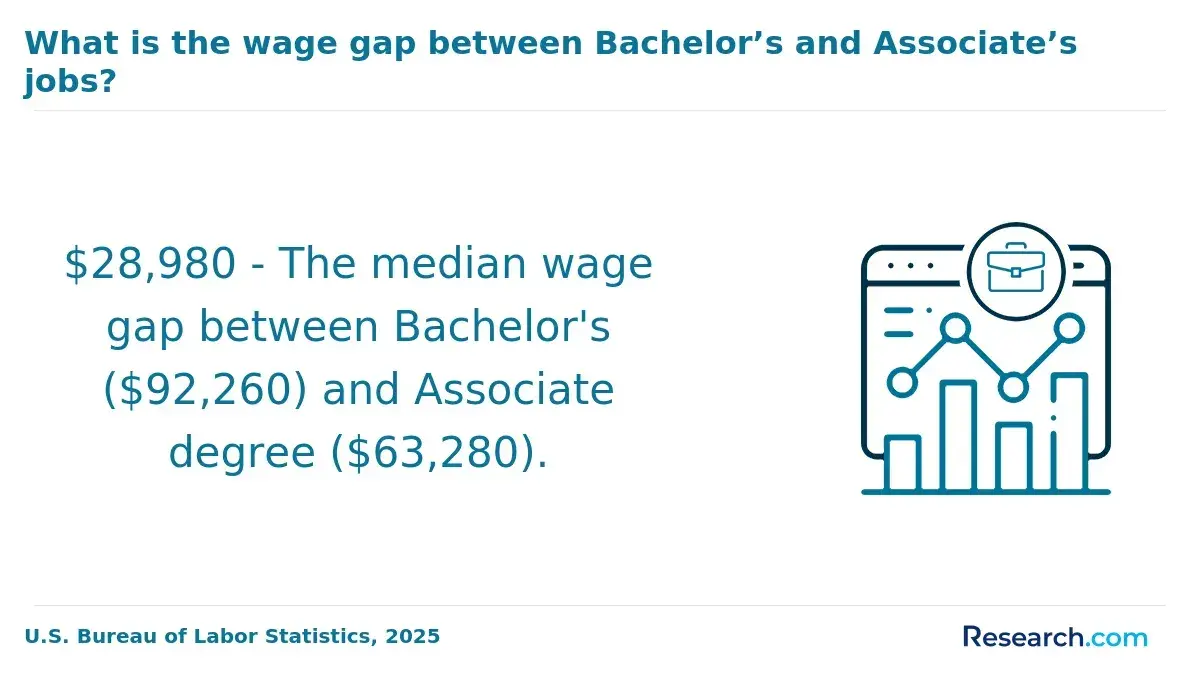
A criminal justice certificate is usually much faster than a degree. A bachelor's degree commonly takes about four years of full-time study and requires roughly 120-128 credit hours. An associate degree takes about two years, although it may not be enough for some advanced roles. Certificate programs are shorter, usually completed in a few months to one year, with 12 to 18 credits.
- Bachelor's degree timeline: About four years for full-time students. Part-time students may need five or more years, depending on course load, transfer credits, and whether courses are offered every term.
- Associate degree timeline: About two years. This path may help students enter the field sooner or later transfer into a bachelor's program.
- Certificate timeline: Usually a few months to one year. Students who take one course at a time may take longer, while accelerated formats can shorten the schedule.
- Online and part-time pacing: Certificates often offer more flexible pacing for working adults. Degree programs may also be online or part-time, but the total credit load is much larger.
- Transfer credits: Prior college coursework, military training, or previously completed criminal justice courses may reduce the time needed for either a degree or certificate if the school accepts the credits.
If speed is your top priority, compare certificate length, course availability, and whether the credential is recognized by employers in your area. Students who want a faster pathway can also review 6 month certifications that pay well online, but they should still confirm that any program matches their intended criminal justice career path.
Can You Complete a Criminal Justice Degree or Certificate Entirely Online?
Yes, many criminal justice degrees and certificates can be completed fully online, but “fully online” does not always mean every career requirement can be completed online. Coursework may be online, while internships, field placements, background checks, police academy training, or agency-specific requirements may still be in person.
Several universities, including California State University, Long Beach; San Francisco State University; and University of Colorado Denver, offer bachelor's degrees in criminal justice through 100% online formats. Some programs are designed for students who already have transferable credits, so applicants should review admission rules before assuming they can start from zero credits.
Online criminal justice certificates are also widely available. They can be useful for working adults because courses are often asynchronous, allowing students to study around job and family obligations. For broader examples of flexible study formats, see top online programs for seniors.
What to check before choosing an online program
- Accreditation: Verify that the institution is properly accredited before enrolling.
- Field requirements: Ask whether the program requires internships, practicums, or local agency placements.
- Career requirements: Law enforcement and corrections roles may require academy training, physical standards, background checks, or state-specific requirements beyond college coursework.
- Course delivery: Confirm whether classes are asynchronous, live online, or hybrid.
- Transfer policy: If you may continue into a degree later, ask how certificate credits apply before you enroll.
An online credential can be a strong choice if it is accredited, affordable, and aligned with your target job. It is a weak choice if it gives you credits that do not transfer, omits required field experience, or does not meet employer expectations in your state or agency.
What Are the Admission Requirements for a Criminal Justice Degree vs. a Certificate Program?
Criminal justice degree programs usually have more formal admission requirements than certificate programs. Degrees require broader academic readiness because students complete general education, major courses, writing assignments, and often upper-division coursework. Certificates are typically easier to enter because they are shorter and more narrowly focused.
Admission Requirements for Criminal Justice Degree Programs
- Educational background: Most bachelor's degree programs require a high school diploma or GED. Some schools prefer or require preparation in English, math, science, and social studies. For instance, Penn State Beaver demands 4 units of English, 3 units of math, 3 units of science, and 3 units of social studies or humanities.
- GPA requirements: Many colleges set a minimum GPA, especially for transfer applicants. The University of Alabama's BA in Criminology and Criminal Justice requires a minimum 2.0 overall college GPA for transfer students.
- Standardized test scores: SAT or ACT scores may be required for some recent high school graduates, although older applicants and transfer students may receive waivers.
- Transcripts: Applicants usually submit official high school or college transcripts so the school can verify completion, GPA, and transferable coursework.
- General education readiness: Students may need to complete prerequisite or general education courses before moving into upper-level criminal justice classes.
Admission Requirements for Criminal Justice Certificate Programs
- Educational background: Certificate programs generally require a high school diploma or GED, though requirements vary by school and certificate level.
- GPA and test scores: Minimum GPA and standardized test requirements are less common for certificates than for degrees.
- Application form: The application process is usually shorter and may not require the same level of documentation as a degree application.
- Proof of residency: Some schools request residency documentation to determine tuition rates or eligibility.
- Transcripts: Some certificate programs ask for transcripts to confirm prior education or placement level.
The admissions question often comes down to access versus long-term utility. A certificate may let you begin sooner, but a degree may be more useful if you need a credential for promotion, transfer, graduate school, or roles that screen applicants by education level.
If you are mapping a longer academic path beyond undergraduate criminal justice education, you may also want to understand how advanced programs differ, including doctoral degrees without dissertation. That planning should not replace checking the admissions rules for the specific criminal justice program you intend to enter.
How Many Credits Do You Need to Complete a Criminal Justice Degree vs. a Certificate?
A criminal justice degree requires far more credits than a certificate because it includes both major coursework and general education. A bachelor's degree usually involves about 120 credit hours, while a certificate typically requires between 12 and 30 credit hours.
- Bachelor's degree: Usually about 120 credit hours across general education, core criminal justice courses, electives, and advanced major courses. Full-time students typically spread this work over four years.
- Certificate program: Typically between 12 and 30 credit hours. Most of the coursework focuses directly on criminal justice foundations or a specialized topic, with few or no general education requirements.
The smaller credit load is the biggest advantage of a certificate. It can be easier to schedule around full-time work, family responsibilities, or a current public safety job. The trade-off is that fewer credits also mean less breadth. You may not get the same depth in writing, research, social science, law, ethics, and policy analysis that a degree provides.
One certificate student described the shorter curriculum as manageable but intense. The streamlined course load helped him focus on criminal justice subjects without the extra classes required in a full degree, but the accelerated pace made it challenging to absorb complex material while working full-time. His experience points to a common trade-off: a certificate can be faster, but it still requires discipline and steady study time.
Before choosing based only on credit count, compare course titles, transferability, instructor qualifications, and how the credits apply to your next step. A 12-credit certificate that transfers cleanly into a future degree may be more useful than a longer certificate that does not.
What Is the Average Tuition for a Criminal Justice Degree vs. a Certificate?
Criminal justice certificates usually cost less than degrees because they require fewer credits and take less time to complete. Degrees require a larger financial commitment, but they may also qualify graduates for a wider range of roles and advancement opportunities. The best choice is not simply the cheapest option; it is the option that fits your career goal and can be financed responsibly.
Average Tuition for Criminal Justice Degree Programs
- Tuition range: Bachelor's degree programs typically cost between $9,894 and $24,931 annually for tuition and fees at public universities, with private institutions often charging more.
- Program length: A bachelor's degree usually requires 120 credits over four years, while associate degrees span two years, averaging total costs around $42,282.
- School type: In-state public university students generally pay less than $10,000 per year. Out-of-state and private school tuition fees can surpass $20,000 annually.
- Online vs. on-campus: Online criminal justice degrees may offer lower per-credit tuition rates, sometimes as low as $107 per credit, but total costs vary based on residency and additional fees.
- Additional fees: Graduate programs range from about $10,953 to $18,720 per year, with technology and fieldwork fees potentially adding $300-$1,000 annually.
Average Tuition for Criminal Justice Certificate Programs
- Tuition range: Certificate programs in criminal justice are generally more affordable, with an average total tuition around $9,395 per program.
- Program length: Certificates require fewer credits and can often be completed in several months up to one year, reducing the total cost compared with a longer degree.
- School type: Community colleges and vocational schools typically offer lower tuition, while private institutions may charge more for specialized certificates.
- Online vs. on-campus: Online certificates may reduce commuting and housing expenses, although students should still check technology, platform, and course material fees.
- Books and supplies: These costs are generally lower than those for degree programs because certificate students take fewer courses.
Cost questions to ask before enrolling
- Is the tuition charged per credit, per course, or per program?
- Are online students charged separate technology fees?
- Does the program qualify for financial aid, employer reimbursement, veterans benefits, or payment plans?
- Will credits transfer into a degree later?
- What is the total estimated cost after books, supplies, fees, and any fieldwork expenses?
Students comparing affordability should look closely at accredited options, including accredited non-profit online universities, because tuition, transfer policies, and student support can vary widely by institution.
Can You Transfer Certificate Credits Toward a Criminal Justice Degree Later On?
Yes, certificate credits can often transfer into a criminal justice degree later, but transfer is never automatic. The receiving college decides whether each course applies, whether it counts as a major requirement or elective, and how many credits it will accept.
Credits are more likely to transfer when they come from a regionally accredited institution, match the content of the degree curriculum, carry college-level credit, and were completed with the minimum grade required by the receiving school. Many institutions require a "C" or better for transfer courses.
- Accreditation matters: Credits from accredited institutions are generally easier to evaluate and more likely to be accepted.
- Course match matters: A course in criminal law, corrections, policing, or criminology may transfer more easily if the degree program includes a similar requirement.
- Transfer limits matter: Some schools cap the number of credits accepted, sometimes up to 30 or a fraction of total degree credits.
- Grades matter: A course may be rejected if the grade is below the school's minimum transfer standard.
- Timing matters: It is best to confirm transferability before enrolling in the certificate, not after completing it.
A student who moved from a certificate into a degree program described the process as “eye-opening but rewarding.” She initially worried that her credits might not count, but clear institutional guidelines and direct contact with advisors helped her understand which courses aligned and how many credits could transfer. Her experience shows why students should save syllabi, course descriptions, transcripts, and emails from advisors.
Before starting a certificate, ask the school these questions: Is the certificate credit-bearing? Does it appear on an official transcript? Is there an articulation agreement with a degree program? Which specific degree requirements will the credits satisfy? Written answers can protect your time, money, and academic progress.
Are Certificate Programs Accredited the Same Way as Criminal Justice Degrees?
Criminal justice certificates and degrees are usually not accredited in the exact same way. In most cases, the most important factor is institutional accreditation: whether the college or university offering the program is accredited by an agency recognized by the U.S. Department of Education or the Council for Higher Education Accreditation (CHEA).
Criminal justice degrees, including associate, bachelor's, and master's degrees, are typically awarded by regionally or nationally accredited institutions. Certificate programs may be offered by the same accredited schools, but they rarely have separate program-specific accreditation in criminal justice. That means the certificate's value depends heavily on the institution, curriculum, faculty, credit status, and employer recognition.
Accreditation affects several practical issues:
- Quality control: Accreditation indicates that the institution has been reviewed against recognized academic standards.
- Financial aid: Institutional accreditation can affect eligibility for federal financial aid, although not every certificate program qualifies for aid.
- Credit transfer: Credits from accredited institutions are more likely to be considered by other colleges.
- Employer confidence: Employers may view credentials from accredited schools as more credible than credentials from unaccredited providers.
- Graduate study: If you plan to continue your education, a degree from an accredited institution is often important for future admission.
Before enrolling, verify the institution's accreditation through official sources, not only the school's marketing materials. Also ask whether the certificate is credit-bearing, whether credits appear on an official transcript, who teaches the courses, and whether graduates use the credential for the type of job you want.
What Jobs Can You Get with a Criminal Justice Degree vs. a Certificate?
A criminal justice degree generally supports a wider range of jobs than a certificate, especially when employers prefer a college degree or when the role involves case management, investigation, analysis, supervision, or advancement. A certificate can still be useful for entry-level roles, support positions, academy preparation, or specialization, but it may not satisfy education requirements for every agency or employer.
Jobs You Can Get with a Criminal Justice Degree
- Police officer: Enforces laws, responds to calls, patrols communities, writes reports, and supports public safety. Hiring may also require academy training, background checks, and physical standards.
- Probation officer: Supervises individuals placed on probation, monitors compliance with court orders, writes reports, and supports rehabilitation plans.
- Correctional officer: Maintains safety and order in jails or prisons, monitors inmates, enforces rules, and responds to incidents.
- Detective or investigator: Investigates crimes, interviews witnesses, reviews evidence, and prepares cases for prosecution.
- Crime scene analyst: Collects, documents, and helps examine physical evidence from crime scenes.
- Juvenile justice specialist: Works with youth offenders and at-risk youth, often focusing on rehabilitation, supervision, and support services.
Jobs You Can Get with a Criminal Justice Certificate
- Police academy trainee: Prepares for law enforcement work through basic training, often after meeting agency-specific hiring requirements.
- Private detective: Conducts investigations or gathers information for private clients, businesses, attorneys, or organizations. Licensing requirements may vary by state.
- Correctional technician: Supports correctional operations through records, monitoring systems, security procedures, and administrative tasks.
- Forensic science technician: Assists with evidence-related work, although some forensic roles may require additional science coursework or a degree.
- Legal assistant: Supports attorneys or legal teams with case materials, records, scheduling, and basic research tasks.
- Security officer: Protects property, monitors access, enforces security procedures, and responds to incidents in public or private settings.
Job titles can be misleading because requirements vary by employer, state, and agency. Before choosing a program, review actual job postings in your target location. Note whether they require a degree, prefer a degree, accept certificates, require academy completion, or require separate licensure or certification.
What Is the Average Starting Salary for a Certificate vs. Criminal Justice Degree Graduates?
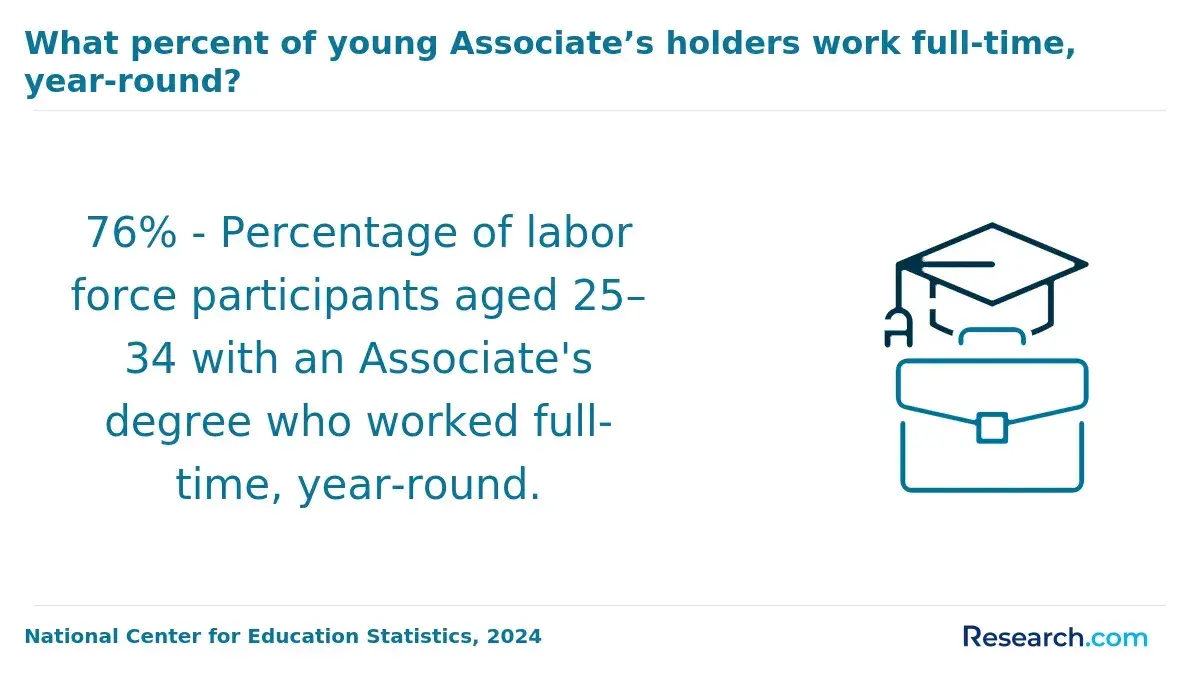
Starting salary is usually higher for criminal justice degree graduates than for certificate holders, but pay depends heavily on role, location, employer type, union or civil service rules, prior experience, and whether the job is local, state, federal, public, or private.
- Typical salary range for certificate holders: Criminal justice certificate holder salary in the US typically ranges from $30,000 to $40,000 annually. Common roles include security guard, correctional officer trainee, or dispatcher, often not requiring a four-year degree.
- Typical salary range for degree graduates: The average starting salary with a criminal justice degree ranges from $45,000 to $66,570 per year, reflecting access to broader roles like police officer, probation officer, or forensic science technician.
- Location: Urban areas and high cost-of-living states may pay more, but they may also have higher living expenses and more competitive hiring.
- Experience: Prior military, law enforcement, corrections, dispatch, or security experience can improve competitiveness and may affect starting pay.
- Employer type: Federal jobs and specialized agencies may offer premium pay, but they may also have stricter qualifications and background screening.
- Advancement: Degree holders generally have stronger long-term advancement prospects, especially for roles that require or prefer a bachelor's degree.
A certificate may be financially sensible if it helps you enter the workforce quickly and avoid large upfront costs. A degree may be financially stronger over time if it qualifies you for higher-paying roles or promotion tracks. Students considering shorter career-focused education can also explore a top online school for trade skills while comparing criminal justice options.
Here's What Graduates of Criminal Justice Programs Say About Their Degree or Certificate
-
: "Choosing a criminal justice certificate program was perfect for me because it allowed me to learn the fundamentals quickly and at a lower cost compared to a degree. The focused pace helped me enter the workforce faster, which was crucial for my career growth in law enforcement. I'd recommend considering your timeline and budget before deciding between a certificate and a degree.
Tony"
-
: "Opting for a criminal justice degree was a more immersive experience, offering a comprehensive understanding that really deepened my knowledge of the field. The longer duration and higher cost were worthwhile because it opened doors to advanced positions and personal development opportunities. For anyone evaluating their options, think about how far you want to advance and how much time you can dedicate.
Denver"
-
: "Completing both the criminal justice certificate and degree programs gave me a unique perspective on what each path offers. The certificate's affordability and faster pace suited my initial career needs, while pursuing the degree later expanded my expertise and long-term career options. Balancing cost, learning depth, and career goals made all the difference in my education journey.
Kai"
Other Things You Should Know About Criminal Justice Degrees
In 2027, admission to a criminal justice degree program typically requires a high school diploma or GED, letters of recommendation, and sometimes standardized test scores like the SAT. Some programs may also ask for a personal statement or resume detailing relevant experiences.
In 2027, a criminal justice degree typically requires a high school diploma and standardized test scores. A certificate program often requires minimal prerequisites, focusing instead on specific courses, making it accessible for those looking to quickly enter the field.
References
- How Much Does it Cost to Become a Criminologist? https://legalcareerpath.com/cost-to-become-a-criminologist/
- Certificate vs. Degree: What’s the Difference? https://www.columbiasouthern.edu/blog/blog-articles/2020/july/certificate-vs-degree/
- Bunker Hill Community College https://catalog.bhcc.edu/preview_program.php
- Comparing Criminal Justice Degree Programs – Which is Right for You? https://www.ucumberlands.edu/blog/comparing-criminal-justice-degree-programs-which-right-you
- Online Transfer Completion Program for Criminal Justice https://www.niagara.edu/colleges/college-of-arts-and-sciences/online-transfer-completion-program-for-criminal-justice/
- Criminal Justice 101: Everything to Know About This Career Path https://www.park.edu/blog/criminal-justice-101-everything-to-know-about-this-career-path/
- Bachelor’s in Criminal Justice Salary Guide| University of Bridgeport https://www.bridgeport.edu/news/bachelors-in-criminal-justice-salary-guide/
- Ensuring Justice: Exploring the Path to a Criminal Justice Certificate - Lakewood University https://lakewood.edu/ensuring-justice-exploring-the-path-to-a-criminal-justice-certificate/
- Accreditation vs. Certification - R. B. Ostrum, FDE https://rbostrum.ca/accreditation-vs-certification/
- Criminology vs Criminal Justice: What’s the Difference? - Colorado State University Global https://csuglobal.edu/blog/criminology-vs-criminal-justice-whats-the-difference


