2027 Return on Investment (ROI) of a Criminal Justice Degree Program

Co-Founder and Chief Data Scientist
Many prospective students hesitate to pursue a criminal justice degree due to concerns about cost and job stability in a competitive field. For example, despite growing crime rates, the Bureau of Labor Statistics projects only a 6% employment growth for police and detectives between 2022 and 2032, slower than average for all occupations. This uncertainty raises questions about the true return on investment of such programs. This article will analyze the financial benefits, career prospects, and long-term value of criminal justice degrees to help readers make informed decisions based on realistic industry trends and outcomes.
Key Things to Know About Criminal Justice Degree ROI
- Criminal justice graduates earn a median salary 15% higher than those with only a high school diploma, reflecting significant earning potential early in their careers.
- The degree facilitates career advancement into supervisory or specialized roles, increasing long-term income and professional growth opportunities within law enforcement and legal sectors.
- Job stability is strong due to consistent demand in public safety and corrections, with flexibility to transition across federal, state, or private security industries.
How Is ROI Calculated for a Criminal Justice Degree Program?
Return on investment (ROI) in higher education measures the financial benefit a student gains from earning a degree compared to the cost and time spent obtaining it. It helps prospective students compare a criminal justice degree's value against tuition, fees, and lost income during study. Calculating ROI requires assessing several key components that influence both costs and expected financial returns.
Important factors to consider for return on investment calculation for criminal justice degrees include:
- Tuition and fees: This encompasses all direct program costs such as tuition, mandatory fees, and materials. Accurately evaluating these costs establishes the baseline investment required for the degree.
- Opportunity cost: Represents the income a student forgoes by attending school full-time rather than working. This lost wages component is critical when comparing criminal justice degree program cost versus earnings analysis.
- Time to completion: The length of the program impacts total expenses and delays entry into the workforce, affecting how quickly the investment pays off.
- Post-graduation salary outcomes: Starting salaries and median earnings within criminal justice careers dictate the speed of recouping educational expenses and achieving positive ROI.
- Career advancement potential: Promotable roles, specialized positions, or higher pay grades improve long-term earning potential, enhancing overall financial returns.
For students considering advanced social work degrees or related fields, exploring MSW online programs may also prove valuable in assessing educational investments.
How Much Does a Criminal Justice Degree Program Cost?
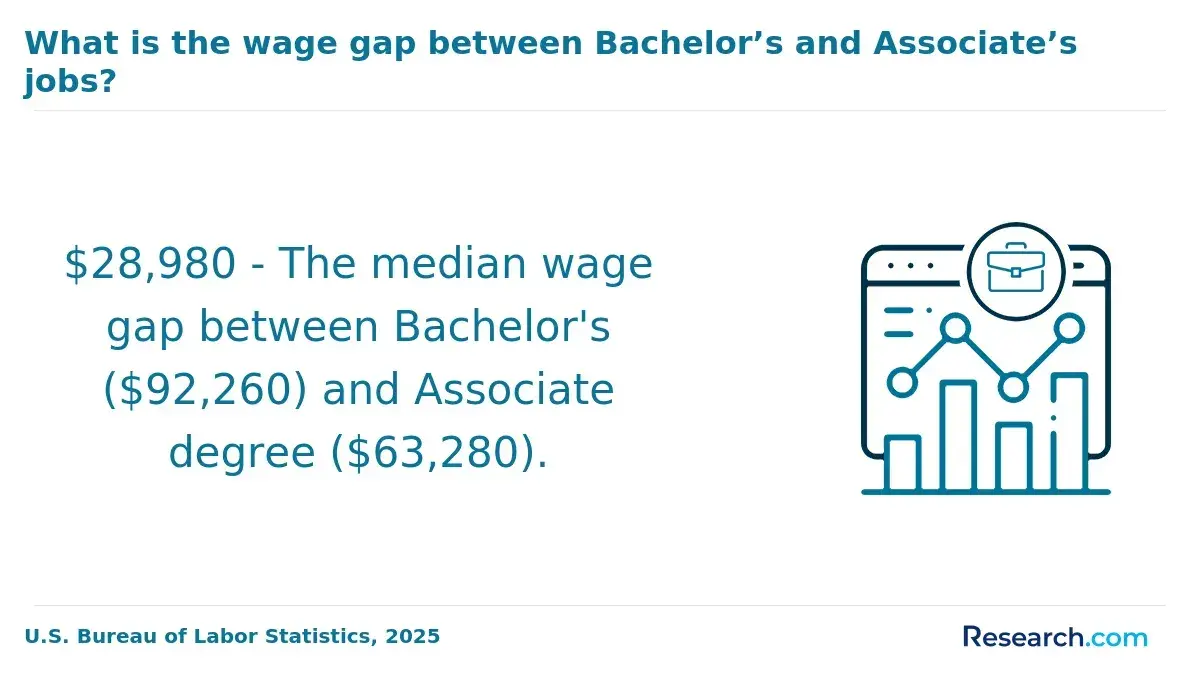
Accurately assessing the total cost of a criminal justice degree is vital for determining its return on investment (ROI), especially as graduate tuition has risen about 3% annually over the past decade. With student loan debt for bachelor's degrees averaging close to $30,000, weighing all expenses against potential benefits is crucial.
Key factors affecting the ROI of a criminal justice degree program include:
- Tuition and fees: This is the largest expense, varying widely based on whether the institution is public or private and if the student qualifies for in-state rates or must pay out-of-state tuition.
- Books and materials: Required textbooks, specialized software, and other learning tools add several hundred dollars each term, increasing overall costs.
- Living and relocation: Housing, transportation, and daily expenses can substantially increase spending, particularly for students moving away from home.
- Opportunity cost: Time dedicated to coursework often limits full-time employment, representing potential lost wages that factor into financial calculations.
- Indirect expenses: Additional fees for technology, parking permits, health services, and miscellaneous charges often go unnoticed but contribute to the total cost.
When I spoke with a graduate of a criminal justice degree program, he described budgeting as a constant challenge. "I underestimated how much living expenses and hidden fees would add up," he said. Balancing part-time work with classes meant sleepless nights and difficult decisions about where to cut back. "The opportunity cost was real-I was missing out on full-time income, but I believed the degree was a long-term investment." Despite the hurdles, he felt the experience sharpened his time management and financial planning skills, which proved valuable after graduation.
What Financial Aid Is Available for Criminal Justice Degree Programs?
Financial aid helps reduce the initial expenses of criminal justice degree programs, which can significantly boost the long-term financial benefits by lowering the amount students need to borrow. Nearly 60% of graduate students currently depend on some form of aid, underscoring its vital role in managing education costs and optimizing return on investment.
Common financial aid options available for criminal justice students include:
- Scholarships: These merit- or need-based awards provide funding that does not require repayment, directly decreasing the overall cost and debt load, which ultimately enhances the ROI of the degree.
- Grants: Typically offered by federal or state agencies, grants help cover tuition or fees, reducing out-of-pocket expenses and the necessity for future loans.
- Fellowships: Competitive in nature, fellowships supply stipends or tuition waivers for advanced study, easing financial pressures during graduate programs and improving ROI through targeted financial support.
- Employer Tuition Assistance: Many law enforcement and public safety organizations offer tuition reimbursement, allowing students who work while studying to finance their education with minimal personal debt and faster return to financial stability.
- Federal Student Loans: Though loans must be repaid, they often come with lower interest rates and flexible repayment options, enabling students to invest in their education while managing financial risk and increasing future earning potential.
The duration of completing a criminal justice degree plays a crucial role in its return on investment (ROI) by influencing opportunity costs, the timing of income generation, and overall educational expenses. Taking longer to finish a program generally means delayed earnings and higher direct and indirect costs.
Several important factors affect how quickly students complete a criminal justice degree and thus impact their financial outcomes:
- Enrollment status: Students attending full-time typically graduate sooner than those enrolled part-time, who may need to balance jobs or other commitments, extending the timeline.
- Program format: Online and accelerated programs reduce completion time by offering more flexible pacing or condensed coursework, allowing faster entry into the workforce.
- Transfer credits: Applying credits from previous studies can significantly shorten the degree path and lower tuition costs by eliminating redundant classes.
- Internship or thesis requirements: Completing internships or research projects may lengthen the program, but these experiences enhance employability and potential earnings in the long run.
- Scheduling flexibility: Evening and weekend classes enable working students to progress steadily without sacrificing income or career momentum.
A graduate shared insights on her journey, emphasizing that her part-time enrollment stretched over five years due to family obligations and work, which initially felt discouraging. However, she highlighted that the flexibility of evening classes and the ability to transfer prior college credits helped manage the workload effectively. She recalled, "Balancing everything was definitely challenging, but the hands-on internship I completed towards the end made it all worth it, improving my confidence and opening job opportunities." Her experience underlines that while longer completion times can delay income, practical experiences and adaptable scheduling can ultimately enrich career prospects and satisfaction.
The delivery format of a criminal justice degree can significantly affect its return on investment (ROI) by influencing costs, scheduling flexibility, and career opportunities. Over 40% of higher education students now take at least one online course, reflecting the growing acceptance of online programs. These factors play a crucial role when evaluating the return on investment for criminal justice degrees online versus traditional on-campus options.
Here are important points to consider when comparing online and on-campus criminal justice programs:
- Tuition and fees: Online programs generally have lower tuition and fewer ancillary fees, making them financially appealing. This cost difference is a major factor when assessing the online vs on-campus criminal justice degree ROI.
- Opportunity cost: Online study allows greater flexibility, reducing time away from employment and minimizing income loss. Working professionals often find this adaptability beneficial.
- Time to completion: Both formats offer comparable completion times, though online programs may allow students to accelerate their pace based on individual circumstances.
- Networking and career services: On-campus programs usually provide stronger access to in-person networking events and career resources, which can enhance job placement and advancement prospects.
- Employer perception and long-term earnings: Perceptions of online criminal justice degrees vary by employer, often depending more on program reputation than delivery. Ultimately, experience and credentials weigh heavily in long-term earning potential.
For those considering flexible graduate studies in related fields, exploring accelerated MSW programs can offer additional insights into online education benefits and career returns.
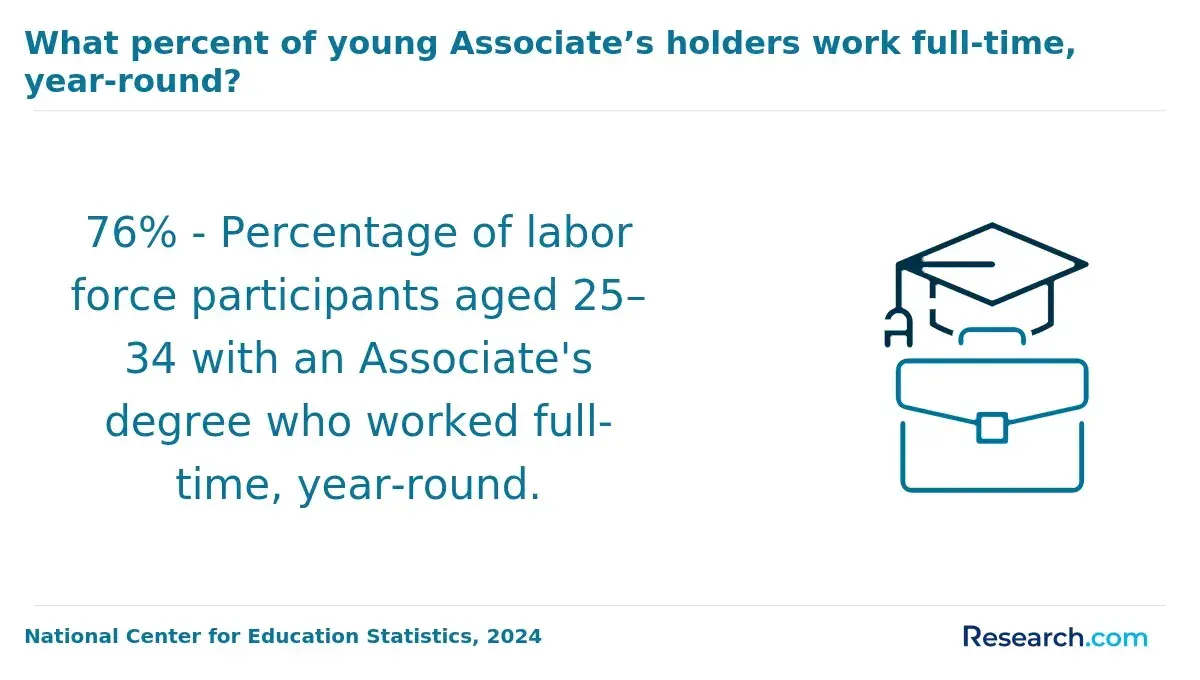
Post-graduation salary is a primary factor in assessing the return on investment (ROI) of a criminal justice degree program because it directly affects the financial benefits gained relative to the cost and duration of the education. The average salary for criminal justice graduates in the United States typically ranges between $40,000 and $70,000 per year, reflecting variations based on role and experience. Entry-level jobs usually fall near the lower end of this scale, while more specialized or senior positions can earn salaries at or above the higher end.
Several key factors influence the average salary for criminal justice graduates and thus impact the degree's ROI:
- Industry: Salaries differ significantly depending on the sector, with federal agencies and private security firms generally offering higher pay than local law enforcement agencies.
- Geographic location: Compensation varies widely by region, as metropolitan areas and states with higher living costs typically provide greater salaries, improving the financial outlook for graduates.
- Prior experience: Candidates with relevant internships or previous careers in related fields tend to secure better starting salaries, which enhances the overall criminal justice degree salary outlook.
- Specialization: Graduates who focus on advanced areas such as forensic science or cybersecurity often access higher-paying opportunities, leading to improved ROI.
- Career level: Advancement into supervisory or management roles substantially increases earning potential over time, making long-term ROI more favorable.
Individuals weighing their educational options may also consider programs like an MFT degree that align with their career goals and financial expectations.
Promotions play a critical role in the return on investment (ROI) of a criminal justice degree by providing salary increases, expanded responsibilities, and greater career mobility. Advancing through ranks often requires specific qualifications, making educational credentials increasingly important for unlocking these opportunities.
A significant workforce trend is the emphasis on credential-based promotion. Many organizations now mandate a criminal justice degree or equivalent education to qualify for promotions beyond entry-level roles. This reflects how career advancement with a criminal justice degree is closely tied to meeting formal educational expectations in an evolving field.
Key ways a criminal justice degree can impact promotion opportunities and ROI includeCredential Requirements: Many supervisory and management positions require formal education as a baseline qualification, making a degree essential for upward mobility.Leadership Preparation: Degree programs develop leadership, critical thinking, and analytical skills vital for success in higher-ranking roles within criminal justice careers.Employer Support: Some agencies offer tuition reimbursement or financial assistance that reduces the cost of obtaining the degree, increasing overall ROI.Internal Promotion Systems: Formal education often enhances prospects in agencies that prioritize credentialed candidates for advancement.Experience Synergy: Combining practical field experience with academic credentials creates a competitive advantage when pursuing promotional opportunities.Integrating a criminal justice degree with relevant experience tends to position candidates more favorably in promotion processes. For those exploring educational options, these benefits make the degree a strategic investment. Additionally, prospective students interested in further advancing their education and career may want to explore fully funded EDD programs online to complement their qualifications and maximize long-term growth.
The return on investment (ROI) for criminal justice graduates varies widely across industries because of differences in salary levels, career advancement opportunities, and demand for specialized skills. Industries offering both competitive pay and clear promotion routes generally provide a stronger financial return. Below are some key sectors known for delivering one of the best ROI industries for criminal justice graduates.
The following industries tend to provide high ROI:
- Federal and State Law Enforcement: These positions often include strong salaries, pension plans, and well-defined career ladders that reward experience and training. Stability and upward mobility make this a lucrative option for those pursuing highest paying criminal justice careers.
- Forensic Science and Crime Lab Analysis: Specialized forensic skills command higher salaries, as graduates apply technical expertise to critical investigations. This niche offers opportunities for growth and a premium on advanced education and certifications.
- Private Security and Corporate Compliance: Corporations invest heavily in protecting assets and ensuring regulatory adherence, resulting in lucrative salaries for professionals skilled in corporate investigations and risk management. Job demand remains steady in this sector.
- Corrections and Rehabilitation Services: While initial pay may be moderate, ongoing demand and chances for promotion over time contribute to a consistently reliable ROI in this field.
- Cybersecurity and Cybercrime Investigation: The increasing prevalence of digital crime drives strong demand for criminal justice graduates with hybrid technology expertise, resulting in above-average compensation and career prospects.
For prospective students considering a criminal justice degree, aligning educational choices with market demand can maximize career returns. Exploring options among online schools that accept FAFSA may help manage education costs while pursuing these highest paying criminal justice careers.
Accreditation in criminal justice degree programs signifies that the curriculum meets established quality standards set by authoritative agencies, which directly impacts the degree's credibility in the job market. This recognition reassures employers that graduates have received a thorough and reliable education, often influencing hiring decisions and salary offers. A growing trend in the workforce is the increasing preference for candidates holding degrees from accredited programs, especially in law enforcement and corrections. Moreover, accreditation often plays a critical role in meeting eligibility requirements for professional licensure, which many roles within the field mandate.
Accreditation contributes to the long-term return on investment by fostering employer confidence that can translate into competitive job opportunities and higher pay. It also facilitates access to federal and state financial aid, making the degree more affordable for many students. Additionally, accredited programs typically allow smoother credit transfers between institutions, which aids those pursuing advanced education or relocating. Ultimately, accreditation enhances career flexibility by qualifying graduates for necessary licenses and supporting upward mobility within various agencies and roles.
The return on investment (ROI) of a criminal justice degree depends largely on factors such as tuition costs, the duration of study, expected salaries, and opportunities for career advancement. Typically, earning a bachelor's degree takes about four years, with expenses varying based on the type and delivery of the program, including online versus in-person options. Graduates often find roles like law enforcement or probation officers, where median annual wages generally fall between $40,000 and $60,000. Labor data show that employment in some criminal justice sectors is projected to grow marginally faster than the average for all jobs, reflecting steady demand in the field.
Whether a criminal justice degree is a worthwhile investment hinges on individual circumstances, including local job market conditions and personal career ambitions. Programs offering flexibility, such as online formats, can benefit working students by reducing opportunity costs. Financial aid availability also plays a significant role in lowering financial burdens. The degree tends to offer stronger returns for those who seek advanced positions or combine their education with certifications or further studies, while others may find alternative pathways more cost-effective depending on their goals and industry needs.
What Graduates Say About The ROI of Their Criminal Justice Degree
- Tony: "Choosing to pursue a criminal justice degree traditionally seemed daunting due to the cost, which hovered around $18,000 annually for most programs. However, I saw it as an investment with strong long-term returns, especially given the steady demand for professionals in law enforcement and legal fields. Graduating opened doors to a stable career and increased earning potential, proving every dollar spent was worth it."
- Denver: "Opting for an online criminal justice degree was primarily about balancing cost and convenience. With an average total tuition cost significantly lower than traditional routes, I was able to minimize debt while still gaining valuable skills. Finishing the program boosted my professional credibility, allowing me to pivot into a more rewarding role in criminal analysis that I wouldn't have otherwise accessed."
- Kai: "Pursuing a part-time criminal justice degree required patience but paid off in flexibility and career advancement. Despite concerns about the cumulative expense-generally around $15,000 to $20,000-the strategic ROI became clear when I secured a supervisory position at my agency shortly after graduation. The degree not only enhanced my expertise but also validated my commitment to the field."
Other Things You Should Know About Criminal Justice Degrees
For ROI, the program should hold regional institutional accreditation, and the criminal justice major should come from a school recognized by the U.S. Department of Education or the CHEA database. Credits from unaccredited programs often do not transfer, which can reduce long-term value.
In 2027, both experience and a criminal justice degree hold value. Experience can enhance practical skills and job readiness, while a degree typically provides broader career opportunities and higher starting salaries. Their relative impact on ROI depends on specific career goals and fields within criminal justice.
Yes, a criminal justice degree can prepare graduates for roles in international law enforcement, security consulting, and global crime prevention. With additional specialization or advanced degrees, graduates may work for organizations like INTERPOL, the United Nations, or international NGOs focused on law and justice.
- Online degrees that are worth it - Degreechoices.com https://www.degreechoices.com/blog/are-online-degrees-worth-it/
- What can I do with a degree in Criminology? - Careers and employability service - University of Kent https://student.kent.ac.uk/careers/career-planning/what-can-i-do-with-a-degree-in/criminology-and-criminal-justice
- Criminal Justice Salary - How Much Can I Make With a Criminal Justice Degree? - Grace Christian University https://gracechristian.edu/blog/criminal-justice-salary/
- The Most Popular College Degrees Ranked by Return on Investment (ROI) After 5 Years in the Workforce - StudentChoice.org https://www.studentchoice.org/news/the-most-popular-college-degrees-ranked-by-return-on-investment-roi-after-5-years-in-the-workforce/
- Is a Criminal Justice Degree Worth it? | University of Olivet https://www.uolivet.edu/is-a-criminal-justice-degree-worth-it/
- Financial Aid Tips for Criminal Justice Students https://www.criminaljusticeprograms.com/financial-aid/
- Criminal Justice 101: Everything to Know About This Career Path https://www.park.edu/blog/criminal-justice-101-everything-to-know-about-this-career-path/
- 5 Things Every Graduating Criminal Justice Student Needs To Know https://www.saintleo.edu/about/stories/blog/5-things-every-graduating-criminal-justice-student-needs-to-know
- How Long Does It Take to Get a Bachelor's Degree in Criminal Justice? | Maryville Online https://online.maryville.edu/online-bachelors-degrees/criminal-justice/resources/how-long-does-it-take-bachelors-criminal-justice/
- What Jobs Can You Get With a Degree in Criminal Justice? | CSU Global https://csuglobal.edu/blog/what-jobs-can-you-get-bachelors-degree-criminal-justice