2027 Criminal Justice Degree Programs for Career Changers

Co-Founder and Chief Data Scientist
Many working adults face uncertainty when shifting to a criminal justice career after years in unrelated fields. The demand for skilled professionals in this sector is growing, yet 58% of criminal justice degree candidates are over age 25, highlighting the significant number of career changers seeking relevant skills to enter or advance in law enforcement, corrections, or legal support roles. Navigating degree options and understanding workforce requirements can be daunting. This article clarifies how various criminal justice degree programs cater to adult learners, offering practical pathways to effectively transition into new professional roles within the criminal justice system.
Key Things to Know About Criminal Justice Degree Programs for Career Changers
- Many criminal justice programs offer flexible scheduling and online or hybrid formats, enabling working adults to balance education with job and family responsibilities effectively.
- Curriculums often focus on skills employers seek, such as cybersecurity, forensic analysis, and law enforcement leadership, enhancing career transition opportunities.
- Accelerated pacing and dedicated support services like tutoring and career counseling improve degree completion rates among adult learners entering the criminal justice field.
What Criminal Justice Programs Accept Career Changers?
Many criminal justice programs are designed with flexibility that suits working adults or professionals seeking career transitions. Nearly 40% of graduate students in the U.S. are adult learners, highlighting demand for flexible criminal justice degree programs for working professionals who want to advance or change careers.
- Bachelor's Degree: These programs typically have flexible prerequisites, allowing career changers to start without prior criminal justice experience. They focus on foundational knowledge, making them accessible for those entering a new field.
- Master's Degree: Graduate programs emphasize transferable skills from previous careers and often accommodate busy schedules. This makes them a practical choice for those ready to deepen expertise while balancing other commitments.
- Associate Degree: Offering skill-oriented curricula, these degrees prepare students quickly for entry-level roles. Their practical focus is ideal for career changers building relevant competencies efficiently.
- Graduate Certificates: Short-term credentials deliver targeted knowledge in specific criminal justice areas. These programs are well suited for professionals seeking focused expertise without committing to full degrees.
Such flexible and practical programs help adults gain new skills while managing existing responsibilities. For those interested in expanding credentials, exploring options like bcba master's programs online can offer additional pathways aligned with professional goals.
What Criminal Justice Specializations Are Best for Career Changers?
Selecting the right criminal justice specialization is essential for career changers to align existing skills with in-demand roles and accelerate career advancement. Employment in protective service occupations is projected to grow 7% from 2021 to 2031, indicating strong hiring potential in key areas. Here are four top specializations well-suited for those making a transition.
- Cybersecurity and Digital Forensics: Ideal for individuals with IT or analytical backgrounds, this path uses technical expertise to safeguard data and investigate cybercrimes, making it a natural fit for career changers with technology experience.
- Forensic Psychology: This specialization appeals to those with counseling or social services experience, focusing on analyzing criminal behavior and aiding rehabilitation, which supports a smooth shift into the criminal justice degree tracks ideal for career transitions.
- Corrections and Rehabilitation: Accessible even for newcomers, it emphasizes communication, conflict resolution, and program management skills to improve inmate outcomes, offering practical entry points for many professionals.
- Law Enforcement Leadership: Suited for those with management or military backgrounds, this specialization prepares students for supervisory roles with a focus on strategic decision-making and ethics, providing clear career mobility.
Those seeking to enhance their qualifications might explore accredited online counseling programs that complement a criminal justice specialization, especially in fields like forensic psychology.
What Are the Admission Requirements for Career Changers Applying to a Criminal Justice Program?
For career changers, knowing the admission requirements when applying to a criminal justice program is essential to navigate the process smoothly, especially while balancing work and family commitments. Nearly 40% of undergraduate students in the U.S. are nontraditional learners, highlighting the growing importance of flexible admissions tailored to adult students. Below are common prerequisites that help clarify admissions expectations for career changers.
- Application Submission: Completing an application form and paying the required fee is the first step. Many programs offer online applications to accommodate busy professionals seeking to change careers.
- Academic Transcripts: Official transcripts from prior institutions are necessary, often with a minimum GPA requirement around 2.5 to 3.0. This demonstrates academic readiness for criminal justice studies.
- Standardized Tests: Some programs request SAT or ACT scores, but many waive these for adult learners or accept alternative assessments recognizing varied educational backgrounds.
- Recommendations: Letters from professional references or former instructors highlighting relevant experience and skills can strengthen an application, especially when showing transferable expertise.
- Personal Statement: A written essay explaining motivations for career change and pursuing criminal justice helps admissions committees understand applicants' commitment and goals.
Many programs acknowledge the value of prior work experience, military service, or professional certifications as alternative prerequisites, which benefits career changers. These prerequisites for criminal justice programs for nontraditional students help ensure eligibility while allowing diverse backgrounds to be considered. For those interested in further education aligned with flexible learning, exploring options like an mlis can offer additional pathways to degree advancement.
For those pivoting careers, knowing what a criminal justice degree entails helps align previous experience with new academic challenges. This understanding guides learners as they balance studies with existing responsibilities. Key coursework components include:
- Introduction to Criminal Justice: Covers the overall framework of the justice system, detailing the roles of law enforcement, courts, and corrections to establish foundational knowledge relevant to all studies.
- Criminology: Investigates the root causes of crime and societal reactions, presenting theories that explain criminal behavior and inform policy development.
- Legal Studies: Focuses on criminal law fundamentals, constitutional protections, and legal protocols, ensuring students understand the procedural aspects of justice.
- Corrections and Rehabilitation: Examines institutions and community correction systems, emphasizing approaches to managing offenders and promoting rehabilitation.
- Research Methods and Data Analysis: Introduces critical techniques for collecting and analyzing data to support informed, evidence-based practices within criminal justice careers.
A professional who completed an online criminal justice program shared insights about his journey transitioning fields. He mentioned feeling uncertain about balancing coursework with family commitments but appreciated the program's flexible online format. "It wasn't just about attending classes; managing deadlines alongside a full-time job was challenging," he explained.
He also valued how practical assignments helped connect theory to real-world applications, which gave him confidence in making this significant career move. "Adapting to new material while drawing from prior work experiences made the process rewarding, though sometimes overwhelming," he reflected. This firsthand experience highlights how structured coursework combined with adaptability supports career changers stepping into criminal justice.
Balancing academic goals with work and life demands is essential for career changers pursuing a criminal justice degree. Nearly 40% of postsecondary students are adult learners, many of whom benefit from flexible learning methods that fit varied schedules. Below are some common program formats that support this need:
- Online Programs: These provide ultimate convenience by letting students study from any location and at any time. This option suits those who juggle full-time employment or family duties.
- Evening and Weekend Classes: Offered on campus outside regular business hours, these classes allow learners to engage face-to-face while working during the day.
- Hybrid Programs: Blending online coursework with occasional in-person sessions, hybrid programs offer a balance of flexibility and direct interaction.
- Part-Time Enrollment: Students work at a slower pace, spreading coursework over more semesters to reduce stress and better manage professional and personal responsibilities.
Skill development is critical for career changers entering new fields, with 87% of employers prioritizing transferable skills over direct experience when hiring adult learners. Building versatile competencies enhances both immediate job prospects and long-term career adaptability. The following key abilities are often cultivated through a criminal justice program:
- Critical Thinking: This skill empowers graduates to analyze complex scenarios and make sound decisions, which is vital in roles requiring quick, informed judgment such as law enforcement or legal services.
- Communication Proficiency: Effective verbal and written communication fosters clear collaboration with diverse stakeholders, from colleagues to community members, essential in any justice-related position.
- Ethical Judgment: Training in ethical reasoning helps students navigate challenging moral conflicts while upholding integrity, reinforcing trustworthiness and professionalism in their careers.
- Research and Analysis: Graduates learn to gather and interpret data rigorously, supporting evidence-based problem-solving and policy evaluation in public safety and legal contexts.
- Legal and Social Insights: Understanding laws and societal systems equips students to make informed decisions and advocate effectively within complex community dynamics.
When I spoke with a career changer who completed a criminal justice degree, she emphasized the personal transformation involved. Transitioning from a retail management background, she recalled feeling overwhelmed initially by the academic rigor and unfamiliar terminology. "It wasn't just about absorbing information but learning to apply concepts to real-world situations," she explained.
Through group projects and internships, she gained confidence engaging with law enforcement professionals and community leaders. She described the process as challenging but deeply rewarding, noting that the degree sharpened her problem-solving skills and strengthened her ethical framework. This preparation gave her assurance to pursue a fresh career path with competence and adaptability.
Career changers often face unique financial challenges when pursuing a degree, making it vital to assess total expenses upfront. The average debt for adult learners in graduate education exceeds $37,000, underscoring the need for careful planning. Below are the main cost components to consider when exploring affordable criminal justice programs for working professionals.
- Tuition and Fees: Tuition can vary widely by institution and program length, typically ranging from $10,000 to $40,000. Many programs offer flexible payment options, such as installment plans or reduced rates for part-time students, which can help manage costs alongside work commitments.
- Books and Materials: Textbooks and supplies generally cost between $1,000 and $2,000 annually. Opting for digital materials or used books may lower these expenses without compromising quality.
- Technology Access: For remote learners, fees for online platforms and necessary technology are often required. These costs vary but are an essential factor for those balancing study and professional responsibilities.
- Opportunity Costs: Career changers must consider lost income or reduced work hours if attending full-time. Some may explore accelerated or competency-based programs that shorten time to graduation, thus decreasing overall costs.
- Financial Support: Employer tuition assistance or reimbursement programs can significantly offset expenses while maintaining financial stability. Investigating such benefits is crucial when evaluating a criminal justice degree cost for career changers.
Choosing a criminal justice degree is a strategic step toward new career opportunities. To better understand potential outcomes, consider resources like degrees that make the most money to align your investment with your professional goals.
Curriculum design is especially important for career changers pursuing a criminal justice degree because it must bridge prior professional experience with new knowledge and skills. A focused, adaptable curriculum makes it easier to transition efficiently and confidently into criminal justice roles. Below are key ways that a criminal justice curriculum supports career transitions:
- Applied Learning Opportunities: Internships, simulations, and fieldwork provide hands-on experience, helping students integrate theory with practical skills vital for various criminal justice settings.
- Transferable Skill Development: Communication, critical analysis, and ethical reasoning are cultivated to prepare students for diverse roles within law enforcement, corrections, or legal sectors.
- Flexible Pacing Options: Designed to accommodate adult learners, the curriculum offers scheduling flexibility, allowing students to manage their education alongside personal and professional responsibilities.
- Current Legal and Policy Issues: Coursework includes updates on evolving laws and policies, ensuring students remain knowledgeable about relevant, real-world challenges in criminal justice.
- Collaborative Projects and Case Studies: These foster teamwork and problem-solving skills in complex scenarios, mirroring the interdisciplinary nature of many criminal justice careers.
A criminal justice degree curriculum for career changers often integrates multiple disciplines to connect prior work experience with new concepts. This interdisciplinary approach enhances readiness and confidence for career transitions. For those seeking the easiest online degree options that accommodate busy adult learners, many criminal justice programs emphasize flexibility without sacrificing rigor.
Understanding how criminal justice programs facilitate career transitions can help prospective students choose paths that align with their goals, ensuring a smoother shift into meaningful roles within the justice system.
For professionals transitioning careers, recognizing potential job outcomes linked to a criminal justice degree helps align previous experience with new opportunities. The U.S. Bureau of Labor Statistics projects a 5% growth in protective service roles from 2022 to 2032, indicating steady demand in related fields. Below are common career paths accessible to those with a criminal justice background.
- Correctional Officer: Oversees facility security and inmate conduct. Skills in conflict resolution and authority management translate well into this position, making it suitable for career changers familiar with leadership or supervision.
- Probation Officer: Monitors individuals on probation, applying communication and case management abilities. Those with experience in counseling or social services often find this role aligns with their background.
- Crime Analyst: Utilizes data analysis to inform law enforcement strategies. Candidates with analytical or research skills can leverage their expertise to succeed here.
- Victim Advocate: Provides support and resources to crime victims through counseling and coordination. This position suits individuals with experience in social work or therapeutic environments.
- Security Manager: Manages organizational safety protocols and risk assessments. Prior experience in management or emergency planning is highly applicable for this role.
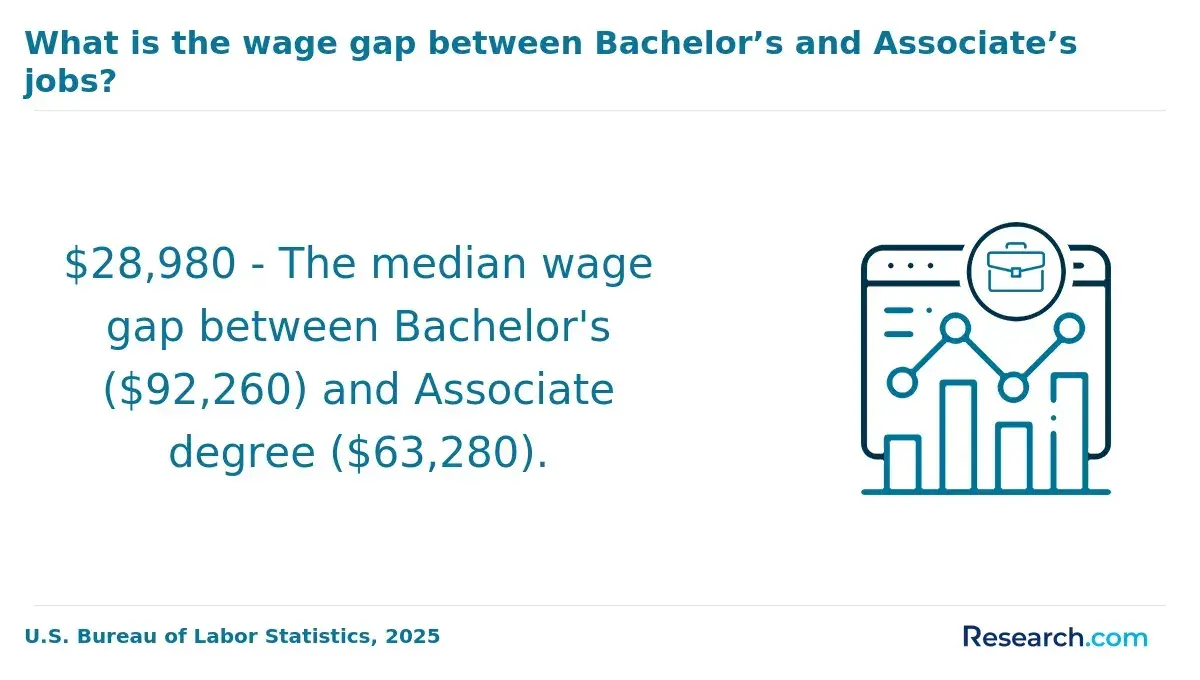
Salary considerations play a crucial role for professionals shifting careers to earn a Criminal Justice degree, as this helps them assess the financial benefits of their educational investment. Research from Georgetown University's Center on Education and the Workforce shows that individuals who reskill can see a 15% to 25% boost in earnings within five years. Below are key salary insights for common roles and factors in this field.
- Entry-Level Salaries: Starting wages for roles like law enforcement or probation officers generally fall between $40,000 and $55,000 annually, reflecting typical entry-point compensation.
- Experienced Professionals: Those with several years in the field often earn $55,000 to $80,000, benefiting from accumulated expertise and possibly supervisory duties.
- Specialized Positions: Jobs such as forensic analysts or criminal investigators usually command salaries above $80,000, particularly in federal or high-demand sectors.
- Geographic Variation: Location and agency size significantly influence pay, with urban centers and larger organizations offering higher wages.
- Prior Experience Impact: Previous professional skills-like leadership or technical knowledge-and advanced degrees can substantially enhance starting salaries and growth potential.
What Graduates Say About Their Criminal Justice Degrees for Career Changers
- Tony: "Deciding to pursue a criminal justice degree was a pivotal step for me after years in retail management. The average cost of around $15,000 for the entire program was a significant investment, but it was worth every dollar considering how it opened doors in law enforcement. My degree gave me the credentials and confidence to make a real difference in my community."
- Denver: "After spending a decade in marketing, I felt the need for a meaningful career shift and chose a criminal justice degree. The cost was a concern, but with scholarships and financial aid, I managed the roughly $12,500 expense effectively. Earning my degree has profoundly shaped my understanding of the legal system and facilitated a seamless transition into legal consulting."
- Kai: "Transitioning into criminal justice was a calculated move to align my career with my passion for social equity. Although the $14,000 cost was not negligible, the knowledge and network I gained have more than compensated. Completing the degree was transformative, equipping me with the practical skills required to thrive in probation services."
Other Things You Should Know About Criminal Justice Degrees
Yes, adult learners pursuing a criminal justice degree in 2027 can access various financial aid options. These include federal grants, scholarships, and state-specific programs. Some universities also offer financial aid tailored for adult learners or career changers, easing the transition into the criminal justice field.
Prior work experience in fields like social services, public safety, or even business can enhance a career changer's understanding and application of criminal justice principles. Some programs may offer credit or advanced standing for relevant experience, which can shorten the time needed to complete the degree. Integrating past experience often enriches classroom discussions and practical assignments.
Yes. Many programs accept up to 60 semester credits from regionally accredited colleges, and some also grant credit for prior general education or elective coursework. Schools usually require a minimum 2.0 GPA, and major-specific criminal justice courses still must be completed at the new institution.
- The Value of a Criminal Justice Degree: Skills, Evolution, and Degree Pathways | University of Arkansas Grantham https://www.uagrantham.edu/blog/the-value-of-a-criminal-justice-degree/
- 20 Careers You Can Pursue With a Criminal Justice Degree https://online.champlain.edu/blog/criminal-justice-careers
- Criminal Justice Jobs: Start a Career in Criminal Justice | GMercyU https://www.gmercyu.edu/academics/learn/criminal-justice-career-options
- What Can You Do With a Degree in Criminal Justice? | UMass Global https://www.umassglobal.edu/blog-news/what-can-you-do-with-a-criminal-justice-degree
- Online Criminal Justice Degree | Accredited Programs | SNHU https://www.snhu.edu/online-degrees/bachelors/bs-in-criminal-justice
- A step forward towards a career guidance system in criminal justice - IPS Innovative Prison Systems https://prisonsystems.eu/career-guidance-system/
- Criminal Justice 101: Everything to Know About This Career Path https://www.park.edu/blog/criminal-justice-101-everything-to-know-about-this-career-path/
- What Are the Entry Requirements for a Criminal Justice Program? | University of Bridgeport https://www.bridgeport.edu/news/entry-requirements-for-a-criminal-justice-program/
- How to Choose a Criminal Justice Specialization | AIU https://www.aiuniv.edu/degrees/criminal-justice/articles/how-to-choose-a-criminal-justice-specialization
- Careers in Criminal Justice: How to Make a Career Change in 2023 | Joblist https://www.joblist.com/guides/careers-in-criminal-justice