2027 Best Accredited Online Applied Science Bachelor's Degree Programs

Co-Founder and Chief Data Scientist
Many prospective students face challenges balancing work, family, and education-especially when pursuing specialized degrees like applied science online. The flexibility of accredited online programs helps overcome geographic and scheduling barriers, yet choosing the right program can be overwhelming.
Research shows that graduates from accredited online applied science programs experience a 15% increase in employment opportunities within related industries compared to non-degree holders.
This article will explore the best accredited online applied science bachelor's degree programs, guiding readers through quality options, accreditation importance, and career prospects to help make informed, strategic decisions about their education and future.
Key Points About the Best Accredited Online Applied Science Bachelor's Degree Programs
- Students gain practical skills in data analysis, laboratory techniques, and project management-directly applicable across diverse sectors such as biotechnology, environmental science, and engineering.
- Online Applied Science programs reduce costs by eliminating commuting and campus fees, often saving students an average of 20-40% compared to traditional degrees.
- Graduates access expanding job markets with a 12% projected growth in STEM-related roles, benefiting from employer recognition of accredited online Applied Science degrees nationwide.
What are the best accredited online Applied Science bachelor's degree programs?
Choosing a top-tier accredited online program in applied science is a strategic move for students aiming for long-term success in this dynamic field. Research shows that graduates from accredited programs have a 20% higher employment rate within six months of graduation compared to those from non-accredited schools.
Below are some of the best accredited online applied science bachelor's degree programs to consider.
- Southern New Hampshire University (SNHU): SNHU offers a Bachelor of Science in applied science with concentrations like manufacturing technology and automotive technology. The program features hands-on virtual labs that connect theory with practical skills, all supported by recognized regional accreditation to ensure educational quality.
- University of Maryland Global Campus (UMGC): UMGC's Bachelor of Science in Applied Computer Science emphasizes cybersecurity and software development. Accredited regionally, UMGC's innovative learning platform promotes real-time collaboration and multimedia engagement, enhancing student interaction and faculty support.
- Oregon State University Ecampus: This online Bachelor of Science in applied science focuses on natural resources, particularly environmental and sustainable agricultural systems. The program holds accreditation from the Association for Environmental Education, underscoring its commitment to high academic standards in this specialized area.
- Arizona State University (ASU) Online: ASU offers a Bachelor of Applied Science with a concentration in healthcare informatics. Accredited by the Higher Learning Commission, the program uses advanced simulation technology to prepare students for emerging careers in applied science fields.
These top options deliver flexible learning tailored to various interests while upholding respected accreditation standards, essential for academic and professional credibility. Students seeking the best accredited online applied science bachelor's degree programs in the US can find varied specializations combined with strong online education platforms to meet their educational goals.
For those also exploring healthcare pathways, it's worth noting programs like the online RN to BSN, no clinicals which provide alternative routes to nursing degrees that may complement applied science studies in health-related fields.
What accreditation standards should an online Applied Science bachelor's degree program meet?
Accreditation standards are essential for ensuring online applied science bachelor's degree programs uphold the same quality and rigor as traditional campus-based programs. Maintaining these rigorous benchmarks guarantees that students receive an education that is both credible and comprehensive.
Currently, over 200 institutions across the U.S. are regionally accredited to offer online programs in applied science. The key requirements include:
- Curriculum Relevance and Rigor: The coursework must reflect up-to-date applied science concepts, integrating practical and theoretical knowledge. Prospective students should verify that the curriculum aligns with industry standards and academic expectations.
- Qualified Faculty: Instructors should possess advanced degrees and demonstrated expertise in applied science fields, ensuring educational quality. Information about faculty credentials is often available on program websites and accrediting agency reports.
- Student Support Services: Robust online advising, tutoring, and technical help are crucial for remote learners tackling complex subjects. Accreditation reviews assess whether these services effectively support student success in an online environment.
- Assessment and Outcomes: Programs must regularly monitor student learning outcomes and use data to improve curriculum and instruction. Students can look for published reports or accreditation evaluations that highlight achievement and retention rates.
Regional accreditation standards for applied science bachelor's programs are a reliable indicator that the program meets high educational standards. Those researching an online applied science degree program accreditation requirements should also compare how well schools provide practical resources like virtual labs and research tools.
For students also interested in healthcare-related options, exploring a healthcare administration degree could be worthwhile due to overlaps in applied science disciplines.
How can I check the accreditation status of an online Applied Science bachelor's program?
Verifying the accreditation of an online applied science bachelor's program is essential to ensure the school's claims are accurate and meaningful. About 87% of students in the U.S. attend regionally or nationally accredited institutions-highlighting the importance of checking credentials yourself.
To help with this process, students should follow these key steps:
- Identify Accreditation Type: Understand the difference between institutional accreditation, which covers the entire school, and programmatic accreditation, which focuses on the specific applied science program's quality.
- Use Official Databases: Consult the U.S. Department of Education's Database of Accredited Postsecondary Institutions and Programs (DAPIP) to confirm the school's legitimacy. The Council for Higher Education Accreditation (CHEA) database is another reliable tool for verifying accreditation status independently.
- Check Program-specific Accreditation: Look for recognition from specialized agencies such as ABET, which evaluates applied science and technical programs to ensure they meet industry standards.
- Cross-Verify Information: Review the school's official website for accreditation claims but always cross-check with independent sources or contact admissions offices for documentation if uncertain.
When I spoke with a professional who recently graduated from an accredited online applied science bachelor's program, he mentioned feeling 'overwhelmed' initially by conflicting online information.
He recalled how directly contacting the registrar's office helped clarify accreditation questions and gave him confidence in his degree's validity. He emphasized that while researching is time-consuming, 'knowing for sure that the program is recognized made the effort worthwhile and helped avoid future complications in licensing or employment.'
Why is it important to check if an online Applied Science bachelor's program is accredited?
Accreditation serves as the key gatekeeper for federal financial aid and the overall value of an online applied science degree. Without accreditation, students risk losing access to crucial funding and diminishing the long-term benefits of their education-studies show that credits from accredited programs transfer successfully over 70% of the time.
Consider the following essential factors when selecting accredited online applied science bachelor's programs:
- Financial Aid Eligibility: Only accredited programs qualify for federal student aid, making financing your education far more accessible-unaccredited degrees often leave students without this support.
- Credit Transferability: Accredited programs ensure credits are accepted by other institutions, offering flexibility for further education or a change in schools.
- Employer Preference: About 85% of employers prioritize candidates with degrees from accredited programs, which reflects trust in curriculum quality and graduate readiness.
- Curriculum Standards: Accreditation guarantees that courses stay current with industry requirements and that faculty meet professional qualifications, essential for applied science careers.
Choosing an unaccredited route can carry serious legal and financial consequences. For those exploring options like the cheapest online nursing PhD programs, verifying accreditation remains equally critical.
Does the online Applied Science curriculum mirror the rigor of on-campus programs?
Both online and traditional applied science programs deliver robust curricula designed to prepare students effectively for their careers, though they differ in how certain educational elements are handled.
- Hands-on Experience: Traditional programs offer direct access to physical labs and equipment, providing immediate practical exposure. Online programs compensate with virtual labs and simulations, occasionally requiring local facility partnerships or in-person residencies to ensure skill development.
- Faculty Expertise: In both formats, instructors generally hold advanced degrees and bring professional experience, maintaining consistent academic quality. Online faculty often utilize digital tools to engage students remotely without compromising instructional standards.
- Assessment Methods: Exams, projects, and presentations challenge students similarly across modalities, aiming to cultivate critical thinking and applied knowledge. Online assessments frequently incorporate timed tests and interactive assignments to mirror on-campus rigor.
A professional who earned his degree through an accredited online applied science program shared that balancing coursework with work demands was tough but rewarding. He described feeling challenged by virtual labs and deadlines, saying, 'It wasn't easier just because it was online-I had to be disciplined and manage my time well.'
He appreciated opportunities for real-world applications through remote projects, emphasizing how the experience built confidence for his career.
How much does it cost to attend an accredited online Applied Science bachelor's degree program?
Students considering online applied science bachelor's degrees benefit from a clear breakdown of all expenses to make informed decisions. Tuition typically represents the largest share of costs, ranging between $15,000 and $35,000 annually for full-time enrollment. Studies show that online tuition is generally 15-25% less expensive than on-campus rates due to lower facility and administrative fees-offering significant savings.
Additional charges include technology fees of $100 to $400 per year to support digital learning tools, virtual lab fees from $200 to $600 each semester, and digital resource subscriptions costing $300 to $700 annually.
Some programs also apply course-specific fees between $50 and $200 to cover specialized materials. These fees contribute to the total financial obligation that students should carefully evaluate against their budget.
Compared to traditional on-campus programs, online degrees present distinct advantages by eliminating extra costs like commuting, parking, and housing. These hidden savings often make online applied science programs more accessible, providing students a more flexible and economically feasible option for obtaining their degree.
What financial aid options are available for Applied Science students?
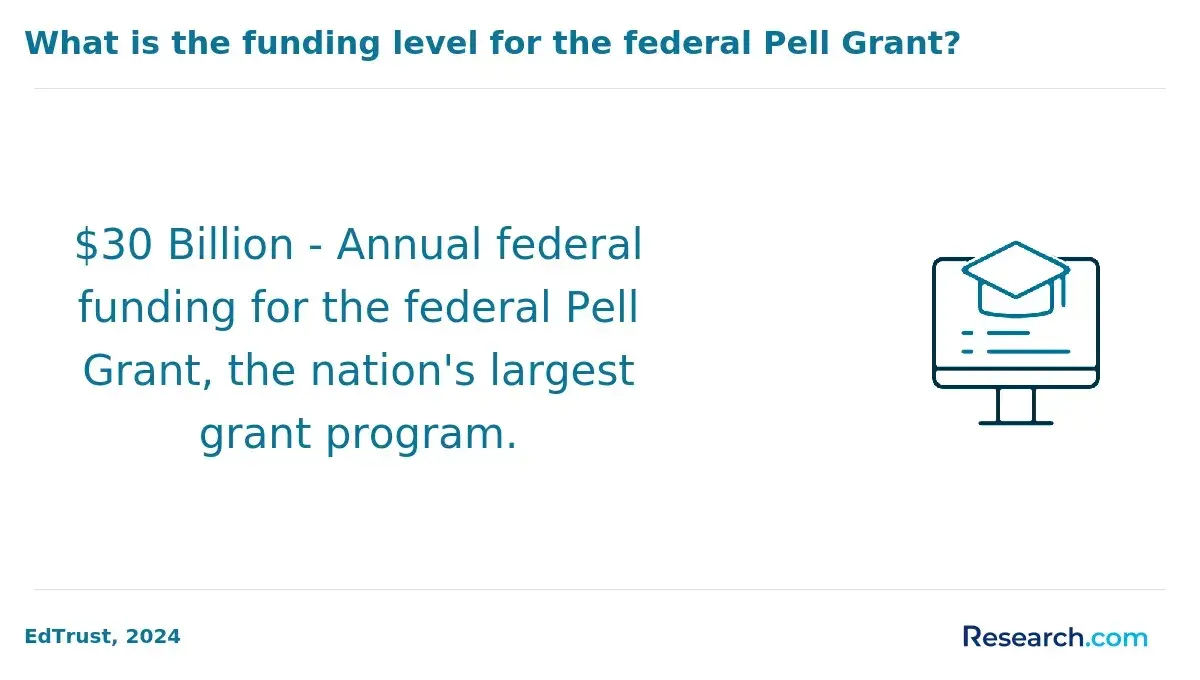
Exploring diverse funding sources is a critical step in reducing the overall debt burden of an applied science degree. Approximately 85% of undergraduates receive some form of financial aid, with federal aid programs distributing over $120 billion annually-making these resources essential for many online applied science students.
Several targeted aid options are available that can help manage costs effectively. Key funding opportunities include:
- Federal Financial Aid: Programs like Pell Grants and Direct Loans depend on financial need and enrollment at accredited institutions, providing a primary source of tuition support for many students.
- Field-Specific Scholarships: Organizations such as the National Society of Professional Engineers award scholarships to students in applied science disciplines related to engineering, often requiring academic achievement and dedication to the field.
- SMART Scholarship Program: Sponsored by the Department of Defense, this scholarship covers full tuition and offers a stipend, with recipients committing to service in STEM or applied science roles after graduation.
- Federal Work-Study: Allows students to earn income through part-time jobs while gaining relevant experience, based on financial need and FAFSA eligibility.
- Institutional Aid: Many online applied science programs offer merit- or need-based scholarships or grants-details vary by school, so students should consult program websites or financial aid offices.
What are the career outcomes for graduates of online Applied Science bachelor's degree programs?
The current labor market values the specialized competencies and practical knowledge gained through an accredited online applied science bachelor's degree, opening doors to various in-demand and evolving career opportunities. Graduates equipped with both theoretical background and hands-on skills stand out in industries emphasizing innovation and efficiency.
Below are some key job paths graduates often pursue:
- Quality Control Analyst: These professionals ensure that products meet safety and efficiency standards. Programs develop crucial skills in data analysis and process improvement, which are essential for identifying defects and maintaining quality assurance.
- Environmental Science Technician: With a growing focus on sustainability and regulatory compliance, applied science graduates support industries and government agencies through research and fieldwork expertise that address environmental challenges.
- Health and Safety Specialist: Responding to increasing workplace regulations, these specialists use problem-solving and technical knowledge to minimize hazards and promote safe working environments effectively.
- Laboratory Technologist: Advances in technology have expanded medical and industrial lab roles that require precision testing and equipment management. Online applied science curricula often incorporate virtual labs and projects to prepare students for these responsibilities.
- Manufacturing Technologist: Focused on optimizing production through automation and engineering principles, manufacturing technologists apply practical skills gained in applied science programs to improve processes and increase productivity.
For students exploring academic options, accredited online applied science bachelor's degree career prospects can be enhanced by complementary education routes such as dietetic masters programs.
This cross-disciplinary approach broadens job opportunities by building specialized knowledge alongside practical skills, positioning graduates strongly in diverse fields.
What is the employer perception of online Applied Science graduates?
Hiring managers are increasingly viewing online applied science degrees as equivalent to traditional ones. A 2023 study by the National Association of Colleges and Employers found that 78% of recruiters now regard accredited online applied science degrees as credible as in-person programs.
This shift reflects growing confidence that the quality of education-not its delivery method-is what matters most when evaluating candidates.
Employers appreciate that graduates from online applied science programs develop strong digital project management skills, crucial for overseeing technology projects remotely.
Additionally, familiarity with industry-specific virtual platforms and cloud-based tools showcases their adaptability to modern work environments. These competencies align well with the demands of a tech-driven workforce and signal an ability to stay current with evolving software and analytics systems.
While online learning has helped close past perception gaps, hiring decisions still heavily depend on the reputation of the educational institution and proper programmatic accreditation. These factors remain vital indicators of a candidate's expertise and preparedness, ensuring that employers can trust the rigor and relevance of the degree earned.
How can I choose the best accredited online Applied Science bachelor's degree for my goals?
Choosing the right accredited online applied science bachelor's degree program requires a structured selection process to align personal career goals with the specific strengths of a program.
Considering that 70% of online students prioritize career outcomes, selecting a program with features matching your needs is vital. Below are essential criteria to evaluate when deciding how to choose an accredited online applied science bachelor's degree options.
- Curriculum Relevance: Applied science fields evolve rapidly-programs should incorporate current technologies, practical skills, and industry standards to prepare graduates effectively for the workforce.
- Faculty Expertise: Instructors with real-world experience and advanced degrees provide valuable insights and mentorship, enhancing the educational experience.
- Flexibility and Support: Online learners often juggle multiple responsibilities, so access to asynchronous classes, academic advising, and technical support is crucial for maintaining progress.
- Graduation and Job Placement Rates: High rates not only reflect program quality but also its effectiveness in helping students secure relevant employment after graduation.
- Hands-On Learning: Opportunities such as virtual labs, internships, or collaborative projects bridge the gap between theory and practice, significantly enriching applied science education.
Exploring the best accredited online applied science bachelor's degree programs must also consider specialized areas within the field that match individual ambitions. For example, students interested in healthcare fields may find value in related offerings like Psychiatric NP programs that provide focused clinical training.
Whether your focus is engineering, technology, or health sciences, understanding how to choose an accredited online applied science bachelor's degree program will enhance your educational and professional outcomes.
What Graduates Say About Their Online Bachelor's in Applied Science
- Major: "I chose an accredited online applied science bachelor's degree because accreditation guaranteed the quality and recognition of my education. The affordability of the program allowed me to pursue my degree without overwhelming debt, which was very important. Now, as a professional, I see how the skills I gained online have directly contributed to my ability to solve real-world problems efficiently and confidently."
- Douglas: "Reflecting on my experience, the most valuable part of earning an online applied science bachelor's degree was the flexibility that accommodated my full-time job and family life. The accreditation assured me that the curriculum met high standards, which was a key factor in my decision. Graduating with this degree opened doors for career advancement and gave me a meaningful boost in the competitive job market."
- Ezra: "After extensive research, I decided on an accredited online applied science bachelor's program because it was the best investment for my professional future. The cost was reasonable compared to traditional options, and the convenience of learning remotely made it possible to balance work and study. Earning this degree has significantly enhanced my credentials and opened up new opportunities in my field."
Other Things You Should Know About Applied Science Degrees
In 2027, top industries hiring graduates from online applied science programs include healthcare technology, environmental science, and information technology. These fields value applied science graduates for their practical problem-solving skills and technical knowledge, often offering roles in research and development, project management, and technical consulting.
Online applied science programs in 2027 typically require a reliable internet connection, a computer with a modern web browser, and software like Microsoft Office. Some programs might also need specific technical tools or platforms for simulations and virtual labs, ensuring a comprehensive learning experience.
While the majority of coursework in online applied science programs is completed remotely, most accredited programs incorporate some form of hands-on experience. This can include virtual labs, internships, or supervised practical projects to ensure students gain essential real-world skills. These requirements vary by program but are critical to meeting industry expectations.
Admission requirements typically include a high school diploma or GED, transcripts, and possibly a personal statement. Some programs might also require placement tests or previous credits in science-related coursework to assess eligibility.
References
- National Government Services Portal Find Government Services Faster https://services.india.gov.in/service/detail/check-accreditation-status-of-higher-education-institutes
- How Do You Know If A University Is Accredited? https://www.accreditedschoolsonline.org/accreditation/
- Why is accreditation important for higher education institutions? | Woolf News & Updates https://woolf.university/news/why-is-accreditation-important-for-higher-education-institutions
- How can I check the accreditation status of a degree when applying for Graduate Basis for Chartered Membership? | BPS https://www.bps.org.uk/faqs/how-can-i-check-accreditation-status-degree-when-applying-graduate-basis-chartered-membership
- Online, Distance and Blended Learning Accreditation https://asic.bsne.ch/online-distance-blended-accreditation/index.html
- 10 Cheapest Online Bachelor’s Degrees in 2026 | UoPeople https://www.uopeople.edu/blog/10-cheap-online-bachelors-degrees/
- How Online College Degree Programs Can Transform Your Life https://www.tuw.edu/school-news/online-degree-programs-transform-your-life/
- How Much is Tuition? Online Tuition Costs | SNHU https://www.snhu.edu/tuition-and-financial-aid/online