2027 Accredited Online Applied Science Bachelor's Degree Programs: How to Verify Quality

Co-Founder and Chief Data Scientist
Choosing an accredited online applied science bachelor's degree can feel overwhelming-many programs claim credibility, but only 56% of students verify accreditation status before enrolling. Without proper checks, learners may invest time and money in degrees that lack recognition by employers or licensing bodies.
This problem is especially acute for professionals switching fields, who rely on program quality to ensure career advancement. Failure to confirm accreditation can lead to unrecognized coursework and lost employment opportunities. This article clarifies how to verify the quality of accredited online applied science bachelor's degree programs, guiding readers through essential criteria to make informed educational choices.
Key Benefits of Knowing How to Verify the Quality of Accredited Online Applied Science Bachelor's Degree Programs
- Verifying accreditation helps avoid diploma mills, protecting students from invalid degrees that hinder career progress and financial investment.
- Distinguishing recognized credentials ensures eligibility for licensure and credit transfer, vital in applied science professions requiring certified qualifications.
- Identifying poor-value or fraudulent programs safeguards against wasting time and money, enabling students to earn a regionally accredited applied science degree with confidence.
What Accreditation Bodies Are Authorized to Certify Online Applied Science Bachelor's Degree Programs in the United States?
Accreditation is a formal review process that evaluates educational institutions and programs against established quality standards. In the context of online applied science bachelor's degree programs, it distinguishes between institutional accreditation, which assesses entire colleges or universities, and programmatic accreditation that focuses on specific academic fields or departments.
Ensuring a program's accreditation is crucial for credit transferability, employer recognition, and eligibility for professional licensure. Major United States regional and national accreditation agencies authorized to certify online applied science bachelor's degree programs include:
- Higher Learning Commission (HLC): Oversees institutions mainly in the Midwest, confirming that schools meet comprehensive quality standards for applied science programs.
- Southern Association of Colleges and Schools Commission on Colleges (SACSCOC): Accredits colleges in Southern states, with rigorous evaluation of faculty qualifications and academic policies for online degrees.
- New England Commission of Higher Education (NECHE): Certifies institutions throughout New England, focusing on institutional effectiveness and online program delivery.
- WASC Senior College and University Commission (WSCUC): Covers mostly West Coast institutions, emphasizing continuous improvement and quality assurance for distance education.
- Middle States Commission on Higher Education (MSCHE): Oversees colleges in the Mid-Atlantic region, ensuring online applied science offerings meet institutional standards.
- Northwest Commission on Colleges and Universities (NWCCU): Accredits institutions in the Northwest, evaluating traditional and online programs for academic quality.
Applied science bachelor's programs may also carry programmatic accreditation from specialized agencies related to their field. This additional accreditation matters because it affects employer recognition and licensure eligibility by ensuring curricula meet industry-specific accreditation standards for online applied science bachelor's degrees.
Students and working adults should verify accreditation through the U.S. Department of Education's Database of Accredited Postsecondary Institutions and Programs (DAPIP). This authoritative resource helps avoid diploma mills and unrecognized credentials by listing legitimate institutions and programs.
For those interested in advancing their education in health-related fields, RN to BSN no practicum programs provide a practical option without clinical requirements, demonstrating how targeted online programs fit into the broader accreditation landscape.
How Can Prospective Students Verify Whether an Online Applied Science Bachelor's Program Holds Valid, Current Accreditation?
Verifying accreditation when considering online applied science bachelor's programs is crucial for ensuring your degree's acceptance by employers, other schools, and licensing boards. Start with the U.S. Department of Education's Database of Accredited Postsecondary Institutions and Programs (DAPIP) and the Council for Higher Education Accreditation (CHEA) database. These official sources list recognized accreditors and their accredited institutions.
- Start With Official Databases: Check DAPIP and CHEA to identify if the school and its accrediting agency are recognized. These databases track current accreditation statuses and provide reliable information about online applied science degree programs.
- Cross-Reference Accreditation Claims: After noting the accreditor named by the program, visit that accrediting body's official website to find their roster of accredited institutions. Confirm the applied science bachelor's program is explicitly covered and evaluate the scope and dates of accreditation.
- Verify Effective Dates and Scope: Ensure the accreditation is presently valid and includes online or distance education. Accreditation that excludes degree-granting status or online programs may limit credit transfer or licensure eligibility.
- Watch for Red Flags: Beware of unrecognized or fake accreditors, often absent from DAPIP and CHEA directories. Institutions using such accrediting bodies often offer low-quality or invalid credentials, typical of diploma mills.
- Contact Accrediting Bodies If Unsure: If you encounter conflicting or unclear accreditation information, directly contact the accrediting agency by phone or email. They can confirm current status and clarify any sanctions or probation issues.
Confirming accreditation protects your investment and supports your educational and career goals. For those seeking affordable pathways in health fields, an online nursing degree offers another option worth verifying through similar quality assurance steps.
What Is the Difference Between Regional and National Accreditation for Online Applied Science Bachelor's Programs, and Which Matters More?
Traditionally, regional accreditation applied to state-funded and nonprofit universities emphasizing academics and research, while national accreditation mainly covered for-profit and vocational schools focused on career training. Although the U.S. Department of Education no longer officially classifies accreditation this way, these distinctions still influence perceptions of quality and credibility.
- Credit Transferability: Credits from regionally accredited programs tend to transfer smoothly between colleges and universities. Conversely, many regionally accredited institutions resist accepting credits from nationally accredited schools, complicating efforts to continue education.
- Employer Recognition: Employers commonly view degrees from regionally accredited institutions as more rigorous and reliable. While certain industries accept national accreditation for licensing purposes, most employers favor candidates with degrees from regionally accredited programs.
- Institution Types: Four-year universities, public institutions, and community colleges usually hold regional accreditation. Career-focused trade schools and technical colleges often carry national accreditation, reflecting their applied workforce training missions.
- Graduate School Eligibility: Competitive graduate programs generally require a bachelor's degree from a regionally accredited school, limiting advancement opportunities for graduates of nationally accredited programs in many applied science fields.
One professional who enrolled in an online applied science bachelor's degree after thoroughly checking its accreditation shared, "I faced real anxiety about whether my credits would count and if employers would value my degree." He described researching accreditors and cross-checking with potential employers and graduate schools before committing.
His careful validation avoided surprises, allowing him to focus on coursework without worrying about recognition or transfer issues. "Knowing this upfront made all the difference in how I approached my studies and planned my career path."
Are There Programmatic Accreditation Standards Specific to Online Applied Science Bachelor's Degrees That Students Should Look For?
Organizations such as ABET (Accreditation Board for Engineering and Technology) and ATMAE (Association of Technology, Management, and Applied Engineering) oversee programmatic accreditation for online applied science degrees. Their validation indicates the curriculum and faculty credentials meet industry and academic benchmarks essential for applied science education.
- Curriculum and Faculty Standards: Programmatic accreditation ensures programs maintain qualified instructors and deliver coursework aligned with evolving professional requirements. This balance between theory and practice is vital for strong student outcomes and career readiness.
- Licensure and Certification Requirements: In many applied science fields, programmatic accreditation is mandatory for graduates to qualify for licensure or certification exams. Without it, students may be barred from entering regulated professions, limiting their career options.
- Career Advancement Advantages: Even when not compulsory, holding a degree with programmatic accreditation signals a higher-quality education to employers. It enhances job prospects, facilitates credit transfer, and supports further studies, distinguishing graduates from those in unaccredited programs.
- Comparison with Non-Accredited Programs: Degrees lacking programmatic accreditation often face skepticism from employers and licensing boards. This can reduce graduates' marketability and slow professional progress, as such credentials may not adequately reflect industry standards.
- Consulting Professional Associations: Prospective students should research professional organizations in their applied science disciplines to identify recognized programmatic accreditors. This approach helps ensure alignment with accreditation standards valued by employers and licensure bodies.
For individuals seeking accessible pathways, no application fee universities offer options that help manage costs while pursuing accredited applied science bachelor's programs.
How Do Online Applied Science Bachelor's Programs Demonstrate Curriculum Quality and Academic Rigor Comparable to On-Campus Peers?
Online bachelor’s programs maintain quality by using the same standards as on-campus degrees. Accreditation, faculty, and assessments keep rigor consistent.
- Accreditor Reviews: Agencies conduct rigorous evaluations focusing on faculty qualifications, ensuring instructors possess the proper credentials and industry experience. They also verify that course design effectively supports learning objectives tailored for online delivery, maintaining standards equivalent to traditional settings.
- Learning Outcomes Verification: Programs must continuously assess if students meet essential competencies through assessments like exams, projects, and practical exercises. This process confirms that online students attain skills paralleling those taught on campus.
- Public Curriculum Transparency: Prospective students can examine syllabi, course catalogs, and faculty biographies posted online. These documents provide insights into course depth, credit hour requirements, and instructor expertise, helping candidates evaluate academic rigor independently.
- Objective Quality Metrics: Data on student-to-faculty ratios and graduation rates published by the Integrated Postsecondary Education Data System (IPEDS) serve as impartial indicators of academic support and program effectiveness.
- Student Due Diligence: Seeking sample course materials and communicating with current enrollees offers valuable firsthand views on workload intensity, feedback responsiveness, and overall program difficulty before making enrollment decisions.
A professional who built her career after completing an online applied science bachelor's degree reflected on the experience, noting that the program "felt just as demanding as any on-campus degree." She emphasized the challenge of balancing rigorous coursework with job responsibilities but found that consistent, structured assignments and detailed instructor feedback kept her accountable.
Talking to fellow students provided a realistic preview of expectations, which helped reduce anxiety. She described the curriculum as thoughtfully designed, offering both theory and real-world applications that truly prepared her for the workforce.
What Faculty Credentials and Qualifications Should an Accredited Online Applied Science Bachelor's Program Require?
Regional accreditation standards generally require faculty teaching online applied science bachelor's degrees to hold advanced terminal degrees, typically master's or doctoral degrees in their field or closely related areas. This ensures instructors possess deep theoretical knowledge and research capability relevant to applied science disciplines, supporting rigorous academic standards.
Alongside formal education, hands-on professional experience is critical, as it equips faculty to provide practical insights that enhance student readiness for real-world careers. Prospective students can evaluate instructional quality by reviewing faculty biographies available on institutional websites.
These profiles often highlight terminal degrees, areas of expertise, and notable achievements. Additional investigation through LinkedIn profiles can reveal faculty members' career histories, certifications, and wider professional involvements. Published research or professional portfolios underscore ongoing engagement with current innovations, reflecting faculty commitment to staying updated within their fields.
The balance between full-time and adjunct faculty members significantly impacts student support and program cohesion. Full-time instructors generally offer greater availability for advising, mentoring, and curricular development. Programs heavily reliant on adjunct professors may face challenges delivering consistent mentorship and personalized attention, which are vital in online learning contexts.
To gain clearer insight, applicants should reach out to admissions offices and inquire about the proportion of applied science courses taught by full-time, credentialed faculty-this metric indicates the program's dedication to instructional stability and quality.
- Terminal Degree Requirements: Regional accreditors mandate instructors hold a master's or doctorate, assuring depth in academic and research expertise essential for applied science education.
- Professional Experience: Faculty with relevant real-world work history bring valuable practical perspectives that prepare students for applied science careers.
- Faculty Research and Profiles: Reviewing bios, LinkedIn, and research publications helps verify qualifications and ongoing engagement with advancements in the field.
- Full-Time Faculty Ratio: A higher share of full-time professors correlates with stronger student support, mentorship, and program consistency in online settings.
- Direct Admissions Inquiry: Contacting the school to ask about faculty composition offers transparency regarding instructional quality and commitment.
How Are Student Learning Outcomes Measured and Reported in Accredited Online Applied Science Bachelor's Programs?
Student learning outcomes (SLOs) define the specific knowledge, skills, and values students must demonstrate upon completing an applied science bachelor's degree. Accrediting bodies require programs to clearly establish, assess, and publicly report these outcomes to maintain accreditation status. This process ensures that programs effectively prepare graduates with relevant competencies needed for their careers and holds schools accountable to students, employers, and the broader public.
Online applied science programs typically employ multiple assessment methods to evaluate student success. These include capstone projects that integrate knowledge across courses to showcase practical problem-solving skills, standardized exams that objectively measure subject mastery, internship evaluations that provide real-world insights into professional readiness, and licensure pass rates that indicate certification preparation where applicable.
Prospective students can confirm program quality by reviewing institutional websites, accreditation self-study reports, and data from the Integrated Postsecondary Education Data System (IPEDS). These sources offer transparency on graduation rates, job placement, and exam pass rates, giving insight into program effectiveness.
Programs showing graduation rates above national averages, licensure pass rates near or exceeding 80%, and positive internship feedback typically reflect strong academic quality. Lower figures can signal potential issues.
- Clear Outcome Definitions: Programs must articulate measurable SLOs aligned with industry needs to ensure graduates develop relevant skills and knowledge.
- Diverse Assessment Methods: Capstones, exams, internships, and licensure results work together to provide a holistic view of student competence.
- Public Reporting: Transparency through accessible outcome data enables students to make informed enrollment decisions.
- Benchmark Indicators: Graduation and licensure pass rates serve as key measures; rates above national averages generally suggest quality programs.
- Reliable Verification Sources: Institutional websites, accreditation self-studies, and IPEDS data offer trustworthy references for evaluating program credibility.
What Role Does the U.S. Department of Education Play in Overseeing the Accreditation of Online Applied Science Bachelor's Programs?
The U.S. Department of Education plays an essential role in overseeing accreditation for online applied science bachelor's degree programs by recognizing accrediting agencies that meet federal standards. This federal recognition enables eligible programs to participate in Title IV federal financial aid, a crucial resource for many students funding their education. Recognizing accrediting bodies ensures that programs meet minimum quality standards.
A key component of this oversight is the National Advisory Committee on Institutional Quality and Integrity (NACIQI), which evaluates accreditors to ensure they adhere to quality requirements. NACIQI advises the Department of Education on whether accrediting organizations should retain, modify, or lose their federal recognition.
When an accreditor loses this status, institutions under its approval risk losing access to federal aid, creating significant challenges for students enrolled in those programs. Understanding the U.S. Department of Education accreditation standards for online applied science degrees helps students avoid programs that lack proper oversight.
Recent policy updates have increased scrutiny on distance education quality, raising standards specifically for online instruction, student engagement, and learning outcomes. These changes aim to protect students from diploma mills and low-value programs by establishing clearer expectations for online applied science bachelor's programs.
While federal oversight defines a baseline protection against fraudulent institutions, it is not a guarantee of academic rigor or employer recognition, so students should consider multiple factors when choosing a program. For students exploring affordable training options, programs such as 1-year radiology tech programs online can offer streamlined pathways within applied science fields backed by proper accreditation and oversight.
- Federal Recognition: The U.S. Department of Education recognizes accrediting agencies that meet stringent standards, allowing eligible programs to offer Title IV federal financial aid to students.
- NACIQI Evaluation: This advisory committee reviews accreditors' performance and recommends whether the Department should continue or withdraw their federal recognition to safeguard education quality.
- Financial Aid Impact: Loss of federal recognition for an accreditor can cause institutions to lose federal aid eligibility, directly affecting students' ability to finance their applied science degrees.
- Distance Education Oversight: New policies have strengthened standards for online learning, emphasizing quality teaching, engagement, and measurable student outcomes in applied science programs.
- Baseline Protection: Federal oversight establishes a minimum quality floor to protect against diploma mills but does not guarantee academic excellence or career readiness.
How Can Students Use the College Scorecard and IPEDS to Evaluate the Quality of Affordable Online Applied Science Bachelor's Programs?
Students looking for affordable online applied science bachelor's degree programs can efficiently evaluate options by using the U.S. Department of Education's College Scorecard and IPEDS Data Center. The College Scorecard allows filtering data by field of study, which is crucial when interpreting IPEDS data for online applied science bachelor's degree quality assessment. This ensures outcomes like completion rates, median earnings after graduation, average student debt, and loan repayment rates reflect the experience of applied science graduates specifically.
IPEDS provides deeper institutional data useful in assessing program quality. Key metrics include retention rate, showing how many first-year students persist beyond their initial year; graduation rate within 150% of the expected time, capturing timely completion; and loan repayment outcomes for Pell Grant recipients, highlighting how well programs support financially disadvantaged students. These statistics are among the most predictive indicators of a program's academic effectiveness and student success.
Prospective students should compare multiple programs side by side using these free federal tools before making enrollment decisions. This side-by-side comparison offers a transparent view of program outcomes and helps avoid unrecognized credentials and poor-value programs often associated with diploma mills.
- Field-Specific Filtering: College Scorecard's filtering by applied science fields delivers precise data on graduation rates, debt, and earnings instead of broad institutional figures.
- Retention and Graduation Rates: IPEDS metrics such as retention and timely graduation rates signal program support quality and effectiveness.
- Pell Recipient Outcomes: Loan repayment rates among Pell Grant recipients reveal how well programs serve economically disadvantaged students.
- Side-by-Side Comparison: Both tools permit direct comparison of multiple programs to make informed, evidence-based enrollment decisions.
- Accreditation Verification: Cross-referencing these data with confirmed accreditation information ensures selection of recognized, reputable online applied science programs.
For those seeking affordable degree pathways, including options like the cheapest RN to BSN online, leveraging these federal resources alongside accreditation databases is essential to guarantee credit transferability, employer recognition, and licensure eligibility in the applied science field.
What Are the Warning Signs That an Online Applied Science Bachelor's Program May Be a Diploma Mill or Lack Legitimate Accreditation?
A diploma mill is a fraudulent entity offering degrees with little or no academic effort, prioritizing profit over education. These organizations often claim accreditation from bogus or unrecognized agencies to mislead students pursuing an Applied Science bachelor's degree online. This deception can jeopardize career paths by issuing credentials that lack value or recognition.
Watch for warning signs: instant or guaranteed degrees without coursework, claims of accreditation from agencies not listed by the Council for Higher Education Accreditation (CHEA) or the U.S. Department of Education's Database of Accredited Postsecondary Institutions and Programs (DAPIP), and aggressive recruitment pressuring quick payment or enrollment.
Always verify any accrediting body on CHEA's and DAPIP's official websites before committing tuition or time. Employers, licensing authorities, and graduate programs frequently reject degrees without proper accreditation. According to a recent National Center for Education Statistics report, 5% of online degree seekers encountered issues due to enrollment in unaccredited programs, highlighting the ongoing risk.
- Instant or Guaranteed Degrees: Legitimate programs mandate coursework and assessments-instant credentials typically signal a diploma mill.
- Unrecognized Accreditation: Confirm accreditation with CHEA and the Department of Education's DAPIP to ensure authenticity.
- No Academic Requirements: Programs lacking exams or assignments often lack quality and rigor.
- High-Pressure Recruitment: Be cautious of urgent demands for tuition or fast enrollment.
- Consequences of Non-Accreditation: Degrees from non-accredited institutions may be rejected by employers and licensing boards, limiting career growth.
How Does Accreditation Status Affect Credit Transferability for Students in Online Applied Science Bachelor's Programs?
Students transferring credits between online applied science programs face significant differences depending on accreditation type. Regionally accredited colleges typically accept credits from other regionally accredited schools because these institutions meet aligned academic standards and rigorous quality assurance.
Conversely, nationally accredited or non-accredited programs often have credits denied, which can delay degree progress and increase costs. This is especially important for students starting at community colleges who intend to move into four-year online applied science degrees. Verifying that both institutions share compatible accreditation before enrolling is crucial to avoid unexpected obstacles.
The State Authorization Reciprocity Agreement (SARA) plays a pivotal role in smoothing credit transfers across states by ensuring schools comply with consistent authorization policies. Additionally, articulation agreement databases clarify which community colleges and universities have formal credit transfer arrangements specifically in applied science fields, helping students confidently plan their academic paths.
Even completing a single semester in a non-accredited institution can result in credit transfer rejection, causing additional tuition expenses and extended time to graduation. According to the National Center for Education Statistics, 38% of all undergraduates transfer credits, underscoring the importance of confirming accreditation compatibility early.
- Regional Accreditation Acceptance: Schools with regional accreditation maintain shared academic quality, ensuring smoother credit transfer and reducing loss of progress.
- Challenges with National Accreditation: Credits from nationally accredited or unaccredited programs are frequently rejected, posing barriers for students transferring into four-year applied science degrees.
- SARA Facilitates Interstate Transfers: This agreement supports credit mobility by standardizing authorization requirements across participating states.
- Articulation Agreement Benefits: Formal partnerships guarantee recognition of credits between specific community colleges and universities in applied science.
- Risks from Non-Accredited Schools: Even short enrollment at non-accredited institutions can block credit acceptance, resulting in delays and additional costs.
What Graduates Say About How to Verify the Quality of Accredited Online Applied Science Bachelor's Degree Programs
- Major: "I chose the online applied science bachelor's degree program because I verified its accreditation thoroughly; it was essential for me to invest in a credential that employers value. The cost was surprisingly affordable compared to traditional programs, which made continuing my education without financial strain possible. Since graduating, I've noticed significant career advancement opportunities and more confidence in my technical skills."
- Douglas: "Reflecting back, what truly attracted me to this accreditation-verified applied science program was the flexibility the weekly start dates offered, allowing me to balance work and study seamlessly. The program's cost was transparent and reasonable, making it easier to commit long-term. Earning this degree has opened doors I didn't expect, especially in leadership roles within my field."
- Ezra: "From a professional standpoint, confirming the program's accreditation was a non-negotiable step; knowing that I wasn't wasting time or money gave me peace of mind. The online option was cost-efficient and saved me commuting time, which I reinvested into my projects. This degree has been a great asset to my resume and has expanded my career prospects more than I anticipated."
Other Things You Should Know About Applied Science Degrees
Prospective students should ask about the program's accreditation status, specifically which regional or national bodies have accredited it. They should inquire about faculty qualifications, course rigor, and how the program aligns with industry standards in applied science. It is also important to ask if the program's credits are transferable and if graduates have successfully secured relevant jobs or licensure.
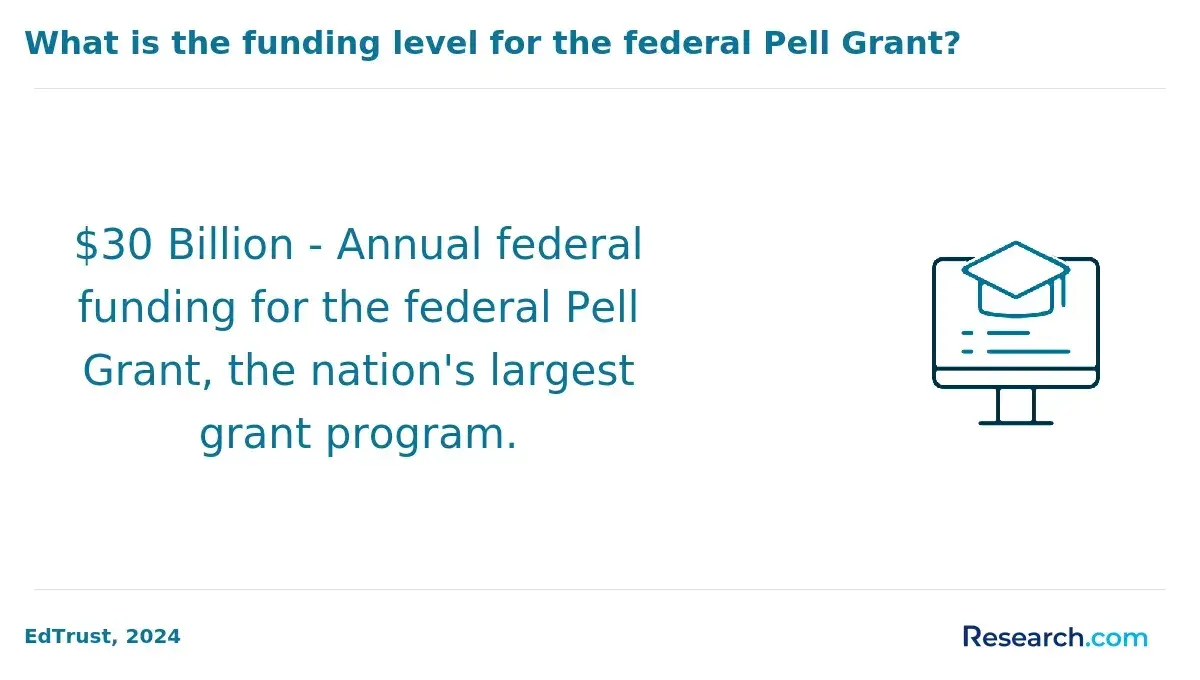
Accreditation quality directly affects eligibility for federal financial aid programs, including Pell Grants and student loans. Only students enrolled in programs accredited by recognized agencies approved by the U.S. Department of Education can access these funds. This ensures students attending quality programs are supported financially, while those in unaccredited schools are typically excluded from federal aid.
Accredited programs usually undergo comprehensive reviews every five to ten years, depending on the accrediting agency. These evaluations assess academic quality, faculty credentials, student outcomes, and institutional resources. If accreditation is revoked, the program may lose eligibility for federal aid, and degrees earned might not be recognized by employers or licensing bodies, which can severely impact a graduate's career prospects.
References
- Measure learning outcomes: Challenges and best strategies https://feedbackfruits.com/blog/measuring-learning-outcomes-benefits-and-challenges
- The Need of Accreditation in Online Degree Programs https://www.onlinecu.in/blog/cu/the-importance-of-accreditation-in-online-degree-programs.php
- DSC Library: Faculty Guidelines: Faculty Credentials https://library.daytonastate.edu/faculty/credentials
- Avoid Fake-Degree Burns By Researching Academic Credentials https://www.ftc.gov/business-guidance/resources/avoid-fake-degree-burns-researching-academic-credentials
- Buyer Beware: Degree/Diploma Mills - The Nevada Registry https://www.nevadaregistry.org/ece-resources/educational-resources/buyer-beware-degree-diploma-mills/
- Accredited Schools Online: Find Top-Rated Accredited Programs Online https://www.accreditedschoolsonline.org/
- Don't Be a Victim! Here's how you Can Identify a Diploma Mill https://www.theamericanacademy.com/blogs/articles/dont-be-a-victim-heres-how-you-can-identify-a-diploma-mill
- Credit Transfer & Accreditation of Prior Learning https://www.wittenborg.eu/credit-transfer.htm
- How can I check the accreditation status of a degree when applying for Graduate Basis for Chartered Membership? | BPS https://www.bps.org.uk/faqs/how-can-i-check-accreditation-status-degree-when-applying-graduate-basis-chartered-membership