2027 Online Applied Science Bachelor's Degree Programs With Weekly Start Dates

Co-Founder and Chief Data Scientist
Professionals with unrelated undergraduate degrees often face scheduling conflicts and admission wait times that delay entry into applied science careers. Traditional programs with fixed start dates limit flexibility for those balancing work and personal commitments. Approximately 38% of students in online applied science bachelor's degree programs cite flexible scheduling, like weekly start dates, as a key factor in their enrollment decision.
Weekly start dates enable continuous entry points-reducing gap periods and accelerating career transitions. This article examines accredited online applied science programs offering weekly start options to guide prospective students toward flexible, timely degree completion paths that align with their professional goals and dynamic lifestyles.
Key Benefits of Online Applied Science Bachelor's Degree Programs With Weekly Start Dates
- Online applied science bachelor's programs with weekly start dates offer unmatched flexibility for working professionals and career changers balancing jobs and family commitments.
- They eliminate traditional semester wait times-students can enroll and begin courses within days of acceptance, removing a common barrier to returning to school.
- These regionally accredited programs enable faster degree completion by maximizing prior learning assessments and generous transfer credit policies, accelerating career advancement opportunities.
What Are Weekly Start Dates in Online Applied Science Bachelor's Programs, and How Do They Differ From Traditional Term-Based Enrollment?
Weekly or rolling start dates in higher education refer to enrollment schedules that allow students to begin classes every week or at frequent intervals, rather than waiting for traditional semester-based start dates. This model eliminates the long wait times typically associated with applying and starting courses only at the beginning of a term.
Institutions such as Western Governors University and Purdue Global offer continuous enrollment frameworks, enabling students to start their online applied science bachelor's programs immediately after admission. This flexible approach stands in marked contrast to the fixed semester systems, which generally start two or three times per year and require students to wait months before classes commence.
Adopting weekly start dates for online applied science bachelor's programs benefits busy adults by better accommodating work schedules and family obligations. The continuous enrollment model often features smaller, modular courses that open regularly, allowing for personalized pacing; students can accelerate their studies or slow down without losing progress between terms. Additionally, this structure can lead to faster degree completion and potential tuition savings through efficient scheduling and credit transfer policies.
Prospective students should also consider transfer credit acceptance and prior learning assessments, which many programs use to recognize existing knowledge and shorten the time to degree completion. For those seeking advanced paths, programs such as the fastest DNP online program exemplify the benefits of flexible starts combined with accelerated learning options.
- Flexibility and Access: Weekly start dates eliminate barriers from rigid academic calendars, enabling students to enroll and begin their coursework as soon as they are ready-particularly important for working professionals and adult learners.
- Reduced Wait Times: Rolling enrollment means no more waiting months to start after acceptance, maintaining student motivation and momentum with immediate course access.
- Personalized Pacing: Students can progress through courses at their own speed, allowing for accelerated graduation or a slower pace without losing time between terms.
- Career Alignment: Immediate starts and modular course scheduling simplify balancing education with evolving job responsibilities, enhancing employability and skill development.
Which Accredited Institutions Offer Online Applied Science Bachelor's Degree Programs With Weekly or Rolling Start Dates?
Several regionally accredited universities provide online applied science bachelor's degree programs with weekly or rolling enrollment options, designed to offer maximum flexibility for working professionals, first-time college students, and adult learners returning to education. These programs enable students to start their studies nearly any time without waiting for traditional semester schedules, helping accelerate degree completion through generous transfer credit policies and prior learning assessments (PLAs).
- Fort Hays State University: The Bachelor of Applied Science program offers start dates every 3 to 4 weeks, effectively creating near-weekly enrollment. Tuition is approximately $213 per credit for online students. Accredited by the Higher Learning Commission, FHSU encourages credit for prior work experience and portfolio assessments as part of its flexible pathways.
- Columbia Southern University: CSU's bachelor's degree in applied science has fully online coursework with weekly start dates year-round. Tuition costs about $225 per credit, and the school is accredited by the Southern Association of Colleges and Schools Commission on Colleges (SACSCOC). CSU accepts numerous transfer credits and PLAs, supporting expedited degree progress.
- Western Governors University: WGU delivers a competency-based Bachelor of Science in Applied Science with monthly starts - close to weekly enrollment. Tuition is billed per term at a flat rate of about $3,625, covering unlimited courses during that time. The university holds Northwest Commission on Colleges and Universities (NWCCU) accreditation and focuses on self-paced advancement.
- American Public University System: APU offers a B.S. in applied science with monthly start dates that align closely with weekly enrollment cycles. Per-credit tuition is $285. Regionally accredited by the Higher Learning Commission, APU emphasizes competency-based learning and support tailored to adult learners.
- Granite State College (University of New Hampshire): Rolling admissions resembling weekly start dates are offered for its online applied science degree. Tuition is about $317 per credit for in-state and $377 for out-of-state students. Accredited by the New England Commission of Higher Education (NECHE), Granite State promotes transfer-friendly policies and personalized advising.
These accredited online applied science bachelor's degree programs with flexible start dates provide a valuable option for learners seeking adaptable schedules and efficient degree paths. Tuition rates vary, as do financial aid opportunities and credit transfer policies, so comparing these elements is essential.
The presence of regional accreditation ensures that degrees meet recognized academic standards respected by employers and graduate schools. To further understand budgeting for education, reviewing the average cost of RN to BSN programs can offer helpful context on typical tuition expenses and financial planning.
How Do Weekly Start Dates in Online Applied Science Programs Benefit Working Adults and Non-Traditional Students?
Weekly start dates in online applied science bachelor's degree programs eliminate the rigid timing often faced by working adults and non-traditional students. Instead of waiting for a traditional semester to begin, learners can start their courses immediately after acceptance, reducing the lag between decision and action-keeping motivation high and minimizing disruptions caused by waiting periods.
Studies from the National Center for Education Statistics and the Lumina Foundation highlight that this flexible scheduling contributes to higher retention and completion rates. By offering steady enrollment opportunities, students can better juggle careers, family, and education, leading to more consistent academic progress and degree attainment.
- Immediate Enrollment: Students bypass the delay of fixed semesters and begin courses as soon as they are admitted, which helps sustain their momentum and commitment.
- Adaptable Scheduling: This model supports personal and professional demands by allowing learners to choose start dates that fit their lifestyles.
- Improved Persistence: Reduced wait times encourage students to remain engaged, which research links to higher program completion rates.
- Financial Gains: Starting earlier enables faster entry into career advancement, potentially increasing earnings and minimizing time away from the workforce.
A professional who enrolled in an online applied science bachelor's program with weekly start dates described the process as "liberating amid a busy schedule." Balancing shift work and family obligations, he appreciated that the program didn't require him to pause his life to wait for traditional semesters.
"I could apply right away, start studying within days, and that kept me motivated." He noted initial worries about self-discipline but found the constant availability of start dates gave him the flexibility to move forward at his own pace without feeling pressured by a looming deadline. This approach made the pursuit of his degree manageable and aligned with his career goals more seamlessly than he expected.
What Is the Total Tuition Cost for Online Applied Science Bachelor's Programs That Allow Weekly Enrollment?
Costs for an online applied science bachelor's degree with weekly enrollment typically depend on per-credit tuition and program design. Most degrees require around 120 credits, with tuition per credit ranging from $300 to $500. This sets the estimated total tuition between $36,000 and $60,000. Some schools use flat-rate or block tuition models, letting students pay a fixed fee per term regardless of credit load.
- Per-Credit Tuition: A majority of programs charge tuition by credit hour, so multiplying the per-credit rate by approximately 120 credits provides a baseline for total cost estimates.
- Flat-Rate Tuition: Fixed tuition per semester or term benefits students who can manage heavier course loads, potentially reducing the overall price by completing the degree faster.
- In-State Online Tuition: Certain institutions offer the same tuition rate to all online learners, regardless of their residency-this approach makes tuition more affordable for out-of-state students compared to traditional policies.
- Additional Expenses: Technology fees, course materials, and lab costs can add significant amounts to the sticker price and should be included in financial planning.
When examining the total tuition cost for online applied science bachelor's degree programs with weekly starts, students should also review transfer credit policies and financial aid options. Comparing these factors across accredited universities aids in finding the best value. For extensive resources on reputable schools, consider exploring accredited online universities.
How Quickly Can Students Complete an Online Applied Science Bachelor's Degree When Enrolling Through a Weekly Start Option?
Many factors influence how quickly students can finish an online applied science bachelor's degree when enrolling through weekly start dates. This model eliminates waiting for fixed semesters-students can begin courses immediately, helping minimize delays and speed up progress.
- Credit Load Flexibility: Some programs allow students to enroll in multiple courses each term or take an accelerated pace beyond standard full-time loads, enabling faster degree completion if they can handle the workload.
- Prior Learning Credit Acceptance: Schools that recognize up to 90 transfer credits or grant credit for work experience and examinations let students bypass introductory courses, reducing degree time by one year or more.
- Self-Paced Options: Competency-based models offer learners the chance to advance by demonstrating mastery rather than waiting for term deadlines, which benefits motivated and disciplined students aiming for rapid completion.
- Full-Time vs. Part-Time: Typically, full-time students complete their degrees in about three to four years, while part-time students may take five to six years. Weekly starts accommodate both by allowing immediate enrollment and greater scheduling flexibility.
A dedicated professional who recently completed a self-paced online applied science bachelor's degree shared that balancing work and studies was challenging but manageable. She described the freedom to progress when ready as "a game changer" because it let her focus more intensively during available windows without feeling rushed.
"Not having to wait for semester starts meant every week counted," she said, emphasizing how this flexibility reduced stress and helped her maintain momentum. For her, the process required discipline to keep on track but offered a rewarding sense of control over her timeline and learning experience.
What Admission Requirements Must Students Meet to Enroll in an Online Applied Science Bachelor's Program With a Weekly Start Date?
Programs offering weekly start dates for online applied science bachelor's degrees usually maintain flexible admission standards compared to traditional semester-based routes. Many of these institutions implement open or rolling admissions, simplifying entry by minimizing strict prerequisites common in regular degree programs. Generally, applicants must possess a high school diploma or GED equivalent, while minimum GPA requirements often range from 2.0 to 2.5 on a 4.0 scale.
Standardized tests like the SAT or ACT are commonly optional or waived, especially in programs aimed at adult learners or professionals resuming education. This inclusive stance prioritizes other metrics such as prior work experience and transfer credits. The trade-off involves a more varied level of academic preparedness among students, making services like tutoring, mentoring, and orientation crucial for success.
More selective programs set higher GPA and test score criteria but generally provide clearer pathways to degree completion and structured academic support. Applicants with unconventional educational backgrounds or long gaps since their last formal study can enhance their applications by emphasizing relevant work history, professional certifications, and a clear commitment to their educational goals.
Demonstrating these factors can improve admission chances. According to the National Center for Education Statistics, approximately 43% of undergraduate students now enroll in programs featuring rolling or flexible start dates, reflecting a growing preference for adaptable learning options.
- Flexible GPA Requirements: Programs often accept GPAs from 2.0 to 2.5, allowing diverse academic profiles to enter while ensuring basic academic standards.
- High School Diploma or GED: Proof of foundational education is required, though some programs may allow equivalent certifications or prior college credits.
- Testing Optional: Many online applied science offerings waive SAT/ACT scores to reduce barriers, particularly for adult and non-traditional students.
- Rolling Admissions Benefits: Continuous enrollment eases access but heightens the importance of accessible academic support for student success.
- Application Strengthening: Highlighting relevant job experience and clear educational aims enhances prospects, especially for those returning after extended absences.
How Do Online Applied Science Programs With Weekly Starts Handle Transfer Credits From Previous College Coursework?
Weekly-start online applied science programs typically offer flexible transfer credit policies that help students accelerate their degree completion and reduce costs. These programs assess prior college coursework, military training, and employer-based learning to determine transferable credits. The American Council on Education (ACE) credit recommendation system plays a vital role by evaluating military service, professional certifications, and corporate training and recommending credits accepted by many institutions.
Schools like Western Governors University and Southern New Hampshire University accept up to 75% or more of degree requirements through transfer credits and prior learning assessments. Accepted transfers often include community college courses, CLEP exams, and technical certifications, though policies vary by institution.
Prospective students should request an official transcript evaluation early to clearly understand how many credits they still need, enabling better planning of time and expenses. According to the National Center for Education Statistics, nearly 40% of recent bachelor's degree recipients utilized transfer credits, underscoring the importance of transfer-friendly policies for adult learners and working professionals.
- Flexible Transfer Policies: Weekly start programs accept a wide range of credit sources-including community colleges and technical schools-to speed up degree progress.
- ACE Credit Recognition: ACE evaluations convert military and professional training into transferable college credits, benefiting students with non-traditional learning backgrounds.
- Cost and Time Savings: Transferring credits reduces remaining courses, lowering tuition costs and enabling faster program completion for those balancing work and study.
- Transcript Evaluation: Early evaluation of transcripts clarifies transferable credits and helps students make informed choices before enrollment.
- High Acceptance Programs: Certain institutions accept up to three-quarters of credits via transfer and prior learning, making them ideal for students with relevant experience.
What Financial Aid and Scholarship Options Are Available for Students Enrolling in Weekly-Start Online Applied Science Programs?
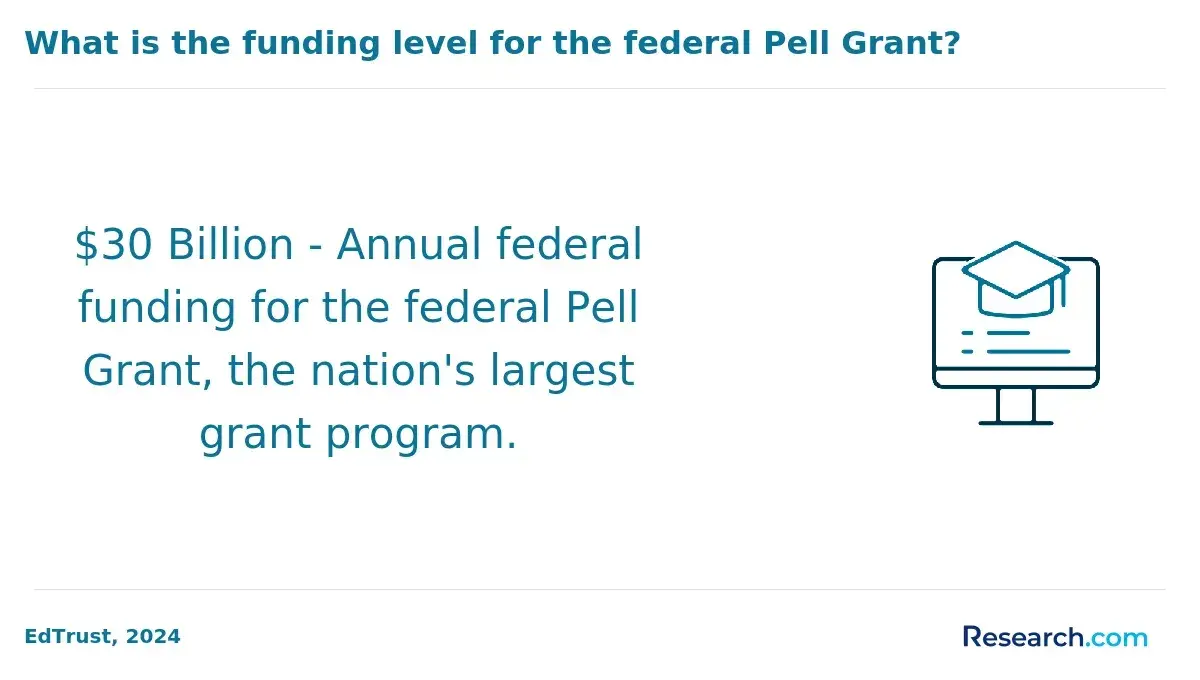
Students pursuing online applied science bachelor's programs with weekly start dates can access a range of financial aid options similar to those in traditional semester-based studies. Federal financial aid remains vital, including Pell Grants, subsidized and unsubsidized Stafford loans, and work-study programs.
However, because most aid is tied to the federal academic calendar, students in rolling enrollment must carefully time their FAFSA submissions to align with yearly eligibility rather than individual term start dates. This timing is crucial for securing aid when the program operates with such flexible start windows.
The FAFSA process should be completed as early as possible each year, as many grants and institutional scholarships operate on a first-come, first-served basis, which highly affects students in programs with weekly enrollment options. According to College Board Trends in Student Aid data, typical undergraduate aid packages combine federal grants, loans, and scholarships, amounting to several thousand dollars annually.
Besides federal aid, numerous scholarships target applied science students and those enrolled in online programs. Professional associations, nonprofits, and some educational institutions offer awards that focus on students' academic performance, financial need, or career focus within applied science disciplines. Combining these with federal aid options can make online applied science programs with rolling enrollments more affordable.
For working adults wondering about career prospects in fields like medical billing and coding, it is helpful to understand the job market trends. A comprehensive view of medical billing and coding in demand offers insight for applied science students exploring career outcomes.
- Federal Financial Aid: Pell Grants and Stafford loans are available for online applied science students, but eligibility follows the federal academic year calendar, so FAFSA timing is critical even with weekly start dates.
- FAFSA Timing: Completing FAFSA early each year is vital because many scholarships and grants are awarded on a first-come, first-served basis, impacting those in rolling enrollment programs significantly.
- Average Aid Packages: Data from the College Board show typical aid combines grants and loans totaling several thousand dollars annually, which helps offset tuition and living expenses for undergraduates.
- Scholarships for Applied Science Students: Multiple scholarships are available from professional groups, nonprofits, and educational institutions geared toward applied science majors and online learners.
- Work-Study Eligibility: Eligible students can access federal work-study, which offers part-time employment opportunities compatible with flexible online program schedules.
What Accreditation Standards Should a Weekly-Start Online Applied Science Bachelor's Program Meet to Ensure Employer and Transfer Recognition?
When selecting a weekly-start online applied science bachelor's degree program, it's vital to understand accreditation standards that guarantee employer recognition and facilitate credit transfers. Accreditation validates the quality of an institution and its programs. In the U.S., there are two main types: regional and national accreditation.
Regional accreditation is the gold standard for applied science degrees since it adheres to stricter criteria and is better trusted by employers and other colleges, especially important if you plan credit transfers or graduate study. The U.S. Department of Education recognizes seven regional accrediting bodies responsible for maintaining high educational quality.
These include the Middle States Commission on Higher Education (MSCHE), New England Commission of Higher Education (NECHE), Higher Learning Commission (HLC), Southern Association of Colleges and Schools Commission on Colleges (SACSCOC), Northwest Commission on Colleges and Universities (NWCCU), Western Association of Schools and Colleges Accrediting Commission for Senior Colleges and Universities (WSCUC), and the Accrediting Commission for Community and Junior Colleges (ACCJC). Among these, HLC and SACSCOC commonly accredit weekly-start online applied science programs due to their wide geographic reach and flexible scheduling.
Prospective students should verify a program's accreditation status through the U.S. Department of Education's official accreditation database before enrolling. Attending nationally accredited-only institutions may restrict your ability to transfer credits to regionally accredited colleges or pursue advanced degrees, as many employers and graduate programs prefer regional accreditation.
This is an essential consideration when researching regional and national accreditation requirements for transfer credit acceptance in online applied science bachelor's degrees with rolling start dates. For adult learners maximizing speed and savings, understanding accreditation complements strategies like generous transfer credit acceptance and prior learning assessments.
- Regional vs. National: Regional accreditation enforces higher standards and broader acceptance, crucial for employer recognition and credit transfer in applied science fields.
- Recognized Agencies: Seven regional accreditors exist; HLC and SACSCOC often oversee weekly-start online applied science programs.
- Verification Recommended: Always confirm accreditation status through the Department of Education to ensure program legitimacy prior to enrollment.
- Transfer Risks: Nationally accredited-only schools can limit credit transfer options and affect graduate program eligibility in applied science.
- Employer Preference: Degrees from regionally accredited institutions are more trusted by employers, which may impact your career trajectory.
For working professionals considering tuition and financial aid, exploring options like the cheapest online MBA healthcare programs can provide insights into how flexible start dates and accreditation affect overall cost and career outcomes in applied science-related fields.
How Is Coursework Structured in Online Applied Science Bachelor's Programs With Weekly Starts Compared to Semester-Based Formats?
Online applied science bachelor's programs with weekly or rolling start dates typically organize coursework in accelerated modules lasting five to eight weeks, much shorter than traditional 15-week semesters. These courses rely heavily on asynchronous video lectures, allowing students to study at their own convenience. Interaction happens via discussion boards, while consistent weekly assignment deadlines maintain steady progress. Digital collaboration tools enable remote teamwork, essential for building communication and problem-solving skills relevant to applied science careers.
The condensed term requires students to exercise strong self-discipline and excellent time management to keep up with the rapid content delivery and frequent assessments. Although this fast-paced format promotes critical applied science competencies like analytical thinking and technology use under pressure, it may limit opportunities for deep immersion and complex project engagement typical in semester-long courses.
Success in such programs depends on creating structured study schedules, minimizing distractions, and taking advantage of academic support resources. Awareness of this intensive pacing upfront helps learners balance their workload and avoid burnout. Reflecting recent trends, the National Center for Education Statistics notes that enrollment in accelerated and competency-based programs has increased by over 10%, showing growing demand for flexible, career-focused education.
- Self-Paced With Weekly Structure: Weekly start programs combine flexibility with a firm weekly schedule, encouraging consistent learning and accountability.
- Skill Development Focus: The accelerated format enhances rapid problem-solving and analytical skills key to applied science careers but offers less time for reflection.
- Digital Collaboration Tools: Online platforms support group work and communication, simulating real-world workplace environments.
- Time Management Essential: Students must organize their time well to stay on track with condensed lessons and weekly deadlines.
- Rising Enrollment: Increasing numbers of adult learners seek accelerated programs that fit busy schedules and support career advancement.
Can Students Earn Credit Through CLEP, DSST, or Prior Learning Assessment in Weekly-Start Online Applied Science Programs?
Credit by examination programs, such as the College Board's CLEP and DSST exams, give students the chance to earn college credit by passing standardized tests that demonstrate mastery of relevant subjects. These exams, widely accepted by many weekly-start online applied science programs, enable learners to skip prerequisite courses and shorten the time needed to graduate, saving both effort and tuition.
The American Council on Education's (ACE) credit recommendation service validates many DSST and military training credits, ensuring institutions recognize these alternative learning pathways. Prior Learning Assessment (PLA) offers another route to accelerate degree progress by evaluating documented knowledge gained through work experience, military training, or professional certifications.
Some online programs stand out for their flexible and generous PLA policies, with limits often allowing students to apply 30 or more credits through portfolio submissions or official transcripts. Faculty or evaluation committees review the submitted evidence to determine applicable credit, so thorough documentation is crucial.
Students should collect detailed records-such as certificates, military transcripts, course syllabi, and employment verification-to streamline submission. Early consultation with the registrar or PLA office ensures adherence to submission guidelines and deadlines, maximizing credit awarded.
- Credit by Examination: CLEP and DSST offer reliable ways to test out of courses, reducing program length and cost.
- Prior Learning Assessment (PLA): Evaluates work and military experience to grant substantial academic credit, especially in programs with broad acceptance.
- Institutional Flexibility: Many weekly-start programs allow rolling submissions and multiple attempts for exams and assessments, fitting diverse schedules.
- Documentation Required: Comprehensive proof of prior learning is essential to ensure smooth and successful credit evaluation.
- ACE Credit Recommendation Service: This service supports institutions in approving DSST and military education credits, enhancing transferability and recognition.
What Graduates Say About Online Applied Science Bachelor's Degree Programs With Weekly Start Dates
- Major: "Choosing an online applied science bachelor's degree with weekly start dates was a game-changer for me-I needed flexibility to juggle work and studies without missing a beat. The affordable tuition made it easier to invest in my future without accumulating debt, which was crucial at this stage of my career. Since graduating, I've seen real growth in my professional opportunities and confidence, all thanks to this adaptable program."
- Douglas: "I took a reflective approach when selecting this online applied science program because its weekly start dates provided a unique control over pacing my education around my busy schedule. The program's cost was reasonable compared to other options, making it a wise financial decision while still delivering quality. This degree has opened doors for me, promoting me to a project lead role that seemed out of reach before."
- Ezra: "From a professional standpoint, the weekly start dates allowed me to begin my applied science degree exactly when I was ready, without a long wait, helping me capitalize on momentum and immediate career goals. The cost was transparent and competitive, which helped me justify the investment to my employer for tuition reimbursement. Completing this program elevated my technical expertise and positioned me strongly within my field."
Other Things You Should Know About Applied Science Degrees
Prospective students should assess accreditation, faculty expertise, curriculum alignment with career goals, and available student support services. Evaluating the flexibility of weekly start dates and the program's track record for success in industry-specific placements is crucial in selecting a suitable program.
These programs frequently provide academic advising, tutoring, and career counseling tailored to applied science fields. Tech support is available around the clock to assist with platform access and troubleshooting. Additionally, many programs offer virtual libraries, writing centers, and peer study groups to foster engagement and help students stay on track in a flexible weekly-start format.
References
- Requirements for Admission â CODE https://code.berlin/en/study/bachelor/admissions/requirements/
- Credit for Life, Work & Military Experience https://www.setonhill.edu/apply-afford/applying-to-seton-hill/online-bachelors-degree-certificate-program/challenge-clep-dantes-testing.html
- What is Asynchronous Learning? | SNHU https://www.snhu.edu/online-degrees/classes/asynchronous/learning
- New Pathways to a College Degree: How Transfer Credits Save Time https://www.uagrantham.edu/blog/transfer-college-credits-online-pathways-degree/
- Average Cost of Online College [2025]: Yearly Tuition + Fees https://educationdata.org/average-cost-of-online-college
- Are Online Degrees Accredited? How to Identify Quality Distance Learning Programs https://www.umassglobal.edu/blog-news/online-degrees-accredited-identify-quality-distance-learning-programs
- How to Finance Your Online Studies – Part 1 | Tomorrow University https://www.tomorrow.university/blog/financing-options-for-prospective-tomorrow-university-students
- Exploring the Shift to Online Education: Benefits and Challenges - Course Sidekick https://www.coursesidekick.com/communications/32906845
- The Benefits of Online Learning for Non-Traditional Students | European Association for Higher Education Advancement https://www.eahea.org/blog/education/the-benefits-of-online-learning-for-non-traditional-students-103.html