2027 Part-Time vs Full-Time Online Applied Science Bachelor's Degree Programs

Co-Founder and Chief Data Scientist
Balancing a full-time job while pursuing further education challenges many aspiring professionals aiming to boost their credentials in applied science. Consider a mid-career technician eager to advance but constrained by financial responsibilities and limited study hours. According to the National Center for Education Statistics, over 45% of online bachelor's degree students juggle work and study simultaneously, underscoring the need for flexible learning options.
Deciding between part-time and full-time online programs involves weighing time commitment, career goals, and personal circumstances. This article explores these factors, helping prospective students identify which mode aligns best with their ambitions and lifestyle.
Key Benefits of Part-Time vs Full-Time Online Applied Science Bachelor's Degree Programs
- Part-time programs offer greater scheduling flexibility, allowing students to manage coursework alongside jobs or family, while full-time programs require more consistent, intensive weekly commitment.
- Full-time online Applied Science degrees typically complete in 3-4 years, whereas part-time tracks may extend to 5-8 years, affecting career entry timing.
- Balancing education with responsibilities is more feasible in part-time studies, reducing burnout risk, but full-time can lead to faster skill acquisition and earlier workforce advancement.
What is the difference between part-time and full-time online applied science bachelor's degree programs?
Part-time and full-time online applied science bachelor's degree programs significantly differ in workload, pacing, and time commitment. According to the National Center for Education Statistics, about 41% of undergraduate students enrolled exclusively in distance education courses choose part-time status, highlighting the demand for flexible learning models. These patterns illustrate key structural distinctions that affect how students manage their studies.
Part-Time Online Programs
- Course Load: Students typically take fewer classes each term, often around six credit hours, allowing for a lighter weekly academic demand.
- Scheduling Flexibility: Designed to accommodate work, family, or other responsibilities, part-time programs spread coursework over longer periods with more manageable weekly commitments.
- Study Intensity: Engagement with courses is paced to fit alongside other life activities, which may impact the continuity of learning but supports better balance.
- Academic Rhythm: The longer timeframe between courses enables students to integrate education with other priorities without intense immersion.
Full-Time Online Programs
- Course Load: Students often enroll in 12 to 15 credit hours per term, resulting in a heavier but concentrated academic focus.
- Structured Timeline: These programs follow a consistent schedule requiring regular, dedicated hours for study and assignments each week.
- Study Intensity: Full-time students benefit from immersion in multiple courses simultaneously, fostering sustained engagement and deeper learning experiences.
- Weekly Demands: The pace necessitates balancing multiple classes and assignments, often leading to a more intensive academic routine compared to part-time peers.
When comparing differences in study structure for online applied science degrees, understanding these enrollment options helps students choose the format best aligned with their availability and preferences. For those exploring efficient pathways to advance in healthcare education, exploring the shortest DNP programs online can offer insights into flexible advanced degree options.
How long does it take to complete part-time vs full-time online applied science bachelor's degrees?
The time to complete an online applied science bachelor's degree depends largely on whether a student opts for full-time or part-time enrollment. National statistics show that full-time students average about 4.5 years to finish a bachelor's degree, though online programs often provide flexibility that can shorten this duration. This comparison highlights the differences in pacing and scheduling between part-time and full-time study options for prospective students.
Part-Time Online Programs
- Extended Duration: Part-time students usually take fewer courses per semester, often 6 to 9 credit hours, which extends degree completion to six to eight years or more depending on individual scheduling and course availability.
- Flexible Scheduling: Programs frequently offer asynchronous courses and multiple start dates, allowing part-time students to balance work, family, or other commitments while progressing academically.
- Slower Progression: Taking fewer credits each term means overall advancement is slower but tailored to personal needs, ideal for working adults managing complex schedules.
- Financial Aid Impact: Prolonged timelines may affect eligibility for certain aid programs that prioritize faster degree completion, requiring careful planning.
Full-Time Online Programs
- Faster Completion: Full-time students typically enroll in 12 to 15 credit hours each semester, aligning with a standard four-year completion timeline common in many bachelor's degree programs.
- Structured Pace: The consistent, heavier course load supports steady academic progress and quicker pathway to graduation compared to part-time trajectories.
- Potential Flexibility: Despite intensity, online formats often allow some flexibility via asynchronous classes and diverse start dates, accommodating different learner needs.
- Focused Commitment: This enrollment intensity demands more time weekly for studies but may reduce overall duration for working adults seeking faster degree finish.
Students comparing part-time vs full-time online applied science bachelor's degree completion time should consider how these pacing structures match their educational goals and life circumstances. Many working individuals explore NP programs online as part of their planning process. Those investigating the duration of online applied science bachelor's degree programs for working adults will find enrollment choices key to balancing flexibility with timely graduation.
What is the workload for a part-time vs. a full-time online applied science bachelor's degree?
Students enrolled full-time in online applied science bachelor's programs usually take three to five courses each term, committing about 12 to 20 hours per week to studying, assignments, and interaction in class discussions. Part-time students, however, typically handle one or two courses per term, cutting their weekly study time to roughly 5 to 10 hours.
The pacing of full-time study tends to be more demanding, with frequent deadlines and a heavier workload that requires consistent focus. In contrast, part-time learners benefit from a more flexible schedule, allowing them to spread out their work, though they still face regular deadlines to keep pace with course requirements.
Full-time students must navigate a higher volume of assignments with shorter turnaround times, demanding effective time management to handle rapid task progression. Meanwhile, part-time students juggle fewer assignments simultaneously but need strong discipline to maintain steady progress without falling behind.
Both groups are expected to actively participate in online discussions and complete collaborative or individual projects on time. For adult learners balancing other commitments, full-time study may call for greater dedication to prioritize coursework, whereas part-time study offers more breathing room but does not reduce the overall effort required to succeed.
Which option is better for working adults in an online applied science bachelor's degree?
Both part-time and full-time online applied science bachelor's degree programs can work well for adults balancing jobs and personal life. The National Center for Education Statistics reports that about 40% of online undergraduate students hold full-time employment, highlighting the need for adaptable learning schedules. The choice often hinges on how each option fits with one's availability, workload tolerance, and long-term goals.
- Scheduling Flexibility: Part-time programs generally offer more adaptable schedules, letting students spread out coursework to fit work and family commitments. Full-time formats follow a more fixed pace with regular terms that can help learners stay on track.
- Workload Intensity: Taking courses part-time means managing fewer credits per term, which may lessen stress. Full-time students face a heavier workload, requiring a concentrated effort to keep up.
- Time Management: Those studying part-time must maintain motivation over several years, balancing studies with other responsibilities. In contrast, full-time students often devote more hours weekly to academics but complete their degree faster.
- Pace of Completion: Full-time students often graduate in about four years, while part-time students might take six years or more, depending on course load.
A working professional who recently began an online applied science bachelor's program shared that the decision to enroll part-time allowed her to "preserve energy for both work and family." She finds herself carefully mapping out her weeks to avoid burnout, appreciating the slower pace despite occasional moments of self-doubt about prolonging graduation. She noted, "It's challenging to stay motivated for the long haul, but having flexibility helps me keep going." This insight reveals how the ideal choice depends greatly on individual rhythms and resilience.
Can I switch from part-time to full-time in an online applied science bachelor's degree?
Many online applied science bachelor's degree programs provide the option to shift between part-time and full-time enrollment as students' personal circumstances or academic progress evolve. This flexibility is especially valuable for those balancing work, family, or other commitments while pursuing a degree.
Research indicates that about 38% of nontraditional students experience changes in their enrollment status during their studies, illustrating the prevalence of adjustable study loads in online education. Such programs often accommodate student needs by allowing transitions without disrupting continued progress. For learners interested in flexible pacing, exploring self paced degrees can be beneficial.
When changing enrollment status in an online applied science bachelor's program, students should consider implications such as differences in workload and study intensity. Moving from part-time to full-time status typically requires adjustments in time management to handle the increased course load, while switching back may extend the overall program duration.
Institutional policies may require approval from academic advisors or administrative offices to ensure that course sequences and prerequisites remain on track. Understanding these factors helps minimize disruptions and supports timely degree completion despite shifts in enrollment status.
How does tuition differ for part-time vs full-time online applied science bachelor's degrees?
Tuition costs for online applied science bachelor's degrees differ depending on whether students enroll part-time or full-time, as well as on each institution's pricing approach and course pacing. On average, the total tuition for these programs ranges widely but often falls between $15,000 and $40,000. These variations reflect the balance between flexible payment methods and total cost commitments. Below is an overview of key differences in tuition structures based on enrollment status.
Part-Time Online Programs
- Per-Credit Pricing: Tuition is commonly charged per credit hour, allowing students to pay only for the courses they take each term instead of a flat fee.
- Extended Payment Timeline: Because fewer credits are taken each term, expenses are spread over a longer period, often resulting in a longer time to complete payments.
- Flexible Course Load: Part-time students can adjust their schedules more easily, which affects when and how tuition fees accrue.
- Potentially Higher Cost Per Credit: Some schools charge slightly more per credit for part-time learners, which can increase overall costs compared to full-time flat rates.
Full-Time Online Programs
- Flat Term Rate: Tuition is usually charged as a set fee per academic term, covering a predetermined range of credits regardless of exact course load.
- Cost Efficiency Per Credit: Taking more credits at once often lowers the effective cost per credit compared to paying individually as a part-time student.
- Upfront Payment Requirements: Full-time enrollment typically requires paying tuition in larger sums at the start of each term.
- Acceleration Incentives: Flat rates can encourage students to take heavier course loads to complete their degrees sooner, impacting total time and costs.
When asked about tuition differences, a graduate of an online applied science bachelor's degree shared that managing the financial side as a part-time student felt like a balancing act. "I appreciated the flexibility to take fewer classes since it fit my work schedule, but it meant tuition payments stretched over several years," he recalled.
He noted how this spread out cost required careful budgeting over time, unlike the upfront bulk payments typical of full-time enrollment. This experience highlighted how payment designs could influence not only affordability but also a student's emotional and financial planning during their education journey.
Which option offers better financial aid for an online applied science bachelor's degree?
Financial aid availability for an online applied science bachelor's degree often hinges on enrollment status, eligibility criteria, and individual school policies. While full-time students typically have access to more aid options, part-time students receive some support, though at lower rates.
For instance, only about 35% of part-time online students secure any form of financial aid, compared to a higher proportion among full-time students. Below is a comparison of common aid types and how they differ for part-time versus full-time learners.
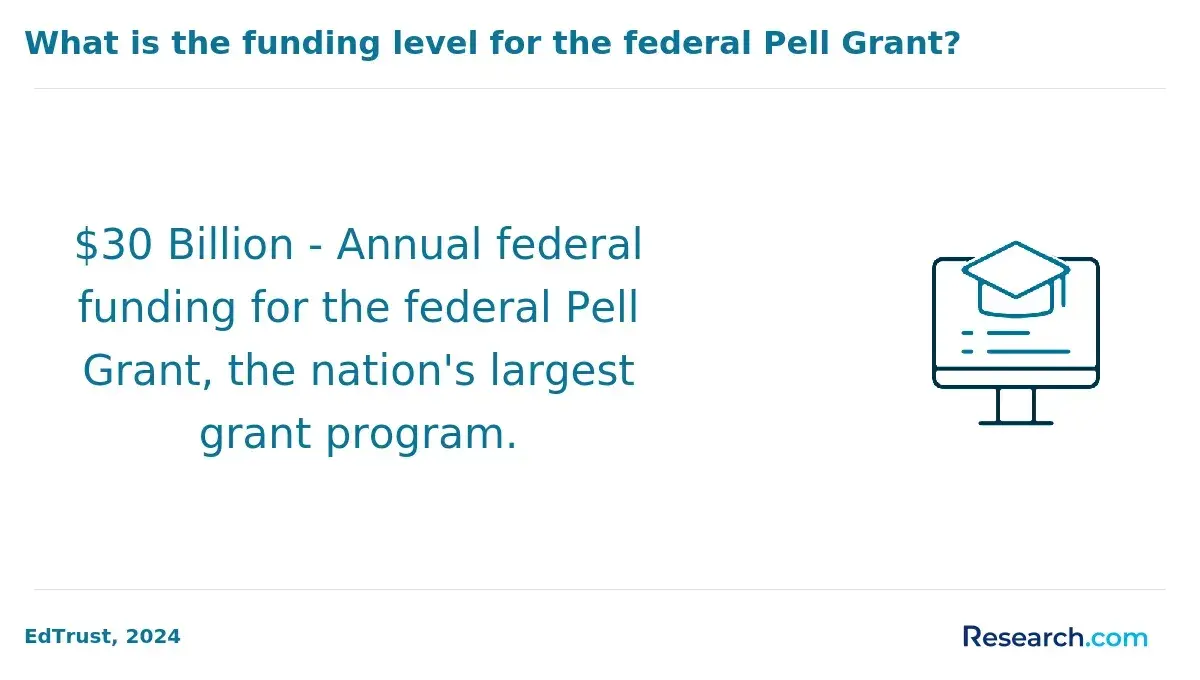
- Federal grants: These grants, such as the Pell Grant, generally require at least half-time enrollment. Full-time students often benefit from the full amount, while part-time students may receive reduced awards proportional to their credit load.
- State grants: State policies vary widely-some states limit grants to full-time students, whereas others calculate aid based on credit hours, allowing part-time students more eligibility.
- Institutional scholarships: Colleges usually prioritize full-time students for merit-based scholarships, but some institutions offer dedicated support programs tailored to part-time students.
- Federal student loans: Both enrollment types qualify for federal loans; however, loan amounts and disbursements can be lower for part-time students due to differing credit hour thresholds.
- Employer tuition assistance: This aid is generally independent of enrollment status, frequently supporting working adults pursuing degrees part-time or full-time online.
What are the pros and cons of part-time vs full-time online applied science bachelor's degrees?
Choosing between part-time and full-time online applied science bachelor's programs requires balancing individual responsibilities and career ambitions. Each option offers distinct advantages for working adults and nontraditional learners, especially those considering how to manage time, finances, and academic intensity. Below is a comparison of key pros and cons to help inform your decision.
Pros
- Flexibility: Part-time programs provide the ability to spread coursework over a longer period, ideal for managing work and family commitments.
- Financial Ease: Taking fewer courses per term in part-time study can reduce immediate tuition burden and help control debt, which benefits many students.
- Faster Completion: Full-time study lets students finish their degree quicker, accelerating entry or advancement in the workforce.
- Resource Access: Full-time learners often gain better access to academic support and networking opportunities due to more consistent institutional engagement.
Cons
- Extended Timeline: Part-time study may delay graduation, potentially slowing career progression for those needing quicker advancement.
- Limited Immersion: Part-time pacing can hinder deep immersion in technical applied science concepts compared to full-time study.
- Time Demands: Full-time programs require significant weekly hours, which can challenge students juggling jobs or family.
- Stress Risk: The intensive nature of full-time study might increase stress or burnout for some learners.
Working adults exploring online applied science degrees should also consider options such as affordable online HIM programs to find a cost-effective fit aligned with their goals and schedules.
Does part-time vs full-time affect career outcomes in an online applied science bachelor's degree?
Research shows that 82% of employers emphasize demonstrated skills and certifications over whether a degree was earned through traditional on-campus study or online learning. This trend highlights a shift toward skills-based hiring, especially relevant for online applied science bachelor's degree graduates. Understanding how part-time versus full-time enrollment impacts career outcomes requires considering several key factors.
- Skill Development: Both part-time and full-time enrollment allow students to acquire the technical and analytical skills critical in applied science fields. Employers generally value these skills more than how quickly a degree is completed.
- Work Experience Integration: Part-time learners often balance employment with their studies, giving them the opportunity to apply new knowledge immediately and build relevant work experience while earning their degree. This practical experience can enhance career advancement opportunities for part-time and full-time applied science degree students alike.
- Degree Credibility: The accreditation and reputation of the institution granting the degree matter more to employers than the pace of study. Both part-time and full-time students earn the same credential from accredited programs.
- Progression Opportunities: Full-time students might complete programs faster, but part-time students benefit from sustained industry engagement, creating professional networks that can support long-term career growth. This balance can be particularly valuable for working adults.
- Program Flexibility: Online applied science programs, such as certain PMHNP online programs, often provide flexible schedules that cater to both enrollment types, allowing learners to tailor their education around work and personal commitments.
What mistakes should I avoid in part-time vs full-time study?
Deciding between part-time and full-time online applied science bachelor's programs demands thoughtful scheduling to avoid common pitfalls. Research shows that nearly 40% of online students struggle with managing their time, which can significantly hinder progress. Recognizing frequent challenges helps students prepare effectively.
- Underestimating Workload: Full-time students often assume online courses are easier, but the demands remain substantial. Part-time students may overlook the cumulative effect of assignments stretching over a longer duration, resulting in unexpected pressure.
- Poor Time Management: Without deliberate planning, both part-time and full-time learners risk falling behind. Those balancing jobs and studies part-time particularly need consistent routines to meet deadlines and maintain steady progress.
- Misaligned Schedules: Conflicts between course deadlines and personal or professional commitments frequently disrupt part-time students. Such clashes can cause missed tasks or diminished focus, affecting overall performance.
- Unrealistic Expectations: Believing full-time study offers little flexibility or that part-time is inherently easier may lead to burnout. Appreciating the distinct challenges each pacing carries is crucial for sustained motivation.
- Neglecting Support Services: Full-time students may avoid seeking help due to perceived immediate access, while part-time students risk isolation and disengagement without proactive outreach, lowering success rates.
What Graduates Say About Part-Time vs Full-Time Online Applied Science Bachelor's Degree Programs
- Major: "Choosing a part-time online applied science bachelor's program was essential for me because it allowed me to balance my full-time job and family commitments. The flexibility to study at my own pace was challenging initially, but it taught me valuable time management skills. Graduating has significantly opened doors in my field, providing me with opportunities I had only dreamed of before."
- Douglas: "Enrolling full-time in an online applied science degree was a bold decision driven by my desire to quickly advance my career. Navigating the intensive coursework remotely required discipline and adapting to new technologies, but the interactive virtual labs and discussion forums helped me stay engaged. Now, I feel more confident professionally, equipped with cutting-edge knowledge that directly impacts my day-to-day responsibilities."
- Ezra: "I opted for a part-time online applied science program because I didn't want to pause my career trajectory. Balancing work deadlines with assignments was tough, and sometimes overwhelming, but the program's supportive instructors made a big difference. Earning this degree has enriched my expertise and has been a catalyst for recent promotions and greater responsibilities at work."
Other Things You Should Know About Applied Science Degrees
In 2027, financial aid eligibility for online applied science bachelor's programs can vary based on your enrollment status. Full-time students often have access to broader financial aid options, including federal aid. Part-time students, on the other hand, may have limited access but can still qualify for grants or scholarships specific to part-time studies. It's crucial to check with individual institutions for specific financial aid offerings.
Internship availability generally does not differ between part-time and full-time online applied science students, but scheduling can be more challenging for part-time learners who juggle work and study. Some programs integrate internships into the curriculum, providing structured options that can fit varied schedules. It's important to coordinate with academic advisors to align internship hours with personal and professional commitments.
Yes, part-time students typically have the same access to academic resources as full-time students, including online libraries, tutoring services, and career counseling. Most online programs ensure equal support regardless of enrollment status to promote student success. Availability of synchronous events may vary, but recordings and alternative materials are often provided to accommodate different schedules.
References
- Difference between Full Time and Part Time Degrees - MBA Crystal Ball https://www.mbacrystalball.com/blog/2012/01/20/full-time-vs-part-time-degrees-differences/
- Is it possible to transfer from full-time to part-time and vice versa? https://bizbase.techinfus.com/en/mojno-li-perevestis-s-ochnogo-na-zaochnoe-i-naoborot.html
- Pros and Cons of Getting a Bachelor's Degree Online https://www.dbu.edu/blog/pros-and-cons-getting-bachelors-degree-online.html
- Part Time vs Full Time Study: Choose What Fits Your Boots https://www.uniccm.com/blog/part-time-vs-full-time-study-choose-what-fits-your-boots
- Part-Time vs Full-Time CS Degrees: Which Path Is Right for You? 2026 https://hakia.com/resources/part-time-vs-full-time/
- Does a Part-Time Degree Cost the Same as Full Time? - Healthcare Management Degree Guide https://www.healthcare-management-degree.net/faq/does-a-part-time-degree-cost-the-same-as-full-time/
- The Advantages of Online Learning for Working Professionals https://www.tuw.edu/school-news/advantages-of-online-learning/
- Can I change from full time to part time study? https://usqassist.custhelp.com/app/answers/detail/a_id/1447/~/can-i-change-from-full-time-to-part-time-study%3F