2027 Exercise Science Specializations That Build the Most Transferable Coaching Skills

Co-Founder and Chief Data Scientist
Professionals pursuing exercise science often confront a pivotal hurdle: selecting a specialization that maximizes skill transferability amid a shifting job market. With the U. S. Department of Education reporting a 35% surge in adult enrollment in flexible and hybrid programs since 2023, more learners face compressed schedules and demand career-relevant credentials obtainable without sacrificing current employment. Employers increasingly prioritize multidisciplinary coaching abilities-combining biomechanics, nutrition, and behavioral science-over isolated skill sets, reshaping hiring patterns across healthcare and wellness sectors.
This article evaluates which exercise science specializations best cultivate adaptable coaching skills, equipping students and professionals to strategically navigate evolving workforce requirements.
Key Things You Should Know
- Specializing in biomechanics prioritizes data-driven skillsets but demands extended lab access raising average program costs by 15%, constraining candidates without institutional support for high-tech resources.
- Employers in rehabilitative sports therapy increasingly favor certifications integrating neuromotor control knowledge, shifting hiring toward candidates demonstrating interdisciplinary competencies documented in 2024 industry hiring surveys.
- Timing to credential completion varies widely; programs emphasizing strength and conditioning produce workforce-ready graduates 30% faster than those centered on metabolic physiology, affecting strategic career pivots and income trajectories.
What exercise science specializations build the most transferable coaching and training skills?
Strength and conditioning, kinesiology, and sports nutrition represent the exercise science specializations that enhance coaching and training skills with the highest cross-sector applicability. Strength and conditioning focuses on biomechanics, program design, and performance metrics vital to rehabilitation, athletic training, and general fitness careers. Kinesiology enriches expertise in human movement mechanics and injury prevention, which employers prioritize for adaptable training plans in elite sports or rehab settings. Sports nutrition equips coaches with evidence-based knowledge on fueling and recovery, essential for client retention and holistic programming.
These top exercise science fields for transferable coaching expertise deliver measurable labor market advantages. Strength and conditioning certification, for instance, correlates with a median annual wage of $48,600 in the U.S. and an 11% projected growth rate through 2034, surpassing average occupational gains. For professionals changing focus-from general fitness to collegiate or competitive sports-mastery of periodization, workload monitoring, and recovery protocols is immediately applicable. For example, on-the-job success increasingly depends on integrating advanced data analytics alongside practical coaching skills, which some kinesiology-only programs fail to emphasize.
In evaluating pathways, accreditation and hands-on experience matter equally. Employers seek candidates whose expertise is supported by applied internships or partnerships with sports organizations, ensuring evidence-based decision making. Programs isolating exercise physiology without coaching integration often fall short in skill transferability. Conversely, those blending movement analysis, strength training, and nutrition produce coaches capable of thriving across clinical, corporate wellness, and competitive environments.
Working professionals navigating career pivots can find relevant insights on how to become a sports analyst, which parallels considerations in exercise science coaching roles.
How do different exercise science concentrations prepare you for diverse coaching career paths?
Specializing within exercise science introduces distinct tradeoffs between career stability and niche expertise. For example, focusing on exercise physiology prepares candidates for healthcare-centered roles such as cardiac rehabilitation clinics and physical therapy centers, where mastery of anatomy, metabolic responses, and clinical safety are paramount. These positions tend to offer steadier demand, with exercise physiologists earning a median $58,160 annually and a projected 9% job growth from 2024 to 2034.
In contrast, a strength and conditioning concentration gears graduates toward athletic performance coaching in collegiate or professional sports settings. Though potentially more lucrative due to team budgets or endorsements, these roles often involve greater contract volatility and require specialized skills in biomechanics and athlete monitoring systems.
Those pursuing sports psychology within exercise science specializations for coaching careers develop transferable coaching skills in motivation and cognitive-behavioral interventions, applicable to mental performance coaching or corporate wellness programs. This pathway emphasizes behavioral science proficiency over purely physiological knowledge.
Adapting to shifting employer preferences frequently means integrating certifications aligned with these concentrations. Students aiming for broad employability might consider general exercise science cross-trained in physiology, psychology, and biomechanics to navigate diverse coaching environments. Evaluating these pathways against workforce realities avoids common pitfalls in deciding between immediate job prospects and longer-term adaptability.
Prospective students exploring sports degrees online should weigh these factors carefully to align their education with realistic career outcomes.
Which exercise science specializations best support long-term salary growth and job stability in coaching?
Health coaching, clinical exercise physiology, and sports performance coaching lead in salary growth potential and job stability within exercise science coaching careers offering long-term job stability. Health coaching's rapid expansion-from $6.9 billion in 2019 to over $14 billion by 2024-stems from a growing need for professionals who combine behavioral health strategies with exercise plans addressing chronic disease and wellness. This specialization's integration in corporate wellness, insurance, and telehealth broadens career paths but demands adaptability and cross-disciplinary skills.
Clinical exercise physiology promises stability through roles embedded in healthcare systems, such as cardiac rehab and pulmonary care, where familiarity with medical billing and insurance reimbursement is critical for employment and wage advantage. In contrast, sports performance coaching commands higher pay in athletic environments driven by analytics and biomechanics but requires continuous investment in emerging technologies and sport-specific expertise.
Choosing between clinical and health coaching specializations often hinges on balancing upfront certification costs, credential complexity, and desired work setting. Transitioning into clinical roles can require recognized medical certifications that limit accessibility but justify higher earnings, while health coaching generally allows broader market entry. Professionals considering an educational pivot should evaluate these tradeoffs within their financial and professional landscape.
For those exploring related educational paths, considering a library science degree offers a different skill set emphasizing research management and information systems applicable in health sciences and wellness program development.
What degree levels and prerequisites are required for coaching-focused exercise science programs?
Coaching-focused exercise science programs demand a bachelor's degree in exercise science, kinesiology, or related health disciplines, with essential prerequisites including anatomy, physiology, biomechanics, and sport psychology. These foundational courses must be complemented by college-level biology, chemistry, and statistics to equip candidates for both applied and research-intensive skill sets. For those pursuing specialized roles in high-performance or elite sport coaching, advancing to a master's degree is often non-negotiable, as the rise in sport psychology and mental performance coaching roles within elite organizations-up about 40% from 2018 to 2024-illustrates shifting workforce priorities.
Graduate studies build on these basics with a focus on applied coaching techniques, athlete monitoring, leadership, and communication, alongside mandatory documented internships that provide critical hands-on experience. Candidates without master's degrees or specialized certifications typically face barriers in roles requiring complex mental performance strategies or advanced team leadership. For example, an aspiring professional franchise coach lacking advanced sport psychology exposure will find their employment prospects significantly restricted. Conversely, community and youth sports coaching paths tend to accept bachelor's qualifications paired with certification programs.
Programs that incorporate interdisciplinary prerequisites-nutrition, motor control, statistics-offer broader versatility, serving private trainers, rehabilitation specialists, or competitive coaching alike. Prospective students must assess how their undergraduate background aligns with graduate program requirements since some master's programs demand prior coursework in sport psychology or neuroscience. Additionally, balancing internship commitments with rigorous curricula often complicates timely completion, affecting how students plan their trajectories for 2026 and beyond.
Prospective learners should also consider cost implications; for example, understanding the MLIS degree cost framework can provide a comparative perspective on educational investment in specialized fields.
How do online exercise science programs compare to campus-based options for skill-building in coaching?
Hands-on experience remains a critical differentiator between campus-based and online exercise science programs, especially for specialized roles within defense and public safety sectors. For example, military strength coaches rely on real-time biomechanical data interpretation and immediate adjustment of training protocols to optimize outcomes-skills rarely mastered through virtual simulations alone.
While online offerings provide accessible theory and flexible scheduling, their limited access to in-person practicums restricts exposure to essential sensorimotor assessments and dynamic feedback integration. This gap curtails readiness for performance roles requiring rapid decision-making and personalized coaching in unpredictable environments.
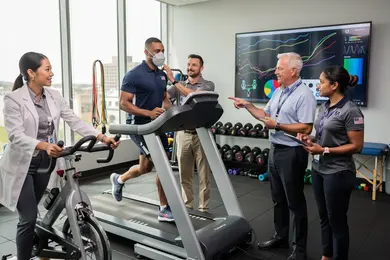
Campus programs afford direct interaction with laboratory equipment, supervised applied training, and scenario-based learning that align with employer expectations in human performance optimization. The expanding market for government-funded defense and public safety human performance initiatives-valued at over $1.2 billion globally and growing annually-underscores the necessity of experiential training for credential validity.
Prospective students targeting measurable physical performance careers should weigh program partnerships, local residency options, and high-fidelity fieldwork availability. Without these, credential holders risk additional costly training to meet labor market standards or face delayed workforce entry.
Key considerations include:
- Availability of supervised, hands-on practicum opportunities
- Access to specialized labs and equipment for biomechanical and sensorimotor skill development
- Program connections facilitating internships or field residencies
- Alignment of curriculum with applied, scenario-based defense and public safety demands
What core courses and labs develop foundational coaching competencies in exercise science majors?
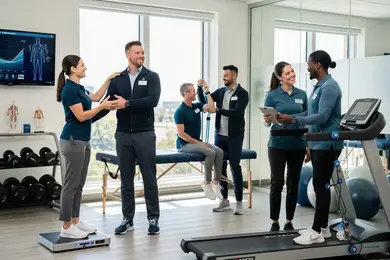
Proficiency in biomechanics, exercise physiology, motor learning, and sport psychology forms the backbone of exercise science programs that deliver tangible coaching capabilities closely aligned with labor market needs. For instance, without biomechanics skills, a coach might misread adolescent growth-related movement issues, inadvertently increasing injury risk. Labs focused on functional movement screenings, especially those tailored to female athletes or older adults, add critical vocational flexibility as demand expands beyond traditional youth sports.
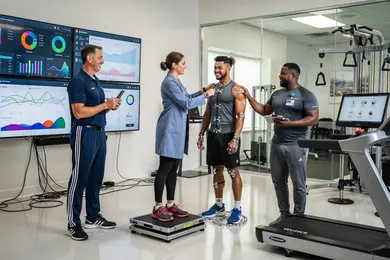
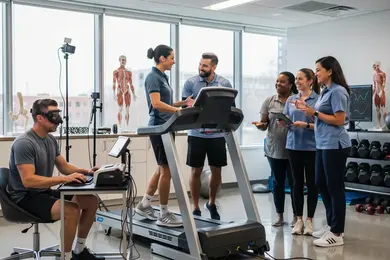
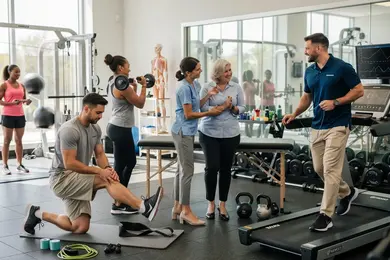
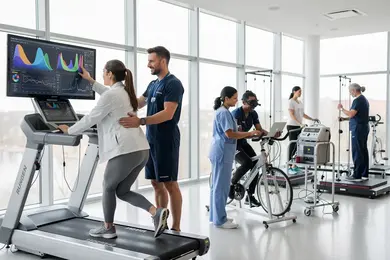
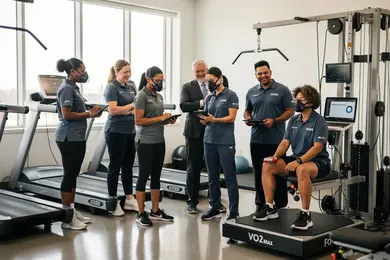
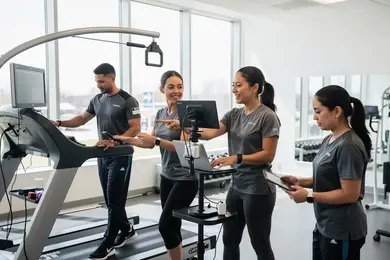
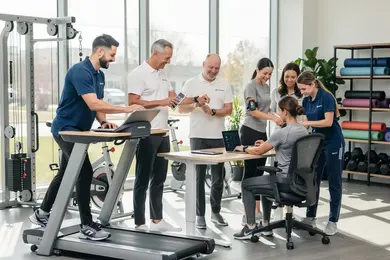
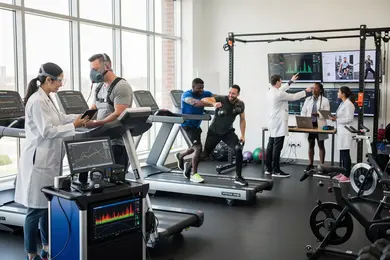
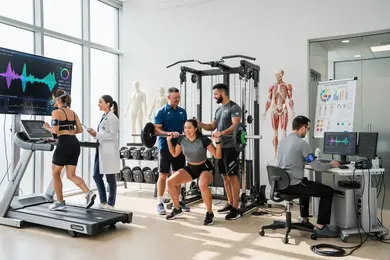
These applied courses emphasize hands-on experience with motion capture, force measurement, metabolic assessment, and mental skills training, translating theory into quantifiable athlete improvement and retention. Practical exposure to skill acquisition drills in motor learning labs and assessments of metabolic fatigue in physiology classes directly prepare students to customize training intensity and recovery protocols for diverse populations.
Employers increasingly expect coaches to integrate data-driven evaluation tools alongside personalized intervention strategies. Programs deficient in applied labs risk producing graduates who lack readiness for markets where objective performance metrics and individualized adaptation dictate success. Given that over 60% of U.S. private youth sports spending now supports paid coaching services, mastery of these competencies directly impacts employability and long-term career viability.
Students should prioritize programs offering targeted lab experiences paired with simulated coaching scenarios, ensuring their technical expertise meets evolving workforce standards and client expectations.
Which accredited U.S. schools are known for strong coaching-oriented exercise science specializations?
Specializations in coaching within top U.S. exercise science programs differ notably in focus and workforce alignment, impacting graduate employability and skill relevance. The University of Massachusetts Amherst targets coaching across athletic and corporate wellness sectors, emphasizing adaptability to diverse settings such as fitness centers and employee health initiatives. Its approach is practical but requires awareness that these roles often demand supplementary certifications beyond the degree for independent practice.
The University of Texas at Austin offers a specialization that integrates behavioral coaching competencies aligned with real-world employer needs, particularly in corporate wellness, an industry with an estimated $61 billion expenditure and 7-8% annual growth through 2030, according to the Global Wellness Institute. This program's focus on motivational interviewing and program evaluation equips students for roles with a strong emphasis on health behavior change and data-driven client engagement, making it suitable for professionals pivoting from general exercise science backgrounds.
University of Florida stands out for embedding technology-driven coaching education, preparing students for telehealth and virtual fitness environments. Graduates report better fit for scalable coaching models where client accountability technologies are key, though the heightened tech integration may increase the complexity and time needed to attain proficiency and certifications.
Choosing among these programs requires weighing target career sectors, expected time-to-practice given certification needs, and preferred coaching modalities to align educational investment with realistic employment trajectories.
What professional certifications align with common exercise science coaching specializations?
Certification choices in exercise science directly influence employment prospects by signaling competence in distinct practice areas and client populations. For example, a strength coach aiming to work at the collegiate level must combine the Certified Strength and Conditioning Specialist (CSCS) credential with concussion protocol training to meet employer mandates focused on athlete safety and regulatory compliance.
General personal trainer certifications (CPT) from recognized bodies provide baseline credibility but their labor market value varies by client focus and specialization, making them sometimes insufficient for competitive or clinical roles. Clinical exercise professionals typically require Certified Clinical Exercise Physiologist (CEP) or specialized cardiac rehabilitation credentials, which demand prior healthcare knowledge, highlighting a common tradeoff between credential depth and accessibility.
The growing shift toward digital delivery in fitness introduces an evolving credential gap, as no dominant certification governs virtual coaching despite increasing consumer demand for hybrid models blending technology fluency and professional certification. Employers prioritize verifiable credentials paired with ongoing development, including telehealth communication skills, especially as workforce needs adapt to remote and hybrid environments.
Strategic certification selection requires balancing immediate job market entry with long-term career flexibility and evolving industry standards.
How much do exercise science coaching specializations typically cost, and what funding options exist?
Choosing an exercise science coaching specialization requires weighing upfront costs against tangible workforce outcomes. Credential levels range broadly, with entry certifications like certified clinical exercise specialist or cardiac rehabilitation technician typically between $2,000 and $4,500. More advanced post-professional certifications and specialized master's programs often exceed $8,000, with added expenses for clinical hours and exams that can total $500 to $1,500 extra. Students should critically evaluate funding avenues such as employer tuition assistance, federal aid, and targeted grants that reduce net costs, especially in cardiovascular-focused careers.
Employers in hospital systems and outpatient rehabilitation increasingly favor candidates with formal cardiac rehab training, creating return-on-investment incentives like tuition reimbursement or salary hikes. However, smaller clinics may expect early-career clinicians to self-fund, delaying entry or increasing personal debt risk.
Balancing cost against program outcomes means prioritizing certifications with verified clinical exposure and employer recognition. For instance, a technician credential costing $3,500 with employer support offers faster workforce entry than a $10,000 master's lacking practical credential alignment. Applicants should explore if programs qualify for Pell Grants or workforce innovation funds, as many focused on cardiovascular care do, which is critical given the growing labor demand shaped by cardiovascular disease prevalence.
How can students evaluate and choose a reputable exercise science program for coaching careers?
Employers hiring for exercise and coaching roles require candidates to hold at minimum a bachelor's degree, as shown in over 70% of 705 analyzed U.S. job postings. This reality sets a baseline for educational investment that prospective students must factor into their choices. Regional accreditation and curriculum content reinforcing certification readiness in anatomy, physiology, kinesiology, and exercise prescription are non-negotiable, especially since certifications like CPR/BLS are explicitly demanded in numerous listings-364 postings in this review required them. Without programs offering direct access or integration of these certifications, graduates risk delayed workforce entry.
Practicum or internship opportunities present a decisive factor; supervised, hands-on experience directly correlates with employability in sectors ranging from youth sports to clinical rehabilitation. A program focused on strength and conditioning with poor alumni outcomes in professional coaching signals potential mismatches between training and job market realities. For career changers, offerings with hybrid or online delivery coupled with flexible scheduling for practicums provide tangible advantages.
Faculty engagement with professional bodies or ongoing research serves as a proxy for program relevance and networking potential, which can influence job placement. Students should also scrutinize transparent, detailed graduate outcomes rather than rely solely on institutional reputation or marketing claims.
Other Things You Should Know About Exercise Science
Most exercise science specializations provide foundational coaching knowledge but often lack direct, job-ready experience without additional certifications or supervised practice. Programs that incorporate real-world coaching internships or partnerships with sports teams enhance employability by bridging theory and application. Students should prioritize programs offering structured fieldwork and access to professional networks, as these significantly impact immediate post-graduation hiring success in coaching.
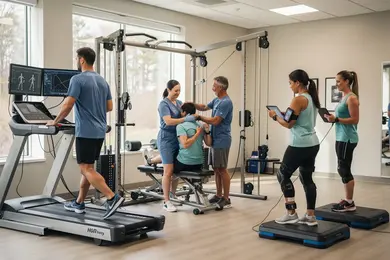
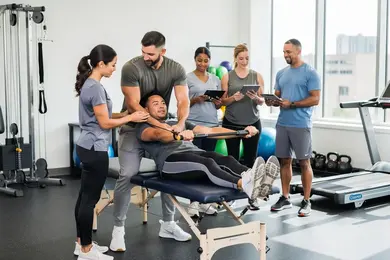
Most exercise science specializations require 120 to 300 supervised fieldwork hours, often completed in a campus lab, clinic, or athletic setting. Many programs also expect CPR and AED certification before placement. These hours help students practice coaching cues, assessment, and client communication under supervision.
Specializing in exercise science coaching offers deeper biomechanical and physiological insight critical for client performance optimization but narrows career paths primarily to direct coaching or rehabilitation roles. Broader sports management or fitness degrees provide diverse industry options but often lack the technical depth required for evidence-based coaching. Students focused on advancing as professional coaches should prioritize exercise science specializations despite a longer, more technical program structure, while those seeking flexibility in sports careers might consider broader degrees.
References
- Health and Fitness Certifications, Continuing Education & Resources | ACE https://www.acefitness.org/
- What Courses You Should Study for a Career in Coaching Science - eta https://etacollege.com/what-courses-you-should-study-for-a-career-in-coaching-science/
- ESSA's career guide for Accredited Exercise Physiologists https://www.essa.org.au/Web/Web/Resources/Tools-and-templates/ESSA-AEP-Guide.aspx
- Top 20 Careers With a Master’s in Exercise Science | PLNU https://www.pointloma.edu/resources/health-sciences/top-20-careers-masters-exercise-science
- Exercise Science Degree Programs Lead to Rewarding Careers in Health and Fitness https://www.carrollcc.edu/articles/exercise-science-degree-programs-lead-to-rewarding-careers-in-health-and-fitness/
- Grow Your Fitness Career With In-Demand Coaching Specializations https://www.strategydriven.com/2026/06/25/grow-your-fitness-career-with-in-demand-coaching-specializations/
- Exercise Science Careers: Paths with Degrees https://www.fitnessmentors.com/exercise-science-careers/
- SAQA https://allqs.saqa.org.za/showQualification.php
- What Jobs Do You Get From a Sport and Exercise Science Course? https://blog.portobelloinstitute.com/what-jobs-do-you-get-from-a-sport-and-exercise-science-course
- Careers in Exercise Science – Jobs, Salaries, and Growth Opportunities https://www.pickmyuni.com/student-resources/careers-in-exercise-science-123