2027 Hospitality Management Degree Enrollment Trends by Age Group: Traditional Students vs Adult Learners

Co-Founder and Chief Data Scientist
Hospitality management degree programs show distinct enrollment patterns between traditional students, typically aged 18-24, and adult learners due to divergent career trajectories and industry demands. The sector's growing emphasis on specialized certifications and technical competencies often steers younger entrants toward full-time, immersive curricula with practicum requirements aligned to licensing standards.
Conversely, adult learners tend to enroll part-time, balancing education with existing roles amid persistent workforce shortages. Notably, job openings in hospitality-related management roles are projected to increase by 13% through 2030, intensifying credential inflation and influencing who pursues these degrees and when. These age-related enrollment trends suggest evolving educational accessibility and reflect shifting employer expectations for both foundational knowledge and adaptable skill sets as the industry responds to economic volatility and labor market pressures.
Key Things to Know About Hospitality Management Degree Enrollment Trends by Age Group
- Traditional college-age students dominate hospitality management enrollment but often face limited work experience, making early networking critical to offset this gap before graduation.
- Adults over 30 increasingly enroll, reflecting workforce shifts; employers value their operational experience, though some roles may require updated technical skills learned during the program.
- Enrollment timing heavily impacts cost; younger students typically access financial aid, while older learners may encounter higher out-of-pocket expenses, influencing their program choice and duration.
- Key Things to Know About Hospitality Management Degree Enrollment Trends by Age Group Key Things to Know About Hospitality Management Degree Enrollment Trends by Age Group
- Which Age Groups Represent the Largest Share of Hospitality Management Students? Students by Age Group
- Why Do Traditional Students Choose Hospitality Management Degree Programs? Traditional Students
- Why Do Adult Learners Return to School for a Hospitality Management Degree? Adult Learners
- How Do Academic Goals Vary Between Younger and Older Hospitality Management Students? Academic Goals by Age Group
- How Do Financial Concerns Differ Between Traditional Students and Adult Learners? Financial Concerns by Age Group
- What Challenges Do Adult Learners and Traditional Students Face While Earning a Hospitality Management Degree? Student Challenges by Age Group
- How Does Age Affect Hospitality Management Degree Student Retention? Age and Student Retention
- Which Hospitality Management Specializations Are Most Popular Among Adult Learners? Top Specializations for Adult Learners
- How Does Age Affect Job Opportunities for Hospitality Management Graduates? Impact of Age in Job Opportunities
- What Do Current Hospitality Management Enrollment Trends Reveal About Future Demand? What Do Current Hospitality Management Enrollment Trends Reveal About Future Demand?
Which Age Groups Represent the Largest Share of Hospitality Management Students?
Hospitality management programs draw students from a range of age groups, yet enrollment tends to cluster among distinct demographics influenced by career timing, financial capability, and education accessibility. This age distribution aligns with broader workforce participation patterns and higher education structures rather than merely reflecting academic preference.
Differences in program format and labor market demands shape who enrolls and when, revealing meaningful distinctions between typical college-age students and adult learners with established careers.
- Ages 18-24: Representing the largest age group in hospitality management enrollment, this segment includes traditional college-age students who often transition directly from high school. They benefit from structured academic pathways that support full-time study aligned with undergraduate timelines. Immediate workforce entry after graduation, combined with employer expectations for formal credentials at entry-level, makes this group the dominant demographic in many programs.
- Ages 25-34: Adult learners in this group increasingly participate in hospitality management education to facilitate career shifts or advance into supervisory roles. Balancing studies with existing work and personal responsibilities often leads to part-time or online enrollment, reflecting the need for flexible program delivery. Their presence, though smaller than younger students, underscores a shift toward lifelong learning in response to evolving job market demands.
- Ages 35-44: This cohort includes professionals seeking to enhance management skills or pivot within the industry, but enrollment declines due to heavier financial and time constraints. Employer tuition assistance may be limited, and the immediate return on educational investment is weighed against ongoing career commitments, contributing to lower representation despite industry demand for experienced leaders.
- Ages 45 and older: Representing the smallest share, this group faces significant barriers such as limited time availability and fewer program options tailored to their needs. Their enrollment often focuses on highly flexible formats, but economic pressures and the prioritization of stable employment frequently restrict participation. This reflects a broader trend in higher education where older adults access learning through nontraditional routes.
The largest age groups in hospitality management enrollment reflect these nuanced dynamics of career timing and program accessibility. Traditional college-age students dominate largely because their enrollment fits established educational and employment pathways, while older learners balance competing priorities and require adaptable program structures.
These patterns coincide with general higher education trends documented by sources like the National Center for Education Statistics, emphasizing full-time attendance among younger students and part-time enrollment among adults. Understanding these factors is essential for prospective hospitality management students evaluating program fit relative to their stage in the workforce and long-term goals.
For those exploring how educational investments align with career prospects, resources highlighting the best bachelor degrees offer additional guidance informed by labor market outcomes.
Why Do Traditional Students Choose Hospitality Management Degree Programs?
Traditional students pursuing hospitality management degrees often select these programs not solely out of general interest but due to a combination of academic alignment and strategic career signaling. The curriculum's blend of management principles with practical skill sets appeals to students aiming to explore early career pathways within service-driven industries.
The value placed on hospitality management as a degree that offers tangible employment opportunities, particularly within sizable urban or tourism-centric labor markets, factors heavily into their decisions. According to a 2024 report from the National Center for Education Statistics, about 28% of traditional-age students interested in business-related fields gravitate toward programs promising clear career trajectories and immediate workforce applicability.
Deeper enrollment patterns reveal that university recruitment strategies and secondary education counseling significantly influence hospitality management program choices. Exposure to foundational business or hospitality courses in high school or freshman college years often shapes students' perceptions of job market stability and sector growth potential.
Guidance counselors and institutional outreach frequently position hospitality management as a pragmatic option aligned with accessible internships and networking channels, which traditional students prioritize as part of their educational journey. This confluence of academic advising, peer experiences, and perceived employment reliability differentiates traditional students' interest in hospitality management from adult or non-traditional learners who may prioritize flexibility or career changes.
These dynamics also tie into broader concerns about program pathway design, which influence students' specialization focus and early professional experience acquisition within the field. The uneven distribution of hospitality management degree programs across states primarily reflects the economic, geographic, and industry-specific demands of those regions.
States with robust tourism industries, such as California, Florida, and Nevada, naturally foster more program offerings. These states benefit from vibrant hospitality sectors-including hotels, resorts, restaurants, and event venues-that generate a steady demand for skilled professionals, prompting local colleges and universities to establish relevant degree programs.
Beyond economic drivers, demographic factors also influence program availability. States with larger populations of traditional college-age students tend to have more institutions offering hospitality management degrees, simply due to scale and potential enrollment numbers. Urban centers with diverse service economies and higher concentrations of hotels and tourism-related businesses often serve as education hubs, attracting institutions keen to link academic programs directly to employment pipelines.
State and local government policies can further impact program prevalence. Some states actively invest in promoting workforce development within hospitality and tourism as part of broader economic strategies. Supportive funding opportunities and industry collaborations encourage educational institutions to expand program capacity and innovate curriculum offerings tailored to regional needs.
Moreover, accreditation and program reputation play a role in where students choose to enroll, indirectly influencing program growth in certain areas. Schools situated near major hospitality employers can leverage internships and practical training that enhance student employability, attracting more applicants and justifying program expansion.
Understanding why traditional students gravitate toward hospitality management programs sheds additional light on enrollment patterns. According to a 2024 report from the National Center for Education Statistics, approximately 28% of traditional-age students pursuing a business-related degree cited clear career pathways and strong post-graduation employment prospects as key motivators.
Hospitality management appeals to many for its combination of practical skill-building, direct ties to a global yet locally impactful industry, and relatively diverse entry points into the workforce. Additionally, traditional students often find the dynamic, people-oriented nature of hospitality work attractive.
The prospect of careers that blend management with customer service, creativity, and cultural exchange resonates with younger cohorts seeking meaningful and engaging professions. The availability of internships and experiential learning integrated within many hospitality management programs further incentivizes enrollment by providing early career experience and networking opportunities.
For prospective students comparing degree options, some may also consider parallel paths like cybersecurity master's online, where clear labor market demand and program delivery innovations create different but similarly practical educational and career outcomes.
Why Do Adult Learners Return to School for a Hospitality Management Degree?
Adult learners returning to pursue a hospitality management degree primarily do so to navigate complex career transitions, achieve wage increases, or move into leadership roles that require formal credentials beyond experience alone. Unlike traditional students, they often engage education as a strategic investment to meet escalating role expectations and credential inflation within the industry.
According to a 2024 report from the National Center for Education Statistics, nearly 45% of adult students re-enroll in higher education to upskill or reskill, reflecting their focus on tangible career mobility and sector-specific expertise rather than general learning. These learners typically balance job responsibilities and personal commitments, seeking degrees that provide practical skills aligned with evolving hospitality market demands and managerial competencies.
Additional factors influencing enrollment include employer tuition reimbursement programs, which make returning to school financially feasible, and the proliferation of flexible online or hybrid hospitality management programs tailored to adult schedules. Many in the sector confront shifting employer requirements.
A 2024 survey by the American Hotel & Lodging Educational Foundation highlights that over 60% of mid-level hospitality roles favor candidates who combine hands-on experience with accredited education, reinforcing the need for formal qualifications. The increasing emphasis on leadership, sustainable operations, and technology integration means adult learners often return to update competencies that reflect contemporary industry standards, rather than acquiring rudimentary knowledge.
How Do Academic Goals Vary Between Younger and Older Hospitality Management Students?
Younger hospitality management students generally enter their programs with the intent to develop broad-based knowledge and essential practical skills that lay a foundation for entry-level positions or further graduate study. Their academic focus is often exploratory, aiming to sample diverse facets of the industry-from hotel operations to event coordination-before committing to a specialized career track.
This group typically values experiential learning opportunities, such as internships, which serve as critical bridges to employment and professional networking. According to the 2024 National Center for Education Statistics report, nearly 45% of traditional-age hospitality students place significant emphasis on hands-on training as a primary pathway to workforce entry.
In contrast, older students pursuing hospitality management degrees tend to approach their studies with well-defined career objectives, often linked to advancing within or shifting their current roles in the industry. Their academic goals prioritize acquiring targeted certifications and leadership competencies that demonstrate immediate job market relevance and support salary progression.
Flexibility in class scheduling and online formats commonly influence program selection, reflecting the need to balance education with existing personal and professional responsibilities. With 62% of adult learners reporting enrollment motivated by credential attainment for career mobility, their educational strategies reflect a pragmatic alignment with workplace demands and long-term industry positioning.
One adult learner recalls the uncertainty of navigating a rolling admissions timeline while balancing a full-time job. Initially hesitant to apply due to concerns about readiness and timing, they delayed submission until finalizing work commitments and gathering prerequisite documents. This cautious approach proved beneficial, allowing targeted preparation that eased the transition back to academia and optimized course selection to align directly with their managerial career goals.
How Do Financial Concerns Differ Between Traditional Students and Adult Learners?
Traditional students in hospitality management degree programs often depend heavily on family support, federal financial aid, scholarships, and student loans to cover tuition and related costs. Their financial decision-making centers on balancing educational expenses with anticipated debt burdens, as approximately 69% of these students graduate with an average debt near $30,000, according to the National Center for Education Statistics 2024 data.
This debt burden influences their program choices, often leading them to prefer shorter, less expensive paths to degree completion to minimize long-term financial obligations. Given their typical age and income status, traditional students usually do not face the same immediate income losses but remain sensitive to tuition and funding options for hospitality management students by age group when planning their educational trajectory.
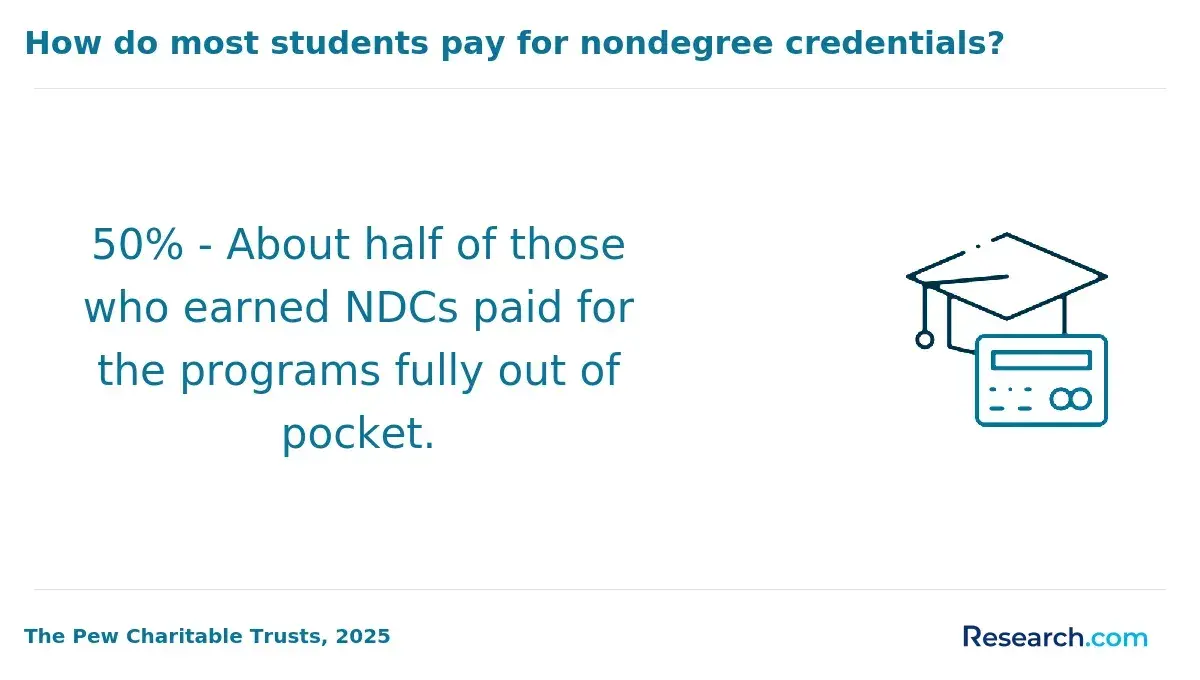
Adult learners, conversely, face a distinctly different set of financial pressures reflecting their established careers, familial responsibilities, and existing financial commitments. Many in this group are self-funded or receive employer tuition assistance, making upfront costs and lost wages from reducing work hours critical factors in their decision to pursue further education.
The Lumina Foundation's 2024 report highlights that 43% of adult learners reduce work or delay employment to fit education into their schedules, intensifying the opportunity cost of going back to school. Their financial calculus prioritizes programs that offer flexibility, accelerated pacing, or competency-based credentials that align closely with workforce needs, reflecting a more nuanced consideration of long-term return on investment shaped by both income disruption and immediate household economic demands.
These divergent financial realities shape enrollment patterns and program selection, with traditional students more likely to commit to full-time, campus-based education early in life, while adult learners often seek part-time or online options better suited to balance concurrent work and family duties. Programs that accommodate such needs gain traction among adults aiming to update skills efficiently without sacrificing income.
Institutional understanding of these distinct funding behaviors and lifecycle financial planning is essential to meet evolving workforce demands and support informed decisions about hospitality management pathways. For prospective students exploring varied academic approaches, comparing these financial frameworks alongside practical outcomes can guide choosing the best fit, especially when considering evolving options like business administration courses online.
What Challenges Do Adult Learners and Traditional Students Face While Earning a Hospitality Management Degree?
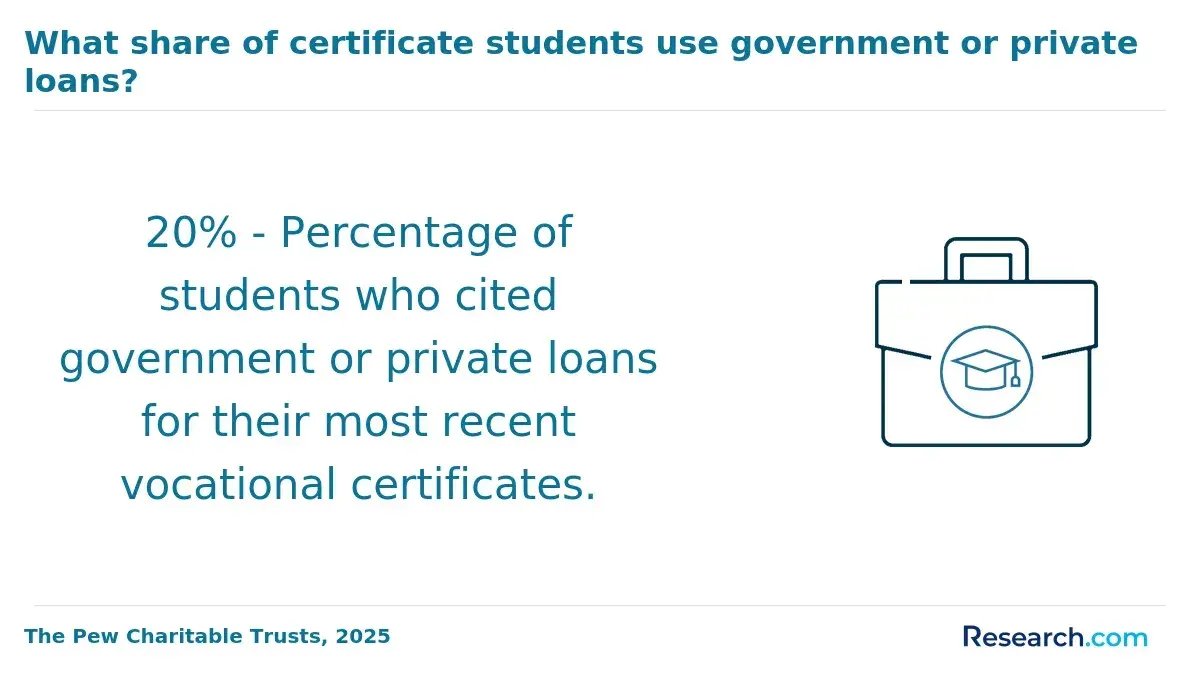
Traditional students in hospitality management programs often confront the dual demands of adapting to academic rigor and developing essential discipline within a structured campus environment. Typically aged 18 to 24, they must balance coursework with part-time jobs and social transitions, which can strain their time management and focus. Nearly 60% of traditional undergraduates rely on student loans, imposing financial stress that may jeopardize retention and timely completion.
Additionally, gaining sufficient practical experience through internships is critical yet challenging to integrate alongside full-time study obligations. Adult learners, generally over 25, navigate a different set of barriers shaped by competing responsibilities beyond academics. Many juggle full-time employment and family commitments, restricting their availability for experiential learning such as evening or weekend internships, a key component in hospitality programs.
A 2024 survey by the Lumina Foundation found that 72% of adult hospitality students cite scheduling conflicts as a major obstacle. Furthermore, adult learners face the challenge of re-entering academic settings while updating their skills to meet fast-evolving industry standards, all amid ongoing financial and personal demands like mortgages or childcare.
These divergent challenges underscore the necessity for institutions to develop tailored support mechanisms. Flexible course schedules, online and hybrid formats, and targeted advising services increasingly play crucial roles in addressing the distinct needs of both student populations. By recognizing how life stage and external obligations shape degree pathways, programs can better facilitate completion and readiness, aligning institutional resources with the realities faced by traditional and adult learners alike.
How Does Age Affect Hospitality Management Degree Student Retention?
Retention among younger hospitality management students commonly hinges on their adjustment to college demands and evolving motivation levels. Many face obstacles balancing academic rigor with social integration and often juggle part-time jobs or extracurricular distractions that compete with study time.
This cohort can struggle with sustained engagement as they navigate identity development and career uncertainty, which is reflected in retention rates near 60%, according to 2024 data from the Journal of Hospitality and Tourism Education. Early attrition in this group frequently signals challenges in adapting to the hands-on practical components distinctive to hospitality management curricula.
In contrast, older hospitality management students tend to persist due to clearer professional goals and a stronger link between their studies and immediate career outcomes. However, their retention is frequently moderated by competing demands from work responsibilities and familial obligations, which can limit access to campus resources or peer networks that facilitate academic success.
Despite these barriers, they demonstrate higher retention rates-around 75% per recent national studies-reflecting a resilience stemming from purpose-driven learning and accumulated life experience. Institutional support systems tuned to their unique time constraints and social integration needs remain critical in sustaining their persistence.
One hospitality management graduate shared that during the rolling admissions process, she hesitated to apply immediately because she wanted to complete a professional certification first, which delayed her enrollment by several months. The uncertainty around application deadlines and acceptance timing created stress, but ultimately, aligning her prior work experience with the degree program enhanced her confidence and commitment once she started.
This strategic timing in her academic trajectory underscored how adult learners often must juggle outside credentials and life events before fully engaging with their hospitality studies.
Which Hospitality Management Specializations Are Most Popular Among Adult Learners?
Adult learners pursuing hospitality management degrees typically select specializations that offer direct routes to mid-career mobility or entrepreneurial ventures. These students often have prior industry experience and seek programs that enhance management skills, provide operational leadership training, or enable sector-specific advancement.
Specializations with clear applicability to existing roles or that facilitate salary growth through expanded responsibilities are preferred. According to a 2024 report by the National Center for Education Statistics, approximately 38% of hospitality management enrollees aged 25 and older concentrated in event management or hotel and resort management, highlighting these choices' alignment with adult students' practical priorities.
- Hotel and Resort Management: This remains one of the most popular tracks due to its alignment with adult learners' goals of upward mobility within established hospitality operations. It leverages prior experience and offers tangible skills that translate into managerial roles overseeing lodging properties, directly supporting salary advancement and leadership growth.
- Food and Beverage Management: Adult students with culinary or operational backgrounds gravitate here to bridge their experience with supervisory roles. This specialization supports transitions into higher-level positions managing dining services or supply chains, reinforcing both operational knowledge and strategic oversight.
- Event Management: Known for its project-based nature and demand for organizational skills, this specialization accommodates working adults by offering flexible, skills-intensive study paths. Many learners choose event management to capitalize on their coordination experience, aiming for leadership roles that blend logistics with client engagement.
- Sustainable Tourism and Hospitality: Growing interest in sustainability-driven business practices attracts adult learners who want to future-proof their careers by aligning with industry trends. This track appeals to those seeking to influence company strategies and improve long-term sector viability, which can enhance leadership prospects.
- Hospitality Technology Management: Although gaining relevance, this specialization generally attracts fewer adult learners due to the rapid evolution of digital tools and a steeper learning curve. Professionals less inclined toward technical upskilling often favor other areas focused more on operational leadership.
These preferences reflect adult learners' pragmatism toward selecting educational pathways with clear employer demand and measurable impacts on professional growth. Understanding which hospitality management specializations resonate most with experienced students can guide better program choices for workforce reintegration and skill enhancement.
For those curious about broader salary prospects in related fields, examining data on how much do forensic psychologists make offers perspective on specialized career trajectories and compensation patterns.
How Does Age Affect Job Opportunities for Hospitality Management Graduates?
Younger hospitality management graduates, typically between ages 18 and 24, often access entry-level roles and internship pipelines with relative ease due to fewer external obligations and more flexible schedules. Employers tend to favor these candidates for positions demanding physical stamina, irregular hours, and commitment to long-term career growth.
The National Restaurant Association's 2024 data highlights a roughly 1.5% lower unemployment rate for younger graduates within the first two years compared to older peers, reflecting smoother early-career hiring patterns. Additionally, younger graduates benefit from campus-based networking opportunities that enhance visibility and employer connections, which influence early job prospects in increasingly competitive markets for hospitality management graduate job prospects by age group.
Older hospitality management graduates, generally 25 and above, bring transferable skills and richer prior work experience that can accelerate access to supervisory or managerial roles despite often facing employer preferences for younger candidates in entry-level hiring. These adult learners encounter fragmented internship opportunities and may need targeted career services to overcome biases around adaptability and technological proficiency highlighted by industry reports.
Their career transition goals frequently emphasize immediate applicability of skills over long-term ladder climbing, which alters how employers assess value in candidates. This dynamic represents a significant factor for consideration amid evolving workforce demands and the value placed on relevant work history.
For students weighing educational paths, including advanced options like an online PhD in data science, understanding how age affects hospitality management career opportunities is vital for aligning expectations with labor market realities.
What Do Current Hospitality Management Enrollment Trends Reveal About Future Demand?
Shifts in enrollment patterns for hospitality management programs reveal evolving perceptions of career value and educational relevance among distinct student groups. While traditional college-age students maintain steady participation, a notable 15% increase in adult learner enrollment in 2024 highlights growing interest from mid-career professionals seeking targeted skill upgrades and leadership credentials.
This diversification reflects broader acceptance of flexible learning formats, including hybrid and online models, to accommodate work-study balance. Such trends underscore how changing demographic composition signals an expanded understanding of hospitality management as a field adapting to diverse career phases and professional goals.
These enrollment dynamics align closely with labor market demands emphasizing operational expertise, digital integration, and crisis management capabilities. Employers increasingly seek candidates combining formal education with practical experience and adaptable skill sets responsive to technological shifts and sustainability priorities.
The growth in adult learner enrollment suggests a response to workforce shortages in specialized and managerial roles, potentially driving program expansion and curricular refinement. Consequently, monitoring these enrollment behaviors offers critical insight into how hospitality management education may evolve to meet future industry needs and signal long-term workforce development patterns.
References
- The shifting landscape of hospitality and tourism education | Hotel Management https://www.hotelmanagement.net/operate/shifting-landscape-hospitality-and-tourism-education
- Who’s Working in Tourism? Gender and Age Across Industry Groups - Tourism HR Canada https://tourismhr.ca/whos-working-in-tourism-gender-and-age-across-industry-groups/
- What degree is best for hotel management? https://lesroches.edu/blog/what-degree-is-best-for-hotel-management/
- How to Choose the Right Hospitality Specialization | PI Hospitality Academy https://pihospitalityacademy.com/blog/how-to-choose-the-right-hospitality-specialization/
- Studying Hotel Management in 2026: What You Need to Know | Enderun Colleges https://www.enderuncolleges.com/articles/studying-hotel-management-in-2026-what-you-need-to-know/
- How hospitality students see their future in the industry https://insights.ehl.edu/how-do-hospitality-students-see-their-future-in-the-industry
- Future Hospitality Trends: Ensuring Education Reflects the Industry https://www.internationalschoolparent.com/articles/future-hospitality-trends-ensuring-education-reflects-the-industry/
- Latest Trends in the Hotel Industry for 2026: Global Booking Data | SiteMinder https://www.siteminder.com/r/latest-trends-in-hotel-industry/
- Adult learners: who they are and what they want out of college | EAB https://eab.com/resources/blog/adult-education-blog/adult-learners-who-they-are-what-they-want-college/
Other Things You Should Know About Hospitality Management
Traditional students often prefer campus-based or hybrid hospitality management programs that offer immersive, experiential learning and networking opportunities, which align with their flexible schedules and social learning preferences. In contrast, adult learners prioritize online or evening classes that accommodate work and family commitments, even if this limits hands-on experiences or peer engagement. Programs must balance these needs, as adult learners may face tradeoffs in practical training access, while traditional students might experience greater pressure from rigid scheduling.
In 2027, hospitality employers value practical experience and adaptability over age. Traditional students may benefit from early start internships, while adult learners should highlight diverse backgrounds and past work experiences. Both groups are encouraged to develop strong communication skills and cross-functional knowledge to meet evolving industry standards.
Hospitality management curricula with intensive, time-sensitive projects and group work can disproportionately challenge adult learners balancing external responsibilities, increasing the risk of burnout or withdrawal. Traditional students may manage these demands better due to fewer external obligations, though they face their own stressors such as campus involvement and transitioning to adulthood. Adult learners might benefit from programs offering modular or self-paced options to reduce conflict between study and life obligations.
For those early in their careers, prioritizing industry network access through on-site programs or internships can yield stronger long-term career benefits despite less flexibility. Adult learners aiming for career advancement or transition should emphasize program flexibility and recognition of prior experience, even if that limits real-time networking opportunities. Weighing immediate practical constraints against future network-building potential is critical; selecting a program aligned with current life demands and long-term goals will better support sustainable career progress.