2027 Self-Paced Online Applied Science Bachelor's Degree Programs

Co-Founder and Chief Data Scientist
Professionals with degrees outside applied science often face challenges transitioning into technical roles without losing income or disrupting their schedules. Traditional programs rarely accommodate working adults balancing jobs and family, creating barriers to advancement. Recently, 68% of self-paced online applied science bachelor's degree students reported securing better employment within a year of graduation, highlighting the program's growing industry relevance.
This article explores the structure, benefits, and accreditation factors of self-paced online applied science bachelor's degrees designed to offer flexible pathways. It aims to guide prospective students in selecting programs that align with career shifts and personal commitments.
Key Benefits of Self-Paced Online Applied Science Bachelor's Degree Programs
- Self-paced online applied science bachelor's programs offer unparalleled flexibility, allowing working professionals to balance coursework with careers and personal commitments seamlessly.
- These programs accelerate skill acquisition through competency-based education models, enabling students to progress quickly by demonstrating mastery rather than time spent.
- Cost-effective pathways include transfer credit policies and prior learning assessments, reducing total expenses while ensuring accreditation and eligibility for financial aid.
What Are Self-Paced Online Applied Science Bachelor's Degree Programs, and How Do They Differ From Traditional Online Formats?
Self-paced online applied science bachelor's degree programs allow students to complete coursework at their own speed, differing from cohort-based or asynchronous-but-scheduled formats that dictate set timelines. These programs feature open enrollment and flexible timelines, enabling learners to begin studies anytime and progress through lessons as quickly or gradually as needed, often using milestone-based assessments to confirm mastery before advancing.
- Flexible Enrollment: Students can start at any point throughout the year, which suits working professionals and others balancing multiple commitments who seek schedules beyond traditional academic calendars.
- Milestone-Based Progression: Unlike weekly assignments in traditional formats, advancement depends on passing competency exams or projects, aligning with competency-based online applied science degrees versus traditional formats.
- Self-Directed Time Management: Learners devise personalized study plans and control their pacing, contrasting with fixed schedules and cohort participation that require synchronous attendance.
- Faculty Interaction: Communication with instructors is typically asynchronous and focused on feedback for assessments, differing from live discussions or group activities common in other online models.
- Student Accountability: With less structured interaction, students need high self-motivation and discipline, as peer cohorts and scheduled classes that foster collective pacing are mostly absent.
- Competency-Based Education: These programs emphasize skill mastery over credit hours, ensuring practical knowledge is validated before moving forward.
- Transfer and Prior Learning Credits: Many self-paced options accept transfer credits and prior learning assessments, helping students accelerate degree completion efficiently.
- Financial Aid Eligibility: Despite their flexible nature, accredited programs remain eligible for financial aid, increasing accessibility for diverse learners.
Self-paced online applied science bachelor's degree programs in the US benefit working professionals advancing careers, non-traditional students needing adaptable learning environments, and first-time enrollees requiring maximum flexibility. This approach's growing popularity is due to its mastery focus and accommodation of diverse life situations without compromising academic rigor. Those interested in specialized nursing education might explore related options like a dnp degree for further advancement opportunities.
Which Accredited Institutions Offer Self-Paced Online Applied Science Bachelor's Degree Programs?
Several regionally accredited institutions offer flexible, self-paced online applied science bachelor's degree programs designed for working professionals and non-traditional students. These programs utilize a competency-based education model, enabling students to progress by demonstrating mastery of skills rather than following rigid semester calendars.
- Western Governors University: This university is accredited by the Northwest Commission on Colleges and Universities and offers a fully online, competency-based applied science degree with a subscription tuition model. Students pay a flat rate every six months and can complete as many courses as they are able within that time, often finishing in under three years.
- Northern Arizona University: NAU provides a self-paced bachelor's in applied science via its personalized competency-based pathway. Accredited by the Higher Learning Commission, tuition is charged per credit, and transfer credits are widely accepted. Degree completion typically occurs within four years depending on course load.
- Capella University: Accredited by the Higher Learning Commission, Capella offers the FlexPath format, which charges tuition based on competency units per term rather than credits. This allows students to accelerate their progress by leveraging prior learning assessments and transfer credits.
- Southern New Hampshire University: SNHU's applied science bachelor's degree is fully online, with a per-credit tuition rate and multiple start dates year-round. Accredited by the New England Commission of Higher Education, the program supports transfer credit and prior learning evaluations, with most students finishing in about three years.
- Post University: Also accredited by the New England Commission of Higher Education, Post offers a subscription-based, self-paced applied science bachelor's degree allowing students to progress according to their schedules. Completion times vary from two to four years.
These top accredited institutions offering self-paced applied science bachelor's degrees prioritize flexibility and affordability by accepting transfer credits and allowing prior learning assessments. Tuition models, whether subscription or per credit, can influence overall cost and time to degree. Working professionals balancing education and career goals may find these programs especially accommodating.
For those exploring flexible pathways to affordable education, it's helpful to compare these options with other programs such as affordable nursing programs that also use competency-based models and regional accreditation to ensure quality and value.
2026 Update: Checking Hands-On Requirements Before Enrolling
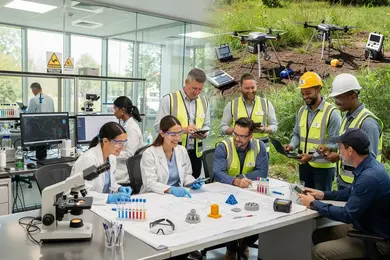
This 2026 update adds a closer look at the practical work students may need to complete in self-paced online applied science bachelor’s programs, since flexibility can vary when courses include labs, simulations, projects, or supervised assessments.
- Whether required labs can be completed fully online or need local site access.
- What software, equipment, or technical setup is required for applied coursework.
- How project deadlines work in courses advertised as self-paced.
- Whether proctored exams, live demonstrations, or instructor check-ins are required.
- How quickly faculty review hands-on assignments or competency submissions.
- Whether the program helps students build a portfolio for technical or supervisory roles.
Reviewing these requirements before applying helps students choose a program that fits their schedule, work environment, and career goals without unexpected in-person or technology barriers.
How Long Does It Take to Complete a Self-Paced Online Applied Science Bachelor's Degree?
Completion times for self-paced online applied science bachelor's degrees vary widely, with some students finishing in as little as one year, while others follow the traditional four years or longer. According to National Center for Education Statistics data, part-time students in bachelor's programs typically take about six years to graduate, providing a useful benchmark for those balancing education with other responsibilities.
- Prior Credits: Transferable credits from previously completed college work or associate degrees can greatly shorten degree timelines by fulfilling core or elective requirements.
- Transfer Coursework: Institutions differ in their acceptance of external courses, but when relevant coursework is approved, it waives equivalent classes, allowing quicker advancement.
- Weekly Hours Committed: The time a student dedicates weekly strongly influences progress; more hours invested often lead to faster course completion, while a moderate pace can better accommodate personal and work commitments.
- Prior Learning Assessments: Many programs use assessments to award credit for professional experience or certifications, meaning students can earn academic credit without taking certain classes, reducing overall study time.
- Support Services: Academic advising, tutoring, and technical help assist students in building realistic schedules and maintaining steady progress, crucial for managing self-directed learning effectively.
One professional who enrolled in a self-paced online applied science bachelor's program shared that juggling full-time work and family initially made scheduling difficult. He found that early conversations with academic advisors helped him tailor a manageable weekly workload. Although mastering the learning platform took some time, the flexibility allowed him to capitalize on weekends and evenings. "It wasn't always smooth," he noted, "but knowing I could move faster by applying prior job experience kept me motivated. Setting small, achievable goals each week made the degree feel within reach."
What Are the Admission Requirements for Self-Paced Online Applied Science Bachelor's Degree Programs?
High School Diploma or GED: Applicants usually need a high school diploma or GED to enroll in self-paced online applied science bachelor's programs. This ensures they possess the foundational skills required for college-level work and helps maintain accreditation standards.
Minimum GPA and Prerequisite Courses: Many programs expect a minimum GPA around 2.0 to 2.5 on a 4.0 scale to demonstrate academic readiness. Additionally, prerequisite coursework-such as biology, chemistry, or mathematics-may be necessary to prepare students for advanced study. These requirements vary, and some programs adopt open-enrollment policies that waive strict GPA thresholds for greater accessibility.
Open-Enrollment and Rolling Admission: Numerous self-paced applied science bachelor's degrees use rolling-admission or open-enrollment systems, easing barriers for non-traditional and returning students. These policies allow learners to start flexibly without waiting for semester start dates, aligning with the needs of busy professionals and enhancing access.
Selective vs. Open-Access Programs: Selective programs often require higher academic credentials and provide structured support like tutoring and advisement. In contrast, open-access options prioritize flexible enrollment but may require students to be proactive in managing their studies and seeking help.
Strengthening Your Application: If you don't meet minimum GPA or course prerequisites, consider completing relevant classes at community colleges or showcasing work experience in related fields. Writing strong personal statements or highlighting motivation and resilience can also improve admission chances. Prospective applicants might explore credit transfer and prior learning evaluation policies typical of applied science bachelor's degrees. For those interested in specialized fields, programs such as medical coding programs offer additional pathways.
How Much Does a Self-Paced Online Applied Science Bachelor's Degree Cost, and What Affects Tuition?
Tuition for self-paced online applied science bachelor's degrees commonly follows a per-credit cost model, with rates typically between $300 and $600 per credit. Since degree requirements usually fall between 120 and 180 credits, total tuition can range from approximately $36,000 to $108,000, depending on the program and student pace. Some institutions adopt flat-rate subscription fees-often between $1,500 and $3,000 per term-allowing unlimited course access during that period, which benefits accelerated learners aiming to finish sooner and reduce per-credit expenses. Bundled payment options may also combine tuition, course materials, and platform access to simplify budgeting.
- Technology Fees: These mandatory charges cover online platform upkeep and generally cost between $50 and $200 per term, adding to overall expenses.
- Proctoring Charges: Online exam supervision through third-party services may require additional fees ranging from $30 to $100 per test.
- Course Materials: Required textbooks, software licenses, or lab kits can increase costs by several hundred dollars per course.
- Software Subscriptions: Specialized applied science programs often need separate software purchases or subscription services, further impacting total cost.
Choosing the lowest upfront rate doesn't always mean the lowest total cost; students progressing rapidly in subscription-based structures can achieve more affordable outcomes per credit. Conversely, spreading coursework across many terms within per-credit models may prolong time to completion and increase accumulated fees.
When I spoke with a professional who completed a self-paced applied science bachelor's degree, she reflected on the financial balancing act involved. "I started cautiously, concerned about how tuition and extra fees would add up," she said. "But pacing myself strategically using the subscription plan meant I could accelerate when ready, which saved me money over time. Managing the unexpected costs, like proctoring and software, felt challenging at first, but planning ahead and being informed made a big difference."
What Financial Aid Options Are Available for Self-Paced Online Applied Science Bachelor's Programs?
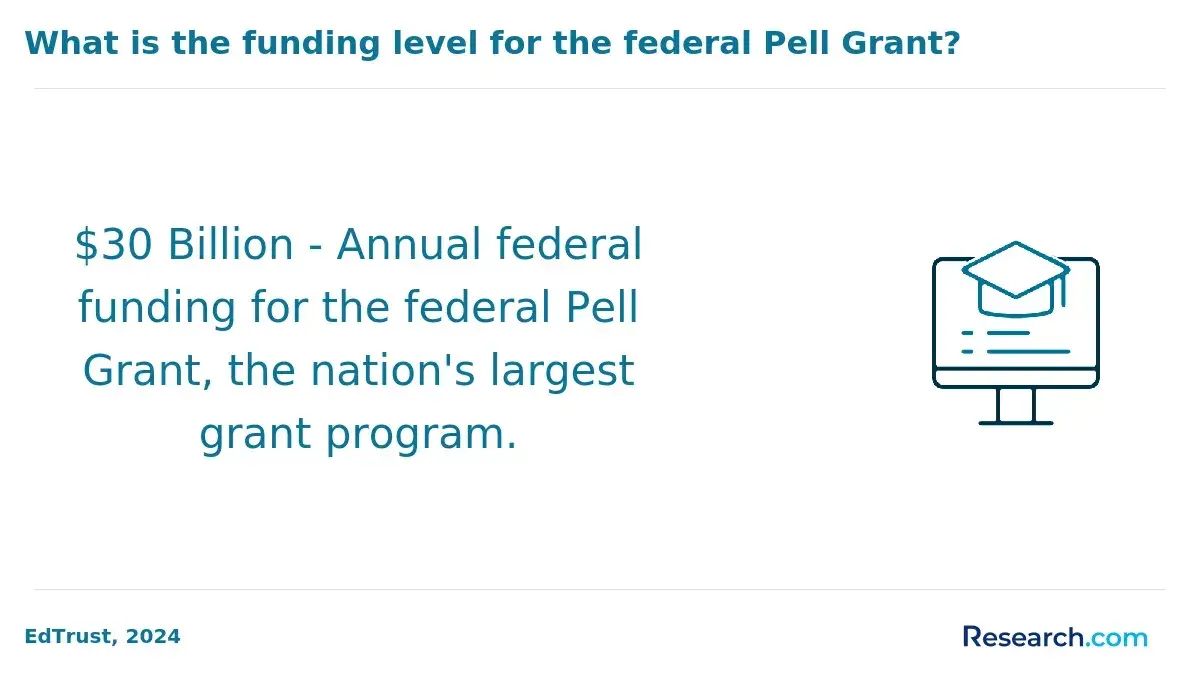
Federal financial aid, such as Pell Grants and Direct Loans, generally requires students to complete the FAFSA to qualify. However, some competency-based education (CBE) programs-often part of self-paced applied science degrees-have distinct eligibility criteria tied to how they measure credit-hour equivalencies. This makes it important for prospective students to confirm with their program whether federal aid applies before enrolling.
State and institutional aid options vary considerably depending on location and school policies. Many states provide grants or scholarships specifically for residents enrolled in approved online or CBE programs. Meanwhile, colleges often offer their own financial aid packages, though self-paced learners should anticipate different disbursement schedules since their progression does not follow a traditional semester timeline. Early communication with a school's financial aid office helps plan for these variations effectively.
Students pursuing applied science can also explore scholarships from professional groups tailored to fields like forensic science, environmental science, and health technology. These awards commonly recognize academic success or professional dedication within specific sectors of applied science.
According to the College Board's 2023 Trends in Student Aid report, around 43% of undergraduates taking distance education courses benefit from federal grants, underscoring the availability of federal support for online learners, even in non-traditional program formats.
- Federal Aid Eligibility: FAFSA completion is necessary, but CBE programs may have special requirements related to credit-hour approval to access federal grants and loans.
- State and Institutional Support: Grants and scholarships vary by state and school, with disbursement often adjusted for self-paced study timelines.
- Discipline-Specific Scholarships: Professional organizations in applied science offer targeted awards for students showing academic or career commitment.
- Disbursement Timing: Self-paced formats can alter when aid funds are released, making early consultation with financial aid offices essential.
- Federal Grant Trends: Nearly half of online undergraduates receive federal grants, highlighting substantial support for distance education students.
How Do Competency-Based Education (CBE) Models Work in Self-Paced Online Applied Science Programs?
Competency-based education (CBE) in self-paced online applied science bachelor's degree programs centers on demonstrating mastery of skills and knowledge rather than fulfilling traditional seat time requirements. Students progress by completing assessments such as projects, exams, or practical assignments that validate their competencies, enabling them to advance more quickly in subjects they already understand while dedicating more time to challenging areas.
For financial aid considerations, CBE frameworks either convert mastery into credit hours aligned with traditional academic structures or employ direct assessment methods that measure learning outcomes without relying on credit hours. Direct assessment programs differ by not equating progress to credit hours, potentially affecting federal aid eligibility, whereas credit-hour-equivalent programs link competencies to conventional credit systems, simplifying qualification for financial aid.
Notable self-paced online programs using CBE include Western Governors University (WGU), Southern New Hampshire University (SNHU), and Capella University's FlexPath. These institutions employ a variety of assessment techniques-such as timed exams, portfolio evaluations, and competency-based projects-with faculty acting as mentors or coaches to guide learners instead of delivering traditional lectures. Employers generally recognize CBE credentials due to their focus on verified practical skills crucial for workforce readiness.
Prospective students should consider their ability for self-motivation and time management carefully, as success in CBE programs demands strong self-discipline. According to the U.S. Department of Education, enrollment in competency-based education programs has increased by over 20% recently, underlining growing demand for flexible, skills-focused learning paths.
- Mastery Over Seat Time: Progress is determined by demonstrating skills through assessments, allowing personalized pacing and targeted focus.
- Financial Aid Translation: Programs either use credit-hour equivalents or direct assessments, which affects federal aid eligibility differently.
- Varied Assessment Methods: Competency is evaluated via exams, portfolios, and projects supported by mentoring rather than traditional lectures.
- Recognized Credentials: Employers value these degrees for emphasizing demonstrated skills aligned with industry needs.
- Self-Discipline Requirement: Success requires motivation and time management; program suitability depends on individual learning preferences.
What Accreditation Should a Self-Paced Online Applied Science Bachelor's Program Hold?
Accreditation remains a vital factor when selecting a self-paced online applied science bachelor's program, with regional accreditation carrying significantly more weight with employers and graduate schools than national accreditation. Regional accreditation, recognized by the U.S. Department of Education, signals adherence to rigorous academic standards, which supports credit transfer and broader acceptance-especially important for those seeking regional accreditation for online applied science bachelor's degrees.
The six regional accrediting bodies endorsed by the Department of Education are the Middle States Commission on Higher Education, the New England Commission of Higher Education, the Higher Learning Commission, the Northwest Commission on Colleges and Universities, the Southern Association of Colleges and Schools Commission on Colleges, and the WASC Senior College and University Commission. Many respected self-paced applied science programs hold accreditation from one of these agencies, ensuring reliable credit transferability and recognition for advanced studies.
Some programs also attain programmatic accreditation from specialized organizations such as the Accreditation Board for Engineering and Technology (ABET), which confirms that the curriculum aligns with industry standards within specific applied science disciplines. Enrolling in nationally accredited or non-accredited programs, however, introduces risks-credits may not transfer seamlessly, and employers or graduate programs might view these qualifications as less credible, hindering career progression.
To explore affordable options or related fields, prospective students can also consider online rad tech programs known for flexible delivery. Before enrolling, it's essential to verify any program's accreditation status using the U.S. Department of Education's accreditation database and the Council for Higher Education Accreditation (CHEA) directory to ensure academic and professional value.
- Regional Accreditation: Endorsed by the U.S. Department of Education, regional accreditation is the gold standard for colleges. It supports credit transfer and is widely accepted by employers and graduate schools within the applied science domain.
- National Accreditation: Often geared toward vocational or technical institutions, national accreditation is less accepted by employers and other colleges. Applied science students should be cautious since credits may not transfer easily.
- Programmatic Accreditation: Focused on specific disciplines, this validates that applied science curricula meet industry and academic standards, enhancing employability and graduate study options.
- Transferability Risks: Credits from non-regionally accredited programs may not transfer, limiting opportunities for academic advancement or switching institutions.
- Career Impact: Employers often prefer or require degrees from regionally accredited programs, making accreditation a crucial component for career growth.
- Verification Resources: The U.S. Department of Education and CHEA online directories offer definitive accreditation status to confirm before enrolling.
How Many Transfer Credits Can Be Applied Toward a Self-Paced Online Applied Science Bachelor's Degree?
Transfer credit policies for self-paced online applied science bachelor's degree programs vary widely but share common evaluation practices. Most institutions require official transcripts and detailed course descriptions to determine whether previous credits align with their curriculum. The maximum transfer credits allowed in online applied science bachelor's programs typically range between 60 and 90 credits-some universities with the most generous policies accept up to 90 credits, significantly reducing time to degree completion.
Many schools also grant credit for military training, following recommendations by the American Council on Education (ACE). This enables service members and veterans to convert prior learning and experience into academic credits. Community college articulation agreements further facilitate smoother credit transfers by pre-approving courses that satisfy specific degree requirements, offering students efficient pathways from associate to bachelor's degree programs.
Because transfer credit policies directly impact the remaining coursework and overall cost, prospective students should always request a formal transfer credit evaluation before enrollment. This evaluation clarifies which credits will be accepted, helping students accurately plan their degree progress and financial commitments. For individuals exploring nutrition and dietetics, for example, there are numerous best online registered dietitian programs with clear transfer credit guidelines that can serve as models.
- Credit Limits: Programs often accept between 60 and 90 transfer credits, with the most flexible institutions allowing transfers that expedite graduation timelines.
- Military Credits: Many schools honor ACE recommendations, translating military training into applicable academic credits to support service members.
- Articulation Agreements: Partnerships with community colleges streamline the transfer process by pre-approving courses that meet degree requirements.
- Evaluation Process: Prior transfer credit evaluation is essential for understanding remaining credit requirements and estimating educational costs.
- Accreditation Impact: Regional accreditation affects transfer eligibility, so students should confirm accreditation status on institutional transfer pages.
Can Students Earn Credit Through Prior Learning Assessment in Self-Paced Online Applied Science Programs?
Prior Learning Assessment (PLA) offers self-paced applied science students a valuable way to earn college credit by validating skills acquired outside traditional classrooms. This includes competencies gained from professional work, military service, industry certifications, and independent study. PLA methods typically involve portfolio reviews, challenge exams, and standardized tests such as CLEP (College-Level Examination Program) and DSST (DANTES Subject Standardized Tests), helping learners accelerate degree completion and reduce costs.
Programs with flexible PLA policies-like Western Governors University and Thomas Edison State University-allow students to apply between 30 and 45 credits through portfolios and documented experience. These schools largely rely on the American Council on Education's (ACE) credit recommendations to evaluate military and professional training, a system especially beneficial to service members transitioning to civilian careers and working adults seeking to leverage prior learning.
To maximize PLA credit recognition, students should carefully compile comprehensive evidence of their knowledge, including detailed portfolios, syllabi, official certifications, and relevant job descriptions. Consulting academic advisors helps clarify submission procedures and credit eligibility. According to the Council for Adult and Experiential Learning, institutions awarding PLA credits report a 25% increase in degree completion rates among non-traditional students, highlighting the effectiveness of this approach.
- Diverse Credit Sources: PLA recognizes learning from work, military service, certifications, and self-study, offering multiple pathways to earn credits.
- Flexible Credit Limits: Many self-paced programs permit up to 45 credits through PLA, significantly reducing time and expense.
- ACE Credit System: The American Council on Education's evaluations validate military and professional training for academic credit.
- Effective Documentation: Detailed portfolios, certificates, and job descriptions are essential for maximizing credit awards.
- Improved Completion Rates: PLA users experience a 25% higher graduation rate, benefiting non-traditional learners.
What Concentrations or Specializations Are Available in Self-Paced Online Applied Science Bachelor's Programs?
Environmental Science: This track prepares students for careers in environmental consulting, policy-making, and resource management. Graduates often fill roles like environmental scientists with median wages near $76,530 annually. Some positions may require state licensure or certification, and hands-on internships are frequently part of the curriculum.
Health Science: Focusing on healthcare technology, administration, or public health, this specialization suits those aiming for healthcare support or entry-level leadership roles. Salaries typically range from $50,000 to $80,000, with some paths demanding additional certifications or clinical practice beyond the degree.
Information Technology: Covering areas such as software development, network management, and cybersecurity, IT graduates command median earnings around $97,430 yearly. Optional certification exams like CompTIA or Cisco can improve job prospects but are usually not mandatory within the degree.
Industrial Technology: Concentrating on manufacturing processes and quality assurance, this track equips students for supervisory or technical specialist positions earning about $54,920 on average. Practical experience through internships or projects may be required to meet industry standards.
Applied Engineering Technology: Preparing students for roles in design, production, and maintenance within engineering fields, this concentration sees median salaries near $88,430. Employers often expect professional certifications or in-program hands-on training.
Concentration choice impacts program length-those with practicum requirements may take longer, while less intensive tracks can allow quicker completion. Aligning specialization with personal interests and labor market demand helps optimize educational outcomes for working adults balancing multiple commitments.
What Graduates Say About Self-Paced Online Applied Science Bachelor's Degree Programs
- Major: "Choosing a self-paced online applied science bachelor's degree was a game-changer for me because I needed flexibility around my full-time job. The affordability of the program made it accessible without the financial stress that often comes with higher education. Since graduating, I have secured a promotion that wouldn't have been possible without this degree's practical curriculum and flexible pace."
- Douglas: "Reflecting on my decision to enroll in a self-paced online applied science program, I realize how vital balancing cost and quality education was for my career launch. This program allowed me to work at my own rhythm while managing expenses smartly-an investment that quickly paid off. The skills I gained have made me more competitive, opening doors to roles I had only aspired to before."
- Ezra: "The reason I picked a self-paced applied science bachelor's program was to tailor my learning around a hectic schedule and financial limitations. The cost-effectiveness stood out, enabling me to pursue higher education without burdening myself with debt. Professionally, the degree empowered me to advance swiftly in my field by equipping me with relevant expertise and confidence."
Other Things You Should Know About Applied Science Degrees
Self-paced online Applied Science programs in 2027 accommodate working adults and non-traditional students by offering flexible scheduling and asynchronous coursework. Students can access materials anytime, allowing them to balance studies with work and personal commitments. These programs often provide supportive resources such as virtual tutoring, career counseling, and community forums.
Graduates often pursue roles in fields like engineering technology, healthcare administration, or environmental science. According to labor statistics, the median salary for bachelor's degree holders in applied science disciplines ranges broadly but generally offers a competitive wage compared to other bachelor's fields. Credential recognition from accredited programs supports eligibility for advancement in technical and management positions.
Self-paced online Applied Science bachelor's degree programs offer flexibility and can lead to diverse career opportunities. In 2027, graduates may pursue roles in engineering, IT, and healthcare, among others, with average salary expectations ranging from $60,000 to $85,000 annually, depending on experience and specialization.
References
- 7 Advantages of Self-Paced Online Courses https://www.sophia.org/blog/higher-education/advantages-of-self-paced-courses/
- Online Bachelor's Student Tuition & Costs - Office of Financial Aid - Biola University https://www.biola.edu/financial-aid/tuition-costs/online
- Picture an Online Degree at Your Own Pace https://www.snhu.edu/about-us/newsroom/education/picture-an-online-degree-at-your-own-pace
- Self-Paced Online Degree Programs https://www.umassglobal.edu/why-umassglobal/flexible-ways-to-learn/self-paced
- How do credits transfer if I am seeking a Second Bachelor’s Degree? https://www.usu.edu/registrar/help/faq/transfer/how-do-credits-transfer-if-i-am-seeking-a-second-bachelors-degree.php
- Financial Aid For Online Colleges https://www.affordablecollegesonline.org/financial-aid/financial-aid-for-online-colleges/
- Bachelors of Applied Science (BAS) https://online.gmc.edu/admissions/bachelors-of-applied-science-bas/
- Online Bachelor's Degree Programs | California Coast University https://www.calcoast.edu/bachelors-online-degree-programs.html
- PLA: Earn Credit Through Prior Learning Assessment | UAGC https://www.uagc.edu/admissions/non-traditional/pla
- Online Bachelor's Degree Completion Financial Aid https://www.hamline.edu/admission-aid/financial-aid/online-bachelors