2027 Industry Demand for Teaching Master's Graduates: Job Outlook & Hiring Trends

Co-Founder and Chief Data Scientist
The current demand landscape for teaching master's graduates reflects complex shifts in credential requirements, role specialization, and employer expectations. Positions such as instructional coordinators, curriculum developers, and specialized educators increasingly require expertise in data-driven assessment tools, compliance with evolving education standards, and leadership in diverse learning environments. For working professionals and career changers, flexibility and cost efficiency remain critical, especially as the National Center for Education Statistics reports a 12% rise in online graduate enrollment among adult learners in recent years, highlighting a trend toward accessible, part-time study models. Teaching graduate programs that integrate applied projects and recognized certification pathways align closely with these workforce demands.
This article examines hiring trends, credential landscape changes, and program features to guide readers in assessing how a teaching master's aligns with their career goals, financial considerations, and local job markets.
Key Things to Know About Industry Demand for Teaching Master's Graduates
- Teaching master's demand increasingly favors niche expertise-such as special education or literacy coaching-reflecting employer emphasis on targeted skills over generalized credentials, which narrows candidate pools but raises role-specific hiring standards.
- Emerging workforce data from the U.S. Bureau of Labor Statistics highlights steady growth in remote and hybrid teaching roles, pressuring candidates to demonstrate digital pedagogy competencies, reshaping employer expectations on versatility.
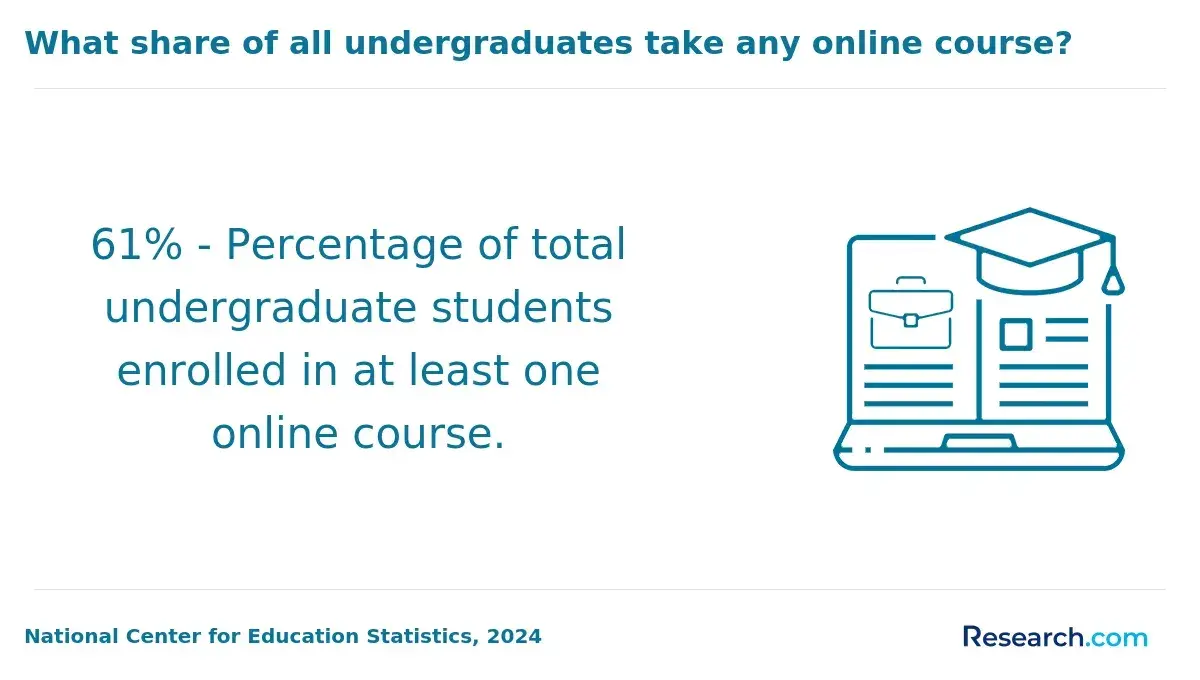
- The 2024 National Center for Education Statistics report notes a 35% rise in adult enrollment for online Teaching master's programs, indicating cost and schedule flexibility now critically influence when and how candidates pursue advanced credentials amid career transitions.
What is the Current Job Outlook for Teaching Master's Graduates?
The current job outlook for teaching master's graduates reveals a nuanced market shaped more by specific regional demands, certification requirements, and evolving instructional roles than by uniform growth forecasts. Employers seek candidates who not only hold advanced degrees but who align their skills with distinct educational priorities and adapt to rapidly changing technology in classrooms.
Understanding these factors clarifies how graduates must strategically position themselves to leverage their qualifications effectively.
- Specialized Demand Focus: Districts and charter schools increasingly prioritize master's graduates with expertise in special education, STEM fields, and English as a Second Language (ESL). This specialization addresses persistent workforce gaps in complex subject areas where advanced pedagogical skills directly impact student outcomes.
- Credential Requirements: Most public school roles continue to mandate state licensure or certification in addition to a master's degree, underscoring that holding an advanced degree alone often does not meet baseline eligibility. Specialized credentials, such as literacy intervention or educational leadership certificates, enhance employability and open paths to roles beyond classroom teaching.
- Regional and Remote Variation: Hiring trends vary markedly by location; urban and rapidly growing districts may offer more openings, while rural areas or budget-constrained regions often restrict positions. Meanwhile, growth in online and hybrid learning models creates remote opportunities demanding technology proficiency but also intensifies competition among graduates nationwide.
- Technology Integration Expectation: Employers increasingly expect teaching master's graduates to expertly use digital platforms and adaptive instructional tools. Incorporating technology into lesson design and delivery is no longer optional but a critical hiring criterion that affects both entry into roles and promotion potential.
- Advancement and Salary Implications: Career pathways often advance from classroom roles into administrative, curriculum design, or instructional coaching positions, which typically command higher salaries. However, access to these roles frequently depends on additional leadership credentials, years of experience, and demonstrated competencies beyond initial graduate coursework.
For those assessing online graduate programs, the evolving job outlook underscores the need to balance affordable, flexible study options with the pursuit of practical credentials aligned with real-world employer priorities. This calculated approach is essential when weighing programs that promise flexibility, including online accelerated psychology degree tracks, since a direct connection to educational hiring trends remains the key to long-term return on investment.
Which Industries Hire the Most Teaching Master's Graduates?
Industries that employ teaching master's graduates typically prioritize the combination of advanced pedagogical expertise and specialized knowledge to meet precise workforce demands, regulatory frameworks, and operational challenges. This targeted reliance often shapes distinct hiring criteria and role expectations that go beyond general education backgrounds.
- Public Education: This sector remains the primary employer, emphasizing state certification and advanced degrees for roles in curriculum development, instructional coaching, and leadership. The preference for master's credentials is closely tied to compliance with state and federal mandates, which impact funding and institutional accountability, thereby shaping job stability and advancement pathways.
- Higher Education: Universities and community colleges recruit teaching master's graduates primarily for adult education, instructional design, and faculty support roles. Demand here reflects the need for educators who can integrate content mastery with innovative teaching technologies and adapt to diverse learner profiles, including non-traditional and continuing education students.
- Corporate Learning & Development: Employers in this sector seek graduates who combine education theory with practical skills to design workforce training, e-learning, and compliance programs. These roles require agility in adopting educational technology and adult learning principles and are shaped by fast-changing business environments that prioritize measurable performance outcomes.
- Healthcare Training: Growing demand exists for teaching master's graduates to lead staff education on patient care protocols and regulatory compliance. Advanced pedagogical skills improve operational efficiency and learning outcomes in highly regulated clinical environments, where precise knowledge transfer is critical.
- Government & Public Programs: Agencies responsible for workforce development and educational outreach often require teaching master's-level expertise to address complex social and regulatory challenges. Graduates in these roles navigate multifaceted policy contexts while designing effective, scalable training initiatives tailored to public service goals.
What are the Most Common Job Titles for Teaching Master's Degree Holders?
Job titles assigned to master's graduates in teaching expose nuanced employer expectations, reflecting the varied ways advanced credentials translate into workforce roles. Titles often indicate the balance between direct student engagement, specialized knowledge, leadership responsibilities, and compliance demands-factors that shape earning potential and career mobility within both K-12 and alternative educational settings.
- Teacher: The foundational role, where licensure and subject-area expertise are critical, primarily in K-12 classrooms. This title signals direct instructional duties with clear credential requirements and limited remote options, serving as the prevalent entry point for master's holders.
- Instructional Coordinator: A mid-level specialist position focusing on curriculum design, teaching strategy, and educator training. Employers seek candidates with deep content knowledge and leadership potential, reflecting a transition from frontline teaching to systemic instructional improvement.
- Lead Teacher/Department Chair: These supervisory titles indicate seasoned educators managing teams or departments, blending operational oversight with strategic planning. Appointment to such roles usually depends on years of proven classroom success paired with soft skills in administration.
- Specialist Roles: Titles like Special Education Teacher or Educational Technologist emphasize niche expertise and often require additional certifications. These positions cater to compliance-heavy environments or technology integration, reflecting demand for skills beyond general instruction.
- Corporate Trainer/Adult Educator: Nontraditional titles that leverage teaching skills in workforce development contexts. Here, formal certification matters less than practical instructional ability, offering flexible schedules but often differing compensation structures and advancement models.
A graduate recalled scrutinizing job boards early in their job search, initially fixated on "teacher" roles but then noticing "curriculum specialist" and "instructional coordinator" listings that matched their master's coursework better. They hesitated at first, unsure if their experience fit the more technical or leadership-oriented descriptions, but eventually realized these titles reflected employer attempts to classify graduate capabilities beyond direct classroom teaching.
This broadened their outlook on career pathways, allowing them to target positions where their skills translated into influence over instruction quality and professional development, rather than limiting themselves to traditional teaching roles.
How Does Salary for Teaching Master's Graduates Compare to Other Advanced Degrees?
Salary comparisons for teaching master's graduates illustrate how industry-specific factors shape compensation differently than other advanced degree holders. While fields like business or healthcare might offer higher initial pay, teaching salaries are often tethered to public education budgets and structured pay scales, reflecting demand nuances and policy constraints rather than education quality alone.
- Industry Premium: Business and healthcare master's degrees frequently command salary premiums due to wider corporate or clinical demand and less rigid funding structures. Teaching salaries typically trail because public school budgets limit flexibility, despite the profession's stable labor market.
- Role Specialization: Licensure and certification are mandatory within teaching, serving as credential signals that gatekeep pay scales and position entry. Other graduate fields often leverage broader skills transferable across sectors, allowing for more diverse, sometimes higher-paying roles early on.
- Geographic and Sector Variation: Compensation for teaching master's graduates varies based on state funding priorities and cost of living, with public schools offering incremental increases tied to district funding. Private or specialized education roles may offer different pay but seldom match healthcare or corporate sector averages.
- Advancement Ceiling: Except in administrative or policy tracks, teaching salaries often show consistent but moderate growth, whereas some other disciplines experience steeper earnings trajectories with seniority or strategic career moves.
- Return-on-investment Tradeoff: Choosing a teaching master's degree often involves accepting lower starting salaries but gaining stable employment, predictable raises, and community impact-contrasting with alternative advanced degrees offering higher earnings yet greater market volatility.
These dynamics highlight that salary outcomes for teaching master's graduates by specialization and credential depend heavily on employer demand, licensure structures, and sector-specific funding. Career-oriented learners keen on balancing cost and flexibility may consider options such as online executive MBA programs as comparative pathways for higher initial compensation outside education-focused roles.
What Hiring Trends are Shaping Demand for Teaching Master's Talent?
Employers hiring teaching master's graduates increasingly seek candidates with skill sets that align closely to evolving educational demands, not just traditional credentials. The influence of specialized competencies and regulatory familiarity now shapes both the competitiveness and salary prospects for applicants in this field.
- Credential Signaling: Hiring bodies emphasize alignment with current state or district certification requirements. Graduates whose credentials explicitly reflect updated regulatory frameworks tend to move faster through selection processes, as this reduces onboarding time and compliance risk for employers.
- Technical Specialization: Proficiency in educational technology, including learning management systems and adaptive tools, is now a core expectation. Candidates who can integrate these tools demonstrate practical value, contributing directly to data-driven instruction and improved student engagement.
- Leadership Readiness: Schools increasingly prefer applicants with demonstrated mentorship or administrative experience. Such candidates not only fill teaching roles but also support broader institutional goals like interdisciplinary initiatives and school improvement plans, increasing their versatility and upward mobility.
- Applied Problem-Solving: The ability to tailor instructional approaches for diverse learners and collaborate with families and colleagues addresses today's multifaceted classroom challenges. Candidates lacking this adaptability often face limited opportunities in dynamic or resource-constrained environments.
- Cross-Functional Communication: Effective interaction beyond classroom boundaries-including with counselors, administrators, and community partners-is a growing hiring criterion. This competency facilitates alignment with institutional priorities and often distinguishes candidates during promotion or tenure reviews.
What Skills and Specializations are Most in Demand for Teaching Master's Roles?
Employers increasingly prioritize specialized skills over broad instructional knowledge when hiring teaching master's graduates, reflecting evolving educational demands and workforce realities. Candidates who demonstrate advanced competencies aligned with specific institutional priorities gain a competitive edge in recruitment and advancement, especially in roles requiring adaptability and measurable impact.
- Technology Integration: Mastery of digital platforms and adaptive tools is essential as hybrid and online learning environments expand. Proficiency in learning management systems and data-driven assessment supports employers' emphasis on quantifiable student outcomes across K-12 and higher education settings.
- Specialized Instruction: Expertise in special education or ESL addresses pressing demographic and regulatory needs. Graduates adept at individualized education program (IEP) development or culturally responsive pedagogy meet district mandates and serve diverse learner populations effectively.
- STEM Pedagogy: Competence in inquiry-based and project-driven science, technology, engineering, and math instruction aligns with economic development priorities. This specialization often leads to higher demand and salary potential due to workforce shortages in STEM educators.
- Leadership Credentials: Endorsements in curriculum design or teacher leadership certificates enhance roles beyond classroom teaching. Employers seek candidates prepared to take on instructional coaching or administrative duties, which can accelerate career progression and broaden professional influence.
- Practical Experience: Extensive residencies and practicum engagement serve as critical screening criteria. They provide evidence of role-specific competence and readiness, reducing employer risk and supporting smoother transitions into real-world educational environments.
The teaching master's graduate job skills demand underscores the need to evaluate programs not just on cost or flexibility but on alignment with these employer-valued proficiencies. For budget-conscious students balancing work and study, prioritizing affordable, accredited online programs that emphasize such competencies can optimize long-term returns.
Exploring a data science degree online path might also appeal to those seeking to complement teaching expertise with data analytical skills increasingly prized in education roles.
How Do Employers Describe the Value of Teaching Master's Graduates?
Employers frequently define graduates holding teaching master's degrees by their ability to meet nuanced and evolving demands that surpass traditional instructional roles. These candidates are often evaluated not just on theoretical knowledge but on actionable competencies tied to current educational challenges, from addressing diverse learning needs to impacting school-wide outcomes.
Hiring managers differentiate master's graduates by their readiness for specialized and leadership roles that require an advanced combination of pedagogical skill and applied problem-solving.
- Technical Depth: Employers expect master's graduates to demonstrate sophisticated curriculum design experience and the use of data-driven instructional methods that enhance classroom effectiveness in measurable ways, setting them apart from those with only bachelor's credentials.
- Applied Problem-Solving: The value of a master's is often judged by tangible contributions, such as successful implementation of differentiated strategies or interventions that yield improved student performance, reflecting workplace impact beyond academic theory.
- Leadership Readiness: Hiring teams view these graduates as candidates for roles like instructional coaches or curriculum coordinators, where skills in mentorship, reflective practice, and systemic improvement are critical for school advancement.
- Credential and Compliance Fit: Many districts require or prefer master's-level certifications and endorsements, aligning these qualifications with regulatory demands and reinforcing institutional standards.
- Cross-Functional Communication: Employers prize graduates' ability to collaborate across diverse stakeholders, including parents, administrators, and specialized staff, emphasizing adaptability within complex educational ecosystems.
One teaching master's graduate recounted an interview experience during a district's third hiring cycle in the spring semester, where the panel stressed their project portfolio over grades. The lead asked pointed questions about how their curriculum revisions responded to equity gaps and utilized technological tools, probing for concrete evidence of scalable impact rather than academic achievement alone.
While the candidate's prior classroom experience was acknowledged, the discussion quickly shifted to their capacity for leadership tasks and navigating multifaceted stakeholder relations. The graduate recognized that despite strong content expertise, the district prioritized candidates who could immediately assume hybrid instructional-leadership roles, a key factor influencing their shortlist status and compensation offer.
What ROI Do Teaching Master's Graduates Typically See from Their Degree Investment?
Return on investment (ROI) for teaching master's graduates extends well beyond simple salary raises. It is about how graduates translate advanced credentials into tangible career advantages that recover upfront costs-tuition, fees, and the opportunity cost of time spent studying-within a reasonable timeframe.
For working professionals and adult learners, the financial payoff depends on program affordability, employer policies, local licensure mandates, and labor market alignment, each shaping whether the degree delivers practical value or remains a costly credential.
- Tuition and Flexibility: Lower tuition combined with online and part-time program options reduces direct expenses and allows ongoing income, limiting opportunity costs that typically slow ROI.
- Employer Tuition Support: Access to reimbursement or tuition assistance programs can halve or eliminate net costs, directly boosting ROI and making advanced degrees accessible without incurring heavy debt.
- Licensure and Credentials: In states requiring a master's for certification or salary scale increases, the degree's ROI is clearer and often faster, while in other regions, value arises more from enhanced instructional skills impacting promotion chances.
- Labor Market Demand: Graduates specializing in high-need areas like STEM, special education, or bilingual instruction typically secure jobs sooner, improving ROI through quicker salary gains and job stability.
- Career Change Leverage: For professionals transitioning into teaching, a master's offers credential legitimacy but may require additional certifications, which extends cost recovery time and complicates the ROI calculus.
- Debt Sensitivity: Graduates limited in borrowing capacity or repaying existing debts must prioritize affordable programs, as large loans can outweigh incremental salary gains.
- Market Resilience: Teaching master's degree holders with in-demand specializations tend to weather shifts in education funding or enrollment better, preserving employment prospects and sustaining ROI long term.
What Job Search and Hiring Strategies Work Best for Teaching Master's Candidates?
Job search strategies for teaching master's graduates must be precise to navigate a competitive and nuanced hiring market. Applying indiscriminately to a broad range of roles often results in rejection due to misalignment with district-specific certification requirements and specialized classroom demands.
For example, a candidate targeting elementary education positions without emphasizing relevant state endorsements will likely be filtered out early by automated systems and hiring personnel. Tailoring applications to reflect graduate-level training in targeted roles enhances visibility and signals real-world readiness.
- Credential Positioning: Resumes and cover letters should translate master's coursework and certifications into language that matches state standards and district priorities. Simply listing degrees is insufficient; contextualizing skills for screening software and recruiters improves passage through initial filters.
- Portfolio Evidence: Showcasing lesson plans, curriculum projects, or classroom management case studies developed during the master's program provides concrete proof of teaching capabilities. Employers increasingly value these practical demonstrations over generic qualifications.
- Employer Targeting: Focusing on openings that require specific grade levels or subjects mastered in the program reduces wasted effort and aligns candidates more closely with actual classroom needs. This strategic targeting signals intentionality to hiring managers.
- Interview Preparation: Successful candidates reflect knowledge of district culture, student demographics, and assessment frameworks in tailored responses. Drawing on practicum experiences to illustrate adaptability elevates answers beyond generic templates.
- Timing Applications: Aligning submissions with school hiring cycles, typically annual or cyclical, enhances consideration before pools widen. Early application increases candidate visibility, especially in tight local markets.
Teaching master's candidates seeking to optimize their job search and hiring strategies should focus on presenting advanced coursework, applied projects, and prior experience in ways that align closely with employer expectations. By targeting specific job titles relevant to graduate-level preparation and understanding employer screening criteria, candidates can enhance their visibility in competitive applicant pools.
Leveraging professional networking channels and showcasing portfolios or writing samples further support a compelling application. Effective interview preparation and well-informed salary positioning based on market research empower candidates to negotiate confidently. Additionally, timing applications to match hiring cycles and industry demand increases chances of success.
Avoiding generic résumé claims and translating master's-level skills into employer language help highlight the candidate's unique qualifications. Finally, assessing realistic career advancement or change pathways ensures alignment with long-term teaching job market goals.
For budget-conscious adult learners or career changers seeking flexibility, identifying programs like an online college for military can offer cost-effective access to quality education with scheduling suited to working professionals.
How Will Future Trends Like AI And Automation Affect Hiring for Teaching Master's Graduates?
AI and automation are reshaping hiring demand for teaching master's graduates by emphasizing advanced skills that complement rather than replace human expertise. Rather than displacing educators, these technologies shift responsibilities toward nuanced, judgment-intensive tasks that require a blend of technical fluency and pedagogical insight.
For example, employers now seek candidates capable of interpreting complex educational data to tailor instruction, rather than those performing routine administrative work that automation can handle. This evolution impacts role design, with graduates increasingly managing digital content, collaborating across platforms, and leading ethical AI implementation.
- Technical Fluency Priority: Candidates must demonstrate proficiency with AI-driven tools and data systems used to monitor student progress and optimize learning environments. This fluency allows graduates to align technology with teaching objectives effectively.
- Automation-Resistant Roles: Employers value skills that cannot be easily automated, such as ethical oversight, nuanced student support, and adapting instructional strategies based on real-time feedback.
- Cross-Functional Collaboration: Teaching masters graduates are expected to work closely with IT specialists, administrators, and AI platform providers, bridging educational and technological domains.
- Regulatory and Ethical Oversight: Awareness of privacy concerns, algorithmic bias, and equitable technology use is increasingly mandated among educators to ensure responsible AI deployment.
- Routine Tasks Delegation: Automation handles scheduling, grading, and basic content delivery, enabling educators to focus on strategic decision-making and personalized support.
These future hiring trends for teaching master's graduates reveal a nuanced labor market where continuous learning and technical adaptability directly influence employability and long-term career resilience. A graduate prepared for these realities will combine field-specific expertise with skills to navigate and lead within tech-augmented educational environments.
Balancing these competencies is critical for meeting evolving productivity expectations and regulatory requirements shaped by AI integration.
Students evaluating affordable, accredited online teaching master's programs should assess how curricula address the interplay of AI, automation, and data-driven workflows. Programs that explicitly cultivate applied digital skills alongside ethical and judgment-based capabilities are better aligned with employer needs. Those unable to integrate these elements risk producing graduates with limited advancement potential in an increasingly automated job market.
For related career transitions, it's worth noting that some disciplined online programs, like those exploring how can you become an architect online, also emphasize flexible pacing and practical ROI-features increasingly sought by budget-conscious adult learners and career changers.
Future trends such as AI and automation are profoundly reshaping hiring practices for teaching master's graduates, with employers placing increased emphasis on skills that complement technology rather than compete with it. Key factors influencing this shift include the integration of emerging software and data-driven workflows, which demand proficiency in technical screening and applied judgment.
The evolving landscape favors candidates capable of handling automation-resistant responsibilities, such as ethical oversight and cross-functional collaboration, while routine tasks are increasingly automated.
What Do Graduates Say About Industry Demand for Teaching Master's Graduates?
- Tobias: "Balancing a full-time job while pursuing my master's in teaching was demanding, so I opted for a part-time program that emphasized practical classroom experience over theoretical coursework. This decision paid off when I secured an internship that directly led to a teaching assistant role, even though I initially lacked full certification. However, I quickly realized that without licensure, my upward mobility in public schools was limited, pushing me to plan further credentials down the line."
- Rex: "Coming from a different career, I had to consider cost and time constraints when choosing a teaching master's program, which led me to prioritize schools offering remote learning and accelerated tracks. Although this limited some face-to-face interaction, the program's focus on building a strong portfolio helped me stand out to private schools. Unfortunately, I found public school districts often favored candidates with more traditional experience, so I accepted that my first few years would focus on gaining classroom hours to supplement my credentials."
- Arthur: "I was undecided between finishing quickly or gaining extensive fieldwork in my teaching master's program but chose the latter to increase my marketability, even though it extended my time in school. Despite the trade-off, the internships and collaborations with district schools helped me land a position in a charter school that values hands-on experience over strict licensure requirements. Still, I remain cautious about job security and salary progression, knowing that without a full license, some opportunities remain out of reach."
Other Things You Should Know About Teaching Degrees
In 2027, employers highly value skills such as classroom management, digital literacy, and differentiated instruction methods in teaching master's graduates. These skills help graduates effectively adapt to diverse student needs and integrate technology into their teaching practices, increasing their employability.
Accreditation and alignment with state certification requirements are crucial for actual employability, not just degree completion. Graduates from programs lacking recognition by state education boards risk barriers to licensure and employment in public schools. Therefore, prioritizing accredited programs with clear pathways to state certification ensures smoother hiring processes and reduces delays in transitioning from education to employment.
In 2027, regions like the Southwest and urban areas such as New York City and Los Angeles are experiencing the highest demand for teaching master's graduates, driven by increased student enrollment and teacher retirements. These areas seek graduates with strong classroom management and curriculum development skills.
References
- Teacher Salary Benefits: Master's Degree Impact Guide https://creditsforteachers.com/differences-in-teacher-salaries-and-benefits-of-a-masters-degree/
- Graduates pivot careers due to AI and job automation https://ise.org.uk/knowledge/insights/431/graduates_pivot_careers_due_to_ai_and_job_automation/
- Teacher Recruitment Strategies: Tried-and-True Ways to Build Your Applicant Pool https://www.frontlineeducation.com/blog/teacher-recruitment-strategies/
- Top Teacher Talent: 5 Strategies to Recruit Global Educators Who Stand Out https://canadaglobalacademy.com/top-teacher-talent-5-strategies-to-recruit-global-educators-who-stand-out/
- How to measure the return on investment of an international master’s degree - BOSS Publishing https://thebossmagazine.com/post/how-to-measure-the-return-on-investment-of-an-international-masters-degree/
- The Importance of Obtaining Your Master’s Degree Early in Your Career - Graduate Programs for Educators https://www.graduateprogram.org/blog/the-importance-of-obtaining-your-masters-degree-early-in-your-career/
- The Master's Degree ROI Problem - Which Programs Actually Pay Off? https://www.campusroi.com/blog/masters-degree-roi/
- Understanding Educational ROI https://www.larson.com/educational-roi/
- Teacher Recruitment Trends: Future Hiring Strategies https://www.mindleaptech.com/teacher-recruitment-trends/
- Is College Worth it? | Return on Investment Analysis of College Degree https://educationdata.org/college-degree-roi