2027 Informed Consent vs Patient Education: The Nurse's Role in Each Process
Audited and Verified:
Our Editorial and Data Verification Process
Research.com uses government datasets, official education statistics and primary institutional information to support its career and degree guides. Our review process checks factual accuracy, occupational definitions, source dates and the requirements associated with the credentials discussed.
How This Article Was Fact-Checked
Our editorial team verifies salary estimates, employment projections, education requirements and program information against original data providers and official organizations. Salary figures are checked against the relevant occupational definitions and reporting periods. Information about licensure, accreditation and required in-person training is reviewed separately.
Fact-checked and verified on:

Co-Founder and Chief Data Scientist
A patient can understand how to care for a wound yet still lack the information needed to consent to surgery. For nursing students and early-career nurses, that distinction affects what to explain, when to stop and call the responsible clinician, and what to document.
This guide separates informed consent from patient education, clarifies the nurse's role and legal limits, and shows how to build these skills through clinical training. Use it to prepare for supervised practice and recognize situations that require escalation rather than a signature or another handout.
Key Things You Should Know
- Informed consent concerns a particular decision; patient education supports broader understanding and self-care. Education can support consent but cannot replace the required discussion with the clinician responsible for the intervention.
- A signature is not proof of informed consent. Nurses verify the process required by policy, notice unanswered questions or possible coercion, and escalate concerns before a procedure proceeds.
- Use teach-back to check understanding, not to test the patient. If the patient cannot explain a key point after clarification, reassess the communication approach and involve the appropriate clinician.
What is the difference between informed consent and patient education in nursing?
Informed consent is a voluntary, decision-specific process in which a patient receives information needed to accept or decline a proposed intervention. Depending on the intervention and applicable law, that discussion includes its nature, material risks, expected benefits, reasonable alternatives, and the option to refuse. Patient education is the continuing work of helping a patient understand a condition, treatment, medication, or self-care task.
The comparison matters because the two activities can occur in the same encounter without becoming interchangeable.
| Question | Informed consent | Patient education |
| Primary purpose | Support a voluntary choice about a specific intervention | Build knowledge and skills for care and self-management |
| Typical timing | Before the intervention, with renewed discussion if material circumstances change | Before, during, and after care as needs change |
| Example | Discussing whether to undergo a proposed procedure | Practicing how to care for the site afterward |
| What documentation shows | Who participated in the required consent process and any questions or concerns raised | What was taught, how understanding was checked, and what follow-up is needed |
A nurse may explain routine preparation or reinforce information already given about a procedure. If a patient then asks whether an alternative treatment would be safer for them, the nurse should not treat a rehearsed explanation as a substitute for the responsible clinician's individualized consent discussion.
Nurses with an associate's degree can pursue graduate studies and become a nurse practitioner. They can start by comparing ADN-to-MSN nursing programs.
What is the nurse's role in the informed consent process?
The nurse's central contribution is to protect a meaningful decision. Exact duties depend on state law, the intervention, professional scope, and facility policy. For a procedure consent, the clinician proposing or performing the intervention generally leads the discussion of its patient-specific risks, benefits, and alternatives. A nurse may reinforce information, help the patient formulate questions, confirm that required steps occurred, and communicate concerns.
Before proceeding with a consent-related task, nurses can use this sequence to identify gaps that need attention:
- Confirm which intervention is proposed and which clinician is responsible for the consent discussion.
- Ask the patient, without leading them, what they understand and whether they have questions or feel pressured.
- Arrange communication support, such as a qualified interpreter, when needed under policy.
- Pause and contact the responsible clinician if the patient describes a different procedure, raises an unanswered material question, expresses uncertainty, or appears unable to decide at that time.
- Complete any witnessing and documentation duties required by policy, recording concerns and whom the nurse notified.
Witnessing a signature is not the same as certifying understanding. The meaning of a witness signature varies by jurisdiction and form; a nurse should know what the local form actually attests to. A completed form also does not resolve a concern the patient raises afterward.
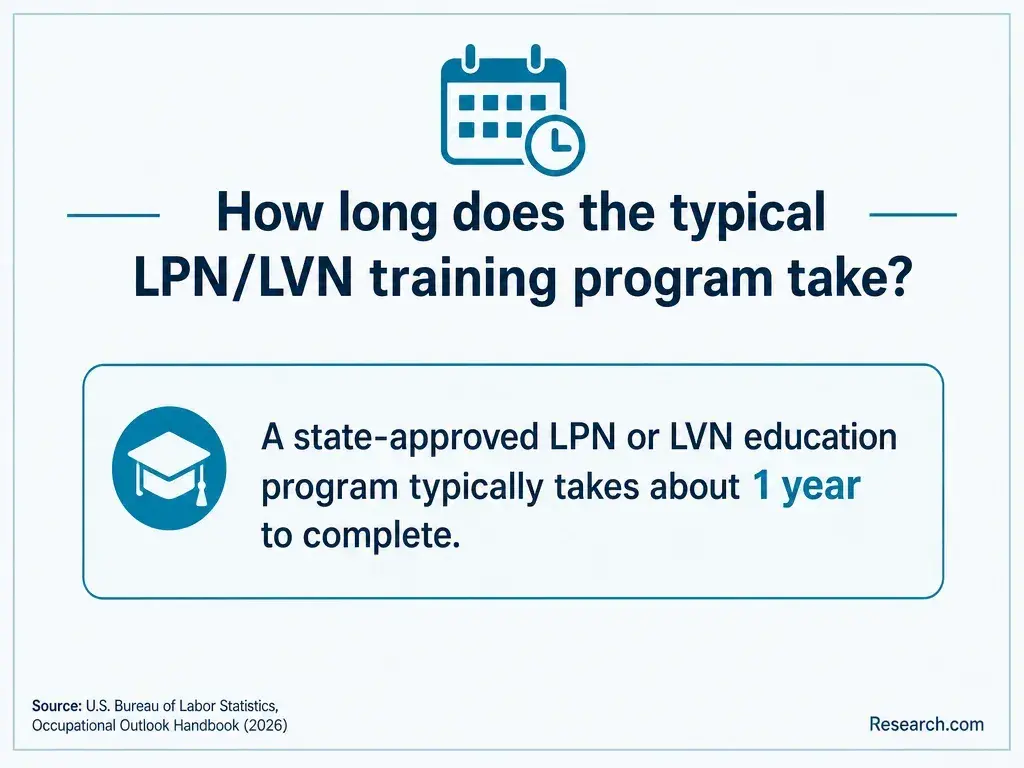
Students who want to begin their nursing career as a licensed practical nurse can look into shorter practical nursing study pathways.
How does the nurse provide effective patient education?
Effective education starts with the patient's immediate goal and ability to use the information. A nurse assesses prior knowledge, preferred language, sensory or cognitive needs, pain and fatigue, and whether the patient can safely practice the task. Teaching should match the nurse's scope and the care plan, especially when instructions depend on a clinician's diagnosis or treatment decision.
For a new home-care task, the nurse can explain one or two essential points in plain language, demonstrate the task when appropriate, then invite the patient to show or describe how they will do it. A useful teach-back prompt is, "I want to make sure I explained this clearly. How will you do this when you get home?" If the response reveals a gap, the nurse changes the explanation and checks again. Teach-back evaluates the communication, not the patient's intelligence.
Document the topic, the patient's response, any demonstration or teach-back, barriers addressed, and the follow-up plan. A handout or patient-portal message can reinforce teaching, but neither establishes that the patient can carry out a task. Involve a caregiver only with appropriate patient permission and attention to privacy.
Nurse practitioners who want to shift to non-bedside tasks can look into post-master's DNP programs for non-bedside goals.
There is no single US rule that makes every consent discussion solely a physician's task or forbids a nurse from obtaining consent for every service. Responsibilities vary with state law, professional scope, the procedure, organizational policy, and the authority of the clinician involved. Nurses may obtain consent for some nursing interventions within scope, while consent for surgery or another clinician-directed procedure typically requires that clinician's substantive discussion.
A nurse should not supply an individualized risk comparison beyond their competence, persuade a hesitant patient to sign, use a signature as a workaround for an unanswered question, or proceed merely because a form is in the chart. A patient may decline an intervention or withdraw consent; the nurse should communicate that decision promptly and follow applicable safety and documentation procedures. Emergency exceptions, surrogate decisions, and requirements for minors are legally specific - follow policy and seek clinical or legal guidance rather than assuming an exception applies.
Ethically, respect for autonomy includes making room for a decision the team would not choose. It also requires accessible communication: relying on a family member instead of a qualified interpreter can compromise both understanding and voluntariness when qualified language services are needed.
Nurses with an MSN who wish to practice as NPs should look into accessible nursing practice doctorate pathways.
Understanding and decision-making capacity are related but different. A nurse can check whether an explanation was communicated effectively by asking a patient to describe the proposed care in their own words. Capacity concerns whether the patient can make the particular decision at that time: generally, whether they can communicate a choice, understand relevant information, appreciate how it applies to them, and reason about options. A capacity assessment may require the responsible clinician or another qualified professional under local policy.
A disagreement with the care team, limited literacy, a disability, or the use of an interpreter does not by itself establish incapacity. Capacity may fluctuate, and a person may be able to make one decision but not another. If confusion, sedation, severe distress, or inconsistent answers raise concern, address reversible communication barriers where possible and escalate before relying on the consent. Record observations - such as the patient's words and changes in alertness - rather than assigning a legal label beyond the nurse's role.
General guides to admission requirements beyond TEAS and HESI address a different, largely prelicensure question.
Patient education is a foundational nursing responsibility, not a reason by itself to pursue a graduate degree. Prelicensure associate degree and BSN programs both prepare students for entry-level RN practice, including communication, patient teaching, and supervised clinical judgment. A BSN may add broader population-health or leadership study, but neither degree alone grants an RN license; graduates must meet their state board's requirements, including the applicable NCLEX examination.
For a student with a prior non-nursing bachelor's degree, an accelerated BSN may be an option if prerequisites and the program's clinical schedule fit. Understanding ABSN admission barriers can help frame questions, but the school must confirm course equivalencies, admission criteria, and clinical attendance requirements. An existing RN who wants stronger teaching skills can often start with employer training, preceptorship, or continuing education rather than another degree.
Graduate study makes more sense when the target job requires it - for example, some nurse educator positions or an advanced practice role with a different scope of responsibility. Compare the actual role requirements before choosing a pathway; an education-focused MSN is not an NP qualification.
Programs commonly introduce consent through ethics, professional practice, and clinical courses, then test its application in case discussions, simulation, and supervised placements. Students may practice noticing an unanswered question, using an interpreter workflow, or stopping a simulated preprocedure sequence. Patient education is also practiced through care plans, medication or discharge teaching, demonstrations, and feedback from faculty and preceptors.
For a student choosing a program or clinical placement, the useful question is not simply whether "consent" appears in a syllabus. Ask how instructors observe communication, assess teach-back and documentation, and coach students who must escalate a concern. Simulation can prepare a student to recognize the problem; supervised encounters and employer orientation are still needed to develop reliable performance in practice.
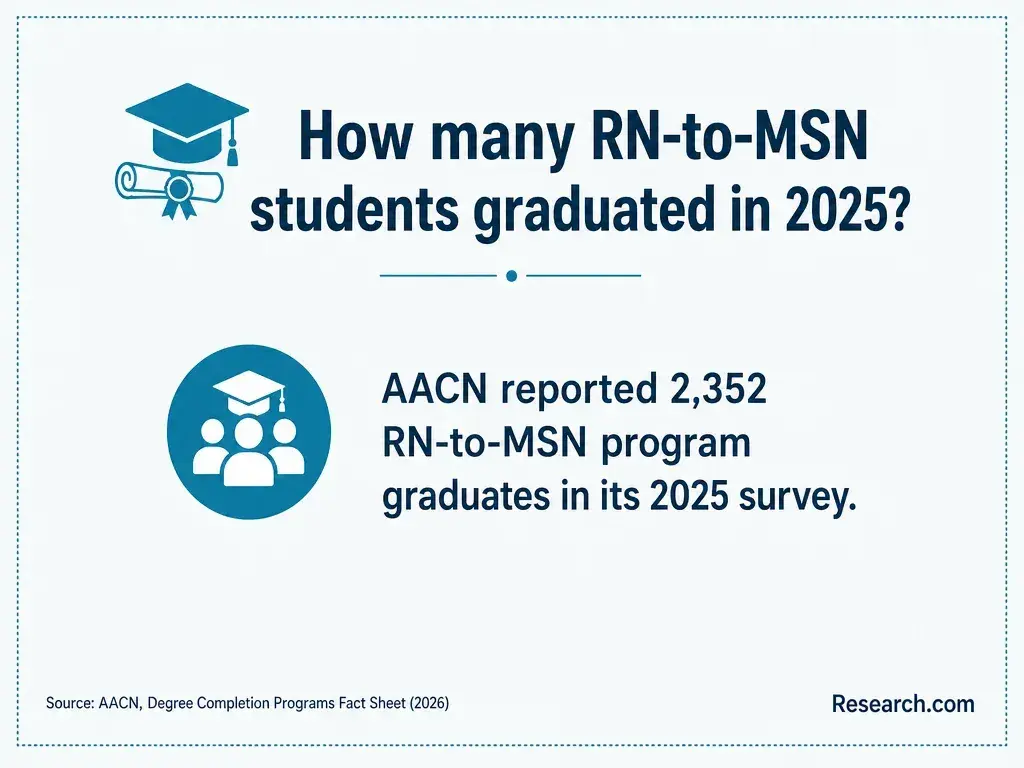
Licensed RNs considering ADN-to-MSN education pathways should check how a particular curriculum develops teaching skills and what clinical experiences it requires, rather than assuming a bridge format provides more consent preparation than another approved route.
For initial RN practice, verify that a program meets the relevant state board of nursing's educational requirements for licensure eligibility. Also check the institution's accreditation and the nursing program's accreditation, where applicable; ACEN and CCNE are examples of nursing program accreditors. These are different checks: institutional accreditation does not establish state board approval, and program accreditation does not itself issue a license.
Before enrolling, ask the program and the board in the state where you plan to seek licensure whether the exact degree, campus or online format, and clinical arrangement meet applicable requirements. For an online program, confirm where clinical experiences may occur. Graduation, NCLEX eligibility, passing an exam, licensure, and employer competency validation are separate steps.
This distinction matters especially when evaluating advanced degrees. A guide to DNP programs without traditional clinicals may be relevant to an already-licensed nurse's leadership or education goal, but a non-APRN DNP should not be mistaken for initial RN preparation or population-specific advanced practice training.
These skills matter wherever nurses help patients make decisions and carry out care. Bedside and perioperative RNs encounter procedure-related questions and pre- or postoperative teaching. Ambulatory, home health, school, and community health nurses may spend more of an encounter on medication use, prevention, or self-management. Nurse educators and professional development specialists teach staff how to communicate, document, and escalate consent concerns.
The balance of duties changes with the role. A new RN should expect supervised application and unit-specific orientation - not independent authority to answer every procedure-risk question. An experienced RN considering an NP role would need the appropriate population-focused graduate preparation, certification, and state authorization; comparing affordable online nurse practitioner programs is only useful after confirming that the target role, clinical placement, and licensure pathway fit. Advanced preparation changes the clinician's responsibilities, but it does not remove the need for patient-centered communication.
How do patient education responsibilities affect nursing salaries and job outlook?
Patient education is generally part of an RN's job, not a separately paid credential. Pay is more directly affected by occupation, location, employer, experience, shift, and specialty responsibilities. US Bureau of Labor Statistics wage and employment projections describe whole occupations; they do not isolate a salary premium for teach-back skill or predict an individual graduate's offer.
If education-heavy work is your goal, compare actual postings for the setting and role you want. A bedside RN position, a community health role, and a faculty job can differ substantially in schedule, qualifications, and compensation even though all involve teaching. Before paying for further education, check whether local employers require a new degree or would value documented teaching experience and targeted training. For RNs considering graduate study, BSN-to-MSN tuition comparisons are a starting point for cost research, not evidence that the degree will produce a raise.
Other Things You Should Know About Nursing
No. Treatment consent and research participation are distinct processes. Research also has its own review, disclosure, and documentation requirements; nurses should follow the approved study protocol and institutional procedures.
Not by itself. An electronic form can document a decision, but the patient still needs the applicable information, an opportunity to ask questions, and a voluntary choice.
Often, but not automatically. Follow the patient's preferences, applicable privacy rules, and facility policy before sharing information or involving a relative in teaching.
No. An advance directive may guide care when its conditions apply, but it does not replace asking a patient who can currently decide about a proposed intervention.
- Use and Effectiveness of the Teach-Back Method in Patient Education and Health Outcomes - PMC https://pmc.ncbi.nlm.nih.gov/articles/PMC6590951/
- The nurse's role in the informed consent process | PubMed https://pubmed.ncbi.nlm.nih.gov/10222511/
- Informed Consent - StatPearls - NCBI Bookshelf - NIH https://www.ncbi.nlm.nih.gov/books/NBK430827/
- Use the Teach-Back Method: Tool 5 | Agency for Healthcare Research and Quality https://www.ahrq.gov/health-literacy/improve/precautions/tool5.html
- Informed Consent | UW Department of Bioethics & Humanities | RAISE http://depts.washington.edu/bhdept/ethics-medicine/bioethics-topics/articles/informed-consent
- Legal Implications of Nursing Documentation | NSUWorks https://nsuworks.nova.edu/fdla-journal/vol8/iss1/4/
- Ethics Opinion: Informed Consent - AMA Code of Medical Ethics https://code-medical-ethics.ama-assn.org/ethics-opinions/informed-consent
- How Do I Determine if My Patient has Decision-Making Capacity? - The Hospitalist https://www.the-hospitalist.org/hospitalist/article/124731/how-do-i-determine-if-my-patient-has-decision-making-capacity/
- Addressing Low Health Literacy and Limited English Proficiency | aap.org https://www.aap.org/en/practice-management/providing-patient--and-family-centered-care/addressing-low-health-literacy-and-limited-english-proficiency/
- Informed consent for nursing care - ANA Ethics Board | American Nurse https://www.myamericannurse.com/informed-consent-for-nursing-care/