2027 What Prerequisites Do You Need for a Healthcare Administration Master's Degree? Entry Requirements, Credits & Eligibility Rules

Co-Founder and Chief Data Scientist
Applying to a healthcare administration master's program is less about finding one universal checklist and more about matching your background to each school's admissions model. Some programs are designed for working healthcare professionals, while others welcome recent graduates, career changers, or applicants from business, policy, nursing, public health, and other fields. The challenge is knowing which requirements are firm, which can be waived, and which gaps you can fix before enrollment.
Interest in this pathway has increased. According to the National Center for Education Statistics, enrollment in healthcare administration graduate programs has grown by 15% over the last five years, reflecting rising demand for qualified administrators. That growth also means applicants need to be more deliberate: transcripts, prerequisite courses, GPA, work experience, test scores, and international credential reviews can all affect admission timing.
This guide explains the common prerequisites for a healthcare administration master's degree, including expected academic backgrounds, GPA standards, entrance exam policies, foundational coursework, application materials, professional experience, interviews, research expectations, and international credential evaluation. Use it to identify likely gaps early, compare programs more effectively, and avoid avoidable delays.
Key Things to Know About the Prerequisites for a Healthcare Administration Master's Degree
- Most programs require a bachelor's degree in healthcare, business, or related fields, with a minimum GPA commonly around 3.0, alongside official transcripts and letters of recommendation.
- Prerequisites vary widely by institution and specialization, so reviewing specific program requirements early ensures eligibility and guides preparation for required coursework or exams.
- Transferable graduate-level credits and relevant work experience may influence admission decisions, but applicants must also meet documentation and technical skill standards unique to healthcare administration.
What Academic Background Is Expected for Admission to a Healthcare Administration Master's Program?
Most healthcare administration master's programs require a completed bachelor's degree, but they do not always require that degree to be in healthcare administration. Admissions committees usually look for evidence that you can handle graduate-level work in management, finance, policy, data analysis, and healthcare systems. A healthcare-related major can help, but it is not the only acceptable route.
Applicants commonly come from healthcare administration, public health, business administration, nursing, social sciences, or health sciences. Some programs also consider candidates with undergraduate majors such as finance, economics, psychology, or other fields when the application shows relevant experience, strong academic preparation, or completion of prerequisite coursework.
- Healthcare and health sciences backgrounds: These applicants often have the clearest academic fit because they may already understand healthcare delivery, terminology, patient care settings, or public health systems.
- Business and management backgrounds: Business administration, finance, accounting, economics, and management majors may be strong candidates if they can connect their quantitative and organizational skills to healthcare operations.
- Nursing and clinical backgrounds: Nurses and allied health professionals often bring practical insight into patient care, staffing, compliance, and workflow challenges, which can be valuable in administration programs.
- Social science and psychology backgrounds: These applicants may be competitive when they show preparation in research, communication, policy, organizational behavior, or population health.
- Applicants with limited healthcare coursework: Some schools may require foundational courses in healthcare systems, health policy, or statistics before enrollment or during the first part of the program.
According to the Council on Education for Public Health (CEPH), over 70% of accredited programs show flexibility in undergraduate major requirements, supporting an inclusive admissions landscape. Flexibility, however, does not mean automatic admission. If your degree is outside healthcare, your statement of purpose, resume, recommendations, and prerequisite plan need to explain why you are prepared for the field.
Before applying, compare each program's transcript requirements carefully. If you need additional healthcare exposure, completing relevant coursework, volunteering, or earning a career-focused credential such as medical assistant certification may help demonstrate commitment and familiarity with healthcare environments.
Is a Minimum GPA Required for a Healthcare Administration Master's Degree?
Yes, many healthcare administration master's programs use a minimum GPA as an initial indicator of academic readiness. A common benchmark is a 3.0 on a 4.0 scale, although more selective programs may expect stronger academic records. Highly ranked healthcare administration master's degree programs often expect GPAs above 3.3, especially when applicant pools are competitive.
GPA matters because graduate coursework often includes finance, analytics, law, policy, leadership, and strategic management. Schools want evidence that applicants can complete demanding reading, writing, quantitative assignments, and applied projects. At the same time, many programs use holistic review rather than relying on GPA alone.
- Standard minimums: Most programs require a minimum GPA around 3.0. This threshold is often used to screen for basic academic readiness.
- Competitive expectations: Programs with selective admissions may view a GPA above 3.3 as more competitive, particularly if the applicant has limited professional experience.
- Conditional admission: Some schools may admit applicants who narrowly miss the GPA cutoff on a conditional or probationary basis. These students may need to earn specified grades in early graduate courses.
- Lower GPA applicants: A lower GPA is not always disqualifying. Relevant healthcare work, leadership experience, strong recommendations, a focused statement of purpose, recent graduate coursework, or strong test scores may help offset earlier academic weakness.
- Transcript trends: Admissions committees may consider whether grades improved over time, whether difficult prerequisite courses were completed successfully, and whether the applicant performed well in upper-division coursework.
The U.S. Bureau of Labor Statistics projects a 28% growth in employment for medical and health services managers from 2021 to 2031, underscoring the increasing demand for qualified professionals. That demand does not eliminate admissions standards, but it does explain why many schools evaluate applicants with a broader view of readiness, especially candidates who already have healthcare or management experience.
If your GPA is below a program's stated minimum, contact admissions before applying. Ask whether the school considers conditional admission, recent prerequisite grades, graduate certificates, or professional experience. Applicants comparing flexible and cost-conscious pathways can also review online healthcare administration programs as part of their program search.
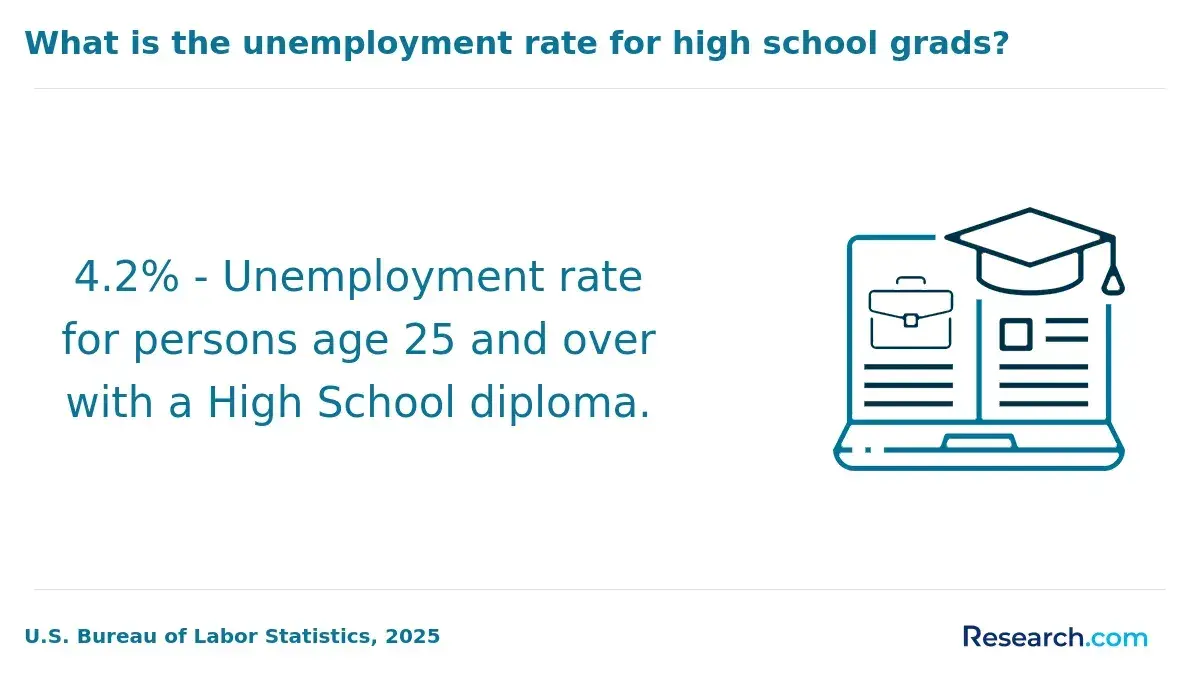
Are GRE, GMAT, or Other Graduate Entrance Exams Required?
GRE and GMAT requirements vary widely by healthcare administration master's program. Some schools still require scores, some make them optional, and others waive them for applicants with strong GPAs, relevant professional experience, or prior graduate coursework. More than 40% of programs now offer exam waivers contingent on relevant professional experience or prior academic achievements.
The key is to treat testing policy as a program-by-program requirement rather than assuming one rule applies everywhere. A test-optional policy can help applicants with strong work experience, but strong scores may still strengthen an application when the rest of the profile is uneven.
- Academic and research-focused programs: These programs may require GRE or GMAT scores to evaluate quantitative reasoning, analytical writing, and readiness for research-intensive coursework.
- Professional master's programs: Many professional or executive-style programs place more weight on work experience, leadership, undergraduate performance, and career goals than on standardized tests.
- Waiver eligibility: Applicants may qualify for a waiver based on GPA, years of professional experience, previous graduate study, or other evidence of academic readiness. Requirements differ by school.
- Optional does not always mean irrelevant: If your GPA is below the usual benchmark or your undergraduate background lacks quantitative coursework, submitting a strong score may help address concerns.
- Timing matters: If a program may require scores and you are close to an application deadline, confirm the policy early. Testing, score reporting, and waiver review can take time.
When requesting a waiver, do more than ask whether one is available. Provide concise evidence: your GPA, relevant job responsibilities, leadership scope, quantitative experience, prior graduate credits, or professional credentials. If the waiver is denied, ask whether scores must be submitted by the application deadline or before enrollment.
A healthcare administration master's graduate shared that while his program initially listed the GRE as a requirement, his substantial managerial experience allowed him to secure a waiver, which eased early application stress. He valued this flexibility but also stressed the importance of solid preparation for those without extensive healthcare backgrounds, noting, "Knowing the test wasn't mandatory relieved pressure, but I still studied to keep options open." His experience illustrates a useful strategy: verify each program's policy, but keep alternative options open until you know whether a waiver is approved.
What Foundational Undergraduate Courses Must Be Completed Before Enrollment?
Healthcare administration master's programs often expect applicants to have baseline preparation in healthcare systems, statistics, economics, finance, and management. These courses help students enter graduate study ready to analyze organizations, budgets, policies, quality measures, and operational problems.
Not every program lists the same prerequisites. Some require courses before admission, some require them before enrollment, and others allow students to complete bridge or leveling courses during the first term. The difference matters because missing prerequisites can delay your start date, increase costs, or limit which courses you can take first.
| Common prerequisite area | Why it matters in healthcare administration |
| Introductory healthcare or health policy | Provides context for healthcare delivery, regulation, payer systems, access issues, and policy debates. |
| Statistics or quantitative methods | Prepares students to interpret data, evaluate outcomes, review quality measures, and support evidence-based decisions. |
| Economics or health economics | Builds understanding of costs, incentives, resource allocation, insurance, and market forces in healthcare. |
| Accounting or financial management basics | Supports budgeting, financial reporting, reimbursement analysis, and organizational planning. |
| Principles of management or organizational behavior | Introduces leadership, team dynamics, organizational structure, decision-making, and change management. |
If you are missing one or more prerequisites, ask admissions how the school handles deficiencies. A program may allow transfer credits, approve equivalent undergraduate courses, offer noncredit modules, or require graduate-level foundation courses. Do not assume that a similar course title will automatically count; course descriptions, credit hours, and grades may all be reviewed.
Early transcript evaluation is one of the most practical steps you can take. Send unofficial transcripts to admissions when allowed, ask which prerequisites are missing, and confirm whether you must complete them before applying or before enrollment. Students comparing healthcare-related education costs may also find context by reviewing resources such as cheapest RN to BSN online programs, especially if they are weighing multiple paths into healthcare leadership.
Can Applicants from Unrelated Fields Apply to a Healthcare Administration Master's Program?
Yes. Applicants from unrelated fields can apply to many healthcare administration master's programs, but they need to show academic readiness and a credible reason for entering healthcare leadership. Admissions committees are often open to career changers because healthcare organizations need people with skills in operations, finance, communication, technology, policy, and people management.
Up to 40% of students in certain programs come from non-healthcare fields, showing a trend toward interdisciplinary admission. Still, applicants from outside healthcare should not rely on general interest alone. They need to demonstrate that they understand the field and can succeed in graduate-level healthcare coursework.
- Complete missing prerequisites: Candidates may need coursework in healthcare systems, health policy, statistics, economics, or management. Some schools offer bridge programs or preparatory courses.
- Translate prior experience: Business, education, public service, nonprofit, military, technology, communications, and humanities backgrounds can be relevant when applicants connect them to healthcare administration responsibilities.
- Build healthcare exposure: Volunteer work, internships, shadowing, entry-level healthcare roles, policy projects, or administrative support roles can help show informed commitment.
- Use the statement of purpose strategically: Explain why healthcare administration is the next logical step, what problem you want to help solve, and how the program fits your goals.
- Choose recommenders carefully: Strong letters should speak to leadership, analytical ability, maturity, communication, and readiness for graduate study.
A common mistake is writing an application that says, in effect, "I want to help people." That motivation may be sincere, but healthcare administration programs are preparing leaders to manage systems, budgets, staff, compliance, quality improvement, and strategy. Career changers should connect their past experience to those responsibilities.
A graduate who transitioned from a marketing background described the process as initially intimidating. "I wasn't sure if my skills would translate," they said, noting the challenge of meeting prerequisites while balancing work. Enrolling in a bridge program made the shift more manageable: "The preparatory classes filled the gaps and boosted my confidence. Having supportive faculty who understood my non-traditional path was crucial." Their experience shows that an unrelated major can be overcome when the applicant has a clear plan to close knowledge gaps.
What Application Materials Are Required for Admission?
Most healthcare administration master's applications require transcripts, a resume or curriculum vitae, a statement of purpose, letters of recommendation, and sometimes test scores, writing samples, or an interview. The strongest applications do not simply submit these items; they make the materials work together to show a coherent case for admission.
About 70% of applicants highlight previous involvement in healthcare or related sectors, underscoring the value of relevant backgrounds. If you do not have direct healthcare experience, your materials should clearly explain your transferable skills and how you have prepared for the transition.
- Official transcripts: Schools use transcripts to verify degree completion, GPA, prerequisite coursework, course rigor, and academic trends.
- Statement of purpose: This essay should explain why you want to study healthcare administration, what career direction you are pursuing, and why the specific program fits your goals. Avoid generic statements that could apply to any school.
- Letters of recommendation: Choose recommenders who can discuss your leadership, judgment, communication, analytical ability, and readiness for graduate work. Supervisors, faculty members, or healthcare professionals are often stronger choices than personal references.
- Resume or curriculum vitae: Highlight healthcare roles, administrative responsibilities, leadership, budgeting, project management, data analysis, compliance work, volunteer experience, internships, and relevant certifications.
- Writing samples: Some programs request a writing sample to evaluate reasoning, organization, and communication skills. Select work that demonstrates analysis rather than description alone.
- Test scores or waiver documentation: If GRE or GMAT scores are required or optional, follow the program's instructions. If you request a waiver, provide the required evidence by the stated deadline.
- International documents: International applicants may need credential evaluations, certified translations, and proof of English proficiency, depending on the school's policy.
Before submitting, check every requirement against the program's admissions page. Missing transcripts, unsigned recommendations, incomplete waiver requests, or vague essays can slow review. A practical final step is to read your application as if you were on the admissions committee and ask: Does this file clearly show that I understand healthcare administration and can succeed in this program?
Breakdown of All Fully Online Title IV Institutions

How Important Is Professional Experience for Admission?
Professional experience can be very important, especially for executive, part-time, online, or practice-focused healthcare administration master's programs. According to the Association of University Programs in Health Administration (AUPHA), over 70% of these programs either require or prefer applicants with healthcare-related work experience.
Experience helps admissions committees see how you handle real organizational problems. It also gives you examples to discuss in essays, interviews, and classroom projects. However, professional experience is not weighed the same way in every program. Some programs are built for early-career students, while others expect applicants to already hold supervisory, clinical, administrative, policy, or operational roles.
- Programs that require or prefer experience: Executive or professional formats may expect applicants to have experience in hospital management, health services coordination, insurance administration, policy development, clinical operations, or team leadership.
- Programs where experience is optional: Research-focused or traditional academic programs may place more emphasis on GPA, prerequisite coursework, research preparation, and academic potential.
- Direct healthcare experience: Work in hospitals, clinics, public health agencies, long-term care, insurance, healthcare technology, or health policy can strengthen an application.
- Transferable professional experience: Applicants without healthcare roles can highlight project management, budgeting, supervision, data analysis, process improvement, customer service, compliance, or operations experience.
- Leadership evidence: Admissions committees often value examples of managing teams, improving workflows, handling conflict, coordinating stakeholders, or making decisions under pressure.
If your professional background is limited, look for ways to build exposure before applying. Volunteer in a healthcare setting, seek administrative responsibilities in your current role, complete a relevant internship, or take coursework that involves healthcare case studies. For those considering clinical entry routes before later moving into administration, the shortest LPN program may offer useful context on healthcare workforce pathways.
When describing experience, avoid listing duties only. Focus on impact: what problem you addressed, who was affected, what skills you used, and what you learned about healthcare organizations or leadership.
Is an Interview Part of the Admissions Process?
An interview may be part of the admissions process, but it is not universal. About 40% of programs include interviews, which can be conducted virtually, by phone, or in person. Interviews are commonly used to evaluate communication skills, motivation, professionalism, leadership potential, and fit with the program.
If you are invited to interview, treat it as a serious admissions component rather than a formality. A strong interview can clarify a nontraditional background, explain a lower GPA, strengthen a waiver request, or show that your career goals match the program's design.
- Know the format: Confirm whether the interview is virtual, by phone, individual, panel-based, or group-based. Prepare your setting, technology, and materials in advance.
- Prepare your core story: Be ready to explain why healthcare administration, why this program, why now, and how your background has prepared you.
- Use specific examples: Discuss leadership, problem-solving, teamwork, ethical judgment, data use, or process improvement through concrete situations rather than broad claims.
- Address gaps honestly: If you lack healthcare experience or certain prerequisites, explain how you are closing those gaps and why you are prepared to succeed.
- Show program knowledge: Refer to curriculum features, format, faculty interests, practicum options, or career outcomes when relevant. Avoid answers that sound interchangeable across schools.
- Ask useful questions: Ask about prerequisite completion, practicum expectations, career support, cohort profile, faculty access, or how students from your background typically succeed.
Professionalism matters even in virtual interviews. Choose a quiet location, test your camera and audio, dress appropriately, and keep answers focused. Recent graduates and career changers may also want to clarify whether additional undergraduate preparation would help; in some cases, a fast track bachelor's degree may be relevant for students still completing foundational education before graduate study.
What Research Experience Is Expected for Thesis-Based Programs?
Thesis-based healthcare administration master's programs usually expect stronger research preparation than non-thesis or practice-focused tracks. Applicants do not always need publications, but they should be able to show readiness for independent inquiry, data analysis, literature review, and sustained academic writing.
Research preparation is especially important if you plan to study healthcare policy, quality improvement, population health, health economics, organizational performance, or health services outcomes. Admissions committees want to know that you can define a research question, use appropriate methods, interpret evidence carefully, and work with faculty guidance.
- Prior research experience: Undergraduate research projects, capstone papers, honors theses, internships, data analysis roles, or research assistant experience can all support a thesis-track application.
- Methods coursework: Statistics, research methods, program evaluation, epidemiology, economics, or quantitative methods courses can help show preparation for thesis work.
- Publications and presentations: Publications, conference presentations, poster sessions, or formal research reports can strengthen an application, although they are not always mandatory.
- Faculty alignment: Contacting potential advisors before applying can be useful when your interests match their work. Keep outreach concise and specific.
- Writing ability: Thesis programs require clear academic writing. A strong writing sample can help demonstrate your ability to build an argument, use evidence, and communicate complex ideas.
- Difference from non-thesis tracks: Non-thesis options generally place more emphasis on applied projects, professional experience, and coursework rather than independent research.
If your research experience is limited, do not overstate it. Instead, show readiness through related coursework, analytical work experience, a well-defined area of interest, and a willingness to build methodological skills. A focused application is stronger than a vague claim of wanting to research "healthcare leadership" without naming a problem, population, setting, or policy issue.
How Are International Academic Credentials Evaluated?
International applicants usually need their academic records evaluated so U.S. institutions can understand degree equivalency, grading, credit levels, and course content. Credential evaluation helps admissions committees compare applicants fairly when transcripts come from different educational systems.
Requirements vary by school. Some universities conduct internal reviews, while others require reports from approved credential evaluation services. International applicants should confirm the exact type of evaluation required before ordering a report because schools may specify a course-by-course evaluation rather than a general evaluation.
- Credential evaluation services: These services review foreign transcripts, degrees, grades, and academic systems. Some reports compare coursework to U.S. curricula and convert grades to a U.S.-style scale.
- Required documentation: Applicants may need official transcripts, diplomas, degree certificates, course descriptions, syllabi, and certified English translations.
- Translation standards: If documents are not in English, schools may require certified or notarized translations. Do not submit informal translations unless the program explicitly allows them.
- Grading equivalencies: Because grading systems differ by country, the evaluation may convert grades into a format the admissions committee can interpret alongside domestic applicants.
- Evaluation timelines: Processing typically takes two to six weeks but may extend during busy application seasons. Submit documents early to avoid missing priority or final deadlines.
- Program-specific rules: Some schools require evaluations only after admission, while others require them before the application is reviewed. Always follow the target program's instructions.
International applicants should also check whether the program requires proof of English proficiency, visa documentation, financial certification, or additional transcript verification. Credential issues are one of the most common avoidable sources of delay, so begin this step well before the application deadline.
What Graduates Say About the Prerequisites for Their Healthcare Administration Master's Degree
- Grace: "Entering the healthcare administration master's program was a strategic move for me after realizing the growing demand for skilled leaders in the healthcare sector. The program cost was reasonable compared to similar degrees, and it felt worth every penny given the career boost I received. Since graduating, I've secured a leadership role with a significant salary increase, proving that this investment directly paid off."
- Judith: "The decision to pursue a master's in healthcare administration came after careful consideration of my career goals and the average program costs, which I found to be manageable through scholarships and part-time work. Reflecting on my journey, the degree not only expanded my knowledge but also opened doors to positions I previously thought were out of reach. The salary growth has been steady, affirming the value of the education I received."
- Ron: "As a professional already in the healthcare field, joining the healthcare administration master's program was a calculated step to elevate my career and increase my earning potential. While the tuition was an investment, the program's focus on real-world applications and leadership prepared me well for complex challenges. Today, my enhanced skills have translated into a promotion and a notable salary raise, validating the effort and cost involved."
Other Things You Should Know About Healthcare Administration Degrees
Some healthcare administration master's programs may consider relevant work experience as a partial substitute for formal academic prerequisites, especially for applicants with nontraditional backgrounds. However, this varies by institution and is generally limited to experience directly related to healthcare settings or management roles. Applicants should verify each program's policy on experience substituting coursework before applying.
Many healthcare administration programs expect students to have basic proficiency in office software such as word processing, spreadsheets, and presentation tools. Familiarity with electronic health records (EHR) systems and data analysis software can be advantageous but is typically taught during the program. Some schools may provide preparatory resources or recommend online courses to build these technical skills prior to enrollment.
Many programs do not require healthcare job experience, but some prefer 1 to 3 years in a health, business, or public service role. Admission committees may also accept relevant internships, military service, or supervisory experience as evidence of readiness for graduate study.
Some programs may require GRE or GMAT scores for admission into healthcare administration master's degrees. It's essential to check with the specific institution for their test requirements, as not all programs mandate standardized exams. Verification with each school is crucial for 2027 admissions.
References
- Can I Obtain a Healthcare Management Graduate Degree if My Bachelor’s Is In an Unrelated Field? - Healthcare Management Degree Guide https://www.healthcare-management-degree.net/faq/can-i-obtain-a-healthcare-management-graduate-degree-if-my-bachelors-is-in-an-unrelated-field/
- Master of Health Administration Admissions | Icahn School of Medicine https://icahn.mssm.edu/education/admissions/graduate-education/ms-healthcare-administration
- 6 Key Benefits of a Masters in Health Care Management | UNF https://www.unfc.ca/blog/6-benefits-of-a-masters-in-health-care-management
- Master of Healthcare Administration (M.H.A.) Major in Healthcare Administration (Non-thesis Option) https://mycatalog.txstate.edu/graduate/health-professions/administration/mha/
- MHA https://www.publichealthdegrees.org/program/masters/mha/
- Master’s in Healthcare Administration (MHA) Programs https://nursinglicensemap.com/resources/healthcare-degree-programs/masters-in-healthcare-administration/
- MHA in Health Administration https://catalog.missouri.edu/collegeofhealthsciences/healthadministration/mha-health-administration/
- Can I Get a Graduate Degree in Healthcare Administration if My Undergraduate Degree is Totally Unrelated? - DegreeQuery.com https://www.degreequery.com/health-care-degrees/graduate-degree-healthcare-administration-with-unrelated-undergraduate-degree/
- Master of Science in Public Health in Health Policy Research (thesis-based) https://www.ualberta.ca/en/graduate-programs/master-of-science-in-public-health-in-health-policy-research-thesis-based.html
- Master of Science in Health Care Administration (Traditional) https://www.csulb.edu/college-of-health-human-services/health-care-management/master-of-science-health-care