2027 Different Types of Healthcare Administration Master's Degrees: Specializations, Careers, and Salaries

Co-Founder and Chief Data Scientist
The main decision is not simply whether to earn a graduate degree in healthcare administration. It is which type of master’s degree fits the role you want, the time you can commit, and the financial return you expect. A student aiming for hospital operations leadership may need a different program than someone interested in health informatics, public health policy, senior care administration, or healthcare finance.
Demand is one reason the choice matters. The Bureau of Labor Statistics projects a 28% growth in healthcare management jobs from 2020 to 2030, which points to continued need for administrators who can manage budgets, staff, technology, compliance, and patient-centered services. At the same time, 65% of current healthcare administrators report preferring online master’s programs for flexibility and career advancement, making format and credibility important parts of the decision.
This guide explains the major types of healthcare administration master’s degrees, common specializations, program length, accelerated and online options, cost factors, job outcomes, salary considerations, and the key questions to ask before enrolling.
Key Points About the Different Types of Healthcare Administration Master's Degrees
- Many online healthcare administration master's degree programs offer streamlined admissions, often requiring only a bachelor's degree and minimal standardized testing, aiding candidates with diverse educational backgrounds.
- Flexible online formats accommodate working professionals, with asynchronous courses growing 25% annually, enabling balanced study without sacrificing job or personal responsibilities.
- Graduates enjoy strong earning potential, with median salaries exceeding $100,000 annually, driven by increasing demand for skilled healthcare administrators amid industry expansion.
What Are the Different Types of Healthcare Administration Master's Degrees Available?
Healthcare administration master’s degrees can lead to similar management careers, but they do not all emphasize the same skills. Some are built around business leadership, some around data and operations, and others around public health, policy, education, or research. The best choice depends on whether you want to manage healthcare organizations, analyze systems, shape policy, train healthcare workers, or work across population health programs.
| Degree Type | Primary Focus | Best Fit |
| MA (Master of Arts) | Healthcare systems, policy, ethics, communication, and social science perspectives | Students interested in policy analysis, advocacy, administration, or roles that require strong writing and critical analysis |
| MS (Master of Science) | Quantitative analysis, research, informatics, operations, and evidence-based decision-making | Students who want technical, analytical, or data-informed healthcare management roles |
| MBA (Master of Business Administration) | Leadership, finance, strategy, marketing, accounting, and organizational management in healthcare settings | Professionals targeting executive, operational, consulting, or finance-oriented roles in healthcare organizations |
| MEd (Master of Education) | Teaching, curriculum design, workforce development, training, and educational leadership | Healthcare professionals who want to design training programs, lead staff development, or work in healthcare education |
| MPH (Master of Public Health) | Population health, epidemiology, prevention, health policy, and community-based programs | Students interested in public health agencies, nonprofit health programs, policy implementation, or population health management |
The degree title matters less than the curriculum, accreditation, faculty expertise, practicum requirements, and employer reputation of the program. For example, an MBA with a healthcare concentration may be stronger for finance or executive leadership, while an MPH may be a better match for public health administration. A student who wants to work with clinical data, compliance, or digital health tools may prefer an MS-style program with health informatics coursework.
If you are still comparing healthcare fields broadly, related options such as online pharmacy degree programs can also help you understand how administrative, clinical, and technical pathways differ across the healthcare industry.
What Specializations Are Available in Healthcare Administration Master's Degrees?
Specializations help turn a general healthcare administration degree into a clearer career signal. They show employers the types of problems you are prepared to solve, such as managing revenue cycles, improving patient safety, overseeing information systems, or leading senior care organizations. The U.S. Bureau of Labor Statistics projects a 32% employment growth for medical and health services managers from 2021 to 2031, so choosing a concentration that matches a growing area of healthcare can strengthen your job search.
Common healthcare administration master’s degree specializations include:
- Health Informatics: Focuses on healthcare data, electronic health records, analytics, privacy, reporting systems, and the use of technology to improve care delivery. This is a strong option for students who like systems, data, and cross-functional work with clinical and IT teams.
- Healthcare Policy and Management: Covers regulation, organizational leadership, health law, strategic planning, and policy implementation. It fits students who want to work in hospitals, government, advocacy organizations, consulting, or system-level leadership.
- Financial Management in Healthcare: Emphasizes budgeting, reimbursement, revenue cycle management, financial reporting, cost control, and resource allocation. This track is practical for students targeting finance manager, operations manager, or executive-track roles.
- Quality Improvement and Patient Safety: Trains students to evaluate clinical processes, reduce errors, strengthen compliance, analyze outcomes, and support accreditation or performance improvement initiatives. It is especially useful in hospitals, clinics, and integrated health systems.
- Long-term and Senior Care Administration: Prepares students to manage nursing homes, assisted living facilities, rehabilitation centers, and services for aging populations. Students should review state requirements carefully because some senior care leadership roles may involve separate licensure expectations.
When comparing specializations, look beyond the title. Review the actual courses, practicum sites, faculty experience, and career outcomes. A program that advertises “healthcare leadership” may be broad, while one with courses in reimbursement, analytics, compliance, and operations may provide more targeted preparation.
Students who want a lower-cost entry point into healthcare operations before committing to a full graduate program may also compare medical coding courses with master’s-level options.
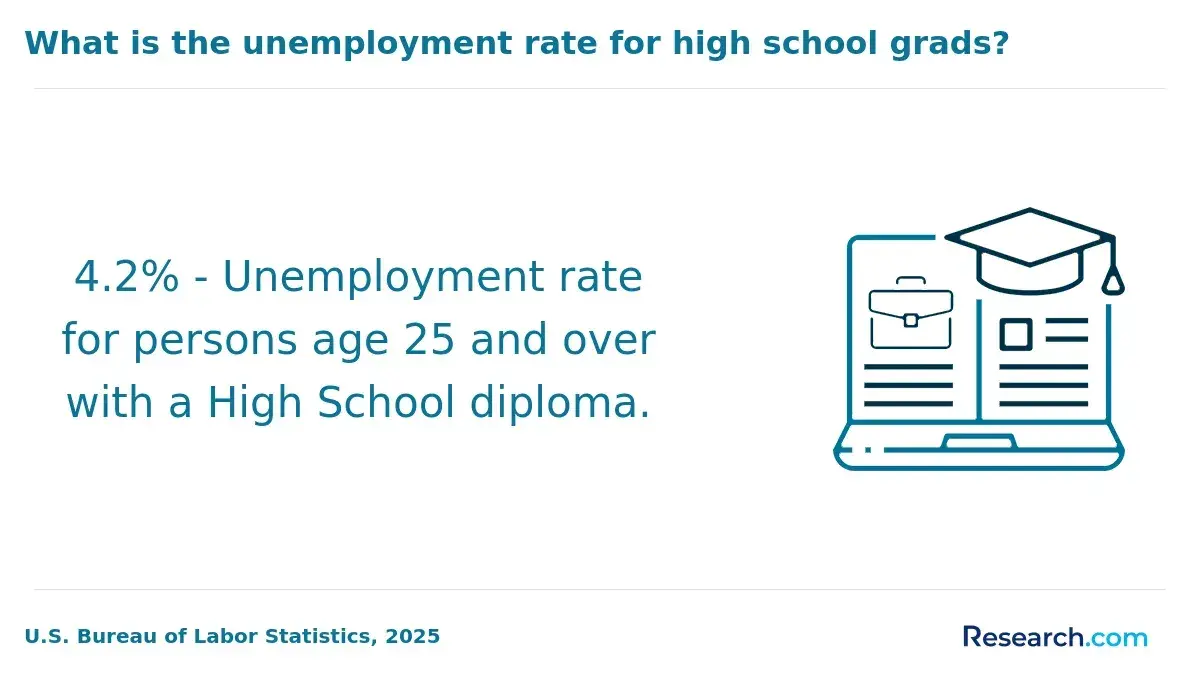
How Long Does It Take to Complete Each Type of Healthcare Administration Master's Degree?
Most healthcare administration master’s degrees require a serious time commitment, and the right pace depends on your work schedule, family responsibilities, finances, and urgency to change roles. Some students finish quickly by studying full time or enrolling in accelerated courses. Others choose part-time or online formats to stay employed while progressing more gradually.
About 60% of programs adopt holistic admission reviews that value professional experience alongside academics, which can benefit working adults. However, admission flexibility does not always mean the program itself will be easy to complete. Healthcare administration coursework often includes finance, law, operations, ethics, data, policy, and leadership assignments that require consistent study time.
- Degree type and format: Traditional MHA programs typically span two years because they often include broad management coursework, applied projects, internships, or thesis requirements. Accelerated or specialized degrees may shorten completion to 12-18 months, but the weekly workload is usually heavier.
- Part-time and online options: Programs designed for working professionals may extend to three years or more. This can reduce short-term stress and preserve income, but it requires discipline over a longer period.
- Thesis versus capstone: A thesis usually requires more independent research and faculty approval, which can lengthen the timeline. A capstone project or course-based assessment may be more practical for students focused on applied management careers.
- Practical experience components: Internships, residencies, or field projects may add time, but they can also provide stronger job-market evidence than coursework alone. Students without healthcare experience should weigh these requirements carefully because they may improve employability.
A recent healthcare administration master’s graduate described the schedule as manageable but demanding while working full time and supporting a family. The traditional two-year MHA included a thesis, which required careful planning throughout the program rather than last-minute work near graduation.
“I often had to dedicate evenings and weekends to research and writing, but the hands-on internship gave me confidence in applying theory to practice,” he said. For him, the structured timeline helped maintain momentum and made the workload feel purposeful instead of open-ended.
Are There Accelerated Healthcare Administration Master's Degree Programs?
Yes. Accelerated healthcare administration master’s degree programs are available, and they are designed for students who want to finish faster than a traditional two-year schedule. They can be attractive for working adults, career changers, and professionals who already have healthcare experience and want to qualify for leadership roles sooner.
The trade-off is intensity. A shorter calendar usually means heavier reading, faster assignment cycles, fewer breaks, and less time to recover from work or family disruptions. Before choosing an accelerated program, confirm that the pace fits your weekly availability, not just your preferred graduation date.
- Heavier course loads: Taking more credits each term reduces total completion time. This works best for students with strong time-management skills and predictable schedules.
- Year-round classes: Summer and intersession enrollment can prevent long gaps between terms and help students complete requirements sooner.
- Combined bachelor’s-master’s tracks: Some students begin graduate coursework while still completing undergraduate study, reducing the number of credits needed after the bachelor’s degree. This route requires early planning.
- Accelerated course formats: Five- to eight-week courses compress the timeline. These formats can be convenient, especially online, but they require quick engagement and steady participation from the first week.
Accelerated programs are most practical when you already understand the healthcare environment or have enough professional experience to connect coursework to real workplace problems. Students who are new to healthcare may benefit from a slightly longer program with stronger advising, practicum support, and networking opportunities.
Professionals comparing graduate pathways in nursing and healthcare leadership may also review MSN to DNP programs online to understand how clinical leadership routes differ from healthcare administration options.
Are Online Healthcare Administration Master's Degrees as Credible as Traditional Ones?
Online healthcare administration master’s degrees can be as credible as traditional campus programs when they are properly accredited, academically rigorous, and supported by qualified faculty and practical learning experiences. Employers generally focus on the institution, accreditation, curriculum, experience, and demonstrated skills rather than the classroom format alone.
Concerns about online learning are still reasonable. Students often wonder whether they will receive enough interaction, networking, career support, and applied practice. About 75% of learners express satisfaction with online healthcare administration courses, while graduation rates improve as programs enhance interactivity. The strongest online programs do more than post readings; they use case work, group projects, simulations, faculty feedback, and field-based assignments.
- Accreditation: Accreditation is the first credibility checkpoint. It indicates that the program or institution has met recognized academic standards. It may also affect employer confidence, eligibility for certain certifications, and access to financial aid.
- Employer acceptance: Accredited online degrees are widely accepted, especially when the school has a clear reputation and the transcript or diploma does not signal a lower academic standard. Students should still ask programs for employer outcomes and alumni job examples.
- Flexibility: Online formats are valuable for working professionals, caregivers, military students, and people who cannot relocate. Asynchronous courses can be especially useful, but they require self-direction.
- Networking and field experience: Online students should look for live sessions, cohort models, alumni connections, faculty access, career services, and help securing internships or applied projects. These features can reduce the isolation that sometimes comes with online study.
A recent online graduate said the format made it possible to continue working while earning the degree. “Choosing online made juggling work and school easier. I could study late at night without worrying about missing campus activities,” he explained.
He initially worried about credibility when applying for jobs, but said employers focused on the program’s accreditation and the practical projects he completed. “It wasn’t just easier; it felt just as respected,” he said, especially because he could discuss teamwork, analytics, and operational assignments in interviews.
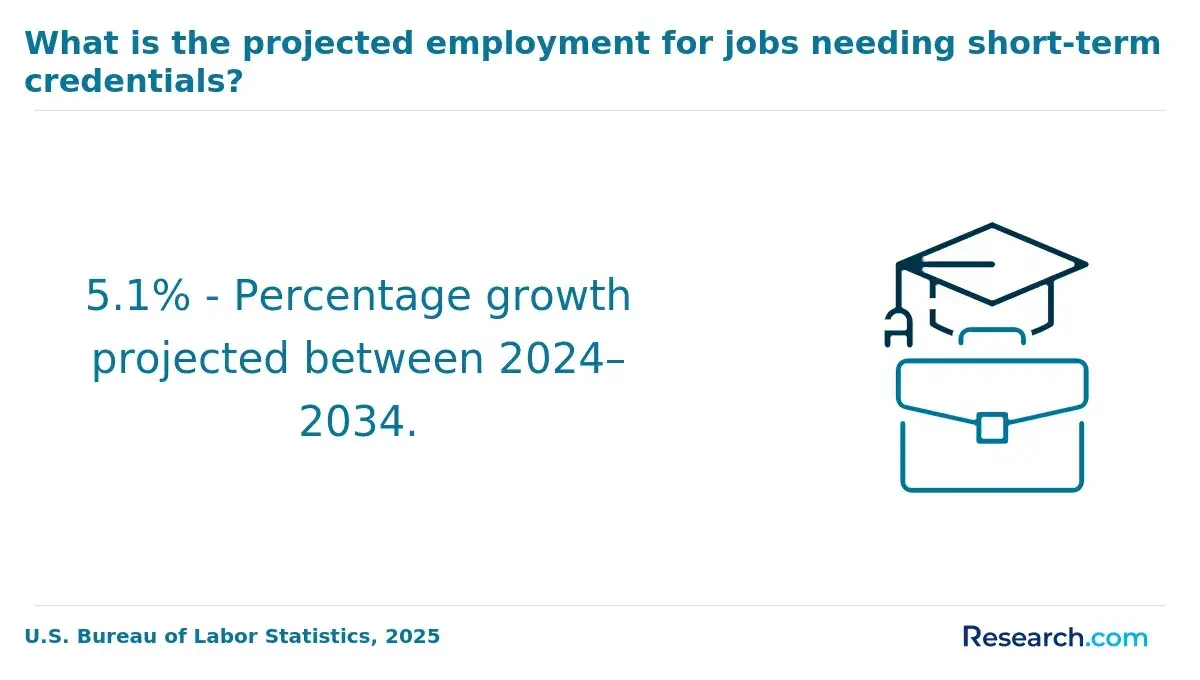
How Much Does Each Type of Healthcare Administration Master's Degree Typically Cost?
The cost of a healthcare administration master’s degree depends on the school, format, credit requirements, residency expectations, and fees. Tuition has consistently increased by roughly 3-5% yearly, so students should estimate the total cost of attendance rather than focusing only on per-credit tuition.
Most programs charge between $15,000 and $50,000. Fully online programs generally cost between $15,000 and $30,000, while hybrid formats often cost $25,000 to $50,000 because they may include campus-based services, facilities, travel, or residency components. Master’s degrees usually require 30 to 60 credit hours, so a longer curriculum can significantly increase the final price.
- Institution type: Public institutions often cost less than private institutions, although tuition can vary widely based on reputation, location, and program resources.
- Delivery format: Online programs may reduce commuting, relocation, and some campus-related costs. Hybrid programs can add value through in-person networking but may require travel and time away from work.
- Credit requirements: A 30-credit program may be less expensive and faster than a 60-credit program, but students should compare learning outcomes, practicum opportunities, and employer reputation before choosing solely by credit count.
- Additional expenses: Technology fees, textbooks, software, background checks, professional memberships, travel for internships, and residency costs can increase the real price of attendance.
- Accreditation and quality: Accredited programs may charge more because of faculty qualifications, advising, assessment systems, and field placement support. The higher cost may be justified if it improves credibility and career mobility.
Students comparing administrative and management-focused healthcare programs may also want to review affordable options for a healthcare management degree before deciding how much to spend on a graduate pathway.
What Jobs Can You Get with Each Type of Healthcare Administration Master's Degree?
A healthcare administration master’s degree can prepare graduates for management, operations, policy, finance, informatics, quality improvement, and executive-track roles. The exact job options depend on the degree type, specialization, prior work experience, clinical background, and local employer needs.
- Healthcare management roles: Graduates commonly pursue roles such as healthcare manager, hospital administrator, department administrator, practice manager, or clinical manager. Larger hospitals and health systems often prefer or require graduate-level preparation for leadership roles.
- Operations and service-line leadership: Students with an MHA, MBA, or MS may move into roles that oversee staffing, scheduling, patient flow, budgets, performance metrics, and service delivery.
- Health informatics and technology roles: A specialization in health informatics can support paths such as healthcare IT director, data systems manager, analytics manager, or electronic health records leader. These roles often require comfort with both clinical workflows and information systems.
- Finance and revenue cycle roles: A finance-focused degree can lead to healthcare finance manager, revenue cycle manager, budgeting analyst, or reimbursement leadership roles.
- Policy and public health administration: MPH or policy-focused programs may prepare graduates for roles in public health agencies, nonprofit organizations, consulting, government programs, and population health initiatives.
- Senior care administration: Long-term care specializations may lead to management roles in nursing homes, assisted living, rehabilitation, or aging-services organizations. Students should verify whether specific leadership positions require additional state licensure.
- Executive and strategic roles: With experience, graduates may pursue senior positions such as hospital CEO, health system director, chief operating officer, or executive director. These roles usually require a record of leadership performance, not just the degree.
The degree can be especially useful for career changers who need healthcare-specific credibility. However, students without healthcare experience should look for programs with internships, residencies, employer partnerships, or project-based learning to build a stronger résumé before graduation.
Some students also compare clinical-entry or nursing pathways, such as nursing programs that don't require TEAS, when deciding whether they want an administrative career, a clinical career, or a combination of both.
How Do Salaries Differ by Healthcare Administration Master's Degree Type?
Salaries for healthcare administration master’s graduates vary by role, specialization, employer type, location, and experience. According to the U.S. Bureau of Labor Statistics, healthcare managers earn a median annual salary close to $101,000, but individual outcomes can be higher or lower depending on the job and market.
The degree type can influence salary because it shapes the roles a graduate is most competitive for. An MBA may signal strength in finance or executive management, while an MS with analytics or informatics coursework may support technology-focused roles. An MPH may be highly relevant for public health leadership, though compensation in government or nonprofit settings may differ from compensation in hospitals, insurers, or private healthcare companies.
- Specialization focus: Health informatics and data analytics tracks may lead to higher-paying opportunities when employers need leaders who understand technology, reporting, compliance, and digital systems. Long-term care administration may offer steady opportunities, though starting pay can vary by facility type and region.
- Industry demand: Pharmaceutical companies and health insurance firms often pay more competitive salaries than public health agencies or nonprofit organizations. Hospitals, clinics, and health systems may offer broad management opportunities with pay tied to size and complexity.
- Geographic location: Metropolitan areas with large healthcare systems often offer higher salaries than rural regions, partly because of cost-of-living differences and competition for experienced managers.
- Professional experience: Entry-level administrative roles usually pay less than senior management roles. A master’s degree can help open doors, but compensation typically rises with proven leadership, budgeting experience, compliance knowledge, and measurable operational results.
- Employer size and responsibility level: Managing a small clinic is different from overseeing a hospital department, regional service line, or multi-site system. Salary usually reflects scope, risk, budget authority, and staff size.
Students should compare expected salary with total program cost, time out of the workforce, debt, and advancement potential. Related training, such as medical coding programs, may also complement administrative skills for students interested in revenue cycle, compliance, or healthcare operations.
What Factors Should You Consider When Picking a Type of Healthcare Administration Master's Degree?
Choosing a healthcare administration master’s degree should start with the job you want and work backward. A prestigious program is not automatically the best program if it lacks your specialization, costs more than you can reasonably repay, or does not fit your schedule. Use the degree as a career tool, not just a credential.
- Career goals: Identify the roles you want after graduation. Hospital operations, health informatics, public health policy, healthcare finance, quality improvement, and senior care administration may require different coursework and field experiences.
- Program curriculum: Review the course list carefully. Look for practical classes in healthcare finance, law, ethics, data analysis, operations, quality improvement, leadership, and strategic planning. Avoid relying only on program titles.
- Cost and financial planning: Compare tuition, fees, books, travel, residency costs, and lost work time. Also review scholarships, employer tuition assistance, payment plans, and federal aid eligibility.
- Return on investment: Estimate whether the degree is likely to help you reach roles with greater responsibility or pay. ROI depends on your current salary, target role, program cost, local job market, and ability to advance.
- Time commitment: Decide whether full-time, part-time, accelerated, online, hybrid, or on-campus study fits your life. A slower program may be the smarter choice if it allows you to keep earning income and avoid burnout.
- Accreditation status: Confirm institutional and program-level accreditation where relevant. Accreditation affects credibility, financial aid access, and sometimes eligibility for certifications or employer reimbursement.
- Faculty and employer connections: Programs with faculty who have healthcare leadership experience, alumni networks, field placements, and employer partnerships can provide stronger career support.
- Practical experience: Internships, residencies, capstones, consulting projects, and simulations can help you prove your skills, especially if you are changing careers or lack healthcare experience.
- Program format and support: For online programs, check whether courses are synchronous or asynchronous, how group work is handled, how accessible faculty are, and whether technical and career support are available.
- Long-term flexibility: Healthcare changes quickly. Choose a program that builds transferable skills in leadership, finance, analytics, compliance, communication, and change management rather than training you for only one narrow role.
Is a Healthcare Administration Master's Degree Worth It for Your Career Goals?
A healthcare administration master’s degree can be worth it if it helps you qualify for roles you could not realistically reach with your current credentials and experience. It is most valuable for professionals pursuing management, leadership, operations, policy, informatics, finance, or executive-track positions in healthcare.
It may be less worthwhile if you are unsure about working in healthcare, already qualify for your target role without the degree, or would need to take on debt that is not realistic for your expected salary growth. The right question is not whether the degree is valuable in general, but whether it is valuable for your specific career plan.
- Career advancement potential: A master’s degree can support movement into roles such as hospital administrator, health services manager, operations leader, or department director. These roles usually require leadership ability as well as formal education.
- Salary growth: Graduates may see higher earning potential over time, especially when the degree leads to management responsibility. However, salary outcomes vary by specialization, employer, location, and experience.
- Industry expectations: Many healthcare employers prefer graduate credentials for competitive leadership positions. Specialized coursework can also help candidates stand out in areas such as informatics, finance, quality improvement, and policy.
- Program flexibility: Online, part-time, and hybrid options can make the degree more realistic for working adults. Flexibility matters because completing the program without leaving the workforce may improve the financial return.
- Personal fit: Healthcare administration requires comfort with complexity, regulation, budgets, people management, ethical decisions, and organizational change. Interest in healthcare systems should be genuine, not based only on projected job growth.
- Risk management: Before enrolling, compare at least several programs, confirm accreditation, ask for career outcome data, calculate total cost, and speak with current students or alumni if possible.
For students with clear goals, the degree can be a strong investment. For students who are still exploring, it may be better to gain healthcare experience, complete a shorter credential, or speak with professionals in target roles before committing to a full master’s program.
What Graduates of Healthcare Administration Master's Degree Programs Say About Their Specialization, Career, and Salary
- Kiel: "From a professional standpoint, the healthcare administration master's degree was a strategic decision. I was mindful of the $30,000 average tuition but recognized that the return on investment through career advancement and salary uplift was excellent. After completing the program, I have secured a senior position that reflects both my commitment and the quality of education from the degree."
- Runa: "Enrolling in the healthcare administration master's degree program was a game-changer for me. Although the tuition, which averaged around $30,000, was a significant investment, the knowledge and connections I gained made it wholly worthwhile. Since graduating, my salary has increased substantially, and I now hold a managerial role that I once thought was out of reach."
- Olivia: "Reflecting on my journey into healthcare administration, I was initially drawn to the program due to its affordability, with the average cost being moderate compared to other graduate degrees. The skills I acquired have provided me with a deeper understanding of healthcare systems and opened doors to leadership opportunities. This degree has not only impacted my career positively but also enhanced my earning potential over time."
Other Things You Should Know About Healthcare Administration Degrees
Common prerequisites for enrolling in a healthcare administration master's program in 2027 include a bachelor's degree from an accredited institution, preferred experience in healthcare settings, and sometimes GRE or GMAT scores. Specific requirements can vary by program, so it’s crucial to check with individual schools.
Salaries in healthcare administration can differ significantly depending on the specialization chosen. For example, executives working in hospital administration or health informatics tend to earn higher salaries compared to those in long-term care management or public health administration. Specialized skills in finance, data analysis, or policy can also boost earning potential within the field.
A healthcare administration master's degree typically requires completing 30 to 60 credit hours in 2027. This can include core courses in health policy, management, and economics, along with electives tailored to specific areas of interest within the field.
References
- What Are the Differences in Salary Level for Different Degrees in Healthcare Management? | MHA Salary https://www.healthcare-management-degree.net/faq/what-are-the-differences-in-salary-level-for-different-degrees-in-healthcare-management/
- The Accelerated Master's Program https://sph.tulane.edu/bsph/accelerated-program
- Online Graduate Specialization in Healthcare Administration | Colorado State University Global https://csuglobal.edu/academic-programs/graduate-specializations/graduate-specialization-healthcare-administration
- The Importance of a Master of Healthcare Administration (MHA) Degree: Breaking Things Down https://www.park.edu/blog/the-importance-of-a-master-of-healthcare-administration-mha-degree-breaking-things-down/
- What is the Timeline for Completing a Master’s in Health Administration? https://www.mha-online.org/faq/what-is-the-timeline-for-completing-a-masters-in-health-administration/
- Master of Health Administration - Online https://www.unthealth.edu/college-of-public-health/online-master-of-health-administration.html
- 5 Specializations for an MHA Program - Healthcare Administration Degree Programs https://www.healthcare-administration-degree.net/lists/5-specializations-for-an-mha-program/
- 11 Awesome MHA Specializations within Healthcare Administration https://mhadegree.org/11-awesome-specializations-within-healthcare-administration/
- How Can You Specialize a Master of Health Administration Degree? https://www.masters-in-health-administration.com/faq/how-can-you-specialize-a-master-of-health-administration-degree/
- Is It Worth Getting a Master of Science in Healthcare Administration? | UMGC https://www.umgc.edu/blog/worth-getting-masters-healthcare-administration