2027 How to Choose Between an Online Public Administration Bachelor's and an Online MPA

Co-Founder and Chief Data Scientist
Many professionals face uncertainty when deciding whether to pursue an online public administration bachelor's degree or an online MPA to advance their careers. Both options offer distinct advantages, but choosing the right path can impact future opportunities, time commitment, and return on investment. This decision is especially challenging for those with unrelated undergraduate backgrounds seeking a flexible and accredited route into the public administration field.
This article examines the differences, benefits, and potential outcomes of each option, helping readers make informed choices aligned with their career goals and personal circumstances.
Key Things You Should Know
- Online public administration bachelor's degrees offer foundational knowledge and typically require four years, while online MPAs focus on advanced leadership, policy, and management skills in two years on average.
- According to the Bureau of Labor Statistics, public administration jobs are projected to grow 6% from 2024 to 2034, favoring candidates with graduate-level education for higher pay and responsibility.
- Choosing between the two depends on career goals: a bachelor's suits entry-level roles, whereas an MPA targets mid- to senior-level public sector or nonprofit management positions.
What is the difference between an online public administration bachelor's and an online MPA?
An online public administration bachelor's degree provides foundational knowledge in government operations, policy analysis, budgeting, and organizational management. It prepares students for entry-level roles or a broad understanding of public sector functions. Core coursework often includes public policy, ethics, and introductory economics, enabling graduates to pursue positions such as administrative assistants, program coordinators, or policy analysts. Typically spanning four years, this degree suits recent high school graduates or those seeking a career change.
In contrast, the difference between online bachelor's and master's in public administration lies in specialization and leadership focus. An online Master of Public Administration (MPA) targets experienced professionals aiming for leadership or specialized roles. The curriculum covers strategic management, advanced budgeting, policy evaluation, and leadership skills. Graduates often become city managers, department heads, or nonprofit directors. This degree generally requires two years beyond the bachelor's and offers a more in-depth approach to public administration challenges.
Employment in management roles, including public administration leadership, is projected to grow 5% from 2022 to 2032, creating about 1.1 million new jobs. This growth highlights the advantage of pursuing an MPA for those targeting senior management positions. Many professionals begin with a bachelor's and later seek an MPA to advance their careers.
For those researching options, consider exploring an online administration degree to evaluate how each program aligns with your goals, timeline, and prior education.
Which careers require a public administration bachelor's versus an MPA?
Careers suited for an online public administration bachelor's degree primarily include entry- to mid-level roles in local government, nonprofit organizations, healthcare, and education sectors. Typical positions are policy analysts, budget analysts, program coordinators, and city planners. These jobs focus on implementing policies, managing projects, and supporting organizational functions without requiring advanced leadership or specialized policy expertise. A bachelor's degree provides the foundational knowledge necessary for these roles.
Job opportunities with a public administration master's degree (MPA) prepare professionals for senior management, executive leadership, and specialized roles that demand advanced skills in policy formulation, organizational analysis, and public sector management. Positions such as city managers, public affairs directors, nonprofit executives, and government agency heads generally require an MPA. This degree enhances competencies in financial management, human resources, and strategic decision-making to lead complex programs and diverse teams effectively.
The National Center for Education Statistics reported that median annual earnings for workers with a master's or higher degree were $80,200-about 20% higher than the $66,000 median for those with only a bachelor's degree. This earnings gap highlights the MPA's value in advancing to higher-paying leadership roles.
For those looking to advance from support roles to positions involving policy development and governance, earning an MPA is often essential. Meanwhile, professionals seeking a solid foundation in public administration operations may start with a bachelor's degree. Additionally, exploring the best accelerated project management degree programs online can further enhance career prospects in this field.
Which degree offers better salary and advancement potential?
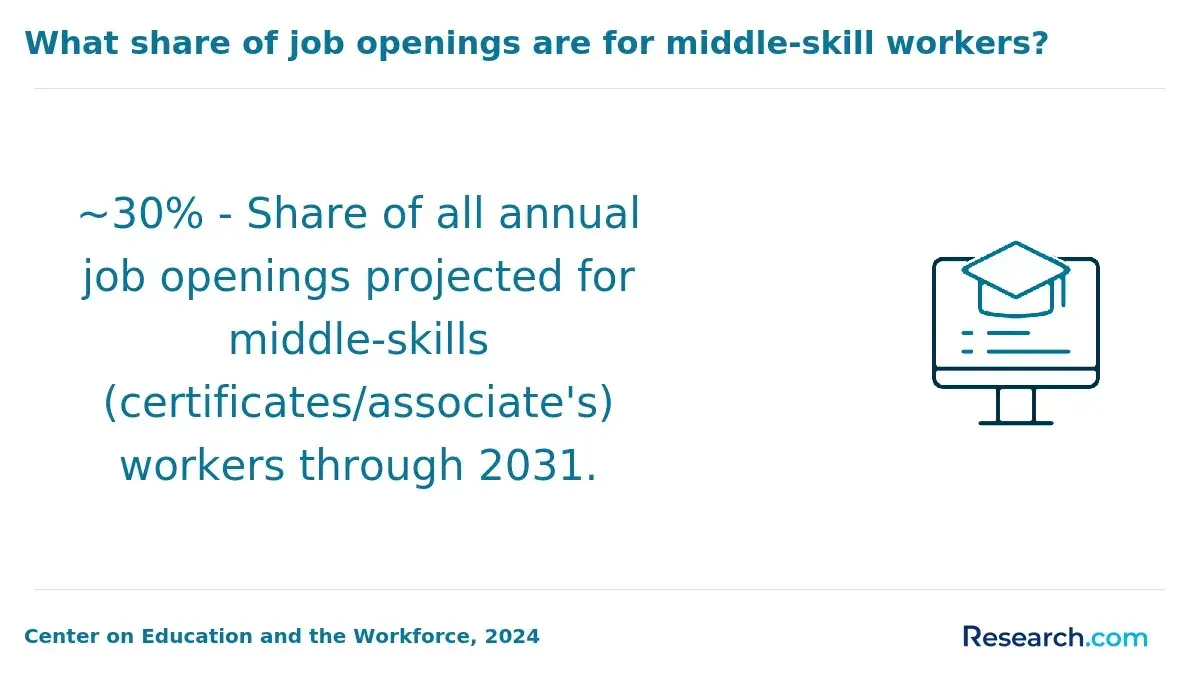
An online master of public administration (MPA) degree often leads to better salary and career advancement compared to an online public administration bachelor's degree. According to data from U.S. News & World Report, the median tuition for online public affairs master's programs is about $20,000, while graduates typically start with salaries near $60,000. This suggests a payback period of three to four years, indicating a relatively quick return on investment.
Career advancement with online MPA programs is notable, as graduates frequently secure higher-level administrative roles like policy analysts, city managers, or nonprofit directors-positions generally out of reach for those with only a bachelor's degree. While a bachelor's degree often prepares students for entry-level administrative or coordination jobs, the MPA equips them for strategic planning and leadership duties that correlate with increased earning potential.
Employers tend to require or prefer an MPA for senior management positions in government agencies and nonprofits, creating a clear growth trajectory absent for many bachelor's degree holders. Students looking to enhance their earning power and leadership opportunities should weigh upfront tuition costs against these potential benefits.
For those considering related fields or alternative options, affordable online public affairs degrees can offer valuable insight; for example, exploring construction management programs may provide additional career pathways.
How do online public administration programs compare with campus programs?
Online public administration degree programs compare favorably to traditional campus programs in curriculum content and academic rigor but differ mainly in delivery and flexibility. Digital platforms enable online students to access lectures, discussions, and assignments asynchronously, which suits working professionals seeking flexible schedules. Campus programs, by contrast, offer structured class times and in-person interaction, fostering immediate feedback and collaborative learning.
Both online and on-campus public administration coursework cover essential topics such as policy analysis, organizational management, and budgeting. Practical experience remains crucial; while campus programs often have strong ties to local government internships, many online programs now provide remote or community-based practicum options. This expansion helps online students gain comparable experiential learning despite physical distance.
Labor market data shows advanced degrees like an MPA typically yield better career advancement and higher salaries compared to bachelor's degrees. Graduates with an MPA earn an average of $75,000 annually, with government program managers earning approximately $117,600 and city managers around $160,500. This data emphasizes the financial benefits of advanced public administration education.
Choosing between formats depends on individual needs for flexibility, learning style, and access to resources. Online programs are ideal for those who want to work while studying, and prospective students interested in public administration might also explore options like a project management degree online to complement their skills.
What accreditation should online public administration programs have?
Accreditation plays a critical role in validating the quality and recognition of online public administration programs. Regional accreditors recognized by the U.S. Department of Education, such as the Higher Learning Commission (HLC) or the Middle States Commission on Higher Education (MSCHE), ensure that institutions meet rigorous academic standards across all disciplines.
For public administration programs specifically, accreditation by the Network of Schools of Public Policy, Affairs, and Administration (NASPAA) is key. NASPAA accreditation evaluates program quality, curriculum relevance, faculty credentials, and student outcomes, aligning education with industry standards. Degrees from NASPAA-accredited online bachelor's or MPA programs are highly regarded by employers in government, nonprofit, and private sectors.
Without NASPAA accreditation, graduates may face challenges in the job market, as public sector employers often prefer candidates from accredited programs due to the stringent evaluation process. Data from NASPAA highlights that many bachelor's degree holders in public administration enter public-sector roles, with almost half pursuing graduate studies for leadership advancement.
When selecting programs, confirm both regional institutional accreditation and NASPAA status. Some universities hold regional accreditation but lack NASPAA approval for their public administration degrees, potentially affecting credit transfers, licensure, and career opportunities. Always verify accreditation status through official agency websites to ensure your degree's credibility and value.
What courses are included in each degree?
An online public administration bachelor's degree offers foundational coursework in political science, organizational behavior, public policy, and budgeting. Students develop essential skills in quantitative methods, ethics, and communication, preparing them for entry-level roles in government or nonprofit sectors. Core classes often include "Introduction to Public Administration," "Governmental Accounting," and "Policy Analysis." Many programs also integrate internships to provide practical experience.
Online MPA (Master of Public Administration) degrees build on these basics with advanced, specialized courses such as:
- Advanced Public Policy
- Public Finance and Budgeting
- Human Resource Management in the Public Sector
- Leadership in Government
MPA students typically complete a capstone project or thesis focused on applied research and strategic decision-making. Electives may cover nonprofit management, emergency management, or urban planning, tailoring studies to career goals.
While bachelor's programs emphasize a broad understanding and practical skills, MPAs are designed to deepen expertise for leadership and high-level administrative roles. According to Cornell University's MPA outcomes report, over 90% of graduates secure full-time employment or continue education within nine months, reflecting strong employer recognition.
Prospective students should align their choice with career ambitions: bachelor's degrees for foundational knowledge and entry-level access, and MPA degrees for mid- to senior-level public sector leadership positions.
What admission requirements do each program type usually require?
Admission requirements vary notably between online public administration bachelor's and master's (MPA) programs due to differences in academic level and expected professional experience. Bachelor's programs typically ask for a high school diploma or GED, transcripts with a GPA around 2.5 to 3.0, and sometimes letters of recommendation or a personal statement. Standardized tests like the SAT or ACT may be optional or waived, especially since 2020. Some programs request prerequisites in social sciences, but many accept a broad range of students.
MPA programs require a completed bachelor's degree, often in public administration, political science, or related fields, with a minimum GPA often set at 3.0 or higher. Applicants usually submit GRE or GMAT scores unless waived for relevant work experience or advanced degrees. Additional materials often include professional references, a detailed resume, and a statement of purpose. Many programs prefer candidates with one to three years of public sector or nonprofit experience to ensure practical knowledge.
These differences reflect career and financial outcomes. For example, Cornell reports that its MPA Class of 2023 earned an average salary of $84,000, about $17,000 more annually than median earnings for bachelor's degree holders. This highlights the tangible benefits of advancing education.
How long does each degree take and what does it cost?
Online bachelor's degrees in public administration generally require about four years of full-time study, with some accelerated programs offering completion in as little as three years. Part-time options allow flexibility but can extend the timeline beyond four years. Tuition costs vary by institution type: public universities typically charge between $10,000 and $25,000 annually for in-state online students, while private institutions often exceed $30,000 per year.
Master of Public Administration (MPA) programs usually take two years of full-time study, with part-time formats extending to three or four years to accommodate working professionals. Tuition for online MPAs ranges widely, from $15,000 to over $45,000 total, influenced by factors like school prestige and program depth.
- Bachelor's degrees offer quicker entry into the public sector with lower upfront costs.
- MPA degrees support advancement into senior management roles with higher earnings.
According to a review by Northeastern University, leaders with MPA credentials, such as chief of staff and city manager, earn average salaries of $150,300 and $160,500 respectively-well above the national average wage.
Prospective students should weigh their career goals and financial limits carefully. Those targeting leadership in public administration may find the additional time and expense of an MPA worthwhile for the significant salary premium and career growth it offers.
What certifications or licenses may public administration graduates need?
Graduates in public administration often pursue certifications to enhance career advancement and qualify for specialized roles. The Certified Public Manager (CPM) credential is highly valued for leadership positions within government agencies, requiring education, experience, and successfully passing a challenging exam. Both bachelor's and MPA graduates benefit from this certification.
For professionals focusing on financial administration in public organizations, the Certified Government Financial Manager (CGFM) serves as a key credential. It demonstrates expertise in government accounting, auditing, budgeting, and financial reporting through three exams and relevant work experience.
Project management is vital in public sector initiatives, making the Project Management Professional (PMP) certification a preferred qualification. It requires documented project experience and passing a comprehensive examination to prove proficiency in managing projects effectively.
Certification needs also vary by sector. Public health roles may require the Certified in Public Health (CPH) credential, while government human resources positions often favor the Professional in Human Resources (PHR) certification.
These professional certifications not only improve job prospects but also enhance salary potential by bridging practical skills gaps beyond academic degrees. Annual tuition for reputable online BPA and BSPA programs ranges from $9,000 to $15,000, making certification pathways accessible for many working adults. Selecting programs with embedded preparation for these credentials can simplify and accelerate career progression.
How do you choose a reputable online public administration program?
Selecting a reputable online public administration program requires careful evaluation of accreditation, curriculum, faculty expertise, flexibility, and career support. Regional accreditation from recognized bodies like the Higher Learning Commission ensures academic quality, while specialized accreditation from organizations such as the Network of Schools of Public Policy, Affairs, and Administration (NASPAA) highlights adherence to industry standards.
Review the curriculum to ensure it covers core topics like public policy, budgeting, ethics, and nonprofit management. Programs with concentrations tailored to sectors such as government, healthcare, or nonprofit organizations can better align with your career goals.
Faculty qualifications are crucial. Look for instructors with relevant public administration experience, active research profiles, and professional networks that enhance mentorship and learning opportunities. Accessible faculty support is especially valuable in online formats.
Consider program flexibility to match your schedule, noting whether courses are synchronous or asynchronous. Maintaining engagement without sacrificing work and personal commitments is key.
Graduate outcomes and career services matter for long-term success. The Bureau of Labor Statistics projects a 5% growth in social and community service management employment over the next decade, with a median salary near $77,030. Programs offering strong alumni connections and internships better position graduates for stable careers.
Other Things You Should Know About Public Administration
No, a background in public administration is not always required to enroll in an online MPA program. Many programs accept students from diverse undergraduate majors, provided they meet general admission criteria. However, some courses may cover foundational public administration concepts to bridge any knowledge gaps.
Yes, both online bachelor's and MPA degrees in public administration emphasize leadership development. Coursework often includes organizational management, ethical decision-making, and policy analysis, equipping graduates to take on supervisory and managerial positions in public sector organizations.
Many online public administration programs incorporate internships or practicum experiences, either virtually or locally, to provide practical exposure. These opportunities help students apply theoretical knowledge in real-world public service settings, enhancing their professional readiness.
References
- Which University Degrees Offer the Highest Earning Potential? 2026 Analysis – Chief Jobs | The C-Suite Job Board | Senior Executive Jobs https://www.chiefjobs.com/which-university-degrees-offer-the-highest-earning-potential-2026-analysis/
- Admissions Criteria https://ed.wum.edu.pl/pl/admissions-criteria
- Roster of Accredited Programs https://www.naspaa.org/accreditation/roster-accredited-programs
- iias | Accreditation https://www.iias-iisa.org/accreditation/
- Requirements for Admission â CODE https://code.berlin/en/study/bachelor/admissions/requirements/
- Public Administration Certificate - Graduate School of Public Policy https://www.schoolofpublicpolicy.sk.ca/programs/certificate-programs/public-administration-certificate.php
- How Long Does It Take to Earn an Online MPA Degree – Full-Time vs. Part-Time Programs https://www.onlinempaprograms.com/faqs/length-of-mpa-programs
- Benefits of a College Degree on Salary & Earning Potential | UMass Global https://www.umassglobal.edu/blog-news/how-college-impacts-salary-and-future-earning-potential
- List of College Majors https://www.mymajors.com/college-majors/
- Academic degree - Wikipedia https://en.wikipedia.org/wiki/Academic_degree