2027 Best Nurse Practitioner Student Loans

Student Finance & Loan Expert
Funding advanced nursing education can be a significant hurdle for professionals switching careers to become nurse practitioners. Many face challenges navigating various loan options, each with distinct terms, interest rates, and repayment plans. Choosing unsuitable loans may lead to expensive long-term debt or missed funding opportunities.
Understanding the differences between federal and private loans is essential for managing financial burdens effectively during graduate studies. This article examines the best nurse practitioner student loans available, highlighting key features and benefits to help prospective students make informed borrowing decisions tailored to their unique financial situations.
- What are the best student loan options for nurse practitioner programs right now? Best NP loans
- How do federal nurse practitioner student loans compare to private loans? Federal vs private
- How much can nurse practitioner students borrow and what interest rates should they expect? NP loan limits
- Which federal loan types are available specifically for graduate nursing and NP students? Federal NP loans
- How do you apply for nurse practitioner student loans through the FAFSA and other steps? NP loan application
- What repayment plans work best for nurse practitioner student loans after graduation? NP repayment
- Which loan forgiveness and repayment assistance programs are available to nurse practitioners? NP forgiveness
- How can nurse practitioners refinance or consolidate student loans to lower costs? NP refinancing
- How do in-school deferment, forbearance, and grace periods work for NP loans? NP deferment
- How should future nurse practitioners choose the right lender and loan structure? Choosing NP loans
What are the best student loan options for nurse practitioner programs right now?
Nurse practitioner students often face borrowing needs averaging $154,083, making the choice of loan crucial to managing costs effectively. The best student loan options for nurse practitioner programs balance interest rates with repayment flexibility to ease the financial burden.
Federal Direct Grad PLUS Loans are widely favored due to their fixed interest rates and access to Income-Driven Repayment (IDR) plans, which adjust payments based on income. Early application is advised to prevent delays caused by origination processes.
Additionally, federal loans offer Public Service Loan Forgiveness (PSLF) for graduates working in qualifying healthcare roles, substantially reducing debt for those in government or nonprofit sectors.
Private loans can fill funding gaps but tend to carry variable rates and fewer borrower protections. Comparing lender offerings, including interest rate discounts or auto-pay benefits, can help identify affordable nurse practitioner student loan solutions tailored to individual credit profiles.
To minimize loan amounts, students should consider school-specific scholarships or loan forgiveness programs connected to service commitments. Combining federal financing with targeted scholarships lessens dependence on higher-cost private loans.
Managing early repayments and avoiding capitalization of interest lowers total debt. Refinancing should be approached after securing stable income as a strategy to reduce interest charges. For those needing quick options, exploring student loans for tuition deadline opportunities might be necessary.
How do federal nurse practitioner student loans compare to private loans?
Federal nurse practitioner student loans generally offer better terms than private loans, making them a preferred choice for most students. Around 69% of graduate nursing students rely on federal loans, with median debt ranging from $40,000 to $54,999 at graduation.
These federal loans provide fixed interest rates, income-driven repayment plans, and options for loan forgiveness, which are rarely available in private loans. This combination of benefits represents key federal nurse practitioner student loan benefits.
In comparison, private loans typically have variable interest rates and require credit checks or cosigners, limiting access for some borrowers. They lack important borrower protections such as deferment, forbearance during financial hardship, or public service employment benefits like the Public Service Loan Forgiveness (PSLF) program.
For example, the federal Direct Unsubsidized Loan offers a fixed interest rate set annually, which is usually lower and more predictable than most private lending rates.
The differences between private versus federal nurse practitioner loans are significant. Federal loans include forgiveness programs for graduates working in qualifying healthcare roles after making 10 years of qualifying payments, while private loans do not, increasing the long-term cost burden.
However, private loans can supplement federal loans once federal limits are reached. In such cases, comparing interest rates, repayment options, and fees is essential.
Students looking for private options might explore ascent private student loans, which may offer incentives like lower rates for borrowers with strong credit. Still, these lack the protections that federal loans guarantee.
How much can nurse practitioner students borrow and what interest rates should they expect?
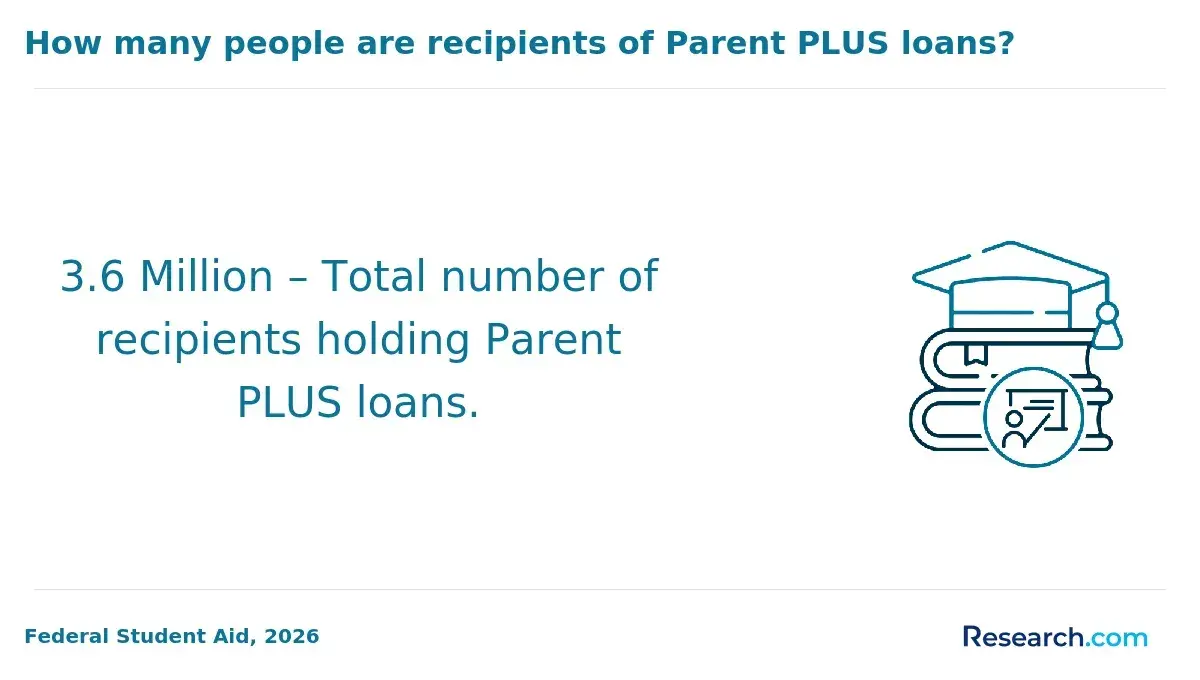
Nurse practitioner students can borrow up to $27,000 per academic year through federal loans, with a cumulative maximum of $138,500 for graduate study, which includes any undergraduate federal borrowing.
Due to the One Big Beautiful Bill Act enacted in July 2025, federal borrowing caps have tightened, increasing the chance that many students will need private loans for additional expenses. This reflects common concerns about maximum loan amounts for nurse practitioner students.
Federal Direct Unsubsidized Loans offer a fixed interest rate near 6.54% for graduate students, while Graduate PLUS loans have higher rates around 7.54% and require a credit check. These federal loan options typically provide better borrower protections and lower rates than private alternatives.
Private loans have interest rates that vary widely, usually ranging from 5.50% to 12.00%, based on creditworthiness and lender, with fixed or variable rates available. Variable rates carry the risk of significant future increases.
Students should be aware that private loans usually lack important features like income-driven repayment plans and loan forgiveness found in federal programs. When program costs surpass federal loan limits, private loans may be necessary-for example, covering a $33,000 gap if an NP program costs $60,000 annually but federal loans only cover $27,000.
Typical interest rates for nurse practitioner student loans underscore why it's wise to maximize federal loans first. Students should also compare private loan offers carefully, prioritizing fixed rates and borrower protections, and check eligibility for state or institutional aid to reduce overall borrowing.
For additional guidance, consider exploring best student loan refinance bonus programs that may help manage debt after graduation.
- Max out federal loans first to access lower interest rates and better repayment terms.
- Compare private loan offers carefully, emphasizing fixed rates and borrower protections.
- Check eligibility for any state or institutional aid to reduce borrowing.
Which federal loan types are available specifically for graduate nursing and NP students?
Graduate nursing federal loan options for nurse practitioner students primarily include Direct Unsubsidized Loans, Graduate PLUS Loans, and Perkins Loans if available. Direct Unsubsidized Loans offer fixed interest rates without requiring financial need documentation and provide up to $20,500 annually.
These loans qualify automatically for federal income-driven repayment plans, which are vital given the median loan balances among advanced practice nurses. Graduate PLUS Loans cover expenses beyond the Direct Unsubsidized Loan limits, require a credit check, and allow borrowing up to the total cost of attendance minus other aid. Although their interest rates are higher, they are crucial for funding costly graduate nursing programs.
Perkins Loans, though largely phased out, still exist at some institutions. They feature low fixed rates and may include cancellation benefits for nurses working in underserved areas. Not all schools participate, but these loans remain valuable where offered.
The 2025 University of Michigan study of 9,570 nurses showed that advanced practice nurses with student loans had a median balance of $66,420, with 28.9% owing more than $100,000. This underscores the importance of federal income-driven repayment plans and forgiveness programs to support financial stability.
Borrowers should explore federal loan benefits including deferment during residencies, Public Service Loan Forgiveness for qualifying healthcare employment, and consolidated repayment plans for managing multiple loans more simply. For more details on financial aid for nursing school, students can visit financial aid for nursing school.
How do you apply for nurse practitioner student loans through the FAFSA and other steps?
To apply for nurse practitioner student loans through FAFSA, create an account on the official FAFSA website and complete the application with your personal, financial, and school details, specifying the nurse practitioner program.
Submit your FAFSA by your school and state deadlines to maximize aid eligibility. Federal graduate loans allow borrowing up to $20,500 annually in Direct Unsubsidized Loans without a credit check or co-signer. You may also qualify for Graduate PLUS Loans, which cover additional costs but require a credit check.
After submission, review your Student Aid Report (SAR) carefully. Reach out to your school's financial aid office to understand your loan offers and next steps. Accept loans cautiously to avoid excess debt.
Since federal loan limits often don't cover all program costs, many nursing students turn to private loans to fill the gap. When considering private loans:
- Compare interest rates, fees, and repayment terms across lenders.
- Apply with a creditworthy co-signer to access better rates.
- Check if deferment or forbearance options are available during clinical rotations.
- Confirm whether funds disburse directly to your school or your account.
Working closely with your financial aid office is essential to explore all funding options, meet deadlines, and understand your borrowing limits and responsibilities fully.
What repayment plans work best for nurse practitioner student loans after graduation?
Income-Driven Repayment (IDR) plans, including Revised Pay As You Earn (REPAYE) and Income-Based Repayment (IBR), help nurse practitioner (NP) graduates manage student loans by adjusting monthly payments according to income and family size. These plans often make payments more affordable during early career stages when NP salaries might be lower, especially in underserved areas.
Public Service Loan Forgiveness (PSLF) offers significant benefits for NPs working in qualifying public or nonprofit health organizations. After 120 qualifying payments, the remaining loan balance is forgiven tax-free. NPs employed by hospitals, community clinics, or federal agencies should verify their eligibility for PSLF to maximize forgiveness opportunities.
The Nurse Corps Loan Repayment Program can repay up to 85% of eligible educational debt over three years for Advanced Practice Registered Nurses serving in critical shortage facilities. This program is among the most focused options tailored to NPs.
Combining strategies can improve repayment outcomes:
- Enroll in an income-driven plan to maintain affordable payments.
- Work in qualifying public service roles to access PSLF.
- Apply for NP-specific loan forgiveness programs like Nurse Corps.
- Consider refinancing only after maximizing federal forgiveness benefits.
These options provide NPs with flexible repayment solutions and multiple paths to debt relief aligned with varied career goals.
Which loan forgiveness and repayment assistance programs are available to nurse practitioners?
Nurse practitioners can benefit from several loan forgiveness and repayment programs designed for their advanced education debt. The Public Service Loan Forgiveness (PSLF) program is popular among NPs working full-time for qualifying government or nonprofit employers. After making 120 qualifying payments, the remaining balance on federal Direct Loans is forgiven without tax consequences.
State-specific programs often assist NPs serving in rural or underserved areas. Examples include New York's Nurse Practitioner Loan Forgiveness Program and California's State Loan Repayment Program. These initiatives usually require a commitment of two to four years and offer loan repayment assistance ranging from $20,000 to more than $50,000.
Income-Driven Repayment (IDR) plans like REPAYE and PAYE adjust monthly payments based on income, with forgiveness after 20 to 25 years. These plans ease financial burden and benefit the 28.9% of advanced practice nurses carrying nursing education debt above the proposed federal lifetime cap (JAMA Health Forum / University of Michigan, 2025).
Many hospitals and health systems also provide employer-based loan assistance to attract and retain NPs, especially in primary care and underserved specialties.
To maximize loan relief, NPs should:
- Verify eligibility for PSLF certification.
- Explore relevant state programs.
- Choose the most suitable IDR plan.
- Combine multiple programs for accelerated debt payoff.
How can nurse practitioners refinance or consolidate student loans to lower costs?
Nurse practitioners with student loans can lower costs by refinancing or consolidating their debt. Refinancing replaces multiple loans with a new private loan, often offering lower interest rates and reduced monthly payments, but it requires a strong credit score and steady income.
For instance, refinancing $154,000 in debt from 7% to 5% interest can save thousands over time. However, refinancing federal loans eliminates protections such as income-driven repayment plans and loan forgiveness programs.
Consolidation, on the other hand, merges federal loans into a Direct Consolidation Loan, maintaining federal benefits like Public Service Loan Forgiveness and flexible repayment options. It simplifies payments but does not lower interest rates, as it averages the rates of the combined loans.
Key strategies for nurse practitioners include:
- Refinancing high-interest private loans for better rates and stable payments.
- Using federal consolidation for borrowers focused on forgiveness or income-based programs.
- Mixing both methods when holding private and federal loans by refinancing private loans while consolidating federal loans.
According to Student Loan Planner, nurse practitioners earn around $120,000 annually but often carry average student debt of $154,083, creating a tight return on investment. Careful use of refinancing or consolidation can enhance cash flow and speed repayment, helping manage significant debt more effectively in these cases.
How do in-school deferment, forbearance, and grace periods work for NP loans?
In-school deferment allows you to pause loan payments while enrolled at least half-time in a nurse practitioner (NP) program. Federal subsidized loans typically do not accrue interest during this time, but unsubsidized loans continue accumulating interest, increasing your total balance.
Forbearance, on the other hand, temporarily suspends or reduces payments but always accrues interest, making it more expensive over time. Use forbearance only if you no longer qualify for deferment and are facing financial hardship, as it can lead to growing debt.
After graduation, most NP students enter a six-month grace period for federal loans. During this time, payments are not required, but interest continues to accrue unless the loan is subsidized. The grace period gives you time to find employment and prepare for repayment, although it does not reduce your outstanding loan balance.
Starting July 1, 2026, federal rules reclassify graduate nursing programs as "nonprofessional," capping federal borrowing at $100,000 lifetime. This limit is half that of medical and law students, making it crucial to manage deferment, forbearance, and grace periods carefully to minimize interest and maximize protections.
Practical advice includes:
- Contact your loan servicer early to verify deferment eligibility while in school.
- Avoid forbearance unless absolutely necessary due to its cost.
- Plan repayment strategies during the grace period.
- Consider income-driven repayment plans after the grace period to maintain manageable payments and prevent default.
How should future nurse practitioners choose the right lender and loan structure?
Nurse practitioners should focus on lenders offering flexible repayment options designed for healthcare professionals. Federal loans with income-driven repayment (IDR) plans combined with Public Service Loan Forgiveness (PSLF) provide lower monthly payments and loan forgiveness after 10 years of qualifying employment in public or nonprofit sectors.
If federal loans are insufficient, private lenders may be considered, but it is important to ensure they offer deferment, forbearance, or income-based plans comparable to federal programs. Compare interest rates, origination fees, and borrower protections carefully. Fixed rates offer stability, while variable rates may increase payment risks.
Leveraging PSLF alongside state or employer loan repayment incentives can create significant financial benefits. According to Opportunity Healthcare, these combined programs may add more than $20,000 annually in after-tax savings without increasing clinical hours.
- Confirm your employer qualifies under PSLF's public service criteria.
- Enroll promptly in IDR plans to maximize qualifying payments.
- Look for employers offering loan repayment assistance programs (LRAPs) that enhance forgiveness.
Carefully review any loan consolidation or refinancing to avoid losing federal benefits. Avoid sacrificing federal protections for minimal savings on interest rates. A thorough understanding of loan terms, payment flexibility, and forgiveness options ensures alignment with long-term financial and career goals.
Other Things You Should Know About
Yes, nurse practitioner student loans can typically be used to cover a range of education-related expenses beyond tuition. These may include fees, books, supplies, housing, transportation, and sometimes even technology needed for coursework. However, it's important to confirm allowable expenses with the specific loan program or lender.
In 2027, Federal Direct Unsubsidized Loans typically offer competitive interest rates for nurse practitioner students. These loans maintain fixed rates, providing predictability with repayment. Comparing rates with private lenders can be beneficial as they also offer solutions tailored to creditworthy students, but federal options tend to have borrower protections.
Federal student loans often provide options such as deferment or forbearance if you cannot find employment immediately after graduation. These options allow you to temporarily pause or reduce payments without defaulting. Private lenders may have more limited options, so it is crucial to review your loan terms and communicate with your lender if facing financial hardship.
Federal student loans do not require a credit check, so nurse practitioner students with low credit scores can generally qualify without issue. Private loans, however, usually require a credit evaluation and may require a co-signer if the borrower's credit is weak. Exploring federal options first is often recommended for this reason.