2027 Best RN to BSN Student Loans

Student Finance & Loan Expert
Many registered nurses face financial hurdles when returning to school to earn a BSN, especially when juggling work and personal commitments. Tuition costs can be a significant barrier, making it challenging to advance clinically and professionally without incurring substantial debt. Understanding available student loan options is essential to minimize financial strain and ensure educational goals remain achievable.
This article examines the most suitable RN to BSN student loans, highlighting key features and terms to guide borrowers in making informed decisions that support their career progression efficiently and responsibly.
- What are the best student loan options specifically for RN to BSN programs? Best RN-BSN Loans
- How do federal and private RN to BSN loans compare for nurses? Federal vs Private
- How much can RN to BSN students borrow and what interest rates should they expect? Limits & Rates
- What are the eligibility and FAFSA requirements for RN to BSN student loans? Eligibility & FAFSA
- How do repayment plans work for RN to BSN borrowers, and which is most affordable? RN-BSN Repayment
- What loan forgiveness and repayment assistance programs are available to RN to BSN nurses? RN-BSN Forgiveness
- How should working RNs compare online and campus RN to BSN costs before borrowing? Compare Program Costs
- What are the best private lenders and loan features for part-time RN to BSN students? Best Private Lenders
- When does refinancing or consolidating RN to BSN loans make financial sense for nurses? Refinance or Consolidate
- How can RN to BSN graduates manage debt, avoid default, and protect their credit? Manage Debt & Credit
What are the best student loan options specifically for RN to BSN programs?
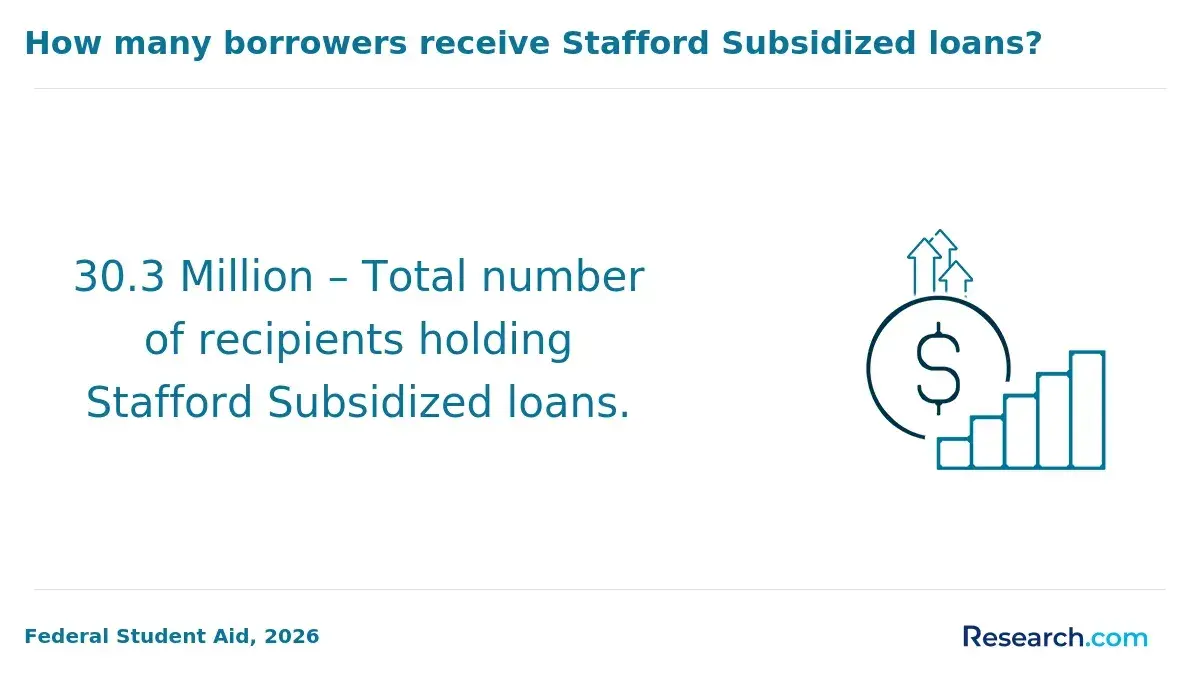
The best student loan options for RN to BSN programs focus mainly on federal loans, which offer low interest rates and flexible repayment plans. The Direct Unsubsidized Loan is commonly available, with fixed interest rates near 6.54% and no requirement to demonstrate financial need. It also supports income-driven repayment plans and loan forgiveness programs. Students who qualify based on financial need can consider the Federal Direct Subsidized Loan, which has similar benefits and the added advantage that interest is paid by the government while enrolled.
Alternative financing solutions for RN to BSN students include Federal Parent PLUS Loans and private loans. Private loans, often ranging from 7% to 14% interest, may suit those who exhaust federal loan limits or need extra funds; however, they tend to come with higher rates and fewer borrower protections. Exploring employer tuition reimbursement programs is also a valuable option to reduce borrowing needs.
Since RNs with a BSN earn a median salary of $89,010-about 18% more than those with an associate degree-investing in a BSN through affordable financing solutions for RN to BSN students can be financially worthwhile. Key factors to consider include:
- Interest rates and associated fees.
- Repayment flexibility and available options.
- Eligibility for loan forgiveness, especially through Public Service Loan Forgiveness programs.
- Loan limits relative to program cost and duration.
For a detailed perspective on student loans, visiting resources focused on student loans for dental school can provide useful comparative insights. Careful evaluation of these points helps RN to BSN students choose loans that minimize long-term costs while supporting them throughout their studies.
How do federal and private RN to BSN loans compare for nurses?
Federal RN to BSN loans offer advantages like lower fixed interest rates, flexible repayment terms, and income-driven plans that help nurses facing financial hardship. These loans typically do not require credit checks or cosigners, which enhances accessibility for many students. They also include options for deferment or forbearance during economic difficulties or advanced studies. For instance, borrowing $15,000 for an online RN to BSN program might come with interest rates around 5% and repayment terms spanning 10 to 25 years.
In contrast, private RN to BSN loans generally have higher interest rates, often above 10%, depending on creditworthiness. They usually require a good credit score or a cosigner, limiting access. Private loans can offer larger borrowing limits, beneficial if tuition exceeds $40,000, as noted by U.S. News & World Report. However, they lack many of the repayment flexibility and borrower protections found in federal options. Nurses who must rely on private loans should anticipate stricter qualification standards and less favorable terms.
A comparison of RN to BSN loan options for nurses reveals the need to weigh cost, eligibility, and repayment flexibility carefully. Federal loans fit those prioritizing safeguards and lower rates, while private loans may be needed for insufficient federal aid or higher tuition. Prospective borrowers should also consider how early to apply for student loans to optimize their financing strategies. This overview highlights key federal vs private RN to BSN student loans benefits for informed decisions.
How much can RN to BSN students borrow and what interest rates should they expect?
RN to BSN students can borrow up to $20,500 annually through federal Direct Unsubsidized Loans if enrolled as undergraduates, with aggregate loan limits reaching $57,500 including any prior undergraduate debt. Graduate-level loans often allow higher amounts but come with different terms. Private loans vary significantly, typically ranging from $5,000 to full tuition coverage depending on creditworthiness and lender policies.
For the 2025-2026 award year, the average interest rates for RN to BSN loans through federal Direct Unsubsidized Loans are fixed at 6.39%, alongside an origination fee of 1.057%, per the U.S. Department of Education. Unlike variable private rates, these fixed rates help borrowers predict repayment costs more easily. Borrowing the maximum $20,500 at this rate over a 10-year term can result in about $2,900 annually in interest payments.
Many students prioritize federal loans first because of their benefits such as fixed interest, flexible repayment plans, and potential loan forgiveness programs. However, interest rates rising above previous years affect overall repayment amounts. Private loans may supplement federal aid but often lack similar borrower protections.
Students should evaluate their program length, tuition costs, and borrowing limits carefully. Reducing loan amounts annually can help limit debt accumulation. Employer tuition assistance and scholarships are additional resources that can decrease reliance on loans.
To discover money-saving opportunities, consider reviewing available student loan refinance deals at student loan refinance deals. Knowing RN to BSN student loan borrowing limits and average interest rates for RN to BSN loans empowers informed financial decisions during your nursing education.
What are the eligibility and FAFSA requirements for RN to BSN student loans?
Eligibility for RN to BSN student loans typically requires enrollment in an accredited nursing program granting a Bachelor of Science in Nursing degree. Borrowers must be U.S. citizens or eligible non-citizens and meet lender-specific credit or income qualifications. Completing the Free Application for Federal Student Aid (FAFSA) is essential, as it determines financial need and loan eligibility for federal aid, making it a key FAFSA requirement for RN to BSN programs.
Students usually must maintain at least half-time enrollment, though some lenders may have more flexible standards for part-time students balancing work and study. Verification of income, household size, and enrollment status is included in the FAFSA, which must be submitted annually. Maintaining satisfactory academic progress is also critical to stay eligible for ongoing loan disbursements.
Interest rates on loans vary widely. According to data from NerdWallet and ISL Education Lending, fixed APRs for private nursing student loans range from 2.59% to 16.61%, depending heavily on credit history. Private loans often require a creditworthy cosigner if the student lacks an extensive credit background.
Students should confirm if their program qualifies for federal aid by consulting the financial aid office and explore options carefully to minimize their overall debt burden. Exploring options for the best bank student loans can also provide more favorable terms.
How do repayment plans work for RN to BSN borrowers, and which is most affordable?
Repayment plans for RN to BSN student loans depend largely on income and loan type. Federal loans offer several options, including Standard, Graduated, Extended, and Income-Driven Repayment (IDR) plans such as Income-Based Repayment (IBR) or Pay As You Earn (PAYE). These IDR plans often cap monthly payments at a percentage of discretionary income, sometimes as low as 10%, making them more affordable for many graduates. For example, a nurse earning $50,000 annually might pay between $200 and $300 monthly instead of a fixed $400 or more under standard plans. IDR options typically provide loan forgiveness after 20 to 25 years of qualifying payments.
Graduated plans start with lower payments that increase every two years, suitable for recent graduates expecting raises. Extended plans allow up to 25 years to repay, lowering monthly payments but increasing total interest. Private loans generally have fixed payments and fewer flexible terms, requiring careful evaluation.
Employer tuition assistance, reported by 56% of RN to BSN students in a survey by the American Association of Colleges of Nursing, can significantly reduce loan burdens and improve repayment options.
When choosing a loan repayment plan, it's important to consider current income, expected salary growth, and employer benefits. Federal loans tend to be more flexible and affordable, while private loans may lack protections. Consulting a loan servicer or financial advisor helps ensure the best fit for individual financial situations and career plans.
What loan forgiveness and repayment assistance programs are available to RN to BSN nurses?
RN to BSN nurses can benefit from various loan forgiveness and repayment programs designed to support their career growth and reduce student debt. The federal Public Service Loan Forgiveness (PSLF) program offers forgiveness of remaining Direct Loan balances after 120 qualifying payments while employed full-time in a public service nursing role.
Many states provide loan forgiveness opportunities for nurses serving in underserved or rural areas. These programs usually require a work commitment of several years and have specific eligibility criteria, which can be verified through state nursing boards or health departments. The Nurse Corps Loan Repayment Program provides up to 60% loan repayment for nurses working in critical shortage facilities over two years, with an option for additional repayment in a third year. This program helps reduce debt while gaining valuable clinical experience.
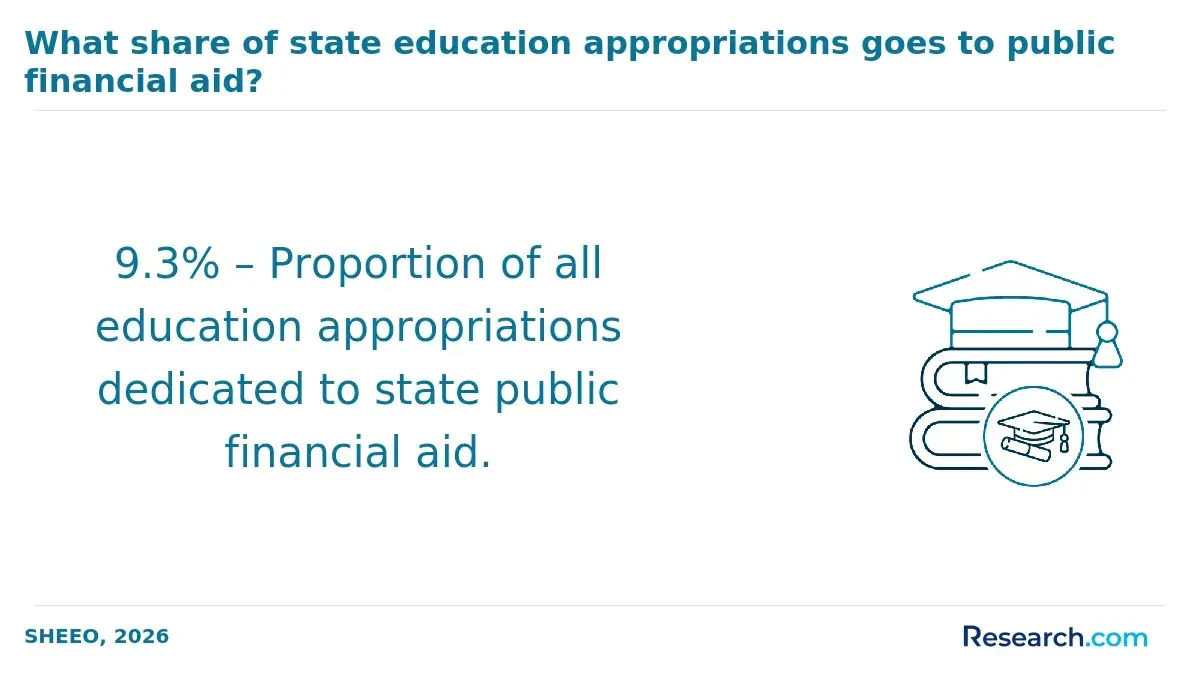
Scholarships and grants specifically allocated for RN to BSN students also help minimize loan dependence. According to the Health Resources and Services Administration (HRSA), nearly $290 million in scholarship and loan repayment funds supported approximately 17,000 nursing students and professionals.
Healthcare employers, particularly hospitals and systems, frequently offer tuition assistance or loan repayment programs based on tenure or performance, although availability and terms vary. To maximize benefits, it's advisable to explore federal, state, and employer programs together. Timely, accurate applications with proper documentation regarding employment and repayment are essential for approval.
How should working RNs compare online and campus RN to BSN costs before borrowing?
Working RNs should carefully examine total costs when comparing online and campus RN to BSN programs before borrowing. Key expenses include tuition, fees, and additional costs like books or technology. Online programs typically offer lower tuition or per-credit rates, while campus programs may provide valuable access to campus resources and clinical placements that add to their value. Don't forget to factor in non-tuition expenses such as commuting, housing, and potential time off work.
Program length is another important consideration. Some online RN to BSN programs allow accelerated pacing, which can reduce overall loan costs by shortening the enrollment period. Check if your employer provides tuition reimbursement, a benefit that can greatly offset borrowing needs regardless of program choice.
Financial aid specifically for public service workers is crucial. Nurses may qualify for income-driven repayment plans and the Public Service Loan Forgiveness (PSLF) program. Over 870,000 public service borrowers-including nurses-had received more than $62 billion in loan forgiveness, according to U.S. Department of Education PSLF data. This can significantly lessen the lifetime cost of your student loans.
Key factors to compare include:
- Total tuition and mandatory fees for each program.
- Program duration and credit requirements.
- Additional education-related expenses such as technology fees and books.
- Employer tuition support or scholarships.
- Loan repayment options focusing on PSLF and income-driven plans.
By weighing these elements, RNs can select an affordable path that minimizes borrowing while maximizing loan forgiveness opportunities linked to public service careers.
What are the best private lenders and loan features for part-time RN to BSN students?
Private lenders catering to part-time RN to BSN students focus on flexible repayment plans, low interest rates, and borrower-friendly terms that fit the schedules of working professionals. Lenders such as Sallie Mae and Ascent are notable for offering no prepayment penalties and options to defer or reduce payments during demanding work periods.
Key loan features that benefit part-time students include:
- Interest rate options: Fixed rates offer predictable monthly payments, while variable rates may start lower but can fluctuate.
- In-school deferment: Allows pausing payments without penalty during part-time enrollment, which is vital since many RN to BSN students work over 30 hours a week.
- Cosigner release: Permits removal of cosigners after a set number of on-time payments, giving students greater independence.
- Flexible repayment terms: Options from 5 to 20 years provide balance between monthly affordability and total interest.
Top lenders also excel in borrower support:
- Sallie Mae: Offers interest-only payments during school and diverse repayment plans suited for working nurses.
- Ascent: Provides hardship assistance and rewards for on-time payments, aiding students with variable schedules.
- Discover Student Loans: Features a 30-day grace period after enrollment and no fees on late payments, helping manage irregular income.
Because nearly half of students depend mainly on wages and savings, prioritizing lenders that reduce upfront costs and allow repayment flexibility can lessen financial stress. Choosing loans tailored to fluctuating work hours and family responsibilities is essential for part-time RN to BSN students.
When does refinancing or consolidating RN to BSN loans make financial sense for nurses?
Refinancing or consolidating RN to BSN loans can reduce monthly payments and the total interest paid if nurses secure lower interest rates than their current loans. For instance, switching from federal loans at 6% interest to private loans at 4% could save hundreds annually. Consolidation simplifies repayment by merging multiple loans with different rates and terms into one monthly bill.
It is important to note that refinancing federal loans into private loans eliminates federal protections like income-driven repayment and loan forgiveness programs. Nurses who plan to use these benefits should avoid refinancing until they fully repay or no longer qualify. However, federal Direct Consolidation Loans keep these protections but may increase total interest costs due to longer repayment terms.
Refinancing or consolidation works best when a nurse's salary and job stability support higher monthly payments. Labor market data shows BSN-prepared nurses often recover their education costs within 3-5 years through higher wages and leadership roles. This income growth might justify more aggressive repayment to reduce overall debt faster.
How can RN to BSN graduates manage debt, avoid default, and protect their credit?
RN to BSN graduates can manage student loan debt effectively by adopting strategic repayment plans immediately after graduation. Prioritizing federal student loans over private loans helps reduce interest expenses. A 2025 Student Borrower Protection Center review found nursing students are 24% more likely to carry high-interest private loans than other borrowers, often missing chances to refinance into lower-cost federal loans.
Income-driven repayment (IDR) plans are especially helpful, as they adjust monthly payments based on income and family size, lowering payment burdens and preventing default. Setting up automatic payments also promotes timely payments and protects credit scores. Graduates should carefully evaluate refinancing options: converting federal loans into private loans removes federal protections and is advisable only for those with strong credit and steady income.
Budgeting is crucial-graduates should list all monthly expenses and allocate funds for loan payments without sacrificing emergency savings. Missed payments can damage credit and increase balances through fees and penalties. Those facing financial hardship should contact loan servicers promptly to discuss deferment or forbearance options and avoid missed payments. Federal loans offer forgiveness programs for public service roles; RN to BSN graduates should research eligibility and apply as soon as possible.
Effective debt management strategies include:
- Using IDR plans to lower monthly payments.
- Setting up automatic payments.
- Avoiding high-interest private loans when federal loans are available.
- Creating realistic budgets including loan repayments.
- Promptly addressing financial difficulties with loan servicers.
Other Things You Should Know About
Yes, RN to BSN student loans can typically be used to cover more than just tuition. Borrowers may also use these funds for related educational expenses such as books, supplies, technology, and sometimes even living costs if allowed by the lender or loan program. It's important to review the specific loan terms to confirm eligible expenses.
If you withdraw or drop out of your RN to BSN program, you must notify your loan servicer promptly. Loan disbursements already received may need to be repaid or returned depending on the refund policies of your school and loan type. Additionally, the timeline for entering repayment could change, often starting sooner than expected.
Many federally backed RN to BSN loans offer deferment or forbearance options that allow temporary suspension or reduction of payments during financial hardship. Private lenders may also provide hardship accommodations, but these vary by lender and are less standardized. It is essential to communicate early with your loan servicer to explore available options.