2027 Best Student Loan Refinance for Parent PLUS Loans

Student Finance & Loan Expert
Many parents who took out Parent PLUS loans face rising interest rates and inflexible repayment terms that strain their finances. As costs grow, refinancing becomes an attractive option to lower monthly payments and reduce total interest paid.
However, finding the best refinance deal tailored to Parent PLUS loans can be challenging due to varying lender policies and credit requirements. This article explores the top student loan refinancing options available to parents, providing clear guidance to help borrowers save money and gain better control over their loan repayment journey.
- What does it mean to refinance Parent PLUS loans, and how does it work? Refinance basics
- When does it make financial sense to refinance Parent PLUS loans? When to refinance
- Which lenders offer the best refinance options specifically for Parent PLUS borrowers? Best lenders
- How do interest rates and terms compare when refinancing Parent PLUS loans? Rates and terms
- What credit score, income, and debt-to-income do you need to qualify? Refinance requirements
- How does refinancing Parent PLUS loans affect federal protections and forgiveness options? Federal trade-offs
- Should you refinance Parent PLUS loans into the student's name, and how? Parent PLUS refinancing
- How does refinancing compare with the federal Direct Consolidation Loan for Parent PLUS? Refinance vs consolidation
- How will refinancing Parent PLUS loans change your monthly payments and payoff timeline? Payment impact
- What steps and documents are required to apply for a Parent PLUS refinance? Application steps
What does it mean to refinance Parent PLUS loans, and how does it work?
Refinancing Parent PLUS loans involves replacing an existing federal Parent PLUS loan with a private loan to secure a lower interest rate or better repayment terms. This process requires applying through a private lender that evaluates the parent borrower's credit and income.
Once approved, the new lender pays off the original loan, and the borrower makes payments under updated conditions. Understanding the Parent PLUS loan refinancing process is essential for those considering this option.
Refinancing can lead to reduced monthly payments or lower overall interest costs depending on loan terms. For example, a $30,000 balance at 7% interest could be refinanced to a private loan with a 5% rate, resulting in significant savings over time. However, federal protections such as income-driven repayment plans and loan forgiveness options are lost after refinancing.
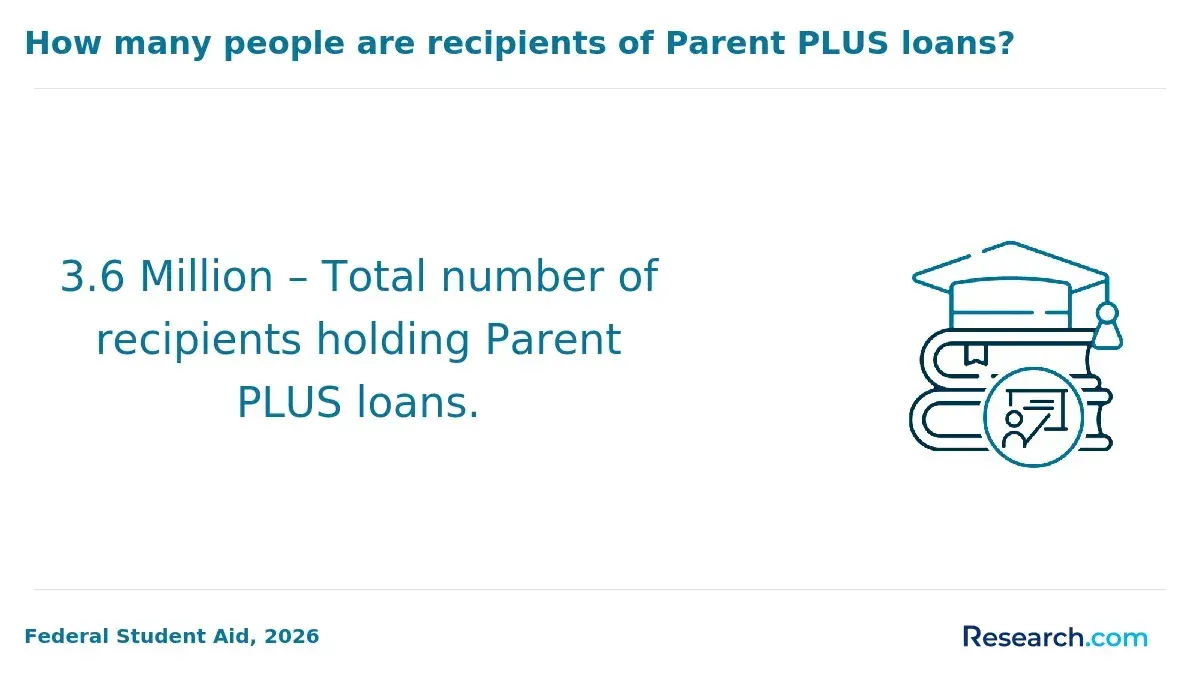
A 2024 analysis by Student Loan Planner found about 3.7 million families hold Parent PLUS loans totaling around $112 billion, with an average balance near $30,000. This illustrates the broad impact refinancing could have on many families. Key benefits of refinancing Parent PLUS loans include potentially consolidating multiple loans into one and managing payments more easily.
- Eligibility depends on credit score and income, as lenders assess these strictly.
- Federal benefits like deferment, forbearance, and Public Service Loan Forgiveness end with refinancing.
- Shorter loan terms usually mean higher monthly payments but less total interest.
- Refinancing may simplify finances by consolidating multiple loans into one payment.
For borrowers facing tight situations, accessing student loans after semester starts can provide additional options while considering refinancing strategies.
When does it make financial sense to refinance Parent PLUS loans?
Refinancing Parent PLUS loans makes financial sense when it results in a lower interest rate or more manageable monthly payments without sacrificing borrower protections critical to federal loans.
For parents considering Parent PLUS loan refinancing benefits, switching to a private lender can reduce total interest paid and ease monthly cash flow, especially if current federal rates are at least 1% higher than private offers. For instance, a parent paying 7% on a federal loan might save thousands by refinancing at 5% or less.
Parents who struggle to save for retirement due to high monthly payments should evaluate refinancing options, provided they have stable income and good credit.
The Federal Reserve's Survey of Household Economics noted 58% of parents with Parent PLUS debt felt these payments limited their retirement savings. Lowering monthly payments or extending loan terms can free up cash for other priorities.
When to refinance Parent PLUS loans depends on individual circumstances. Refinancing is not advisable if it means losing federal protections like income-driven repayment plans or loan forgiveness.
Those with fluctuating income or who might need deferment should weigh these factors carefully. Parents planning to cosign or refinance jointly should understand credit implications.
Key situations for refinancing include:
- Current federal interest rates are substantially higher than private offers.
- Monthly repayments limit retirement savings or other priorities.
- Strong credit and steady income secure favorable private terms.
- Acceptable loss of federal protections based on personal financial stability.
Evaluating balances, rates, and goals with a professional or loan calculator helps make precise decisions.
For those seeking loan options, consider resources like the ascent student loan application process to explore private refinancing possibilities.
Which lenders offer the best refinance options specifically for Parent PLUS borrowers?
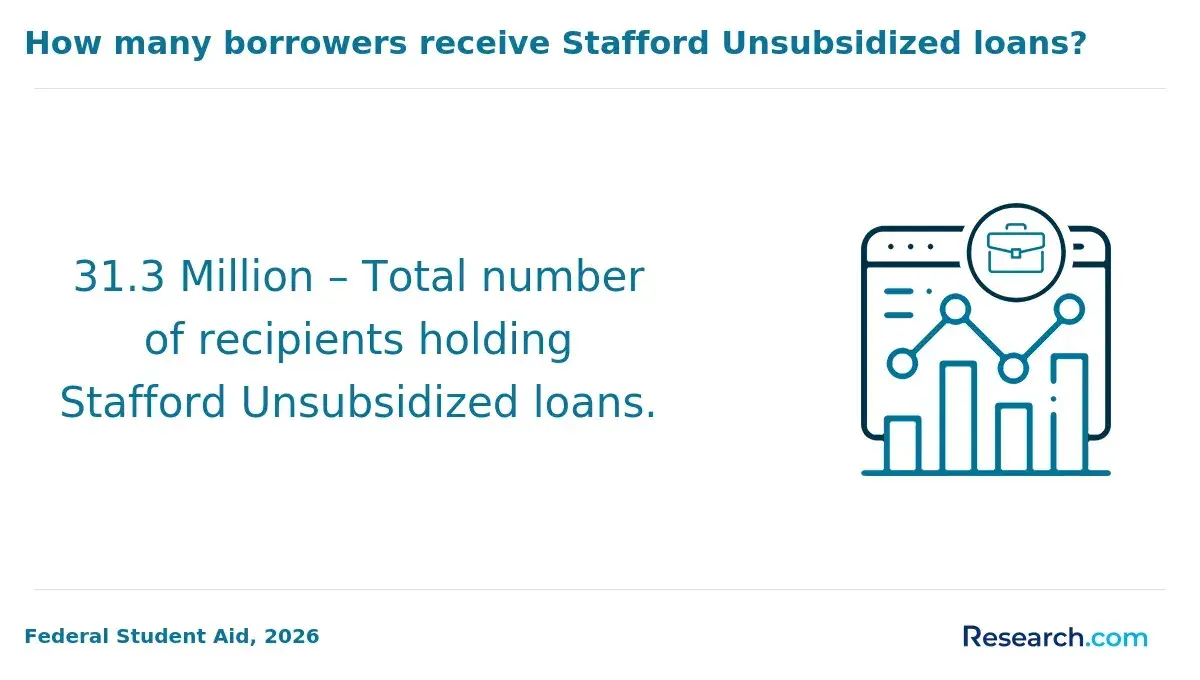
Several private lenders provide competitive refinance options specifically designed for Parent PLUS loan borrowers. Refinancing can significantly lower the high average interest rate on these loans, which is around 7.5% according to the Department of Education's 2024 Direct Loan data.
Many top student loan refinancing options for Parent PLUS borrowers advertise fixed APRs starting near 4%, allowing qualified individuals to reduce their rates by 2 to 3 percentage points.
Notable lenders include:
- SoFi: Offers refinance terms from 5 to 20 years with fixed and variable rates starting near 4%, plus features like unemployment protection and no application fees.
- Earnest: Allows borrowers to customize repayment plans and select term lengths, often leading to lower monthly payments.
- CommonBond: Focuses on Parent PLUS borrowers with competitive fixed rates, borrower safeguards, and rewards for timely payments.
- Laurel Road: Provides low fixed rates with flexible qualification criteria, benefiting parents with strong credit or steady income.
Borrowers should assess offers based on credit score, income, and term length. Those with good credit (usually 700+ FICO) and steady income may find refinancing advantageous, although it removes federal protections like income-driven repayment and loan forgiveness.
Before deciding, it's important to consider if the lender offers benefits aligned with your financial goals, such as avoiding prepayment penalties or access to hardship deferments. Comparing quotes and using calculators can help identify the best parent plus loan refinance lenders.
For more details and options, explore student loan refinance deals suited to your needs.
How do interest rates and terms compare when refinancing Parent PLUS loans?
Interest rates for refinancing Parent PLUS loans typically range from about 4.5% to 8%, influenced by creditworthiness and lender policies. Term lengths vary between 5 and 20 years; shorter terms mean higher monthly payments but greater interest savings overall. Borrowers who secure lower rates through a parent plus loan refinance interest rates comparison can significantly reduce total costs.
A detailed student loan refinance terms analysis shows that refinancing a $50,000 Parent PLUS loan from 7.5% to 5% over 10 years can save roughly $7,400 in total interest.
This example highlights how even a 2.5 percentage point reduction can impact your finances. Longer terms may lower monthly payments but increase total interest paid, while shorter terms raise payments and maximize interest savings.
Important factors affecting rates and terms include credit score, debt-to-income ratio, and lender requirements. Some lenders require a strong credit history or a co-signer because federal guarantees no longer apply to refinanced loans.
Fixed-rate options dominate, but some borrowers might consider variable rates, which can be beneficial in some economic climates, though they carry the risk of increasing over time.
Borrowers evaluating their options should consider:
- Comparing fixed versus variable rates according to their risk tolerance.
- Selecting terms that balance monthly affordability with total interest savings.
- The fact that refinancing federal Parent PLUS loans converts them into private loans, eliminating federal protections.
For those exploring private student loan refinancing, understanding these nuances is crucial before committing to new loan terms.
What credit score, income, and debt-to-income do you need to qualify?
Refinancing Parent PLUS Loans requires meeting specific credit and income standards set by lenders. Typically, a credit score of at least 650 is necessary, though many lenders prefer scores above 700 to secure the best interest rates. A strong credit history, reflecting timely payments and low delinquency, greatly improves chances of approval.
Income requirements vary but generally include a stable income sufficient to manage monthly debt plus new loan payments. Most lenders look for an annual income between $30,000 and $40,000 or higher to enhance approval odds and access better rates.
Additionally, your debt-to-income (DTI) ratio should ideally stay below 40% to 50% of your gross monthly income; for example, if you earn $5,000 monthly, total debt payments should not exceed $2,500.
More than 70% of top refinance lenders now offer options for Parent PLUS or parent loan refinancing, reflecting increased willingness to support these borrowers. However, strict credit and income standards remain due to the inherent loan risks.
Applicants with less-than-ideal credit or income may require a co-signer. Lenders also evaluate recent employment stability and overall financial health. Preparing documentation such as tax returns, pay stubs, and credit reports beforehand can help streamline the approval process.
How does refinancing Parent PLUS loans affect federal protections and forgiveness options?
Refinancing Parent PLUS loans shifts the debt from federal to private lenders, causing the loss of federal protections and forgiveness programs. Once refinanced privately, the loan becomes ineligible for federal options like Income-Contingent Repayment (ICR), Public Service Loan Forgiveness (PSLF), and future federal forgiveness initiatives.
Borrowers also lose safeguards such as deferment, forbearance, and income-driven repayment plans that help during financial hardship.
The Congressional Budget Office notes that federal consolidation loans do not lower Parent PLUS interest rates, which tend to be among the highest of federal student loans. Private refinancing typically offers about 1.5 percentage points lower interest rates for highly qualified borrowers, potentially reducing repayment costs but at the cost of losing federal benefits.
For example, a parent with a $50,000 Parent PLUS loan at 7% interest might save approximately $750 annually by refinancing privately at 5.5%. However, they forfeit access to income-driven repayment options that can adjust monthly payments based on income or job instability.
Deciding whether to refinance depends on factors including creditworthiness, job stability, and future repayment goals. Borrowers with strong credit and steady incomes may gain from refinancing, while those expecting to use forgiveness programs or needing repayment flexibility should likely retain federal loans.
- Refinancing eliminates eligibility for PSLF and income-driven plans.
- Federal consolidation keeps high rates without adding forgiveness benefits.
- Private refinancing offers about 1.5% lower rates but forfeits federal protections.
- Consider credit profile, stability, and repayment needs before refinancing.
Should you refinance Parent PLUS loans into the student's name, and how?
Refinancing Parent PLUS loans into the student's name can lower interest rates and increase repayment flexibility by removing the parent as the primary borrower. This option may reduce monthly payments if the student qualifies for more favorable terms based on creditworthiness.
However, the student needs a steady income or a creditworthy cosigner, since private lenders assess the borrower's ability to repay.
About 32% of borrowers who refinanced Parent PLUS loans transferred the debt to the student, often alongside informal family repayment agreements. This approach helps ease the repayment burden for parents and allows students to build credit.
Steps to refinance Parent PLUS loans in the student's name:
- Research private lenders that specialize in refinancing Parent PLUS loans.
- Compare rates and terms for students with income or cosigners.
- Gather financial documents like income proof and credit history.
- Apply in the student's name, adding a cosigner if needed.
- Agree on a family repayment plan detailing responsibilities.
Before refinancing, consider that:
- A poor credit score may require a cosigner.
- Refinancing removes federal benefits like income-driven repayment and loan forgiveness.
- Interest rates might not always be lower depending on credit profiles.
Families should carefully weigh these factors to decide if transferring the loan supports their financial goals and repayment abilities.
How does refinancing compare with the federal Direct Consolidation Loan for Parent PLUS?
Refinancing Parent PLUS loans with a private lender removes federal borrower protections and repayment options available through the Direct Consolidation Loan. While Direct Consolidation allows repayment terms up to 30 years and access to Income-Contingent Repayment (ICR), refinancing privatizes the loan and eliminates eligibility for federal relief programs such as ICR, deferment, forbearance, and forgiveness.
The U.S. Department of Education reports billions in Parent PLUS loans have benefited from federal relief programs, advantages lost once a loan is refinanced.
Direct Consolidation adjusts monthly payments based on income and family size, often lowering monthly costs but potentially increasing total interest paid. On the other hand, refinancing typically offers lower fixed or variable interest rates depending on creditworthiness, which can reduce overall interest expenses.
Refinancing suits borrowers with strong credit and stable income who prioritize lower interest rates and don't need federal repayment protections. Parents experiencing financial uncertainty may find Direct Consolidation more advantageous.
Refinancing also consolidates multiple loans into one but requires a credit check and income verification, unlike federal Direct Consolidation.
Key considerations include:
- Refinancing removes access to all federal relief programs including ICR.
- Direct Consolidation provides income-driven repayment and federal borrower protections.
- Refinancing may offer lower interest rates but needs good credit and income stability.
- Lender terms for refinancing vary and may include variable rates or prepayment penalties.
How will refinancing Parent PLUS loans change your monthly payments and payoff timeline?
Refinancing Parent PLUS loans offers the opportunity to reduce monthly payments and shorten the payoff period by obtaining lower interest rates. By replacing the original federal loans with private loans that have more favorable terms, borrowers can achieve substantial savings and repay debt faster.
For example, switching from a federal fixed rate of 7% to a private loan at 5% interest could lower monthly costs by hundreds of dollars on a $50,000 balance.
Credit scores play a crucial role in securing better rates. A 2025 Credible marketplace study found borrowers with FICO scores of 780+ received fixed APRs nearly 2 percentage points lower than those with scores between 680 and 719. This difference means significant savings over the loan's life.
Refinance repayment term options usually range from 5 to 20 years, balancing monthly payment size against total interest paid:
- A 10-year refinance on $50,000 at 5% interest results in monthly payments around $530.
- A 15-year term lowers payments to about $395 but increases total interest.
Refinancing eliminates federal protections like income-driven repayment and loan forgiveness, so borrowers should assess their financial situation and repayment goals carefully. When managed wisely, refinancing provides customized plans and faster debt payoff through reduced interest rates.
What steps and documents are required to apply for a Parent PLUS refinance?
Refinancing a Parent PLUS loan involves several key steps and requires specific documents. Start by choosing a reputable lender that accepts Parent PLUS loan refinancing, then complete their application form with your personal information, current loan balances, and financial details.
Commonly required documents include proof of income such as recent pay stubs, W-2 forms, or tax returns to confirm repayment ability. You must also provide current loan information, such as servicer details and outstanding balances. A credit report is typically requested to assess creditworthiness, and some lenders may ask for government-issued ID and proof of residency.
If your credit or income doesn't meet lender criteria, be ready to provide co-signer information with similar financial documentation. During the application, you'll select your repayment term and monthly payment amount, which impact total interest and loan duration.
A 2024 analysis by Earnest found that borrowers increasing payments by at least 50% paid off loans a median of four years earlier and saved over $8,000 in interest compared to original schedules.
Before submitting, review all requirements carefully. Many lenders offer prequalification tools that give preliminary approval without affecting your credit score, helping you compare offers efficiently.
Other Things You Should Know About
In 2027, some private lenders allow borrowers to refinance their Parent PLUS loans alongside other federal student loans. However, refinancing turns federal loans into private loans, which may lead to losing federal protections such as income-driven repayment plans and loan forgiveness options.
Interest paid on refinanced private student loans may still qualify for the student loan interest deduction, but only if the loan meets IRS requirements. Since refinancing Parent PLUS loans converts them into private loans, it's important to confirm with a tax advisor whether your new loan interest payments remain eligible. Retaining documentation of interest paid on both original and refinanced loans is recommended for tax purposes.
If you refinance a Parent PLUS loan, the original borrower (usually the parent) remains responsible for the new loan unless the loan is refinanced in the student's name. Some lenders allow the student to assume the loan during refinancing, removing the parent from liability, but this depends on lender policies and the student's creditworthiness. Always review cosigner terms carefully before refinancing.
Refinancing a Parent PLUS loan typically affects the credit of the borrower who takes out the new private loan. If the parent continues as borrower, their credit is primarily impacted. If the loan is refinanced into the student's name, then the student's credit will be affected. It is important to consider how the credit profiles of both parties may be influenced by refinancing decisions.