2027 How to Pay for College If FAFSA Is Not Enough

Student Finance & Loan Expert
Many prospective graduate students face financial gaps when FAFSA does not cover the full cost of tuition and living expenses. Limited federal aid and rising education costs create challenges that can delay or derail advanced study plans. Relying solely on unsubsidized loans may increase long-term debt burdens, while private loans often carry higher interest rates and stricter terms. Understanding alternative funding sources and smart borrowing options becomes crucial for managing debt responsibly and completing graduate education on time. This article explores practical strategies to bridge funding shortfalls and helps readers make informed decisions about loans and financial assistance.
- How do you know if your federal aid and FAFSA award will fully cover college costs? FAFSA gap
- What are the best options when FAFSA isn't enough to pay for college? Beyond FAFSA
- How do federal student loans work and how much can you borrow each year? Federal loans
- When should you consider private student loans and how do they compare to federal loans? Private loans
- How can scholarships, grants, and work-study help close a remaining college funding gap? Free aid
- What strategies can parents use to pay for college, including PLUS loans and alternatives? Parent options
- How do interest rates, fees, and credit requirements affect the total cost of student loans? Loan costs
- How can you estimate an affordable monthly payment and choose a repayment plan? Repayment plans
- What forgiveness, discharge, and repayment assistance programs can reduce what you repay? Forgiveness help
- When does refinancing or consolidating student loans make sense to lower costs or simplify payments? Refi & consolidation
How do you know if your federal aid and FAFSA award will fully cover college costs?
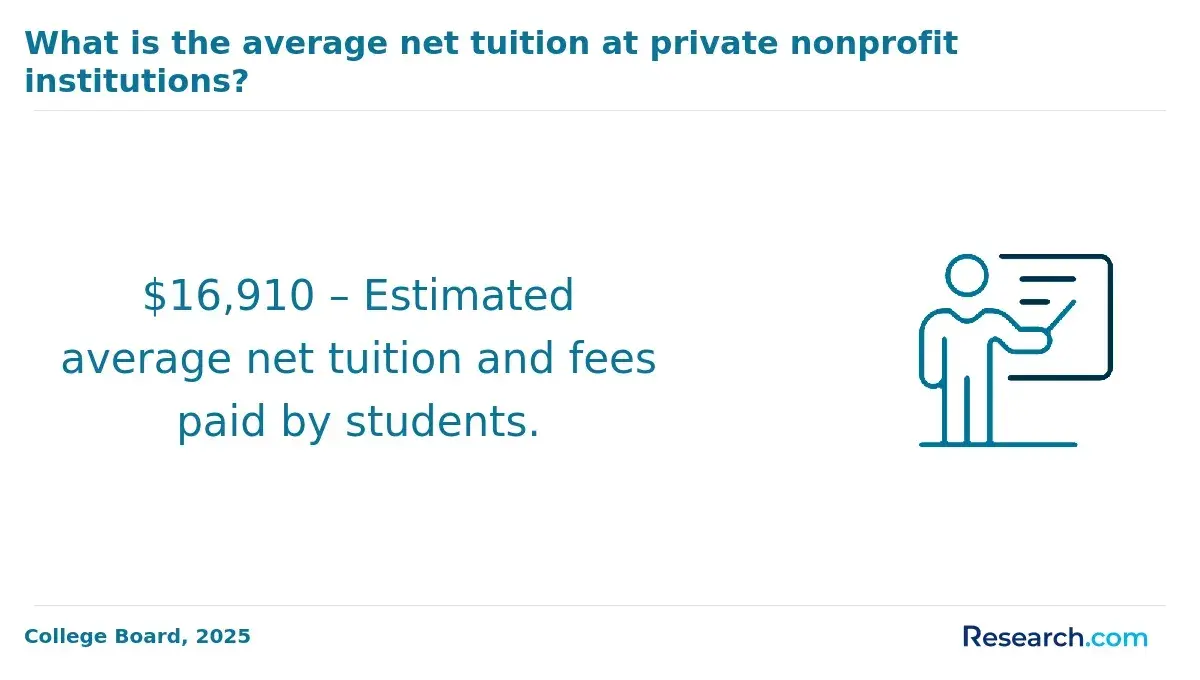
Compare your total financial aid package with your school's published cost of attendance (COA) to see if federal aid coverage for college expenses is sufficient. The COA includes tuition, fees, room, and board. For example, the average COA at a public in-state four-year college is $26,540, while private nonprofit four-year colleges average $56,190, according to the College Board.
Review your FAFSA award letter carefully to identify grants, scholarships, work-study, and federal loans. Grants and scholarships reduce out-of-pocket costs since they don't require repayment, but loans must be repaid and should be factored into your budget. Calculating the remaining balance involves subtracting your total aid from the COA. If there is a FAFSA award gap and college cost coverage falls short, plan to cover the difference through personal funds, extra scholarships, private loans, or payment plans.
Keep in mind:
- FAFSA awards often exclude institutional scholarships, so contact your financial aid office to explore more aid options.
- Work-study funds are earned gradually through campus employment and may not cover upfront tuition costs.
- Federal loans have borrowing limits based on your dependency status and academic year, which can restrict total aid.
Additional expenses like books, transportation, and personal costs might not be fully covered by your aid package. Always verify with your school's financial aid office if your award matches your specific COA and understand all aid conditions to avoid surprises. If you need last-minute funding, consider quick student loans as a possible solution.
What are the best options when FAFSA isn't enough to pay for college?
When FAFSA is insufficient to cover college expenses, students should explore alternative financial aid options beyond FAFSA to meet unmet financial need. Federal student loans, like Direct Unsubsidized Loans and PLUS loans for parents, offer additional borrowing capacity with fixed interest rates and flexible repayment plans. Private student loans are another route but generally come with higher interest rates and stricter credit requirements. For students seeking independent borrowing, understanding student loans without parent information is important.
Scholarships and grants are the most desirable choices since they do not require repayment. Many schools provide merit- or need-based awards beyond FAFSA calculations. Private organizations, corporations, and local foundations also offer scholarships targeting specific fields, demographics, or talents. Using scholarship search engines regularly improves chances of finding these funds.
Work-study and part-time employment can supplement income. Federal work-study programs provide on-campus jobs with flexible hours, although availability can be limited. Off-campus or remote jobs related to a student's field may offer both income and valuable experience while helping with paying for college when FAFSA is insufficient.
Institutional payment plans can ease tuition management without accumulating high-interest debt. Some colleges introduce income-share agreements, where repayment depends on future earnings rather than fixed loan payments.
In recent analysis, 23% of dependent undergraduate FAFSA filers had a Student Aid Index of zero, showing high financial need. Many still face unmet need, underscoring the importance of diversified funding strategies, according to the National College Attainment Network's Pell Cutoff Analysis 2024.
How do federal student loans work and how much can you borrow each year?
Federal student loans provide a way to bridge the gap between available financial aid and actual college costs, offering fixed interest rates and deferred payments while students remain enrolled. There are two main types: Direct Subsidized Loans, which do not accrue interest during enrollment for qualifying students, and Direct Unsubsidized Loans, which begin to accrue interest immediately. This system explains how federal student loans work in the United States for many borrowers.
Annual federal student loan borrowing limits vary by student dependency status and academic year:
- Dependent undergraduates may borrow between $5,500 and $7,500 per year, depending on their year in school.
- Independent undergraduates can borrow from $9,500 to $12,500 annually.
- Graduate students can borrow up to $20,500 per year in Unsubsidized Loans.
These limits supplement grants and personal funding sources but often do not cover the full cost of attendance. For example, the maximum Federal Pell Grant covers only a portion of college expenses, leaving many students facing a substantial funding gap. Federal Pell Grant recipients at public four-year universities typically encounter costs averaging $25,200, far exceeding available aid.
For those needing to borrow beyond annual limits, Federal PLUS Loans offer higher borrowing caps but require stricter credit approval. Borrowers should also consider cumulative loan limits to avoid excessive debt. For prospective MBA students or others pursuing graduate studies, exploring options like federal loans for MBA students is essential to align debt with financial goals and educational plans.
When should you consider private student loans and how do they compare to federal loans?
Consider private student loans only after exhausting federal options, scholarships, and grants. Federal loans offer fixed interest rates, income-driven repayment plans, and forgiveness programs, which often make them preferable. Private student loans vs federal loans benefits include the fact that private loans generally have variable rates, fewer borrower protections, and depend heavily on creditworthiness. For example, a student with limited credit history might face higher rates or loan denial when seeking private funding.
Private loans can be useful to supplement funding when FAFSA-determined eligibility and scholarships fall short. The National Scholarship Providers Association estimates that $100 million in scholarship funds go unawarded annually due to too few qualified applicants. Actively pursuing scholarships helps reduce reliance on loans overall.
When to choose private student loans over federal options typically depends on individual circumstances. Key factors to evaluate in private loan terms include:
- Interest rates: usually higher and variable compared to federal fixed rates.
- Repayment options: private lenders seldom offer income-driven plans or loan forgiveness.
- Cosigner requirements: many private loans require a creditworthy cosigner to improve approval chances.
- Loan limits: private loans may cover remaining costs not met by federal aid but vary significantly among lenders.
Students facing financial gaps often select private loans for tuition, housing, or unexpected expenses. Graduates with strong credit profiles may negotiate better rates. Working professionals returning to school sometimes prefer private loans if federal loan limits are insufficient. It's wise to compare multiple lenders and understand all loan terms before borrowing. Resources like the best banks that refinance student loans can help identify favorable refinancing options.
How can scholarships, grants, and work-study help close a remaining college funding gap?
Scholarships, grants, and work-study opportunities help bridge the financial gap when FAFSA aid doesn't cover all expenses. Scholarships provide merit- or need-based funding that doesn't require repayment, easing costs related to tuition, fees, and sometimes living expenses. Grants like the federal TEACH Grant, which offers up to $4,000 annually for students committing to teach in underserved areas, directly reduce educational expenses without adding debt.
Combining multiple scholarships and grants enables students to create a personalized aid package. For instance, a nursing student might seek healthcare scholarships alongside state nursing grants to lower reliance on loans.
Federal and institutional work-study programs offer part-time jobs that bolster financial independence and provide valuable experience. Earnings from work-study don't count toward expected family contributions, increasing eligibility for more aid. These roles also help build networks and skills that can improve employment chances after graduation.
To effectively close funding gaps consider these strategies:
- Explore scholarships beyond academics, including those based on community service, field of study, or personal background.
- Apply early for grants such as the TEACH Grant and Pell Grant to maximize assistance.
- Pursue work-study positions relevant to your career goals, often available through colleges or nonprofits.
- Combine different aid types carefully to minimize loan amounts.
Consistently researching and applying for scholarships, grants, and work-study programs can significantly reduce student loan burdens, supporting a more manageable approach to financing education.
What strategies can parents use to pay for college, including PLUS loans and alternatives?
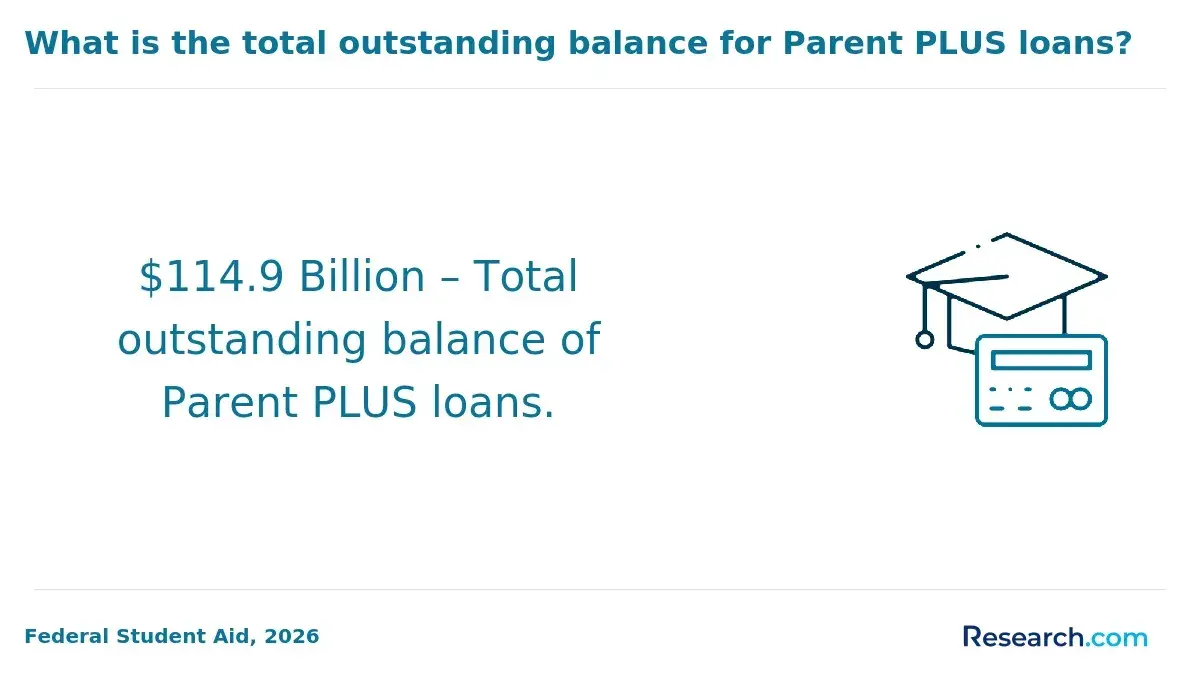
Federal PLUS loans allow parents to borrow up to the total cost of attendance minus other financial aid, with fixed interest rates and repayment during or after the student's enrollment. These loans require a credit check, which may restrict eligibility. Private student loans are an alternative but often have higher interest rates and less flexible repayment options. Parents should carefully compare terms and consider co-signing with the student to access better rates.
Starting at technical or community colleges can significantly reduce tuition costs, making it easier to manage expenses before transferring to a four-year university. Work-study programs and part-time jobs offer additional income for students. According to the National Center for Education Statistics (Condition of Education 2024), median weekly earnings for employed full-time undergraduates were about $390, totaling over $15,000 annually, which can help offset expenses.
Other practical strategies include setting up 529 college savings plans early, utilizing employer tuition assistance programs, and seeking scholarships tailored to the student's background or area of study. Home equity loans may be considered cautiously due to the risks of using property as collateral.
Combining multiple funding sources-PLUS loans, savings, work earnings, scholarships, and smart educational choices-provides a balanced approach to managing college costs effectively.
How do interest rates, fees, and credit requirements affect the total cost of student loans?
Interest rates, fees, and credit requirements greatly increase the total cost of student loans beyond the amount borrowed. Federal student loan interest rates for 2026 typically range from about 4% to 7%, depending on the loan type. Private loans often have higher and variable rates, which can increase repayment amounts significantly. Even a small difference in interest rates can add thousands of dollars over the life of a multi-year loan.
Fees also add to costs. Federal loans usually include origination fees deducted upfront, which reduces the disbursed amount but increases the effective debt. Private lenders may charge application fees, late payment fees, or prepayment penalties, so reviewing fee schedules carefully before applying is important.
Credit requirements affect loan availability and terms:
- Federal loans generally do not require credit checks, making them accessible to most students.
- Private lenders require good credit or a co-signer, and poor credit may lead to higher interest rates or loan denial.
Tuition variation amplifies these factors. Average in-district tuition at public two-year colleges is $4,120, while in-state tuition at public four-year institutions averages $11,260 annually, a difference of over $7,000 per year. Larger loan amounts mean interest, fees, and credit terms have a greater impact on total repayment cost.
How can you estimate an affordable monthly payment and choose a repayment plan?
Start by calculating your total loan balance and applying the interest rate to estimate monthly payments. Federal Direct Subsidized and Unsubsidized Loans have a rate of 6.53%, while private undergraduate loans often range from 9% to 10%, based on Federal Student Aid and Credible data. Lower interest rates generally make federal loans more affordable by reducing monthly payments and total repayment costs.
Online loan calculators can help by using your principal, interest rate, and repayment term to estimate monthly payments. For example, a $20,000 federal loan at 6.53% over 10 years typically results in a monthly payment of about $227.
Federal loans provide various repayment plans to fit different financial situations:
- Standard repayment: fixed payments over 10 years with higher monthly costs but less interest overall.
- Graduated repayment: lower initial payments that increase every two years, good if you expect your income to grow.
- Income-driven plans: payments based on income and family size, which can start very low and extend repayment terms.
Private loans usually offer fewer options, often requiring fixed payments. It's important to compare repayment conditions and lengths carefully to avoid unaffordable monthly obligations. Also, consider interest accrual differences and benefits like deferment or forgiveness available with federal loans, which private lenders typically do not provide.
What forgiveness, discharge, and repayment assistance programs can reduce what you repay?
Several federal programs reduce student loan repayment burdens through forgiveness, discharge, and repayment assistance. Public Service Loan Forgiveness (PSLF) cancels remaining federal loan balances after 120 qualifying monthly payments for borrowers working full-time in government or nonprofit roles. Income-Driven Repayment (IDR) plans such as REPAYE or IBR base monthly payments on income and family size, forgiving any remaining balance after 20 or 25 years of qualifying payments.
Loan discharge options cancel federal loans under specific circumstances, including:
- Total and Permanent Disability discharge for long-term disabilities.
- Closed school discharge if the institution closes while enrolled.
- Borrower defense discharge if the school engaged in fraud or violated laws.
State and institutional programs may supplement federal options, offering forgiveness to teachers, nurses, and other professionals who work in high-need areas locally. Employers, particularly in healthcare and education, sometimes include loan repayment assistance as part of benefit packages.
Private student loans seldom qualify for federal forgiveness or discharge. Most undergraduate private loans require a creditworthy cosigner, limiting access to relief programs. Refinancing or lender negotiations are often the primary strategies for managing private loan debt.
Borrowers should verify eligibility early, keep thorough records of employment and payments, and submit required documentation timely to maximize available benefits and reduce repayment obligations.
When does refinancing or consolidating student loans make sense to lower costs or simplify payments?
Refinancing or consolidating student loans can lower interest rates or simplify repayment by combining multiple loans into one monthly payment. This approach is useful for borrowers juggling both federal and private loans who want to reduce missed payment risks and manage their finances more efficiently. Improved credit scores may also help borrowers secure lower rates through refinancing, ultimately decreasing the total interest paid.
Refinancing is often best suited for private loans with high-interest rates or federal loans carrying fixed rates above current market averages. Consolidation typically benefits federal loans by enabling access to income-driven or extended repayment plans. However, refinancing federal loans into private loans removes federal protections such as income-driven forgiveness and deferment options, so it's important to consider these trade-offs carefully.
Those facing difficulty with monthly payments should explore income-driven repayment plans before refinancing, as these plans tailor payments to income and reduce default risks. According to the Federal Reserve's Report on the Economic Well-Being of U.S. Households, 2024, 38% of borrowers owing more than $40,000 were behind or in default after 10 years, while just 10% with under $10,000 faced the same issues.
Indicators that refinancing or consolidation might help include:
- Multiple loans with different servicers causing confusion
- High interest rates exceeding current averages
- Stable income and strong credit qualifying for better rates
- Wants to switch repayment plans or lower monthly bills
Review your loan types, rates, and repayment goals carefully before deciding. Consulting a financial advisor can help clarify if consolidation will improve your situation or only postpone repayment challenges.
Other Things You Should Know About
Yes, student loans impact your credit score because they appear on your credit report as debt. On-time payments can build a positive credit history, while missed or late payments can harm your score. Managing student loans responsibly is important for maintaining good credit.
Many federal student loans offer income-driven repayment plans that adjust monthly payments based on your income and family size. These plans make payments more affordable and may forgive remaining balances after 20 or 25 years. Private loans typically do not offer such options, so it's important to check your loan terms.
If you miss payments on federal student loans, you can enter deferment or forbearance to temporarily pause payments, but interest often continues to accrue. Continued nonpayment can lead to default, damaging your credit and causing wage garnishment. Private lenders have their own policies, which may be less flexible than federal programs.
Yes, in 2027, federal and private student loans can be used for various costs beyond tuition, including housing, books, transportation, and personal expenses. Students should budget wisely to ensure loan funds cover essential costs throughout the academic year.