2027 Best Cybersecurity Graduate School Loans

Student Finance & Loan Expert
Many prospective graduate students face the challenge of securing affordable loans to finance cybersecurity programs. This financial hurdle can stall career transitions, especially for those shifting from unrelated undergraduate fields.
Rising tuition and living costs amplify the concern, risking increased debt or delayed education. Finding the right loan involves evaluating interest rates, repayment options, and lender reputation.
This article explores the best cybersecurity graduate school loan options, focusing on terms that favor future professionals. It aims to equip readers with clear, actionable insights to make informed borrowing decisions that support timely degree completion and career advancement.
- What types of student loans are best for cybersecurity graduate programs? Best loan types
- How do federal and private loans compare for cybersecurity master's students? Federal vs. private
- How much can you borrow for cybersecurity graduate school and what will it cost? Grad limits & costs
- What are the eligibility and FAFSA requirements for cybersecurity graduate student loans? Eligibility & FAFSA
- Which federal repayment plans work best for high-earning cybersecurity careers? Best repayment
- Can cybersecurity graduate loans qualify for forgiveness, PSLF, or other relief programs? Cybersecurity forgiveness
- How should you compare interest rates, fees, and terms on private cybersecurity grad loans? Comparing offers
- When does repayment start for cybersecurity graduate loans and how are payments calculated? Repayment timing
- How can refinancing or consolidating cybersecurity grad loans lower your payments? Refinancing options
- What happens if you defer, forbear, or default on cybersecurity graduate school loans? Deferment & default
What types of student loans are best for cybersecurity graduate programs?
Federal student loans remain the best student loans for cybersecurity graduate programs because of their flexible repayment options and generally lower interest rates than private loans.
Subsidized federal loans do not accrue interest while you are enrolled, helping to reduce long-term debt. Unsubsidized loans accrue interest but provide income-driven repayment plans and loan forgiveness opportunities, especially for public service or teaching careers.
Private loans are an option when federal limits are insufficient or extra funding is necessary. These usually carry higher interest rates and fewer borrower protections. When exploring private loans, it is wise to compare lenders for fixed-rate loans and consider a cosigner to secure better terms.
Given the potential salary growth in cybersecurity, especially with a master's degree, some repayment plans for student loans become more manageable.
According to (ISC)² 2025 data, holders of a cybersecurity master's degree earn a median salary of $134,000, which is 32% higher than bachelor's degree holders in similar roles. This increased earning potential aligns with some of the top financing options for cybersecurity master's degrees.
Those with military backgrounds or planning careers in government and nonprofit cybersecurity should explore loan forgiveness programs such as Public Service Loan Forgiveness (PSLF). Refinancing might benefit graduates with strong credit and steady income but is best done after federal benefits end.
Additionally, you can learn more about how to manage funds by researching can you use student loans for living expenses.
How do federal and private loans compare for cybersecurity master's students?
Federal and private loans differ notably for cybersecurity master's students, impacting cost, repayment flexibility, and qualifications.
Federal loans, including Direct Unsubsidized Loans and Grad PLUS loans, generally feature lower fixed interest rates and offer income-driven repayment plans along with loan forgiveness options, which can be crucial for managing long-term debt. These benefits make federal loans a reliable choice for students in cyber security graduate programs in the US.
In contrast, private loans usually have variable interest rates that may rise over time and require credit checks or cosigners. Borrowers with strong credit scores may access competitive rates, while others might face higher costs. Private lenders typically do not provide income-based repayment or forgiveness options, which can increase the long-term financial burden.
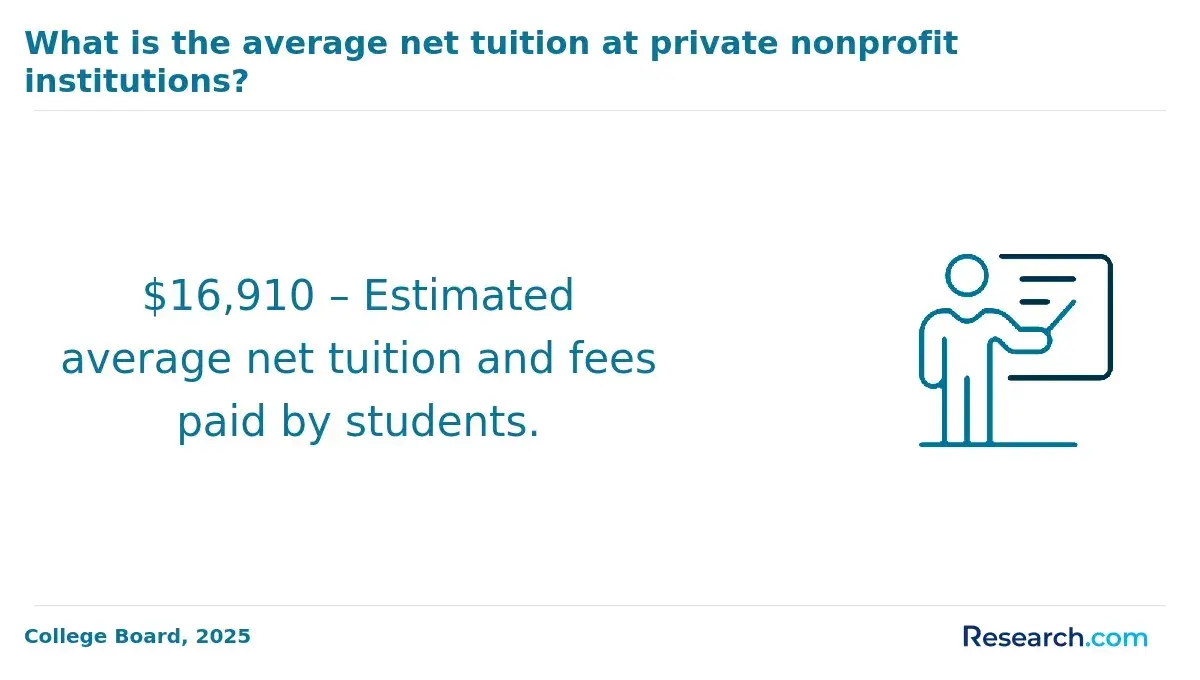
Tuition and fees for computer and information security master's programs at private nonprofit universities average $30,900 annually, meaning total costs often exceed $90,000 over a typical three-year course. While federal loans cover up to $20,500 per year for graduate students, many rely on private loans to cover remaining tuition and living expenses.
For insight about the best time to apply for student loans, planning ahead is essential when navigating federal vs private loans for cybersecurity master's students.
How much can you borrow for cybersecurity graduate school and what will it cost?
Cybersecurity graduate students can borrow federal student loans ranging from $20,000 up to $138,000, depending on enrollment and prior loans. Graduate programs have an Annual Direct Unsubsidized Loan limit of $20,500, as subsidized loans are unavailable for graduate students.
Graduate PLUS loans allow borrowing up to the total cost of attendance minus other aid. These maximum loan amounts for cybersecurity graduate programs help students finance their education while managing debt limits.
Private loans may increase borrowing capacity but often have higher interest rates and fewer protections. Federal graduate loan interest rates in 2026 are around 7%, while private rates vary based on creditworthiness.
The estimated costs of cybersecurity graduate school loans median around $54,182 for both undergraduate and graduate debt combined, according to 2025 data for "Computer and Information Security" master's graduates.
Repayment depends on loan size, terms, and chosen plans. For example, a standard 10-year repayment on a $54,000 loan at 7% interest results in about $640 monthly payments. Income-driven repayment plans may lower monthly costs but lengthen repayment and increase total interest.
Students should calculate total costs, subtract scholarships, and carefully determine borrowing needs. Federal loans provide better borrower protections than private ones. Prospective borrowers may find helpful advice on the best parent student loans for additional financing options.
What are the eligibility and FAFSA requirements for cybersecurity graduate student loans?
To qualify for federal cybersecurity graduate student loans, applicants must meet specific eligibility criteria including enrollment at least half-time in an approved U.S. graduate program. They must be U.S. citizens or eligible non-citizens and maintain satisfactory academic progress.
Completing the FAFSA is required annually to determine financial need and loan amounts. This FAFSA requirement applies to all federal loans, including Direct Unsubsidized Loans and Direct PLUS Loans.
Direct Unsubsidized Loans do not require proof of financial need but do mandate FAFSA completion. Direct PLUS Loans have stricter credit requirements; borrowers with adverse credit history might need a cosigner or to appeal a denial.
Private loans for cybersecurity graduate students commonly require credit checks and cosigners, and do not rely on FAFSA. Students interested in private options should research carefully, including private student loan refinancing opportunities.
Federal loan interest rates vary; for example, the fixed rate on Direct Unsubsidized Loans disbursed from July 1, 2025, to July 1, 2026, is 7.94%, while Direct PLUS Loans have a higher rate of 8.94% during the same period. Knowing the FAFSA requirements for cybersecurity graduate loans helps applicants navigate these terms effectively.
Students are advised to compare eligibility criteria, loan types, and interest rates carefully to choose the best option for their financial circumstances and academic plans.
Which federal repayment plans work best for high-earning cybersecurity careers?
Income-Driven Repayment (IDR) plans such as Revised Pay As You Earn (REPAYE) and Income-Based Repayment (IBR) are well-suited for cybersecurity professionals who expect their salaries to increase quickly. These plans base monthly payments on income and family size, helping borrowers manage loan obligations as their earnings grow.
REPAYE requires payments of 10% of discretionary income and recalculates annually, which is ideal for early-career cybersecurity workers experiencing fast salary growth. IBR caps payments at 15% of discretionary income, providing more payment flexibility for those starting closer to entry-level wages.
Both programs offer loan forgiveness after 20 or 25 years, depending on the plan. Additionally, those working in public service may qualify for Public Service Loan Forgiveness (PSLF), which cancels remaining debt after 120 qualifying payments under an IDR plan.
Graduate students can borrow up to $20,500 annually in Direct Unsubsidized Loans, with a cumulative debt limit of $138,500 including undergraduate loans, before needing PLUS or private loans according to Federal Student Aid guidelines.
Graduates expecting rapid income growth should generally avoid standard or graduated repayment plans, which may cause unaffordable payments. Utilizing IDR plans provides essential flexibility during critical early career stages.
Can cybersecurity graduate loans qualify for forgiveness, PSLF, or other relief programs?
Federal student loans for cybersecurity graduate programs are eligible for Public Service Loan Forgiveness (PSLF) and various income-driven repayment (IDR) plans, unlike private loans. PSLF requires 120 qualifying payments while employed full-time by a government or nonprofit organization.
Only federal Direct Loans qualify, but Federal Family Education Loans (FFEL) and Perkins Loans become eligible if consolidated into a Direct Consolidation Loan. Graduate students should verify their lender's participation in the Direct Loan Program and ensure their employment meets PSLF criteria.
IDR plans such as Pay As You Earn (PAYE) and Revised Pay As You Earn (REPAYE) provide loan forgiveness after 20 or 25 years of qualifying payments, lowering monthly payments based on income and family size. These plans help manage the typically high balances from graduate education.
Private loans generally lack PSLF eligibility and federal forgiveness options, requiring full repayment. Interest rates for private graduate loans vary between 4.65% and 11.99%, according to Credible's lender marketplace data. Borrowers should carefully review private loan terms and prioritize federal loans to access repayment benefits.
How should you compare interest rates, fees, and terms on private cybersecurity grad loans?
Compare loans by examining the annual percentage rate (APR), which reflects interest plus fees for a true cost measure. Private cybersecurity graduate loans typically range from about 4% to over 12% APR, depending on creditworthiness. Lower APRs reduce both monthly payments and total repayment amounts.
Evaluate various fees carefully, including origination fees (usually 1% to 5%), late fees, and prepayment penalties. Avoid loans with prepayment penalties, as they restrict your ability to pay off debt early and save on interest.
Consider loan terms such as duration, repayment flexibility, and deferment policies. Shorter terms lower total interest but raise monthly payments, while longer terms offer lower payments with higher overall cost. Check if lenders allow in-school deferment or forbearance, which can help if you continue working or start a cybersecurity role while repaying.
Nearly 48% of U.S. cybersecurity professionals reported receiving employer tuition assistance, according to the (ISC)² Cybersecurity Workforce Study. Factor employer support into your borrowing decisions to minimize debt.
Decide between fixed and variable rates: fixed rates offer stable payments, while variable rates may start lower but can increase unpredictably. Analyze eligibility criteria, as better terms are often available for those with strong credit or cosigners. Research multiple lenders to find competitive options that fit your profile.
When does repayment start for cybersecurity graduate loans and how are payments calculated?
Repayment for cybersecurity graduate loans usually starts six months after leaving school or dropping below half-time enrollment, following a typical federal loan grace period.
Private lenders may have different repayment terms, with some requiring immediate payments and others allowing deferred or flexible options until after graduation. Knowing these timelines helps with budgeting and financial planning.
Loan payments depend on the loan type and repayment plan selected. Federal loans often offer standard, graduated, and income-driven plans. Income-driven plans adjust monthly payments based on discretionary income, capping payments at 10-20%, which can benefit recent graduates earning lower salaries.
The median annual salary for Information Security Analysts was $120,360, with a strong job growth rate projected through 2032 by the U.S. Bureau of Labor Statistics. Such earnings usually make loan repayment manageable, especially over 10- to 20-year terms.
Confirm specific repayment terms with your lender and consider cybersecurity income trends to choose plans that align with long-term affordability and debt management.
How can refinancing or consolidating cybersecurity grad loans lower your payments?
Refinancing or consolidating cybersecurity graduate loans can reduce monthly payments by lowering interest rates or extending repayment terms. Refinancing involves replacing multiple loans with a single loan, often at a lower interest rate for borrowers with strong credit.
This approach can decrease the total interest paid over the loan's life, offering immediate monthly savings and long-term financial relief. Consolidation, on the other hand, merges federal student loans into one with a fixed rate, spreading payments over a longer period. This typically lowers monthly amounts but may increase total interest costs.
Graduates struggling with high payments might refinance private loans with interest rates between 6-8% down to 3-5%, depending on creditworthiness and market conditions. Federal loan holders should carefully consider consolidation only if they risk losing federal benefits, such as income-driven repayment options or loan forgiveness.
Online cybersecurity master's students may find that lower tuition (typically 22% less than on-campus) helps keep their total loan amounts manageable and enhances refinancing or consolidation options.
Carefully weighing these elements helps borrowers choose strategies that reduce payments while preserving financial stability.
What happens if you defer, forbear, or default on cybersecurity graduate school loans?
Deferring, forbearance, or defaulting on cybersecurity graduate school loans each impacts borrowers differently. Deferment pauses payments temporarily, but interest generally continues accruing on unsubsidized loans, increasing the total debt.
Federal loans often allow deferment during enrollment or economic hardship, while private lenders may offer limited or no deferment options. Forbearance also halts payments yet accrues interest throughout, commonly used during short-term financial struggles. Prolonged forbearance can raise the overall repayment cost without lowering the principal balance.
Default occurs when payments are overdue by more than 270 days for federal loans or as private lenders define. Defaulting severely damages credit scores, affects loan eligibility, and can result in wage garnishment or tax refund seizures. Loan rehabilitation programs require a series of on-time payments but can be difficult to maintain after default.
Borrowers with high debt-to-income ratios face greater default risks. The Consumer Financial Protection Bureau (CFPB) reports that graduate borrowers with ratios above 20% are three times likelier to experience serious delinquency. Managing repayment proactively is critical to avoid costly financial setbacks.
Effective repayment strategies include:
- Contacting loan servicers promptly to discuss deferment or forbearance options.
- Exploring income-driven repayment plans that adjust payments according to income.
- Refinancing or consolidating cautiously to reduce interest while preserving borrower protections.
Other Things You Should Know About the Best Cybersecurity Graduate School Loans
Federal and private graduate student loans are generally intended for degree programs and not for short-term bootcamps or certificate courses. If your cybersecurity bootcamp is affiliated with an eligible institution and meets specific criteria, you might qualify for certain federal aid, but this is uncommon. Most non-degree programs require alternative financing methods such as personal loans or employer reimbursement.
In 2027, the best loan options for students pursuing online cybersecurity master’s programs include federal Direct Unsubsidized Loans and Grad PLUS Loans. Private loans may also be considered from lenders offering competitive rates and flexible repayment plans tailored to online program students.
Yes, most federal and private student loans can be used to finance cybersecurity graduate programs regardless of whether they are full-time, part-time, on-campus, or online. The key factor is that the institution and program must be eligible and recognized by federal student aid or private lenders. Always confirm enrollment status and program eligibility with your lender before borrowing.
Loan fees, including origination fees charged by the lender, can increase the total cost of borrowing for cybersecurity graduate students. Federal loans have fixed origination fees deducted from the disbursed amount, so the actual funds you receive may be less than the loan amount. Private lenders may also charge application or processing fees, so reviewing all costs upfront is essential to understand your loan's true expense.