2027 How to Compare Online PharmD Programs by Student Support

Co-Founder and Chief Data Scientist
Choosing an online PharmD program is not just about tuition or flexibility; it is about whether the school can support you through a demanding clinical doctorate. The BLS reported a $137,480 median annual wage for pharmacists in 2024, but reaching licensure requires accredited coursework, experiential training, and exam readiness. This guide is for prospective PharmD students comparing online and hybrid options. You will learn which student support services matter most, what data to request, and how to spot programs that look convenient but may leave you under-supported.
Key Things You Should Know
- Prioritize ACPE accreditation, clinical placement support, NAPLEX preparation, and access to faculty before comparing convenience features such as asynchronous lectures.
- The BLS reported a $137,480 median annual wage for pharmacists in 2024, so weak student support can affect the return on a high-cost professional degree.
- Ask each program for current NAPLEX pass rates, on-time progression, graduation outcomes, placement processes, and student support response times before applying.
What student support services should you prioritize when comparing online PharmD programs?
Online PharmD programs are usually hybrid professional doctorates: didactic courses may be delivered online, but pharmacy skills labs, simulations, introductory pharmacy practice experiences, and advanced pharmacy practice experiences require hands-on participation. That makes student support more than a nice extra; it is part of whether you can progress through the program on time and qualify for licensure.
The most important support services are the ones tied directly to academic persistence, clinical readiness, and licensing outcomes. Use the following categories to separate programs that are truly designed for distance learners from programs that simply stream lectures online.
- Accreditation and licensure guidance: The program should clearly explain ACPE accreditation status, state authorization, licensure limitations, and whether remote students can complete required experiences in their state.
- Dedicated academic advising: You should have a named advisor who understands PharmD sequencing, prerequisites, progression standards, and remediation policies.
- Clinical placement support: Strong programs help secure or approve experiential sites instead of leaving students to navigate preceptor availability alone.
- NAPLEX and MPJE preparation: Look for embedded assessments, question banks, review plans, board-style exams, and individualized readiness advising.
- Faculty access: Online students should have office hours, response-time standards, discussion access, and opportunities to build mentoring relationships.
- Technology and IT support: A PharmD student needs reliable support for exams, simulations, video conferencing, e-prescribing platforms, and the learning management system.
- Wellness and disability services: Pharmacy school is intensive, so counseling, accommodations, and workload support should be available to online students, not only campus learners.
If you are still deciding whether pharmacy is the right healthcare pathway, compare the PharmD with other patient-care routes before committing to a doctoral program. For example, students who want direct clinical care but prefer a nursing route may want to examine cheapest online accelerated BSN programs as a different entry point into licensed healthcare practice.
The table below summarizes how to weigh common support services. It is designed to help you identify which services are essential, which are useful, and which may not matter as much unless they match your goals.
| Support area | Why it matters in an online PharmD | What to ask before applying |
| Academic advising | PharmD courses are sequential, and one failed prerequisite can delay progression. | Will I have a dedicated advisor, and how often are degree audits conducted? |
| Clinical placement | Experiential rotations are required for graduation and licensure eligibility. | Does the school place students, approve student-identified sites, or use both models? |
| Exam preparation | NAPLEX and MPJE readiness depends on cumulative learning, not last-minute review. | Are board-style assessments embedded throughout the curriculum? |
| Career services | Pharmacy careers vary across community, hospital, industry, ambulatory care, and residency pathways. | Does the program offer residency advising, CV review, interview preparation, and employer connections? |
| Technology support | Remote testing, simulations, and synchronous sessions can fail without responsive IT. | Is technical support available during evenings, weekends, and exam windows? |
How do advising and academic coaching work in online PharmD programs?
Advising in an online PharmD program should be proactive, not limited to course registration. Because pharmacy curricula are lockstep and competency-based, strong advising helps students understand prerequisites, academic standing, experiential readiness, remediation options, and licensure steps.
Academic coaching is different from traditional advising. An advisor helps you navigate requirements, while an academic coach helps you improve study strategy, time management, test-taking, and course performance. The best programs coordinate both, especially after early warning signs such as low exam scores, missed assignments, or difficulty with pharmacotherapy content.
When speaking with admissions or student services, ask for concrete details rather than broad promises. These questions reveal whether advising is structured enough for a demanding online doctorate.
- Will I be assigned one advisor for the entire program, or will I work with different offices each term?
- How often do advisors review student progress before a student is at risk of failing a course?
- What triggers academic intervention: quiz scores, exam averages, attendance, assignment completion, or faculty referral?
- Are coaching sessions available outside standard business hours for working students?
- Can advisors help with state board requirements, intern license questions, and experiential deadlines?
- What happens if I fail a course, need to repeat a rotation, or fall out of sequence?
A common mistake is assuming that a flexible online schedule means you can self-manage the entire degree. PharmD programs are academically dense, and online learners often need more deliberate planning because they do not get as many informal reminders from campus routines. A strong program should provide a clear communication calendar, milestone tracking, and early alerts before problems become expensive delays.
How can you evaluate clinical placement and experiential learning support for online PharmD?
Clinical placement support is one of the most important differences among online PharmD programs. Every accredited PharmD includes introductory pharmacy practice experiences and advanced pharmacy practice experiences, but programs vary in how they help online students secure sites, prepare paperwork, and meet preceptor expectations.
Do not rely on a vague statement such as "students complete rotations near home." You need to understand who finds sites, who approves them, and what happens if a site cancels. ACPE Standards 2025 emphasize experiential education quality and assessment, which means support should include both logistics and learning oversight.
Use the following steps to evaluate clinical placement support before enrolling. These are practical checks that can prevent delays later in the program.
- Confirm whether the program has existing affiliation agreements in your state or region.
- Ask whether students are required to find their own preceptors, and if so, what support the school provides.
- Request examples of rotation categories available to online students, such as community, hospital, ambulatory care, acute care, and elective experiences.
- Ask how far students typically travel for rotations and whether relocation may be necessary.
- Confirm who handles background checks, immunization documentation, drug screening, liability insurance, and site onboarding.
- Ask what contingency plan exists if a preceptor leaves, a site closes, or a rotation is canceled.
The table below helps you compare placement models. No model is automatically better, but each has different risks for online learners.
| Placement model | Best fit | Potential risk |
| School-arranged placements | Students who want the program to manage most site logistics | May require travel if local sites are limited |
| Student-identified placements with school approval | Students with strong local pharmacy networks | Can be stressful if affiliation agreements take time |
| Regional placement hubs | Students living near established partner markets | Less useful for students outside the hub area |
| Mixed model | Students who want flexibility with institutional backup | Quality depends on how active the experiential education office is |
A red flag is any program that cannot explain placement responsibility in writing. Before you deposit, ask for the experiential education handbook or a sample rotation policy. If the school says local placement is possible but cannot describe its process, timeline, or backup plan, treat that as a major risk.
What tutoring, exam prep, and remediation resources do top online PharmD programs offer?
PharmD coursework builds quickly from foundational sciences into pharmacotherapy, patient assessment, pharmacokinetics, law, and clinical decision-making. Online students should look for tutoring and remediation systems that start early, not only after a course failure.
Strong programs usually combine faculty-led support, peer tutoring, structured review tools, and individualized remediation. The key is whether support is embedded into the academic model or left for students to discover on their own.
- Course-specific tutoring: Support should be available for high-risk subjects such as medicinal chemistry, pharmacology, pharmacokinetics, and therapeutics.
- Skills-based review: Students should receive help with patient cases, drug information questions, calculations, counseling, and clinical reasoning.
- Assessment analytics: Programs should identify weak content areas from quizzes, exams, and practice tests.
- Structured remediation: If a student underperforms, the program should provide a written plan with timelines, faculty check-ins, and measurable goals.
- Peer learning: Peer tutors, study groups, and near-peer mentors can reduce isolation in online cohorts.
- Exam strategy coaching: Students should receive help interpreting clinical questions, managing time, and avoiding common reasoning errors.
Remediation policies deserve careful review because they affect cost and graduation timing. Ask whether remediation happens within the same term, over a break, or by repeating a course in a later cohort. A program with a lower sticker price may become more expensive if course repeats delay financial aid, rotations, or graduation.
The BLS 2024 wage data shows why academic support matters economically: pharmacist roles can offer strong earning potential, but the degree requires sustained progress through a long professional curriculum. Student support cannot guarantee licensure or employment, yet it can reduce preventable academic delays.
How do online PharmD programs support licensing exam readiness and NAPLEX success?
Licensing exam readiness should be built across the curriculum. The North American Pharmacist Licensure Examination, or NAPLEX, assesses whether candidates can apply pharmacy knowledge to patient care and safe medication use. Many graduates also take the Multistate Pharmacy Jurisprudence Examination, or MPJE, depending on state requirements.
When comparing programs, look beyond a single review course near graduation. Strong NAPLEX support is longitudinal, meaning students repeatedly practice calculations, drug therapy decisions, patient safety, pharmacokinetics, and evidence-based recommendations throughout the program.
Ask each program to explain its licensing preparation model in detail. The strongest answers usually include several connected supports.
- Curriculum maps that show where NAPLEX competency areas are covered and reassessed
- Required cumulative exams or milestone assessments before advanced rotations
- Board-style question banks with performance analytics by topic
- Pharmacy calculations practice across multiple terms
- Individualized readiness meetings before graduation
- MPJE or state law preparation guidance tailored to the student's licensing state
- Access to recent school-level NAPLEX pass-rate trends, not just promotional claims
A practical way to compare programs is to ask for the most recent three-year NAPLEX first-time pass-rate trend and the number of graduates represented in each year. A small cohort can make pass rates swing sharply, so use the numbers as one signal alongside curriculum quality, remediation policies, and student support access.
Be cautious if a program advertises "board preparation included" but cannot explain when preparation begins, how readiness is measured, or what happens when a student scores below target. Exam support should be diagnostic and individualized, not just a discount code for a commercial review product.
What career services and residency matching support are available in online PharmD?
Career support in an online PharmD program should reflect the range of pharmacy career paths. Some students want community pharmacy roles, while others pursue hospital practice, ambulatory care, managed care, pharmaceutical industry, informatics, academia, or postgraduate residency training.
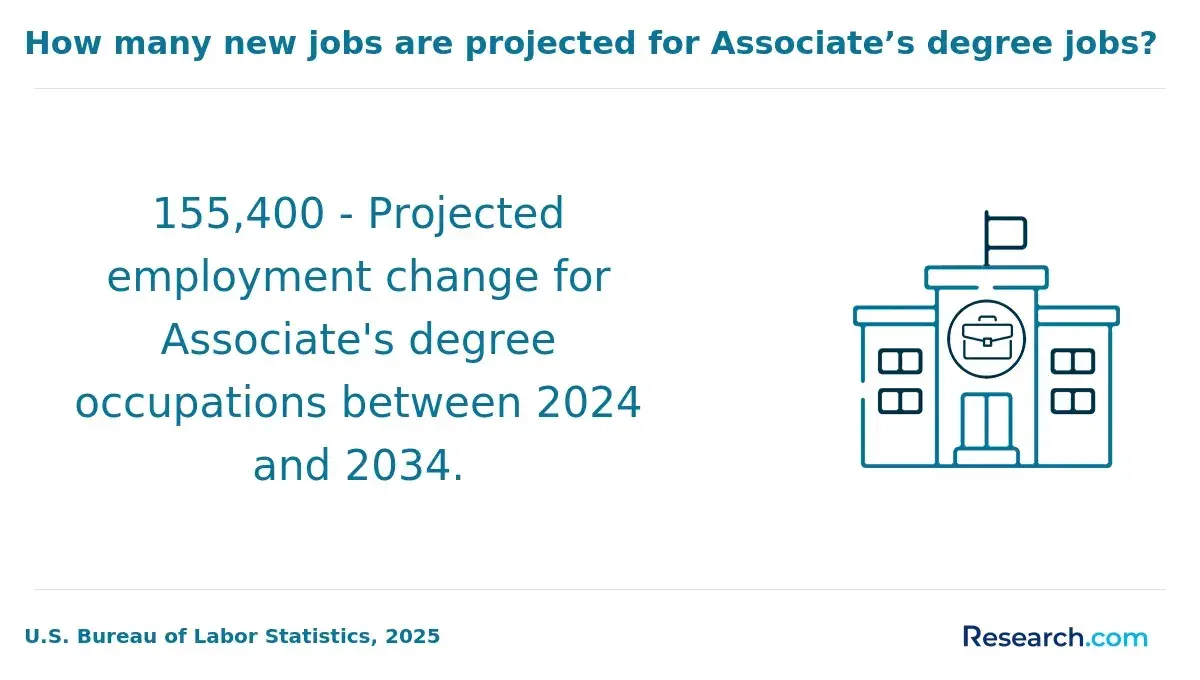
The BLS projects pharmacist employment to grow 5% from 2024 to 2034, which is close to the average for all occupations. That outlook means students should not assume the degree alone will define their opportunities; clinical experiences, networking, residency preparation, and career focus can matter significantly.
For students considering industry-facing work, it can also be helpful to compare pharmacist training with non-licensure pharmaceutical business roles. For example, reviewing how much do pharmaceutical reps make can clarify whether your goals require a PharmD or a different healthcare-commercial pathway.
Effective career services should start before the final year. Look for support that helps you build a professional profile over time.
- Career pathway advising: Guidance should connect your interests with rotation choices, electives, certifications, residency plans, and networking activities.
- CV and cover letter review: Pharmacy CVs should highlight clinical experiences, presentations, leadership, research, and patient-care skills.
- Residency preparation: Students pursuing PGY1 residency should receive timeline support, interview practice, letter-of-recommendation planning, and application review.
- Mock interviews: Programs should offer behavioral, clinical, and residency-style interview practice.
- Employer connections: Online students should have access to virtual career fairs, alumni panels, and recruiting events.
- Portfolio development: Strong programs help students document interventions, presentations, projects, and competencies from rotations.
Residency match support is especially important if you want hospital, ambulatory care, specialty pharmacy, or competitive clinical roles. Ask how many students apply for residencies, what advising they receive, and whether online students have the same access to faculty recommendations and networking as campus students.
How can you assess technology, LMS training, and IT support in online PharmD programs?
Technology support affects more than convenience in an online PharmD program. It can influence exam access, simulation participation, skills demonstrations, group projects, telehealth-style encounters, and communication with faculty. A strong technology system reduces friction so students can focus on learning clinical material.
Start by asking for a full technology orientation before classes begin. You should know how to use the learning management system, video platform, testing software, library databases, virtual lab tools, and any clinical documentation systems required for coursework.
Evaluate technology support with these practical questions. The answers will help you identify whether the program is built for remote learners or simply adapted from a campus model.
- Is there a required online orientation that includes practice with the LMS, exam proctoring, video tools, and library resources?
- What are the minimum computer, webcam, browser, internet, and operating system requirements?
- Is IT support available during evening classes, weekend study periods, and scheduled exams?
- What is the backup process if proctoring software fails during a high-stakes exam?
- Are lectures captioned, recorded, searchable, and available on mobile devices?
- How are group projects, presentations, patient simulations, and skills assessments completed online?
- Does the program train students on digital professionalism, privacy, and secure handling of patient information?
AI tools are also changing how students study, write, and practice clinical reasoning. A trustworthy PharmD program should have clear academic integrity policies explaining when AI-assisted tools are allowed, when they are prohibited, and how students should verify drug information against authoritative clinical sources.
A common mistake is underestimating the time cost of weak technology support. If every exam requires troubleshooting or every simulation uses a different platform without training, online convenience can disappear quickly.
What mental health, wellness, and disability accommodation services exist for online PharmD students?
PharmD students face heavy reading loads, high-stakes exams, clinical performance expectations, and rotation schedules that may conflict with work or family responsibilities. Online learners can also experience isolation if the program does not intentionally build community and wellness support.
Wellness services should be accessible remotely and should not require students to visit campus for routine support. Ask whether counseling, crisis referrals, disability accommodations, learning assessments, and wellness programming are available to students in every state where the program enrolls learners.
Students drawn specifically to psychiatric care or behavioral health should also compare pharmacy with other clinical routes. For example, accelerated PMHNP programs online may fit students who already have or plan to pursue nursing credentials and want a mental health provider pathway rather than a pharmacist licensure pathway.
When evaluating wellness and accommodations, look for specific services rather than general statements about student success.
- Remote counseling or referral networks for students who do not live near campus
- Clear crisis-response procedures and after-hours support options
- Disability accommodation processes for exams, labs, simulations, and experiential rotations
- Support for students with ADHD, anxiety, chronic illness, sensory needs, or mobility limitations
- Workload planning resources for students balancing employment, caregiving, or military obligations
- Peer community options such as cohort groups, affinity groups, student organizations, and mentoring circles
Ask how accommodations work during clinical experiences. Classroom accommodations do not always translate automatically to rotation sites, so students should know who coordinates documentation, communicates with sites, and protects confidentiality. A strong program will explain the process without asking students to negotiate every detail alone.
How do online PharmD programs build faculty access, mentoring, and research opportunities?
Faculty access is a major quality marker in online PharmD education. Students need timely help with complex clinical concepts, feedback on patient cases, guidance on professional identity, and mentorship for residencies, fellowships, research, and career decisions.
Good online programs create multiple points of contact rather than relying only on email. Look for live office hours, appointment scheduling, small-group case discussions, faculty discussion boards, synchronous review sessions, and advisor check-ins.
Mentoring can be formal or informal, but it should be visible to online students. Ask how students are matched with faculty, whether mentors are aligned with practice interests, and whether online learners can participate in research or scholarship remotely.
- Faculty office hours: Hours should be frequent, accessible across time zones, and available in formats such as video, phone, or chat.
- Small-group learning: Case discussions and skills sessions help online students develop clinical reasoning and professional communication.
- Research access: Students interested in residency, fellowship, or academia should be able to join projects, posters, publications, or quality-improvement work.
- Professional mentoring: Faculty should help students choose electives, rotations, organizations, and career pathways that match their goals.
- Recommendation planning: Students pursuing residencies or competitive roles need faculty who know their work well enough to write meaningful letters.
A red flag is a program where online students interact mostly with course facilitators and rarely with faculty pharmacists. Support staff can be valuable, but PharmD students also need direct access to clinical experts who can assess reasoning, professionalism, and readiness for patient care.
What data and outcomes should you review to compare student support effectiveness?
Student support should be evaluated with evidence, not only marketing language. The best online PharmD programs can explain how students progress, where they struggle, and what the school does when support is needed.
Because PharmD tuition, fees, travel, technology, and rotation costs can be substantial, outcomes data should be part of your return-on-investment review. Students more interested in healthcare leadership than pharmacist licensure may want to compare the PharmD with an online healthcare administration degree, which can lead to different roles without the same clinical licensure pathway.
Request the following data from every program you are seriously considering. These figures will not predict your individual outcome, but they help you compare whether support systems are working for students like you.
- Current ACPE accreditation status and any public accreditation actions
- Most recent three-year NAPLEX first-time pass-rate trend and cohort sizes
- Graduation rate, attrition rate, and average time to completion
- On-time progression rate from didactic coursework into advanced rotations
- Percentage of students who complete rotations in their preferred region, if tracked
- Residency application and match support data for students pursuing postgraduate training
- Employment or postgraduate placement information, with clear definitions and timeframes
- Average debt, total cost of attendance, and required travel or campus residency expenses, if disclosed
- Student satisfaction or engagement data specific to online learners
The table below shows how to interpret common outcomes. It can help you avoid overvaluing a single number and instead look for patterns across student support, academic quality, and career preparation.
| Outcome data | What it can tell you | Important limitation |
| NAPLEX pass rate | Whether graduates are generally prepared for licensure testing | Small cohorts can cause large year-to-year swings |
| Attrition rate | Whether students are leaving before completion | Reasons may include finances, personal circumstances, or academic performance |
| Time to completion | Whether students can move through the curriculum as scheduled | Part-time structures and remediation policies can affect comparisons |
| Rotation placement data | How effectively the program supports experiential learning | Schools may define "preferred region" differently |
| Residency outcomes | How well the program supports clinically competitive pathways | Not all students seek residency, so applicant-level data matters |
| Total cost of attendance | The full financial commitment beyond tuition | Travel, lost wages, and relocation costs may vary by student |
Finally, compare each program using a written scorecard. Rank clinical placement support, advising, exam preparation, faculty access, wellness services, technology reliability, and outcomes transparency. The best choice is not always the cheapest or fastest program; it is the one that gives you the strongest path to complete the degree, meet licensure requirements, and pursue the pharmacy career you actually want.
Other Things You Should Know About PharmD
No. Most online PharmD programs are hybrid because pharmacy education requires labs, skills assessments, simulations, and in-person experiential rotations. Always confirm campus residency requirements and rotation expectations before applying.
Yes. A PharmD program that prepares students for pharmacist licensure should be accredited by ACPE, regardless of delivery format. Accreditation status is one of the first items to verify.
In 2027, online PharmD programs often offer personalized academic advising, virtual study groups, and access to career counseling, while campus-based programs might provide in-person mentorship and physical study sessions. The flexibility of online programs accommodates diverse schedules, while campuses often foster face-to-face interactions.
A strong online PharmD program should offer 24/7 learning platform access, scheduled faculty office hours, live tutoring, writing help, and exam review sessions. Look for a documented response time of 24 to 48 hours for student questions and support tied to skills tests, labs, and APPE rotations.
References
- Hybrid PharmD Program | WCU https://westcoastuniversity.edu/programs/pharmd
- Start Your Future at the Only Online Pharmacy School in Ohio https://pharmdonline.findlay.edu/
- PharmD Residency Match Stories | PCOM School of Pharmacy https://www.pcom.edu/pharmacy/match.html
- Unlocking the Perfect Fit: Your Ultimate Guide to Selecting the Ideal Pharmacy School https://pharmacyforme.org/2024/02/29/unlocking-the-perfect-fit-your-ultimate-guide-to-selecting-the-ideal-pharmacy-school
- Assessing the effectiveness of student support services through data analysis - SchoolAnalytix https://www.schoolanalytix.com/assessing-the-effectiveness-of-student-support-services-through-data-analysis/
- Acquiring research experience during pharmacy school https://www.pharmacist.com/Publications/Transitions/acquiring-research-experience-during-pharmacy-school
- Top Online Platforms for Pharmacy Education: Your Guide to Online Pharmacy Courses https://www.miniklinik.co/post/top-online-platforms-for-pharmacy-education-your-guide-to-online-pharmacy-courses
- Coaching is Not Academic Advising https://evolllution.com/programming/personal-development/coaching-is-not-academic-advising
- Best Online PharmD Programs https://pharmddegree.com/choosing/best-online-pharmd-programs
- Centene PGY-1 Managed Care Pharmacy Residency Programs https://jobs.centene.com/us/en/career-areas/pharmacy-residency-programs/