2027 The Chicago School Tuition for Online Degrees: Cost Per Credit, Fees, and Total Price

Co-Founder and Chief Data Scientist
Students considering online degrees face unclear and often rising costs that complicate budgeting and long-term planning. The average tuition for private nonprofit institutions in the U.S. now exceeds $30,000 per year, according to recent data from the National Center for Education Statistics, a figure that can strain financial resources without clear guidance on fees and credit costs. For those eyeing The Chicago School, knowing the cost per credit and all related expenses is crucial to avoid surprises that may affect loan amounts and post-graduation financial stability.
This article breaks down The Chicago School tuition for online programs, detailing the cost per credit, mandatory fees, and the total price students should expect. It offers a practical framework to evaluate whether the investment aligns with personal and professional goals based on financial requirements and typical program structures.
Key Points About the Cost of Attending Online Programs at The Chicago School
- The total tuition cost for online programs at The Chicago School is $47,948, requiring careful financial planning relative to expected career outcomes and personal budget constraints.
- Graduates report an earnings to debt ratio of 2.84x, indicating income post-graduation generally covers incurred debt but this varies significantly by field and individual financial situations.
- Approximately 53% of students receive financial aid, with undergraduates averaging $7,237 in assistance, which can decrease the net out-of-pocket expenses and influence program affordability.
How much is the tuition for online programs at The Chicago School?
The Chicago School online program tuition rates average $20,844 in base tuition and fees, forming only part of the total annual cost of $47,948, which also includes books, room, and board. This breakdown reflects a premium compared to many public online programs, where per-credit tuition usually ranges from $300 to $600. The Chicago School's pricing aligns with its specialized curricula and professional focus, often affecting practical value for students pursuing career-specific objectives.
The Chicago School online program tuition rates typically cover core instructional fees but omit living expenses and course materials. As a result, remote learners face higher total costs factoring in technology and ancillary fees. Tuition differences between online programs at The Chicago School appear minimal, indicating relative cost uniformity across degree options despite varying professional orientations.
A recent Lumina Foundation study highlights a 4.2% increase in total online attendance costs, driven primarily by non-tuition expenses. This trend matters to prospective students assessing value, as higher indirect costs may erode the perceived return on investment. Considering employer expectations, the professional orientation of The Chicago School may justify its tuition premium in fields with increasing demand across healthcare systems and social services.
Prospective students weighing how much is the tuition for online programs at The Chicago School should integrate both direct tuition and non-tuition costs in cost-benefit decisions. For those seeking alternatives, consulting metrics on what is the cheapest online master's degree program can reveal more affordable pathways suited to varied budgets and career goals.
How does online tuition at The Chicago School compare to on-site program costs?
The Chicago School online vs on-campus tuition costs show a clear financial disparity. Online tuition totals about $20,844, which is less than half the $47,948 charged for on-site attendance. This cost difference reflects common operational savings in online education, such as reduced campus facility expenses.
However, the cost comparison of online and on-site programs at The Chicago School reveals additional considerations. Online students often face technology or platform fees that on-campus students typically avoid. Conversely, on-site learners may incur extra charges for services exclusive to physical campuses, making direct cost comparisons more nuanced.
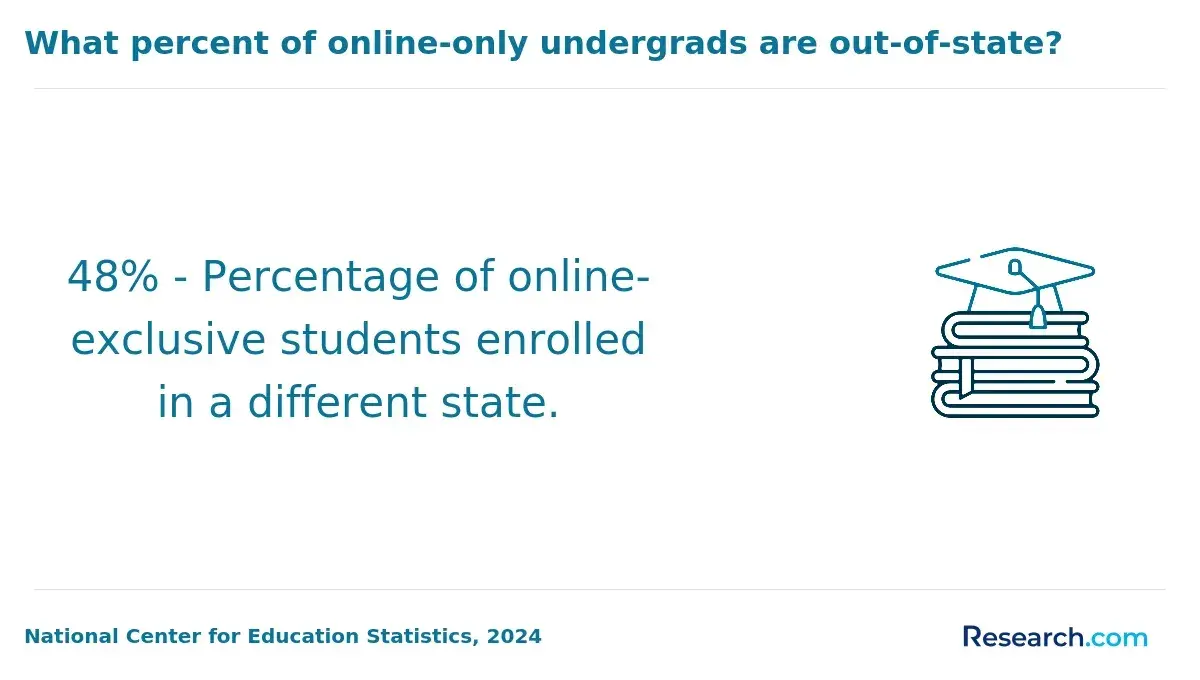
National data indicates online tuition is generally 15% to 25% lower than on-site fees for comparable programs. Yet, a growing share of online students, about 22% according to the National Center for Education Statistics, report paying distinct technology fees. These fees narrow the price gap and must be factored into total expenses.
For prospective students weighing The Chicago School online vs on-campus tuition costs, real-world tradeoffs matter. Those prioritizing lower tuition might choose online, but should also consider potential networking and employability differences. Those needing financial support can explore options like online colleges with financial aid to optimize overall investment.
How does enrollment status affect the cost of attendance at The Chicago School?
Enrollment status directly alters the financial impact of attending The Chicago School, affecting both immediate tuition and long-term costs. Full-time students face a fixed tuition of $47,948, enabling a quicker path to degree completion. In contrast, part-time students pay about $20,844 in tuition fees adjusted by credits, resulting in a pay-per-credit model that may extend costs over time.
Payment schedules appear similarly semester-based for both groups, but the number of credits influences the timing and amount of payments. This means a full-time student pays a set amount each semester, while part-time students make smaller, variable payments aligned with their credit load. This can provide budgeting flexibility but often delays graduation and may increase total cost.
Consider a working professional who chooses part-time enrollment to balance work and study. Though hourly tuition seems affordable, prolonged enrollment can drive cumulative expenses higher than anticipated. Research from 2024 highlights that extended part-time enrollment commonly raises the total cost burden, challenging the assumption that part-time study is always cheaper upfront.
The divergence in cost structure influences financial planning and career timing. Full-time students may enter the workforce sooner with less total debt, while part-time students trade time for immediate affordability but risk more extended financial commitment, affecting when and how they capitalize on their degree's benefits.
What is the application fee for undergraduate and graduate programs at The Chicago School?
The Chicago School requires a $50 application fee for both undergraduate and graduate program applicants. This nonrefundable fee is a fixed entry cost irrespective of admission outcome, creating an upfront financial consideration for candidates. For example, a prospective student applying to multiple programs or transferring credits might face cumulative fees that elevate initial expenses beyond this base charge.
Additional costs often include fees for official transcript submissions and standardized testing, which can differ by program. These ancillary fees collectively influence the total financial burden prior to enrollment. Given that 59% of college entrants identify affordability as their primary selection factor, these application-related expenses can materially affect decisions about pursuing online degrees at The Chicago School.
The Chicago School holds a solid reputation for producing graduates equipped for applied psychology and behavioral sciences careers. However, the added application fees, when viewed alongside tuition and total enrollment costs, require students to weigh practical affordability versus program value. Understanding these upfront fees contributes to a clearer picture of return on investment and long-term career implications in an increasingly cost-conscious higher education landscape.
How much will you spend on books and supplies at The Chicago School?
Books and supplies at The Chicago School typically add a significant layer to the total education cost, averaging about $1,200 for online students. This spending covers textbooks, lab materials, and software essential for completing coursework. Students in psychology or counseling may face higher costs due to specialized clinical simulation tools.
Business or leadership students usually encounter lower expenses, focusing mainly on digital materials. It is important to recognize that these costs influence budget planning beyond tuition and fees and can affect access to learning resources, which impacts academic success and employability.
National trends show that college textbook and supply costs hover around $1,400 annually for undergraduates, but the rise of open educational resources and digital adoption is shifting this balance. According to a report from the National Center for Education Statistics, these expenses still heavily influence program choices, particularly for courses with hands-on practicum components.
To manage costs, students should explore used books, digital rentals, and open-access resources. Joining student groups or online marketplaces can reduce expenses. Early planning to anticipate specialized materials for certain degrees also helps control budgeting.
One graduate of The Chicago School's online counseling program shared that initially, the unexpected software licenses for clinical work felt burdensome. "I hesitated to buy some required tools but learned quickly that without them, participation and grading suffered. I ended up borrowing through my network where possible and buying digital versions to save money." This experience reflects the need for deliberate planning around these essential, sometimes costly, course components.
What out-of-pocket expenses should The Chicago School online students prepare for?
Out-of-pocket expenses beyond tuition, books, and school supplies significantly impact the financial planning of students enrolled in online programs at The Chicago School. These additional costs represent practical investments that are often overlooked but crucial for course completion and professional readiness. For instance, a student balancing part-time work and coursework might underestimate the importance of reliable technology and internet service, risking delays or dropped classes if their equipment fails or connectivity is unstable.
Online students should prepare for several key expenses:
- High-speed Internet Access: A stable, high-speed connection is critical for streaming lectures, participating in live discussions, and submitting assignments on time. Monthly costs typically range from $60 to $100, depending on geographic location and service quality.
- Computer or Laptop: Devices must meet software and performance demands specific to psychology or social work programs, often costing $700 or more. This investment ensures compatibility with specialized applications and multitasking capabilities needed for coursework.
- Specialized Software Subscriptions: Certain programs require annual subscriptions for psychology or social work tools, which may add $100 to $300 each year. These subscriptions support hands-on learning and skill development relevant to professional standards.
- Tech Support and Maintenance: Ongoing technical assistance or hardware repairs can incur unexpected costs, making it prudent to budget for occasional expenses beyond initial purchases.
Compared with on-campus students at The Chicago School, online learners save on transportation, housing, and parking fees. Yet, they face somewhat higher technology-related expenses since campus facilities are less accessible for borrowing equipment or using high-speed internet. A 2024 report from the National Center for Education Statistics shows 27% of online students identify technology affordability as a barrier affecting completion, underscoring that these costs are not trivial but a real factor shaping educational access and outcomes.
What institutional factors drive the overall price of a The Chicago School online degree?
The overall cost of attending The Chicago School online program reflects a range of institutional and market-driven factors that influence tuition pricing. When assessing the Chicago School online degree tuition factors, prospective students must weigh these multidimensional elements to determine if the investment aligns with their professional and financial goals.
The following points outline key drivers shaping the total tuition cost of $47,948 for an online degree at The Chicago School:
- Academic Reputation: The Chicago School's specialized focus in psychology and related fields enhances its academic prestige. This reputation justifies higher tuition costs as it often signals a rigorous curriculum and better career prospects post-graduation. This is also important for students assessing return on investment in an online bachelor's degree.
- Faculty and Staff Investment: With 103 staff supporting 1,243 students, the school maintains a favorable faculty-to-student ratio. This investment in personalized student services and qualified instructors increases operational costs, pushing tuition upward.
- Program Specialization: Offering specialized online programs requires significant resources such as expert faculty and targeted technological infrastructure. These costs are incorporated into per-credit pricing to ensure program quality and relevancy.
- Market Inflation in Online Education: Recent data shows a 3.5% rise in private nonprofit online tuition nationally, reflecting increased spending on digital platforms and support systems. This trend contributes to the rising cost of online degrees, including at The Chicago School.
- Selective Admissions Impact: Although admission difficulty isn't explicitly detailed, selective programs usually carry higher tuition due to perceived value and better employment outcomes. Evaluating what career makes the most money is critical for students considering whether the investment is worth pursuing.
How can you lower the cost of attendance at The Chicago School?
Higher education costs in the US often represent a substantial investment, and online degrees can be expensive overall. At The Chicago School, online students can effectively reduce the total attendance cost by combining financial support and academic strategies tailored for diverse learners. Below are practical approaches that highlight when and how students might lower their tuition burden efficiently.
- Employer Tuition Reimbursement Programs: Many companies offer tuition assistance as part of professional development benefits. Eligible students should confirm employer policies early and coordinate reimbursement before or during enrollment to maximize savings.
- Military and Veterans Benefits: Service members and veterans can apply GI Bill entitlements to cover large portions of tuition and fees. This option is best utilized at the start of the program to ensure full benefit application.
- Credit for Prior Learning: Students with relevant work experience or certifications can earn academic credit, shortening time to degree completion and reducing overall tuition charges. Early assessment of qualifications is crucial for planning course loads.
- Specialized Scholarships and Partnerships: The Chicago School engages with organizations offering discounted tuition or targeted scholarships. Prospective students connected to these partners should investigate eligibility early to secure funds.
- Competency-Based Education Options: Some programs allow students to progress at their own pace. Self-motivated learners who can accelerate courses may lower costs by finishing faster than traditional semesters permit.
These strategies reflect real tradeoffs within the financial and academic planning process. For example, a student leveraging employer tuition reimbursement combined with alternative credit pathways may graduate with 30% less debt while maintaining strong employment outcomes, according to recent findings from the National Center for Education Statistics. Therefore, weighing these methods alongside personal employment prospects is critical.
When considering The Chicago School online degree tuition discounts, exploring every available avenue to reduce costs can make the investment more manageable. Those prioritizing flexible pacing might also review resources like the cheapest self-paced online college rankings to benchmark cost-efficiency in self-driven learning environments.
How can transfer credits reduce the overall cost of a degree at The Chicago School?
Transfer credits from regionally accredited institutions represent the most straightforward way to reduce tuition costs at The Chicago School. These credits, earned through prior college coursework, can replace required classes, lowering total credit hours needed. Additionally, The Chicago School recognizes some professional experience, assessing it for possible academic credit.
Students must submit official transcripts and documentation of relevant work history for evaluation. Credits are reviewed for alignment with program requirements rather than accepted automatically. This process demands proactive communication with academic advisors and strategic planning to maximize applicable credits without extending time-to-degree.
Credit transfer outcomes vary significantly based on factors such as the accreditation status of prior institutions and the specific online program chosen. Even with accepted credits, course compatibility is crucial to avoid delays or unexpected tuition costs. Nearly 40% of U.S. undergraduates use transfer credits to manage tuition, underscoring that credit mobility can be a key financial lever when navigated carefully.
Overall, transferring credits can substantially shorten study duration and reduce tuition at The Chicago School, but it requires informed decision-making and upfront effort to align prior learning with degree requirements.
One Chicago School graduate shared, "I transferred credits from my bachelor's at a regional university and submitted detailed work experience documentation. It wasn't simple-there were rounds of advisor meetings to clarify course equivalencies. But the relief when I saw fewer required classes and a lower tuition balance made the process worth the upfront hassle." This experience reflects the necessity of persistence and planning to benefit from the cost savings transfer credits offer.
How many online students receive financial aid at The Chicago School?
More than half of online students at The Chicago School rely on financial aid to manage education costs, with approximately 53% receiving assistance. These students typically receive awards averaging $7,237, which help reduce the overall burden of tuition and fees. For instance, a working professional balancing part-time study with job responsibilities may find that combining aid with careful budgeting makes enrollment feasible. Multiple financial aid sources often come together to form a manageable payment plan. Below is a summary of five common scholarship and grant programs offered to online students.
- Merit-Based Scholarships: Awarded to students demonstrating strong academic performance, these scholarships help cover partial tuition costs. They require maintaining a high GPA and are competitive among applicants.
- Need-Based Grants: These grants target students with financial hardship, providing partial to full tuition relief based on documented income levels. Eligibility depends on maintaining satisfactory academic progress.
- Veteran Benefits: Available for military veterans and their families, these benefits may cover substantial tuition fees and sometimes additional support costs. Enrollment verification is required.
- Diversity Scholarships: Designed to support underrepresented groups in higher education, these scholarships offer partial tuition coverage and aim to enhance inclusivity in specific fields.
- Program-Specific Awards: Tailored to particular disciplines or fields of study, these awards help offset tuition for students pursuing specialized online degrees. Eligibility often requires enrollment in the approved program.
Given the national rise in student debt, which averages $33,000 according to a 2024 National Center for Education Statistics report, understanding financial aid eligibility for online programs at The Chicago School is critical. Aid can lower immediate expenses but demands balancing against long-term financial commitments and career prospects. Prospective students should weigh these factors carefully, especially if considering specialized paths like a PhD without dissertation.
What Graduates Say About the Cost of Studying at The Chicago School
- Isabella: "Enrolling in an online program at The Chicago School allowed me to balance work and study without relocating, which saved me considerable housing and commuting expenses. However, initial tuition estimates didn't fully prepare me for additional technology fees that felt somewhat hidden in the billing. Even so, the flexibility of asynchronous learning meant I could maintain my job and apply concepts immediately, ultimately accelerating my transition into a supervisory role where I saw a meaningful salary increase post-graduation."
- Ethan: "My experience with The Chicago School's online degree was a pragmatic decision driven by costs and career milestones. While the sticker price seemed steep upfront, I factored in that avoiding on-campus living costs and daily travel would balance the investment. I did find the digital delivery fees a bit unexpected, but the program's rigorous curriculum and seamless tech platform justified them. Graduating online gave me the credentials to step into a specialized position faster than I anticipated, making the total expense worthwhile in terms of real-world impact."
- Morgan: "Studying at The Chicago School remotely worked well for my busy schedule, but it required careful financial planning due to the cumulative tuition and unforeseen online platform fees. The lack of physical campus overhead did ease my budget somewhat, though managing these hidden costs was a learning curve. From a career perspective, the degree opened doors that would have been less accessible without flexible study options. While I question if every expense was transparent upfront, the credential's value in accelerating my job prospects and salary growth ultimately validated the investment."
Other Things You Should Know About The Chicago School Degrees
Tuition is billed by semester or term after registration, and students are responsible for charges before the payment deadline set by the school. Online learners should review the academic calendar and student account policies each term to avoid late fees or registration holds.
In 2027, students enrolled in online degrees at The Chicago School should anticipate technology fees that cover essential digital resources. These fees may include charges for the learning management system and online library access, typically ranging from $100 to $200 per semester.
The Chicago School offers several financial aid options in 2027, including federal student loans, need-based grants, and scholarships. Prospective students can apply for aid via the FAFSA form and should explore school-specific scholarships that can help offset the cost of online education.
References
- The Chicago School Transfer Courses from Sophia | Sophia Learning https://thechicagoschool.sophia.org/
- Find Out How Much College Will Cost - City Colleges of Chicago https://www.ccc.edu/services/find-out-how-much-college-will-cost/
- College students, experts share tips on paying for school as education costs continue to increase https://abc7chicago.com/post/ways-to-pay-for-college-fafsa-application-community-inflation-rate/12205937/
- FAFSA FAQS https://chicagoscholars.org/fafsa/
- Chicago School of Professional Psychology Overview 2026 https://amberstudent.com/blog/post/chicago-school-of-professional-psychology
- Chicago State University Tuition and Financial Aid https://www.prepscholar.com/sat/s/colleges/Chicago-State-University-tuition-financial-aid
- College tuition has fallen significantly at many schools https://www.chicagotribune.com/2025/01/08/college-tuition-has-fallen-significantly-at-many-schools/
- Cost of Online Education vs. Traditional Education [2025]: Comparison https://educationdata.org/cost-of-online-education-vs-traditional-education
- Transferology for Chicago State University | Transferology https://transferology.com/school/csu
- Tuition and Financial Aid - Latin School of Chicago: Best Preschool through High School in Chicago https://www.latinschool.org/admissions/tuition-and-financial-aid