2027 Online PharmD Programs With Pharmacogenomics Exposure

Co-Founder and Chief Data Scientist
Choosing an online PharmD program is no longer just about convenience; it is also about whether the curriculum prepares you for precision medication therapy. The U.S. Bureau of Labor Statistics projects pharmacist employment to grow 5% from 2024 to 2034, and pharmacogenomics is increasingly relevant as drug labels, clinical decision tools, and health systems use genetic information to guide therapy. This guide is for prospective pharmacy students, career changers, and licensed pharmacists comparing online pathways. You will learn how programs work, what to verify, and how to choose a credible option.
Key Things You Should Know
- Online PharmD pathways can include pharmacogenomics through required science courses, therapeutics modules, electives, simulation, interprofessional activities, and APPE rotations, but the depth varies widely by school and clinical site.
- Accreditation and licensure alignment matter more than delivery format: graduates generally need an ACPE-accredited PharmD, intern hours, the NAPLEX, and state-specific law or jurisprudence requirements.
- Pharmacist roles had a 2024 median annual wage of $137,480, according to BLS data, but pharmacogenomics-focused opportunities often depend on residency training, informatics skills, institutional programs, or specialty practice experience.
What are online PharmD programs with pharmacogenomics exposure and how do they work?
An online PharmD program is a Doctor of Pharmacy pathway that delivers a substantial share of didactic coursework remotely while still requiring in-person skills labs, assessments, introductory pharmacy practice experiences, and advanced clinical rotations. "Pharmacogenomics exposure" means the program teaches how inherited genetic variation can influence medication response, adverse drug risk, dose selection, or drug choice.
These programs are best understood as hybrid professional degrees, not fully online classroom-only programs. Pharmacy is a licensed clinical profession, so even distance pathways typically require students to complete patient-care experiences in community pharmacies, hospitals, ambulatory clinics, or specialty settings. Students may watch lectures online, participate in live case discussions, complete virtual simulations, and travel to campus or regional sites for compounding, immunization, communication, and objective structured clinical exams.
Pharmacogenomics may appear in several parts of the curriculum. A student might first learn DNA, enzymes, and drug metabolism in foundational science courses, then apply that knowledge in therapeutics cases involving anticoagulants, antidepressants, oncology drugs, pain management, or cardiology medications. Some programs also offer an elective, certificate-style sequence, research opportunity, or APPE site where pharmacogenomic testing is used in patient care.
If you are still mapping the basic education sequence, licensing exams, and early career steps, this overview of how to become a pharmacist can help you place online PharmD options in the broader pathway.
| Program element | How it usually works online | Why it matters for pharmacogenomics |
| Didactic coursework | Delivered through live sessions, recorded lectures, exams, discussion boards, and case-based assignments | Builds the science and therapeutics foundation needed to interpret pharmacogenomic results |
| Skills labs | Completed during campus immersions or scheduled in-person blocks | May include patient counseling, clinical documentation, and interpretation of medication-related data |
| Introductory practice experiences | Usually arranged in approved community or institutional settings | Helps students see how medication decisions are made before advanced rotations |
| Advanced pharmacy practice experiences | Completed near the end of the program in approved clinical sites | Can provide the strongest pharmacogenomics exposure if the site uses testing or precision-medicine consults |
The key takeaway is that "online" describes the academic delivery model, not the complete student experience. Applicants should ask where required in-person sessions occur, how rotations are assigned, and whether pharmacogenomics is taught as a brief module or as a recurring clinical decision-making theme.
How do online PharmD programs compare to campus-based options for pharmacogenomics training?
Online and campus-based PharmD programs can both prepare students for pharmacist licensure if they are properly accredited. The difference is usually not whether students can learn pharmacogenomics, but how easily they can access labs, faculty, research groups, and clinical sites that use pharmacogenomic testing in real patient care.
The table below summarizes the decision points that matter most when comparing online and campus-based formats. Use it to identify whether flexibility, access to specialty experiences, or day-to-day faculty interaction is the bigger priority for your goals.
| Comparison factor | Online or distance PharmD | Campus-based PharmD | Best fit |
| Schedule flexibility | Often better for students who need to remain near home or manage work and family responsibilities | Usually more structured around campus schedules | Online format favors students who need geographic flexibility |
| Pharmacogenomics faculty access | May be available virtually, but research participation can require extra coordination | May offer easier access to faculty labs, seminars, and campus-based projects | Campus format may help students seeking intensive research exposure |
| Clinical rotation placement | May depend on regional availability and school partnerships near the student | Often built around the school's established local health-system network | Either can work if the school can document relevant APPE options |
| Peer learning | Occurs through virtual groups, live discussions, and immersion sessions | Occurs continuously through in-person classes and labs | Campus format may appeal to students who learn best through daily in-person interaction |
| Travel burden | Lower weekly commuting, but may require periodic travel for immersions | Higher local presence, usually less long-distance travel | Online format works best when immersion timing and costs are predictable |
Online PharmD programs make the most sense for students who already know they can stay disciplined in a remote learning environment and who are willing to verify rotation availability early. Campus-based programs may be stronger for students who want frequent access to a pharmacogenomics research team, precision-medicine clinic, academic medical center, or specialized faculty mentorship.
A common mistake is assuming that an online program automatically has weaker clinical training. A better question is whether the school can show where students complete APPEs, how preceptors are vetted, and whether any rotation sites use pharmacogenomic test results in medication decisions.
Which accredited schools offer online PharmD pathways that include pharmacogenomics coursework or rotations?
Several U.S. pharmacy schools offer online, distance, or hybrid PharmD pathways, and many accredited PharmD curricula include pharmacogenomics somewhere in required or elective coursework. However, the exact level of exposure changes by catalog year, faculty availability, and rotation site. Before applying, confirm both ACPE accreditation status and the current curriculum map directly with the school.
The examples below are useful starting points for applicants looking for online or distance PharmD delivery. They are not a ranking; they are a shortlist of program types to investigate, especially if pharmacogenomics is a priority.
| School | Online or distance pathway type | Pharmacogenomics angle to verify | Best applicant fit |
| Creighton University | Distance pathway PharmD with required in-person components | Look for pharmacogenomics, personalized medicine, or precision pharmacotherapy in required and elective coursework | Students seeking a long-established distance pharmacy pathway |
| Lake Erie College of Osteopathic Medicine | Distance education PharmD pathway | Ask how pharmacogenomics is integrated into therapeutics and whether APPE sites offer related exposure | Students who want a structured distance pathway with scheduled campus requirements |
| University of Findlay | Online PharmD pathway with experiential training | Review the curriculum for pharmacogenomics content and available clinical placements | Students seeking an online option connected to regional pharmacy practice experiences |
| Duquesne University | Online PharmD pathway with on-campus immersion requirements | Confirm whether pharmacogenomics appears as a course, module, elective, or experiential option | Students who want a Catholic university setting with a distance delivery route |
| Butler University | Online PharmD pathway with synchronous and experiential components | Ask about precision medicine content, interprofessional learning, and advanced rotation options | Students who prefer live online engagement and periodic in-person training |
| University of Colorado Skaggs School of Pharmacy | Online or distance options may be designed for specific student groups, such as practicing pharmacists or nontraditional pathways | Verify eligibility rules and current pharmacogenomics coursework before assuming entry-level fit | Licensed or advanced-standing applicants who need a nontraditional pathway |
When reviewing any school, separate three issues: whether the PharmD is accredited, whether the online pathway leads to the same professional degree as the campus pathway, and whether pharmacogenomics is meaningfully assessed rather than briefly mentioned. A program can be reputable and still not be the best fit for a student who wants deep precision-medicine training.
Applicants should also ask whether the school has faculty publications, clinical partnerships, or elective rotations in pharmacogenomics. Those signals are not required for licensure, but they can matter if your goal is a residency, fellowship, informatics role, or precision-medicine service.
What pharmacogenomics courses, labs, and clinical experiences are typically included in these programs?
Pharmacogenomics exposure usually develops in layers. Students first learn the biology of genetic variation and drug metabolism, then practice applying evidence-based recommendations to patient cases. Strong programs make students explain not only what a genetic result means, but also when it should or should not change therapy.
Most online PharmD students should expect pharmacogenomics to appear across several learning formats. The items below show the kinds of experiences to look for when comparing curriculum maps and syllabi.
- Foundational science content covering genes, alleles, pharmacokinetics, pharmacodynamics, drug-metabolizing enzymes, transporters, and variant interpretation.
- Therapeutics cases where genetic information may influence dosing, medication selection, monitoring, or adverse drug risk.
- Patient counseling exercises that require students to explain pharmacogenomic testing in plain language and address privacy, limitations, and expectations.
- Drug information assignments using evidence summaries, labeling information, clinical guidelines, and decision-support tools.
- Interprofessional simulations with prescribers, nurses, genetic counselors, or informatics teams to practice collaborative medication decisions.
- Advanced pharmacy practice experiences in settings such as ambulatory care, cardiology, psychiatry, oncology, transplant, pain management, or health-system precision medicine services.
Labs in an online pathway may not always involve wet-lab genetic testing. More often, students work through simulated reports, electronic health record scenarios, medication profiles, and case presentations. That can still be valuable if the assignments require clinical reasoning, documentation, and communication with prescribers.
Students aiming for a pharmacogenomics-focused career should look for depth beyond a single lecture. Strong signals include a dedicated pharmacogenomics elective, faculty with precision-medicine practice experience, APPE preceptors who use pharmacogenomic testing, and opportunities to complete a poster, case report, or quality-improvement project.
What admission requirements do online PharmD programs with pharmacogenomics exposure usually have?
Admission requirements vary by school, but online PharmD programs usually expect the same academic preparation as campus-based PharmD pathways. Because pharmacy students take graduate-level biomedical science and clinical therapeutics, admissions committees look closely at prerequisite performance, communication skills, professionalism, and readiness for patient care.
The table below summarizes common requirements. Use it as a checklist, not as a substitute for each school's current admissions page.
| Requirement | What schools commonly expect | What applicants should verify |
| Prerequisite coursework | General chemistry, organic chemistry, biology, anatomy or physiology, microbiology, calculus or statistics, and social science or humanities courses | Minimum grades, expiration rules, lab requirements, and whether online prerequisites are accepted |
| College credits or degree | Some programs require a bachelor's degree, while others admit students after completing prerequisites | Whether the pathway is early assurance, traditional entry, transfer, or nontraditional |
| GPA expectations | Programs commonly review cumulative and science GPA, with emphasis on recent academic performance | Whether the school has minimum GPA cutoffs or holistic review |
| Standardized testing | Many PharmD programs have reduced or eliminated PCAT requirements, but policies differ | Whether PCAT is optional, recommended, or not accepted |
| Experience | Pharmacy technician work, volunteering, shadowing, or patient-care experience can strengthen an application | Whether experience is required or simply recommended |
| Technology and location readiness | Reliable internet, webcam access, proctored testing capacity, and availability for immersions and rotations | Whether your state or region is approved for enrollment and experiential placement |
Applicants interested in pharmacogenomics should also use the interview to show curiosity about precision medicine without overstating expertise. A good answer might connect biology, patient counseling, equity, and medication safety rather than simply saying genetic testing is "the future."
Before applying, take these practical steps to reduce avoidable problems during admissions and enrollment.
- Match your completed courses against each school's prerequisite grid before paying application fees.
- Ask admissions whether students in your state can enroll and complete rotations there.
- Request examples of recent APPE sites that include pharmacogenomics, informatics, oncology, psychiatry, cardiology, or ambulatory care.
- Confirm immersion dates and travel expectations before assuming the program will fit your work schedule.
- Ask whether transfer credits, prior degrees, or pharmacy technician experience affect timeline or tuition.
The most common mistake is treating admission as the finish line. For an online PharmD student, the better question is whether the school can support you through skills labs, state authorization, rotation placement, licensure paperwork, and post-graduation goals.
How long do these online PharmD programs take, and what do they cost?
Most entry-level PharmD pathways take about four professional years after prerequisites, although accelerated or year-round models may shorten the timeline. Nontraditional pathways for licensed pharmacists may differ because they are designed for students who already hold pharmacy credentials or prior professional training.
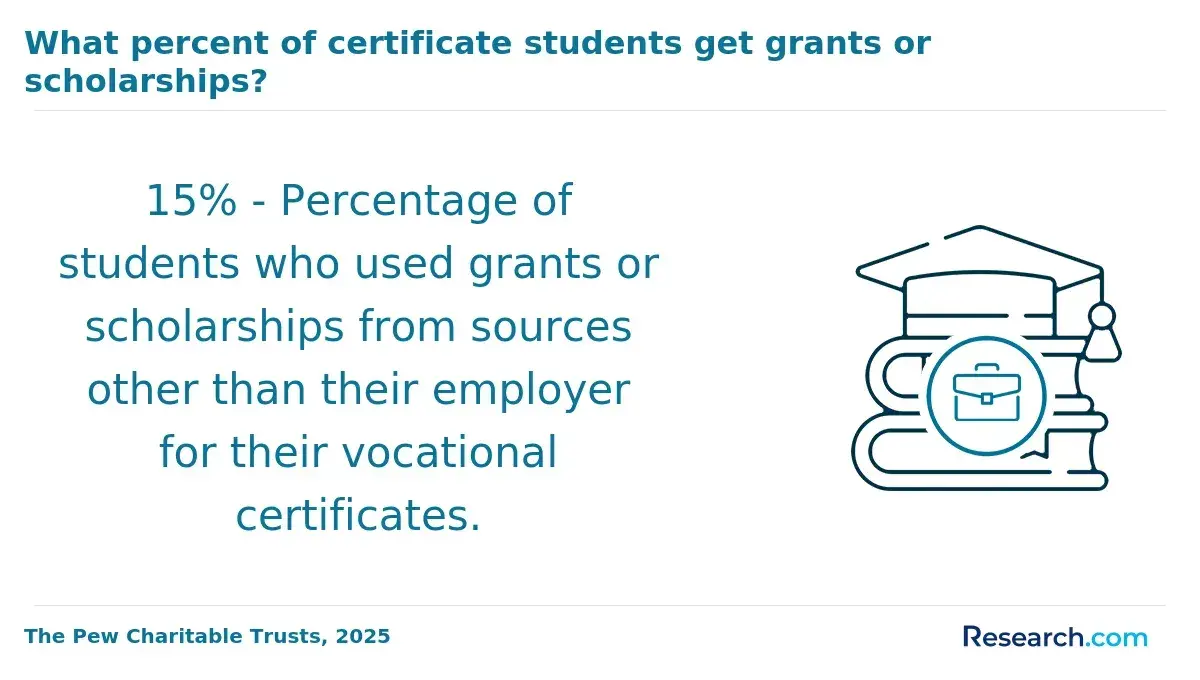
Cost is harder to compare than duration because schools use different tuition models and online students may still pay professional fees, lab fees, technology fees, travel costs, background checks, immunization costs, exam fees, and rotation-related expenses. For federal aid planning, one concrete benchmark is that the Direct Unsubsidized Loan annual limit for graduate or professional students is $20,500 for the 2024-25 award year; PharmD students who need more may have to evaluate Grad PLUS loans, scholarships, employer support, or payment plans.
When schools publish tuition, compare the full attendance budget rather than only the per-credit rate. A practical cost review should include these categories.
- Tuition charged per credit, per term, or per professional year.
- Mandatory professional program fees, technology fees, laboratory fees, assessment fees, and clinical placement fees.
- Travel and lodging for campus immersions, skills labs, exams, white coat events, or required orientations.
- Experiential costs such as transportation to IPPE and APPE sites, parking, drug screening, background checks, CPR certification, immunization documentation, and professional liability insurance.
- Licensure-related costs, including NAPLEX preparation, NAPLEX registration, state law exam fees, fingerprinting, and board application fees.
- Opportunity cost if the program's rotation schedule limits paid work during advanced practice experiences.
Students comparing healthcare degree costs may find it helpful to use the same line-item approach often used in an RN to BSN online programs cost comparison: separate tuition from fees, travel, required clinical expenses, and lost work time.
Affordability is not only about choosing the lowest sticker price. A lower-cost program may be a poor investment if it lacks rotation support in your region, while a higher-cost program may be easier to justify if it has strong experiential placement, transparent licensure outcomes, and faculty or preceptor access aligned with your goals.
| Timeline or cost factor | Typical issue for online PharmD students | Decision impact |
| Prerequisite completion | May add one or more terms before professional coursework begins | Can delay entry and increase total education cost |
| Professional phase | Often structured across multiple years with sequenced science, therapeutics, labs, and rotations | Limited ability to accelerate unless the program is designed that way |
| Campus immersions | May require travel, lodging, and time away from work | Can make a lower tuition program more expensive in practice |
| APPE year | Usually full-time clinical rotations with limited schedule flexibility | May reduce the ability to work while enrolled |
| Licensure preparation | Exam and application expenses occur after graduation | Should be included in the final-year budget |
How do online PharmD graduates meet pharmacist licensure requirements in different states?
Online PharmD graduates usually follow the same licensure process as campus graduates, but state authorization and experiential placement rules can create complications before graduation. The safest approach is to check requirements with the state board of pharmacy where you plan to become licensed and with the school's experiential education office before you enroll.
In general, U.S. pharmacist licensure involves several steps. Exact rules, forms, deadlines, and intern-hour calculations vary by state.
- Graduate from an ACPE-accredited PharmD program or another pathway accepted by the relevant state board.
- Complete required intern hours through school-approved experiential education and any additional state-required practice hours.
- Pass the North American Pharmacist Licensure Examination.
- Pass the state-specific pharmacy law exam or jurisprudence requirement, often the MPJE or a state alternative.
- Submit board applications, background checks, fingerprints, fees, transcripts, and any required attestations.
- Complete continuing education after licensure, including any state-specific topics such as immunization, opioid safety, sterile compounding, or medication safety.
The online format does not remove the need for hands-on experiential learning. Students should confirm that the school is authorized to enroll students in their state and that it can place them in approved practice settings. This is especially important for students in rural areas, military families, or applicants who may move during the program.
Pharmacogenomics itself is not usually a separate pharmacist license. Instead, it is a clinical skill set layered onto pharmacist licensure. Employers may prefer residency training, board certification, informatics experience, oncology or psychiatry exposure, or documented project work for roles that involve pharmacogenomic consults.
What pharmacogenomics-related career paths can an online PharmD graduate pursue?
An online PharmD graduate who becomes licensed can pursue the same broad pharmacist roles as other PharmD graduates. Pharmacogenomics can strengthen a career path when it is paired with clinical judgment, patient communication, data interpretation, and familiarity with electronic health records.
The table below shows where pharmacogenomics may fit in real pharmacy careers. Some roles are directly focused on precision medicine, while others use pharmacogenomics as one tool among many.
| Career path | How pharmacogenomics may be used | Additional preparation that may help |
| Ambulatory care pharmacist | Reviews medication regimens, interprets test results, and advises prescribers on therapy choices in chronic disease management | PGY1 residency, ambulatory care experience, collaborative practice exposure |
| Health-system clinical pharmacist | Supports medication safety, consult services, and specialty drug decisions in hospitals or clinics | Residency training, institutional practice experience, strong documentation skills |
| Psychiatric pharmacy or behavioral health pharmacist | May use pharmacogenomic data when evaluating antidepressants, antipsychotics, tolerability, or prior medication response | Psychiatry rotation, PGY2 psychiatric pharmacy training, behavioral health experience |
| Oncology pharmacist | Works with tumor genomics, germline considerations, targeted therapies, and toxicity management | Oncology rotations, residency or fellowship, specialty practice experience |
| Pharmacy informatics specialist | Builds or manages clinical decision support, alerts, order sets, and pharmacogenomic result integration | Informatics coursework, EHR experience, data and workflow skills |
| Pharmacogenomics program coordinator | Helps implement testing services, educates clinicians, tracks outcomes, and standardizes workflows | Residency, project management, implementation science, leadership experience |
| Industry medical affairs or clinical development role | Supports drug information, biomarker strategy, evidence communication, or precision-medicine products | Fellowship, research experience, publication or presentation record |
Students should be realistic: a PharmD with one pharmacogenomics course may not be enough for a specialized precision-medicine job. Employers often look for evidence that the candidate can apply pharmacogenomic results in context, communicate uncertainty, collaborate with prescribers, and understand reimbursement and workflow barriers.
If your strongest interest is prescribing and diagnosing in psychiatric care rather than medication-use systems, comparing pharmacy with nursing pathways such as fastest PMHNP programs may clarify which scope of practice better fits your goals.
Students who want to move into system leadership, pharmacy operations, or precision-medicine program administration may also compare clinical pharmacy training with master of healthcare administration programs, especially if their long-term goal is managing services rather than practicing as a pharmacist.
What salary ranges and job outlook exist for pharmacists specializing in pharmacogenomics?
The most reliable national salary benchmark is for pharmacists overall, not for pharmacogenomics specialists as a separate occupation. According to the U.S. Bureau of Labor Statistics, pharmacists had a 2024 median annual wage of $137,480. This figure is useful as a baseline, but it does not isolate differences by specialty, residency training, region, employer type, or precision-medicine responsibility.
BLS also projects pharmacist employment to grow 5% from 2024 to 2034. For readers, this suggests a stable outlook rather than a guaranteed shortage or automatic premium for pharmacogenomics skills. Specialized opportunities are more likely to appear in health systems, academic medical centers, specialty clinics, oncology practices, psychiatric care settings, informatics teams, laboratories, and industry roles that already use genetic or biomarker data.
Salary potential can vary based on several practical factors. The list below shows what tends to influence compensation and advancement for pharmacists with pharmacogenomics exposure.
- Practice setting, such as retail pharmacy, hospital pharmacy, ambulatory care, academia, industry, managed care, or informatics.
- Postgraduate training, especially PGY1 residency, PGY2 specialty residency, fellowship, or documented precision-medicine project work.
- Geographic market, including state licensing rules, local health-system demand, and cost of living.
- Depth of responsibility, such as providing consults, managing a testing service, building clinical decision support, or leading implementation.
- Technical skills, including EHR workflows, clinical documentation, evidence appraisal, data interpretation, and interprofessional communication.
AI and clinical decision-support tools are also changing the work. Pharmacists are less likely to be valued simply for memorizing gene-drug pairs and more likely to be valued for validating recommendations, explaining limitations, preventing alert fatigue, and translating results into safe therapy plans. That makes applied judgment and communication just as important as technical knowledge.
How can students evaluate and choose a reputable online PharmD program in pharmacogenomics?
The best online PharmD program is not necessarily the one with the most polished website or the lowest tuition. It is the program that is accredited, legally able to enroll you, transparent about in-person requirements, realistic about rotations, and aligned with your intended pharmacy career.
Use the following steps before applying or accepting an offer. They are designed to help you avoid common red flags that can affect licensure, cost, or career fit.
- Confirm ACPE accreditation status for the PharmD program and make sure the online pathway leads to the same professional credential needed for pharmacist licensure.
- Ask whether the school is authorized to enroll students in your state and whether it has placed students in your region for IPPEs and APPEs.
- Request a curriculum map showing where pharmacogenomics appears in required courses, electives, labs, simulations, and rotations.
- Ask for examples of APPE sites or practice settings where students may encounter pharmacogenomic testing, precision medicine, oncology, psychiatry, cardiology, informatics, or ambulatory care.
- Compare total cost of attendance, including travel, fees, rotation expenses, licensure exams, and the possibility of reduced work hours during clinical rotations.
- Review student support services, including academic coaching, technical support, faculty office hours, preceptor support, residency advising, and career services.
- Ask about NAPLEX preparation, recent licensure outcomes, on-time progression, and how the program supports students who struggle academically.
- Speak with current students or alumni in the online pathway, not only admissions representatives.
Several red flags should prompt extra caution. These include vague accreditation language, unclear rotation responsibility, no published immersion schedule, unwillingness to discuss state authorization, pressure to enroll quickly, or claims that pharmacogenomics training will automatically lead to a high-paying specialty role.
A strong program should be able to answer practical questions clearly. If admissions staff cannot explain where you will complete clinical experiences, how pharmacogenomics is assessed, or whether your state is eligible, keep looking or delay enrollment until you have written confirmation.
| Question to ask | Why it matters | Strong answer looks like |
| Where is pharmacogenomics taught in the curriculum? | Shows whether exposure is broad or minimal | The school identifies specific courses, cases, electives, or assessments |
| Can students complete APPEs near my location? | Online students still need approved clinical sites | The school explains placement processes and regional limitations |
| Are campus immersions required? | Travel can affect cost and scheduling | The school provides dates, locations, and expected expenses early |
| What licensure outcomes are available? | Licensure is the central professional outcome | The school discusses NAPLEX preparation and state-specific considerations |
| Who mentors students interested in precision medicine? | Faculty and preceptor access can shape career options | The school identifies faculty, electives, research, or clinical contacts |
Other Things You Should Know About PharmD
Not always. Some PharmD programs admit students after they complete required prerequisites, while others prefer or require a bachelor's degree. Check each school's admissions policy because requirements vary.
Many pharmacy schools have moved away from requiring the PCAT, but policies differ. Applicants should verify whether the exam is required, optional, recommended, or not considered by each program.
Yes, if the graduate meets residency eligibility requirements and earns the appropriate PharmD credential. Residency selection is competitive, so clinical performance, recommendations, leadership, research, and interview preparation matter.
Accredited PharmD programs require at least 300 hours of introductory pharmacy practice experiences and 1,440 hours of advanced pharmacy practice experiences, for a minimum of 1,740 experiential hours. Pharmacogenomics exposure is usually built into therapeutics, laboratory interpretation, and case-based rotations rather than a separate licensure requirement.
References
- Electronic Licensure Transfer Program (eLTP) | NABP https://nabp.pharmacy/programs/licensure/licensure-transfer/
- Best Career Opportunities for Pharm-D Graduates https://careerinpharma.com/best-career-opportunities-for-pharm-d-graduates/
- Pharmacogenomics another opportunity to advance the pharmacy profession https://www.pharmacist.com/About/Newsroom/pharmacogenomics-another-opportunity-to-advance-the-pharmacy-profession
- Doctor of Pharmacy - On Campus & Online Hybrid https://www.su.edu/admissions/graduate-students/pharmacy-application-information/doctor-of-pharmacy/
- Pharmacy Career Outlook: Is a Career in Pharmacy Worth It? - Roseman University https://www.roseman.edu/student-experience/news/pharmacy-career-outlook-is-a-career-in-pharmacy-worth-it/
- International Students and Graduates https://www.aacp.org/resource/international-students-and-graduates
- 15 Highest Paying Pharmacy Jobs in the UK 2026-2027: Well-Paid Careers in Pharmacy | Royal Open College https://royalopencollege.org/blog/healthcare/highest-paying-pharmacy-jobs-uk/
- Doctor of Pharmacy, PharmD https://www.pacific.edu/pharmacy/academics/doctor-pharmacy
- Master of Science in Pharmacogenomics https://wne.edu/pharmacy-and-health-sciences/academics/ms-pharmacogenomics/index.cfm
- How Long Does It Take to Become a Pharmacist? https://pharmddegree.com/careers/how-long-does-it-take-to-become-a-pharmacist