
2027 How to Become a Legal Assistant: Education, Salary, and Job Outlook

Co-Founder and Chief Data Scientist
Becoming a legal assistant is a practical way to enter the legal field without going to law school. The role is suited to people who like organized, detail-heavy work and want to support attorneys, clients, courts, companies, or public agencies through research, document preparation, scheduling, and case administration.
The decision is not only about whether the work sounds interesting. You also need to understand which credentials employers value, what skills make you competitive, how salaries vary, where legal assistants work, and what the job is like under deadline pressure. With over 350,000 legal assistants employed in the US, the field offers broad entry points, but the strongest candidates combine formal training, technology skills, discretion, and reliable follow-through.
This guide explains how to become a legal assistant, what education and certifications can help, what you may earn, where to find experience, and how to decide whether this career fits your strengths and long-term goals.
What are the benefits of becoming a legal assistant?
- The legal assistant role offers strong job growth, with the U.S. Bureau of Labor Statistics projecting a 10% increase in employment through 2025.
- Average salaries range from $45,000 to $60,000 annually, reflecting competitive and rewarding compensation for entry-level professionals.
- This career path provides practical legal experience, diverse opportunities, and a solid foundation for advancement in the legal field.
What credentials do you need to become a legal assistant?
You do not need a law degree to become a legal assistant, and many roles do not require licensure. However, employers usually look for a combination of education, legal office training, writing ability, technology skills, and proof that you can handle confidential, deadline-driven work. The best credential path depends on your current education, budget, timeline, and target employer.
The most common credentials include:
- Associate Degree in Paralegal Studies: This two-year option is a direct route into the field. It typically builds core skills in legal research, legal writing, civil procedure, ethics, document preparation, and law office operations.
- Bachelor's Degree with Certificate: Many employers accept a bachelor's degree in any subject when paired with a paralegal or legal assistant certificate. This path can be useful if you already have a degree and want focused legal training without completing a second undergraduate program.
- Bachelor's Degree in Paralegal or Legal Assistant Studies: A specialized bachelor's degree may be a stronger option for candidates who want broader legal coursework, more writing practice, and preparation for advancement into paralegal, compliance, or legal operations roles.
- National Certifications: Credentials such as the NALA Certified Paralegal (CP) or PACE Registered Paralegal (RP) can help demonstrate professional competence. These credentials require passing an exam and often involve formal paralegal education or relevant work experience.
- Continuing Education: Legal procedures, court rules, software tools, privacy expectations, and research platforms change over time. Continuing education helps you maintain certifications and stay useful to attorneys and clients.
Requirements can vary by employer, jurisdiction, and job title. Some law firms use “legal assistant” and “paralegal” differently, while others overlap the roles. In markets such as New York and New Jersey, review job postings carefully and check local expectations before choosing a program. Pay attention to whether employers ask for ABA-approved coursework, a certificate, litigation experience, or knowledge of a specific practice area.
| Credential path | Best for | Main advantage |
| Associate Degree in Paralegal Studies | New students seeking a structured entry route | Combines legal fundamentals with career-focused training |
| Bachelor's Degree with Certificate | Career changers who already have a degree | Adds legal specialization without starting over |
| Bachelor's Degree in Legal Assistant Studies | Students who want deeper preparation and future mobility | May support advancement into senior legal support roles |
| National Certification | Candidates who want an additional professional signal | Can strengthen a resume in competitive markets |
If you need a shorter training path, specialized 6 month online certificate programs for high paying jobs can help you build job-ready skills faster. Before enrolling, compare cost, accreditation, curriculum, career support, and whether local employers recognize the credential.
What skills do you need to have as a legal assistant?
A strong legal assistant is accurate, organized, discreet, and comfortable using technology. Attorneys rely on legal assistants not just for administrative support but also for dependable case coordination, document handling, and communication. Small mistakes can affect deadlines, client trust, or court filings, so the role requires careful judgment as well as speed.
- Legal research proficiency: You may need to locate statutes, regulations, case law, court records, and procedural rules using tools such as Westlaw, LexisNexis, and PACER. Even when an attorney performs the final analysis, your ability to find and organize reliable information matters.
- Document preparation and review: Legal assistants often draft, format, proofread, and assemble contracts, pleadings, discovery materials, correspondence, and exhibits. Precision in names, dates, citations, attachments, and filing formats is essential.
- Case management and organization: You must keep files, deadlines, contacts, evidence, billing notes, and communications organized. Software such as Clio or MyCase can help, but the underlying skill is disciplined follow-through.
- Confidentiality and data security: Legal assistants handle sensitive client information. You need to understand attorney-client privilege, secure file handling, password practices, phishing risks, and the importance of limiting access to confidential materials.
- Technology proficiency: Law offices use document management systems, billing platforms, e-filing portals, virtual meeting tools such as Zoom and Teams, PDF editors, spreadsheets, and increasingly AI-supported research or review tools.
- Attention to detail: Proofreading, docketing, citation checks, recordkeeping, and document assembly all require accuracy. A missed deadline or incorrect filing can create serious problems.
- Effective communication: Legal assistants communicate with attorneys, clients, court staff, vendors, witnesses, and opposing counsel. Your tone should be professional, clear, and appropriate to the situation.
- Calendar and deadline management: Litigation, transactions, compliance work, and court procedures depend on deadlines. You need systems for reminders, priority tracking, follow-ups, and schedule coordination.
Skills that separate strong candidates from average applicants
Employers often prefer candidates who can do more than complete assigned tasks. You can stand out by learning legal terminology, understanding the workflow of a practice area, writing concise status updates, asking clarifying questions early, and documenting your work so others can pick up a file quickly.

What is the typical career progression for a legal assistant?
Legal assistant careers often begin with administrative and document-support duties, then expand into more complex case work, client coordination, specialized legal support, or operations management. Advancement usually depends on reliability, writing skill, software proficiency, practice-area knowledge, and the ability to work independently under attorney supervision.
- Entry-Level Legal Assistant: At this stage, you may organize files, schedule meetings, draft basic correspondence, scan and label documents, track deadlines, and support attorneys with simple research or filing tasks. A high school diploma may be enough for some roles, but a post-secondary certificate or associate degree in legal studies can make you more competitive. Experience needed: 0-2 years.
- Mid-Level Legal Assistant/Paralegal: With more experience, you may prepare legal documents, coordinate discovery, communicate with clients and courts, manage case files, and help attorneys prepare for hearings, closings, or depositions. These roles usually require 2-4 years of experience and a track record of accuracy and dependability.
- Supervisory Legal Support Specialist: This level may involve training junior assistants, coordinating workflows, managing document production, improving office procedures, and serving as a point person for larger matters. Experience of 3-5 years combined with paralegal or legal tech certifications can help prepare for these roles.
- Senior/Lead Paralegal or Legal Operations Manager: Senior professionals may lead projects, supervise teams, manage legal technology systems, coordinate with outside counsel, or support high-value cases and transactions. Specializations in corporate law, compliance, intellectual property, litigation, or legal technology can increase responsibility and influence.
- Lateral Career Moves: Legal assistant experience can transfer into compliance, contract administration, legal billing, records management, claims support, human resources investigations, privacy operations, or legal technology support.
Progression is not automatic. To move up, document your accomplishments, learn the language and workflow of your practice area, volunteer for higher-responsibility tasks when appropriate, and ask attorneys or managers which skills would justify advancement.
How much can you earn as a legal assistant?
Legal assistant pay depends on experience, location, employer type, education, specialization, and how closely the role overlaps with paralegal responsibilities. Large law firms, corporate legal departments, and high-cost metropolitan markets often pay more than smaller offices, though expectations may also be higher.
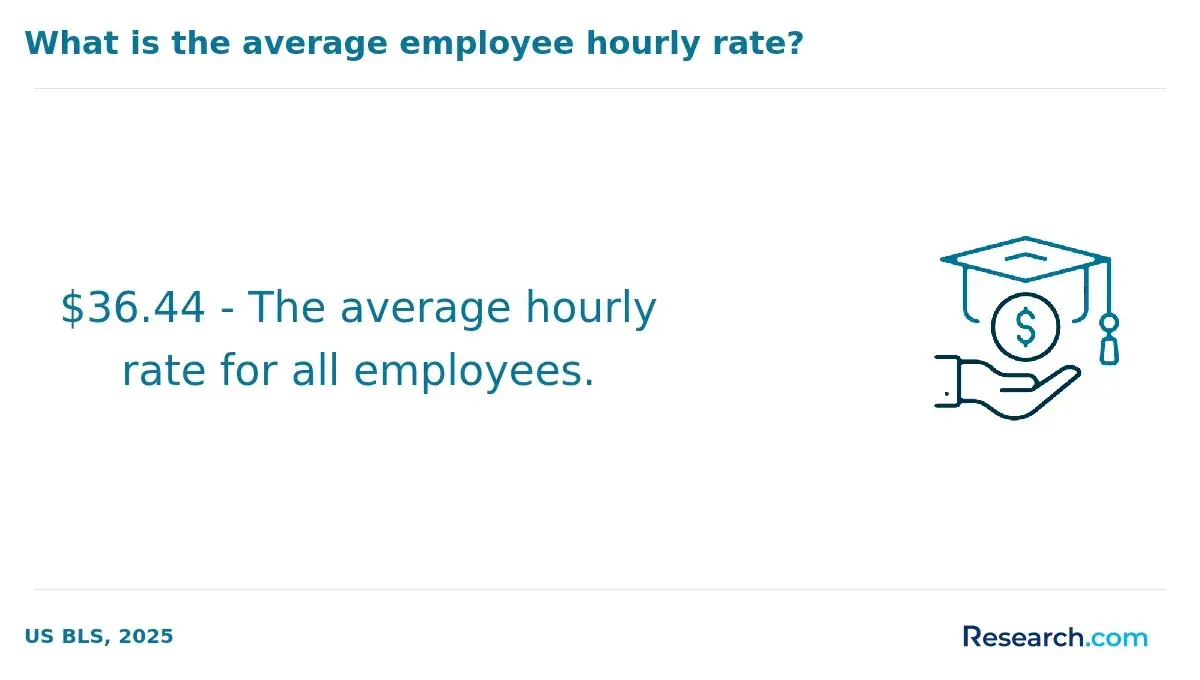
According to the U.S. Bureau of Labor Statistics, the median annual wage for legal assistants and paralegals was $61,010 in May 2024. Entry-level professionals often start around $44,000, while those with more years in the field may reach or exceed the national median. Hourly rates typically average between $22 and $23.
| Pay factor | What it means for earnings |
| Experience | New legal assistants often earn less while they learn office systems, legal terminology, and filing procedures. Pay can rise as they take on more complex case or document work. |
| Location | Salary is strongly affected by local demand and cost of living. Legal assistant salary in New York 2025 tends to be above the national average. |
| Employer type | Corporate legal departments, large firms, and specialized practices may offer higher pay, but they may also expect stronger software, writing, and practice-area skills. |
| Specialization | Experience in areas such as corporate law or intellectual property can improve earning potential when employers need specialized support. |
| Credentials | Certificates, degrees, and professional certifications can help, especially when they match the requirements in local job postings. |
When comparing salaries, look beyond the annual figure. Benefits, overtime expectations, remote-work policies, billable-hour pressure, training opportunities, and promotion paths all affect the value of an offer. If you are still choosing an education route, reviewing what's the easiest bachelor's degree can help you compare programs that may fit your schedule while supporting career entry.
What internships can you apply for to gain experience as a legal assistant?
Internships are one of the best ways to learn how legal work actually moves through an office. They help you practice document handling, research, scheduling, client communication, and professional discretion before applying for full-time roles. For students seeking legal assistant internships in California, opportunities may be available through law firms, government offices, nonprofits, and corporate legal teams.
Examples of internship settings include:
- Warner Music Group: Interns may gain exposure to legal affairs by reviewing music agreements and licenses, which can introduce them to entertainment law and contract workflows.
- American Civil Liberties Union (ACLU): Internships can involve civil liberties and civil rights work, including research, advocacy support, and document preparation.
- California Department of Justice: Students may assist with legal research and document preparation while learning how state government legal operations function.
- Law firms: Legal assistant internships at law firms can involve drafting routine documents, organizing case files, preparing exhibits, communicating with office staff, and supporting attorneys directly.
How to choose the right internship
Prioritize internships that give you supervised, practical legal tasks rather than only general office work. Ask what software you will use, whether you will observe client or court-related work, what writing or research duties are included, and whether interns receive feedback. If you are undecided about practice areas, a small law firm may expose you to a wider range of tasks, while a specialized employer can help you build targeted expertise.
Internships can also clarify whether you want to stay in legal assisting, move toward paralegal work, or eventually pursue another legal or compliance role. For long-term planning, it may be useful to understand which masters degrees with the highest roi could complement legal, compliance, policy, or business-focused career goals.
How can you advance your career as a legal assistant?
Advancement as a legal assistant usually comes from becoming more valuable to attorneys and harder to replace. That means building expertise, reducing errors, improving workflow, learning legal technology, and taking on more complex work while staying within the limits of your role and supervision.
- Specialize in high-demand areas: Practice areas such as litigation, immigration, intellectual property, and corporate law require specific procedures, forms, terminology, and deadlines. Specialization helps you move from general support to trusted practice-area support.
- Earn advanced certifications: Credentials through organizations such as NALA, along with Continuing Legal Education webinars, can validate your skills and show commitment to the profession. Choose certifications that employers in your target market actually recognize.
- Stay current with legal technology: Learn e-discovery tools, document automation, AI-supported research tools, case management systems, and secure collaboration platforms. Technology fluency can position you for legal operations or project coordination roles.
- Build a strong professional network: Join legal associations, attend local bar or paralegal events when appropriate, and seek mentorship from experienced legal support professionals. Many legal roles are filled through referrals or professional contacts.
- Commit to lifelong learning: Laws, court rules, filing systems, privacy expectations, and office workflows change. Ongoing learning helps you remain effective and reduces the risk of outdated habits.
Practical moves that can support promotion
- Keep a record of major projects, software tools learned, deadlines managed, and process improvements you helped implement.
- Ask for feedback after busy matters, filings, closings, or trial preparation periods.
- Improve your writing by studying attorney edits and applying them to future drafts.
- Learn the business side of the workplace, including billing, client service expectations, and matter budgeting when relevant.
- Demonstrate calm, ethical judgment when handling confidential or urgent matters.
Where can you work as a legal assistant?
Legal assistants work in many settings, not only traditional law firms. The right environment depends on your preferred pace, interest in client contact, tolerance for deadlines, and whether you want exposure to litigation, contracts, compliance, public service, or internal business operations.
- Law firms: Legal assistant jobs in law firms remain a central path in the profession. You may assist attorneys with case management, document organization, client communication, filings, and billing in settings ranging from small practices to global firms such as Baker McKenzie, Latham & Watkins, and Jones Day.
- Corporate legal departments: Companies such as Amazon, JPMorgan Chase, and Chevron may hire legal assistants to support contracts, compliance, internal investigations, employment matters, intellectual property, or governance work.
- Government agencies: Agencies such as the U.S. Department of Justice and state attorney generals use legal support staff to help manage documents, research, case preparation, public records, and administrative procedures.
- Nonprofit organizations: Groups such as the American Civil Liberties Union or Habitat for Humanity may need legal support for advocacy, compliance, grants, housing, policy, or community-facing legal programs.
- Healthcare systems: Institutions such as Kaiser Permanente and the Mayo Clinic may use legal assistants to support regulatory filings, patient documentation issues, privacy matters, contracts, or risk management teams.
- Educational institutions: Universities and school districts, including Harvard University and Los Angeles Unified School District, may employ legal support professionals to assist with policy review, contracts, employment matters, compliance, and records.
- Remote legal assistant positions: Some legal assistant work can be done remotely, especially document preparation, scheduling, billing support, intake coordination, and case management. Remote roles still require confidentiality, secure technology use, and reliable communication.
| Work setting | Best fit for candidates who want |
| Law firm | Direct exposure to attorneys, clients, cases, deadlines, and practice-area training |
| Corporate legal department | Business-focused legal work, contracts, compliance, and internal operations |
| Government agency | Public service, formal procedures, and exposure to regulatory or enforcement work |
| Nonprofit organization | Mission-driven legal support and advocacy-related work |
| Healthcare or education | Compliance-heavy environments with specialized documentation needs |
| Remote role | Flexibility, independent task management, and strong digital communication |
If affordability is a major factor in preparing for this career, compare accredited options and financial aid eligibility. You can start by reviewing affordable online universities that accept fafsa.
What challenges will you encounter as a legal assistant?
Legal assistant work can be stable and meaningful, but it is not low-pressure. The job often involves urgent requests, strict deadlines, sensitive information, and competing priorities from multiple attorneys or departments. Understanding the challenges helps you prepare instead of being surprised by them.
- Managing heavy workloads: Legal assistants may support multiple matters at once. You need systems for tracking deadlines, prioritizing urgent tasks, and avoiding errors when work arrives quickly.
- Competitive job market: With only modest employment growth expected, candidates may need stronger software skills, specialization, and practical experience to stand out. Legal technology knowledge can be especially useful.
- Adapting to technological change: AI tools, e-discovery platforms, document automation, and digital filing systems are changing how legal support work is done. These tools may reduce repetitive tasks, but they also require legal assistants to review outputs carefully and understand ethical limits.
- Navigating regulatory compliance: Legal assistants must follow confidentiality rules, court procedures, filing requirements, and internal policies. Mistakes can affect a client's matter and the employer's professional reputation.
Common mistakes to avoid
- Relying on memory instead of a written deadline and task-tracking system.
- Sending documents without checking names, dates, attachments, and recipients.
- Using AI or online tools with confidential information without employer approval.
- Assuming instructions are clear when a quick clarification would prevent rework.
- Failing to document status updates, completed tasks, and pending follow-ups.
What tips do you need to know to excel as a legal assistant?
To excel as a legal assistant, focus on reliability. Attorneys and managers remember the person who meets deadlines, protects confidential information, catches small errors, communicates early, and keeps matters organized when the office is busy.
- Create a dependable task system: Track deadlines, court dates, follow-ups, filing requirements, and attorney requests in one consistent system. Do not rely only on email flags or memory.
- Proofread like the document matters: Check spelling, names, dates, case numbers, citations, attachments, formatting, and signature blocks. Legal documents often move through several hands, and each review should reduce risk.
- Communicate clearly and early: If a deadline is unclear, a document is missing, or an instruction conflicts with another task, ask before the issue becomes urgent. Brief, specific updates are more useful than long explanations.
- Learn your practice area: Litigation, intellectual property, immigration, corporate law, and other areas each have different workflows. Understanding the sequence of work helps you anticipate what attorneys need next.
- Use technology responsibly: Become comfortable with case management tools, PDF software, e-filing systems, calendars, and secure communication platforms. Follow employer rules for AI tools and confidential data.
- Build professional judgment: Know what you can handle independently and what requires attorney review. Legal assistants support legal work, but they should not give legal advice unless authorized under applicable rules and supervision.
- Seek feedback: Ask attorneys or senior staff what would make your drafts, research, or workflow more useful. Apply the feedback consistently.
- Develop a professional network: Connect with attorneys, paralegals, legal assistants, and professional associations. Mentors can help you understand advancement paths and avoid common career mistakes.
How do you know if becoming a legal assistant is the right career choice for you?
A legal assistant career may be a good fit if you enjoy structured work, careful writing, solving practical problems, and supporting people through important legal processes. It may not be ideal if you dislike deadlines, repetitive document review, strict procedures, or handling confidential information.
- Organizational Skills: You should be comfortable managing documents, schedules, filing rules, contact lists, and deadlines without losing track of details.
- Attention to Detail: Precision matters in proofreading, forms, court filings, correspondence, and client records. If small errors frustrate you rather than motivate you to improve systems, the role may feel draining.
- Clear Communication: You need to interact professionally with attorneys, clients, court staff, vendors, and colleagues. The best legal assistants communicate calmly even when work is urgent.
- Integrity and Discretion: Confidentiality is central to the job. You must be able to handle sensitive information without gossip, shortcuts, or careless sharing.
- Work Environment: Legal assistants generally work regular office hours, but busy periods may involve urgent deadlines, rapid changes, or extra coordination.
- Personal Interests: This career can suit people who like varied tasks, administrative problem-solving, research, writing, customer service, and team-based work.
- Challenges to Consider: If you struggle with organization, dislike detail-oriented tasks, or become overwhelmed by competing priorities, the responsibilities may be stressful.
Quick self-check
- Do you enjoy keeping information organized and easy to retrieve?
- Can you stay calm when several people need help at once?
- Are you comfortable following exact procedures?
- Do you like improving drafts, documents, and workflows?
- Can you protect confidential information even outside work?
If most answers are yes, legal assisting may be a strong match. If you are still building the education needed to qualify, compare affordable and flexible options, including the cheapest online universities for working adults.
What Professionals Who Work as a Legal Assistant Say About Their Careers
-
: "
Pursuing a career as a legal assistant has provided me with exceptional job stability and a reliable salary. The demand for skilled legal support professionals remains strong, especially in bustling law firms and corporate environments, making this a smart career choice for long-term security.
— Kyree
"
-
: "
Working in this field presents unique challenges that constantly push me to sharpen my organizational and research skills. Each case brings something new, and that variety keeps the work engaging. It's rewarding to see my contributions directly impact positive legal outcomes.
— Wendy
"
-
: "
The opportunities for professional development within legal assisting are impressive. From specialized training programs to potential advancement into paralegal roles, the path encourages continuous learning and growth. I appreciate how the career fosters both expertise and upward mobility.
— Jason
"
Other Things You Should Know About Becoming a Legal Assistant
In 2027, aspiring legal assistants typically benefit from obtaining an associate degree in paralegal studies or a related field. Additionally, earning a certification from a recognized institution, such as NALA or NFPA, can enhance job prospects. Some employers may also prefer candidates with a bachelor’s degree.
Key skills for legal assistants in 2027 include strong research abilities, attention to detail, proficiency in legal software, and excellent communication. Familiarity with e-discovery tools and legal databases is also beneficial, making candidates more competitive in the job market.
References
- Paralegals and Legal Assistants: Salary, career path, job outlook, education and more - RaiseMe https://www.raise.me/careers/legal/paralegals-and-legal-assistants/
- Careers and Student Internship Opportunities | Legal Aid - District of Columbia https://www.legalaiddc.org/careers-and-student-internship-opportunities
- How to become a Legal Assistant | Spherion https://www.spherion.com/job-profiles/legal-assistant/
- Paralegals and Legal Assistants : Occupational Outlook Handbook: : U.S. Bureau of Labor Statistics https://www.bls.gov/ooh/legal/paralegals-and-legal-assistants.htm
- Diving into the differences between paralegals and legal assistants https://www.mildred-elley.edu/paralegals-and-legal-assistants-are-they-the-same/
- What is a Legal Assistant? What They Do and How They Help Lawyers | Clio https://www.clio.com/blog/what-is-a-legal-assistant/
- The Top 10 Reasons to Become a Legal Assistant | NCC https://www.northwestcareercollege.edu/blog/the-top-10-reasons-to-become-a-legal-assistant/
- What is a Legal Assistant? [+9 Essential Skills] | Robertson College https://www.robertsoncollege.com/blog/studying-at-robertson/what-is-a-legal-assistant/


