
2027 Doctor of Nurse Anesthesia Practice Careers: Skills, Education, Salary & Job Outlook

Co-Founder and Chief Data Scientist
Choosing a Doctor of Nurse Anesthesia Practice career is not a casual education decision. It usually means years of nursing preparation, critical care experience, doctoral-level anesthesia training, national certification, and a work life built around high-stakes patient care. The reward can be substantial: nurse anesthetists are among the highest-paid advanced practice nurses, with median salaries above $210,000 and strong demand across surgical, obstetric, emergency, rural, and outpatient settings.
This guide is for registered nurses, nursing students, career changers planning a nursing pathway, and working clinicians comparing advanced practice roles. It explains what nurse anesthetists do, the skills and credentials required, salary expectations, job outlook, work settings, advancement options, and related careers to consider before committing to the DNAP route. It also highlights the trade-offs: the training is rigorous, the clinical responsibility is significant, and the path requires careful planning around accreditation, licensure, certification, cost, and time.
Demand remains a major reason many nurses consider this field. Some summaries cite 40% job growth, while the job outlook section below reports a 10% projected growth rate from 2023 to 2033. Either way, the central point is clear: anesthesia providers remain essential to modern healthcare, and doctorate-prepared nurse anesthetists are positioned for durable career opportunities when they meet the required standards.
Key Things You Should Know About Doctor of Nurse Anesthesia Practice Career
- The typical earning potential for nurse anesthetists is strong, with median annual salaries around $212,650 as of mid-2024, reflecting the high value of their expertise.
- This field is highly stable and growing rapidly, with employment expected to increase by 35% from 2024 to 2034, far outpacing average job growth.
- Entering this career requires at least a master's degree in nursing with a specialization in nurse anesthesia, plus passing a national certification exam.
- Success depends on mastering technical skills in anesthesia administration, sharp clinical judgment, clear communication, and emotional resilience under pressure.
- Career paths often lead to leadership roles or specialized practice areas, with doctoral degrees opening doors in academia and research.
What do nurse anesthetists do?
Nurse anesthetists provide anesthesia and pain management before, during, and after medical procedures. Their work includes assessing patients, developing anesthesia plans, administering medications, managing airways, monitoring vital signs, responding to complications, and supporting recovery after anesthesia. In many settings, they work as Certified Registered Nurse Anesthetists (CRNAs) and may hold a Doctor of Nurse Anesthesia Practice or another doctoral nursing degree.
The role is critical because anesthesia care affects nearly every part of a procedure: patient comfort, airway safety, hemodynamic stability, surgical conditions, emergency response, and recovery quality. Nurse anesthetists may care for patients undergoing routine outpatient procedures, emergency trauma surgery, childbirth, cardiac procedures, pain interventions, or complex operations involving significant medical risk.
A Day in the Life of Nurse Anesthetists
A typical day often starts before the first procedure. Nurse anesthetists review charts, evaluate lab results and medical histories, confirm allergies and medications, assess airway risk, discuss the anesthesia plan with the patient, and coordinate with the surgical team. During the procedure, they administer anesthesia, manage ventilation, monitor vital signs continuously, adjust medications, and intervene quickly if the patient’s condition changes.
After the procedure, they help transfer the patient to recovery, manage pain or nausea, monitor for complications, and document care. The work requires technical precision, calm communication, and sustained attention. For the right person, it offers a direct way to combine advanced nursing judgment with immediate impact on patient safety.
What are the key responsibilities of nurse anesthetists?
Nurse anesthetists are responsible for the full anesthesia process, not just medication administration. Their decisions influence whether a patient moves safely from preoperative assessment through recovery. The work requires preparation, constant monitoring, rapid clinical judgment, and accurate documentation.
- Review patient records, health history, medications, allergies, lab results, and previous anesthesia experiences before a procedure.
- Conduct preoperative assessments to identify airway risks, cardiovascular concerns, pulmonary issues, medication interactions, and other factors that may affect anesthesia planning.
- Explain anesthesia options, answer patient questions, reduce anxiety, and obtain informed consent according to clinical and institutional requirements.
- Prepare and inspect anesthesia machines, airway equipment, emergency medications, monitors, and supplies before procedures begin.
- Administer general, regional, local, or sedation-based anesthesia depending on the procedure, patient condition, and approved scope of practice.
- Manage the patient’s airway, ventilation, circulation, fluid balance, and response to anesthesia throughout the procedure.
- Monitor vital signs continuously and respond to sudden changes such as hypotension, arrhythmias, oxygenation problems, allergic reactions, or airway emergencies.
- Coordinate with surgeons, anesthesiologists, nurses, technicians, and recovery staff to maintain continuity and safety.
- Oversee or support post-anesthesia recovery, including pain control, nausea management, respiratory status, and readiness for transfer or discharge.
- Complete accurate clinical documentation and participate in quality improvement, safety reviews, policy updates, or administrative duties when required.
The Most Challenging vs. The Most Rewarding Tasks
The most challenging part of the role is managing uncertainty. A patient can respond unpredictably to medications, bleeding, positioning, airway manipulation, or surgical stress. High-risk cases require constant attention and the ability to act before a complication becomes life-threatening. The pressure is real because small delays or misjudgments can affect patient outcomes.
The most rewarding part is seeing a patient move safely through a frightening or medically complex experience. Nurse anesthetists often meet patients when they are anxious, vulnerable, or in pain. Guiding them safely through anesthesia, helping them wake comfortably, and knowing your clinical decisions protected them can create deep professional satisfaction.
For working adults still building the academic foundation for nursing or advanced practice, an accelerated online degree for working adults may help shorten earlier education steps, but future nurse anesthetists must still meet nursing, critical care, accredited doctoral program, licensure, and certification requirements.
What are the key skills for nurse anesthetists?
Nurse anesthetists need a rare mix of advanced clinical knowledge, manual skill, situational awareness, communication, and emotional control. The strongest practitioners are not only technically competent; they can anticipate risk, communicate clearly under pressure, and advocate for patient safety when a plan needs to change.
Technical Skills
- Anesthesia pharmacology: Understanding how anesthetic agents, analgesics, sedatives, vasoactive medications, and reversal agents work in different patients and procedures.
- Physiology and pathophysiology: Interpreting how illness, injury, pregnancy, age, cardiac disease, pulmonary disease, or kidney function may affect anesthesia care.
- Airway management: Using techniques such as mask ventilation, intubation, and supraglottic devices in routine and difficult-airway situations.
- Monitoring and interpretation: Tracking oxygenation, ventilation, blood pressure, cardiac rhythm, temperature, neuromuscular status, and other indicators during anesthesia.
- Crisis response: Recognizing and treating complications such as airway obstruction, aspiration risk, malignant hyperthermia, hemorrhage, hemodynamic instability, or medication reactions.
- Specialty case management: Adapting anesthesia plans for cardiovascular, thoracic, obstetric, pediatric, trauma, outpatient, and pain management settings.
Soft Skills
- Critical thinking: Making fast, evidence-informed decisions when patient status changes.
- Clear communication: Briefing the care team, explaining risks to patients, and speaking up when safety concerns arise.
- Composure under pressure: Staying calm during emergencies so the team can respond effectively.
- Attention to detail: Catching small errors in medications, equipment setup, patient positioning, or documentation before they become serious.
- Professional judgment: Knowing when to proceed, pause, consult, escalate, or change the anesthesia plan.
- Empathy: Helping anxious patients feel informed and respected before procedures.
The One Overlooked Skill That Separates The Good From The Great
Leadership and advocacy often separate competent nurse anesthetists from exceptional ones. The job is not limited to administering anesthesia; it also involves coordinating people, preventing communication gaps, and protecting the patient when workflow pressures increase. A strong nurse anesthetist can redirect a team, challenge an unsafe assumption, update a protocol, or mentor less experienced clinicians without losing professionalism.
For example, during a complex procedure, a nurse anesthetist may identify a developing airway or hemodynamic problem before it becomes obvious to others. Clear leadership helps the team act quickly, assign tasks, and reduce avoidable risk. This kind of judgment is especially valuable in high-acuity hospitals, outpatient care centers, and settings where nurse anesthetists practice with substantial autonomy.
Students exploring earlier college pathways may compare options at colleges offering open admissions, but they should confirm that any nursing pathway they choose can ultimately support admission to accredited graduate-level nurse anesthesia programs.
Doctor of Nurse Anesthesia Practice Careers: A Step-by-Step Guide to Getting Started
The route to a Doctor of Nurse Anesthesia Practice career is sequential. You generally cannot skip the nursing foundation, critical care experience, accredited doctoral training, certification, or state licensure requirements. Planning early matters because admission standards are competitive and programs expect evidence of academic strength, clinical maturity, and readiness for intensive training.
- Earn a relevant bachelor’s degree. Most candidates begin with a Bachelor of Science in Nursing or another approved nursing pathway that prepares them for registered nurse licensure and graduate nursing admission.
- Become a licensed registered nurse. Candidates must pass the required national licensure exam and hold an RN license before building the clinical experience expected for nurse anesthesia programs.
- Gain critical care nursing experience. Programs typically look for experience in high-acuity settings where nurses manage unstable patients, complex monitoring, vasoactive medications, ventilators, and rapid clinical changes.
- Apply to an accredited doctoral nurse anesthesia program. Applicants should evaluate accreditation, clinical placement quality, board pass outcomes, cost, location, faculty support, and admission requirements before applying.
- Complete doctoral coursework and clinical training. DNAP or DNP nurse anesthesia programs combine advanced sciences, anesthesia principles, simulation, supervised clinical cases, evidence-based practice, and leadership training.
- Pass national certification requirements. Graduates must earn the required certification before practicing as nurse anesthetists.
- Meet state licensure and practice requirements. Scope of practice, collaboration rules, renewal requirements, and continuing education obligations vary by state and employer.
- Continue professional development. Nurse anesthetists must keep skills current through continuing education, recertification processes, quality improvement, and clinical practice updates.
The path is demanding, but it is designed that way for patient safety. A strong candidate treats each stage as preparation for independent clinical judgment, not simply as a credentialing hurdle.
What education, training, or certifications are required?
The core qualifications to become a Doctor of Nurse Anesthesia Practice professional begin with registered nursing preparation and progress to doctoral-level anesthesia education. A common route starts with earning a Bachelor of Science in Nursing (BSN) from an ACEN or CCNE accredited institution, obtaining an RN license, and gaining critical care nursing experience before entering a nurse anesthesia program.
As of 2027, a doctoral degree—either a Doctor of Nursing Practice (DNP) or Doctor of Nurse Anesthesia Practice (DNAP)—from a COA-accredited program is mandatory for entry into the profession. Accreditation is especially important because it affects eligibility for certification, licensure, employer recognition, and long-term professional mobility.
Required credentials include a Registered Nurse (RN) license issued by the appropriate state board of nursing and Certified Registered Nurse Anesthetist (CRNA) certification after passing the National Certification Examination from the NBCRNA. Candidates should also expect background checks, clinical compliance requirements, immunizations, life-support certifications, and state-specific practice requirements.
Doctoral nurse anesthesia programs include extensive supervised clinical training. The original pathway description includes an 18-24 month clinical anesthesia residency with supervised cases across varied healthcare settings. During this period, trainees build competence in anesthesia planning, medication administration, airway management, monitoring, crisis response, specialty cases, recovery care, and professional documentation under the direct oversight of CRNAs or anesthesiologists.
Are advanced degrees or niche certifications worth the investment?
The doctoral degree is not optional for new entrants under the stated requirement; it is part of the baseline preparation. Additional credentials beyond the required doctorate and CRNA certification can be valuable, but their payoff depends on the career goal. A nurse anesthetist seeking leadership, teaching, pain management, specialty practice, or administrative roles may benefit from extra training. A clinician focused on general anesthesia practice may find that experience, strong outcomes, and employer-based professional development matter more than stacking optional credentials.
The trade-off is cost and time. Advanced education can require a three-year full-time commitment and tuition costs ranging widely, which may reduce income while enrolled and affect family, work, and financial plans. The return can be compelling because earning potential often exceeds $200,000 annually, but applicants should compare total tuition, fees, living expenses, lost wages, clinical placement support, graduation outcomes, and financing options before enrolling.
Working nurses exploring graduate affordability may review the most affordable online masters as part of broader education planning, while recognizing that nurse anesthesia programs have specific accreditation, clinical, and in-person training requirements that may differ from general online graduate programs.
What is the earning potential for nurse anesthetists?
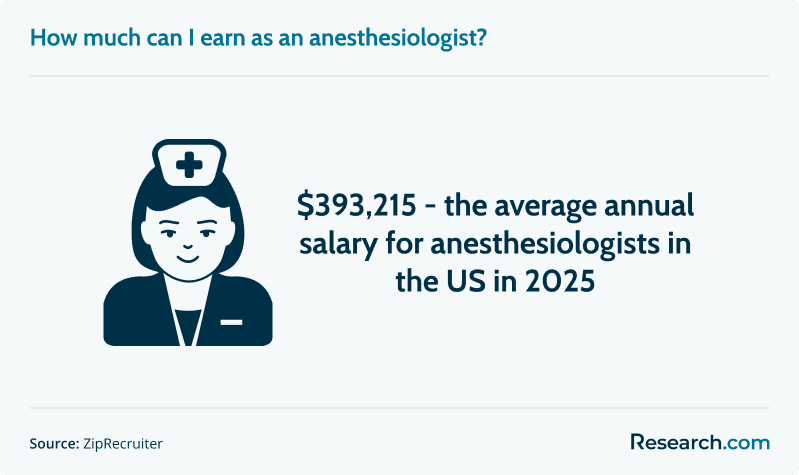
Nurse anesthetists have one of the strongest salary profiles in nursing. The lowest 10% of nurse anesthetists earn about $164,220 annually, which still reflects the advanced training, clinical responsibility, and procedural expertise required in the role. Early-career pay can vary by region, employer type, call expectations, and whether the position is hospital-based, outpatient, rural, academic, or locum tenens.
The Doctor of Nurse Anesthesia Practice salary 2025 centers around a median annual wage of $212,650. Experienced nurse anesthetists, those in high-demand regions, and clinicians with specialized skills or demanding schedules may reach the top 10% salary tier, earning approximately $243,580 each year.
Location can make a major difference. Nurse anesthetists in Illinois or Massachusetts can earn over $270,000, while those in states like Utah earn significantly less. Work setting also matters: outpatient care centers and trauma hospitals often pay more because of case volume, acuity, staffing needs, schedule demands, or market competition.
What affects pay the most?
- Geography: States and metropolitan areas with provider shortages, higher costs of living, or strong surgical demand may offer higher compensation.
- Practice setting: Hospitals, outpatient centers, trauma facilities, physician offices, rural hospitals, and locum tenens roles may structure pay differently.
- Experience and autonomy: Employers often value clinicians who can manage complex cases, work independently within legal scope, and support team efficiency.
- Schedule intensity: Call coverage, nights, weekends, holidays, long shifts, and emergency availability can affect total compensation.
- Specialization: Skills in cardiac, vascular, obstetric, pediatric, trauma, or pain management anesthesia may improve competitiveness for certain roles.
When comparing offers, look beyond base salary. Review call pay, overtime rules, sign-on terms, retirement contributions, malpractice coverage, continuing education support, relocation assistance, student loan benefits, productivity expectations, and schedule sustainability.
What is the job outlook for nurse anesthetists?
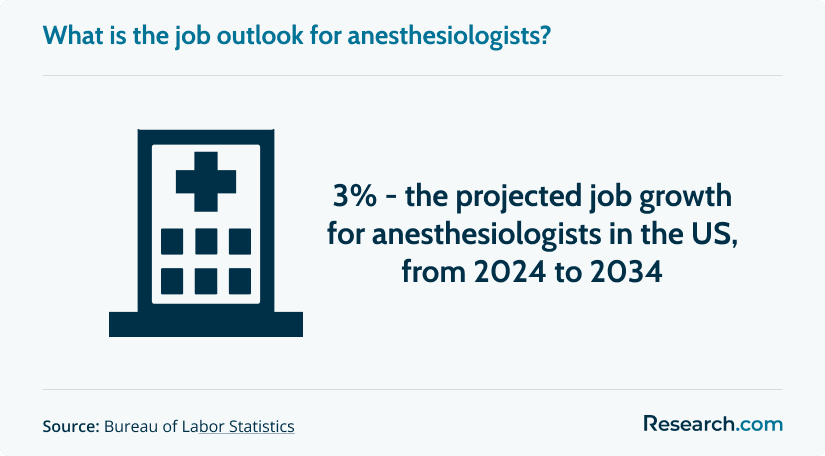
The job outlook for nurse anesthetists is strong. The role is projected to grow by 10% from 2023 to 2033, faster than the 4% average projected for all occupations. Demand is supported by the continuing need for anesthesia care in surgery, childbirth, diagnostic procedures, emergency care, outpatient procedures, and pain management.
The profession also has stability advantages. Anesthesia care cannot be fully automated or outsourced because it requires direct patient assessment, medication management, airway support, emergency response, and real-time clinical judgment. Technology may improve monitoring and workflow, but it does not replace the clinician responsible for patient safety during anesthesia.
The Key Factors Shaping the Future Outlook
Several forces are shaping demand. National shortages of anesthesia providers, an aging workforce, and too few new physicians entering the field increase the need for nurse anesthetists. The need is especially visible in rural and underserved areas, where CRNAs may serve as the primary anesthesia professionals.
An aging U.S. population also contributes to demand because older adults often require more procedures, surgeries, diagnostic interventions, and pain-related care. Expanded access to healthcare services can further increase procedural volume in hospitals and outpatient settings.
State-level scope-of-practice laws are another important factor. In many states, legislative changes have expanded CRNA autonomy or allowed broader independent practice. This can create more opportunities, but applicants should check the rules in the state where they plan to work because scope, supervision, collaboration, and reimbursement conditions can differ significantly.
Those comparing doctoral timelines may look at a 12 month doctoral program for general planning context, but nurse anesthesia preparation has strict clinical and accreditation requirements that should be verified directly with COA-accredited programs.
What is the typical work environment for nurse anesthetists?
Nurse anesthetists work wherever anesthesia services are needed: hospital operating rooms, obstetric units, trauma centers, outpatient surgery centers, dental and specialty procedure settings, pain clinics, physician offices, rural hospitals, and academic medical centers. The environment is team-based, fast-moving, and highly procedural.
Most certified registered nurse anesthetists (CRNAs) practice in hospital operating rooms, where about 69% are employed. Others work in offices of physicians (16%) and outpatient care centers (7%). The exact team structure varies by employer and state law. Some nurse anesthetists work closely with anesthesiologists in anesthesia care teams, while others practice with greater independence, particularly in rural or underserved settings.
The typical work schedule for nurse anesthetist professionals usually involves full-time shifts that range from 8 to 12 hours. Depending on the facility, schedules may include early mornings, evenings, nights, weekends, holidays, on-call coverage, or emergency cases. Outpatient centers may offer more predictable hours than trauma hospitals or labor and delivery units, but they can still involve high case volume and tight turnaround times.
Remote work is not a realistic option for anesthesia administration because the clinician must be physically present to assess the patient, manage the airway, monitor physiologic status, administer medications, and respond to emergencies. Nurses considering this career should be comfortable with on-site clinical work, extended focus, and schedule variability.
What are the pros and cons of nurse anesthetist careers?
A nurse anesthetist career can be highly rewarding, but it is not the right fit for every nurse. The role offers strong pay, autonomy, and clinical purpose, but it also brings intense responsibility, demanding training, and potential burnout. A realistic view of both sides helps prevent costly career misalignment.
Pros
- High earning potential: Median salaries above $210,000 make this one of the most financially rewarding nursing paths.
- Meaningful patient impact: Nurse anesthetists help patients safely undergo procedures that may be painful, frightening, urgent, or lifesaving.
- Professional autonomy: Depending on state law and employer structure, CRNAs may exercise substantial independent clinical judgment.
- Advanced clinical practice: The work uses high-level knowledge in pharmacology, physiology, airway management, critical care, and procedural medicine.
- Strong demand: Projected growth and provider shortages support long-term career stability.
- Varied practice settings: Options include hospitals, outpatient centers, rural facilities, specialty practices, pain management, academia, and leadership.
Cons
- Long and competitive preparation: Candidates must complete nursing education, RN licensure, critical care experience, doctoral training, and certification.
- High academic and clinical intensity: Nurse anesthesia programs are demanding and may limit the ability to work while enrolled.
- Serious patient-safety responsibility: The role requires constant vigilance because complications can develop quickly.
- Stress and burnout risk: Long shifts, call, high-acuity cases, and emotional pressure can take a toll.
- Limited remote flexibility: The job must be performed in person.
- State-by-state practice variation: Autonomy and supervision requirements can differ depending on location.
If the cost of education is a major concern, comparing the best affordable online colleges for job holders may help with earlier academic planning. However, future nurse anesthetists should always confirm that any chosen pathway can lead to accredited nursing preparation and eventual eligibility for graduate nurse anesthesia admission.
What are the opportunities for advancement for nurse anesthetists?
Nurse anesthetists can advance by deepening clinical expertise, moving into leadership, teaching future clinicians, consulting, or specializing in high-demand practice areas. Advancement does not always mean leaving patient care; many experienced CRNAs build influence by becoming expert clinicians, preceptors, team leads, or quality improvement leaders.
Advancement Path
- Entry-Level CRNA/Nurse Anesthetist: Build broad clinical competence, strengthen case management skills, learn institutional protocols, and develop reliability under supervision or collaborative practice structures.
- Experienced Clinical CRNA: Manage more complex cases, support specialty service lines, mentor students or new hires, and contribute to safety initiatives.
- Senior/Leadership Roles: Move into positions such as Clinical Manager, Chief Nurse Anesthetist, or Director of Anesthesia Services, where responsibilities may include staffing, policy, quality metrics, budgeting, and team performance.
- Executive/Administrative Roles: Transition into healthcare administration, operations, education leadership, or executive roles, often supported by advanced degrees such as a DNP or MBA and leadership certifications.
- Academic and Research Roles: Teach in nurse anesthesia programs, supervise clinical education, publish practice-focused scholarship, or lead evidence-based practice projects.
Specialization Areas
- Pediatric Anesthesia: Focuses on anesthesia for infants and children, requiring careful dosing, airway assessment, family communication, and age-specific risk management.
- Obstetric Anesthesia: Provides anesthesia and analgesia for labor, delivery, cesarean sections, and pregnancy-related procedures.
- Pain Management: Involves acute and chronic pain strategies, procedural interventions, medication planning, and interdisciplinary care.
- Cardiac and Vascular Anesthesia: Supports complex cardiovascular procedures where hemodynamic management is especially demanding.
- Healthcare Technology & Innovation: Contributes to anesthesia equipment evaluation, monitoring systems, telehealth-adjacent workflows, remote monitoring tools, and safety improvements.
- Independent Practice & Consulting: Allows experienced clinicians to provide specialized anesthesia services, business guidance, policy support, or operational expertise where permitted.
- Locum Tenens and Academic Roles: Offers flexibility, travel opportunities, teaching, mentorship, and exposure to varied practice environments.
The best advancement path depends on what you want more of: clinical complexity, autonomy, income flexibility, leadership authority, teaching, research, or lifestyle control. Clarifying that goal early can guide your choice of employer, specialty cases, continuing education, and mentors.
What other careers should you consider?
If you are interested in advanced nursing but unsure about anesthesia, compare nurse anesthetist careers with related roles that use clinical judgment, graduate education, and patient-centered decision-making. The right fit depends on whether you prefer procedural care, primary care, leadership, technology, or population-specific practice.
- Family Nurse Practitioner (FNP): Provides assessment, diagnosis, treatment, and ongoing care across the lifespan. This path may fit nurses who want broad primary care responsibilities and long-term patient relationships.
- Adult-Gerontology Nurse Practitioner (AGNP): Focuses on adult and older adult care, often in primary care, acute care, specialty clinics, or hospital settings. It may appeal to nurses interested in chronic disease, complex adult care, or aging populations.
- Pediatric Nurse Practitioner (PNP): Specializes in care for infants, children, and adolescents. This route suits nurses who want advanced practice authority with a child-focused patient population.
- Nurse Administrator: Moves away from direct bedside practice into staffing, budgeting, operations, quality improvement, compliance, and leadership. It may be a better fit for nurses who enjoy systems-level problem-solving.
- Nurse Informatics Specialist: Combines nursing knowledge with healthcare technology, data, electronic health records, workflow design, and implementation of IT solutions that support patient care.
Compared with these options, nurse anesthesia is more procedural, more acute, and more focused on moment-to-moment physiologic management. If you thrive in high-stakes environments, enjoy advanced pharmacology and physiology, and want a role tied closely to surgical and procedural care, the DNAP/CRNA pathway may be a strong match. If you prefer continuity of care, predictable clinic schedules, informatics, or organizational leadership, another advanced nursing path may be more sustainable.
Here's What Professionals Say About Their Doctor of Nurse Anesthesia Practice Careers
- Donalyn: "Working as a CRNA in a busy metropolitan trauma center, I face diverse clinical situations every day that challenge my knowledge and skills. The rigorous training I received as a student prepared me well to provide safe and vigilant anesthesia care, no matter the complexity of the case. I take pride in being a doctorate-prepared nurse anesthetist, as it reflects not only my advanced expertise but also a deep commitment to my patients' well-being. Choosing this path has been the most rewarding decision of my professional life."
- Abrams : "Starting anesthesia school was incredibly overwhelming during those first weeks, and my imposter syndrome was intense. But the faculty's genuine support and their efforts to know me personally helped me feel seen as an individual, not just a number in the program. That personal connection made the demanding curriculum feel more manageable, even when the expectations seemed daunting. Their ongoing encouragement was crucial in helping me stay focused and confident."
- Chienna: "My experience at Pitt was more than academics; the supportive community and kind faculty made a huge difference during such a challenging program. The learning opportunities pushed me beyond what I believed possible, and seeing my CRNA salary increase significantly was a tangible affirmation of my hard work. I enjoy my career every day because it feels meaningful and fulfilling to care for patients with advanced skills. This profession has given me both personal and professional satisfaction that I deeply value."
Key Findings
- Nurse anesthetists provide anesthesia and pain management across surgical, obstetric, emergency, outpatient, and specialty settings.
- The career requires registered nursing preparation, critical care experience, doctoral-level nurse anesthesia education, national certification, and state licensure.
- As of 2027, new entrants must complete a doctoral degree such as a DNP or DNAP from a COA-accredited program.
- The role offers strong compensation, with a median annual wage of $212,650 and top 10% earnings of approximately $243,580 each year.
- The lowest 10% of nurse anesthetists earn about $164,220 annually, but pay varies significantly by state, employer, setting, schedule, and specialization.
- The job outlook is favorable, with 10% projected growth from 2023 to 2033 compared with the 4% average projected for all occupations.
- About 69% of CRNAs work in hospital operating rooms, while 16% work in offices of physicians and 7% work in outpatient care centers.
- The biggest advantages are high earning potential, clinical autonomy, meaningful patient impact, and strong demand.
- The biggest challenges are rigorous training, high responsibility, stress, burnout risk, on-site work, and variable schedules.
- Good alternatives to compare include Family Nurse Practitioner, Adult-Gerontology Nurse Practitioner, Pediatric Nurse Practitioner, Nurse Administrator, and Nurse Informatics Specialist roles.
Other Things You Should Know About Doctor of Nurse Anesthesia Practice
In 2027, artificial intelligence (AI) and machine learning are significantly influencing the work of nurse anesthesia practitioners. AI enhances patient monitoring, enabling early detection of potential complications during surgery, which leads to improved patient outcomes and enhanced precision in anesthesia management.
Most DNAP graduates must first hold RN licensure and certification through the National Board of Certification and Recertification for Nurse Anesthetists (NBCRNA) as a Certified Registered Nurse Anesthetist. State boards of nursing then issue APRN authority or licensure, and continuing education is required for renewal.
References
- DNP Nurse Anesthesia https://www.nursing.upenn.edu/dnp-nurse-anesthesia/
- Job Outlook: CRNA Employment Opportunities in 2025 https://www.wellhart.com/blog/job-outlook-crna-employment-opportunities-in-2025/
- Top CRNA Career Paths: 7 Specialties & Leadership Roles to Know in 2025 https://www.directshifts.com/clinician-resources/top-crna-career-paths-7-specialties-leadership-roles-to-know-in-2025
- AANA | News | 2025 Job Market Outlook for CRNAs/Nurse Anesthesiologists https://www.aana.com/news/2025-job-market-outlook-for-crnas-nurse-anesthesiologists/
- CRNA Job Outlook: 7 Insights on Job Demand, Salaries, and More https://www.caliberhealth.com/blog/crna-job-outlook
- Doctor of Nurse Anesthesia Practice Career Guide | NursingEducation https://nursingeducation.org/careers/dnap/
- The Pros And Cons Of Becoming A Nurse Anesthetist (CRNA) https://www.healthjob.org/articles/the-pros-and-cons-of-becoming-a-nurse-anesthetist-crna
- Doctor of Nurse Anesthesia Practice (DNAP) | National University https://www.nu.edu/degrees/nursing/programs/doctor-of-nurse-anesthesia-practice-dnap/
- How to Become a Nurse Anesthetist - Johns Hopkins School of Nursing https://nursing.jhu.edu/magazine/articles/2025/01/how-to-become-a-nurse-anesthetist/
- Student Stories - Doctor of Nurse Anesthesia Practice Program (Minnesota) - Mayo Clinic College of Medicine & Science https://college.mayo.edu/academics/health-sciences-education/doctor-of-nurse-anesthesia-practice-program-minnesota/student-stories/


