
2027 BA vs. BS in Biology: Explaining the Difference

Co-Founder and Chief Data Scientist
The BA versus BS in biology decision is not about which degree is “better.” It is about which curriculum fits the way you want to use biology after graduation. A BA in biology usually gives you more room for electives, humanities, social sciences, language study, or a second major. A BS in biology usually requires more advanced science, math, chemistry, and laboratory coursework.
That difference matters if you are planning for medical school, graduate research, biotechnology, environmental work, teaching, public health, science communication, or a career that combines biology with another field. Employers and graduate schools look beyond the degree letters, but the courses, lab experience, research exposure, and prerequisites behind those letters can affect your options.
This guide compares BA and BS biology programs in practical terms: what each degree includes, where they overlap, how they differ, which skills they build, how difficult they tend to be, what career outcomes may look like, what costs to consider, and how to choose the path that best supports your goals.
Key Points About Pursuing a BA vs. BS in Biology
- BA in Biology often offers a broader liberal arts curriculum, leading to diverse career paths like education or policy, with typically lower tuition costs than BS programs.
- BS in Biology focuses on intensive scientific coursework and lab work, preparing students for research, healthcare, or graduate science programs, often taking four years to complete.
- BS graduates report 20% higher employment in STEM fields, while BA graduates tend toward interdisciplinary roles; tuition varies by institution but BS may be more expensive due to lab fees.
What are BA in biology programs?
A BA in Biology is an undergraduate biology degree built within a broader liberal arts framework. Students still study core biological sciences, but the program usually leaves more space for coursework outside the sciences. That flexibility can be useful for students who want to connect biology with education, public policy, environmental studies, communication, law, business, ethics, global health, or another field.
Most BA in Biology programs are designed to be completed in four years of full-time study. Students typically complete foundational biology courses such as genetics, cell biology, and evolutionary biology, along with supporting work in general chemistry, organic chemistry, physics, and mathematics. Math requirements usually include calculus or statistics, although BA programs often require less intensive math and physical science coursework than BS programs.
Degree requirements generally include 44 to 49 units of biology and related science courses. Upper-level study often includes evolutionary biology, genetics, and cell biology, with electives in subjects such as molecular biology, physiology, microbiology, or organismal biology. The exact mix depends on the college and the concentration options available.
A BA can be a strong fit if you want scientific literacy plus flexibility. It may also work well for students planning a double major or a minor that would be difficult to fit into a more rigid BS plan. However, students considering medical school, veterinary school, physician assistant programs, or graduate research should check prerequisite requirements carefully. A BA can still support those goals, but students may need to use electives to complete additional chemistry, physics, math, or laboratory courses.
Admission expectations vary by institution, but many programs look for high school preparation in biology, chemistry, and mathematics. Some universities may also consider minimum GPAs or standardized test results. Applicants should review each school’s requirements rather than assuming that all BA biology programs are equally flexible or equally selective.
What are BS in biology programs?
A BS in Biology is a science-intensive undergraduate degree focused on deeper technical preparation in the life sciences. Compared with a BA, the BS usually requires more laboratory work, more advanced biology, more chemistry, and more quantitative coursework. It is commonly chosen by students who want to prepare for research, healthcare, biotechnology, laboratory science, or graduate study in a scientific field.
The program typically lasts four years and requires about 120 credit hours, with over 50 dedicated to biology-related subjects. Students often complete lab-based courses, research assignments, and data-focused projects that build practical skills in observation, experimental design, measurement, analysis, and scientific reporting.
BS coursework usually emphasizes chemistry more heavily than BA coursework. Students commonly take general chemistry, organic chemistry, and biochemistry, along with core biology classes in genetics, cell biology, and molecular biology. Physics and calculus are also common requirements because many scientific and health-related pathways expect students to understand quantitative methods and physical principles.
The BS is often the more direct academic route for students interested in medical school, doctoral research, clinical laboratory work, biotechnology, or other science-heavy roles. That does not mean a BS guarantees admission or employment. Students still need strong grades, relevant experience, recommendations, and, for some paths, entrance exams or licensure. But the BS curriculum often aligns more closely with the prerequisite structure of science and health graduate programs.
Admission can be competitive, especially at universities with strong STEM departments. A solid high school background in biology, chemistry, and mathematics is commonly expected. Students should also be prepared for a more structured course plan, because required labs and course sequences can leave less room for unrelated electives.
What are the similarities between BA in biology programs and BS in biology programs?
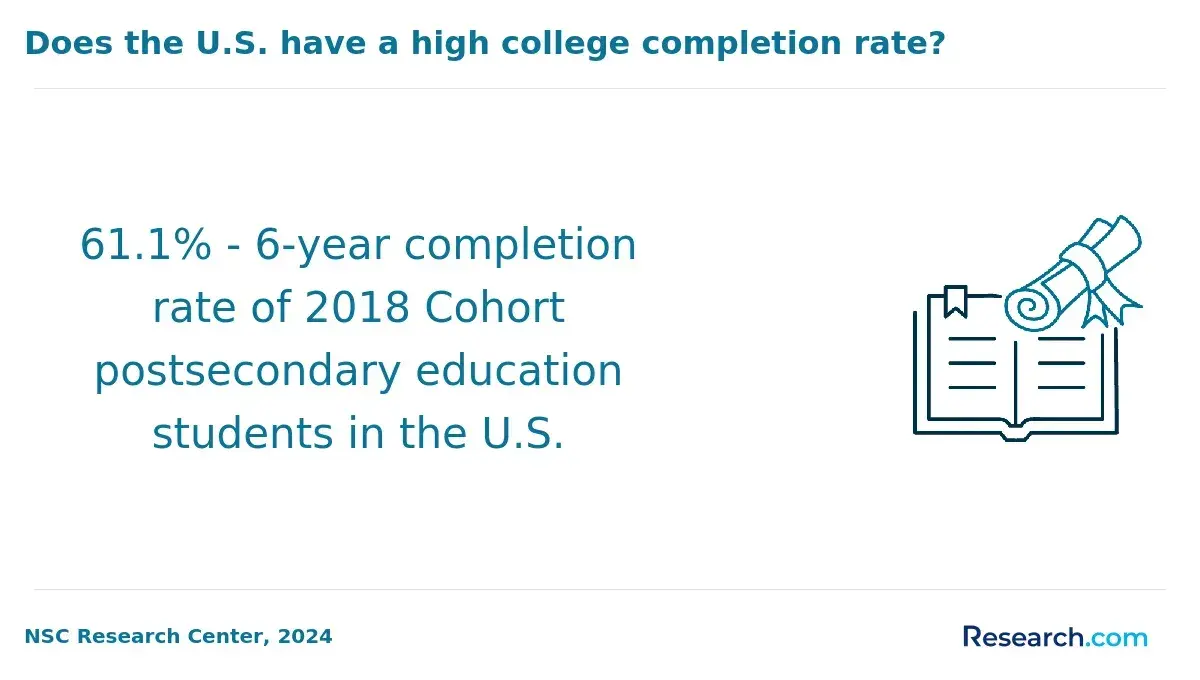
BA and BS biology programs are different, but they are not separate subjects. Both are undergraduate biology degrees that introduce students to the scientific study of living systems. In many colleges, BA and BS students sit in the same introductory biology courses, complete similar early lab work, and learn the same basic concepts before their paths diverge.
- Core biology foundation: Both degrees commonly include foundational coursework in areas such as genetics, ecology, cellular biology, and biostatistics. These courses help students understand how organisms function, evolve, interact, and respond to their environments.
- Four-year structure: Each degree typically takes four years to complete for full-time students. Both combine general education requirements, major requirements, lectures, labs, and elective coursework.
- Scientific reasoning: BA and BS students both learn to evaluate evidence, interpret biological information, read scientific literature, and apply critical thinking to complex biological questions.
- Laboratory exposure: Both programs usually include lab components. The BS often requires more extensive laboratory and research training, but BA students are not excluded from hands-on science.
- Admissions overlap: Universities often expect applicants to have similar high school preparation in science and math, although selectivity and requirements vary by institution.
- Graduate and career flexibility: Neither degree locks students into only one career path. A BA graduate can pursue science-related graduate study with the right prerequisites, and a BS graduate can move into education, policy, communication, or management with the right experience.
The most important similarity is that both degrees can build a credible foundation in biology. The difference is usually how much depth, structure, and technical science each program requires. Students should compare actual degree plans rather than relying only on the BA or BS label, because requirements can vary widely across institutions.
For working adults who need adaptable schedules, reviewing the best accelerated adult degree programs online can help identify formats that may make degree completion more manageable.
What are the differences between BA in biology programs and BS in biology programs?
The main difference between a BA and a BS in biology is curriculum emphasis. A BS usually prioritizes depth in science, math, and laboratory work. A BA usually provides more room for breadth, interdisciplinary study, and non-science electives. The better choice depends on whether you need a highly technical science foundation or a biology degree that can be combined with another academic interest.
- Curriculum intensity: BS degrees generally require more advanced science courses in biology, chemistry, physics, and math. BA degrees typically require fewer specialized science credits and provide more flexibility in course selection.
- Laboratory and research expectations: BS students often complete more lab-intensive courses and research-focused assignments. BA students receive scientific training as well, but their programs may place more emphasis on connecting biology with social, cultural, educational, or policy questions.
- Elective flexibility: BS programs are usually more structured because science courses often have prerequisites and lab sequences. BA programs commonly leave more room for humanities, social sciences, language study, minors, or double majors.
- Foreign language requirements: BA tracks often include foreign language study, while BS programs are less likely to require it or may make it optional.
- Professional preparation: A BS may better match the expectations of research labs, graduate science programs, and health-related academic pathways. A BA may better support careers that require biological knowledge plus communication, policy, education, ethics, or community engagement.
- Institutional context: BA degrees are often associated with liberal arts colleges and interdisciplinary education, while BS degrees are common at universities with a STEM-oriented curriculum. However, many institutions offer both.
A common mistake is assuming that a BA is always “easier” or that a BS is always “more respected.” Graduate schools and employers usually care about the full transcript, grades, lab experience, internships, research work, recommendations, and fit for the role or program. A BA with the right prerequisites can be competitive, and a BS without strong performance or experience may not be enough on its own.
What skills do you gain from BA in biology programs vs BS in biology programs?
Both BA and BS biology programs develop scientific literacy, analytical reasoning, and problem-solving skills. The difference is emphasis. BA programs tend to strengthen communication, interdisciplinary thinking, and flexibility. BS programs tend to build technical, quantitative, laboratory, and research skills.
Skills commonly developed in BA in Biology programs
- Critical thinking across disciplines: BA students often connect biology with social sciences, humanities, policy, ethics, education, or communication. This can help them analyze biological issues from more than one perspective.
- Science communication: BA coursework and electives can strengthen the ability to explain biological concepts to non-specialist audiences, a valuable skill in teaching, public health, advocacy, journalism, and outreach.
- Intercultural and social awareness: Requirements such as foreign language, humanities, or social science courses can help students understand how biology-related decisions affect different communities.
- Adaptability: The broader structure of the BA can help students combine biology with another field and pivot between education, nonprofit, policy, business, or health-related roles.
Skills commonly developed in BS in Biology programs
- Laboratory technique: BS students typically complete more hands-on lab work, which may include experimental procedures, sample handling, observation, measurement, and documentation.
- Quantitative reasoning: Additional coursework in math, chemistry, physics, and data analysis helps students work with scientific models, calculations, and research results.
- Experimental design: Research-based courses and projects help students learn how to frame scientific questions, test hypotheses, manage variables, and interpret findings.
- Scientific writing: Lab reports, research papers, and technical assignments help students communicate results in the format expected in scientific and clinical settings.
- Specialized science preparation: Advanced study in biology, chemistry, physics, and mathematics can support applications to graduate programs, professional schools, and technical science roles.
Students should choose based on the skills they need most. If your future work depends on lab competence, research readiness, or advanced science prerequisites, a BS may be more efficient. If your goals require biology plus communication, policy, education, or another discipline, a BA may provide the better academic structure.
Students considering graduate education should also compare long-term academic options. Resources on easiest masters degrees can help clarify how different undergraduate choices may connect to future study.
Which is more difficult, BA in biology programs or BS in biology programs?
In general, BS in Biology programs are considered more difficult because they usually require more advanced science, math, chemistry, and laboratory work. The workload is often more sequential and less flexible, which means one challenging prerequisite can affect the timing of later courses.
The bs biology track typically includes demanding courses such as organic chemistry, biochemistry, and physics, along with extensive laboratory research. Students may be evaluated through exams, lab reports, research projects, data analysis, and technical writing. That is why many students ask whether is biology BA or BS harder before choosing a program.
BA programs can feel less technically intense because they usually require fewer advanced science credits and include more humanities, social science, or elective options. However, that does not make a BA automatically easy. BA students may need to manage a wider range of writing, discussion, language, ethics, policy, or interdisciplinary assignments. Students who prefer technical problem-solving may find some BA requirements less familiar than lab work.
The real difficulty depends on the student. A student who enjoys chemistry, math, labs, and structured scientific work may find the BS demanding but motivating. A student who wants to combine biology with broader social or professional interests may perform better in a BA. Although there are no recent nationwide statistics directly comparing completion rates, surveys show that many students perceive the BS as more challenging due to its depth and intensity.
Before deciding, students should review sample degree plans, prerequisite chains, lab hour expectations, grading formats, and course availability. They should also consider whether they need time for internships, research, work, athletics, family responsibilities, or a second major.
For students weighing career impact alongside difficulty, reviewing the most rewarding majors can provide useful context. Understanding the BA versus BS biology difficulty level helps students choose a program that is challenging for the right reasons, not simply the one that sounds more impressive.
What are the career outcomes for BA in biology programs vs BS in biology programs?
Career outcomes differ because BA and BS programs train students for somewhat different types of work. BA graduates often move toward roles that combine biology with education, communication, public health, management, policy, or community work. BS graduates more often pursue research, clinical laboratory, biotechnology, graduate science, or healthcare preparation.
Career outcomes for BA in Biology programs
Career paths with a BA in Biology often involve scientific knowledge applied in people-centered or organization-centered settings. These roles may require strong communication, planning, teaching, program development, or administrative skills. Demand remains solid, with high school biology teachers and health specialists experiencing steady job growth and median salaries ranging from $63,000 to $78,000.
- High school biology teacher: Teaches biological concepts, scientific reasoning, and laboratory safety to secondary school students. Public school teaching may require state certification or licensure.
- Health education specialist: Designs and supports programs that promote wellness, prevention, and community health education.
- Medical and health services manager: Helps oversee healthcare operations, staff coordination, compliance, budgeting, or service delivery. Advancement may require experience or graduate education.
Career outcomes for BS in Biology programs
Career opportunities for BS in Biology graduates are often found in research labs, clinical environments, biotechnology companies, universities, government agencies, and healthcare-adjacent settings. BS programs prepare students with stronger laboratory and research skills, leading to higher median earnings-from about $83,600 for biological scientists up to $96,420 for medical scientists. Job demand for these roles is also robust, with projected growth rates above 7%, and even higher for medical scientists and university faculty.
- Biological scientist: Studies living organisms, biological systems, or environmental processes through observation, experimentation, and analysis.
- Medical scientist: Investigates disease mechanisms, treatments, diagnostics, or health interventions, often in laboratory or clinical research settings.
- Clinical laboratory technologist: Performs complex tests on patient samples to support diagnosis and treatment. Some roles may require certification or licensure depending on the state and employer.
Further education can affect advancement in both pathways. BA holders may pursue graduate study for leadership, counseling, education, public health, or administration roles. BS graduates may pursue advanced degrees (MD, DO, DVM, PhD) for specialized clinical or research professions. Students should confirm prerequisites early because professional programs often require specific courses, regardless of whether the undergraduate degree is a BA or BS.
For students who need affordable paths to continue their education, exploring inexpensive online colleges that accept FAFSA can help reduce barriers to graduate or post-baccalaureate study.
How much does it cost to pursue BA in biology programs vs BS in biology programs?
BA and BS biology programs often have similar tuition at the same institution, but total cost can differ based on school type, residency status, online availability, fees, lab expenses, housing, and how long it takes to finish. The degree letters alone usually do not determine price. The college, format, and completion timeline matter more.
On average, undergraduate biology degrees cost about $31,918 annually for the 2024-2025 academic year, with notable differences between public, private, and online programs. Students should compare direct costs such as tuition and fees as well as indirect costs such as housing, transportation, books, lab supplies, technology, and lost work hours.
For BA in Biology programs, public colleges generally offer the most affordable tuition, averaging around $9,784 per year for in-state students and approximately $31,080 for those attending out-of-state. Private institutions tend to charge more, with elite universities like Harvard and Stanford setting fees between $37,576 and $41,250 annually.
BS in Biology degrees often follow similar tuition patterns, but students should watch for additional lab-related costs, required materials, and course sequencing issues. If a BS program requires more labs or has stricter prerequisite chains, a delayed course can extend time to graduation, which can raise the total cost even if annual tuition is similar.
Online programs may reduce some expenses. Accredited schools offering online options charge between $7,477 and $9,600 yearly. Online study may also reduce commuting and campus-related costs, though students should confirm whether biology labs are fully online, hybrid, completed through local arrangements, or required on campus.
Financial aid, scholarships, grants, and federal aid eligibility can apply to both BA and BS pathways, depending on the institution and the student’s situation. Students should confirm accreditation, FAFSA participation, transfer credit policies, and lab requirements before enrolling. It is also important to keep in mind master's and doctoral programs usually involve higher tuition fees compared to bachelor's degrees.
How to Choose Between BA in Biology Programs and BS in Biology Programs
The best way to choose between a BA and BS in Biology is to start with your end goal, then work backward to the curriculum. Do not choose based only on the title. Compare required courses, lab hours, prerequisites for graduate or professional programs, research options, internship access, and room for electives.
Choose a BA in Biology if you want flexibility
- You want to combine biology with another field: A BA can work well for students interested in education, public health, environmental policy, bioethics, science writing, law, business, or nonprofit work.
- You are considering a double major or minor: BA programs often leave more room for humanities, social sciences, languages, or interdisciplinary coursework.
- You value communication and public-facing science: The BA can support careers where explaining science clearly is as important as conducting experiments.
- You do not need the most lab-heavy undergraduate plan: Students who want biology knowledge but not a highly technical lab career may find the BA more efficient.
Choose a BS in Biology if you want technical depth
- You are aiming for research or lab-based work: The BS usually provides more preparation in laboratory methods, data analysis, chemistry, and advanced biology.
- You are planning for healthcare or graduate science programs: A BS often aligns more closely with prerequisite-heavy pathways, though students must still verify requirements for each program.
- You prefer structured STEM coursework: Students who like sequenced science courses, quantitative problem-solving, and hands-on experiments may fit better in a BS program.
- You want stronger preparation for biotechnology or clinical science: Employers in technical roles may value the additional lab and research experience commonly found in BS programs.
Questions to ask before enrolling
- Curriculum focus: Does the program emphasize science, math, and lab work, or does it allow broader interdisciplinary study?
- Learning style: Do you prefer experiments, quantitative work, and structured prerequisites, or do you want more writing, discussion, and elective choice?
- Academic requirements: Will the degree include the chemistry, physics, math, and lab courses needed for your next step?
- Career goals: Are you preparing for scientific or medical fields, or for education, public policy, communication, or interdisciplinary industries?
- Graduate and professional preparation: Will you need additional coursework after graduation to qualify for the programs or jobs you want?
- Cost and schedule: Can you complete the program on time, and does it fit your budget, work schedule, and access to labs or campus requirements?
A BS is usually the stronger choice for students who want a rigorous, technical education tied to science-intensive careers. A BA is often the better fit for students who want adaptability and the ability to connect biology with another discipline. Students looking for affordable and flexible options may also compare low cost online colleges for working adults that offer degree formats aligned with their goals and learning preferences.
What Graduates Say About Their Degrees in BA in Biology Programs and BS in Biology Programs
- : "The BS in Biology pushed me through demanding science courses and long lab sessions, but that experience helped me build the analytical skills employers wanted. Being able to talk about real research equipment and lab procedures made a difference in interviews, and I now work for a biotech company with strong growth opportunities. — Danny"
- : "The BA in Biology gave me room to study environmental policy and bioethics alongside science. That broader approach helped me understand conservation work from both a biological and social perspective, which prepared me for my current role at a nonprofit organization. — Jamir"
- : "I chose the BS because I wanted a program that felt close to real medical and clinical lab settings. The coursework was demanding, but the technical training made the move into clinical research much smoother, and my income has steadily improved since graduation. — Ethan"
Other Things You Should Know About BA in Biology Programs & BS in Biology Programs
In 2027, a BA in biology typically offers a broader liberal arts education, integrating humanities and social sciences, while a BS concentrates more on scientific coursework and technical skills. The choice depends on your career goals and interests, whether they lean more toward science or interdisciplinary studies.
In 2027, a BS in biology typically requires more intensive science coursework, such as advanced chemistry and physics classes. A BA in biology often emphasizes a broader selection of electives and may include fewer mandatory science courses, focusing instead on interdisciplinary studies.
Yes, in 2027, BA degrees typically include more humanities and social science courses as part of general education requirements, whereas BS degrees focus on more math and science courses. This distinction can affect the breadth of a student's education experience.
References
- BIOLOGY B.S. vs B.A. | Undergraduate Biology https://www.stonybrook.edu/commcms/biology/advising/biologybsba
- What To Do With a Biology Degree (Besides Go to Medical School) | College of Life Sciences and Agriculture https://colsa.unh.edu/blog/2024/03/what-do-biology-degree-besides-go-medical-school
- Online Biology Degrees https://www.affordablecollegesonline.org/biology-programs/
- BA In Biology Or BS In Biology: Choose The Right Degree | Aralia Education https://www.aralia.com/helpful-information/ba-bs-in-biology/
- 5 Reasons to Pursue a Bachelor’s Degree in Biology | University of Bridgeport https://www.bridgeport.edu/news/reasons-to-pursue-a-bachelors-degree-in-biology
- BA Biology | University at Albany https://www.albany.edu/biology/programs/ba-biology
- What is a BS Biology Course? 7 Reasons to Choose It https://www.tua.edu.ph/blogs/what-is-a-bs-biology-course
- Biology BA vs BS: What Are The Differences? | North Central College https://www.northcentralcollege.edu/news/2021/12/15/biology-ba-vs-bs-what-are-differences
- Potential Biology Careers with an Undergraduate Degree | Careers with a Biology Degree | Hiram College https://www.hiram.edu/hiram-news-potential-biology-careers-with-an-undergraduate-degree
- Bachelor of Science in Biology - College of Science https://science.uob.edu.bh/undergraduate/bachelor-in-biology


