
2027 Psychology vs. Biology Degree: Explaining the Difference

Co-Founder and Chief Data Scientist
Choosing between psychology and biology is really a choice between two ways of studying life: one focuses on behavior, thought, emotion, and human interaction; the other examines organisms, cells, genes, ecosystems, and physical biological systems. Both majors use scientific reasoning, research methods, and data, but they lead students into different classrooms, labs, internships, and career pipelines.
Psychology is often the better fit for students who want to understand people, mental health, learning, motivation, workplace behavior, or social systems. Biology is usually the stronger choice for students drawn to laboratory science, healthcare preparation, biotechnology, ecology, genetics, or organism-level research. This guide compares the two degrees across curriculum, difficulty, skills, costs, and career outcomes so you can choose the path that fits your strengths and long-term goals.
Key Points About Pursuing a Psychology vs. Biology Degree
- Psychology degrees focus on human behavior and mental processes, often leading to careers in counseling, social work, or research; tuition averages around $35,000 per year with typical four-year programs.
- Biology degrees emphasize life sciences and laboratory work, preparing students for roles in healthcare, environmental science, or biotechnology; annual tuition averages $30,000 with similar program length.
- Psychology careers generally require graduate study for higher salaries, while biology offers diverse entry-level options; both fields offer strong growth but differ in curriculum focus and career paths.
What are Psychology Degree Programs?
Psychology degree programs study how people think, feel, develop, relate to others, and respond to their environments. In the United States, a bachelor’s program in psychology typically takes four years of full-time study and may be offered as either a BA or BS, depending on how much the curriculum emphasizes liberal arts, statistics, research, and natural science.
Students usually take courses in cognitive psychology, developmental psychology, biological psychology, abnormal psychology, social psychology, personality theory, statistics, research methods, and psychological assessment. Many programs also introduce ethics, multicultural issues, counseling concepts, and the scientific study of behavior.
The degree is broad by design. At the undergraduate level, it can prepare students for entry-level roles in human services, human resources, research support, case management, marketing, education-related settings, and nonprofit work. However, students who want to become licensed psychologists, counselors, or clinical mental health professionals should expect to pursue graduate education and meet state-specific licensure requirements.
Admission generally requires a high school diploma or equivalent. Some colleges may also review GPA, coursework, essays, recommendations, and standardized test scores such as the SAT or ACT. Strong applicants often show readiness for reading-heavy coursework, statistics, writing, and social science research.
What are Biology Degree Programs?
Biology degree programs train students to study living organisms and the systems that sustain life, from molecules and cells to ecosystems and evolutionary processes. A Bachelor of Science in Biology typically takes about four years and requires completion of around 120 semester hours.
The curriculum is usually more lab- and science-intensive than psychology. Biology majors commonly take general biology, chemistry, organic chemistry, physics, mathematics, statistics, genetics, ecology, physiology, developmental biology, and upper-division electives. Depending on the school, students may focus on areas such as microbiology, marine biology, molecular biology, environmental biology, or human biology.
Hands-on training is central to the major. Students complete introductory and advanced laboratory courses where they learn how to collect samples, use scientific instruments, maintain lab records, analyze biological data, and interpret experimental results. Fieldwork may also be part of programs with ecology, conservation, or environmental tracks.
Admission requirements vary by institution. Many programs expect high school preparation in biology and other sciences, and some may accept equivalent Advanced Placement credits. More selective or advanced tracks may look for strong academic preparation through coursework, grades, and standardized exams.
What are the similarities between Psychology Degree Programs and Biology Degree Programs?
Psychology and biology are different majors, but they overlap more than many students expect. Both rely on evidence, research design, careful observation, and data interpretation. Both also prepare students to ask scientific questions, evaluate claims, and use findings responsibly.
- Program duration: Both psychology and biology bachelor’s degrees typically span four years, giving students time to complete general education, major requirements, electives, and introductory research or laboratory experiences.
- Admission expectations: Both programs generally require a high school diploma or equivalent, academic transcripts, and proof of college readiness. GPA expectations and prerequisite courses vary by institution.
- Research methods: Students in both fields learn how to form research questions, review evidence, collect data, and interpret results. Psychology may use surveys, experiments, interviews, behavioral observation, and statistical analysis, while biology often uses lab experiments, field studies, and biological measurement.
- Data and statistics: Both majors require students to become comfortable with quantitative reasoning. Even psychology students who do not pursue a science-heavy BS track usually take statistics and research methods.
- Ethical responsibility: Both fields teach students to work carefully with research subjects, data, and evidence. Psychology emphasizes human participants and confidentiality; biology may involve laboratory safety, animal research protocols, environmental impact, and responsible handling of biological materials.
- Graduate study pathways: Many higher-level careers in both fields require additional education. Psychology students often pursue counseling, clinical, school, industrial-organizational, or research graduate programs. Biology students may pursue graduate school, professional healthcare programs, or specialized scientific training.
Students who want a shorter credential before committing to a full bachelor’s degree may also compare options such as the fastest online associates degree programs. These can help some learners build credits, explore a field, or prepare for a later transfer, though they do not replace the full preparation required for many psychology or biology careers.
The main difference is the object of study. Psychology focuses on behavior, cognition, emotion, development, and social interaction. Biology focuses on living organisms, biological structures, genetics, physiology, evolution, and ecosystems. That difference affects nearly everything else: courses, assignments, labs, internships, and career preparation.
- Academic focus: Psychology examines mental processes and behavior, including how people learn, make decisions, form relationships, experience stress, and develop across the lifespan. Biology examines anatomy, genetics, ecology, cells, organisms, and physiological systems.
- Curriculum structure: Psychology programs often combine social science, statistics, writing, and applied courses. BA tracks may include more humanities and social science electives, while BS tracks typically add more math, statistics, and natural science. Biology programs are usually more sequenced, with prerequisite-heavy courses in chemistry, physics, mathematics, and upper-level labs.
- Learning environment: Psychology students spend substantial time reading research, writing papers, analyzing studies, conducting behavioral research, and applying theories to human problems. Biology students spend more time in laboratory sections, field experiences, specimen-based work, and science courses with structured prerequisites.
- Research style: Psychology may combine quantitative and qualitative approaches, including experiments, case studies, surveys, and observational research. Biology relies heavily on experimental, observational, and quantitative methods tied to biological systems.
- Skill emphasis: Psychology strengthens communication, critical thinking, statistical reasoning, ethical judgment, and understanding of human behavior. Biology develops laboratory technique, scientific measurement, data analysis, biological reasoning, and technical documentation.
- Career direction: Psychology graduates often move toward human services, counseling-related support roles, human resources, research assistance, education-adjacent work, and business roles involving people and behavior. Biology graduates often pursue healthcare preparation, biotechnology, environmental science, laboratory work, research, or graduate science training.
- Advanced degree needs: Both majors can lead to entry-level work, but many specialized roles require graduate education. Psychology students should be especially aware that clinical practice and licensure require advanced study, while biology students aiming for healthcare, academic research, or specialized scientific roles also commonly need further training.
Psychology and biology both build scientific thinking, but they train students for different kinds of problems. Psychology develops skills for understanding people, behavior, communication, research, and social systems. Biology develops skills for investigating living systems through lab work, measurement, observation, and scientific analysis.
Skill Outcomes for Psychology Degree Programs
- Research and data analysis: Psychology students learn how to design studies, collect data, interpret results, and evaluate evidence. Programs may use tools such as SPSS, R, and Excel for statistical analysis.
- Human behavior analysis: Students learn to examine motivation, cognition, development, personality, social influence, and mental health concepts. This is useful in counseling-related support roles, HR, education, marketing, and research settings.
- Communication and interpersonal skills: Coursework and applied experiences often strengthen active listening, interviewing, empathy, professional writing, and audience-aware communication.
- Critical thinking and ethical judgment: Psychology majors learn to question assumptions, recognize bias, protect confidentiality, and understand ethical issues in research and human services.
- Applied problem-solving: Students practice using psychological concepts to understand workplace issues, learning challenges, behavioral patterns, social conflict, and wellness-related concerns.
Skill Outcomes for Biology Degree Programs
- Laboratory and fieldwork techniques: Biology students gain hands-on experience with methods such as microscopy, DNA sequencing, and ecological sampling, depending on the program and specialization.
- Scientific analysis and writing: Students learn to document procedures, interpret biological data, write lab reports, and communicate findings to scientific audiences.
- Evidence-based reasoning: Biology majors use hypothesis testing, experimental controls, observation, and replication to investigate biological questions.
- Technical accuracy: Lab-based coursework builds precision, safety awareness, recordkeeping, and attention to detail—skills important in healthcare, biotechnology, and environmental work.
- Systems thinking: Students learn how cells, organs, organisms, populations, and ecosystems interact, which is valuable for research, conservation, medicine, and public health-related pathways.
Both degrees can lead to useful career skills, but the best choice depends on the setting where you want to apply them. If you want to work primarily with people, organizations, or behavior, psychology may fit better. If you want to work with biological data, organisms, lab systems, or healthcare preparation, biology may be stronger. Students still comparing accessible academic paths can review resources on easy degrees online to understand how format and major choice affect workload.
Biology is often considered more difficult for students who struggle with chemistry, physics, mathematics, or intensive laboratory work. Psychology can be challenging in a different way, especially for students who dislike reading research, writing analytically, learning statistics, or dealing with complex human behavior that does not always produce simple answers.
Biology students usually complete a more rigid science sequence. Coursework commonly includes chemistry, physics, mathematics, statistics, and advanced biology labs, and later courses often depend on earlier prerequisites. Large-scale surveys indicate that 63% of biology professors are rated as difficult, unlike 46% in social sciences such as psychology, reflecting the perception that biology courses are more academically demanding. Research also shows biology students tend to get better grades outside their major, suggesting tougher grading in their core courses.
Psychology usually requires less advanced math than biology, but it is not simply an “easy” major. Students still need to understand research design, statistics, theory, ethics, and scientific evidence. Strong writing and reading skills matter because many assignments require students to evaluate research findings, compare theories, and apply concepts to real-world behavior.
The harder major depends on your strengths. Biology may feel more difficult if you prefer discussion-based learning and dislike lab science. Psychology may feel harder if you are uncomfortable with ambiguity, research interpretation, or writing-intensive assignments. STEM majors like biology generally spend more weekly time studying than non-STEM fields, so students should also consider workload, prerequisite sequencing, and whether they are prepared for sustained science coursework.
Difficulty should not be the only deciding factor. A demanding major that fits your career goal may be a better investment than an easier path that does not lead where you want to go. Students comparing long-term value can also review information on high paying bachelor degrees to see how earning potential varies by field.
Psychology and biology can both lead to meaningful careers, but undergraduate outcomes differ. Psychology graduates often enter people-focused roles, while higher-paying clinical and counseling careers usually require graduate education and licensure. Biology graduates may find more direct alignment with lab, healthcare, environmental, and biotech pathways, though many advanced scientific and healthcare roles also require additional credentials.
Career Outcomes for Psychology Degree Programs
Psychology graduates often work in roles that use knowledge of behavior, communication, research, and human development. Bachelor’s degree holders earned a median of $41,400 in 2018. Licensed psychologists earned over $82,000 annually, but that pathway requires advanced education and licensure. School psychologists earn a median salary of $84,940 but require a master's degree.
- Human resources specialist: Supports recruitment, employee relations, training, and workplace communication using knowledge of motivation and behavior.
- Market research analyst: Studies consumer preferences and behavior to help organizations make evidence-based business decisions.
- Case manager: Coordinates services for clients in healthcare, social service, community, or nonprofit settings.
- Research assistant: Helps collect, organize, and analyze behavioral or social science data in academic, healthcare, nonprofit, or business environments.
- Mental health or behavioral support role: Works under appropriate supervision in settings where a bachelor’s degree is sufficient, while recognizing that independent clinical practice requires further credentials.
Career Outcomes for Biology Degree Programs
Biology graduates often have access to laboratory, healthcare-adjacent, environmental, and research-support roles. Biology bachelor’s degree holders had a median income of $50,600 as of 2018. Biological scientists, often employed in research or healthcare, earn around $90,000 annually on average.
- Biological scientist: Conducts research on living organisms, biological processes, or applied scientific problems in research, healthcare, or industry settings.
- Pharmaceutical technician: Assists with drug development, testing, quality control, or laboratory support work.
- Environmental specialist: Analyzes environmental data, monitors compliance, and supports conservation or sustainability projects.
- Laboratory technician: Prepares samples, maintains equipment, records results, and supports scientific testing or research.
- Healthcare preparation pathway: Uses biology coursework as a foundation for further study in medical, dental, veterinary, physician assistant, or other health-related programs.
Both degrees can improve in value with advanced education. The better career choice depends on whether you want your future work centered on people and behavior or biological systems and scientific investigation. Students considering alternative education-to-career routes can also explore fast degree programs that pay well as part of a broader career planning process.
Psychology and biology degrees often have similar tuition ranges at the same institution, but the total cost can differ based on school type, residency status, program format, lab fees, materials, housing, and the amount of graduate education needed for the student’s target career.
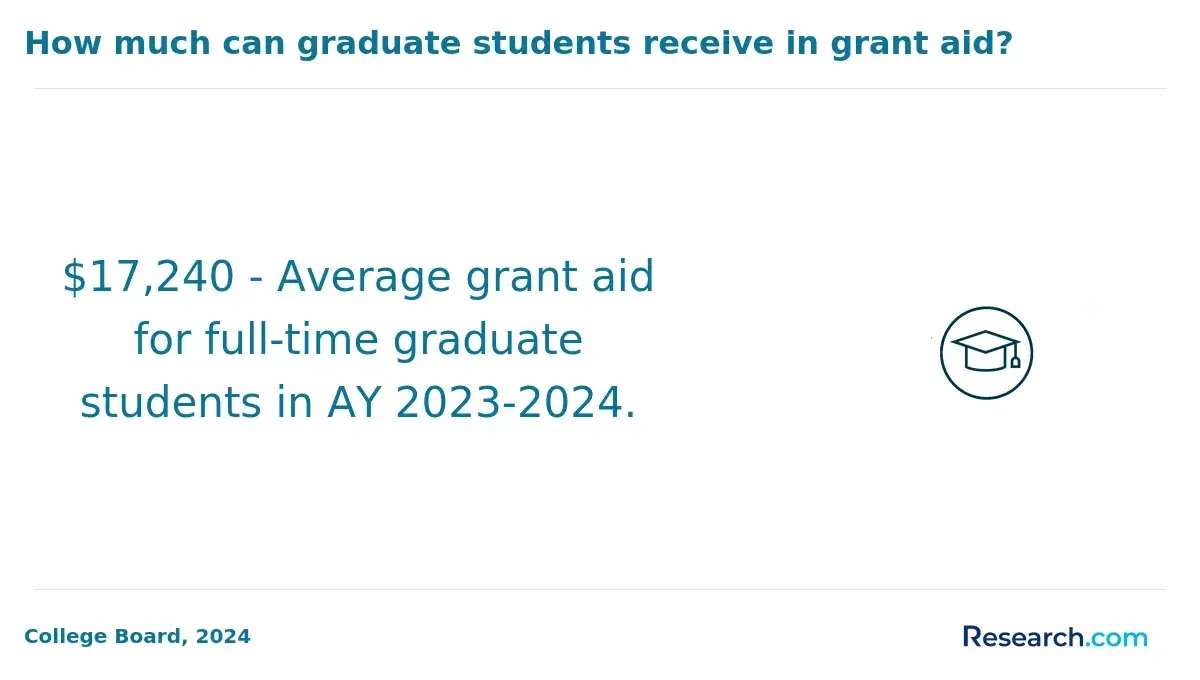
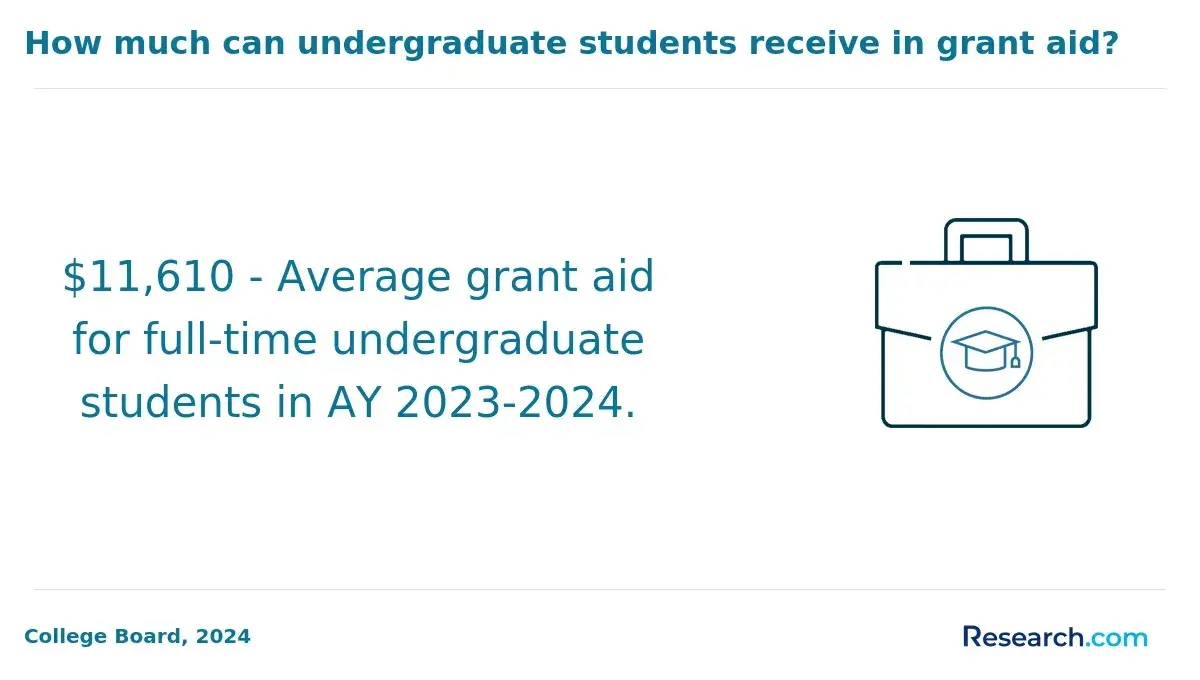
Undergraduate psychology programs at U.S. colleges average about $30,752 per year, with in-state public tuition closer to $10,262 and out-of-state tuition typically at the average. Graduate studies in psychology usually cost around $24,645 annually. Students should also budget for fees, housing, books, transportation, and supplies, which can add between $10,000 and $20,000 per year depending on location and lifestyle choices.
Biology degree costs are broadly comparable. Public universities charge in-state biology majors approximately $10,000 to $30,000 annually. At private institutions, tuition, fees, housing, and related expenses can surpass $63,000 per year. Graduate biology programs typically fall within a $20,000 to $30,000 annual range, comparable to psychology graduate tuition.
Biology students may encounter more lab-related expenses, depending on the program, while psychology students planning for counseling, clinical, school psychology, or research careers should consider the cost of graduate education. In both fields, the listed tuition is only part of the financial picture.
Online formats may reduce some costs, especially commuting and housing, and online degree formats average about $17,100 per year for both majors. However, students should confirm whether an online program includes required labs, internships, practicum placements, or campus visits. Financial aid options such as scholarships, grants, work-study, and federal loans are broadly available to eligible students in both disciplines.
The best choice depends on the problems you want to solve and the kind of work you want to do after graduation. Choose psychology if you are most interested in people, behavior, mental processes, communication, and social systems. Choose biology if you are most interested in living organisms, laboratory science, healthcare preparation, genetics, ecology, or biotechnology.
- Choose psychology if your career focus is people-centered: Psychology suits students interested in counseling-related pathways, social work-adjacent roles, human resources, organizational behavior, education support, research, or roles that require strong interpersonal judgment. Some psychology-related careers report median earnings around $72,000 annually, but earnings vary by role, degree level, and licensure.
- Choose biology if your academic strengths are science-heavy: Biology is a better fit for students who are comfortable with lab work, chemistry, physics, mathematics, memorization, scientific detail, and quantitative analysis.
- Compare your tolerance for prerequisites: Biology usually has a more structured course sequence, which can make switching in later more difficult. Psychology often allows more elective room, minors, or double majors, depending on the school.
- Think about graduate school early: Psychology students who want clinical, counseling, or school psychology careers should plan for graduate study and licensure. Biology students who want healthcare, advanced research, or specialized science careers should also expect additional education or training.
- Review actual course catalogs: Do not choose based only on the major name. Compare required courses, labs, internships, research opportunities, faculty specialties, and graduation requirements at the colleges you are considering.
- Test the fit before committing: Take introductory courses in both fields if possible. A student who enjoys AP Biology, chemistry labs, and scientific detail may thrive in biology. A student who enjoys research about motivation, development, mental health, and social behavior may prefer psychology.
If your goals align with healthcare, lab science, environmental work, or biological research, biology may be the stronger foundation. If your goals center on human behavior, mental health, workplace dynamics, communication, or social services, psychology may be more relevant. You can also supplement either pathway with targeted credentials; for example, reviewing what are some certificate programs that pay well can help you identify practical add-ons that support employability.
What Graduates Say About Their Degrees in Psychology Degree Programs and Biology Degree Programs
- Tobias: "Studying Psychology challenged me intellectually like never before. It pushed me to think carefully about human behavior, evaluate research, and build practical skills through clinical-setting internships. The degree helped prepare me for a meaningful path in mental health counseling, where I can apply what I learned while making a difference in people’s lives."
- Rex: "The Biology degree gave me learning opportunities I could not have gained from lectures alone. Laboratory work introduced me to genetic research techniques and helped me understand how complex living systems really are. Looking back, the balance of theory and hands-on practice was the most valuable part of the program."
- Arthur: "My Biology degree opened doors in biotechnology and environmental science, especially because the program combined rigorous coursework with industry connections. The research experience and professional network I built helped me move into sustainable development work and contribute to projects with real-world impact."
Other Things You Should Know About Psychology Degree Programs & Biology Degree Programs
In 2027, Psychology curricula emphasize human behavior, mental processes, and cognitive theories, while Biology focuses on life sciences, ranging from cellular biology to ecology. Both incorporate scientific methodologies, but Psychology includes more coursework on social sciences, whereas Biology heavily features lab and fieldwork experiences.
Psychology degrees usually require introductory statistics and, at many universities, research methods or experimental design. Biology degrees more often require calculus, statistics, genetics, organic chemistry, and physics. In 2027, many pre-med biology tracks also add lab-intensive coursework and credit-hour requirements in the natural sciences.
Graduates with a Psychology degree can pursue careers in counseling, mental health services, and human resources. Biology degree holders may find opportunities in research, pharmaceuticals, and environmental science. Both fields offer diverse pathways relevant to their specialized studies.
- Can I Get a Masters in Psychology With a Bachelor's in Biology? - Psych Degrees https://www.psychdegrees.org/faq/can-i-get-a-masters-in-psychology-with-a-bachelors-in-biology/
- Biology or Psychology Major https://forums.studentdoctor.net/threads/biology-or-psychology-major.297101/
- Cost Vs Reward of a Psychologist Education - Doctorly.org https://doctorly.org/cost-vs-reward-of-a-psychologist-education/
- What Can You Do With a Psychology Degree? The Ultimate Career Guide for Psychology Majors | PBA • Palm Beach Atlantic University https://www.pba.edu/academics/outcomes/articles/what-can-you-do-with-a-psychology-degree-the-ultimate-career-guide-for-psychology-majors/
- The Inseparable Nature of Biology and Psychology - Providence University College and Theological Seminary https://www.prov.ca/the-inseparable-nature-of-biology-and-psychology/
- The Relationship Between Academic Major, Personality Type, and Stress In College Students https://www.lakeforest.edu/news/the-relationship-between-academic-major-personality-type-and-stress-in-college-students
- What to Do with a Biology Degree https://biology.louisiana.edu/what-do-biology-degree
- What To Do With a Biology Degree (Besides Go to Medical School) | College of Life Sciences and Agriculture https://colsa.unh.edu/blog/2024/03/what-do-biology-degree-besides-go-medical-school
- Skills of a Psychology Major - Psychology Department https://wagner.edu/psychology/skills/
- What can I do with a psychology degree? | Prospects.ac.uk https://www.prospects.ac.uk/careers-advice/what-can-i-do-with-my-degree/psychology


