2027 Military and Veteran Social Work Online Master’s Programs

Co-Founder and Chief Data Scientist
Choosing an online master’s program in military and veteran social work is a career decision with practical consequences: licensure eligibility, field placement access, tuition debt, and preparation to serve active-duty service members, veterans, and military families. This specialty requires more than general helping skills. Students need training in trauma-informed practice, behavioral health, benefits navigation, family systems, crisis response, ethics, and the policies that shape military and veteran services.
Interest in graduate social work continues to rise. Approximately 32,801 master’s degrees in social work were awarded, reflecting a 23.7% growth. This guide explains how military and veteran social work online master’s programs usually work, how long they take, what they cost, what to look for before enrolling, and which career paths may be available after graduation.
What are the benefits of pursuing a military and veteran social work online master’s program?
- Graduates can work in hospitals, veteran affairs offices, nonprofits, and government agencies in clinical, advocacy, or administrative roles.
- Professionals earn a median annual wage of approximately $63,000, with higher salaries in specialized or leadership positions.
- Employment is projected to grow 6% from 2024 to 2034, with strong demand for veterans-focused social workers.
How long does it take to complete a military and veteran social work online master’s program?
A military and veteran social work online master’s program typically takes two to three years to complete. The exact timeline depends on enrollment status, transfer credit, field placement scheduling, and whether the student qualifies for an advanced standing pathway based on prior social work education.
Most programs combine online coursework with supervised field education. While classes may be completed remotely, field placements usually require in-person practice in an approved agency, clinic, hospital, community organization, or veteran-serving setting. Students who are working full time, serving in the military, or managing family responsibilities often choose part-time study to make the workload more sustainable.
Students planning long-term academic or leadership careers may later consider an online PhD in social work. A doctorate is not required for many direct practice roles, but it can support research, teaching, policy, and senior leadership goals.
- Full-time study: Usually the fastest route, but it can be difficult to balance with full-time employment because of readings, assignments, synchronous sessions, and field hours.
- Part-time study: Often better for working professionals, military spouses, caregivers, and students who need more flexibility.
- Field placement timing: Practicum requirements can extend the program if placement sites are limited or if the student needs evening, weekend, or geographically specific options.
- Licensure planning: Students should confirm that the program’s curriculum and practicum structure align with the state where they intend to seek social work licensure.
Where can you work with a military and veteran social work online master’s degree?
Graduates with a military and veteran social work online master’s degree can work in settings that support active-duty personnel, veterans, reservists, National Guard members, military spouses, children, caregivers, and survivors. The best workplace depends on whether the graduate wants to provide clinical care, coordinate services, manage programs, advocate for benefits, or influence policy.
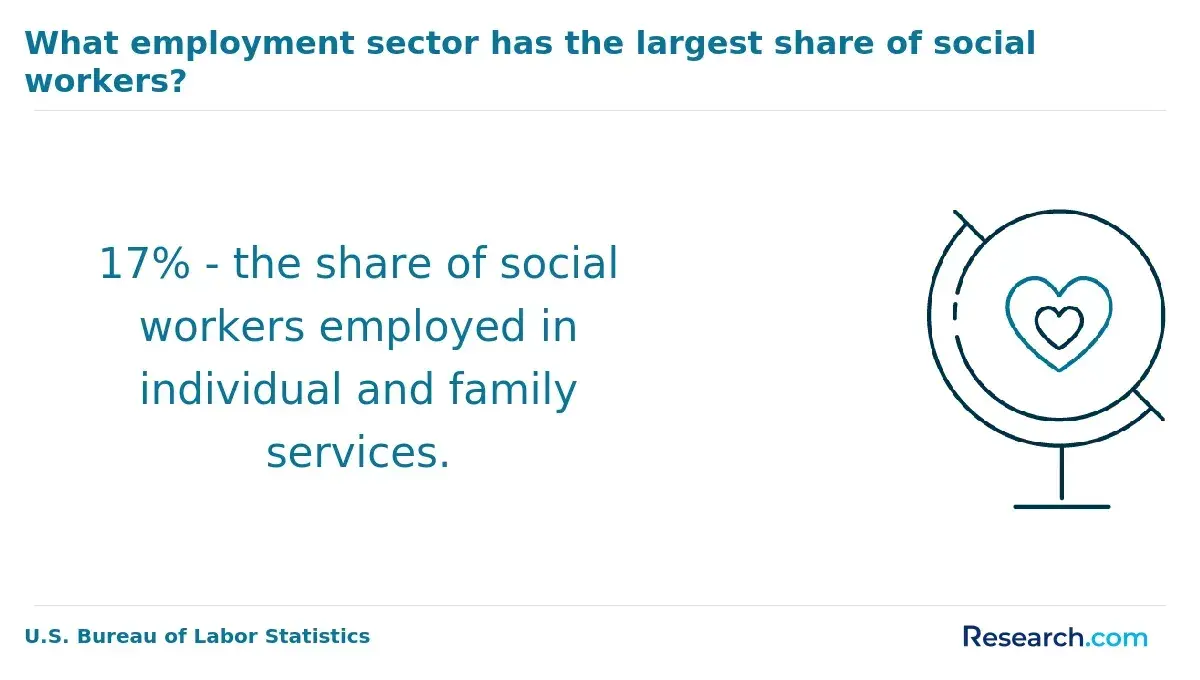
- Healthcare: Hospitals, clinics, rehabilitation centers, and mental health facilities employ social workers to provide counseling, crisis intervention, discharge planning, care coordination, and family support. This sector accounts for 45% of professionals working in the field.
- Government: Federal, state, and local agencies employ social workers in veteran programs, public benefits, housing support, case management, and policy implementation. Government roles account for 21% of employment.
- Nonprofits: Veteran-focused nonprofits and community organizations hire social workers for outreach, case management, family services, housing support, employment assistance, and advocacy. Nonprofits make up 11% of the workforce.
- Professional Services: Private agencies, behavioral health providers, employee assistance programs, and consulting organizations may employ social workers to deliver therapy, training, program design, or specialized services. This area represents 8% of the industry.
- Education: Colleges, universities, and schools may hire social workers to support student veterans, military-connected families, mental health initiatives, disability accommodations, and academic persistence. Education comprises 4% of employment.
Students should look closely at field placement partnerships when comparing programs. A degree can teach the theory, but practicum experience often determines whether a graduate is competitive for military- and veteran-serving roles.
How much can you make with a military and veteran social work online master’s degree?
Earnings for graduates of a military and veteran social work online master’s program vary by role, state, employer, licensure level, and experience. The average MSW degree salary in the United States is approximately $63,029 per year, or about $30 per hour. That figure should be treated as a broad benchmark rather than a guarantee for any specific graduate.
- Experience Level: Entry-level social workers earn around $51,190 annually, while those in the 75th percentile earn approximately $71,014 per year.
- Location: Salaries differ across states. Massachusetts averages $68,594 per year, while North Carolina averages $60,918 per year.
- Specialization: Medical and clinical social workers tend to earn higher salaries, averaging $65,903 per year.
- Certification and Licensure: Credentials such as LCSW or specialty certifications can increase earning potential significantly, especially for roles involving independent clinical practice, supervision, or advanced behavioral health care.
- Education Level: Graduates who pursue an online PhD in social work can access leadership, academic, and research positions with higher salaries.
- Employer Type: Social workers in hospitals or government agencies generally earn more than those in nonprofit or educational settings.
Before enrolling, students should check the licensure rules in the state where they plan to practice. A master’s degree may be one step toward clinical licensure, but states can also require supervised post-graduate hours, exams, background checks, and continuing education.
What is the average cost of a military and veteran social work online master’s program?
The average cost of a military and veteran social work online master’s program varies widely by school type, residency status, credit requirements, technology fees, and whether the student attends full time or part time. Students can expect to pay between $20,000 and $60,000 for the full program. Public universities are generally less expensive than private institutions, but online tuition policies vary by school.
Prospective students often compare affordable accredited online MSW programs to reduce debt while still meeting licensure and professional requirements. Cost comparisons should go beyond advertised tuition. Students should also ask about field placement fees, background checks, liability insurance, textbooks, software, travel to practicum sites, and any required campus visits.
- Total program price: Multiply tuition by required credits, then add mandatory fees and estimated course materials.
- Residency rules: Some public universities charge different tuition for in-state and out-of-state students, while others use one online rate.
- Program length: A shorter pathway may reduce living costs and time away from full-time income, but only if the workload is manageable.
- Accreditation value: A lower-cost program is not a good bargain if it does not support licensure goals.
- Field placement support: Strong placement assistance can save time and reduce the risk of delayed graduation.
What are the financial aid options for students enrolling in a military and veteran social work online master’s program?
Financial aid can reduce the upfront cost of a military and veteran social work online master’s program, but students should compare funding sources carefully. Grants and scholarships are preferable because they do not need to be repaid. Loans can help cover remaining costs, but borrowing should be tied to realistic salary expectations and career goals.
- Federal Grants: Grant funding is limited at the graduate level, so students should confirm eligibility through the school’s financial aid office before counting on this source.
- Federal Loans: Eligible graduate students may use federal loan options to finance tuition and approved education expenses. Students should compare interest rates, repayment terms, and total borrowing before accepting the full amount offered.
- Scholarships: Universities, professional associations, military-affiliated organizations, veteran-focused foundations, and community groups may offer merit- or need-based awards.
- Work-Study Programs: Federal or institutional work-study may allow eligible students to earn income while gaining experience in a relevant office, agency, or community setting.
- State Aid: Some states offer grants, tuition assistance, or workforce incentives for residents pursuing graduate social work degrees.
- Employer Tuition Assistance: Employers, including VA facilities, may reimburse part or all of tuition, often in exchange for continued employment or service commitments.
- Private Loans: Banks or credit unions can provide financing for remaining costs, but students should compare private loan terms with federal loan protections before borrowing.
Military-connected students should also ask each program about tuition benefits, institutional scholarships, veteran services offices, deployment policies, and support for students using education benefits. These details can affect both affordability and completion.
What are the prerequisites for enrolling in a military and veteran social work online master’s program?
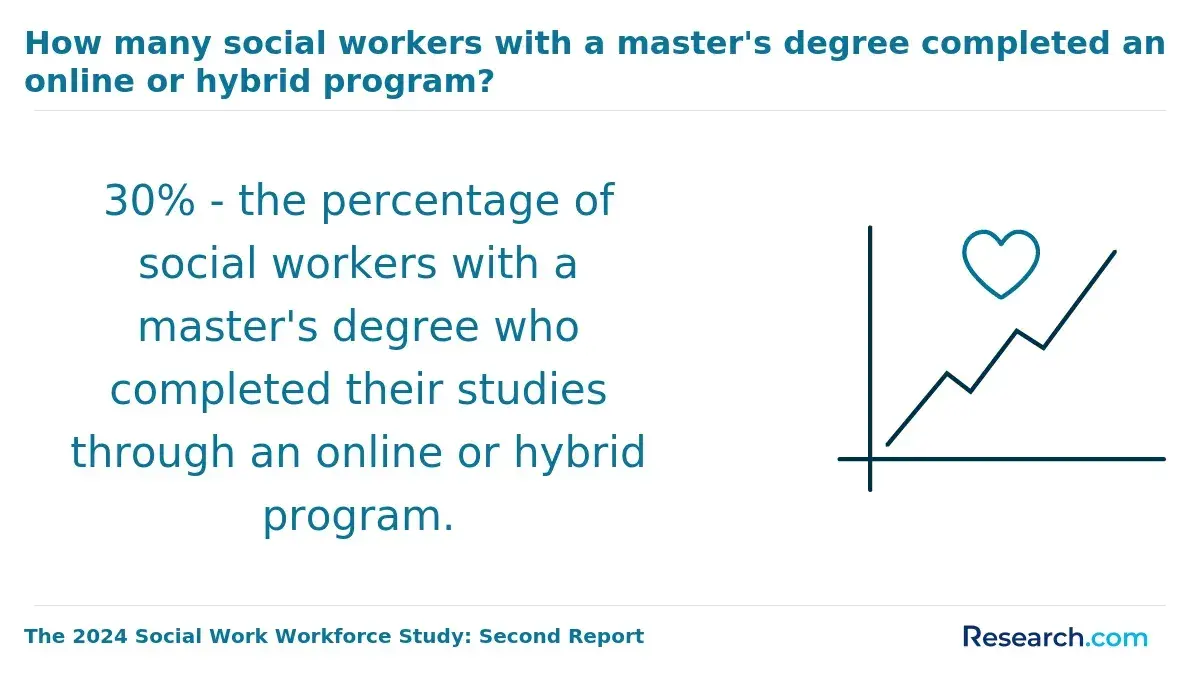
Admission requirements vary by university, but most military and veteran social work online master’s programs look for applicants who can handle graduate-level writing, ethical decision-making, field education, and emotionally demanding practice. Meeting the minimum requirements does not always make an application competitive, so applicants should show a clear connection between their background and their professional goals.
- Bachelor’s Degree: Applicants typically need a degree in social work or a related field such as psychology, sociology, or human services.
- GPA Requirements: Most programs require a minimum GPA of around 3.0 to demonstrate academic competence.
- Letters of Recommendation: Two or three recommendations from professors or professional supervisors are usually required.
- Statement of Purpose: A written essay should explain the applicant’s career goals, interest in military and veteran social work, relevant experience, and readiness for graduate study.
- Relevant Experience: Volunteer work, internships, military service, veteran advocacy, crisis work, case management, or employment in social services can strengthen applications.
- Standardized Tests: Some programs require GRE scores, though many have made them optional.
Applicants should also ask whether the program has prerequisite coursework, technology requirements, interview requirements, background checks, or field placement restrictions. A strong application usually connects lived experience, academic preparation, service orientation, and realistic understanding of social work practice.
Pursuing an MSW program can also position graduates for leadership roles and future education, but students should choose a pathway that matches their schedule and licensure goals rather than focusing only on speed.
What courses are typically in a military and veteran social work online master’s program?
A military and veteran social work online master’s program usually combines core MSW training with courses focused on military culture, trauma, behavioral health, benefits systems, policy, and family support. The strongest programs connect classroom theory with supervised field practice so students learn how to assess needs, build treatment plans, coordinate services, and advocate ethically.
- Advanced Social Work Practice: Focuses on evidence-based interventions, assessment, treatment planning, case management, and therapeutic techniques for diverse populations.
- Trauma-Informed Care: Covers assessment and treatment of trauma-related conditions common in military and veteran populations, including how trauma can affect families, employment, housing, health, and relationships.
- Mental Health and Behavioral Health: Prepares students to address mental health disorders, substance use, and co-occurring conditions through ethical, culturally responsive practice.
- Military and Veteran Social Services: Explores policies, benefits, transition services, family supports, and programs specific to the military community.
- Ethics and Professional Practice: Examines confidentiality, dual relationships, mandated reporting, professional boundaries, documentation, and legal considerations in social work.
- Research Methods and Program Evaluation: Teaches students to interpret research, evaluate interventions, measure program outcomes, and contribute to evidence-based practice.
- Field Practicum/Internship: Provides supervised, hands-on experience in military, veteran, healthcare, behavioral health, nonprofit, or community social work settings.
Course names vary by institution, so students should review syllabi when available. A course labeled “military social work” may focus on clinical care, policy, family support, transition services, or benefits navigation depending on the program.
What types of specializations are available in a military and veteran social work online master’s program?
Specializations help students build deeper skills for a specific career direction. Not every program offers a formal military and veteran track, so students may need to combine electives, field placements, certificates, and capstone projects to create the right focus.
- Clinical Social Work: Focuses on therapy, assessment, diagnosis-related knowledge where allowed by state scope of practice, treatment planning, and case management for service members and veterans experiencing mental health, trauma, or behavioral health concerns.
- Policy and Administration: Prepares students for leadership roles in government agencies, nonprofit organizations, veteran programs, and systems that manage services, funding, compliance, and program outcomes.
- Substance Use and Addiction: Specializes in screening, intervention, referral, relapse prevention, and treatment coordination for substance use disorders prevalent among military populations.
- Mental Health Counseling: Emphasizes therapeutic support for PTSD, depression, anxiety, adjustment challenges, moral injury, grief, and family stress affecting veterans and active-duty personnel.
- Community Outreach and Advocacy: Trains social workers to design programs, connect clients with resources, support benefits access, and advocate for veterans’ rights and services.
The right specialization depends on the student’s target job. Those seeking independent clinical practice should prioritize licensure-aligned clinical training and supervised practice. Those interested in systems change may benefit more from administration, policy, or program evaluation coursework.
How to Choose the Best Military and Veteran Social Work Online Master’s Program
The best military and veteran social work online master’s program is the one that fits the student’s licensure goals, budget, schedule, and desired practice setting. A program can be well known and still be a poor match if it cannot support field placement in the student’s location or does not meet the requirements of the state where the student plans to work.
- Accreditation: Look for MSW online programs accredited by the Council on Social Work Education (CSWE) to support quality assurance and licensure eligibility.
- Clinical Experience: Programs should offer supervised practicum opportunities in military, veteran, healthcare, behavioral health, nonprofit, or community settings.
- Program Format and Length: Compare part-time, full-time, and accelerated options based on work hours, caregiving responsibilities, military obligations, and practicum availability.
- Faculty Expertise: Faculty with experience in military and veteran social work, trauma, clinical practice, policy, or benefits systems can provide stronger mentorship and applied guidance.
- Cost and Financial Aid: Compare tuition, fees, scholarships, employer support, and loan options to find a program that balances affordability with professional preparation.
Students should also ask direct questions before applying: Who finds the field placement? Are placements available near me? Does the curriculum meet my state’s licensure requirements? Are online students eligible for the same advising and career services as campus students? How does the program support military-connected students during deployment, relocation, or schedule disruptions?
Choosing MSW online programs accredited by recognized bodies helps protect the value of the degree and can better prepare graduates for licensure, advanced practice, and leadership roles in military and veteran social work.
What career paths are available for graduates of a military and veteran social work online master’s program?
Graduates of a military and veteran social work online master’s program can pursue direct practice, clinical, administrative, and advocacy roles. Some positions may require state licensure, supervised post-graduate experience, or additional credentials, especially when the role involves independent therapy or clinical diagnosis.
1. Clinical Social Worker
Clinical social workers provide therapy, assessment, treatment planning, crisis support, and case management for veterans, active-duty personnel, and military families. They may work in hospitals, outpatient clinics, community mental health agencies, or veteran-serving organizations.
Median salary: $63,500 per year
2. Mental Health Counselor
Mental health counselors support veterans and service members coping with PTSD, depression, anxiety, grief, transition stress, and relationship challenges. They often work in hospitals, clinics, community centers, or integrated behavioral health settings.
Median salary: $60,800 per year
3. Veteran Program Coordinator
Veteran program coordinators manage services such as housing support, benefits navigation, outreach initiatives, referrals, and community partnerships. This role is well suited to graduates interested in program operations and service access.
Median salary: $58,700 per year
4. Hospital Social Worker
Hospital social workers help patients and families manage discharge planning, care transitions, mental health needs, insurance barriers, and connections to community resources. In veteran-serving settings, they may coordinate with medical teams, family caregivers, and benefits offices.
Median salary: $65,200 per year
5. Nonprofit Social Work Specialist
Nonprofit social work specialists develop and deliver veteran-focused programs, coordinate community resources, advocate for military families, and provide case management for clients facing housing, employment, health, or benefit-related challenges.
Median salary: $57,900 per year
What is the job market for graduates of a military and veteran social work online master’s program?
The job market for graduates of a military and veteran social work online master’s program is supported by ongoing demand for behavioral health care, case management, benefits navigation, healthcare coordination, and community-based services. According to the U.S. Bureau of Labor Statistics (BLS), overall employment of social workers is projected to grow 6% from 2024 to 2034, faster than the average for all occupations. This growth is expected to result in about 74,000 openings for social workers each year, on average, due to the need to replace workers who transfer to different occupations or exit the labor force.
Graduates may find opportunities in hospitals, veteran affairs offices, nonprofit organizations, government agencies, mental health providers, and education settings. Job competitiveness can depend on licensure status, field placement experience, local employer demand, and familiarity with military culture and veteran systems.
For students asking, “Is MSW worth it?”, the answer depends on career goals and cost. The degree can offer competitive salaries, job stability, and meaningful work with service members and their families, especially for graduates who choose accredited programs, plan carefully for licensure, limit unnecessary debt, and gain strong practicum experience in veteran-serving settings.
Other Things You Need to Know About Military and Veteran Social Work Online Master’s Programs
Most programs align with the Licensed Master Social Worker, or LMSW, track, and some add coursework that supports later Licensed Clinical Social Worker, or LCSW, supervision. Graduates still must meet their state board’s supervised practice, exam, and application rules before receiving a social work license.
In 2027, financial aid options for military and veteran social work master's students include the GI Bill, Yellow Ribbon Program, and various scholarships specifically for veterans. Each program may have different conditions and deadlines, so it's important to check individual school requirements.
References
- Council on Social Work Education. (n.d.). Accreditation. Retrieved from https://www.cswe.org/accreditation/
- Council on Social Work Education. (2024, March 5). The state of social work education in the United States: Summary of the 2022–2023 annual survey. Retrieved from https://www.cswe.org/research-statistics-0a2756984f2446870db6e935f0e44221/research-briefs-and-publications/the-state-of-social-work-education-in-the-united-states-summary-of-the-2022-2023-annual-survey-o/
- Salary.com. (2025, October 1). Social worker (MSW) salary in the United States. Retrieved from https://www.salary.com/research/salary/benchmark/social-worker-msw-salary
- U.S. Bureau of Labor Statistics. (2025, August 28). Social workers: Occupational outlook handbook. Retrieved from https://www.bls.gov/ooh/community-and-social-service/social-workers.htm
- ZipRecruiter. (n.d.). Social worker: What is it? and how to become one? Retrieved from https://www.ziprecruiter.com/career/Social-Worker/What-Is-How-to-Become
- Zippia. (n.d.). Social worker salary (October 2025). Retrieved from https://www.zippia.com/salaries/social-worker/