2027 Field Placement Settings in Social Work: What Students Need to Know

Co-Founder and Chief Data Scientist
Choosing a social work field placement is not just a scheduling requirement. It can shape the populations you serve, the skills you build, the supervisors who mentor you, and the jobs you are prepared to pursue after graduation. A strong placement connects classroom learning to real agency work; a poor fit can leave students short on relevant experience, supervision, or confidence.
This guide explains what field placement settings are, how they differ across BSW and MSW programs, what accreditation and licensure considerations apply, and how to evaluate options such as hospitals, schools, child welfare agencies, mental health clinics, community organizations, and remote placements. It is designed for prospective and current social work students who want to choose placements strategically rather than simply accept the first available site.
Key Things You Should Know
- Field placement capacity for social work students in 2026 emphasizes diverse settings, with 72% of accredited programs offering placements in healthcare, schools, and community organizations.
- Students must complete a minimum of 900 hours of supervised fieldwork per CSWE 2024 standards, critical for licensure eligibility across most U.S. states.
- Technology integration is rising; over 40% of placements now incorporate telehealth or digital case management tools, reflecting evolving practicum expectations.
What are field placement settings in social work degree programs?
Field placement settings are approved agencies or organizations where social work students complete supervised practice hours as part of their degree. These placements are where students learn how social work is performed with real clients, teams, documentation systems, ethical concerns, and community constraints.
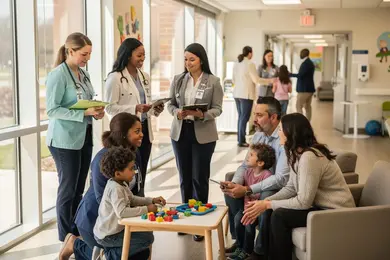
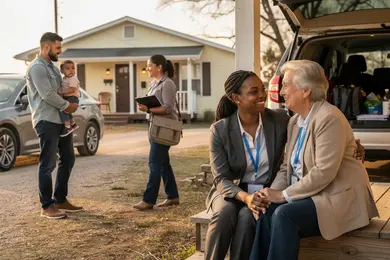
Common settings include hospitals, schools, mental health clinics, child welfare agencies, community organizations, correctional facilities, family service agencies, and nonprofit programs. Each setting gives students a different view of practice. A hospital placement may emphasize discharge planning and interdisciplinary care, while a child welfare placement may focus on safety assessments, family support, court involvement, and mandated reporting.
Most programs require completing between 400 and 900 practicum hours, depending on the degree and accreditation standards. During those hours, students may conduct client interviews, participate in case management, write service plans, make referrals, advocate for clients, observe group work, and consult with supervisors about ethical or legal issues.
The setting matters because it affects the kind of experience a student can describe to future employers. A student interested in school social work should look for placements that involve students, families, educational teams, and behavioral support. A student interested in healthcare may benefit more from a hospital, hospice, integrated care, or medical case management setting.
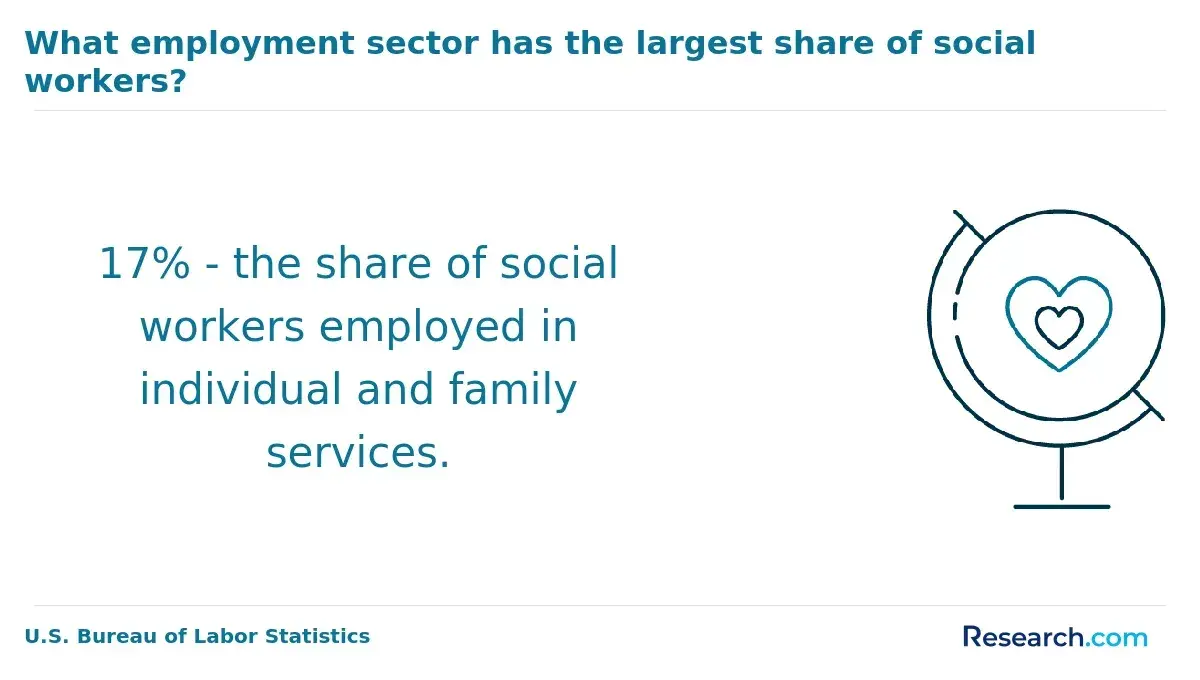
Programs usually help match students with agencies, but students should still research options, communicate career goals early, and ask about supervision quality. The U.S. Bureau of Labor Statistics projects 74,000 annual social worker job openings, which makes relevant and well-supervised field experience especially important for employability. Students considering advanced study can also compare options such as online doctorate programs in social work if they plan to move into leadership, research, policy, or teaching roles.
What accreditation standards apply to social work field placements?
Accreditation standards for social work field placements in the United States are primarily tied to the Council on Social Work Education (CSWE). CSWE-accredited programs must treat field education as an essential part of professional preparation, not as a separate internship added at the end of the curriculum.
In practical terms, accreditation standards are meant to ensure that students receive supervised opportunities to demonstrate social work competencies in real practice settings. These competencies include ethical decision-making, engagement with diversity, assessment, intervention, policy-informed practice, research-informed practice, and professional use of supervision.
Key CSWE accreditation requirements include:
- Field placements must provide opportunities to develop competencies in policy, ethics, diversity, and evidence-based practice.
- Supervisors must be qualified social workers with at least two years of post-licensure experience.
- Programs must monitor placements through evaluations, site communication, and learning agreements that connect field activities to student outcomes.
Typical social work practicum accreditation guidelines require between 400 and 900 field hours, though programs may structure those hours differently. Some programs place students in one agency for a full academic year, while others use separate foundation and advanced placements. Since 2024, securing quality placements has become more challenging in some areas because of virtual care changes and a reduction in available organizations. As a result, programs may work with schools, healthcare systems, public agencies, telehealth providers, and community organizations beyond traditional social service agencies.
Students should ask direct questions before enrolling or before ranking placement preferences. Useful questions include: Who approves the site? What credentials must the field instructor have? How often will supervision occur? What happens if a placement is not meeting learning goals? Are remote or hybrid hours accepted? Students comparing flexible graduate options may want to review affordable CSWE-accredited online MSW programs and confirm how each program manages field placement quality.
How do field placement requirements differ between BSW and MSW programs?
BSW and MSW field placements differ mainly in scope, number of hours, supervision expectations, and level of practice. BSW placements generally prepare students for generalist social work roles, while MSW placements prepare students for advanced practice, specialization, leadership, policy, or clinical pathways.
BSW students typically complete about 400 hours of hands-on experience. These placements often focus on foundational skills: client engagement, basic assessment, referral, case documentation, advocacy, professional boundaries, and working within agency systems. Settings may include family service agencies, schools, community organizations, shelters, and public service programs.
MSW students are expected to complete roughly 900 to 1,200 hours. Their placements are usually more specialized and may align with concentrations such as clinical social work, healthcare social work, child and family services, policy advocacy, community practice, or administrative leadership. With 34.2% of MSW students enrolled part-time, many programs offer more flexible scheduling, evening supervision, employer-based placements, or hybrid options where allowed.
| Program level | Typical field hours | Main purpose | Common placement focus |
| BSW | About 400 hours | Generalist preparation | Engagement, assessment, referrals, advocacy, and basic case management |
| MSW | Roughly 900 to 1,200 hours | Advanced or specialized practice preparation | Clinical practice, policy, healthcare, leadership, child welfare, community practice, or administration |
BSW placements are often coordinated more closely by the school and designed to expose students to broad social work functions. MSW students may have more input because their placements need to match concentration requirements and career goals. However, more choice also means more responsibility: MSW students should verify that a site supports the right level of practice, supervision, and documentation for their intended path.
Students considering graduate study should be realistic about the time commitment. MSW placements can affect work schedules, childcare, transportation, and income. Those who want a shorter completion path can compare accelerated online MSW programs, but they should confirm that accelerated pacing still allows enough time for high-quality supervised fieldwork.
Most U.S. states require between 900 and 1,200 hours of supervised field placement for licensure as a social worker in 2026, but the exact requirement depends on the state, license type, degree level, and whether the license is bachelor’s-level, master’s-level, or clinical. Students should verify requirements with their state licensing board before choosing a program or placement.
The Council on Social Work Education (CSWE) mandates a minimum of 900 field hours for accredited Master of Social Work (MSW) programs. These hours generally include supervised practice activities such as direct client contact, case management, assessment, documentation, community engagement, advocacy, and consultation. Programs may divide hours between foundation-level and advanced-level placements.
Requirements vary by state and licensure level. Licensed Bachelor Social Workers (LBSWs) often need about 400 to 600 supervised hours, while Licensed Clinical Social Workers (LCSWs) typically require more, sometimes accumulating post-graduate experience. This distinction matters because degree-based field hours and post-graduate supervised clinical hours may be counted differently.
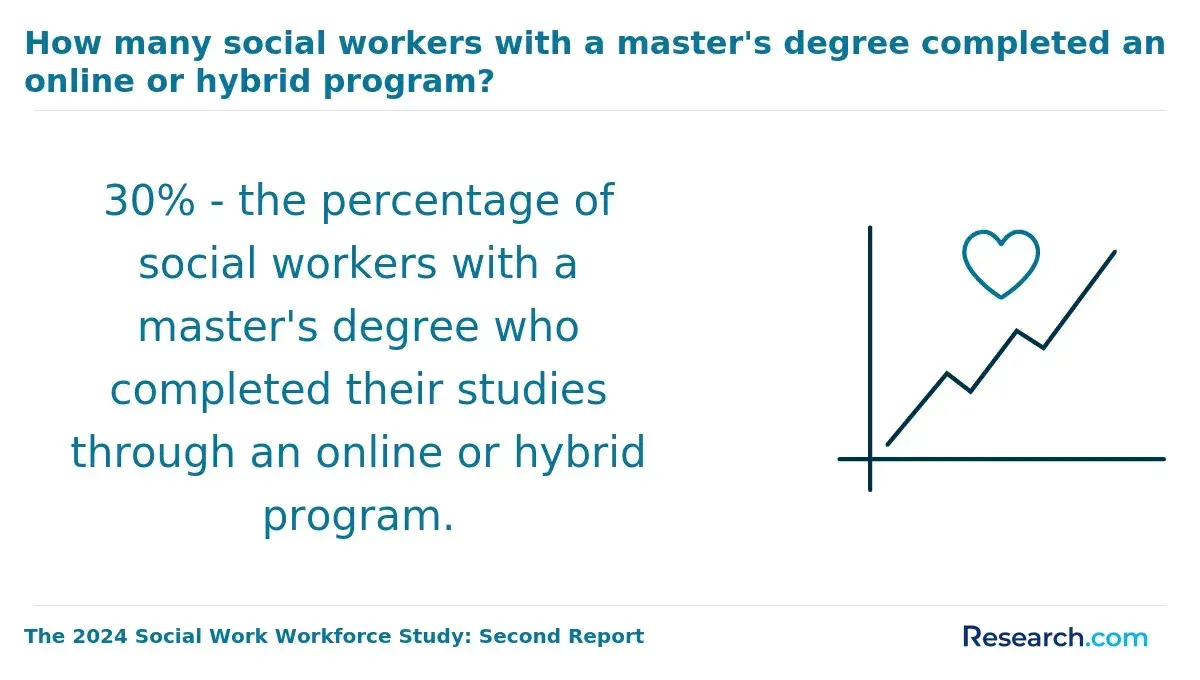
Virtual and hybrid field placements are increasingly common, but students should not assume all remote hours will count automatically. Over 80% of MSW students noted that virtual settings reduced transportation costs and made completing hours more accessible. Examples can include telehealth support, online case management, virtual group facilitation, remote documentation, and simulated learning activities when permitted by the program and licensing rules.
Students should keep organized records from the beginning. Essential documentation may include hour logs, supervision notes, learning agreements, evaluation forms, client-contact summaries where allowed, and confirmation that the field instructor meets program requirements. Missing or incomplete records can delay graduation, licensure applications, or approval for later clinical supervision.
Students should choose a field placement by weighing career fit, learning quality, supervision, logistics, client population, and licensure goals. The best placement is not always the most prestigious or the easiest to reach; it is the one that gives the student relevant, supervised practice aligned with professional goals.
Start with the practice area. Students interested in therapy, assessment, and direct intervention may prefer micro-level or clinical settings. Students interested in policy, systems change, community organizing, or program design may benefit from macro-level placements. Macro-level placements can build skills in program development and policy advocacy, supporting generalist practice and meeting demand in these roles, with social work jobs projected to grow by 6% from 2024 to 2034, according to the Bureau of Labor Statistics.
Client population is another major factor. A placement serving children and families will look very different from one serving veterans, older adults, people experiencing homelessness, people with substance use concerns, incarcerated individuals, or patients in medical settings. Students should ask whether they want broad exposure or deeper experience with a specific population.
Supervision quality should be nonnegotiable. A strong field instructor explains expectations, reviews documentation, helps students process difficult cases, connects practice to ethics, and gives clear feedback. A weak placement may offer hours but little learning. Students should ask how often supervision occurs, whether it is individual or group-based, and what happens if the supervisor is unavailable.
Students should also evaluate practical conditions:
- Weekly schedule and whether required hours fit with work, classes, and caregiving.
- Commute time, transportation costs, parking, and safety.
- Availability of remote or hybrid activities where appropriate.
- Expected workload, documentation demands, and emotional intensity.
- Training provided before direct client contact.
- Whether the site supports licensure-related goals or concentration requirements.
A useful strategy is to identify three priorities before meeting with a field coordinator: the population you want to serve, the skills you need to build, and the schedule you can realistically maintain. This helps students avoid accepting a placement that fits only one need while undermining others.
How do field placement experiences prepare students for social work licensing exams?
Field placement experiences prepare students for social work licensing exams by turning classroom concepts into practical judgment. Licensing exams often test how a social worker should assess situations, prioritize ethical obligations, respond to risk, document appropriately, and choose interventions. Fieldwork gives students real examples to connect with those exam domains.
In placement, students practice client assessment, engagement, intervention planning, referral, documentation, cultural responsiveness, and ethical decision-making. These experiences reinforce concepts such as the biopsychosocial model, systems theory, trauma-informed care, professional boundaries, confidentiality, mandated reporting, and service planning.
Supervision is especially important for exam readiness. A strong field instructor helps students slow down and explain why one action is more appropriate than another. This is similar to the reasoning required on licensing exams, where several answer choices may seem plausible but one best reflects social work ethics, safety, client self-determination, or professional standards.
Field placements also expose students to agency protocols and legal responsibilities. Students learn how documentation supports continuity of care, how referrals are made, when consultation is needed, and how social workers operate within laws and organizational policies. These details help students answer exam questions that involve practice judgment rather than memorized definitions.
Virtual-hybrid placements can also support preparation for part-time students balancing multiple commitments, including over one-third of MSW students seeking practical experience while managing work or personal responsibilities (CSWE, 2023; projections 2024). However, students should make sure remote experiences still include meaningful supervision, ethical discussion, client-related practice, and feedback.
A well-structured placement does more than help students complete hours. It gives them case examples, professional language, ethical reasoning practice, and confidence—each of which can support licensing exam preparation and the transition into social work practice.
Other Things You Should Know About Social Work
Students must typically submit a learning contract, mid-term evaluation, and final evaluation for their field placements in 2027. These documents provide a structure for learning objectives and assess students’ progress, ensuring alignment with the educational goals set by their academic program.
Yes. Many programs require a criminal background check and a child abuse or vulnerable-adult registry check before a student starts placement. Agencies may also ask for immunization records, a tuberculosis test, and proof of liability coverage before the first scheduled placement day.
Yes, field placements often help students discover their preferred areas within social work, such as mental health, child welfare, or healthcare. Experiences gained in various settings allow students to clarify their career goals and may guide their choice of specialization in advanced studies or job searches.
- A Guide to the Social Work Field Experience https://mastersinsocialworkonline.org/resources/field-placement/
- Global Standards for Social Work Education and Training https://www.ifsw.org/global-standards-for-social-work-education-and-training/
- Field Education Guide for Aspiring Social Workers - Social Work Education Center https://www.socialworkdegree.net/field-education/
- What Social Workers Wish They Had Known Before Their First Field Placement – Health Starts in the Kitchen https://healthstartsinthekitchen.com/what-social-workers-wish-they-had-known-before-their-first-field-placement/
- The Benefits of Internships in Social Work Education and ASWB Prep https://agentsofchangeprep.com/blog/the-benefits-of-internships-in-social-work-education-and-aswb-prep/
- Create a Great Social Work Field Education Experience https://www.socialworker.com/feature-articles/field-placement/create-great-social-work-field-education-experience/
- Social Work Internships Guide: BSW & MSW Field Placements https://www.socialworkdegrees.org/the-definitive-guide-to-social-work-internships
- How Do Social Work Internships Work? https://www.onlinemswprograms.com/faqs/internships/
- Types of Social Work Degrees https://www.socialworkers.org/Careers/Career-Center/Explore-Social-Work/Types-of-Social-Work-Degrees
- High-demand social work roles in 2026: trends and opportunities https://socialwork.pacific.edu/blog/high-demand-social-work-roles-2026-trends-and-opportunities