2027 MSW Careers in Child Protective Services

Co-Founder and Chief Data Scientist
Moving into child protective services with an MSW is a serious career decision. The work can involve emergency safety assessments, court documentation, foster care coordination, family reunification planning, and trauma-informed support for children and caregivers. It is meaningful work, but it is also demanding, highly regulated, and emotionally intense.
This guide is for students, career changers, BSW graduates, and working human services professionals who want to understand how an MSW can lead to child welfare and child protective services roles. It explains what these careers involve, what education and licensure typically require, how online and campus MSW formats compare, what the curriculum covers, what jobs may be available, and how to think realistically about salary, cost, workload, and long-term career fit.
Key Things You Should Know
- MSW graduates in 2026 entering child protective services typically earn starting salaries between $50,000 and $65,000, with demand expected to grow by 7% through 2031 per the Bureau of Labor Statistics.
- Advanced clinical skills and trauma-informed care knowledge are essential, as 60% of cases involve family violence and neglect requiring comprehensive intervention strategies.
- State licensure and continuing education are mandatory, with many agencies offering loan forgiveness programs to incentivize retention in high-stress CPS roles.
What are MSW careers in child protective services?
MSW careers in child protective services focus on protecting children from abuse, neglect, and unsafe living conditions while helping families access the support they need to stabilize. These roles require more than compassion. Professionals must assess risk, document evidence, coordinate services, understand legal requirements, and make difficult recommendations that may affect where a child lives and what services a family receives.
In practice, MSW-trained child welfare professionals may investigate reports of suspected maltreatment, create safety plans, support foster care placements, help parents meet reunification goals, or provide trauma-informed counseling. They often work with courts, schools, healthcare providers, law enforcement, behavioral health agencies, and nonprofit family service organizations.
Common MSW pathways in child protective services
- Child protective investigator: Responds to reports of abuse or neglect, interviews children and caregivers, reviews home safety, and documents findings.
- CPS caseworker or ongoing services worker: Manages open cases, monitors safety plans, connects families with services, and prepares court updates.
- Foster care or permanency worker: Coordinates placements, supports foster families, and works toward reunification, guardianship, or adoption when appropriate.
- Family reunification specialist: Helps parents address safety concerns through treatment, parenting support, housing assistance, and other services.
- Clinical child and family social worker: Provides therapy or behavioral health support when state licensure permits clinical practice.
- Supervisor, trainer, or policy specialist: Uses field experience to guide teams, improve agency practice, or shape child welfare programs.
The work can be rewarding, but it is not a low-stress career. Heavy caseloads, secondary trauma, urgent decision-making, and court deadlines are common. Strong candidates are organized, emotionally steady, clear writers, culturally responsive, and able to communicate calmly with families in crisis.
Compensation varies by state, agency, experience, union structure, and licensure. Child, family, and school social workers earned a mean annual wage of $59,190 in May 2023, with the top 10% earning up to $85,590. An MSW can also support advancement into clinical, supervisory, training, or administrative roles. For professionals planning a long-term academic or leadership track, an online PhD in social work may eventually be relevant, although it is not required for most CPS positions.
What education is required for MSW in child protective services?
Most advanced child protective services roles are best supported by a Master of Social Work from a Council on Social Work Education (CSWE) accredited program. CSWE accreditation matters because many state licensing boards and employers use it to verify that the program meets professional social work education standards. Before enrolling, students should confirm accreditation directly with the school and review the licensure rules in the state where they plan to work.
Applicants generally need a bachelor's degree. A BSW is helpful but not always required. Students with undergraduate degrees in psychology, sociology, criminal justice, education, human services, public health, or unrelated fields may still be eligible for traditional MSW programs. BSW graduates may qualify for advanced standing, which can reduce completion time to about one year, while traditional MSW pathways often require two years.
What to look for in an MSW program for CPS work
- CSWE accreditation: Essential for licensure planning and employer recognition.
- Child welfare coursework: Look for classes in child maltreatment, family systems, trauma, policy, and child welfare law.
- Field placement access: Prioritize programs that can place students in child welfare, foster care, family services, schools, or behavioral health settings.
- Licensure preparation: Ask how the program prepares graduates for ASWB exams and state-specific requirements.
- Support for working adults: Evening, part-time, hybrid, or online options can matter if you are already employed.
State licensure requirements differ. Some CPS positions may hire candidates with a bachelor's degree, while clinical, supervisory, or specialized roles may prefer or require an MSW and later licensure. Additional training in trauma-informed care, forensic interviewing, mandated reporting, substance use, domestic violence, and child welfare practice can strengthen readiness for the field.
According to the Bureau of Labor Statistics, about 57,700 child, family, and school social workers serve in elementary and secondary schools, earning a mean annual wage of $70,070. Students comparing affordability and program access can review resources on affordable online MSW programs while still verifying accreditation, field placement policies, and state licensure alignment.
How do I become a child protective services social worker with an MSW?
To become a child protective services social worker with an MSW, start by building a foundation in social work, child development, crisis response, and family services. The exact route depends on your undergraduate background, state hiring rules, and whether you want a direct casework role, a clinical role, or a leadership path.
Typical steps to enter CPS with an MSW
- Earn a bachelor's degree. A BSW can qualify you for advanced standing MSW programs, but related fields may also be accepted. About 30% of licensed social workers with a bachelor's later earn a master's in social work.
- Choose a CSWE-accredited MSW program. Look for concentrations or electives in child welfare, clinical practice, family systems, trauma, or public sector social work.
- Complete relevant field education. A placement in a child welfare agency, family services organization, school, court-connected program, or behavioral health setting can make your resume stronger.
- Learn your state’s CPS hiring and licensure rules. Requirements vary. Some positions focus on agency training, while clinical roles may require supervised hours and licensure after graduation.
- Prepare for the ASWB exam if required. Depending on the state and role, the exam may be at the clinical or advanced generalist level.
- Apply strategically. Target county or state CPS agencies, foster care organizations, family preservation programs, child advocacy centers, and nonprofit child welfare providers.
Field experience is often the difference between being interested in CPS and being prepared for CPS. During your MSW, seek training in risk assessment, documentation, courtroom communication, safety planning, mandated reporting, and de-escalation. These skills are central to the day-to-day work and are difficult to learn from coursework alone.
Networking with local child welfare agencies can also help. Attend employer panels, ask your field office about CPS placements, and speak with current workers about caseloads, supervision, and turnover. If time to completion is a major concern, an accelerated master's in social work may be worth comparing, provided it is accredited and offers appropriate field placement support.
An MSW curriculum for child welfare prepares students to understand family risk, child safety, trauma, poverty, substance use, mental health, domestic violence, and the legal systems that shape CPS decisions. The strongest programs connect theory with field practice, because child welfare work requires fast judgment, careful documentation, and ethical decision-making under pressure.
Core curriculum areas for child welfare practice
- Human behavior and child development: How children grow, form attachments, respond to trauma, and signal distress.
- Assessment and safety planning: How to evaluate risk, protective factors, caregiver capacity, and immediate safety needs.
- Child maltreatment and neglect: Signs of abuse, neglect, exploitation, and family conditions that may increase risk.
- Trauma-informed practice: How trauma affects children, parents, and caregivers, and how to avoid retraumatizing families during intervention.
- Family systems and reunification: How to support behavior change, service engagement, visitation, and permanency goals.
- Law, policy, and mandated reporting: Reporting duties, family court processes, confidentiality, documentation, and agency authority.
- Cultural competence and ethics: How to serve families respectfully while addressing safety concerns without bias.
- Interdisciplinary collaboration: How to work with schools, medical providers, courts, law enforcement, mental health clinicians, and community organizations.
Field education is a major part of MSW preparation. In a child welfare-related placement, students may observe home visits, assist with case plans, participate in team meetings, prepare documentation, and learn how supervisors review safety decisions. A good placement should include close supervision, structured feedback, and exposure to both crisis response and longer-term family support.
Given that 59% of the licensed social work workforce were clinical social workers and another 30% held master's-level licensure (Sage Journals), MSW students should understand how curriculum, supervised practice, and licensure connect. Those weighing the return on graduate education can review whether a master's in social work is worth it in relation to their career goals, expected debt, and desired scope of practice.
MSW admission requirements vary by school, but most programs evaluate academic readiness, professional maturity, service experience, and fit with the social work profession. You do not always need a BSW to apply, but BSW graduates may qualify for advanced standing if their degree meets the program’s criteria.
Common MSW application requirements
- Bachelor's degree: Usually from an accredited institution. Social work, psychology, sociology, human services, and related majors are common, but many programs consider other backgrounds.
- Minimum GPA: Many programs expect a minimum GPA around 3.0, though policies differ.
- Transcripts: Official records from all colleges attended.
- Personal statement: A focused essay explaining your goals, relevant experience, understanding of social work values, and readiness for graduate study.
- Letters of recommendation: Often from professors, supervisors, or professionals who can speak to your judgment, writing, ethics, and service orientation.
- Resume: Include paid, volunteer, internship, advocacy, case management, education, healthcare, or community service experience.
- Interview: Some programs use interviews to assess communication skills, professional boundaries, and commitment to social work ethics.
Applicants interested in CPS should highlight experience with children, families, crisis services, schools, shelters, behavioral health, court-connected programs, or community agencies. If you do not have direct child welfare experience, show transferable skills such as documentation, conflict resolution, cultural humility, trauma awareness, and work with vulnerable populations.
International applicants may need English proficiency results such as TOEFL or IELTS and transcript evaluations for U.S. equivalency. Because requirements can differ sharply by program, students should review admissions pages early and contact admissions offices before assuming that prerequisites, field hours, or advanced standing rules apply uniformly.
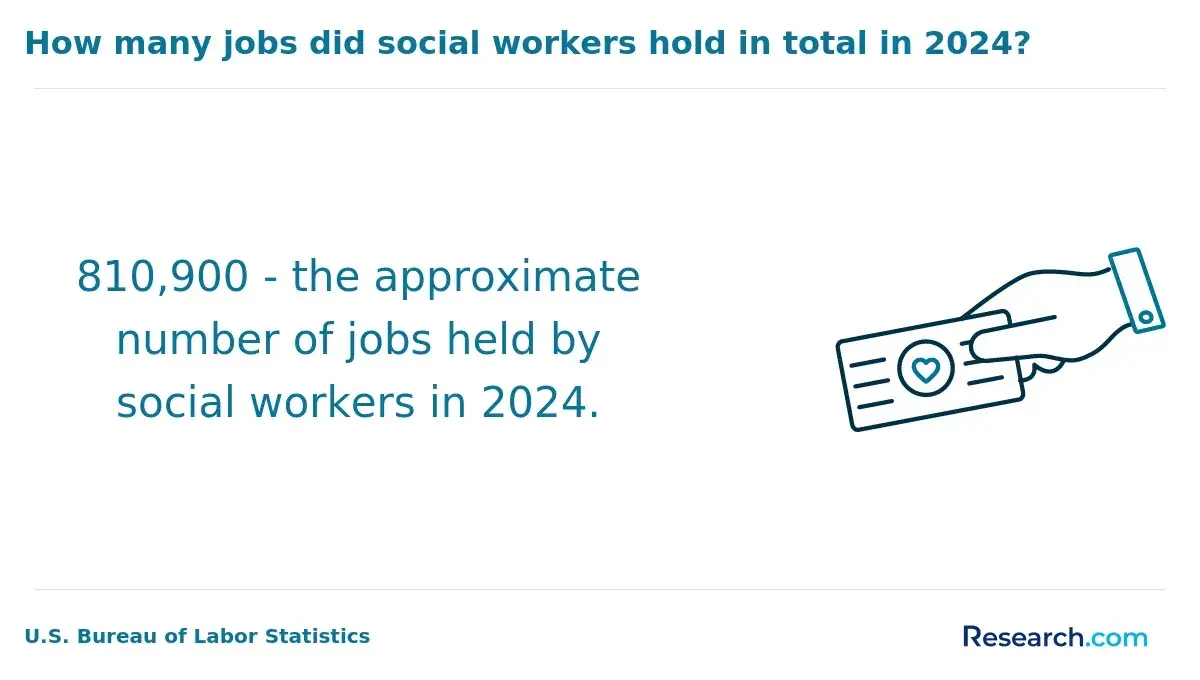
Employment of social workers is projected to grow 6% from 2024 to 2034, with around 74,000 openings annually due to replacements and transfers, according to the Bureau of Labor Statistics. A strong application should therefore do more than meet the minimum requirements; it should show that you understand the profession and are prepared for the realities of social work practice.
MSW programs are commonly offered in online, campus-based, and hybrid formats. The best option depends on your schedule, location, learning style, field placement needs, and comfort with remote instruction. For child protective services careers, format matters less than accreditation, field education quality, licensure alignment, and access to child welfare-relevant training.
| Format | Best for | Key advantages | Potential drawbacks |
| Online MSW | Working adults, rural students, caregivers, and students who cannot relocate | Flexible coursework, local field placements when available, reduced commuting | Requires strong self-discipline, reliable technology, and careful review of placement support |
| Campus MSW | Students who prefer face-to-face learning and local agency networking | In-person faculty access, peer connection, campus resources, established local field partnerships | Less schedule flexibility and possible commuting or relocation costs |
| Hybrid MSW | Students who want flexibility but still value in-person learning | Combines online coursework with residencies, labs, seminars, or campus meetings | Travel requirements and scheduling may still be difficult for some students |
Online MSW programs may use asynchronous courses, live evening classes, or a mix of both. Students should ask whether the school finds field placements or expects students to locate their own sites. This is especially important for CPS-focused students, because not every region has enough approved child welfare placements.
Campus-based programs may offer stronger local networking with child protective agencies, courts, school systems, and nonprofit providers. Hybrid programs can provide a middle path, but required intensives or residencies should be factored into work schedules and travel budgets.
Graduates from accredited MSW programs can pursue child and family social work roles, with median salaries around $58,570 according to U.S. News & World Report and top earners reaching approximately $74,060. Students comparing formats can use research.com as a starting point, but should always verify accreditation, licensure outcomes, and field placement procedures directly with each school.
Most traditional full-time MSW programs take two years. Students with a bachelor of social work (BSW) may qualify for advanced standing and finish in one year. Part-time options often take three or more years, which can be useful for working professionals but may increase the total time before salary advancement or licensure progress begins.
Cost varies widely by institution type, residency status, program format, and fees. Public universities typically charge $10,000 to $30,000 per year for in-state students, while private institutions may range from $30,000 to $60,000 annually. Students should also budget for application fees, technology fees, books, transportation, background checks, professional liability insurance, and unpaid or reduced-hour field placement obligations.
Questions to ask before choosing a program
- What is the total program cost, not just annual tuition? Include fees, field placement expenses, and any residency or travel requirements.
- Does the school offer advanced standing? BSW graduates may reduce both time and tuition if eligible.
- Can I keep working during field placement? Some placements require weekday daytime hours, which can affect income.
- Is financial aid available? Review federal loans, grants, scholarships, stipends, assistantships, and employer reimbursement.
- Does the program support CPS-related placements? Field experience can influence employability after graduation.
Financial aid planning should begin before enrollment. Eligible students may use federal loans and grants, and some employers or public agencies may offer tuition support or reimbursement. Cost should be weighed against licensure goals, local job markets, expected salary, and whether the program can support the kind of child welfare work you want to do.
The demand for social workers in California is robust, with job growth projected at 14% through 2033 due to expanding mental health and healthcare services, according to the University of the Pacific. Students considering CPS careers should compare regional demand, agency pay scales, and cost of living before deciding where to study or work.
An MSW can qualify graduates for a range of child welfare roles in public agencies, nonprofit organizations, schools, healthcare systems, behavioral health providers, and court-connected programs. The right role depends on whether you want direct investigation work, ongoing family services, clinical practice, placement coordination, supervision, or policy and program work.
Common jobs for MSW graduates in child protective services
- CPS caseworker: Manages child welfare cases, coordinates services, monitors safety, and prepares documentation for agency and court review.
- Child protective investigator: Responds to reports of suspected abuse or neglect and conducts safety and risk assessments.
- Foster care case manager: Coordinates placements, supports foster families, monitors child well-being, and works toward permanency goals.
- Family preservation or reunification specialist: Helps families address safety concerns so children can remain at home or return home when appropriate.
- Clinical child and family social worker: Provides therapy or trauma-informed services when the worker meets state clinical licensure requirements.
- Child advocacy or victim services social worker: Supports children and families involved in investigations, court proceedings, or trauma recovery services.
- Supervisor or program manager: Oversees staff, reviews cases, supports training, and helps improve agency practice.
- Policy or program analyst: Uses child welfare experience to evaluate services, improve procedures, or support system-level reforms.
Many CPS roles require collaboration with schools, law enforcement, medical professionals, courts, mental health providers, and housing or substance use programs. Workers must be able to manage sensitive information, write clearly, respond to conflict, and maintain professional boundaries with families in crisis.
Workforce data from the Administration for Children and Families shows a predominantly female (83.0%) and relatively young (62.3% aged 40 or younger) public child welfare workforce. With 78.9% holding a bachelor's degree as the highest credential, MSW graduates may be better positioned for specialized, clinical, supervisory, or leadership roles, depending on state rules and agency needs.
Additional licensure and certification can expand options, especially for clinical therapy, supervision, and advanced practice. Before applying, review each job posting carefully: titles can be similar across agencies, but duties, caseload expectations, travel requirements, court involvement, and licensure preferences may differ significantly.
The salary for MSW child protective services workers typically ranges from $45,000 to $65,000 annually, based on location, experience, and agency funding. Entry-level MSW caseworkers often start near $45,000 to $50,000, while those with five or more years of experience may earn $60,000 or more. Specialized or supervisory roles can reach $70,000 or higher in certain states.
Pay is shaped by several factors: state and county budgets, union agreements, cost of living, licensure level, overtime policies, agency type, and whether the role is investigative, clinical, supervisory, or administrative. Urban areas and states like California and New York generally offer higher wages than many rural or lower-cost regions, but housing and living costs may offset the difference.
Benefits can matter as much as base pay
Public child welfare jobs may include health insurance, retirement plans, paid leave, professional training, mileage reimbursement, and potential student loan forgiveness options. These benefits can make a lower base salary more competitive, especially for MSW graduates managing student loan debt.
The Administration for Children and Families reports that despite only 34.7% of child welfare caseworkers having 3-5 years of experience, 60.5% consider it very likely they will remain with their agencies for at least another year. Retention can reflect many factors, including mission commitment, benefits, job security, supervision quality, and local employment options.
When evaluating salary, look beyond the advertised number. Ask about caseload size, on-call duties, overtime, safety protocols, supervision, remote work policies, training, advancement pathways, and turnover. A slightly higher salary may not compensate for unsustainable workload, while strong supervision and clear promotion steps can make a role more viable long term.
What is the job outlook for MSW child welfare professionals?
The job outlook for MSW child welfare professionals remains tied to public need, agency funding, turnover, and demand for workers who can manage complex child safety and family support cases. CPS agencies, foster care providers, family preservation programs, schools, courts, and nonprofits continue to need professionals trained in assessment, trauma-informed practice, documentation, and coordinated care.
The demand for MSW child welfare professionals is projected to remain strong through 2026, fueled by public agencies and nonprofits focused on child protective services (CPS). Nearly 433,263 licensed social workers with master's degrees were active from 2018 to 2022, reflecting a substantial professional workforce.
Skills that can improve employability
- Trauma-informed practice with children, parents, and caregivers.
- Risk assessment, safety planning, and crisis intervention.
- Clear court-ready documentation and professional writing.
- Knowledge of child welfare law, mandated reporting, and family court processes.
- Experience with substance use, domestic violence, mental health, housing instability, and poverty-related stressors.
- Ability to collaborate with schools, healthcare providers, law enforcement, attorneys, and community agencies.
- Comfort using data, case management systems, and evidence-informed practice models.
Career opportunities may be strongest for MSW graduates who combine field experience with licensure progress and specialized training. Internships, fellowships, or employment in CPS-adjacent settings can help students show readiness for high-responsibility roles. Supervisory and policy positions often require demonstrated judgment, strong documentation, and the ability to support other workers through complex cases.
The field also has real challenges: high caseloads, emotional stress, staff turnover, safety concerns, and administrative burden. Before committing, students should speak with current child welfare workers, review local agency conditions, and consider whether they have the support systems needed for this work. For those who are prepared, an MSW can provide a strong pathway into child welfare practice, leadership, and long-term service to children and families.
Other Things You Should Know About Social Work
In 2027, MSW programs provide specialized training for social workers in managing stress, understanding legal responsibilities, and developing cultural competence. These skills are essential in addressing the high caseloads, emotional demands, and complex family dynamics commonly faced in child protective services roles.
In 2027, MSW graduates aiming to work in child protective services typically require licensure as a Licensed Master Social Worker (LMSW) or Licensed Clinical Social Worker (LCSW), depending on the state. This often involves passing the Association of Social Work Boards (ASWB) exam.
MSW social workers in child protective services often receive clinical supervision, which includes regular meetings with licensed supervisors to discuss cases and professional development. Support services may include peer consultation groups, training workshops, and access to employee assistance programs. These resources help social workers improve skills and prevent burnout.
The state social work licensing board sets licensure rules for child protective services roles. MSW graduates usually need the LSW or LMSW, plus supervised post-degree hours and the ASWB exam in many states. Exact titles, hour totals, and renewal rules vary by jurisdiction.
- Online MSW vs Campus MSW: 2025 Outcomes & Career Guide https://www.socialworkdegrees.org/online-msw-vs-campus-msw
- Admission requirements https://socialwork.wayne.edu/msw/requirements
- Careers in Child Protective Services | University of Phoenix https://www.phoenix.edu/articles/social-work/careers-in-child-protective-services.html
- Career Opportunities https://dcfs.lacounty.gov/about/career-opportunities/
- What does a Child Protective Services Social Worker (CPS Social Worker) do? Career Overview, Roles, Jobs | NASW https://joblink.socialworkers.org/career/child-protective-services-social-worker-cps-social-worker
- How Long Does it Take to Become a Social Worker? https://socialworklicensemap.com/become-a-social-worker/how-long-does-it-take/
- How to Become a Child Welfare Social Worker https://socialwork.tulane.edu/blog/child-welfare-social-worker/
- How to Become a Child Social Worker in 2023 https://mastersinsocialworkonline.org/careers/child-social-worker/
- How to Become a Child Welfare Social Worker in Texas https://www.texassocialworkedu.org/social-work-industries-in-texas/child-welfare/
- Explore Social Work https://www.socialworkers.org/Careers/NASW-Career-Center/Explore-Social-Work